











What durability metrics to request for neutral cure silicone sealant?
Neutral Cure Silicone Sealant: 6 Hard Questions Beginners Must Ask (and Exact Durability Metrics to Request)
Neutral cure silicone sealants (oxime/alkoxy-type) are the go-to for sensitive metals, architectural glass and long-life façade joints — but many buyer FAQs online are vague or outdated. Below are six specific, pain‑point oriented questions beginners routinely ask, followed by the exact durability metrics, standards and acceptance criteria you should demand from manufacturers and test labs. These answers reference common standards (ASTM C920, EN 15651, ISO 11600, ASTM D412, ASTM D2240, ASTM C794, ASTM D471, ASTM G154/G155) and practical site guidance to meet modern E-E-A-T expectations for specification-grade sealants.
1) How should I specify movement capability and modulus for a neutral cure silicone on a concrete-to-anodized-aluminum expansion joint?
Pain point: joints with differential thermal/hygro expansion fail when movement capacity or elastic modulus is underspecified.
What to request from the supplier:
- Movement capability (percent): specify the required design movement as a percent (±25%, ±50% or ±100%). Use ASTM C920 class numbers (Class 25 = ±25%, Class 50 = ±50%) or EN 15651/F/G designations. For typical building expansion joints use a minimum ±25% (Class 25). For high differential movement (long spans, curtain wall interfaces) specify ±50% (Class 50) or higher.
- Low-strain modulus: request measured tensile modulus at 100% elongation (MPa) per ASTM D412. For joint sealants you typically want a low modulus: 0.4–1.2 MPa at 100% is common for low-modulus neutral silicones. Lower modulus improves stress relief at adhesion interfaces.
- Elongation at break: request elongation at break (percent) per ASTM D412. Recommend minimums tied to movement class: ≥200% elongation for ±25% movement; ≥350%–500% for ±50% movement. If the supplier cannot provide numbers, require independent lab verification.
- Joint design: specify depth-to-width ratio (commonly 2:1) and backer rod type to ensure movement capability is realized in the field.
- Adhesion mode: require tie-break (cohesive) failure, not adhesive failure, in substrate-specific tests. A cohesive failure in ASTM C794 peel tests or a tensile adhesion test signals the sealant stayed bonded to the substrate — usually acceptable.
- Peel strength: request contact peel values measured to ASTM C794 on the actual substrate and surface finish (anodized, PVDF-coated, painted). Ask for numeric N/25 mm values — typical good-performing silicones often show 5–20 N/25 mm depending on substrate and priming. Do not accept only ‘‘passes’’ — request raw data and substrate condition details.
- Tensile strength: request ASTM D412 tensile strength (MPa) and percent elongation on cured samples. Typical neutral silicones range 0.5–2.5 MPa tensile strength; specify minimum based on expected mechanical loads (for façade joint sealants, request ≥1.0 MPa if joints will see wind/fatigue loads).
- Adhesion after conditioning: require adhesion tests after accelerated conditioning — at minimum: 28 days outdoor/QUV (ASTM G154/G155) or 20 cycles thermal cycling (–40°C to +80°C) and then ASTM C794; acceptance = cohesive failure or ≤20% reduction in peel strength compared with unaged.
- Surface preparation matrix: insist supplier provides primer recommendations and adhesion test data for the exact substrate/finish and surface preparation (cleaner, primer, flash-off time). If no primer recommendation exists, require on-site mock-ups.
- Tack-free time at defined conditions: request measured tack-free time at 23°C/50% RH and also at your expected jobsite ambient (for example 5°C/40% RH). Typical neutral silicones: tack-free 10–60 minutes at 23°C/50% RH, but at low temperatures or very low humidity tack-free can lengthen substantially. Ask for both numbers.
- Cure-through (depth) rate: request mm cured per 24 hours at your jobsite conditions. Standard lab baseline is 2–4 mm/24h at 23°C/50% RH for many neutral silicones; some fast-cure formulations reach 5–8 mm/24h. Exact number affects how quickly you can cover or stress the joint.
- Core-cure verification: ask for cross-sectional hardness or IR spectroscopy tests showing full cure at the design depth after X days under specified conditions. Require manufacturer to state the recommended maximum joint depth for single pass vs. multi-pass application.
- By‑product profile: since neutral cure types release oximes or alcohols (oxime- or alkoxy-type neutral cure), request the curing by‑product identity and off-gassing limits — relevant for enclosed spaces or bonded assemblies where trapped by-products can affect adjacent coatings or electronics.
- Standards-based accelerated weathering: ask for QUV (ASTM G154) and xenon arc (ASTM G155) reports, plus natural outdoor exposure data if available. Request at least 1,000 hours QUV (UVB or UVA cycles relevant to region) as a baseline; for critical façades request 2,000 hours plus natural exposure correlation.
- Retention of mechanical properties: require the percent retention of tensile strength and elongation (ASTM D412) after accelerated ageing. Practical acceptance: ≥70%–80% retention of elongation and ≥60%–80% retention of tensile strength after 1,000–2,000 h QUV indicates good weathering performance. (Exact targets depend on project life expectancy.)
- Adhesion after ageing: require post‑ageing adhesion tests (ASTM C794 or peel/tensile adhesion) on the actual substrates and expect cohesive failure or ≤25% reduction in adhesion after the prescribed ageing.
- Color/appearance: request Delta E or visual change data for pigmented sealants after UV exposure, especially for visible joints.
- Chemical list: provide the supplier an exact list of chemicals, concentrations and exposure conditions (splash, immersion, intermittent contact, elevated temperature). Generic answers are insufficient.
- ASTM D471 immersion tests: request mass uptake, hardness change (ASTM D2240) and tensile/elongation after immersion for a defined time and temperature (7, 28 or 90 days at service temperature). Acceptance example: ≤10% mass change and ≤15% reduction in tensile/elongation for intermittent exposure. For continuous immersion in aggressive solvents, silicones may swell significantly — expect failure in aromatic hydrocarbons.
- Swelling and softening: ask for percent volume or mass swell in each chemical; if swelling >15–20% this is a red flag for joint sealing applications where dimensional stability matters.
- Practical exclusion list: neutral cure silicones are generally excellent versus water, salts, diluted acids and bases and many hydraulic oils, but are vulnerable to strong oxidizers and some organic solvents (ketones, aromatics). Always require compatibility data for solvents present on site.
- Non‑staining certification: request written non-staining statements for specific substrates (natural stone, copper, zinc, PVDF, anodized aluminium) and ask for test reports. Some neutral cure chemistries perform better on copper/stone — verify by test.
- Migration and plasticizer testing: require low-migration formulation data and ask for extractables analysis or compatibility tests with the exact paint/coating system. For paints, remember most silicone sealants are not paintable; if over‑painting is required, request a paintable neutral cure silicone with validated paint adhesion data.
- Mock-ups and accelerated tests: insist on sealed mock-ups (same substrate batch and coating) that are QUV/thermal cycled and visually inspected for staining or delamination for at least 3–6 months of outdoor exposure or 1,000 hours QUV.
- Acceptance criteria: no visible staining at joint edges, no coating blistering or delamination adjacent to sealant, and adhesion retained (cohesive failure) in post‑mock-up peel/tensile tests.
Why these metrics matter: Movement capability (±%) tells you how much reversible displacement the cured sealant will tolerate. Modulus at 100% and elongation at break quantify how stiff vs. stretchy the cured silicone is — a mismatch will cause adhesive failure even if the sealant meets a vague ‘‘high movement’’ claim.
2) What specific adhesion and tensile/peel test values should I demand for neutral cure silicone on anodized aluminum, painted steel and laminated glass?
Pain point: coatings lift, or sealant de-bonds on critical substrates leading to water ingress or stained facades.
Exact test requests and acceptance criteria:
Practical tip: ask for adhesion test reports performed on the exact coated panel batch being installed (PVDF batches vary), or perform mock-ups and destructive tests before full procurement.
3) In cold or humid site conditions, what cure speed, tack-free time and depth‑of‑cure data should I require for neutral cure silicones?
Pain point: slow curing seals trap moisture or delay trades; thin-skin but uncured core gives hidden failures.
Data to require:
Site guidance: when low temperature or high humidity slow cure is predicted, plan longer protection and staged trades, and request on-site mock-ups. For porous substrates or vertical joints consider primer + shallower depth to speed cure.
4) Which UV and thermal ageing metrics best predict façade life, and what accelerated weathering results should I ask for?
Pain point: silicone joints in exterior façades can harden, chalk, lose elasticity or exhibit adhesion loss over years; buyers need predictive durability data.
What to request:
Note: accelerated weathering correlates with field life but is not perfect; demand manufacturer field exposure data (3–5 year façade samples) when possible for critical applications.
5) For industrial sites, which chemical resistance tests should I insist on for neutral cure silicone and what pass/fail criteria are realistic?
Pain point: exposure to oils, fuels, solvents, acids or alkalis can swell or degrade some sealants leading to loss of seal. Buyers often receive generic ‘‘chemical resistant’’ claims without substrate-specific data.
What to request and expect:
Recommendation: if chemical exposure is central to the application, require on-site mock-ups with periodic inspections (30/90/180 days) before full-scale application.
6) How do I require and verify compatibility with secondary finishes (PVDF coatings, paints, stone) to avoid staining, coating delamination or migration?
Pain point: stain or coating lift occurs months after installation because sealant additives migrate or by-products react with finishes.
What to do and demand:
Bottom line: empirical mock-ups on the exact coated panels are indispensable. Generic ‘‘compatible with metal coatings’’ claims are not sufficient for warranty-grade projects.
Concluding summary: Why choose neutral cure silicone sealant and how to specify it correctly
Neutral cure silicone sealants combine broad substrate compatibility (anodized aluminium, stainless, most coated metals, glass, stone), low modulus for movement accommodation, and excellent UV/thermal resistance compared with many organic elastomers. To translate those advantages into long-term field performance, always request substrate-specific test data: movement capability (±%), tensile modulus at 100% (MPa), elongation at break (%), ASTM/EN lab reports for adhesion (ASTM C794), tensile (ASTM D412), hardness (ASTM D2240), tear (ASTM D624), cure-through rate (mm/24h at project conditions), accelerated weathering data (ASTM G154/G155), and chemical immersion results (ASTM D471) for the chemicals on your site. Require mock-ups with the exact substrate finishes and installation environmental conditions; accept only clearly reported pass/fail criteria (cohesive failure, percent retention after ageing, max mass/volume swell limits).
For specification assistance, mock-up planning or to request certified lab reports for any neutral cure silicone sealant on your substrates, contact us for a quote — we will provide substrate-specific test matrices and performance thresholds. Website: www.kingdelisealant.com — Email: info@kingdeliadhesive.com
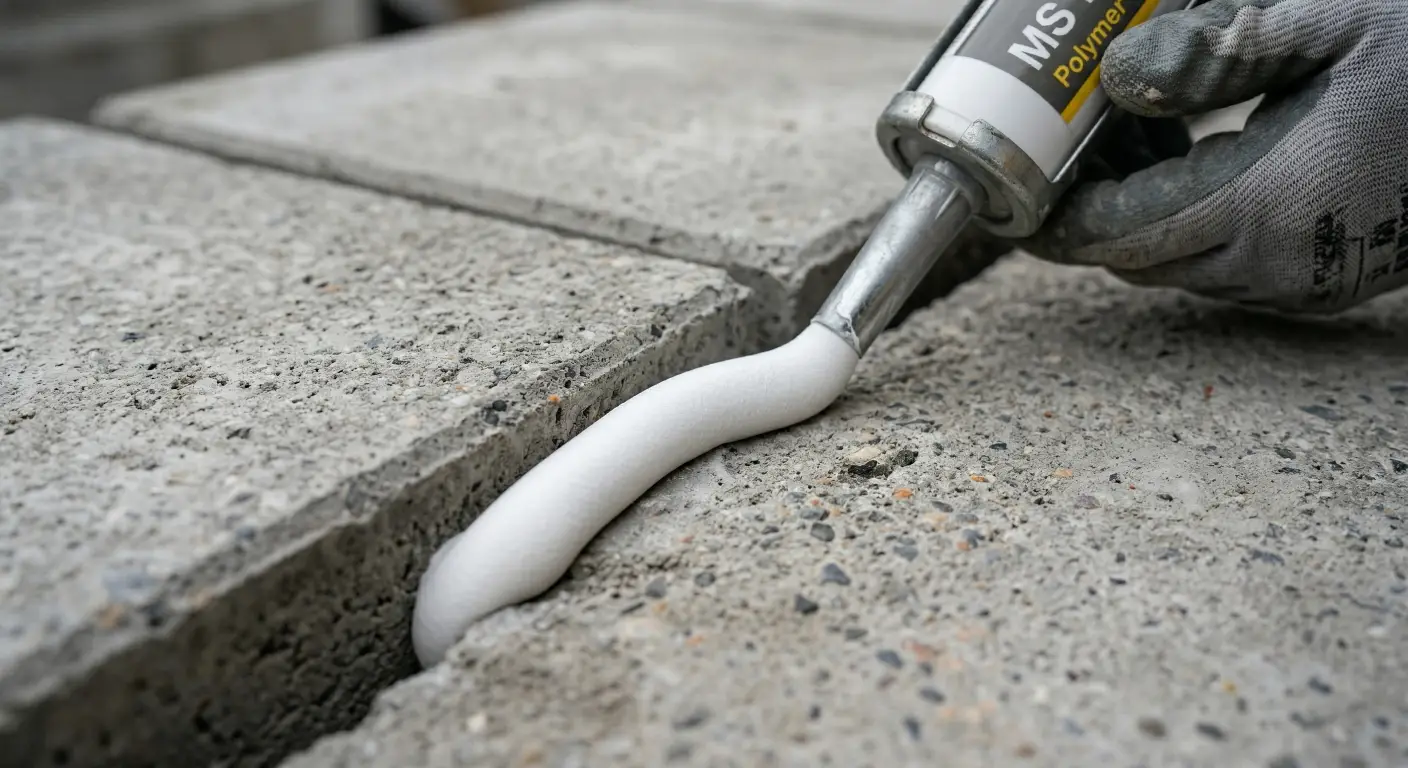
MS Polymer Sealant: The Ultimate Professional Guide for Modern Construction
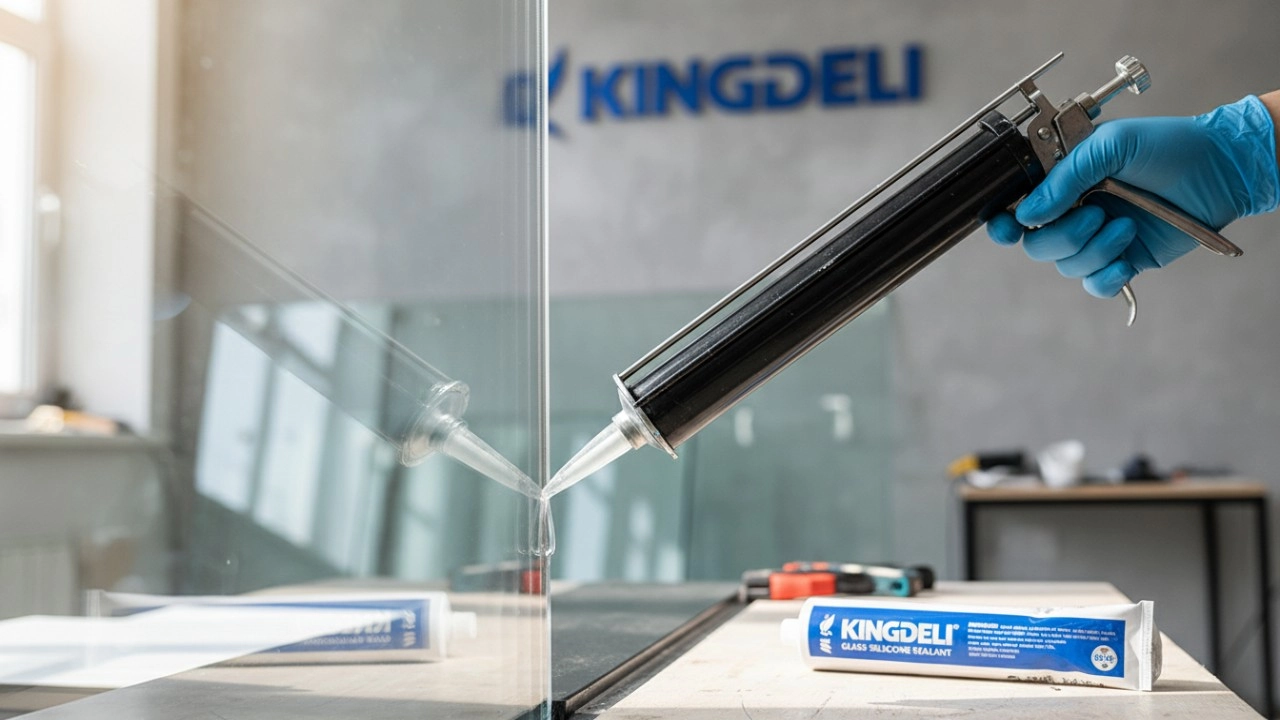
The 2026 Ultimate Guide to Glass Silicone Sealant: Everything You Need for a Perfect Finish
OEM vs. Branded Acetic Silicone Sealant: What’s Best for Your Distribution Business?
The Future of Sealants: 5 Emerging Trends in Wholesale Neutral Silicone Sealant Technology for 2026
HY-722
Can it be used outdoors?
Yes. It has excellent weather resistance for both indoor & outdoor use.
HY925
Can HY925 be used for structural glazing?
No. HY925 is a construction sealant and is not designed for structural glazing applications.
HY-951
Is the cured grout flexible?
Yes. HY951 maintains a certain level of flexibility after curing, helping it accommodate minor movement and improving long-term durability.
HY-2100
Can the product be painted after curing?
Silicone sealants are generally not paintable. If painting is required, use compatible paintable sealants or consult us for alternatives.
HY997
What type of sealant is HY997 Anti-Mildew Sealant?
HY997 is a one-component, neutral-curing modified silane sealant based on silyl-modified polyether technology. It offers excellent anti-mildew, anti-bacterial, and stain-resistant performance, making it ideal for humid indoor environments.
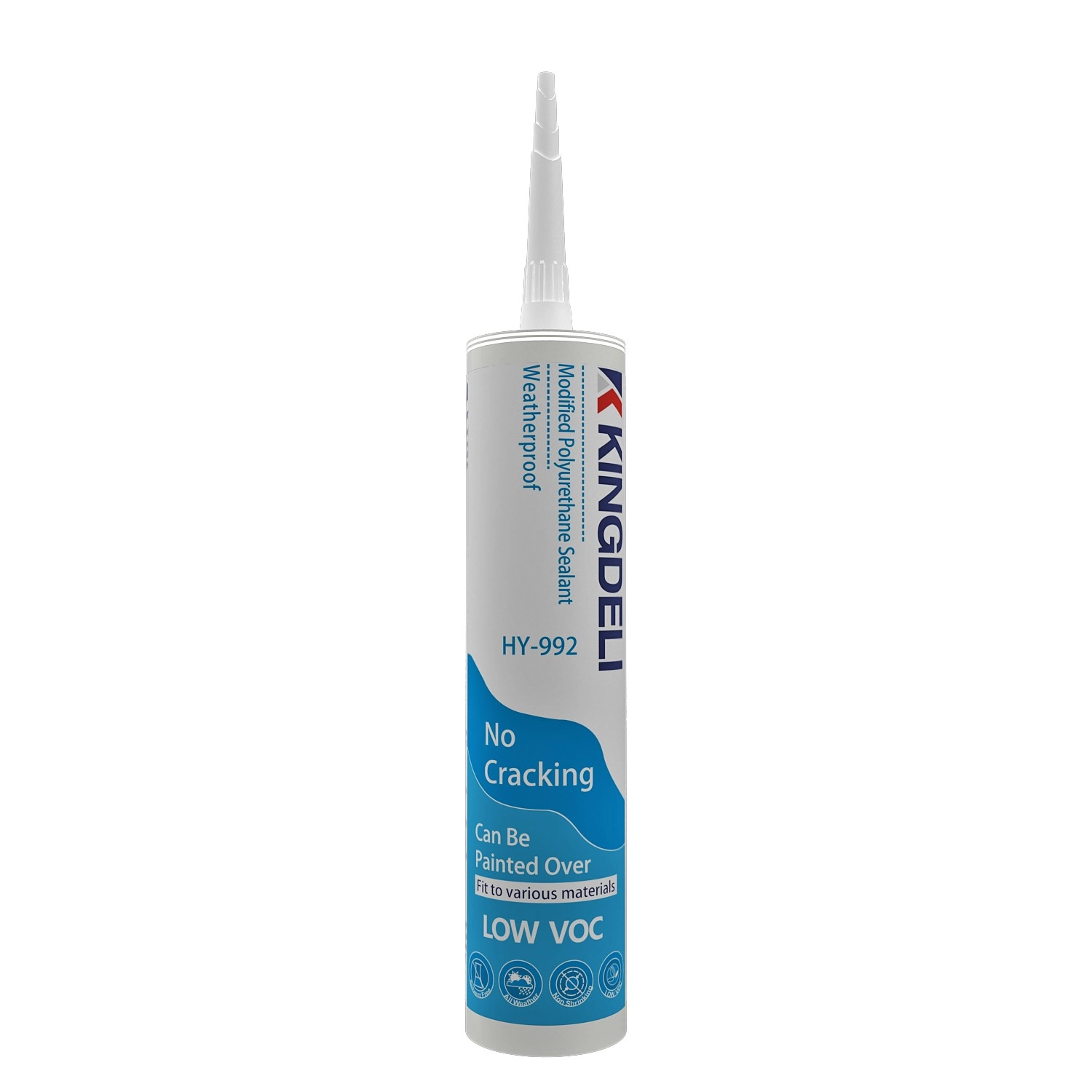
HY992 Modified Polyurethane Construction Sealant
HY992 Modified Polyurethane Sealant is a one-component, moisture-curing construction sealant designed for professional building and structural sealing applications. It provides excellent adhesion, weather resistance, and durable elasticity, making it suitable for a wide range of construction materials.
The formulation delivers strong bonding performance without corrosion or substrate contamination, while maintaining low VOC content for environmentally responsible construction projects.

HY995 Crystal Clear Ms Polymer Adhesive/Sealant
HY995 Crystal Clear Ms Polymer Adhesive/Sealant is a new generation MS Polymer adhesive / sealant formulated for all bonding and sealing applications where long term reliability is required. It has excellent bonding strength on various materials. It will cure to form a durable, flexible, waterproof seal.

HY997 High-Performance Anti-Microbial MS Polymer Sealant
HY997 MS polymer sealant for is is a premium one-component, neutral-curing modified silane sealant engineered for demanding interior applications. It offers a Class 20 movement capability, ensuring long-lasting flexibility and reliable performance under dynamic joint conditions. Curing at room temperature, HY997 delivers superior anti-microbial and mildew-resistant properties, maintaining hygienic and clean environments over time.
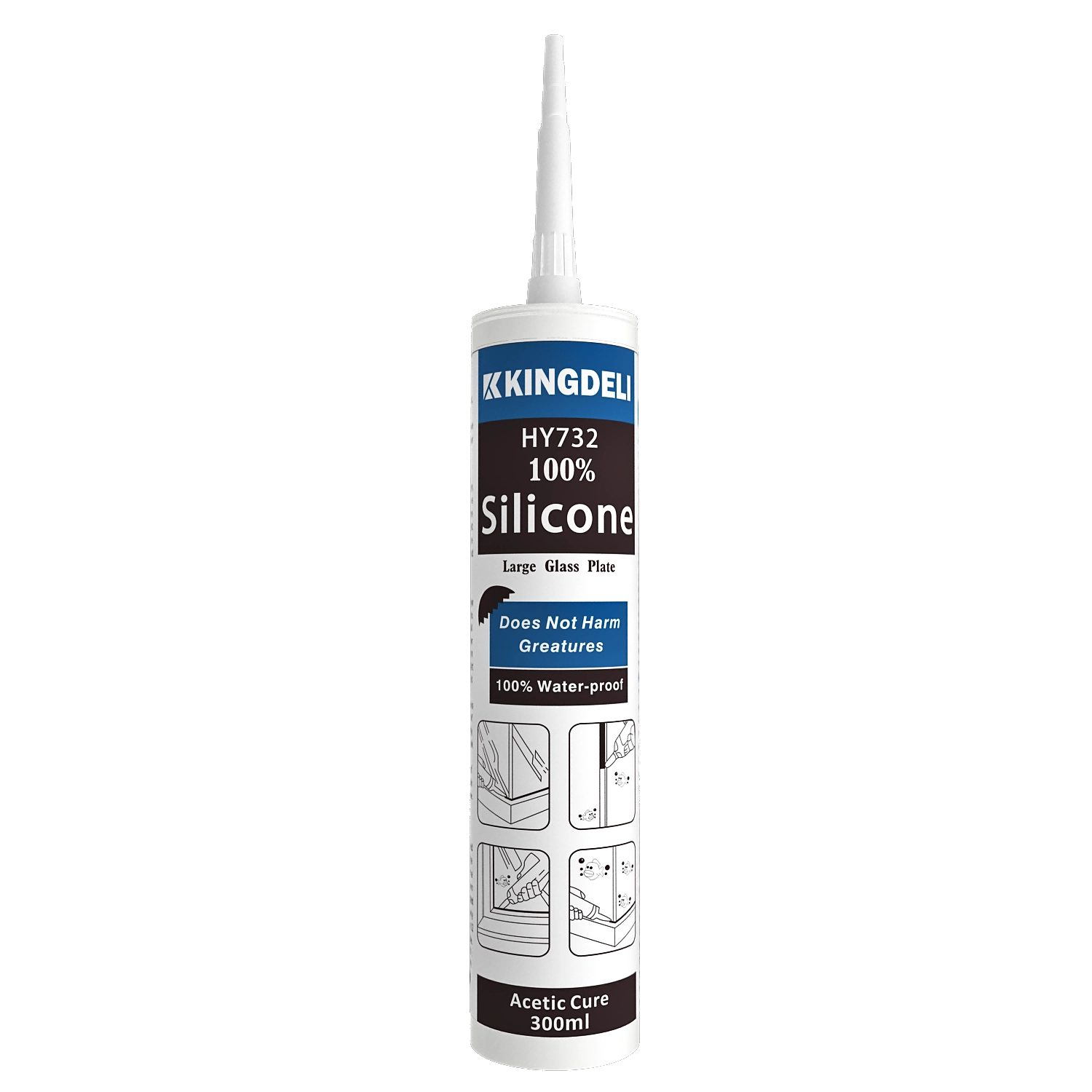
KINGDELI HY732 Professional Acetoxy Cure Silicone Sealant
KINGDELI HY732 is a professional-grade, one-component acetoxy cure silicone sealant designed for fast curing, strong adhesion, and long-lasting flexibility. Ideal for aquariums, glass applications, aluminum doors and windows, kitchens, and bathrooms, it provides reliable sealing performance with excellent anti-fungal protection in high-humidity environments.
Let’s Build Stronger Bonds with Quality Adhesives and Sealants
Have questions about the topic or need tailored sealant solutions for your project?
Our team is ready to provide expert guidance, product recommendations, and application support.
Innovating with Integrity, Bonding the World
Since 1998, KINGDELI has delivered trusted, sustainable sealant solutions that connect industries and inspire progress worldwide.
Whatsapp: +8618825946249
Kingdeli
Kingdeli
Kingdeli
Kingdeli
Kingdeli