











How to choose neutral cure silicone sealant for sanitary joints?
How to Choose Neutral Cure Silicone Sealant for Sanitary Joints: 6 Expert Answers
Neutral cure silicone sealants (neutral RTV, sanitary silicone) are the preferred choice for wet-room and sanitary joints because they are non-acidic, low-odor and have excellent elasticity. Below are six specific, pain-point-focused questions beginners and even some specifiers struggle to get reliable answers to — with practical, standards-aware solutions you can use on site.
1) Can neutral cure silicone sealant reliably bond to glazed porcelain tiles and grout lines in showers without a primer — and how should I pre-test adhesion?
Short answer: Sometimes — but never assume. Glazed porcelain, glazed ceramic, and highly vitrified tiles often have low-energy glazed surfaces that reduce wetting. A primer-free installation can work where the tile glaze and grout are proven to accept the product; however, an on-site adhesion test is the only safe way to confirm.
Step-by-step adhesion pre-test (recommended):
- Clean the substrate exactly as you will on the job: remove grout residue, silicones, soaps, and oils using isopropyl alcohol or a neutral cleaning solution. Rinse and dry.
- Apply a 10–20 mm wide bead of the selected neutral cure silicone (oxime or alkoxy type) and tool it as usual. Record bead thickness and environment (temperature, RH).
- Allow full cure for at least 7 days in the same environmental conditions the joint will experience (higher humidity accelerates cure slightly; low humidity slows it).
- Perform a peel/adhesion check: cut a 10 mm wide strip out of the bead and try to peel it with a standardized force or peel it by hand. Inspect failure mode: cohesive failure (sealant tears) is acceptable, adhesive failure (sealant peels off tile) is not.
- Acceptance criteria: industry practice is to accept cohesive failure or at least >80% cohesive area on the test bead. Any systematic adhesive failure requires a primer or different product.
When to use primer: if the test shows adhesive failure, if the tile has a hydrophobic coating, or if manufacturer technical data sheet (TDS) specifies primer for specific substrates (e.g., glazed porcelain, certain natural stones, PVC). Use only the primer recommended by the sealant manufacturer and follow their surface-prep instructions for best compatibility.
2) What is the correct joint width-to-depth ratio and backer rod selection for sanitary joints with neutral cure silicone to avoid three-sided adhesion?
Proper joint geometry is critical for performance. The standard practical rule is a width:depth ratio of 2:1 (width twice depth). That means the optimal joint depth equals half the joint width. Example: for a 12 mm wide joint, target 6 mm depth.
Key design points:
- Minimum joint width: generally 5–6 mm. Narrower joints do not accommodate movement and are prone to failure; for joints less than 5 mm use flexible grout or select a product formulated for narrow joints.
- Maximum sanitary joint width: for tile-to-tile or tile-to-trim sanitary joints stay within 8–20 mm for typical silicones. Wider joints are possible with specialist high-movement silicones but require engineering review.
- Backer rod: use a closed-cell polyethylene foam backer rod sized about 25% larger than the joint opening so it squeezes in and prevents three-sided adhesion. Choose a backer rod diameter that allows the correct depth after compression.
- Bond breaker: if a backer rod cannot be used, apply a bond-breaker tape to the back of the joint to prevent adhesion on the bottom surface. This ensures the sealant only adheres to the two sides (not three-sided adhesion), allowing it to stretch rather than tear.
Why this matters: three-sided adhesion causes stress concentration and premature adhesive failure. Correct depth also ensures the sealant can achieve its rated movement capability (see product TDS for % movement — commonly ±25% for sanitary silicones).
3) Oxime vs alkoxy neutral cure: which chemistry is better near metal trims and for heavily cleaned sanitary areas?
Both oxime and alkoxy neutral cure silicones are neutral (non-acetic) and therefore far less corrosive to metal trims and sensitive substrates than acetoxy (acid) silicones. There are practical differences to consider:
- Corrosion and fit-for-purpose: Both chemistries are generally non-corrosive to aluminum, stainless steel, and brass when the product is explicitly marketed as neutral cure. Always check the manufacturer’s compatibility list. For critical metal assemblies, request corrosion test data from the supplier or conduct a short-term metal coupon test.
- By-products and odor: oxime systems release oxime compounds during cure; alkoxy systems release small alcohols. Odor and perceived nuisance vary by formulation and ventilation. For occupied spaces, select low-odor, low-VOC formulations certified by the supplier.
- Regulatory considerations: some oxime-based additives historically attracted regulatory attention in certain markets—manufacturers and suppliers will provide MSDS and regulatory status. If local regulation restricts specific oxime derivatives, choose an alkoxy or other neutral formulation cleared for that market.
- Cleaning and chemical resistance: both chemistries resist water and typical bathroom cleaners, but the embedded fungicide and overall formulation determine long-term resistance to aggressive disinfectants (chlorine/bleach-based products). Ask for compatibility data vs common disinfectants if used in healthcare or institutional settings.
Recommendation: choose a neutral cure sanitary silicone that lists both non-corrosive to metals and explicit compatibility with your cleaning regime on the TDS; when in doubt, request a short on-site mock-up with the chosen metal trim and cleaning chemicals.
4) How do I verify a neutral cure silicone’s mould/bacterial resistance for hospital bathrooms — which standards or lab tests should I require?
Look for clear, third-party laboratory evidence. Key standards and tests to request from the manufacturer or supplier include:
- EN 15651-3:2012 — the European standard specific to sanitary joint sealants. Products classified under EN 15651-3 are tested for performance required in sanitary applications.
- ISO 846 or equivalent fungal resistance tests — these measure fungal growth on plastic/sealant surfaces. Request the supplier’s test reports showing low or no growth after the test period. A “no growth” result under the test conditions is what you want.
- Third-party lab reports or certificates — independently issued test reports are stronger evidence than a vendor claim on a brochure. Look for accredited lab logos and test dates.
- Field durability data — ask suppliers for case studies in high-humidity, high-cleaning-frequency environments (e.g., commercial shower rooms, healthcare clinics). Long-term field performance is valuable because fungicide efficacy can degrade with time and cleaning friction.
Also verify disinfection compatibility: if the sanitary joint will see frequent application of hospital disinfectants (e.g., sodium hypochlorite), ask for chemical resistance data and whether fungicidal performance is retained after cycles of cleaning. If a product’s fungicide is not durable, microbial staining or bloom can reappear even though the silicone itself remains intact.
5) How long before a newly applied neutral cure silicone in a shower can be exposed to water — how to read skin-over vs through-cure times?
Manufacturers list two common timing metrics:
- Skin-over (surface tack-free) time: the time for the surface to form a non-sticky skin. Typical neutral cure sanitary silicones have skin-over times from 5 minutes to 60 minutes depending on formulation and humidity.
- Through-cure rate: how fast the sealant cures from the surface down through the bead, usually quoted as mm/24 h. Typical neutral silicones cure at roughly 1–4 mm/24 h under normal indoor conditions (20–23 °C, 50% RH); higher humidity speeds cure.
Practical guidance for showers and sanitary joints:
- Do not expose to constant water immersion or heavy splash until at least 24–48 hours after application for typical sanitary silicones. For thick beads or cold/dry conditions, allow 5–7 days before heavy use; some deep joints can take 7–14 days to reach full cure.
- If the product TDS specifies a skin-over of 10 minutes and a cure rate of 2 mm/day and your bead is 6 mm thick, expect roughly 3 days to be mostly cured and 7 days to full cure. Always follow the TDS — local conditions adjust these estimates.
- A short water test (light splashing) after 24 hours is often acceptable for low-risk installations, but in healthcare or critical installations wait for at least 72 hours or the manufacturer’s recommended full functional cure time.
6) Why does neutral cure silicone sometimes shrink, crack, or separate at the tile-to-aluminum junction, and exactly what steps prevent that failure?
Common failure causes and specific preventive measures:
1. Substrate contamination (most common)
- Cause: oils, grout haze, cleaning residues, silicones, or release agents on tile or metal.
- Prevention: clean with a two-stage method — remove residue with a neutral detergent or specific grout cleaner, then wipe with isopropyl alcohol (IPA) to remove greases. Allow substrates to dry. Avoid solvent residues or oily rags.
2. Three-sided adhesion and wrong joint geometry
- Cause: sealant adheres to the back plus both sides; it cannot move and splits.
- Prevention: install closed-cell backer rod or bond-breaker tape; use width:depth = 2:1; use correct minimum width (5–6 mm) to allow elastic movement.
3. Incompatible formulation (metal ions, cleaners or plasticizers)
- Cause: some metals or trim coatings and some cleaners cause staining or affect adhesion.
- Prevention: specify a product with stated compatibility with your trim material. Run a coupon test with the actual aluminum trim and the daily cleaning agents used on site.
4. Insufficient cure conditions
- Cause: low humidity or cold temperatures slow cure so the joint is stressed before full strength develops.
- Prevention: avoid installation below manufacturer minimum temperature; if needed, elevate ambient temperature and humidity or delay mechanical handling until cure reaches safe level.
5. Incorrect tooling or movement during cure
- Cause: moving fixtures or disturbing the bead during skin-over leads to weak surfaces and uneven cure.
- Prevention: tool the bead smoothly, protect the bead from contact until skin-over time elapses, and avoid forcing expansion/contraction cycles immediately after installation.
6. Fungicide depletion or staining
- Cause: some anti-microbial additives can wash out or be inactivated by aggressive cleaners, producing staining though the silicone remains intact.
- Prevention: choose a product with documented EN 15651-3/ISO 846 results and request field-aging data. For heavily cleaned environments, select hospital-grade products and perform periodic maintenance cleaning defined by manufacturer guidance.
Follow these step-by-step checks on site: substrate cleaning, adhesion test, correct backer rod and joint sizing, select compatible chemistry and verified anti-mould evidence, control cure environment, use recommended tooling and primers where needed.
Concluding summary: advantages of neutral cure silicone sealant for sanitary joints
Neutral cure silicones provide a reliable, flexible, and long-lasting solution for sanitary joints. Key advantages include non-acidic (non-corrosive) curing chemistry suitable for metal trims and glazed tiles, strong elasticity to handle expansion/contraction cycles, good chemical and water resistance, and availability of formulations tested to sanitary standards like EN 15651-3 and microbial-resistance test reports (e.g., ISO 846). When selected and installed using correct joint geometry, backer rods, surface preparation, and manufacturer-recommended primers, neutral cure sanitary silicones dramatically reduce leaks, mould growth and maintenance needs in showers, clinics, and high-humidity facilities.
For specification help, product data sheets, third-party test reports, or to get a competitive quote for neutral cure sanitary silicones tailored to your substrates and cleaning regimes, contact us for a quote via www.kingdelisealant.com or email info@kingdeliadhesive.com.
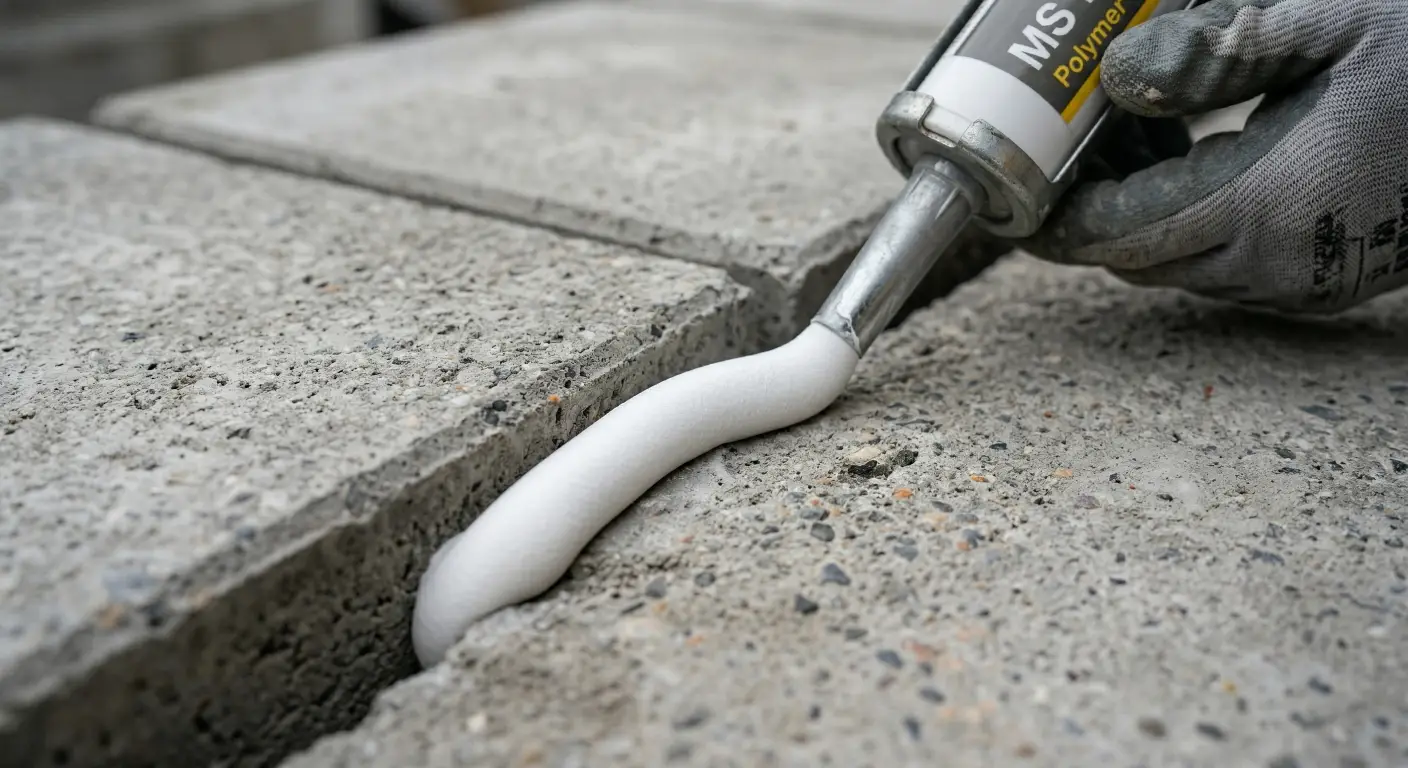
MS Polymer Sealant: The Ultimate Professional Guide for Modern Construction
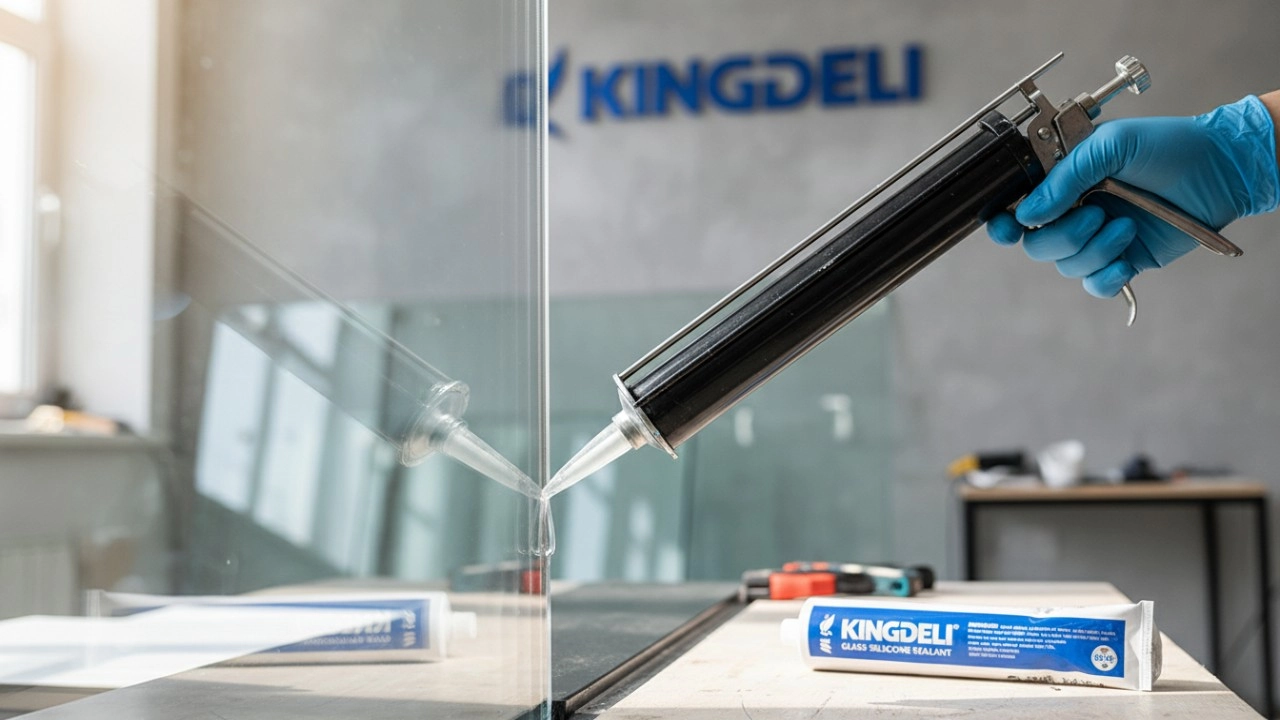
The 2026 Ultimate Guide to Glass Silicone Sealant: Everything You Need for a Perfect Finish
OEM vs. Branded Acetic Silicone Sealant: What’s Best for Your Distribution Business?
The Future of Sealants: 5 Emerging Trends in Wholesale Neutral Silicone Sealant Technology for 2026
HY994
What is HY994 sealant?
HY994 is a one-component, neutral-cure, silane-modified polyether (MS polymer) sealant. It is paintable, solvent-free, low VOC, and provides excellent adhesion to a wide range of construction materials without a primer.
HY982
Can the cured surface be painted?
Yes. After surface curing, HY982 can be painted or coated, allowing it to blend seamlessly with surrounding finishes.
HY995
Is this product safe and environmentally friendly?
Yes. HY995 is formulated without isocyanates and solvents, making it low VOC, non-toxic, and low odor. It is suitable for use in indoor environments.
HY992
What colors are available?
Standard colors include:
-
Black
-
Grey
-
White
Custom colors can also be produced according to customer requirements.
HY925
Does HY925 produce bubbles during application?
No. The formula is designed to remain smooth and consistent, minimizing bubble formation during application.
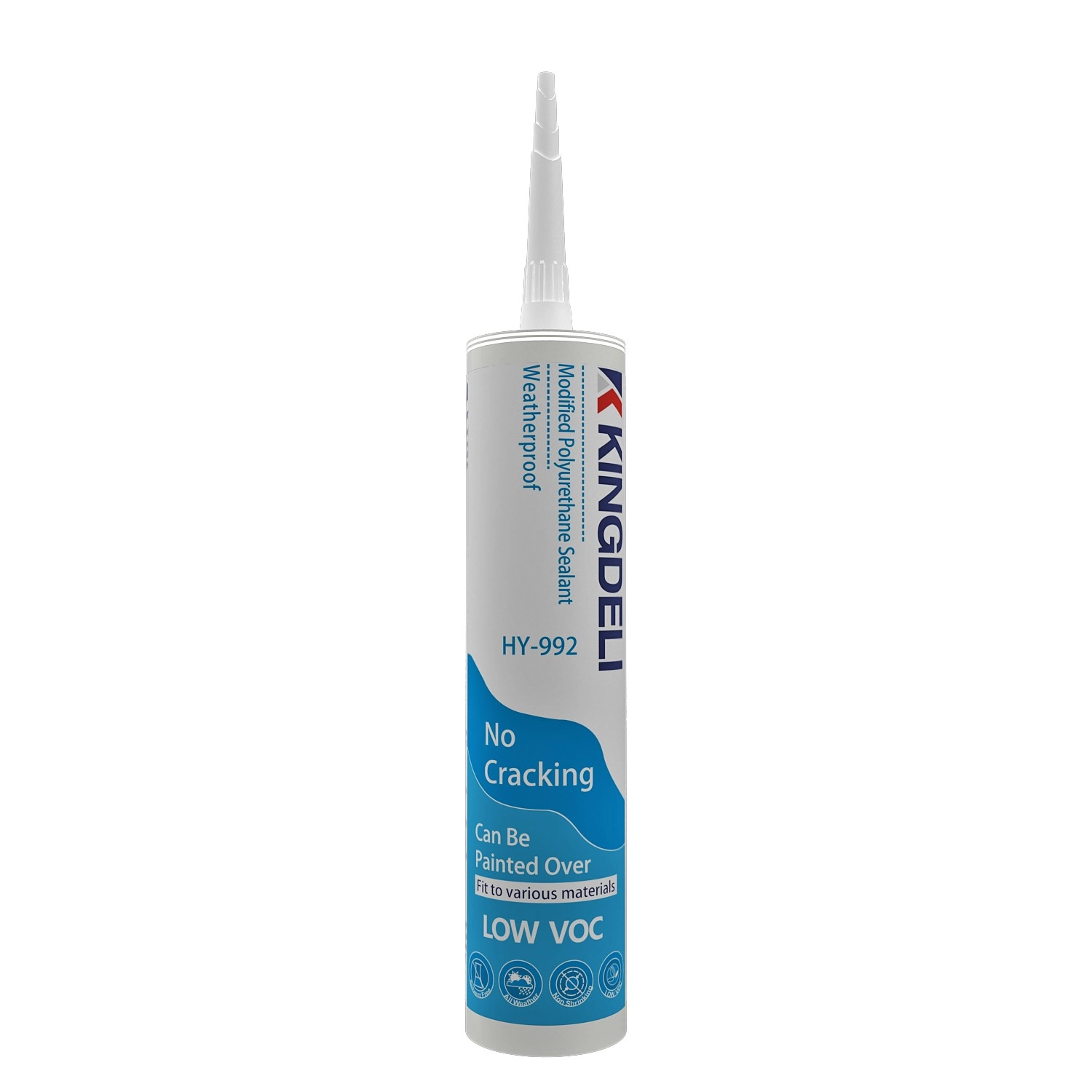
HY992 Modified Polyurethane Construction Sealant
HY992 Modified Polyurethane Sealant is a one-component, moisture-curing construction sealant designed for professional building and structural sealing applications. It provides excellent adhesion, weather resistance, and durable elasticity, making it suitable for a wide range of construction materials.
The formulation delivers strong bonding performance without corrosion or substrate contamination, while maintaining low VOC content for environmentally responsible construction projects.

HY995 Crystal Clear Ms Polymer Adhesive/Sealant
HY995 Crystal Clear Ms Polymer Adhesive/Sealant is a new generation MS Polymer adhesive / sealant formulated for all bonding and sealing applications where long term reliability is required. It has excellent bonding strength on various materials. It will cure to form a durable, flexible, waterproof seal.

HY997 High-Performance Anti-Microbial MS Polymer Sealant
HY997 MS polymer sealant for is is a premium one-component, neutral-curing modified silane sealant engineered for demanding interior applications. It offers a Class 20 movement capability, ensuring long-lasting flexibility and reliable performance under dynamic joint conditions. Curing at room temperature, HY997 delivers superior anti-microbial and mildew-resistant properties, maintaining hygienic and clean environments over time.
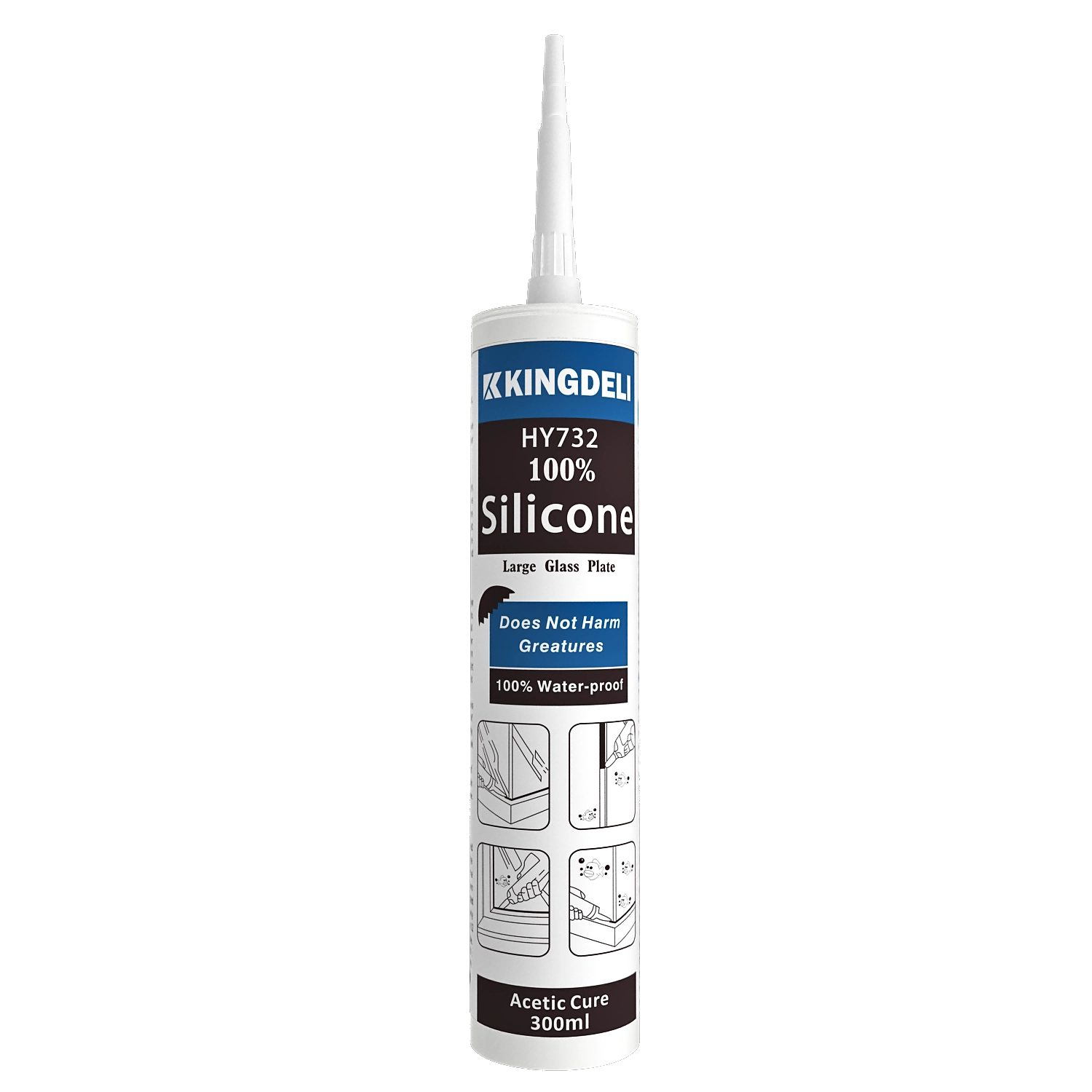
KINGDELI HY732 Professional Acetoxy Cure Silicone Sealant
KINGDELI HY732 is a professional-grade, one-component acetoxy cure silicone sealant designed for fast curing, strong adhesion, and long-lasting flexibility. Ideal for aquariums, glass applications, aluminum doors and windows, kitchens, and bathrooms, it provides reliable sealing performance with excellent anti-fungal protection in high-humidity environments.
Let’s Build Stronger Bonds with Quality Adhesives and Sealants
Have questions about the topic or need tailored sealant solutions for your project?
Our team is ready to provide expert guidance, product recommendations, and application support.
Innovating with Integrity, Bonding the World
Since 1998, KINGDELI has delivered trusted, sustainable sealant solutions that connect industries and inspire progress worldwide.
Whatsapp: +8618825946249
Kingdeli
Kingdeli
Kingdeli
Kingdeli
Kingdeli