











Can silicone sealant be used on wet surfaces in industrial settings? | Insights by KINGDELI
Can silicone sealant be used on wet surfaces in industrial settings?
Silicone sealants are widely used for joints, gasketing and waterproofing in industry. But when working on damp, condensating or even submerged surfaces, not every silicone product or process is appropriate. Below are six specific, industry-focused questions beginners and specifiers often ask — with in-depth, actionable answers referencing accepted standards and test methods (ASTM). The content uses terms such as silicone sealant for wet surfaces, industrial waterproof sealant, neutral-cure silicone, marine-grade sealant, surface priming for silicone and curing rate in humidity to help procurement, QA and installation teams make correct choices.
1) Can a neutral-cure silicone sealant reliably adhere to steel surfaces that are wet from condensation in a chemical plant?
Short answer: Sometimes — but only if you choose the right chemistry, prepare the substrate correctly and verify adhesion through qualification testing.
Why: Neutral-cure silicones (often described as oxime, alkoxy or neutral RTV silicones) do not release acetic acid and are far less likely to chemically attack metals than acetoxy-cure types. They also use atmospheric moisture to cure, so humidity helps the cure reaction at the skin. However, adhesion depends on the presence of contaminants (oil, salt, scale) and the amount of free water present.
Practical steps: - Do not apply over pooling or flowing water. Remove free water by wiping or using compressed air; a light tacky surface is acceptable. - Remove oils, mill scale and corrosion. Abrade or grit-blast steel when feasible, then degrease with an appropriate solvent (check compatibility with the silicone product). - Use a manufacturer-approved metal primer (silane-based or proprietary primer) when the TDS requires it — primers dramatically improve bond to damp metallic surfaces. - Specify neutral-cure silicone for wet/damp substrates and avoid acetoxy types on exposed metal work. - Require adhesion verification: conduct pull-off adhesion tests (ASTM D4541) or peel/adhesion-in-peel tests (ASTM C794) after 7, 14 and 28 days under the same humidity/temperature conditions expected in service.
Key performance numbers: typical silicone cure rate is ~1–3 mm per 24 hours at 23°C and 50% RH; higher humidity speeds skin formation but not necessarily full-depth cure. For continuously wet or submerged metal, consider marine-grade sealants or polysulfide/polyurethane alternatives with proven underwater performance.
2) How does continuous spray water or steam affect cure time and bond strength of silicone sealant in HVAC and ductwork?
Short answer: Continuous spray or steam changes the cure dynamics and can compromise adhesion unless you use formulations and procedures designed for damp environments.
Mechanics: Silicone cures by reacting with moisture. Elevated humidity and steam can accelerate surface skinning, but steam can also carry contaminants (condensed minerals, oils) and create a constantly wet film that prevents intimate contact and proper interfacial bonding. Surface temperature and the dew point relative to substrate temperature are critical: apply when substrate temperature is sufficiently above the dew point or when you can remove condensate.
Best practice: - Schedule application during periods of minimal steam/washdown if possible. - Wipe down and use low-residue solvents where allowed. - For damp-but-not-submerged service, use silicone sealant formulated for damp environments (check product TDS for ‘damp surface’ or ‘high humidity’ claims). - Use a primer where specified. - Monitor tack-free time and through-cure (manufacturers publish tack-free and skin formation times; require field verification). - For HVAC where chemical resistance to cleaning agents is required, verify the sealant’s chemical compatibility with expected cleaners and sanitizers.
3) Which industrial-grade silicone sealants are acceptable for joints to concrete that may be wet during installation, and what primer/test protocol should I require in the specification?
Short answer: Choose products rated for damp concrete (look for concrete-specific or damp-surface silicone variants), require a silane-based or manufacturer-recommended primer, and specify a clear test protocol (including ASTM pull-off and peel tests) in the procurement spec.
Selection and specification checklist: - Product: Use an industrial silicone or silane-modified polymer (SMP) labeled for damp or green concrete if installation cannot be delayed. SMPs sometimes tolerate damp substrates better than standard acetoxy silicones. - Primer: Require the supplier’s recommended concrete primer; silane coupling agents or dedicated primers improve adhesion to porous, damp substrates. - Joint geometry: Follow 2:1 width-to-depth ratio guidance (ASTM C1193 recommends joint design). Maintain minimum depth (typically 6 mm or per supplier). Use closed-cell backer rod to control depth. - Testing: Require qualification testing on mock-ups: adhesion pull-off per ASTM D4541, peel/adhesion-in-peel ASTM C794, and 28-day outdoor/weathering exposure if applicable. Document test procedures and acceptance criteria in the contract. - Cure verification: Because cure is slower in cool/wet conditions, require verification of tack-free time and hardness per TDS before putting the joint into service.
4) Is it safe to use acetoxy-cure silicone on wet aluminum or galvanized surfaces in manufacturing lines?
Short answer: No — avoid acetoxy (acid-curing) silicone on wet aluminum, galvanized steel or other corrosion-sensitive metals in industrial lines.
Why: Acetoxy silicones release acetic acid during cure, which can corrode aluminum, zinc-coated (galvanized) surfaces, brass and some electronic contacts. The risk increases on wet surfaces because dissolved ions accelerate corrosion under the skin of the curing sealant. Use a neutral-cure or recommended metal primer for damp metal applications.
What to specify instead: - Neutral-cure silicone labeled for metals and damp conditions. - Where metallurgy or critical tolerances exist, demand corrosion testing (salt spray ASTM B117 or electrochemical tests) of bonded assemblies as part of qualification. - Include a clause requiring replacement or remediation if traces of corrosion are observed during QA inspections.
5) Can an off-the-shelf bathroom silicone be relied on for submerged industrial applications like pump housings or fish-farming equipment?
Short answer: No. Consumer bathroom or sanitary silicones are formulated for household damp conditions and typical sanitary chemicals; they are not engineered or qualified for continuous industrial immersion, mechanical loads, fuel/oil exposure, or sterilization cycles.
Differences to understand: - Formulation: Industrial submerged applications need materials rated for continuous immersion, higher tensile/shear loads and specific chemical exposures. Marine-grade sealants or specially formulated underwater silicones/adhesives are manufactured with these properties and often undergo specific aging tests. - Certification and testing: Industrial products will publish data on continuous immersion, chemical resistance, and mechanical aging. Consumer silicones rarely have these data. - Risk: Using an off-the-shelf bathroom silicone can lead to premature failure, leaks, contamination or expensive downtime.
Recommendation: Specify marine-grade silicones, polysulfide or polyurethane sealants explicitly rated for continuous immersion and compatible with the fluids and cleaning cycles expected. Require manufacturer data sheets and independent test reports (e.g., continuous immersion test results) before acceptance.
6) What field tests and QC checkpoints should I include when specifying silicone sealant installation on damp or wet substrates for pipeline flanges and joints?
Short answer: Implement a clear QC plan that covers environmental checks, surface preparation verification, application inspection, cure monitoring and mechanical adhesion testing tied to industry standards.
Recommended QC checklist (actionable): - Environmental pre-checks: record substrate temperature, ambient temperature, relative humidity and dew point; do not apply if substrate temperature is below the supplier’s minimum or if heavy condensation is occurring. - Substrate verification: document cleaning steps, abrasive or chemical prep and confirm removal of oils/salts. Take photos. - Primer application: verify primer lot, coverage (g/m2) and dwell time per supplier. - Joint setup: confirm backer rod presence, correct joint depth, joint width-to-depth ratio (2:1), and tool finish. - Application inspection: check bead continuity and absence of voids; measure wet bead dimensions immediately after tooling. - Cure monitoring: record tack-free time and through-cure checkpoints; retain a cured sample panel for laboratory adhesion testing. - Mechanical tests: require adhesion pull-off (ASTM D4541) and/or peel tests (ASTM C794) on representative joints at 7, 14 and 28 days. If the joint is safety-critical, perform accelerated aging (heat, UV, chemical exposure) and re-test. - Documentation: include product batch numbers, SDS/TDS, installer qualifications and photos in the project QA file. - Acceptance criteria: set minimum allowable adhesion (e.g., no adhesive failure or a minimum MPa as negotiated with supplier) and define remediation steps if results fail.
Standards to reference in contracts: ASTM C920 (sealant performance classification), ASTM C1193 (sealant application guidelines), ASTM D4541 (pull-off adhesion), and ASTM C794 (adhesion-in-peel). Incorporate supplier TDS/SDS into the specification and require sample sign-off.
Concluding summary: advantages of correct silicone sealant selection and process for wet industrial conditions
When correctly selected and installed, silicone sealant for wet surfaces delivers durable flexibility, excellent temperature and UV resistance, and reliable waterproofing for many industrial uses. The advantages include long service life in thermal cycling, retention of elasticity over wide temperature ranges (typical silicone service from roughly -60°C up to +150–200°C depending on grade), and resistance to weathering and ozone. However, the benefits only materialize when you: choose the right chemistry (neutral-cure or marine-grade when needed), follow manufacturer primers and substrate preps, apply per joint design guidelines (width:depth), and verify adhesion with ASTM-based testing. For submerged or chemically aggressive environments, consider industrial alternatives (marine polysulfide, polyurethane or proprietary underwater silicones) and require documented performance data.
If you need product selection, specifications or a quotation for industrial-grade silicone sealants or primers for damp/wet substrates, contact our technical sales team for a quote: www.kingdelisealant.com • info@kingdeliadhesive.com
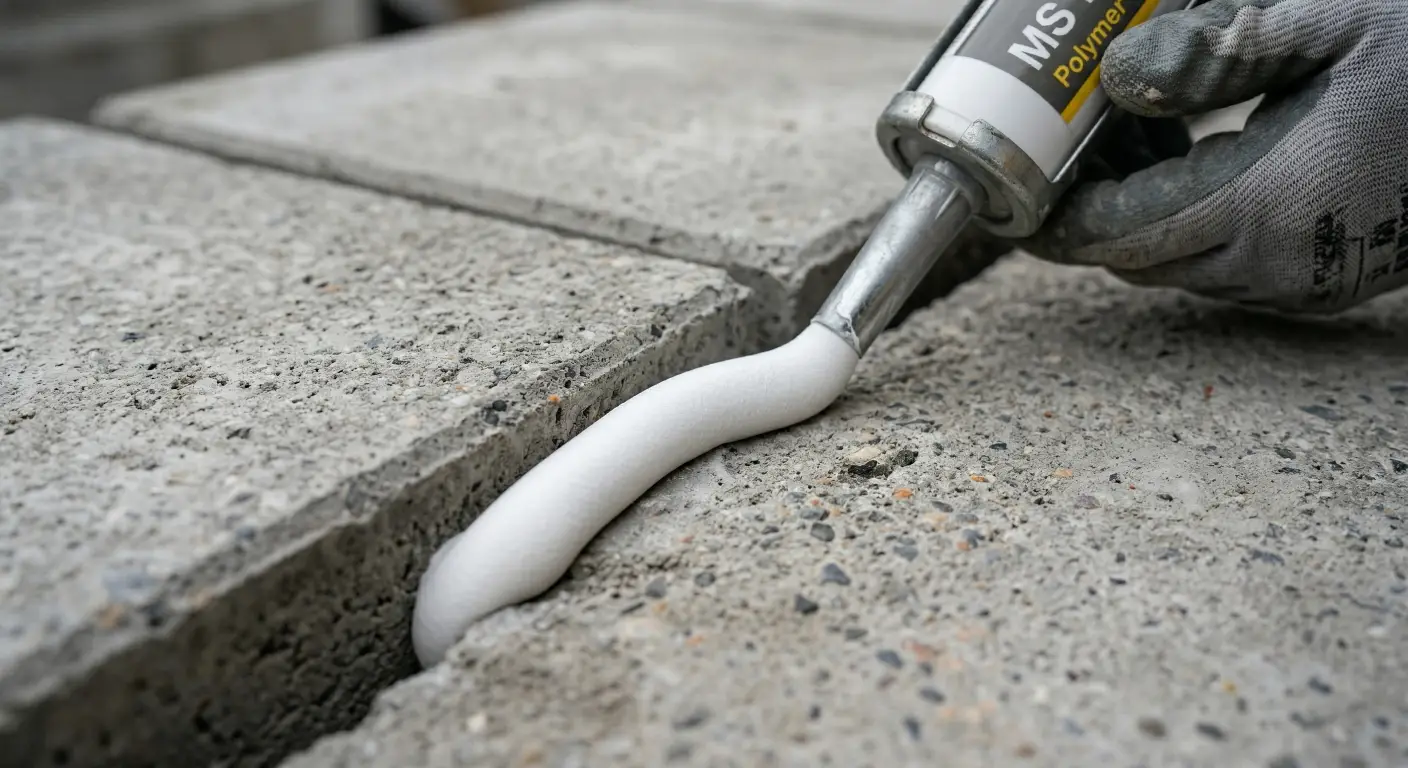
MS Polymer Sealant: The Ultimate Professional Guide for Modern Construction
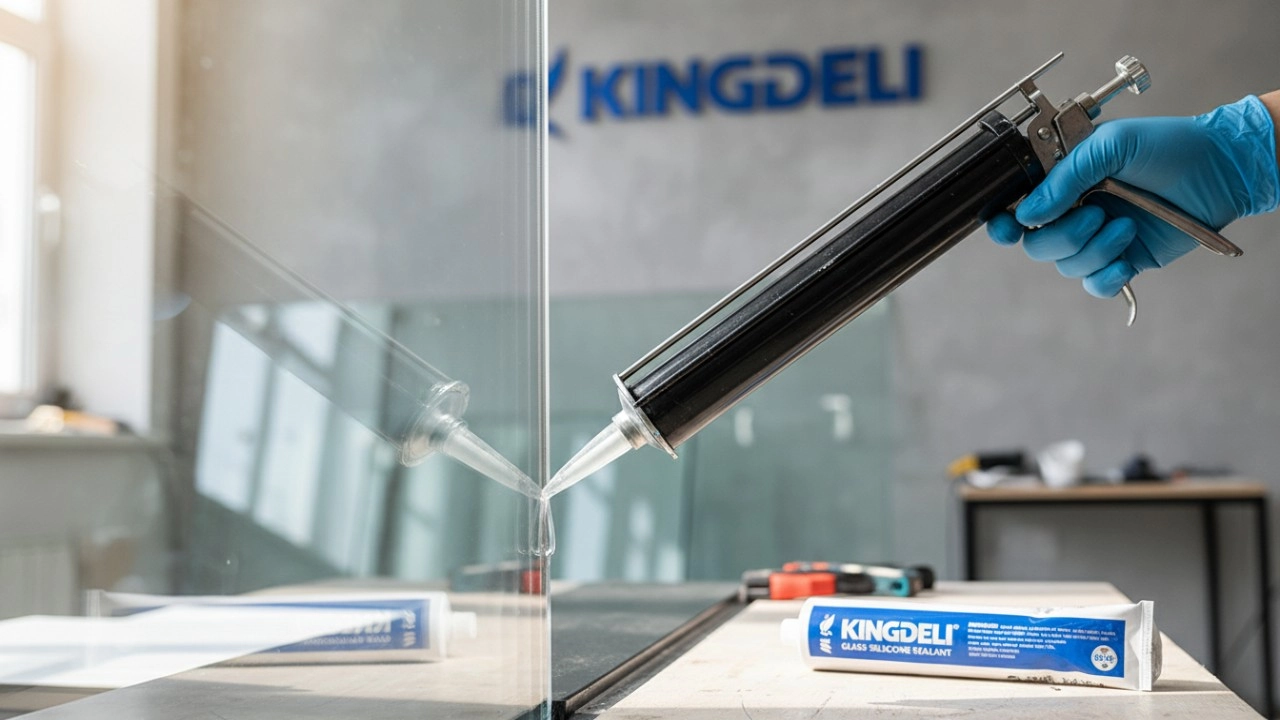
The 2026 Ultimate Guide to Glass Silicone Sealant: Everything You Need for a Perfect Finish
OEM vs. Branded Acetic Silicone Sealant: What’s Best for Your Distribution Business?
The Future of Sealants: 5 Emerging Trends in Wholesale Neutral Silicone Sealant Technology for 2026
HY939A
How does the product perform under extreme temperatures after curing?
Once cured, the sealant maintains excellent elasticity and stability. It does not become brittle, hard, or crack at temperatures as low as –30°C, and it does not soften or degrade at temperatures up to 200°C.
HY994
Can HY994 be used as a structural sealant?
No. HY994 is not intended for structural glazing or curtain wall structural applications.
HY-976
Does the adhesive require mechanical fixings?
In most applications, no mechanical fixings are required. However, very heavy or distorted items may need temporary support while the adhesive cures.
HY993
What is the shelf life of HY993?
Both cartridge and foil packaging have a 12-month shelf life when stored unopened in cool, dry conditions.
HY982
What materials can HY982 bond?
HY982 provides excellent adhesion to a wide range of substrates, including wood, stainless steel, aluminum, stone, sintered slab, glass, ceramics, PVC, and most common building panels.
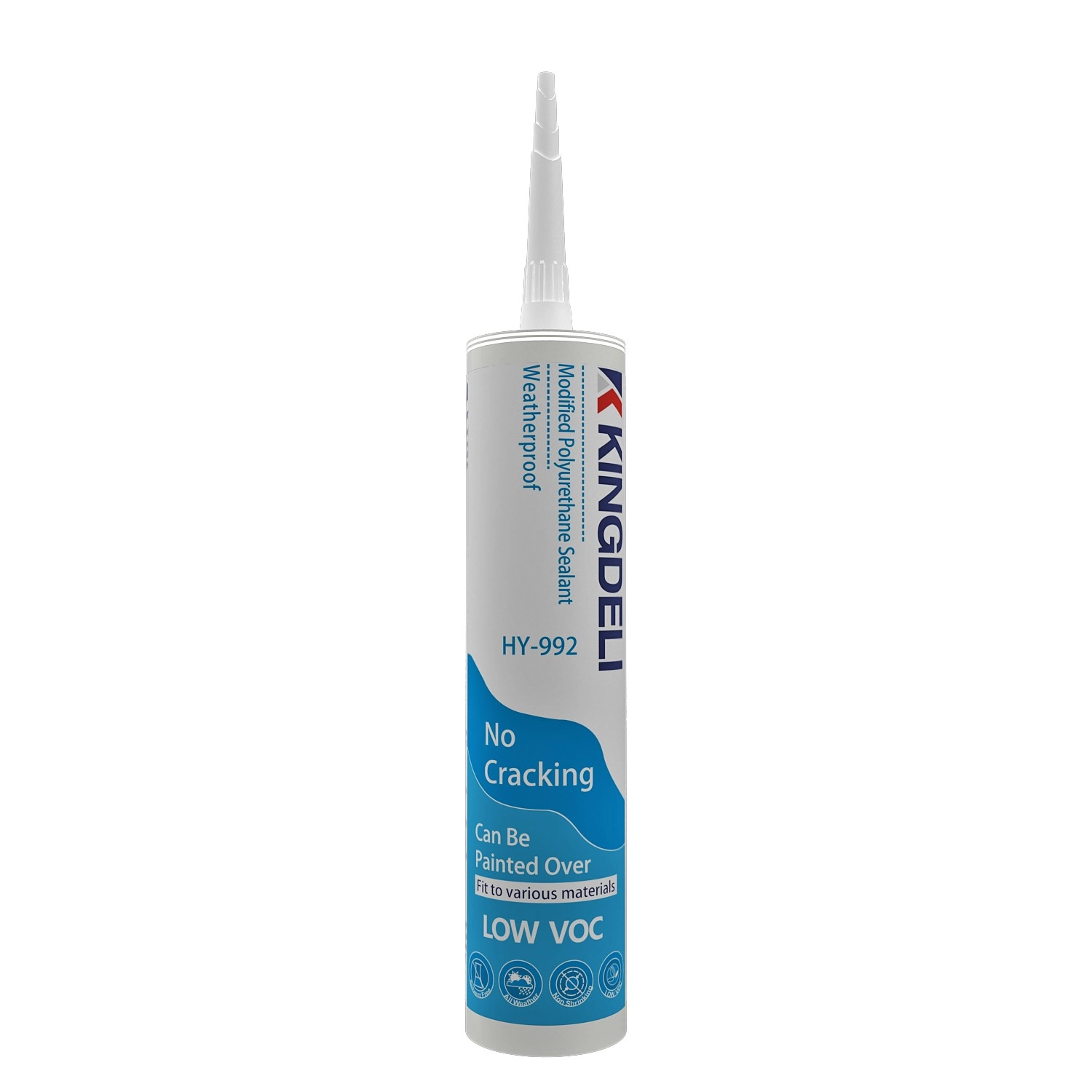
HY992 Modified Polyurethane Construction Sealant
HY992 Modified Polyurethane Sealant is a one-component, moisture-curing construction sealant designed for professional building and structural sealing applications. It provides excellent adhesion, weather resistance, and durable elasticity, making it suitable for a wide range of construction materials.
The formulation delivers strong bonding performance without corrosion or substrate contamination, while maintaining low VOC content for environmentally responsible construction projects.

HY995 Crystal Clear Ms Polymer Adhesive/Sealant
HY995 Crystal Clear Ms Polymer Adhesive/Sealant is a new generation MS Polymer adhesive / sealant formulated for all bonding and sealing applications where long term reliability is required. It has excellent bonding strength on various materials. It will cure to form a durable, flexible, waterproof seal.

HY997 High-Performance Anti-Microbial MS Polymer Sealant
HY997 MS polymer sealant for is is a premium one-component, neutral-curing modified silane sealant engineered for demanding interior applications. It offers a Class 20 movement capability, ensuring long-lasting flexibility and reliable performance under dynamic joint conditions. Curing at room temperature, HY997 delivers superior anti-microbial and mildew-resistant properties, maintaining hygienic and clean environments over time.
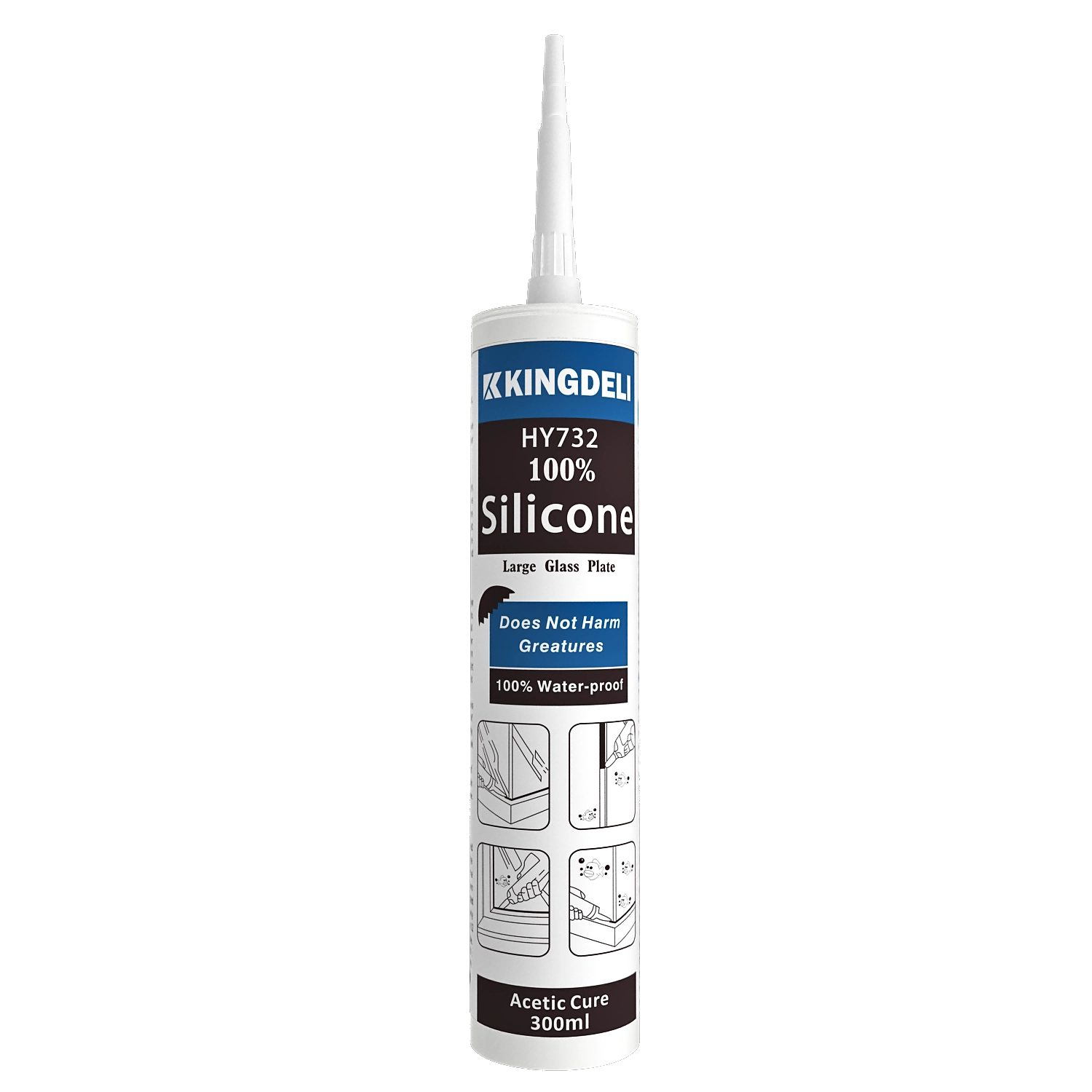
KINGDELI HY732 Professional Acetoxy Cure Silicone Sealant
KINGDELI HY732 is a professional-grade, one-component acetoxy cure silicone sealant designed for fast curing, strong adhesion, and long-lasting flexibility. Ideal for aquariums, glass applications, aluminum doors and windows, kitchens, and bathrooms, it provides reliable sealing performance with excellent anti-fungal protection in high-humidity environments.
Let’s Build Stronger Bonds with Quality Adhesives and Sealants
Have questions about the topic or need tailored sealant solutions for your project?
Our team is ready to provide expert guidance, product recommendations, and application support.
Innovating with Integrity, Bonding the World
Since 1998, KINGDELI has delivered trusted, sustainable sealant solutions that connect industries and inspire progress worldwide.
Whatsapp: +8618825946249
Kingdeli
Kingdeli
Kingdeli
Kingdeli
Kingdeli