











How to calculate cost per meter for silicone sealant joints? | Insights by KINGDELI
Accurate cost-per-meter pricing for silicone sealant joints depends on joint geometry, cartridge/sausage volume, wastage, and correct use of backing rods. Below are six specific, pain-point questions beginners and procurement teams commonly face, each with step-by-step answers, formulas, and real-world examples.
1. How do I convert joint dimensions into ml per meter so I can estimate cartridge yield precisely?
Use a simple geometry-to-volume conversion. The convenient industry rule: the cross-sectional area of the joint in mm² equals millilitres per metre (ml/m). Derivation: 1 ml = 1 cm³ = 1000 mm³. Volume for 1 m (1000 mm) = area(mm²) × 1000 mm = area(mm²) × 1000 mm³ → divide by 1000 mm³/ml → area(mm²) ml.
Step-by-step:
- Measure joint width (W) and depth (D) in millimetres.
- Calculate cross-sectional area (A) using the appropriate shape formula (see examples below).
- ml per meter = A (mm²).
Common cross-section approximations:
- Rectangular bead: A = W × D (mm²). Example: 10 mm × 5 mm = 50 mm² → 50 ml/m.
- Triangular fillet (typical concave fillet): A = 0.5 × W × D. Example: 10 × 5 × 0.5 = 25 ml/m.
- Semicircular bead (rounded gun bead): if depth = radius (r) and width = diameter (2r), A = (π/8) × W² ≈ 0.3927 × W². Example: W = 10 mm → A ≈ 39.3 ml/m.
Formula summary (for quick use):
- ml/m = area(mm²).
- Cartridge yield (m) = cartridge_volume_ml / ml_per_meter.
- Usable yield with wastage (%) = cartridge_yield / (1 + wastage_fraction).
Practical note: for most building joints designers use a width-to-depth guideline (see Q2) to choose W and D before applying these formulas.
2. What joint depth should I assume when calculating cost-per-meter (rule-of-thumb for width vs depth)?
Manufacturers and sealant standards commonly recommend a width-to-depth ratio to control adhesion and allow movement. The most used rule-of-thumb: width:depth = 2:1 (i.e., depth = width/2) for many general-purpose joints. This is a practical default for many façade and glazing joints and is enforced by using backer rods to set depth on-site.
Examples:
- If W = 10 mm → D = 5 mm → area (rectangular) = 50 mm² → 50 ml/m.
- If W = 20 mm → D = 10 mm → area = 200 mm² → 200 ml/m.
Why this matters: Setting depth correctly avoids three common failures—adhesion to three faces, too- thin sealant (insufficient elastic reserve), and overfilling (excess cost). Always confirm specific recommendations on the product Technical Data Sheet (TDS) and the project specification (ISO/EN guidance and many manufacturer datasheets follow the 2:1 design approach for elastic sealants).
3. How do I account for backer rod size and compression when calculating effective sealant volume for wide joints?
A backer rod replaces sealant volume and determines the actual depth of sealant. You must calculate the compressed height of the rod after installation.
Procedure:
- Select a backer rod with nominal diameter 2–3 mm larger than the joint width so it compresses roughly 25–50% (manufacturer guidance). For example, for a 20 mm joint choose a 22–25 mm rod depending on material.
- Measure installed compressed rod height (H_comp) on-site or use the supplier compression spec (e.g., 30% compression means H_comp = nominal_diameter × (1 − 0.30)).
- Effective sealant depth D_eff = joint_total_depth − H_comp − any surface recession required (often 2–3 mm from each face depending on specification).
- Apply area formula (W × D_eff for rectangular, adjusted for fillet shapes).
Example: 20 mm wide joint, total depth 20 mm, using a 25 mm nominal backer rod compressed to 18 mm (28% compression). If specification requires 3 mm recess on each face, D_eff = 20 − 18 − 3 − 3 = −4 mm (impossible) → this indicates you must choose shallower rod or different arrangement. Real projects commonly choose depth to accommodate the rod so the sealant depth is positive (e.g., joint_total_depth 25 mm leads to D_eff = 25 − 18 − 6 = 1 mm → still too shallow). This highlights why dimension checks and trial assemblies are critical to avoid underfill or overuse of sealant.
Key purchasing implication: mis-sizing the backer rod increases sealant consumption or causes failures — factor the rod supplier’s compression spec into your volume calculations for accurate cost-per-meter.
4. How much sealant will a 300 ml cartridge and a 600 ml sausage deliver for a 10 × 5 mm joint after accounting for on-site waste?
Use the formulas from Q1 and include a realistic wastage factor (commonly 8–15% on site depending on operator skill, bead starts/stops, and cleanup). We'll use 10% as a conservative baseline; adjust for your crew’s experience.
Calculate ml/m first: 10 mm × 5 mm = 50 ml/m.
Theoretical yields (no waste):
- 300 ml cartridge → 300 / 50 = 6.0 m.
- 600 ml sausage → 600 / 50 = 12.0 m.
Account for 10% wastage (usable yield):
- 300 ml: usable = 6.0 / 1.10 = 5.455 m usable per cartridge.
- 600 ml: usable = 12.0 / 1.10 = 10.91 m usable per sausage.
Cost-per-meter example (replace with your local prices):
- If 300 ml cartridge costs $9: cost/m = 9 / 5.455 ≈ $1.65/m.
- If 600 ml sausage costs $14: cost/m = 14 / 10.91 ≈ $1.28/m.
Takeaway: sausages normally give lower material cost per meter and less frequent changeovers for larger crews, but the best choice depends on project scale, available extruders, and product compatibility with mechanical dispensing.
5. How should I include sealant type, movement capability, and lifecycle cost when comparing cost-per-meter?
Direct material cost is only one element. Durable joints with the right movement accommodation and adhesion reduce rework and lifecycle cost. When comparing cost-per-meter between products, factor these variables:
- Movement capability (%): Choose a sealant with movement capability (e.g., ±25%) meeting joint design movement. Underspecifying leads to early failure and much higher replacement cost than the initial material savings.
- Cure chemistry: neutral-cure silicones typically cost more than acetic-cure types but are preferred for many substrates (e.g., sensitive metals, stone) — this affects price and acceptance by architects/specifiers.
- Service life and warranty: higher-performance silicones can last 10–20+ years in façade applications; consider expected maintenance cycles when calculating life-cycle cost per meter (amortized cost = purchase_cost / expected_service_years).
- Compatibility and primer requirements: some substrates require primer, which adds material and labour cost — include primer ml/m and price in the total cost-per-meter estimate.
Example life-cycle view: a cheaper product that fails after 5 years may require replacement costs (labour + material + access) far exceeding the difference between the two products’ initial cost-per-meter.
6. What practical site-measurement and procurement steps reduce uncertainty and give accurate cost-per-meter estimates before ordering bulk supply?
Follow this checklist to reduce margin-of-error and avoid over- or under-ordering:
- Survey sample areas: measure representative joint widths, depths, and lengths across the building. Take photos and note variations.
- Decide joint shape: determine whether beads are rectangular, triangular, or rounded and calculate cross-sectional area accordingly.
- Set a wastage factor by job type: 8% for experienced crews on routine jobs, 12–15% for complex overhead/high access difficulty.
- Confirm cartridge/sausage volumes: standard sizes are 300–310 ml cartridges and 600 ml sausages; verify exact supplier volumes on the TDS.
- Include primer & tooling: if primer is required, calculate its ml/m and add primer cost; include tooling, masking tape, and backer rod costs per meter (backer rods often charged per metre or per roll).
- Run a pilot: apply sealant to a standard 10 m test run according to spec and record actual consumption and labour time — use this measured yield to scale calculations for the whole job.
- Document in procurement: specify product, cartridge/sausage size, expected usable yield, wastage factor, and acceptance criteria in the purchase order to avoid ambiguity.
These steps convert theoretical estimates into accurate procurement quantities, minimizing waste and unexpected costs.
Final worked example (concise): 100 m of 10 × 5 mm joints, 10% waste, using 600 ml sausages at $14/sausage:
- ml/m = 50 → total ml required = 100 × 50 = 5,000 ml.
- Allowance for 10% waste → required ml = 5,000 × 1.10 = 5,500 ml.
- Number of 600 ml sausages = 5,500 / 600 ≈ 9.17 → round up to 10 sausages.
- Material cost = 10 × $14 = $140 → material cost per metre = $140 / 100 = $1.40/m.
Always verify with a small on-site test run and check TDS values (volume, recommended depth, primer needs) before ordering bulk quantities.
If you want a ready spreadsheet or a branded yield calculator based on your local pricing and joint types, contact us for a custom quote — we can supply per-project material take-offs and supplier recommendations.
Contact: www.kingdelisealant.com | Email: info@kingdeliadhesive.com
Advantages of accurate cost-per-meter calculation: more predictable budgets, reduced wastage, correct product selection (movement capability and primer compatibility), fewer reworks, and better tender pricing. Proper measurement and supplier TDS checks also ensure the right sealant chemistry is selected for substrate compatibility and long service life, protecting project margins.
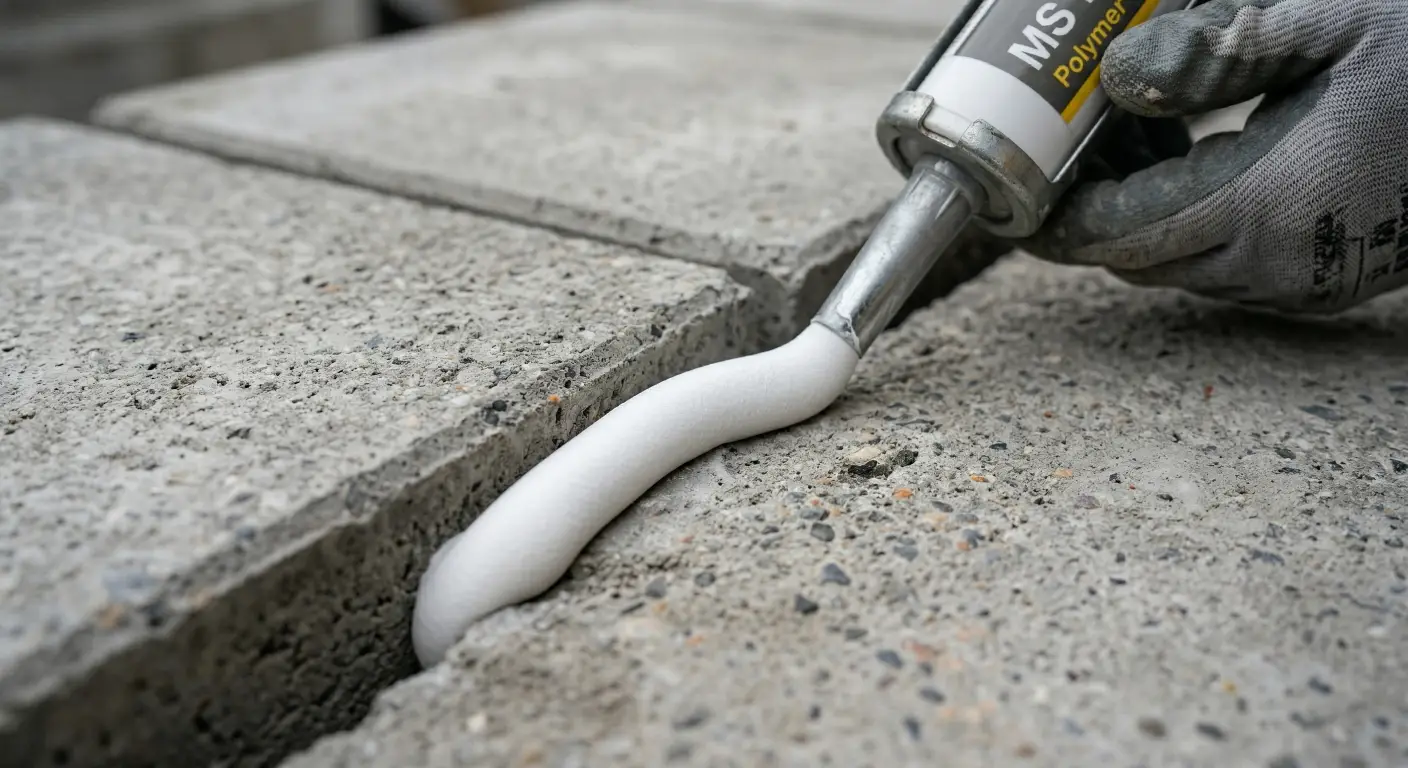
MS Polymer Sealant: The Ultimate Professional Guide for Modern Construction
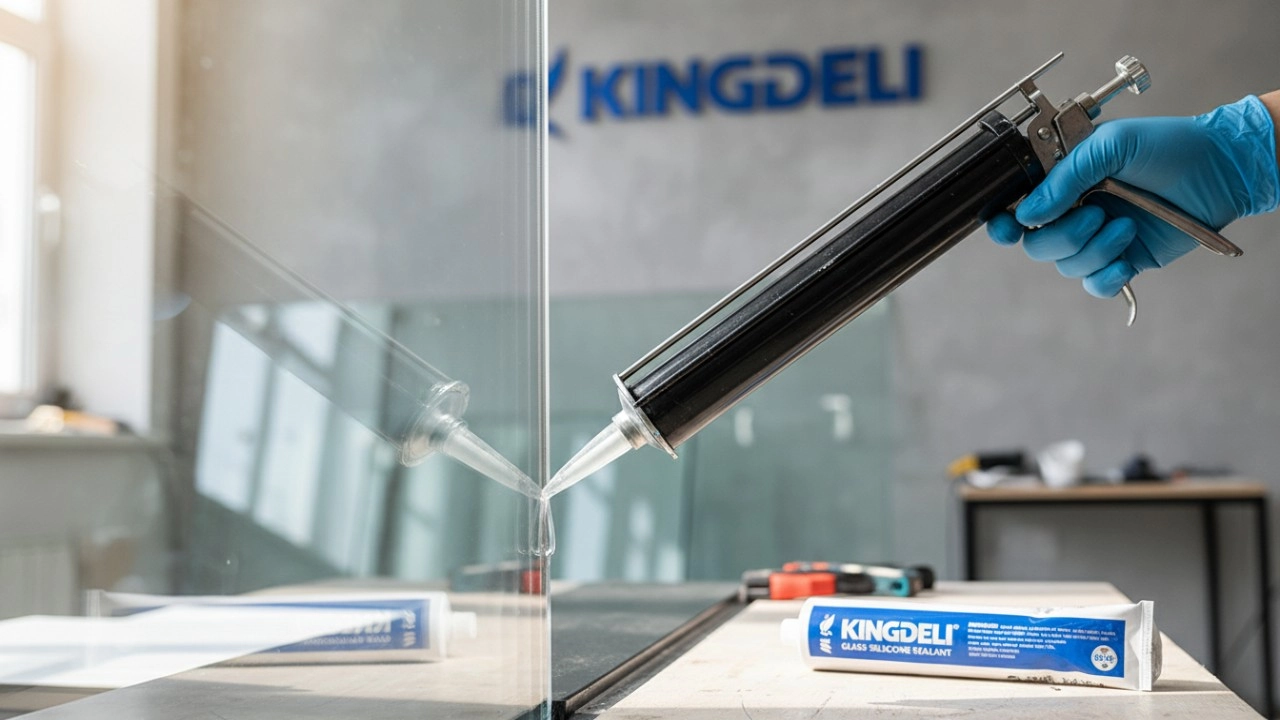
The 2026 Ultimate Guide to Glass Silicone Sealant: Everything You Need for a Perfect Finish
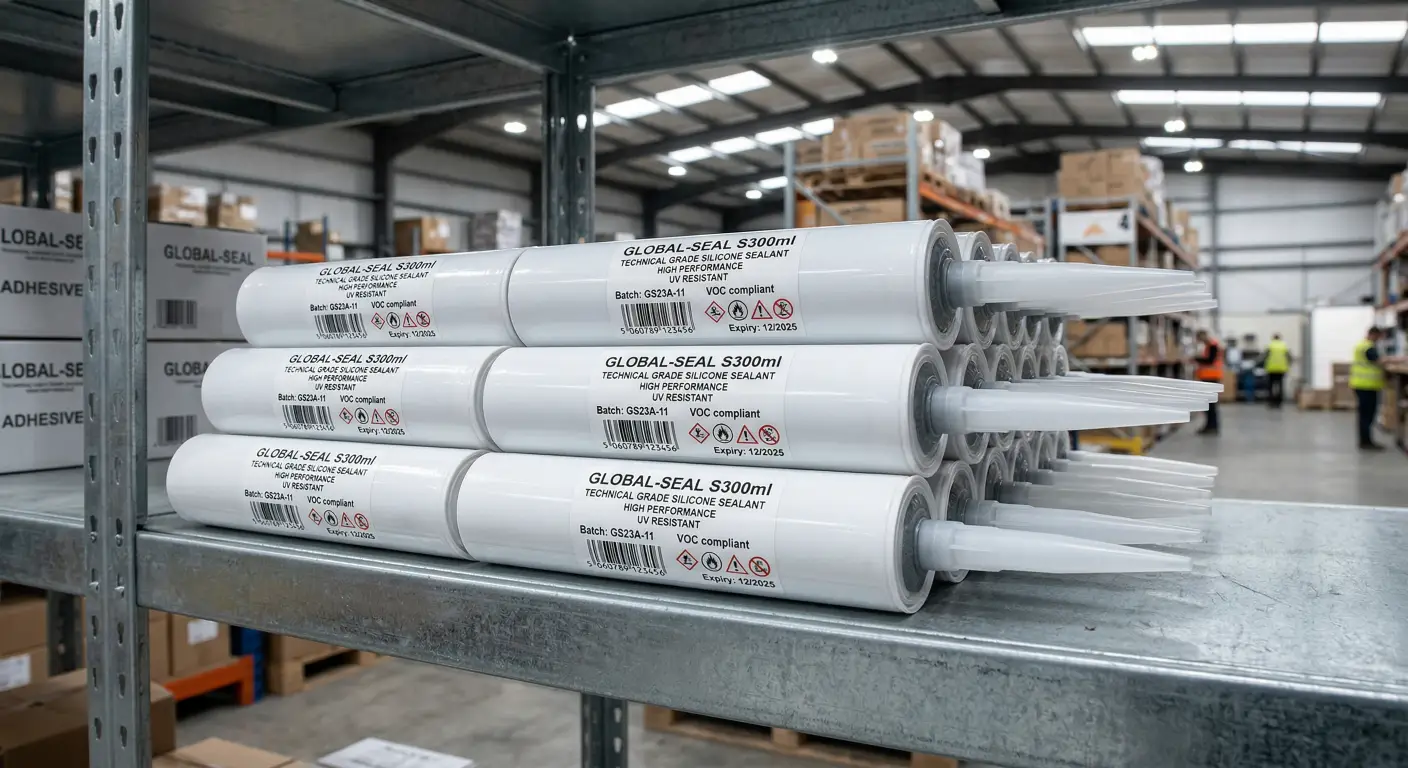
OEM vs. Branded Acetic Silicone Sealant: What’s Best for Your Distribution Business?
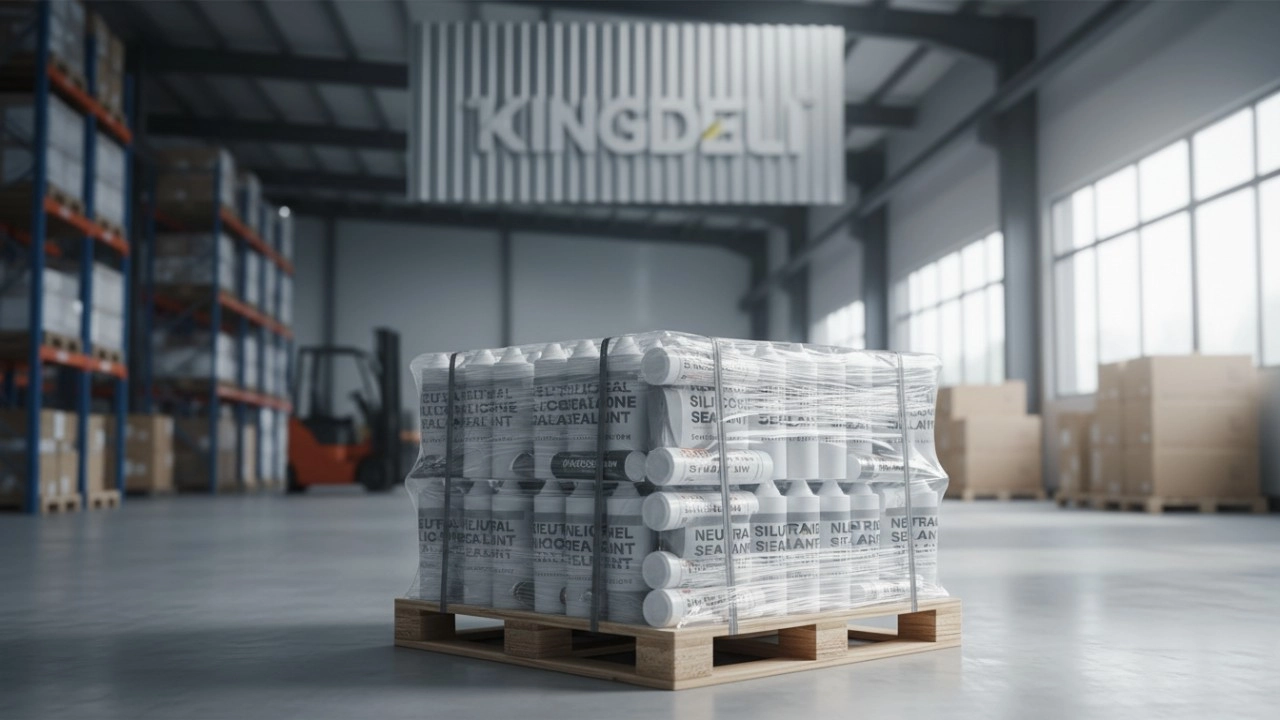
The Future of Sealants: 5 Emerging Trends in Wholesale Neutral Silicone Sealant Technology for 2026
HY-2300
Can HY-2300 be painted after curing?
Silicone sealants are generally not paintable. For paint-required applications, please select a paintable MS sealant option.
HY994
What is the shelf life of HY994?
When stored in its original, unopened packaging in a dry, ventilated location below 27°C, HY994 has a shelf life of 12months from the manufacturing date.
HY-951
Does the grout change color or turn yellow over time?
No. HY951 features strong anti-yellowing performance and long-lasting color stability when applied and cured correctly.
HY993
Does HY993 require a primer?
No. HY993 provides excellent primer-free adhesion on most substrates under normal conditions.
HY939A
Can this product be used for both bonding and sealing?
Yes. It is engineered for both structural bonding and sealing, offering strong adhesion combined with long-term flexibility.
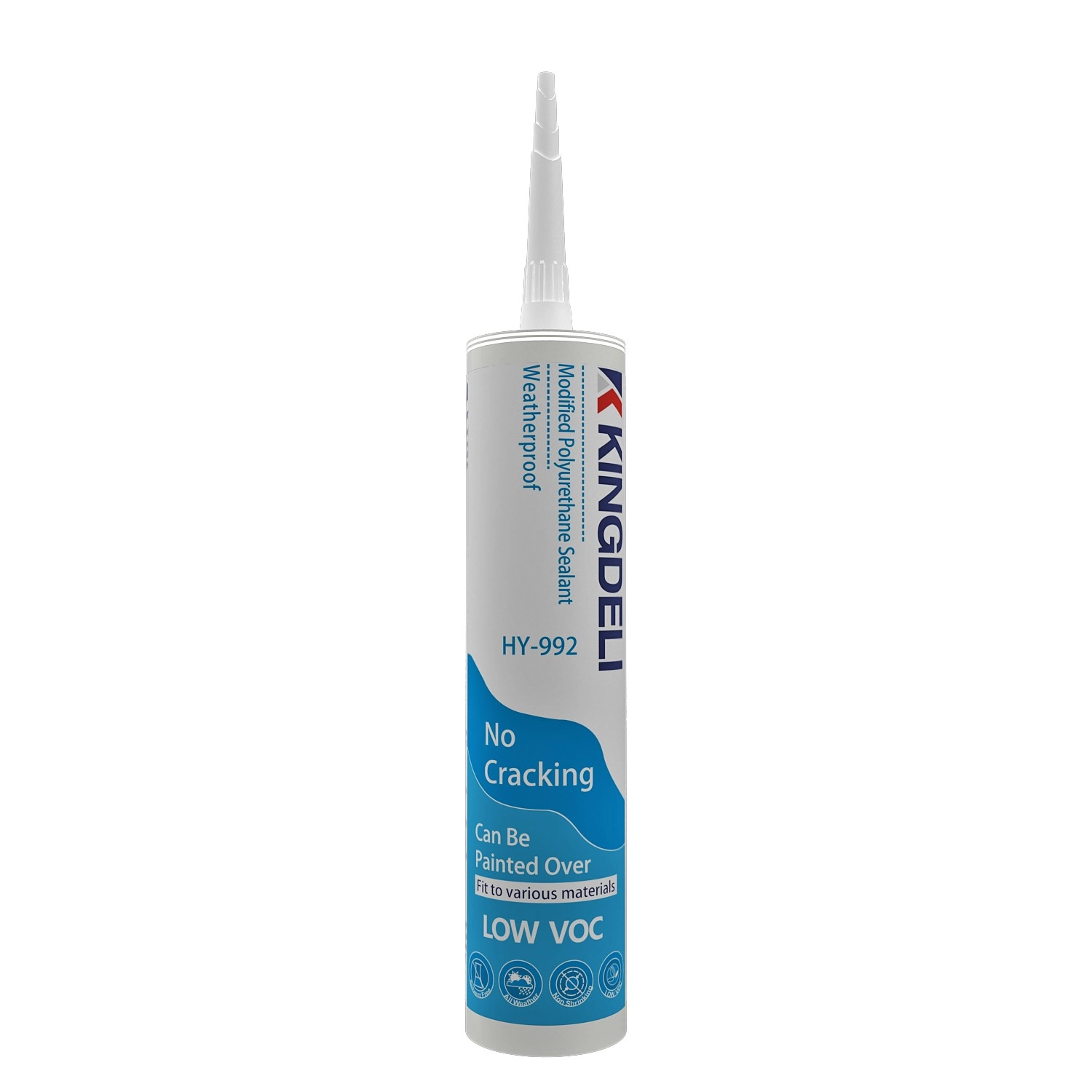
HY992 Modified Polyurethane Construction Sealant
HY992 Modified Polyurethane Sealant is a one-component, moisture-curing construction sealant designed for professional building and structural sealing applications. It provides excellent adhesion, weather resistance, and durable elasticity, making it suitable for a wide range of construction materials.
The formulation delivers strong bonding performance without corrosion or substrate contamination, while maintaining low VOC content for environmentally responsible construction projects.

HY995 Crystal Clear Ms Polymer Adhesive/Sealant
HY995 Crystal Clear Ms Polymer Adhesive/Sealant is a new generation MS Polymer adhesive / sealant formulated for all bonding and sealing applications where long term reliability is required. It has excellent bonding strength on various materials. It will cure to form a durable, flexible, waterproof seal.

HY997 High-Performance Anti-Microbial MS Polymer Sealant
HY997 MS polymer sealant for is is a premium one-component, neutral-curing modified silane sealant engineered for demanding interior applications. It offers a Class 20 movement capability, ensuring long-lasting flexibility and reliable performance under dynamic joint conditions. Curing at room temperature, HY997 delivers superior anti-microbial and mildew-resistant properties, maintaining hygienic and clean environments over time.
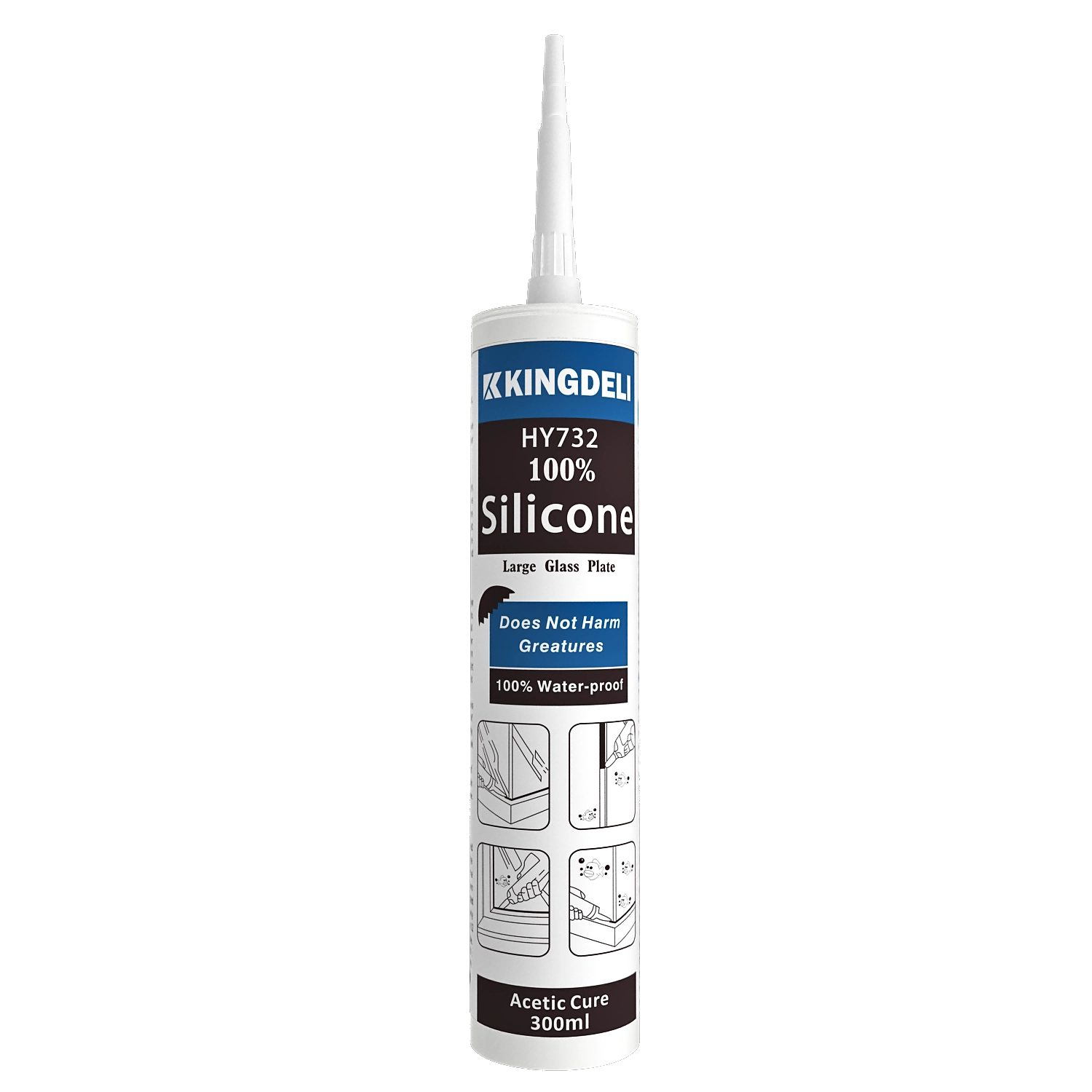
KINGDELI HY732 Professional Acetoxy Cure Silicone Sealant
KINGDELI HY732 is a professional-grade, one-component acetoxy cure silicone sealant designed for fast curing, strong adhesion, and long-lasting flexibility. Ideal for aquariums, glass applications, aluminum doors and windows, kitchens, and bathrooms, it provides reliable sealing performance with excellent anti-fungal protection in high-humidity environments.
Let’s Build Stronger Bonds with Quality Adhesives and Sealants
Have questions about the topic or need tailored sealant solutions for your project?
Our team is ready to provide expert guidance, product recommendations, and application support.
Innovating with Integrity, Bonding the World
Since 1998, KINGDELI has delivered trusted, sustainable sealant solutions that connect industries and inspire progress worldwide.
Whatsapp: +8618825946249
Kingdeli
Kingdeli
Kingdeli
Kingdeli
Kingdeli