











Which silicone sealant complies with RoHS and REACH requirements? | Insights by KINGDELI
Which silicone sealant complies with RoHS and REACH requirements?
Short answer: There is no single brand-name sealant universally certified for all RoHS and REACH use-cases — compliance depends on formulation and documented evidence. A compliant silicone sealant is one where the manufacturer can produce a Declaration of Conformity (DoC) to RoHS for electrical/electronic applications, a REACH compliance statement (including Article 33 information when applicable), and supporting lab test reports showing absence (or acceptable levels) of restricted heavy metals, phthalates and relevant SVHCs (for example problematic cyclic siloxanes or organotin residues). For electronics and regulated end‑uses, buyers should insist on documented proof: supplier DoC, full SDS with REACH/SVHC notes, and independent lab certificates (XRF/ICP-MS for metals; GC‑MS for organics).
1) How do I prove a silicone sealant is RoHS and REACH compliant when the supplier only sends a generic 'compliant' label?
Problem: many suppliers use marketing claims without backing documentation. For procurement and risk‑based purchasing you must obtain and verify specific evidence.
What to request (must-have checklist):
- Declaration of Conformity (RoHS) referencing the relevant RoHS Directive/Amendment and listing restricted substances excluded or measured.
- REACH statement confirming supplier awareness of REACH obligations, plus SDS Section 15 details and Article 33 communication if the sealant (or the article made with it) contains any Candidate List substance >0.1% w/w.
- Independent laboratory reports: XRF screening or ICP‑MS for heavy metals (Pb, Cd, Hg, Cr VI), and GC‑MS or LC‑MS for phthalates and organics (including cyclic siloxanes where relevant).
- Batch-level traceability or certificate of analysis (CoA) where possible — especially for long production runs or safety‑critical assemblies.
- Change‑control commitment: a written assurance that supplier will notify of formulation changes affecting RoHS/REACH compliance (commonly included in DoC or supply agreements).
How to verify authenticity: confirm the lab that issued the report is accredited (ISO/IEC 17025); compare sample lot numbers on CoA with production lot; and if in doubt commission your own independent test on a retained sample. For EEE purchases, a signed DoC combined with credible lab reports is the industry standard to demonstrate RoHS & REACH compliance.
2) Which specific substances in silicone sealants most commonly trigger RoHS or REACH non-compliance?
Silicone polymers themselves (polydimethylsiloxane-based materials) are rarely the direct cause of RoHS failures. Non-compliance usually stems from additives, catalysts, pigments or processing residues:
- Heavy metal pigments or fillers: lead, cadmium, chromium compounds used in colored sealants or specialty fillers can trigger RoHS limits.
- Organotin catalysts or residues (used in some condensation-cure systems): certain organotin compounds have regulatory restrictions under REACH and can be flagged as substances of concern.
- Phthalate plasticizers: although less common in silicones than in PVC, phthalates can appear in ancillary formulation components and are restricted under RoHS 3 for specific EEE categories.
- Cyclic siloxanes (e.g., D4/D5/D6) or other volatile siloxane residues: some cyclic siloxanes have attracted regulatory attention in the EU (SVHC listings or use restrictions in certain product categories), so buyers asking for REACH screening should explicitly request analysis for these where relevant.
- Unlisted impurities from recycled fillers or reclaimed raw materials.
Practical implication: when you specify “RoHS & REACH compliant silicone sealant,” explicitly require that the product is free of restricted heavy metals and the relevant phthalates and confirm whether organotin catalysts are used. Where the end product is an article under REACH, request Article 33 communications if Candidate List substances exceed 0.1% w/w.
3) For sensitive EEE and medical applications, are platinum-cured (addition) or tin-cured (condensation) silicones safer from a RoHS/REACH perspective?
Material selection matters. Comparison:
- Platinum-cured (addition-cure) silicones: catalysts are typically platinum complexes present at very low ppm levels. Platinum is not a RoHS restricted element, and addition-cure systems tend to have fewer problematic low‑molecular-weight residues (no organotin). For high-reliability electronics, optical clarity, and medical devices, platinum-cure silicones are often preferred from a regulatory and performance viewpoint.
- Tin-cured (condensation-cure) silicones: many condensation systems use organotin catalysts (e.g., dibutyltin derivatives). Organotin compounds can be restricted under REACH for some uses and may be listed as SVHCs depending on the specific compound and jurisdictional updates. This increases regulatory risk for tightly regulated end‑uses.
Recommendation: specify addition-cure (platinum) systems where RoHS/REACH risk must be minimized. Regardless of cure type, require a supplier statement on catalyst chemistry and confirm via GC‑MS or targeted chemical analysis if organotin residues are a concern.
4) What lab tests (and methods) should I require to accept a silicone sealant as RoHS & REACH compliant for a large procurement?
Key analytical methods to ask for, with rationale:
- XRF (X‑ray fluorescence) screening — quick, non‑destructive surface-level screening for heavy metals. Useful for initial checking but has limitations for detection limits and depths.
- ICP‑MS or ICP‑OES after digestion — quantitative elemental analysis for Pb, Cd, Hg, Cr (and other metals). This is the definitive method for demonstrating RoHS heavy‑metal compliance when digestion and proper QA are performed.
- GC‑MS (or GC‑MS/MS) — target analysis for semi‑volatile organic compounds: phthalates, cyclic siloxanes (D4/D5/D6), organotin organic species (after derivatization if required). Provides molecular-level confirmation of any organic SVHCs or restricted plasticizers.
- DSC/TGA or other polymer analytics — not directly regulatory but can help confirm polymer type and identify unexpected low‑molecular-weight fractions.
What to require on test reports: method description, LOQ/LOD (limits of quantification/detection), sample ID and lot, accredited lab stamp (ISO/IEC 17025), and traceability to a recognized standard method (e.g., EN or ASTM where applicable). For contracts, define acceptance criteria (e.g., RoHS limits or REACH Article 33 threshold of 0.1% w/w for Candidate List substances).
5) Can a supplier's Declaration of Conformity replace independent lab testing for RoHS/REACH when buying in bulk?
Supplier DoCs are a standard part of compliance evidence and are often acceptable for many procurement workflows, but they are not always sufficient alone for high‑risk or critical applications.
Guidance:
- Low-risk purchases (non‑critical, small volumes): an up‑to‑date DoC plus SDS and supplier REACH statement may be sufficient.
- Medium/high-risk purchases (medical devices, aerospace, large OEM contracts, products for children): require independent lab verification on representative production lots in addition to supplier DoC. Periodic surveillance testing is advisable (e.g., initial batch and then quarterly or per lot depending on risk and volume).
- Procurement contract language should include rights to audit and require notification of formulation changes and immediate resupply of test evidence on change.
Conclusion: DoC is necessary but not always sufficient. Accredited independent testing de-risks large contracts and satisfies regulatory authorities or downstream customers who demand verified evidence.
6) How do RoHS exemptions and evolving REACH Candidate List entries affect longer-term procurement of silicone sealants?
Both RoHS and REACH are dynamic regimes. Purchasers must manage regulatory change risk:
- RoHS exemptions: some uses or components are covered by specific RoHS exemptions that allow restricted substances in limited applications. Relying on an exemption requires documented justification and awareness that exemptions are time-limited and subject to review.
- REACH Candidate List additions and authorizations: a substance may be added to the Candidate List (SVHC) or later moved to Authorization/Restriction, which changes obligations (e.g., communication duties under Article 33 or bans for certain uses). Even if a sealant is compliant today, a future addition could change its status.
- Procurement controls: include contract clauses requiring supplier notification within a fixed timeframe (e.g., 30 days) of any regulatory change or material substitution; require re-issuance of DoC and lab verification when changes occur; and implement periodic SVHC re-screening for critical suppliers.
Operational tip: include a 'compliance review' milestone in multi-year supply agreements (e.g., annual review against the latest RoHS and REACH lists) and ensure procurement and R&D teams have access to the newest lists from ECHA and the European Commission.
Concluding summary: choosing a RoHS & REACH compliant silicone sealant requires more than trusting labels — demand DoCs, SDS with REACH notice, accredited lab tests (XRF/ICP‑MS for metals; GC‑MS for organics), clarity on catalyst chemistry (favor platinum-cure in sensitive cases), and contractual change control. These steps protect you from regulatory non‑conformity, costly rework and supply interruptions.
Advantages of buying RoHS & REACH-compliant silicone sealants: improved market access in the EU, lowered legal and recall risk, better downstream transparency, higher reliability in EEE and regulated products, and reduced supply-chain surprises when SVHC listings change. Implementing document and test-based verification safeguards procurement and engineering teams.
For project quotations, lot-specific certificates, or to request accredited test reports for our silicone sealants, contact us for a quote: www.kingdelisealant.com or info@kingdeliadhesive.com.
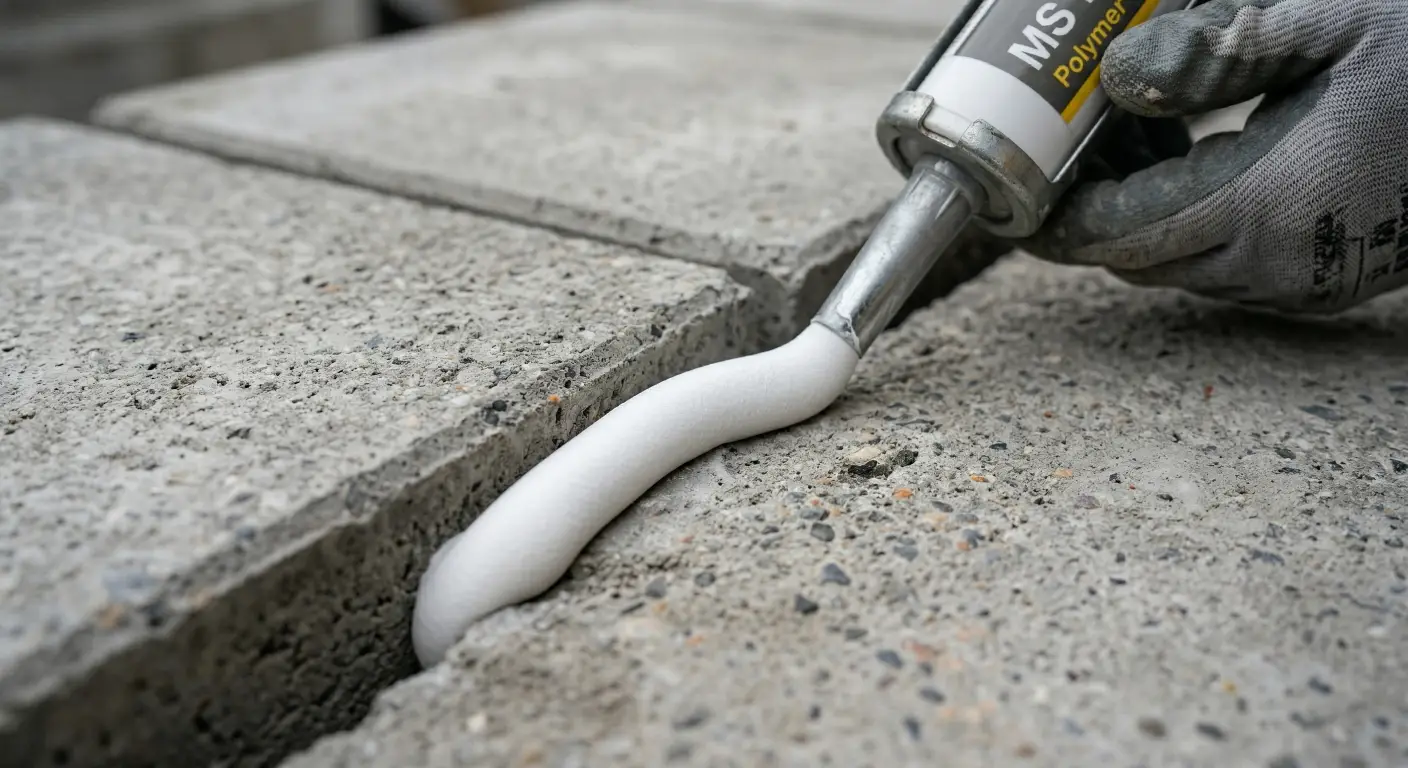
MS Polymer Sealant: The Ultimate Professional Guide for Modern Construction
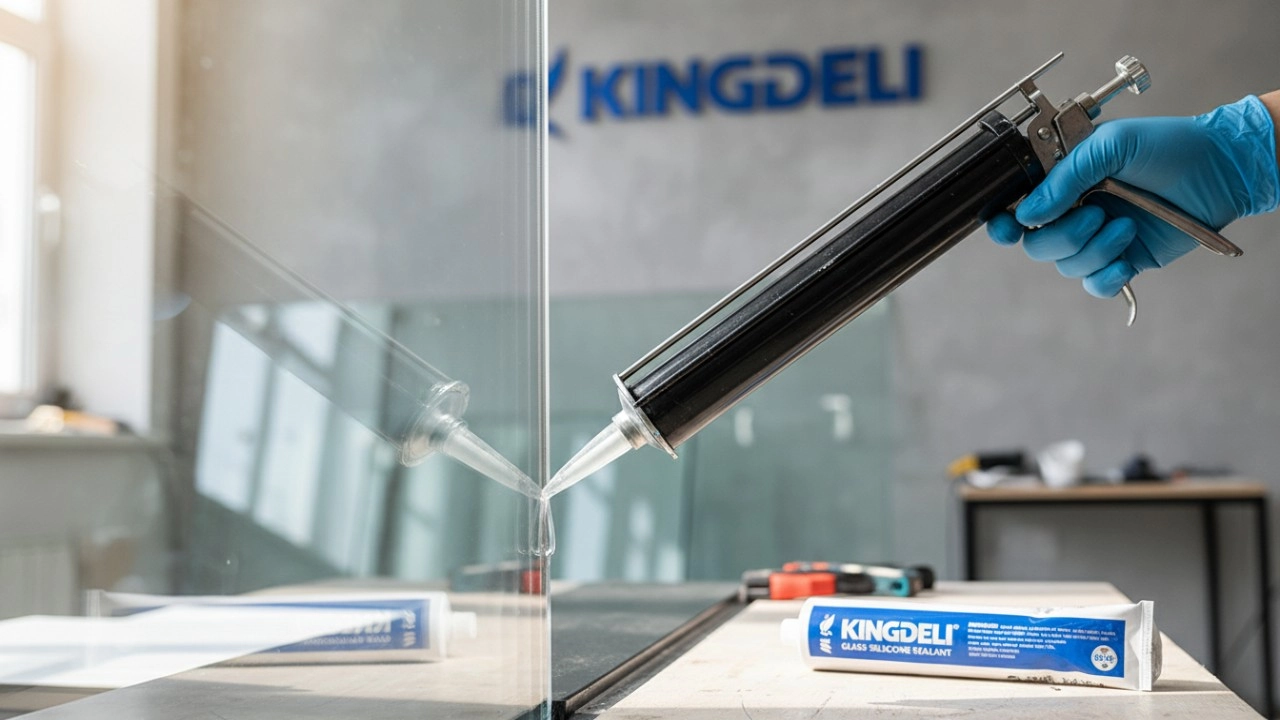
The 2026 Ultimate Guide to Glass Silicone Sealant: Everything You Need for a Perfect Finish
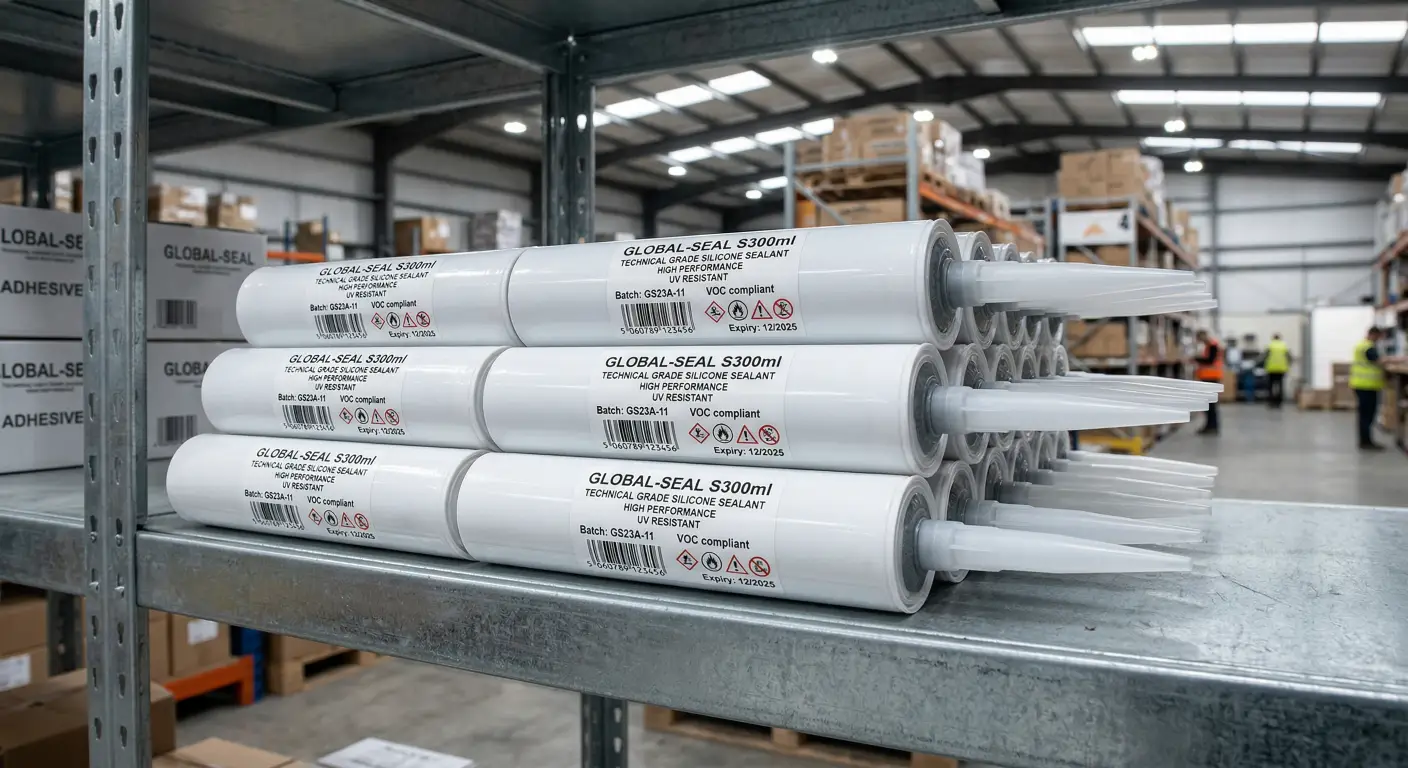
OEM vs. Branded Acetic Silicone Sealant: What’s Best for Your Distribution Business?
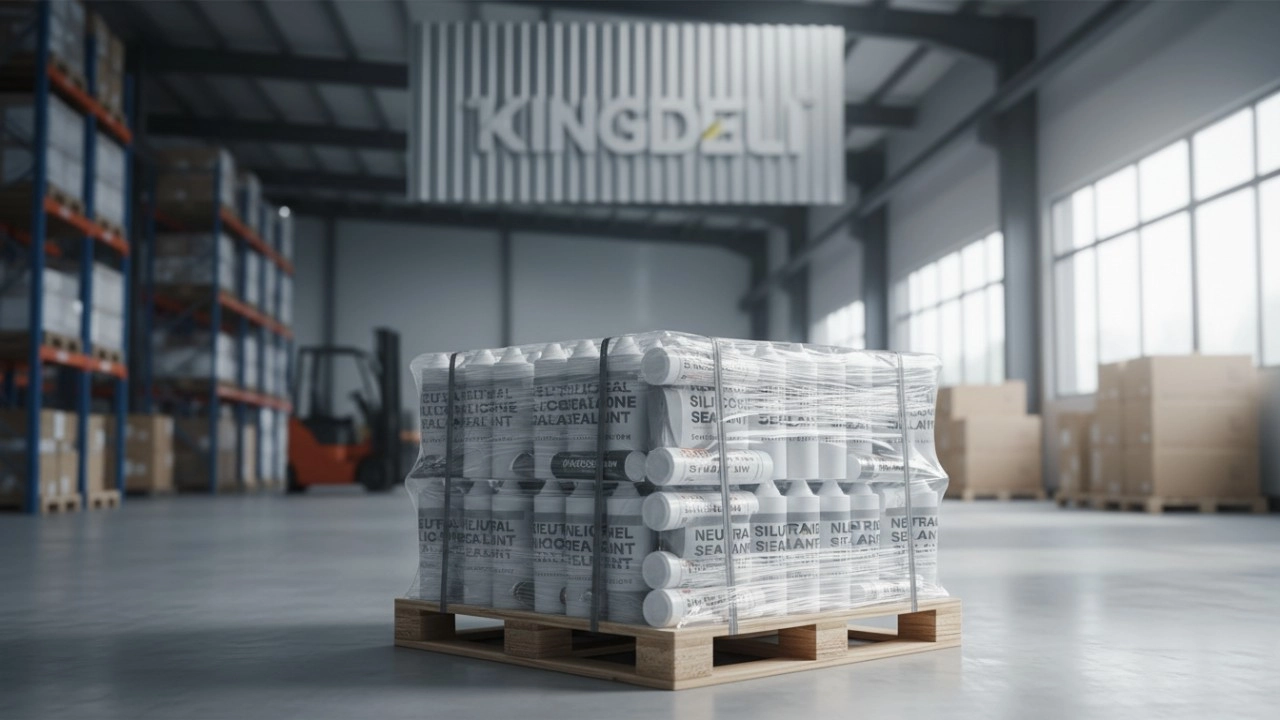
The Future of Sealants: 5 Emerging Trends in Wholesale Neutral Silicone Sealant Technology for 2026
HY668
Can HY-668 be used for windows and doors?
Yes, HY-668 is suitable for window and door glazing and sealing. It is commonly used in general-purpose installation and sealing work.
HY925
What is the recommended storage condition?
Store unopened product in a dry, shaded area between 5°C and 25°C. Keep away from heat sources and direct sunlight.
HY924
Can the windshield be replaced easily after curing?
Yes. HY924 cures to a flexible, soft elastomer that can be easily cut for windshield removal and replacement.
HY-939
What colors and packaging options are available?
HY939 is available in grey, red, black, clear, and customized colors. Packaging options include aluminum tubes (30–100 ml) and cartridges (280 ml / 300 ml).
HY722B
Is the sealant resistant to aging?
Yes. HY-722B offers excellent aging resistance, ensuring long-term durability and elasticity.
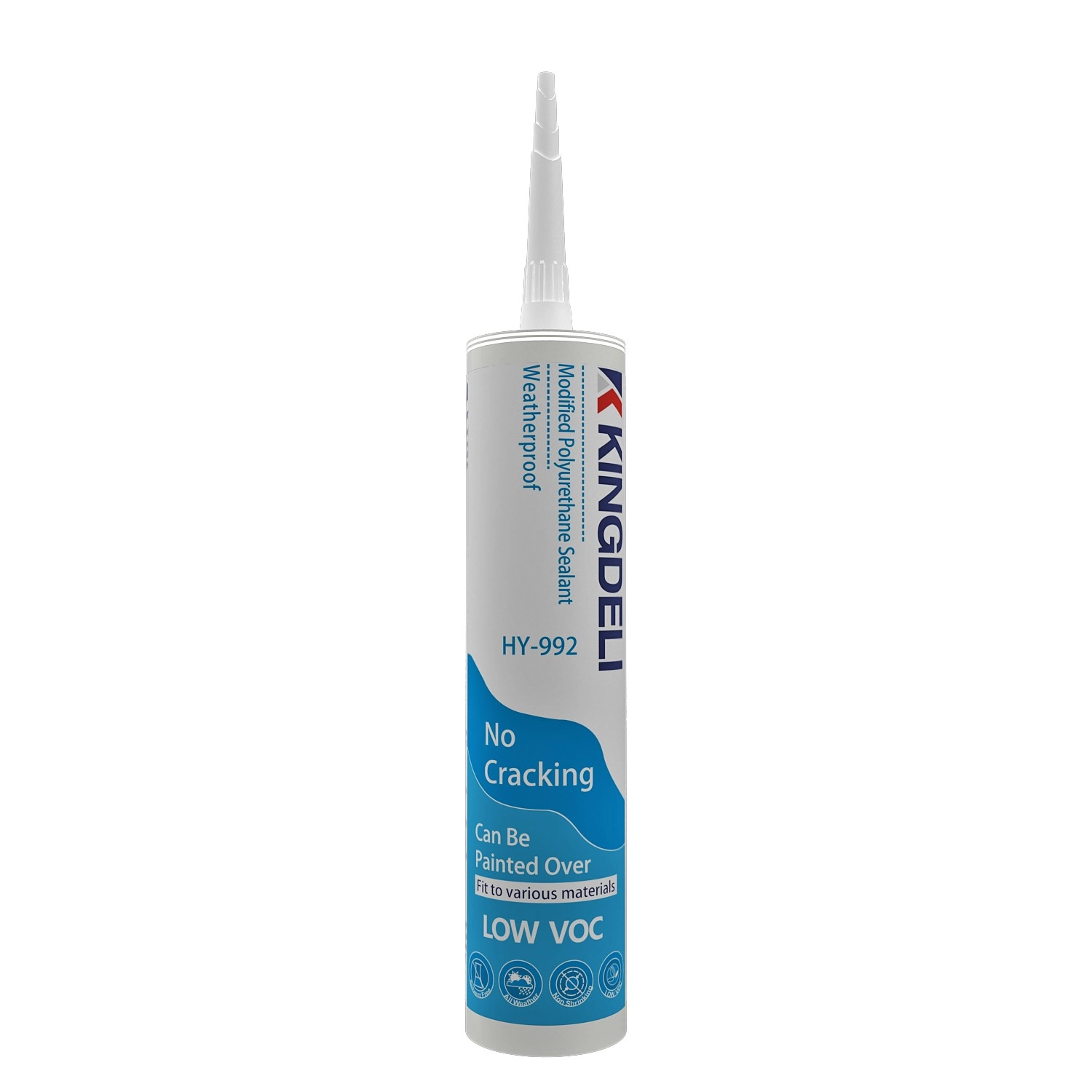
HY992 Modified Polyurethane Construction Sealant
HY992 Modified Polyurethane Sealant is a one-component, moisture-curing construction sealant designed for professional building and structural sealing applications. It provides excellent adhesion, weather resistance, and durable elasticity, making it suitable for a wide range of construction materials.
The formulation delivers strong bonding performance without corrosion or substrate contamination, while maintaining low VOC content for environmentally responsible construction projects.

HY995 Crystal Clear Ms Polymer Adhesive/Sealant
HY995 Crystal Clear Ms Polymer Adhesive/Sealant is a new generation MS Polymer adhesive / sealant formulated for all bonding and sealing applications where long term reliability is required. It has excellent bonding strength on various materials. It will cure to form a durable, flexible, waterproof seal.

HY997 High-Performance Anti-Microbial MS Polymer Sealant
HY997 MS polymer sealant for is is a premium one-component, neutral-curing modified silane sealant engineered for demanding interior applications. It offers a Class 20 movement capability, ensuring long-lasting flexibility and reliable performance under dynamic joint conditions. Curing at room temperature, HY997 delivers superior anti-microbial and mildew-resistant properties, maintaining hygienic and clean environments over time.
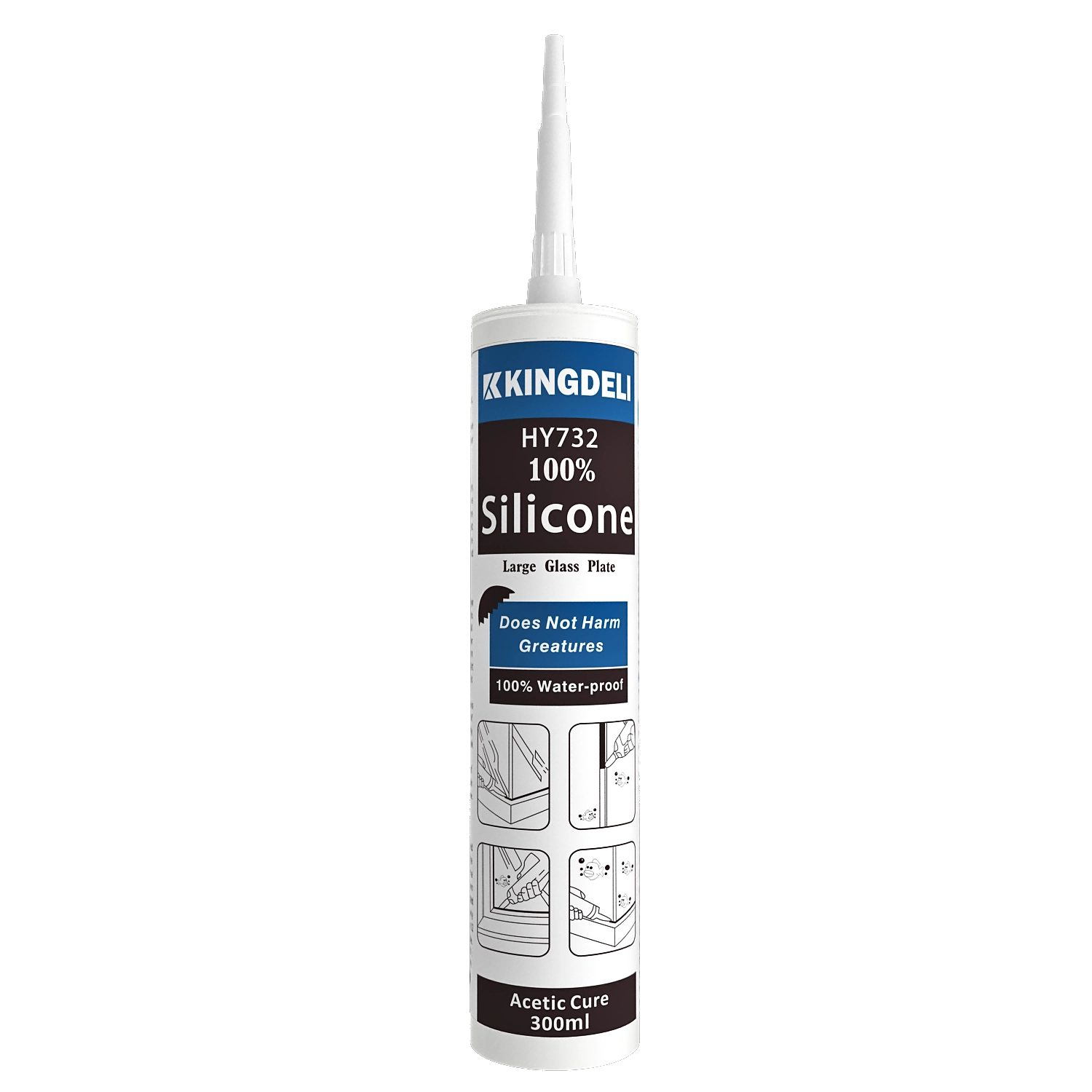
KINGDELI HY732 Professional Acetoxy Cure Silicone Sealant
KINGDELI HY732 is a professional-grade, one-component acetoxy cure silicone sealant designed for fast curing, strong adhesion, and long-lasting flexibility. Ideal for aquariums, glass applications, aluminum doors and windows, kitchens, and bathrooms, it provides reliable sealing performance with excellent anti-fungal protection in high-humidity environments.
Let’s Build Stronger Bonds with Quality Adhesives and Sealants
Have questions about the topic or need tailored sealant solutions for your project?
Our team is ready to provide expert guidance, product recommendations, and application support.
Innovating with Integrity, Bonding the World
Since 1998, KINGDELI has delivered trusted, sustainable sealant solutions that connect industries and inspire progress worldwide.
Whatsapp: +8618825946249
Kingdeli
Kingdeli
Kingdeli
Kingdeli
Kingdeli