











How to compare neutral vs acid cure silicone sealant for factories? | Insights by KINGDELI
How to compare neutral vs acid cure silicone sealant for factories?
This article gives factory maintenance teams, procurement engineers and facility managers detailed, actionable guidance to choose between neutral cure silicone and acid (acetoxy) cure silicone sealants. It embeds industry keywords such as neutral cure silicone, acid cure silicone, acetoxy, alkoxy, substrate compatibility, corrosion risk, curing time and ASTM C920 while relying on manufacturer datasheets and industry standards.
1) How can I tell whether an acid (acetoxy) silicone will corrode exposed metal fasteners, HVAC ducts or control panels in my factory?
Why this matters: In many factories exposed metal (copper, brass, galvanized steel), electrical termination points and HVAC coils are common. Acetic acid released by acetoxy silicones can accelerate corrosion or cause staining on sensitive metals and plated finishes, leading to service failures and warranty claims.
Technical basis and practical test:
- Mechanism: Acid cure (acetoxy) silicones release acetic acid (pungent vinegar odor) as they crosslink. The localized acid environment can etch or oxidize reactive metals (copper, brass, some zinc coatings), and attack freshly plated surfaces or solder joints.
- Neutral alternatives: Neutral cure chemistries (oxime or alkoxy/alkyl-terminated) release less corrosive by-products (oximes, alcohols). Alkoxy silicones are generally safest for metallic substrates because they do not emit acetic acid.
- Field verification: Before a full roll-out, perform a 30–90 day coupon test. Bond small coupons of the metal and finish used (e.g., galvanized steel, copper, tin-plated terminals) with the candidate sealant, keep them in the intended environment (humidity, temperature, exposure to condensate) and inspect for discoloration, pitting or adhesion loss.
- Standards & spec: Specify ASTM C920 movement class and explicitly require “no acetic by-product” or “alkoxy/oxime neutral cure” for joints adjacent to metals. Include a corrosion test clause and acceptance criteria in purchase orders.
Recommendation: If you have exposed ferrous/non-ferrous metals, electrical components, or plated finishes near joints, specify a neutral (preferably alkoxy) cure silicone and mandate a short coupon corrosion trial before procurement quantity purchases.
2) Which sealant should I use for sealing food-processing rooms, cold storage and hygienic factory environments — neutral or acid cure?
Why this matters: Food-contact or food-adjacent environments require low contamination risk, low odor, and compliance with food-safety certifications. Some cure by-products are restricted for food contact or are simply unacceptable due to odor.
Key considerations:
- Regulatory & safety: For food processing, prioritize sealants with documented food-grade approvals or compatibilities (FDA 21 CFR where applicable for indirect contact, and NSF/ANSI 51/61 considerations for equipment). Many food industry specifications specifically require neutral cure silicones free of acetoxy and sometimes free of oxime (MEKO) due to regulatory scrutiny.
- Odor and volatile by-products: Acetoxy silicones emit acetic acid, which can taint sensitive processes. Oxime-neutral silicones release oximes (e.g., methyl ethyl ketoxime) — some facilities avoid these. Alkoxy neutral silicones release alcohol-based by-products that generally have lower odor and lower risk of flavor/taste transfer.
- Cold temperature cure: In cold storage, cure speed is slower because moisture content is low and low temperature reduces curing reaction rates. Select a neutral silicone specified for low-temperature cure or allow extended cure time in your production schedule.
Recommendation: For hygienic or food-adjacent areas, choose a certified food-compatible neutral cure silicone (prefer alkoxy-based if odor or oxime avoidance is required). Always request manufacturer documentation and, if needed, third-party certification for food use.
3) How do I plan production downtime and calculate real-world cure time differences between neutral and acid cure silicones for high-volume sealing?
Why this matters: In a factory setting, joint cure speed impacts when parts can leave the production area, when conveyors restart, and how many shifts you can run.
Factors affecting cure speed:
- Chemistry: Acetoxy silicones typically have faster skin-over and tack-free times (often 5–30 minutes under typical shop humidity) than many neutral oxime/alkoxy types, which can be 20–60+ minutes to tack-free. But these are broad ranges; manufacturer's technical data sheets give exact values.
- Environmental conditions: Cure for condensation-curing silicones depends on ambient relative humidity and temperature because they cure by reacting with moisture. Low RH (<30%) and low temperature slow cure substantially. Factories with controlled HVAC will see consistent cures; dusty, dry warehouses will not.
- Joint geometry: Thicker joints cure from the surface inward; depth affects total cure time. Standard guidance: estimate full cure of ~2–3 mm per 24 hours for many silicones in medium humidity — but this number varies by product. Use manufacturer’s depth cure data for planning.
- Production planning: For high throughput, specify tack-free and full-cure criteria in procurement. Where fast handling is essential, use a faster-curing neutral silicone (some alkoxy formulations are optimized for speed) or schedule a short conveyor quarantine to allow surface cure. Consider IR or forced warm-air booths to accelerate cure only if manufacturer allows (watch VOCs and by-products).
Recommendation: Do an on-site curing audit: measure tack-free time and depth cure for candidate sealants at your actual temperature and humidity, then define the minimal quarantine/handling time per line. Don’t rely on lab values alone.
4) When bonding to painted steel, powder coat or polymer-coated surfaces, can acid cure silicones be used without primers, or is neutral cure required?
Why this matters: Adhesion failures to coated surfaces lead to rework and paint damage. The wrong sealant choice or omission of primer can cause delamination.
Substrate compatibility guidance:
- Coatings and solvents: Many liquid coatings (paints, powder coat) are sensitive to the acidic by-products of acetoxy silicones: the acid can inhibit cure at the interface or interact with adhesives/coatings. Additionally, silicones are generally not paintable — paint over silicone is unreliable unless a specific paintable silicone or overcoating strategy is used.
- Priming: For many coated or low surface energy (LSE) polymeric surfaces (e.g., PTFE, some polyolefins), a primer is required regardless of silicone chemistry. For painted/powder-coated steel, test adhesion first; primers designed for silicone-to-coating bonding (silane primers) can substantially improve durability.
- Neutral vs acetoxy: Neutral silicones are usually more forgiving on painted or metallic finishes because they don’t release acetic acid and have lower risk of staining or interaction. However, adhesion still depends on coating cure, surface contamination, and coating formulation.
Action plan:
- Ask coating vendor for compatibility with silicone sealants; request their recommended surface prep and primer.
- Run adhesion peel tests (90° or 180°) on representative panels after specified artificial aging (heat, humidity, chemical exposure) per your warranty expectations.
- Specify primer use in procurement if tests show marginal adhesion. For critical applications, require supplier-backed adhesion guarantees.
5) How do common factory chemicals — solvents, oils, alkaline cleaners and disinfectants — affect long-term performance of neutral vs acid cure silicones?
Why this matters: Factories use degreasers, solvent cleaners, alkaline washdowns and process chemicals that can degrade sealants, causing swelling, softening, loss of adhesion or brittle failure.
Chemical resistance overview:
- General silicone behavior: Silicone elastomers have excellent thermal stability and resistance to many water-based and dilute chemical exposures. They resist oxidation and UV better than many elastomers. However, exposure to strong solvents (aromatic hydrocarbons, ketones), concentrated acids/alkalis, and some chlorinated solvents can cause swelling, softening or extraction of additives.
- Curing chemistry vs chemical resistance: The cured silicone elastomer’s chemical resistance is generally similar whether cured by acetoxy or neutral chemistries; the primary differences are at installation (by-products) and adhesion. Still, formulation additives and fillers (e.g., fungicides, adhesion promoters) affect long-term chemical resistance.
- Testing: For critical exposure, perform immersion or wipe tests using the exact chemicals and concentrations used in the plant, at operating temperatures, for a realistic dwell time (hours to days). Assess hardness, adhesion, weight change and visual appearance per ASTM or internal criteria.
Practical steps:
- Map chemical exposures per joint location and create an exposure matrix.
- Ask silicone suppliers for chemical resistance charts and third-party test data for each chemical of concern.
- If joints are regularly exposed to aggressive solvents or high pH washdowns, consider a specialty silicone or alternative elastomer (e.g., fluorosilicone for fuel/oil resistance or polyurethane for abrasion and paintability) after compatibility testing.
6) What are the on-site storage, shelf-life and contamination risks for neutral vs acid cure silicones when used across multiple factory shifts and seasons?
Why this matters: Improper storage and cross-contamination cause shortened shelf life, cure failures and product rejects. Factories that buy in bulk and stage cartridges across shifts see this often.
Storage & shelf-life facts:
- Typical shelf life: Most one-part silicone sealants have shelf lives of 9–18 months when stored in unopened cartridges at manufacturer-recommended temperatures (commonly 5–25°C). Exact shelf life is product-specific — always record batch numbers and check DATASHEET dates.
- Opened-unit risks: Once a cartridge or bulk pack is opened, exposure to atmospheric moisture initiates cure at the nozzle and can cross-contaminate the remainder. Use airtight closures, purge with dry nitrogen for bulk tanks where possible, or use smaller cartridges and replace nozzles regularly.
- Contamination: Silicone adhesives tolerate some surface residues poorly; dust, oils, and release agents compromise adhesion. Also avoid using silicone tools or spatulas contaminated with other chemistries (PU adhesives) to prevent cross-contamination and cure inhibition.
- Temperature effects: High storage temperatures can accelerate pre-curing or degrade additives; freezing can induce phase separation in some formulations. Follow datasheet storage temperature ranges.
On-site best practices:
- Establish FIFO inventory control and log cartridge/batch expiry dates.
- Use static-mixing nozzle changes after each shift or when switching materials, and implement nozzle-cap systems or inert-gas purging for bulk systems.
- Train operators to inspect cartridges for skinning/cross-linking and to perform a small test bead before use on critical assemblies.
Concluding summary — advantages of neutral vs acid cure silicone for factories
Neutral cure silicones (alkoxy or oxime) offer clear advantages in factories when substrate sensitivity, metal corrosion risk, food-adjacent environments, and odor control matter. Alkoxy neutrals are preferred where low odor and minimal metal interaction are required. Acid (acetoxy) silicones usually give faster surface cure and can be acceptable for non-reactive substrates (plain glass, some ceramics) where their lower cost and speed help throughput.
Selection checklist: define substrates, chemical exposures, regulatory requirements (ASTM C920 class, food-contact approvals if needed), required movement capability (Class 25 vs Class 50), and on-site humidity/temperature. Validate with coupon tests for corrosion and adhesion, measure real-world cure times on the shop floor, and specify primers where required.
For turnkey recommendations and product matching (including data sheets, third-party test reports and pricing), contact us for a quote at www.kingdelisealant.com or email info@kingdeliadhesive.com.
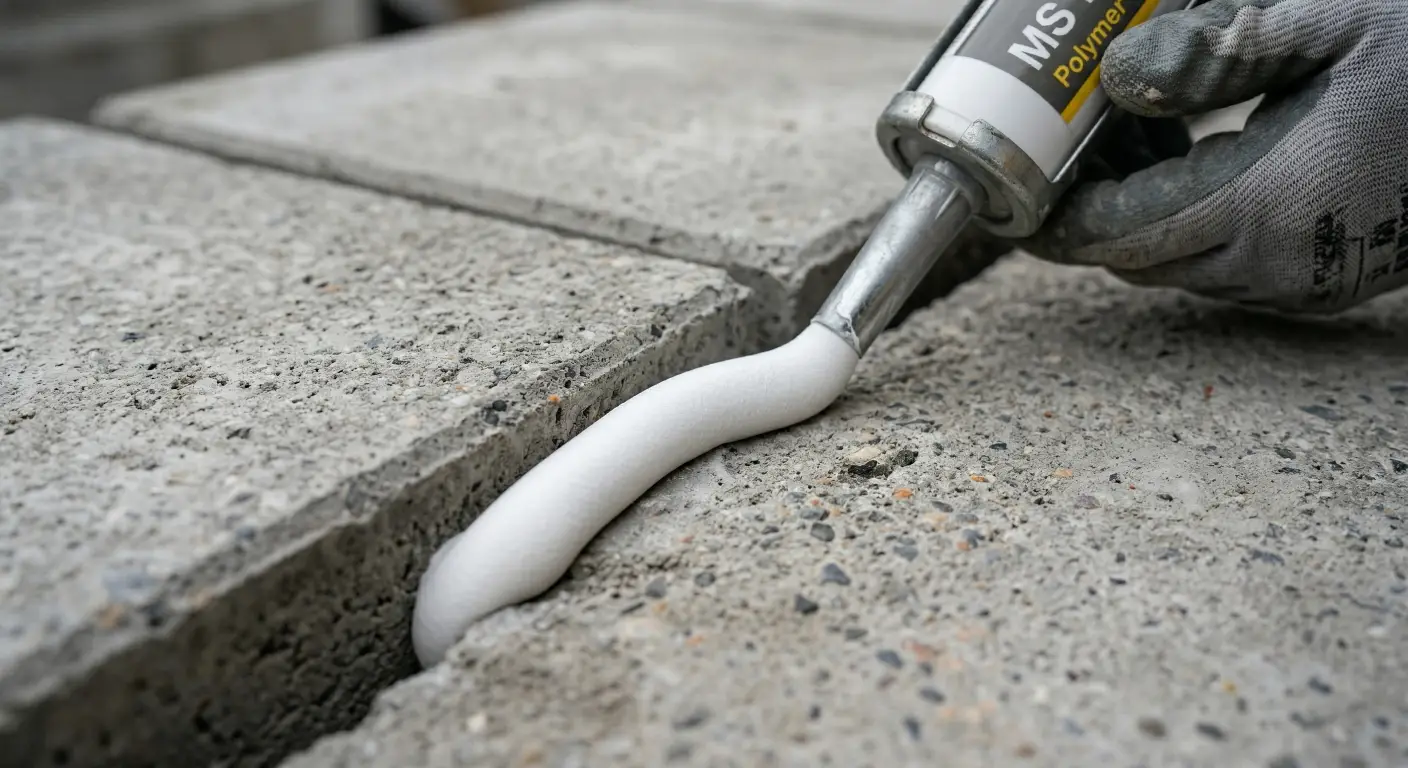
MS Polymer Sealant: The Ultimate Professional Guide for Modern Construction
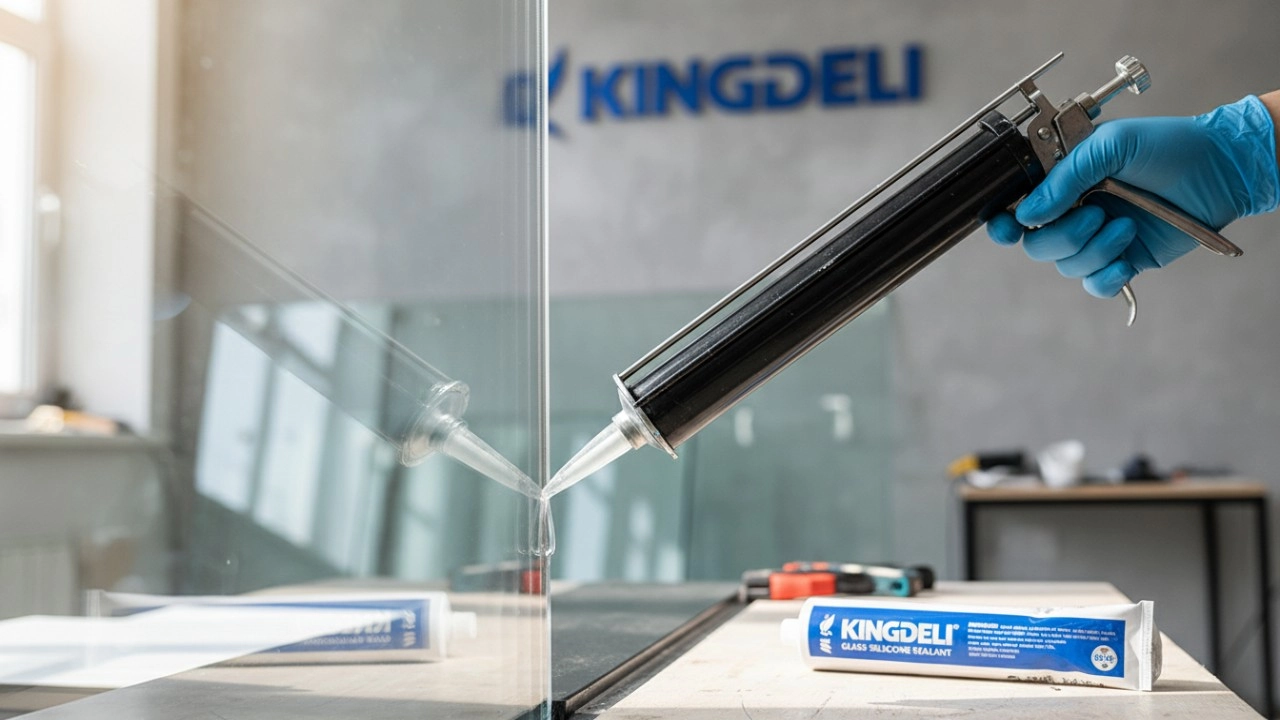
The 2026 Ultimate Guide to Glass Silicone Sealant: Everything You Need for a Perfect Finish
OEM vs. Branded Acetic Silicone Sealant: What’s Best for Your Distribution Business?
The Future of Sealants: 5 Emerging Trends in Wholesale Neutral Silicone Sealant Technology for 2026
HY-2300
How long does it take to cure completely?
Skin formation occurs within several hours depending on humidity and temperature. Full curing usually takes 24–48 hours, thicker sections require longer.
HY726
Is HY-726 safe to use on mirrors with metal coatings such as copper or gold?
Yes. HY-726 is specifically designed for sealing copper, gold, and all kinds of metal-coated mirrors. Its neutral, alcohol-based formula contains no corrosive chemicals, ensuring that the mirror coating is fully protected from discoloration, oxidation, or chemical damage throughout the product's lifespan.
HY-722
What makes HY-722 suitable for sanitary areas?
It contains anti-fungus additives that resist mold growth in humid conditions.
HY-939
Does the sealant shrink after curing?
No. HY939 does not shrink after curing and maintains long-term elasticity.
HY995
Is HY995 waterproof and weather resistant?
Yes. After curing, the sealant forms a flexible, waterproof, and weather-resistant seal. It performs well in indoor and outdoor environments, resisting moisture, temperature changes, and UV exposure.
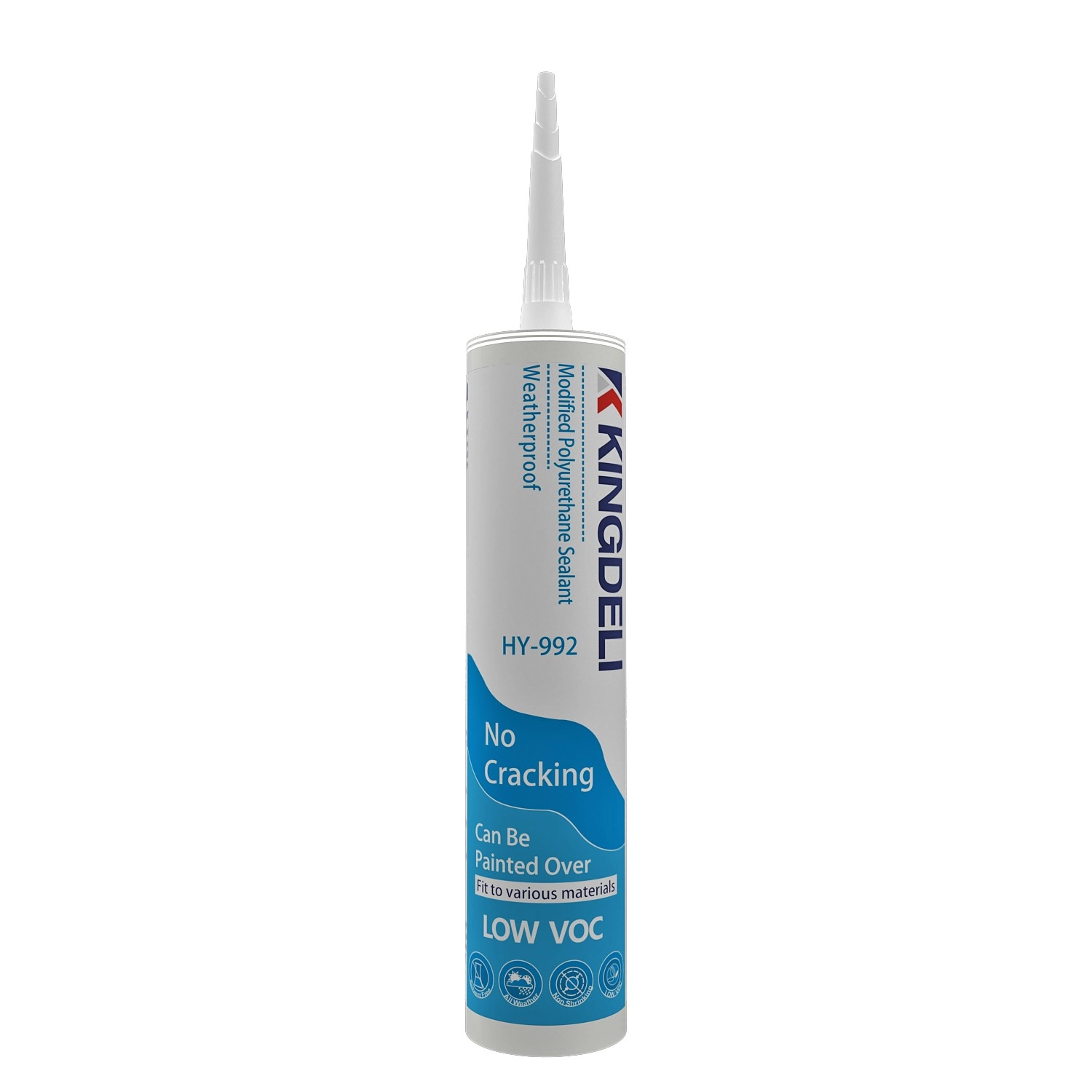
HY992 Modified Polyurethane Construction Sealant
HY992 Modified Polyurethane Sealant is a one-component, moisture-curing construction sealant designed for professional building and structural sealing applications. It provides excellent adhesion, weather resistance, and durable elasticity, making it suitable for a wide range of construction materials.
The formulation delivers strong bonding performance without corrosion or substrate contamination, while maintaining low VOC content for environmentally responsible construction projects.

HY995 Crystal Clear Ms Polymer Adhesive/Sealant
HY995 Crystal Clear Ms Polymer Adhesive/Sealant is a new generation MS Polymer adhesive / sealant formulated for all bonding and sealing applications where long term reliability is required. It has excellent bonding strength on various materials. It will cure to form a durable, flexible, waterproof seal.

HY997 High-Performance Anti-Microbial MS Polymer Sealant
HY997 MS polymer sealant for is is a premium one-component, neutral-curing modified silane sealant engineered for demanding interior applications. It offers a Class 20 movement capability, ensuring long-lasting flexibility and reliable performance under dynamic joint conditions. Curing at room temperature, HY997 delivers superior anti-microbial and mildew-resistant properties, maintaining hygienic and clean environments over time.
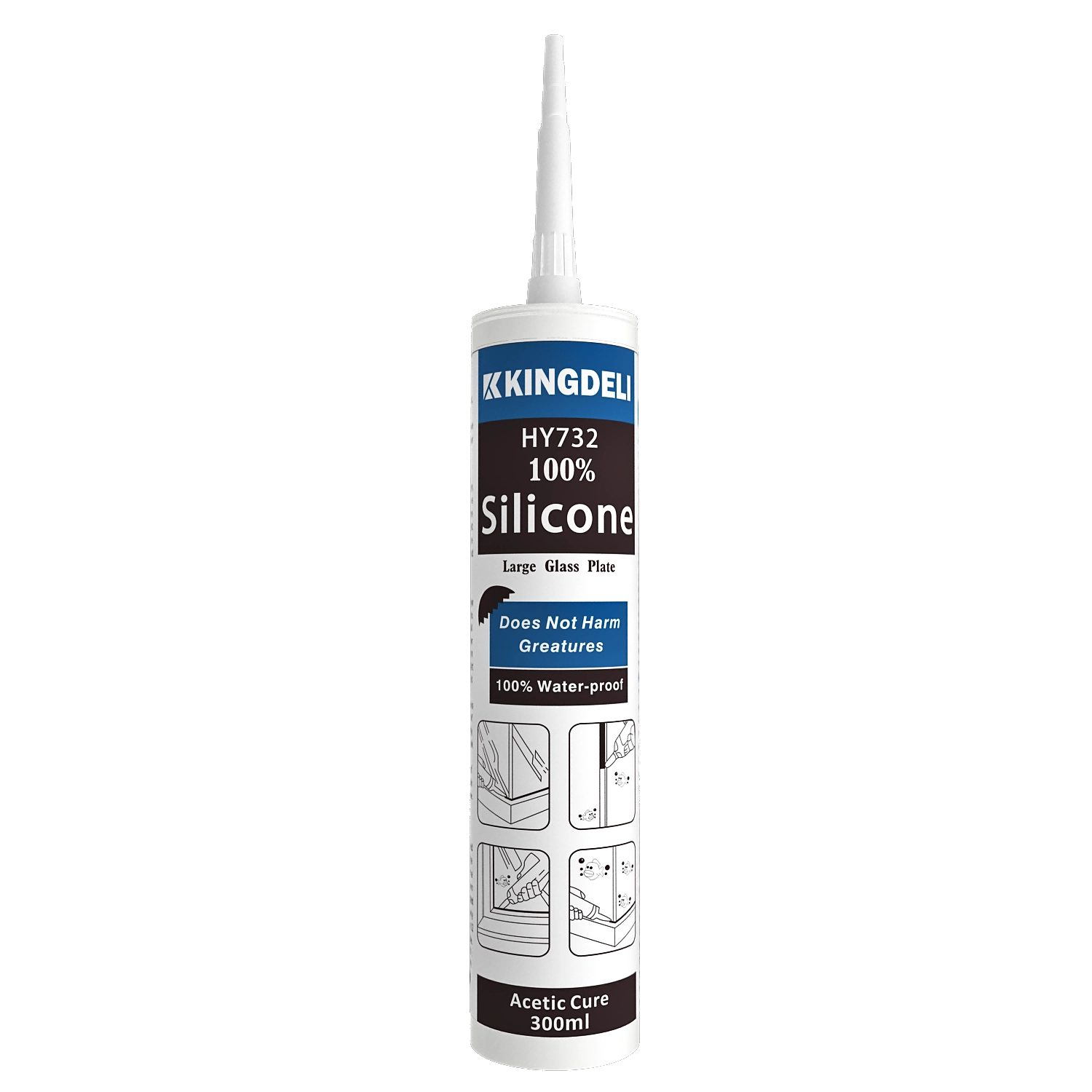
KINGDELI HY732 Professional Acetoxy Cure Silicone Sealant
KINGDELI HY732 is a professional-grade, one-component acetoxy cure silicone sealant designed for fast curing, strong adhesion, and long-lasting flexibility. Ideal for aquariums, glass applications, aluminum doors and windows, kitchens, and bathrooms, it provides reliable sealing performance with excellent anti-fungal protection in high-humidity environments.
Let’s Build Stronger Bonds with Quality Adhesives and Sealants
Have questions about the topic or need tailored sealant solutions for your project?
Our team is ready to provide expert guidance, product recommendations, and application support.
Innovating with Integrity, Bonding the World
Since 1998, KINGDELI has delivered trusted, sustainable sealant solutions that connect industries and inspire progress worldwide.
Whatsapp: +8618825946249
Kingdeli
Kingdeli
Kingdeli
Kingdeli
Kingdeli