











What is the MOQ for commercial silicone sealant orders? | Insights by KINGDELI
What is the MOQ for Commercial Silicone Sealant Orders?
This article answers six specific, buyer-focused long‑tail questions about minimum order quantity (MOQ) for commercial silicone sealant orders. It embeds practical, industry‑tested guidance on cartridge, sausage and drum MOQs, private‑label/OEM implications, testing and certification impacts, price breaks, lead times, and negotiation tactics you can use to lower MOQ without compromising quality or compliance.
1) What is the realistic MOQ for commercial silicone sealant cartridges, sausages, and drums when sourcing from an overseas manufacturer?
Practical MOQs vary by packaging format because production, handling and palletization costs differ. Typical ranges you should expect when sourcing from experienced suppliers (China, Turkey, EU manufacturers) are:
- Cartridge (300 ml / 310 ml): common MOQ 500–1,500 cartridges per SKU; one pallet often equals ~800–1,200 cartridges depending on boxes and pallet configuration.
- Sausage (600 ml): common MOQ 500–1,000 sausages per SKU; sausages pack more densely, so pallet quantities differ from cartridges.
- Drum / bulk (180–200 kg or 200–250 kg drums): many suppliers accept 1–5 drums as a minimum for export orders; drum MOQ can be a single drum if drums are in stock, but custom formulations often require minimum 1–3 drums (or job lot) to justify mixing and QA.
Why this range? Cartridge production requires packaging lines, dedicated cartons and pallet loads — suppliers often set an MOQ that covers packaging setup and freight efficiency. Drums and bulk often allow smaller nominal MOQ because packaging is simpler, but the formulation batch size, and the need for consistent mixing and QA, still create implicit minimums.
Note: If you need exact numbers for a specific supplier, ask for pallet count per SKU and per box quantity so you can confirm whether a single pallet meets MOQ. For export to many markets, a 20' container often contains several thousand cartridges (8,000–12,000 depending on packing), which is where major price breaks occur.
2) Can I order below the supplier's stated MOQ for custom-colored or private-label silicone sealant without huge surcharges?
Short answer: sometimes — but there are tradeoffs. Custom color and private‑label orders increase supplier setup costs (pigment inventory, color matching, label printing, SKU management), and many manufacturers recoup that with higher MOQ or per-unit surcharges.
How to reduce the surcharge risk:
- Request standard base colors first. If the color is a standard RAL/BS/industry color, MOQ and surcharge are often lower than fully custom matches.
- Combine SKUs. Offer to buy combined volumes across several colors to meet an aggregate MOQ — e.g., 4 colors × 250 pieces = 1,000-piece lot.
- Pay for a one-time tooling/printing setup fee rather than a permanent MOQ uplift. Some suppliers will amortize printing plates or label setup costs separately.
- Accept neutral/blank cartons for an interim run and apply labels locally. That reduces supplier production complexity and can lower MOQ.
Real costs: for private‑label cartridge runs, suppliers frequently require 1,000–5,000 units for fully customized packaging or label runs. If you only need 200–500 cartridges, expect a per‑unit surcharge often 20–50% higher than standard catalog pricing, unless you combine SKUs or accept simpler packaging.
3) How do product certifications and required lab testing (EN 15651, ASTM C920, UL) change MOQ and lead times for commercial silicone sealant orders?
Certifications and lab testing increase both effective MOQ and lead time in three ways:
- Pre-production testing. Many buyers require an initial approval sample tested for adhesion, tensile/elongation, hardness (Shore A), slump, cure profile and movement capability. Lab testing typically takes 1–4 weeks depending on the scope and local lab availability.
- Batch qualification. If the certification body or your lab requires production batch testing, suppliers often set a minimum batch lot size equal to a full production batch (commonly several hundred kilograms) so a representative sample can be reserved for records. This creates a de‑facto MOQ for certified runs.
- Documentation and audit readiness. If EN 15651 or ASTM C920 compliance is required for contract or façade projects, suppliers will often insist on larger minimums (e.g., 1,000+ cartridges or multiple drums) to justify maintaining compliance documentation and traceable batch records.
Practical example: A manufacturer that holds ISO 9001 and conducts ASTM C920 testing may produce an initial certified sample pack within 2–3 weeks but require a minimum of one to three production batches (1–3 drums or 1 pallet of cartridges) to fulfill the customer's order with traceable batch documentation. If UL or fire‑rating is required, certification can add several weeks and sometimes restrict small‑lot production until additional testing fees are covered.
4) For a small distributor, what negotiation levers lower the MOQ for OEM silicone sealant while maintaining traceability and QA?
Small distributors can use several practical levers to reduce MOQ without jeopardizing quality or traceability:
- Agree to joint quality risk sharing: prepay a portion (deposit) or cover third‑party testing costs; suppliers will often reduce MOQ in return for upfront cash and testing cost coverage.
- Offer consolidated orders across SKUs or time: commit to a rolling 3‑month purchase schedule so the supplier can plan mixing and raw material inventory and reduce per‑run setup.
- Accept standard formulas and packaging: skip custom pigments or custom printed cartons for initial runs — use the supplier’s stock labels and then rebrand locally if required.
- Provide forecast and credit references: better forecasting and credit reduce perceived risk; suppliers are more willing to accept smaller first orders if they trust reorder cadence.
- Use shared logistics: agree to collect stock from the nearest port/warehouse (FOB terms) to reduce supplier handling and storage costs, which can lower required MOQ.
Operational tip: build a short quality agreement (acceptance criteria, sample retention, non-conformance resolution) so the supplier can treat your order like a regular account, which often unlocks smaller minimums over time.
5) How will MOQ affect unit price, freight and total landed cost for a mid-sized commercial project (e.g., sealing 10,000 linear meters)?
MOQs materially affect unit economics through per‑unit manufacturing overhead, packaging and freight. For a mid‑sized project, run calculations for these variables:
- Consumption estimate: typical adhesion/seal bead usage depends on joint geometry. Example: a 300 ml cartridge can often seal ~10–20 linear meters of a simple 6 mm × 6 mm joint — your actual consumption should be calculated from joint width, depth and wastage.
- Unit price bands: smaller orders (below pallet) commonly carry 15–40% higher unit prices versus pallet or container orders because setup and freight costs are spread over fewer units.
- Freight and packaging: per-unit freight falls sharply at pallet and container volumes. A 20' container may reduce per-cartridge cost significantly compared with pallet shipments or LCL (less than container load) ocean freight.
- Landed cost: include duties, inland transport, customs clearance, insurance, and local warehousing. For tight project margins, a small saving per unit from meeting supplier MOQ can outweigh the capital tied in inventory.
Practical calculation approach: estimate required cartridges for your project, get supplier price breaks for lot sizes (e.g., 500 / 1,000 / 5,000 / container), add freight quotes for the same lot sizes, and compute total landed cost. Often the break‑even point appears at pallet or full container levels where per‑unit cost drops materially.
6) What are realistic lead times, production batch sizes and quality inspection steps suppliers enforce at MOQ for export commercial silicone sealant orders?
Typical timelines and QA flow for export orders (post‑sample approval) are:
- Lead times: small reorders from stock 5–10 business days; production runs for a new SKU or private‑label 10–25 business days depending on queue and testing requirements. Adding certification or complex color matching adds 1–4 weeks.
- Production batch sizes: many production facilities mix silicone in batches sized 200–1,000+ kg depending on plant capacity. For cartridges this batch will be portioned into the desired packaging, so a single batch often translates into multiple pallets. For drums, the batch may equal 1–5 drums.
- Quality inspection steps: raw material inspection, in‑process control (viscosity, pigment dispersion), finished product property testing (Shore A, tensile/elongation, movement capability, adhesion on specified substrates), visual inspection of packaging and label, and a final random inspection (AQL sampling or 100% checks for critical projects).
- Documentation provided: certificate of analysis (COA) for each batch, production batch number on carton/label, MSDS, and test reports on request. For certified projects, additional QC witness testing and retention samples will be recorded.
Buyers should request the supplier's standard lead time and inspection protocol in writing and align those with project milestones. Ask for sample retention time (commonly 6–12 months) and confirm who covers rework costs if a batch fails post‑delivery testing.
Concluding paragraph
Advantages of ordering at an appropriate MOQ and partnering with an experienced supplier include lower per‑unit price, predictable quality through batch traceability, easier compliance with standards (EN 15651, ASTM C920), reduced freight cost per unit, and faster reorder cadence once the supplier recognizes you as a reliable customer. By understanding packaging‑specific MOQs (cartridge, sausage, drum), certification impacts, realistic lead times, and negotiation levers, project managers and distributors can balance cash tied in inventory against overall landed cost and schedule reliability.
If you need a tailored MOQ quote, certification support, or help calculating project consumption and landed cost, contact Kingdeli for a fast, transparent quote — visit www.kingdelisealant.com or email info@kingdeliadhesive.com.
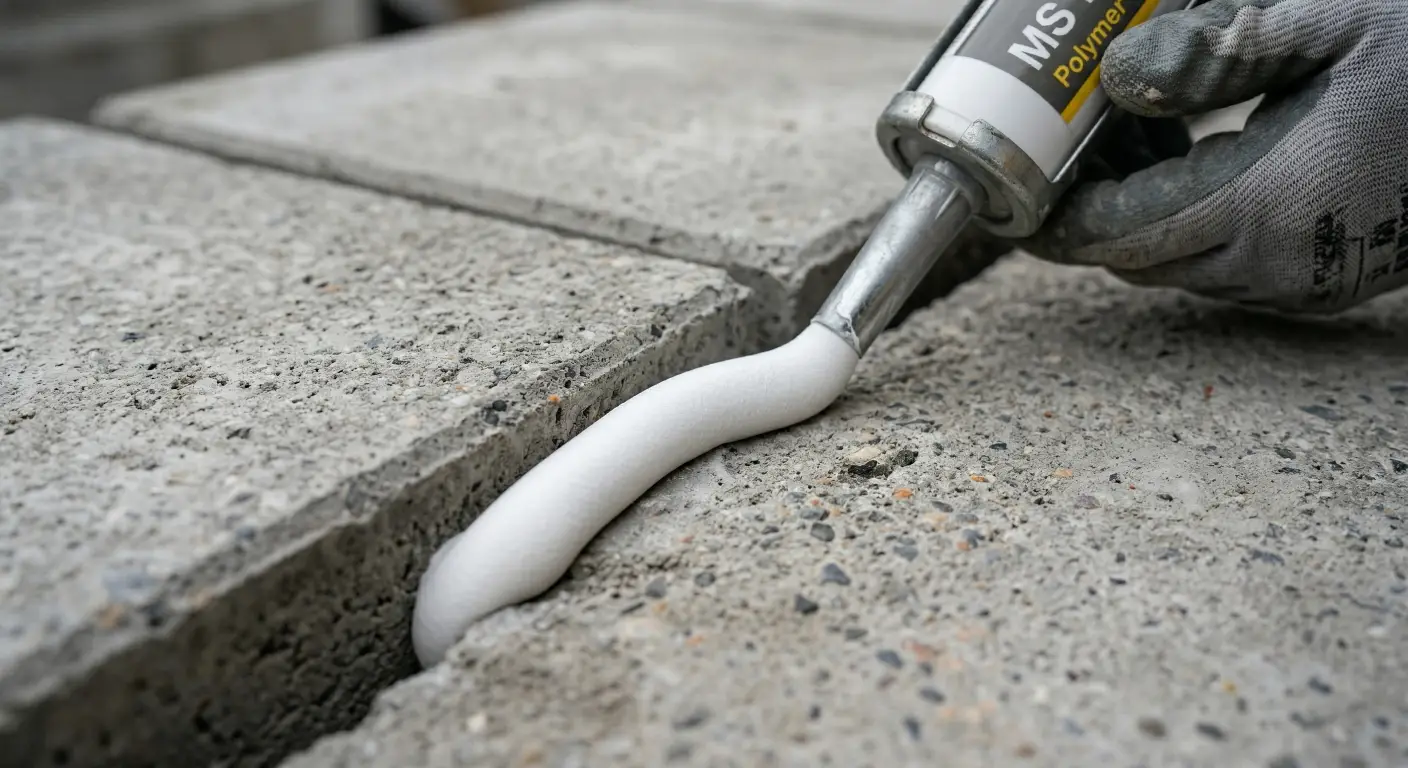
MS Polymer Sealant: The Ultimate Professional Guide for Modern Construction
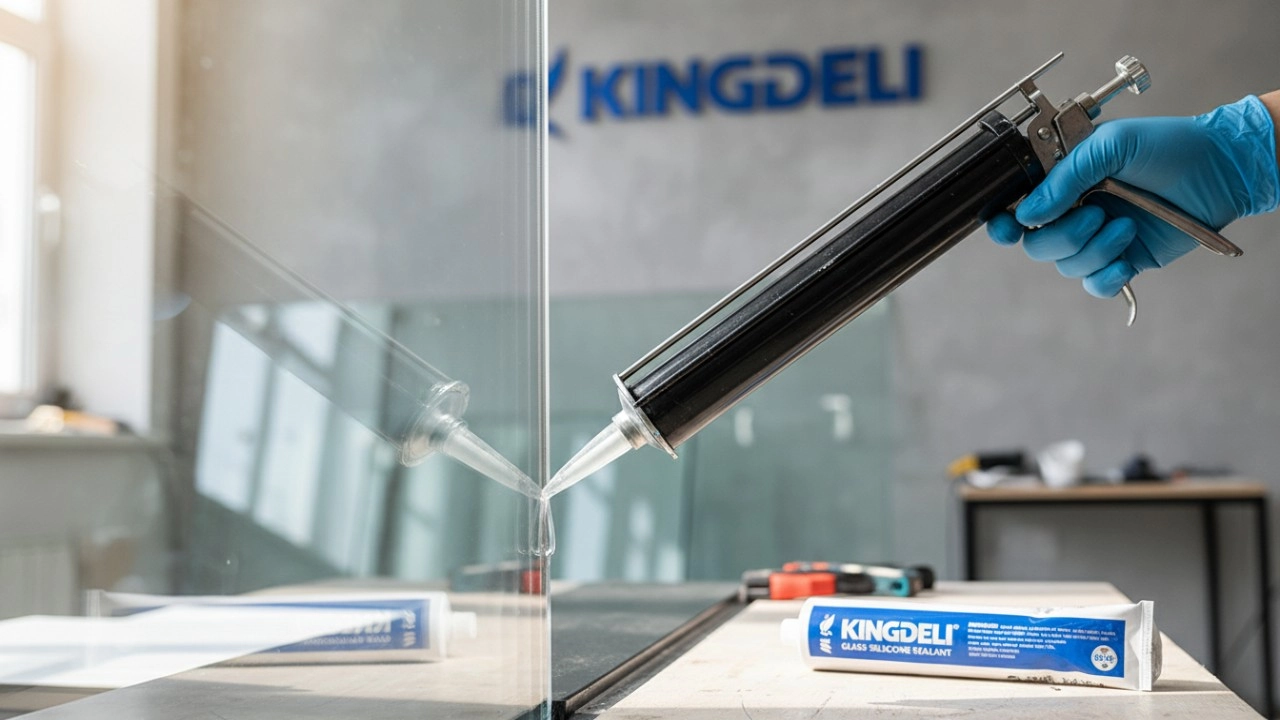
The 2026 Ultimate Guide to Glass Silicone Sealant: Everything You Need for a Perfect Finish
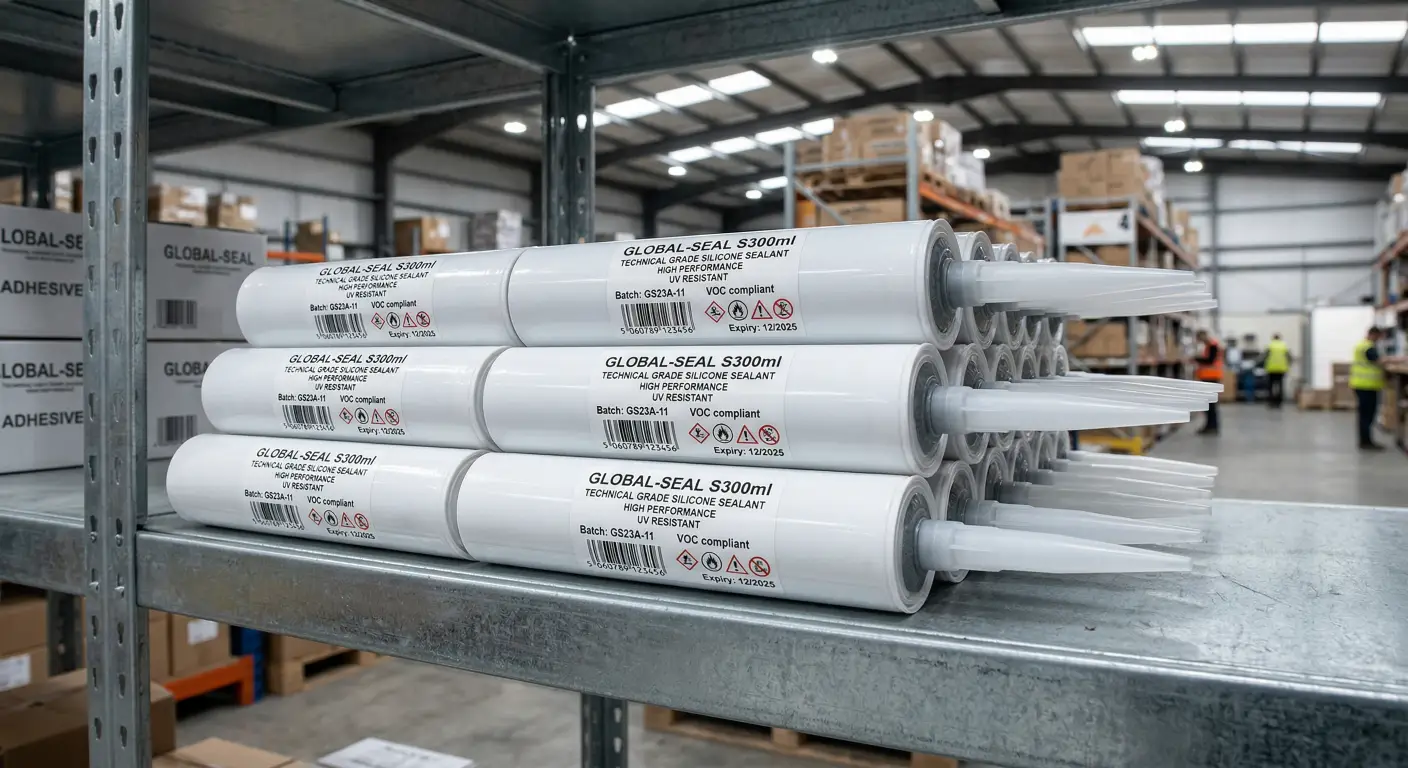
OEM vs. Branded Acetic Silicone Sealant: What’s Best for Your Distribution Business?
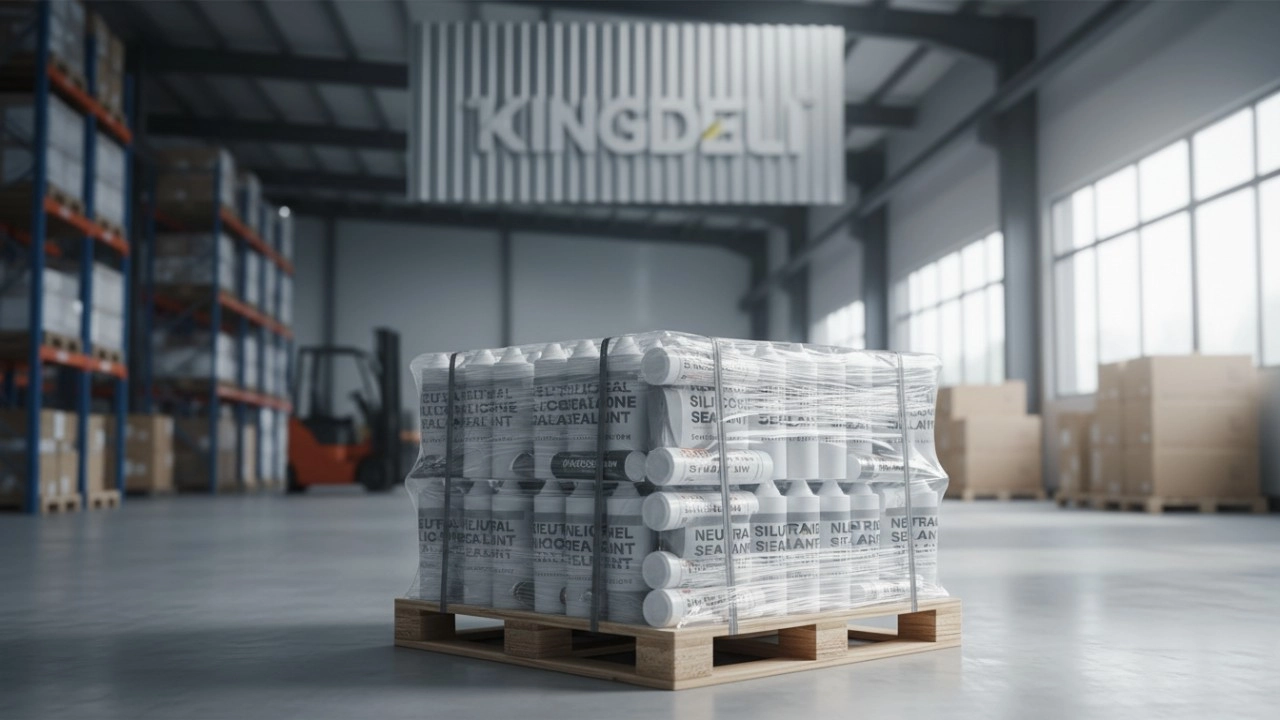
The Future of Sealants: 5 Emerging Trends in Wholesale Neutral Silicone Sealant Technology for 2026
Distributor Partnership
What is the minimum order quantity (MOQ)?
MOQ depends on the product type, packaging, and whether OEM/ODM is required.
We offer flexible solutions for new distributors.
HY-976
Is the adhesive paintable?
Yes. Once fully dry, the adhesive can be painted over.
HY993
What is the temperature resistance after curing?
HY993 maintains performance across a wide range of temperatures typically required in construction, industrial, marine, and automotive environments. (If you want, I can include specific temperature ranges.)
HY722B
What colors and packaging options are available?
Standard colors include clear, black, grey, and white. Customized colors are available upon request. Packaging is supplied in 280 ml or 300 ml cartridges.
HY922
Is HY922 suitable for repair and maintenance work?
Yes. Its moisture-curing nature and quick surface drying make it convenient for on-site repairs and maintenance applications.
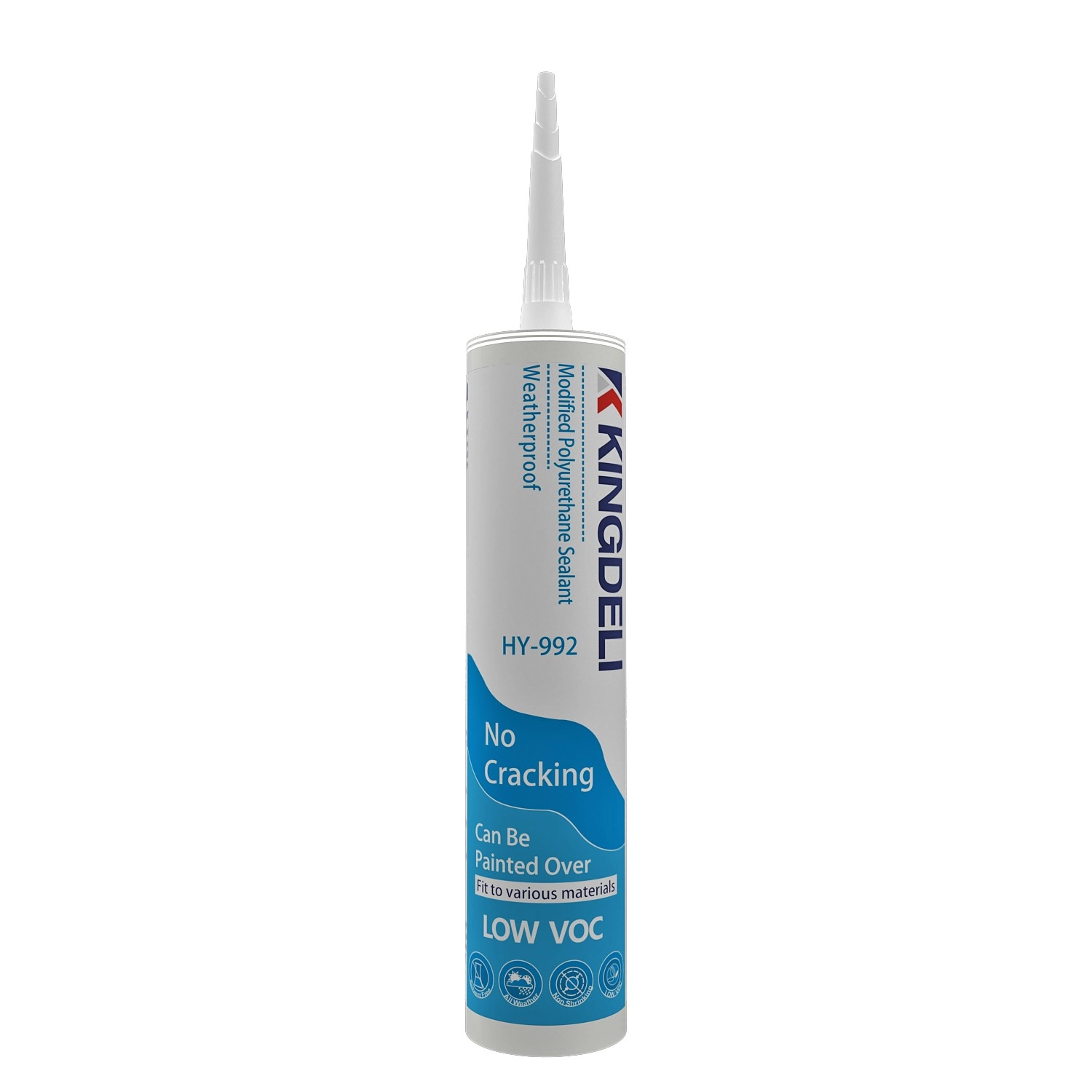
HY992 Modified Polyurethane Construction Sealant
HY992 Modified Polyurethane Sealant is a one-component, moisture-curing construction sealant designed for professional building and structural sealing applications. It provides excellent adhesion, weather resistance, and durable elasticity, making it suitable for a wide range of construction materials.
The formulation delivers strong bonding performance without corrosion or substrate contamination, while maintaining low VOC content for environmentally responsible construction projects.

HY995 Crystal Clear Ms Polymer Adhesive/Sealant
HY995 Crystal Clear Ms Polymer Adhesive/Sealant is a new generation MS Polymer adhesive / sealant formulated for all bonding and sealing applications where long term reliability is required. It has excellent bonding strength on various materials. It will cure to form a durable, flexible, waterproof seal.

HY997 High-Performance Anti-Microbial MS Polymer Sealant
HY997 MS polymer sealant for is is a premium one-component, neutral-curing modified silane sealant engineered for demanding interior applications. It offers a Class 20 movement capability, ensuring long-lasting flexibility and reliable performance under dynamic joint conditions. Curing at room temperature, HY997 delivers superior anti-microbial and mildew-resistant properties, maintaining hygienic and clean environments over time.
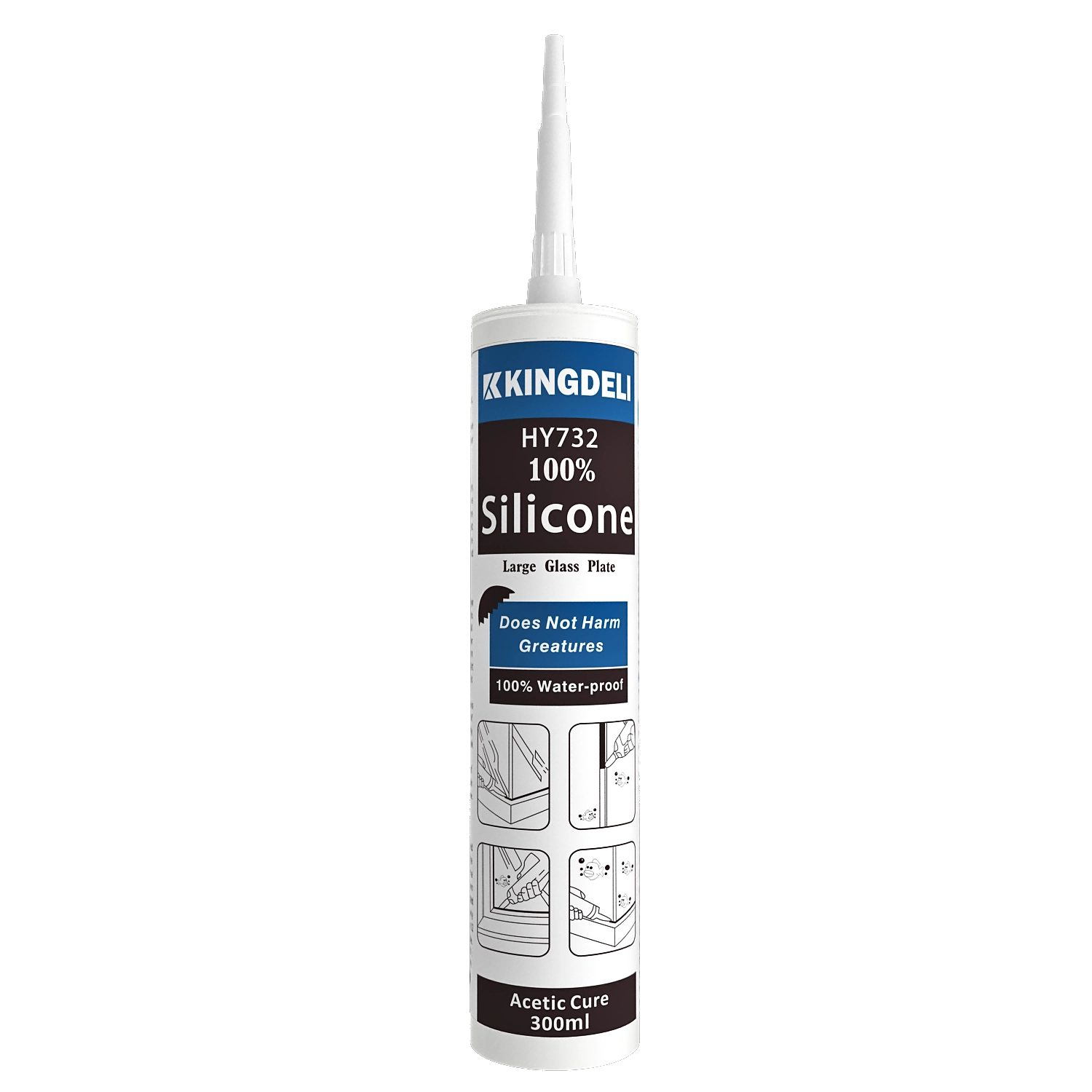
KINGDELI HY732 Professional Acetoxy Cure Silicone Sealant
KINGDELI HY732 is a professional-grade, one-component acetoxy cure silicone sealant designed for fast curing, strong adhesion, and long-lasting flexibility. Ideal for aquariums, glass applications, aluminum doors and windows, kitchens, and bathrooms, it provides reliable sealing performance with excellent anti-fungal protection in high-humidity environments.
Let’s Build Stronger Bonds with Quality Adhesives and Sealants
Have questions about the topic or need tailored sealant solutions for your project?
Our team is ready to provide expert guidance, product recommendations, and application support.
Innovating with Integrity, Bonding the World
Since 1998, KINGDELI has delivered trusted, sustainable sealant solutions that connect industries and inspire progress worldwide.
Whatsapp: +8618825946249
Kingdeli
Kingdeli
Kingdeli
Kingdeli
Kingdeli