











How to store and handle neutral cure silicone sealant in bulk?
How to Store and Handle Neutral Cure Silicone Sealant in Bulk: 6 Practical Buyer Questions Answered
Neutral cure silicone sealants (also called oxime or alkoxy RTV silicone) are moisture-curing, low-odor adhesives widely used in construction, glazing, and industrial assembly. Below are six specific, pain-point-oriented long-tail questions beginners and procurement professionals often search for but find only superficial answers to. Each question includes site-tested, standards-aware best practices (ASTM C920 / ISO 11600 context), QA checks, and step-by-step SOPs you can implement in warehouse and production environments.
1) How long can neutral cure silicone sealant be stored in bulk drums before viscosity increases or partial cure make it unusable, and how do I test for degradation?
Typical sealed shelf life for neutral cure silicone sealants is 12–18 months at recommended storage conditions (commonly 5–25°C, dry, out of direct sunlight). However, actual usable life for a bulk drum depends on storage temperature history, headspace moisture exposure, and batch quality. Viscosity drift and partial crosslinking (surface skin) are common failure modes.
Practical tests and acceptance criteria to determine whether bulk material is still usable:
- Visual inspection: open the drum and look for homogenous color, no hard lumps, no excessive phase separation (large oily pockets). A thin skin on the surface may be expected in partially used containers; deep tacky or solid islands indicate degradation.
- Extrudability test: sample through the intended dispensing system (cartridge, sausage or pump). If extrudability force increases >25–30% versus the specification or historical batch data, treat as suspect.
- Tack-free / cure profile test: apply a 3 mm bead to cleaned glass and record tack-free time at 23°C/50% RH. If tack-free time extends by more than 50% of spec or full cure is incomplete after manufacturer’s stated period, the batch may be degraded.
- Adhesion spot test: bond to the actual substrate (anodized aluminum, glass, painted steel, etc.). After the specified cure period, perform a simple peel or lap-shear check to ensure adhesion and cohesive failure behave normally (no significant loss of bond strength).
- Viscosity or rheometer test: for critical contracts, measure Brookfield or cone/plate viscosity and compare to supplier certificate of analysis. Changes >20–30% are warning signs.
If any test fails, segregate the drum and request the manufacturer's batch certificate and stability data. For high-value production lines, require suppliers provide shelf-life stability data and acceptance criteria (viscosity, tack-free time, adhesion) with each lot.
2) What are the most effective ways to prevent skinning and partial cure in partially used bulk containers of neutral cure silicone?
Skinning is caused by moisture contact at the product-air interface initiating surface cure. In bulk containers, the problem worsens when headspace humidity increases or when containers are left open during dispensing.
Best-practice controls (implementable in warehouses and on-site):
- Minimize headspace humidity: close lids immediately after use and store drums sealed. For pails, use drum liners or soft bags to reduce exposed surface area.
- Nitrogen (or dry compressed air) blanketing: when dispensing from partially used drums for long periods, purge headspace with dry nitrogen or use a desiccant-breathing system to keep moisture out. Many manufacturers recommend nitrogen purging for long-term storage of open drums.
- Use piston pumps with a closed transfer system (liner-in-drum or piston/pump systems) to avoid exposing product to the atmosphere. These systems use a moving piston to force product out while preventing air ingress.
- Drum liners and collapsible bags: use single-use liners that collapse as product is dispensed to eliminate headspace and moisture ingress.
- Inventory control & FIFO: rotate stock and limit the number of times a drum is reopened. Implement first-in-first-out and clearly label opening dates and expected discard dates.
- Avoid contamination: do not transfer product using tools that introduce moisture or contaminants (wet spatulas, unclean pumps). Even small amounts of acid or amine contamination on tools can inhibit cure or cause adhesion failures.
These practices align with manufacturer recommendations and good manufacturing practice (GMP) for moisture-curing sealants and significantly reduce waste caused by skinning.
3) How should you pump and dispense cold-stored neutral cure silicone without accelerating cure inside pumps or damaging sealant properties?
Cold storage (near 0–5°C) is common to extend shelf life but raises dispensing challenges: viscosity increases and pumps may shear the product. Improper preheating or excessive localized heating can change polymer structure or create premature crosslinking in pump lines.
Safe pumping protocol:
- Controlled tempering: slowly warm drums to dispensing temperature (recommended 18–25°C) in a climate-controlled area or by using jacketed warming cabinets. Typical ramp: 2–4°C per hour to avoid condensation inside the drum which increases headspace moisture.
- If on-demand heating is required, use low-temperature heated pumps and heated hoses rated for adhesives. Maintain pump head temperature below 40–45°C unless manufacturer data shows higher temperatures are safe. Excessive heat can lower molecular weight and risk chemical changes.
- Use gear/piston pumps designed for sealants (low shear) with stainless steel wetted parts or appropriate coatings. Avoid copper alloys which can catalyze unwanted reactions for some chemistries.
- Implement a closed transfer system (liner-in-drum or piston pump) to avoid air/moisture contact while pumping.
- Test extrudability and cure after pumping: periodically verify tack-free time and adhesion on a control panel to ensure pump/heating changes haven’t altered cure profile.
Document the pump temperature, time at temperature, and pump type in your batch or processing records. These data are essential for traceability and troubleshooting if adhesion issues arise.
4) Can neutral cure silicone sealant be stored alongside other adhesives or chemicals in a warehouse, and what segregation rules should I follow?
Neutral cure silicone is generally chemically stable, but warehouse storage should follow safety, compatibility, and quality segregation principles. Always consult the product Safety Data Sheet (SDS) and the manufacturer’s storage guidance, but in practice:
- Keep sealants in a cool, dry, ventilated area away from direct sunlight and sources of heat (>40°C). Excessive heat shortens shelf life and may alter viscosity.
- Segregate from strong acids, strong bases, amines, and other materials that may contaminate the sealant and inhibit cure or adhesion. For example, amine-containing products can affect surface cure profiles if cross-contamination occurs.
- Store away from oxidizers and reactive chemicals per standard chemical storage grouping rules (NFPA/HMIS categories). While neutral silicones are not strongly reactive, segregation reduces risk in case of spills or fire events.
- Separate food areas, potable water products, and packaging materials. Do not store sealants near foodstuffs or items with which accidental contact would pose contamination risk.
- Ensure pallets are labeled by product and batch. Implement controlled access to adhesive storage to prevent accidental mixing or improper use.
These simple controls protect product integrity and align with standard warehouse chemical management practices.
5) When buying neutral cure silicone sealant in bulk, which QA data and batch documentation should I require from suppliers to ensure consistent curing and adhesion?
To reduce warranty claims and ensure predictable field performance, require the following supplier documentation and tests with each bulk shipment (minimum):
- Certificate of Analysis (CoA) listing batch number, date of manufacture, shelf-life expiration, and measured parameters: viscosity (Brookfield), specific gravity, tack-free time, Shore A hardness (after specified cure period), tensile strength/elongation (typical values), and VOC content.
- MSDS/SDS and technical data sheet (TDS) that include recommended storage temperature, recommended primers, and substrate compatibility guidance (e.g., anodized aluminum, coated panels).
- Adhesion test results on specified substrates (method and pass/fail criteria) performed per internal or recognized standards. If your application is critical, ask for adhesion tests after environmental exposure (heat, humidity, salt spray) per ASTM or ISO methods.
- Batch traceability and manufacturing process controls: confirmation of raw material lot numbers, curing chemistry (oxime vs alkoxy), and any accelerators or additives used.
- Stability/stress data: accelerated aging data or shelf-life stability study (viscosity and cure profile after storage at 25°C and at elevated temperature for defined intervals).
- Certificate of conformity to relevant standards (ASTM C920 classification where applicable, ISO 11600 when relevant) and any environmental/compliance declarations (RoHS, REACH statements if required in your region).
Insist on these items in your purchase order and make lot release contingent on receiving acceptable QA documentation. This reduces surprises and ensures you can validate performance before committing product to production.
6) Is there any safe way to recover or rework partially cured neutral cure silicone in a drum or an installed joint, or must it be discarded and reapplied?
Partially cured silicone in a drum (internal lumps or cured islands) cannot be reliably restored to original properties. Cured silicone is a crosslinked elastomer and cannot be re-liquefied or re-dispersed safely. For installed joints, small localized cure problems can sometimes be reworked, but comprehensive remediation steps are required.
Recommended actions:
- Drum salvage: do not attempt chemical thinning. Segregate and label the drum as non-conforming. For small amounts with only a thin skin, remove the skin mechanically and test the underlying material for extrudability and cure before use; however, this is a short-term workaround only and not a recommended practice for critical applications.
- Joint rework: remove all non-adhering or poorly cured silicone mechanically (scraping, cutting). Clean the substrate following manufacturer recommendations—solvent wipe with IPA or manufacturer-specified cleaner and, if required, use an adhesion promoter (silane coupling agent) compatible with neutral cure products.
- Disposal: cured silicone generally is inert but must be disposed of per local regulations for industrial waste. Uncured product disposal follows SDS guidance. Keep records if required by environmental regulation.
- Root cause analysis: always determine why partial cure occurred—contamination, incompatible substrate, inhibitor on painted surfaces, or expired product—before reapplying. Reapplication without resolving the root cause leads to repeated failure.
For high-value or safety-critical joints, full removal and proper surface preparation followed by fresh material application is the only reliable fix.
Concluding summary: Advantages of neutral cure silicone sealant and why proper bulk handling matters
Neutral cure silicone sealants (oxime/alkoxy RTV) offer low-odor, non-corrosive curing, broad substrate compatibility, good weathering and UV resistance, and high elongation—making them ideal for glazing, facade joints, and many industrial applications. Proper bulk handling—controlled storage temperatures, nitrogen blanketing or piston pump transfer, supplier QA documentation, and correct pump/heating protocols—preserves these performance benefits and reduces waste, rework, and field failures. Following ASTM C920/ISO 11600 guidance and the practical controls above ensures consistent cure profiles, adhesion, and long-term joint durability.
For custom specs, batch data requests, or a competitive quote for neutral cure silicone sealant in bulk, contact us at www.kingdelisealant.com or email info@kingdeliadhesive.com.
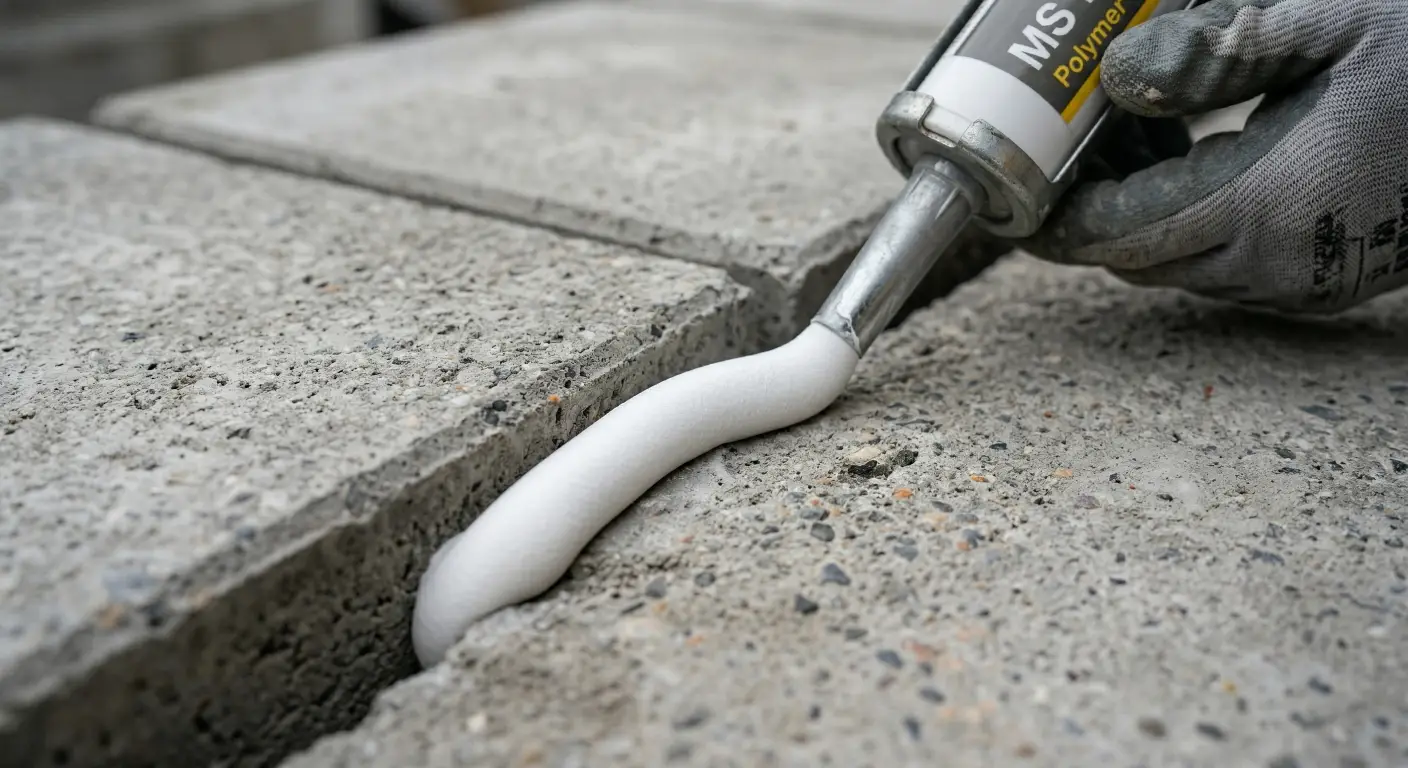
MS Polymer Sealant: The Ultimate Professional Guide for Modern Construction
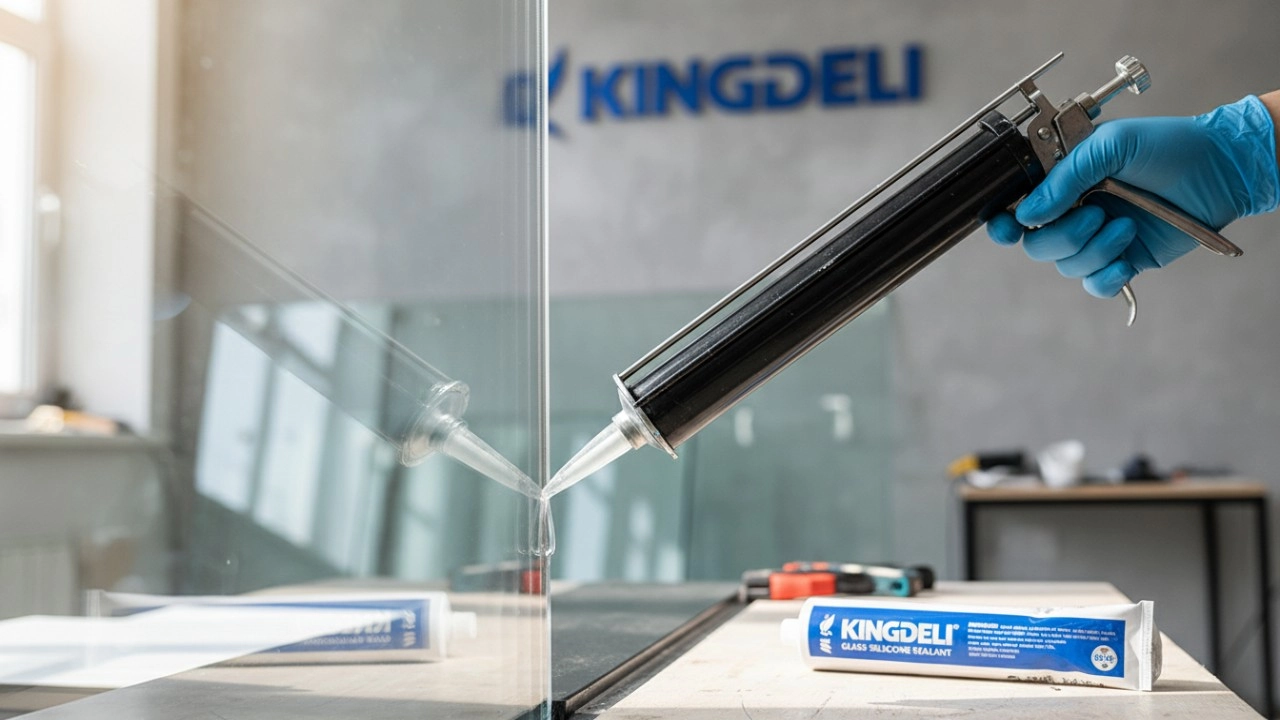
The 2026 Ultimate Guide to Glass Silicone Sealant: Everything You Need for a Perfect Finish
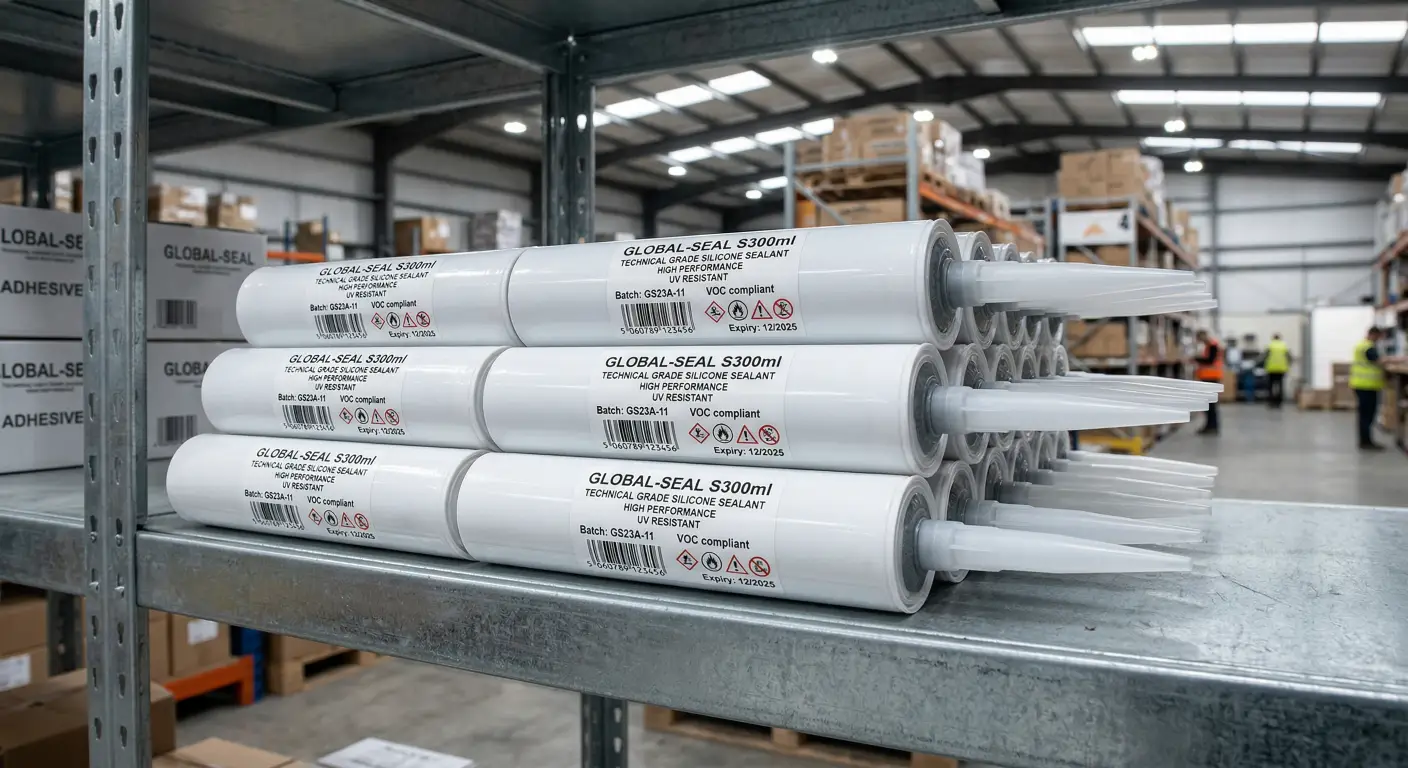
OEM vs. Branded Acetic Silicone Sealant: What’s Best for Your Distribution Business?
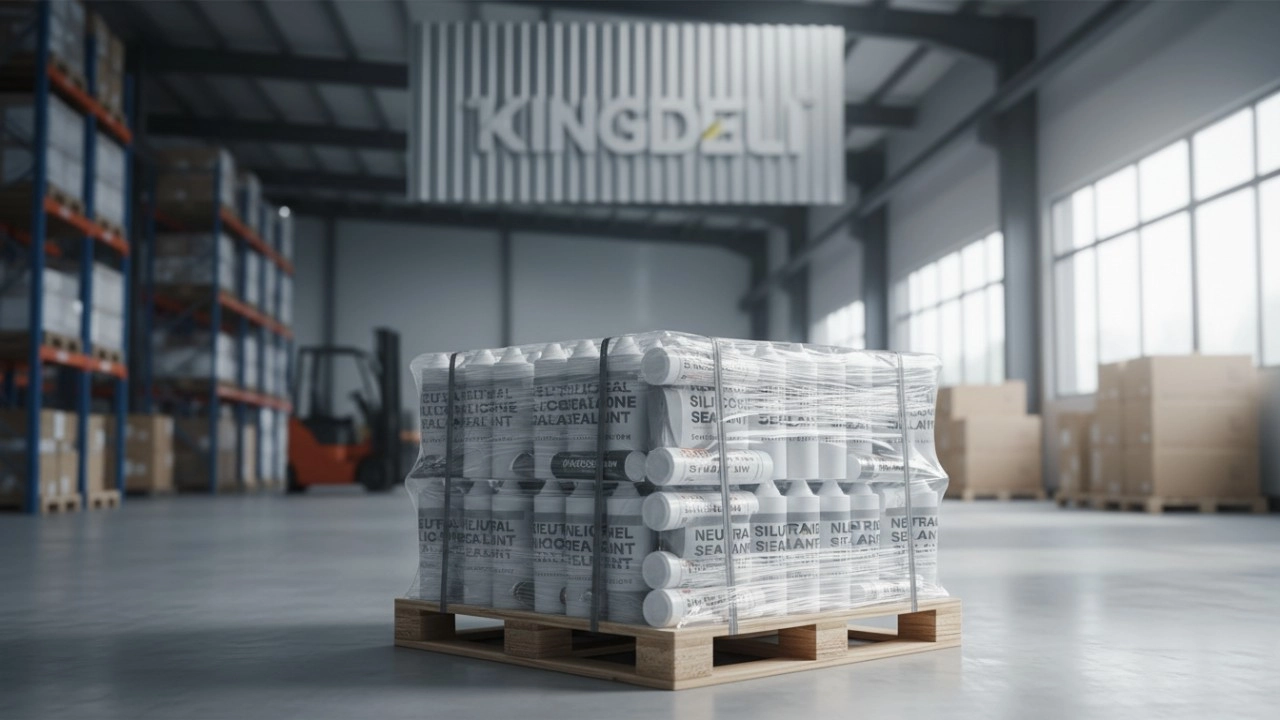
The Future of Sealants: 5 Emerging Trends in Wholesale Neutral Silicone Sealant Technology for 2026
HY924
How long does HY924 take to cure?
Curing starts as soon as the material contacts moisture. Tack-free time is typically 30–60 minutes, with full curing depending on humidity, temperature, and bead thickness.
HY925
What is HY925 Polyurethane Sealant?
HY925 is a one-component, moisture-curable polyurethane sealant designed for construction applications. It provides strong bonding, excellent sealing performance, and forms a flexible, durable joint after curing.
How should HY925 be applied?
Apply with a standard caulking gun. Ensure surfaces are clean, dry, and free of dust, oil, and contaminants. Tool the sealant within a few minutes to achieve a neat finish.
HY-2100
How should the sealant be stored?
Store in a cool, dry place below 27℃. Avoid direct sunlight and keep the container sealed before use.
HY739
Can it be used outdoors?
Yes. It has excellent weather and UV resistance, suitable for external applications.
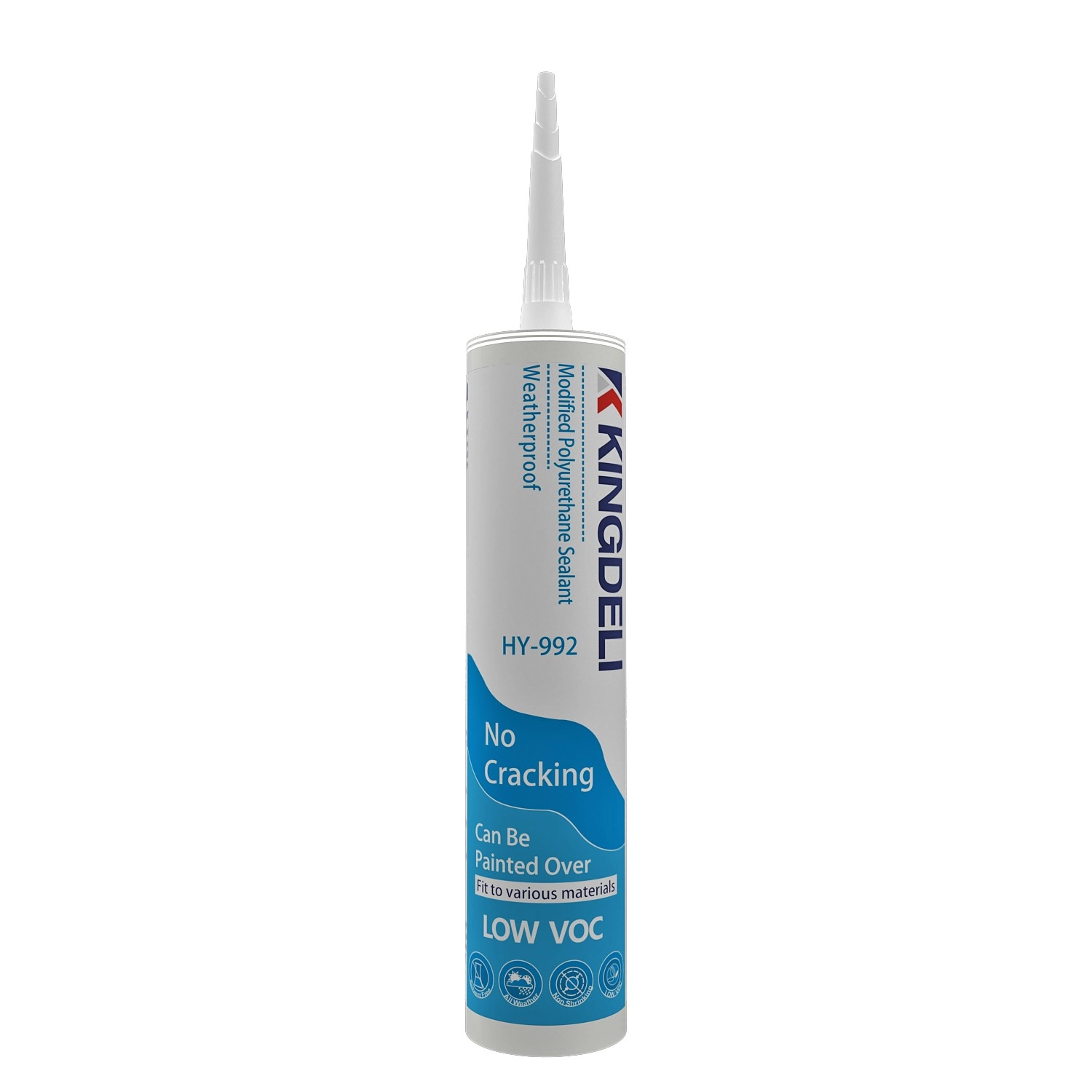
HY992 Modified Polyurethane Construction Sealant
HY992 Modified Polyurethane Sealant is a one-component, moisture-curing construction sealant designed for professional building and structural sealing applications. It provides excellent adhesion, weather resistance, and durable elasticity, making it suitable for a wide range of construction materials.
The formulation delivers strong bonding performance without corrosion or substrate contamination, while maintaining low VOC content for environmentally responsible construction projects.

HY995 Crystal Clear Ms Polymer Adhesive/Sealant
HY995 Crystal Clear Ms Polymer Adhesive/Sealant is a new generation MS Polymer adhesive / sealant formulated for all bonding and sealing applications where long term reliability is required. It has excellent bonding strength on various materials. It will cure to form a durable, flexible, waterproof seal.

HY997 High-Performance Anti-Microbial MS Polymer Sealant
HY997 MS polymer sealant for is is a premium one-component, neutral-curing modified silane sealant engineered for demanding interior applications. It offers a Class 20 movement capability, ensuring long-lasting flexibility and reliable performance under dynamic joint conditions. Curing at room temperature, HY997 delivers superior anti-microbial and mildew-resistant properties, maintaining hygienic and clean environments over time.
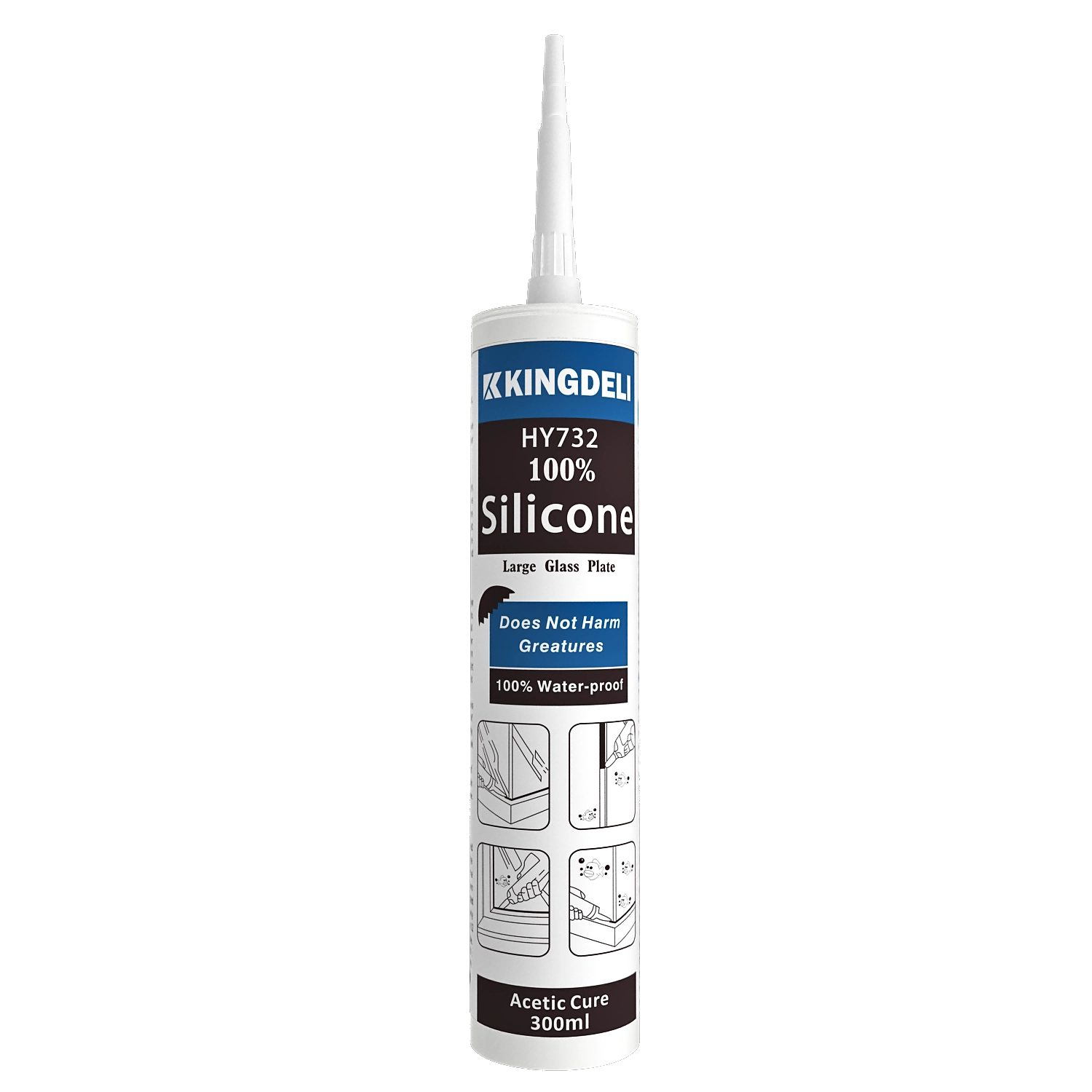
KINGDELI HY732 Professional Acetoxy Cure Silicone Sealant
KINGDELI HY732 is a professional-grade, one-component acetoxy cure silicone sealant designed for fast curing, strong adhesion, and long-lasting flexibility. Ideal for aquariums, glass applications, aluminum doors and windows, kitchens, and bathrooms, it provides reliable sealing performance with excellent anti-fungal protection in high-humidity environments.
Let’s Build Stronger Bonds with Quality Adhesives and Sealants
Have questions about the topic or need tailored sealant solutions for your project?
Our team is ready to provide expert guidance, product recommendations, and application support.
Innovating with Integrity, Bonding the World
Since 1998, KINGDELI has delivered trusted, sustainable sealant solutions that connect industries and inspire progress worldwide.
Whatsapp: +8618825946249
Kingdeli
Kingdeli
Kingdeli
Kingdeli
Kingdeli