











What silicone sealant has best adhesion to aluminum and glass? | Insights by KINGDELI
When choosing a silicone sealant for aluminum-to-glass joints you need more than a name — you need chemistry, primer strategy, joint design and test methods. Below are six specific, often-misanswered questions that installers, specifiers and procurement teams ask when selecting a silicone for glass and aluminum bonding. The answers focus on neutral-cure structural and glazing silicones, primer use, adhesion testing (ASTM), and practical installation steps to ensure durable adhesion on anodized, painted or bare aluminum and on glass.
1) Which silicone chemistry and product class gives the most reliable long-term adhesion to both aluminum and glass?
Best practice: choose a neutral-cure structural or glazing silicone formulated for metal/glass substrates. Neutral-cure chemistries (oxime or alkoxy) do not emit acetic acid during cure and therefore greatly reduce the risk of corrosive attack on aluminum compared with acetoxy (acid‑cure) silicones. Structural/glazing silicones are designed for high adhesion and UV/weather resistance and are commonly specified for curtain walls, storefronts and exterior glazing.
Key selection factors:
- Neutral cure (oxime/alkoxy) to avoid aluminum corrosion.
- Structural or glazing grade with proven long-term UV and thermal stability.
- Appropriate movement capability for the expected joint movement (see answer 4).
- Manufacturer documentation with primer recommendations for aluminum and glass.
Examples: industry practice commonly specifies neutral-cure structural silicones from established manufacturers (DOWSIL/Dow, Sika Sikasil SG range, Tremco Spectrem glazing silicones and established GE silicones) for aluminum/glass applications. Always confirm primer recommendations and adhesion data on the product datasheet — many structural silicones require a specific metal primer for maximum long-term bond strength.
2) Can I use an inexpensive acetoxy (acid cure) silicone on aluminum-to-glass joints outdoors?
No — not for critical or long-term exterior applications. Acetoxy silicones release acetic acid as they cure. That acid can attack bare or lightly finished aluminum, lead to corrosion at the bond line, and undermine adhesion over time. Acetoxy silicones are fine for impermeable substrates such as glazed ceramic tiles or non‑ferrous metals in short‑term, non‑structural applications, but they are not recommended for exterior curtain walls, storefronts, or where long service life is required.
If cost is the driver, assess risk: for exterior facade joints, thermal cycling and moisture ingress amplify corrosion risks. Neutral-cure glazing silicones cost more but provide superior long-term adhesion and weathering performance on aluminum and glass.
3) My building has anodized and painted aluminum — how do those finishes affect adhesion, and what primer & surface prep should I use?
Anodized and painted finishes change surface energy and contamination profiles; adhesion is heavily affected by surface preparation and the correct primer. Key steps:
- Clean: remove oils, fingerprints and release agents using a solvent recommended by the silicone maker (commonly isopropyl alcohol or manufacturer-specified cleaner). Do not use household cleaners that leave residues.
- Degrease and abrade (if allowed): light abrasion raises surface energy on painted surfaces. For anodized aluminum, mechanical abrasion may damage the oxide finish; instead use approved chemical pretreatments or primers.
- Apply manufacturer-recommended primer for anodized or painted aluminum. Many structural silicones rely on primers to achieve guaranteed adhesion — the primer is often essential rather than optional. Follow primer drying and flash-off times precisely.
- Test: always run mock-up adhesion tests (see answer 5) on the exact finish and paint system used on the project.
Note: Some anodized surfaces treated with conversion coatings (e.g., chromate conversion like Alodine) generally show good adhesion, but modern low-solids coatings or powder paints can reduce adhesion. Where the façade uses specialty architectural coatings, consult the coating and silicone manufacturers together for compatibility guidance and primer selection.
4) For joints between aluminum frames and glass that move ±25% during temperature cycles, which silicone modulus and movement capability should I specify?
Specify a low‑modulus neutral-cure glazing silicone with movement capability equal to or greater than the expected ±25% joint movement. Movement capability is a function of both the silicone’s elastic modulus and the joint geometry. Look for products that meet ASTM C920 specifications with Class 25 or Class 50 movement capability (expressed as percentage ±25% or ±50%) and which are explicitly rated for butt or structural glazing joints.
Design considerations:
- Joint width-to-depth ratio — follow manufacturer joint-design tables to avoid over‑stressing the sealant.
- Low-modulus silicones absorb movement with less stress on bond lines; however, for structural loads you must use an engineered structural silicone adhesive system rather than a simple weatherseal compound.
- Temperature range and UV exposure — ensure the chosen silicone specifies service temperature and UV durability for the local climate to maintain elasticity and adhesion.
In short: choose a neutral-cure silicone rated for ±25% movement, verify joint design dimensions, and follow the manufacturer’s installation guidelines.
5) What on-site adhesion and quality-control tests should I run to confirm the silicone will adhere to my aluminum and glass substrates?
Field verification is essential. Typical test protocols include:
- Mock-up adhesion tests: apply the recommended primer and sealant on real substrate samples and condition them through accelerated cycles (heat/cold and moisture) to confirm no adhesive failure.
- Adhesion-in-peel tests: use a standard method such as ASTM C794 (adhesion-in-peel of single-component sealants) or manufacturer-approved equivalencies. These tests quantify peel resistance to help predict field performance.
- Visual inspection and simple field checks: 72‑hour adhesion checks (knife or tape test) can reveal early adhesive failures. Use a 3M 610 tape test or a controlled peel to detect weak bonds — but don’t rely solely on visual testing for structural applications.
- Periodic pull/push checks: for structural glazing, follow the structural silicone manufacturer’s endorsed pull-off procedures to confirm primer and bond-line performance. Some systems require destructive sample testing per project specifications before installation acceptance.
Always archive test records and material lot numbers. Adhesion failures are often traceable to batch issues, contamination, or incorrect primer use; documentation makes warranty and remediation much simpler.
6) For structural glazing bonding tempered glass to aluminum where the sealant must carry loads, is silicone alone sufficient or what system and certifications are required?
Structural glazing is a certified engineered system, not a DIY application. Structural silicone adhesives can carry loads if specified and installed per manufacturer design and tested according to relevant curtain-wall and structural glazing standards. Important points:
- Use a silicone specifically certified for structural glazing. These products have controlled chemistries, documented mechanical properties (shear, tensile, creep) and often require factory-approved primers and application tooling.
- Structural bonds commonly require temporary mechanical supports during cure; do not rely on sealant strength until it has fully developed per the product’s cure schedule and mechanical testing requirements.
- Engineering sign-off: structural glazing needs calculations by a structural engineer and shop drawings identifying load paths, safety factors, and failure modes. The silicone manufacturer should provide design data and test reports.
- Certification and testing: request manufacturer test data for creep, shear, and peel under the expected service temperatures and UV exposure. Many projects require third‑party test reports or compliance with regional building codes for curtain-wall systems.
Conclusion: silicone can be used as a structural adhesive, but only as part of an engineered system that includes approved primers, design calculations and field verification.
Practical installation checklist (quick reference):
- Specify a neutral‑cure structural/glazing silicone rated for the joint movement and UV service life required.
- Confirm primer recommendations for anodized, painted or bare aluminum and perform mock-ups.
- Design joint geometry per manufacturer guidelines (depth:width ratio, backing rod selection, bond‑breaker tape).
- Run adhesion-in-peel (ASTM C794) tests on the actual substrate and record batch/lot numbers.
- For structural glazing, engage a structural engineer and use certified systems with manufacturer documentation.
If you need product-specific datasheet comparisons or help running a mock-up adhesion test, contact our technical team for tailored recommendations for your façade system.
Contact us for a quote: www.kingdelisealant.com • info@kingdeliadhesive.com
Concluding summary: Specifying a neutral-cure structural or glazing silicone, combined with correct surface preparation and manufacturer‑recommended primers, delivers the most reliable adhesion to aluminum and glass. This approach minimizes corrosion risk on aluminum, accommodates thermal movement, and provides durable UV-resistant weather sealing. For load-bearing structural glazing, use manufacturer‑certified systems and engineering design to ensure safety and warranty coverage.
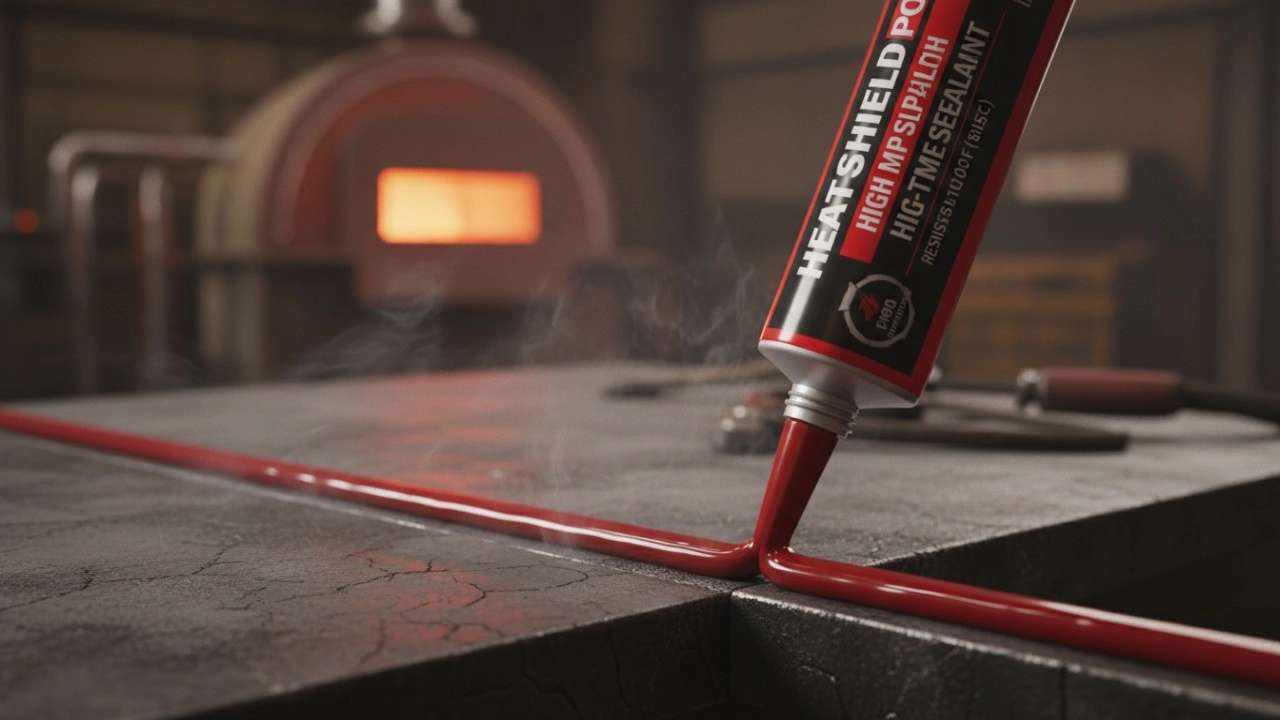
How to Apply High Temperature Silicone Sealant Like a Pro: 5 Secrets for a Lifetime Seal
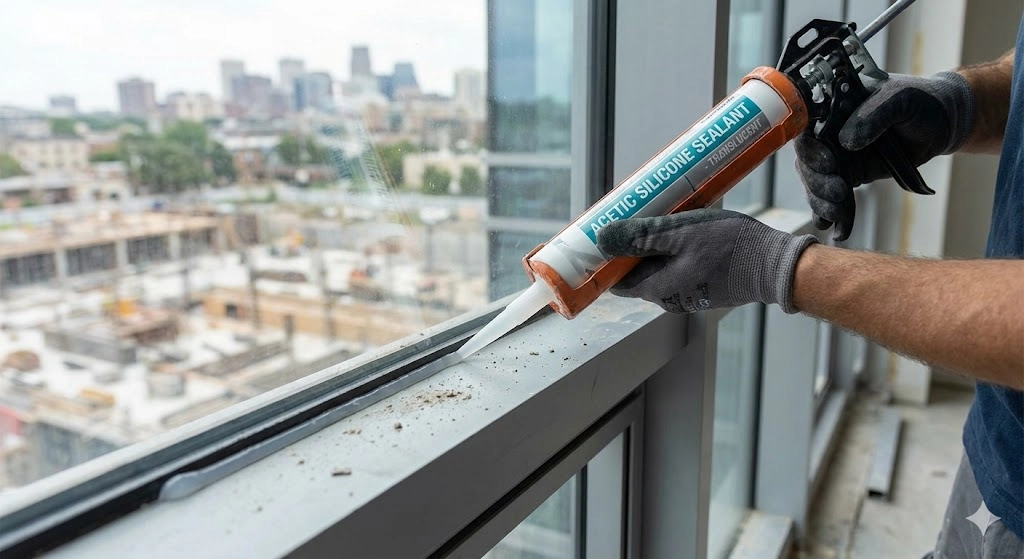
Acid Cure vs. Neutral Silicone: Why Choose Acetic Silicone Sealant for Glass?
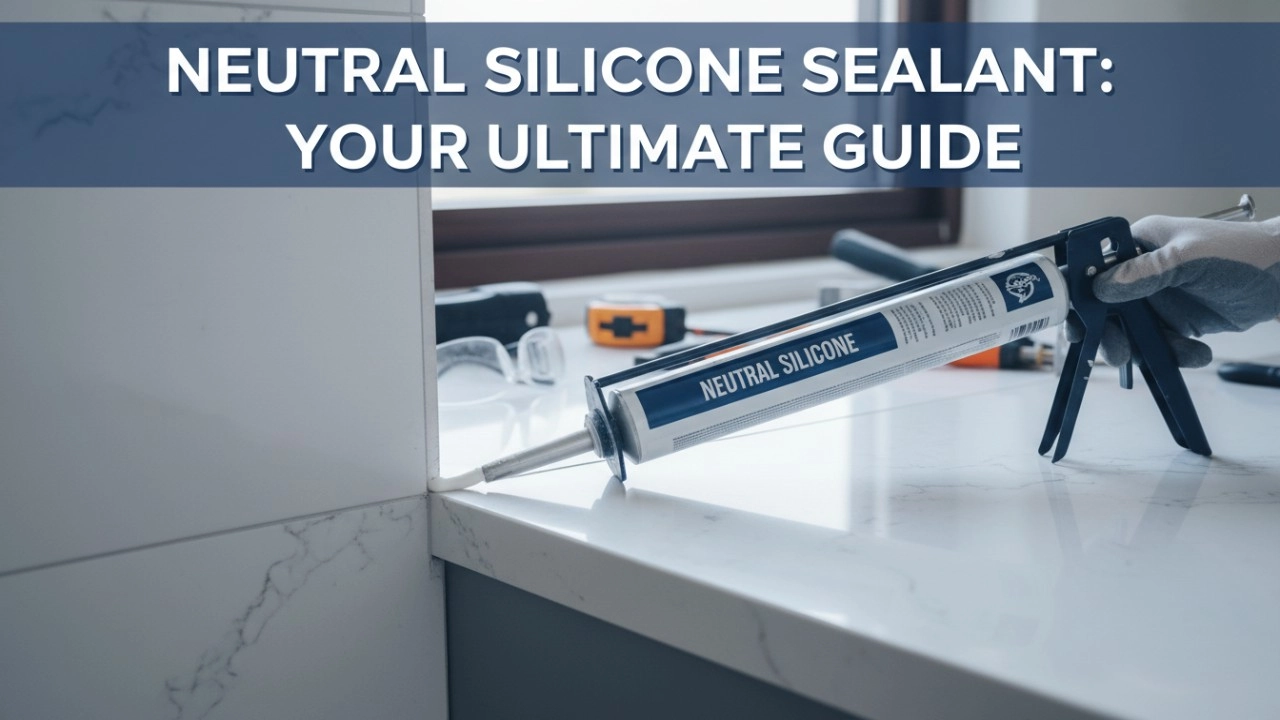
7 Critical Mistakes to Avoid When Using Neutral Silicone Sealant for High-End Projects
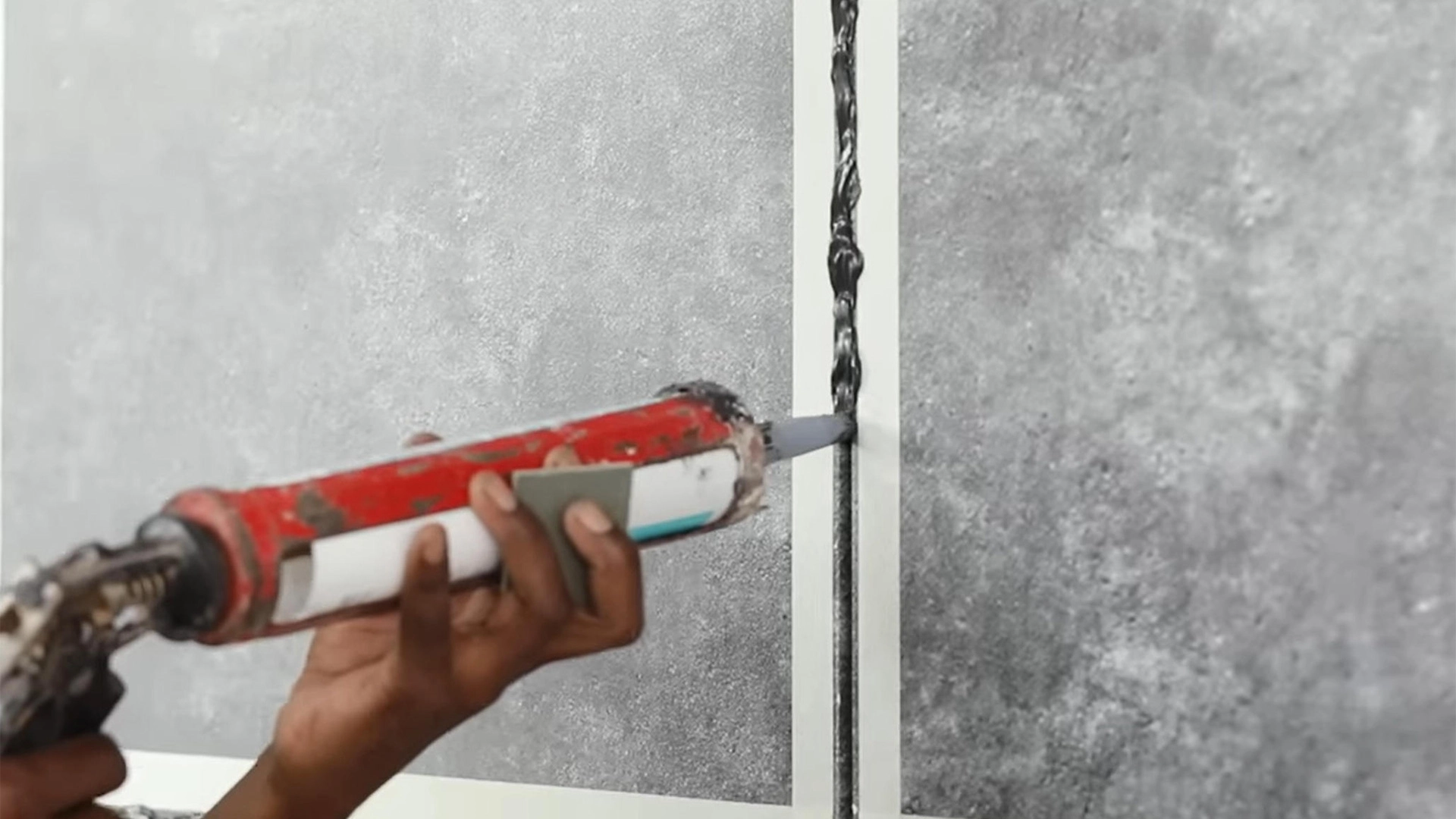
What’s the Difference Between Silicone Sealant and MS Adhesive for ACP?
HY-976
How long does it take to fully cure?
Curing time depends on surface porosity and environmental conditions. Full strength is typically achieved within 48 hours.
HY-3300
What are the key features of HY-3300?
HY-3300 is a 100% silicone, neutral-curing, high-modulus sealant with excellent UV, water, and weather resistance. It remains flexible and durable under extreme temperatures from -50℃ to +200℃, and is non-corrosive to metal and coated surfaces.
HY994
Are there substrates where HY994 is not recommended?
Yes. Do not use HY994 on materials that release oils, plasticizers, or solvents (e.g., oil-treated wood, certain rubber materials).
HY- 972
What type of surfaces does it adhere to best?
HY-972 provides excellent adhesion to porous substrates such as concrete, wood, gypsum board, and cement-based materials.
HY-2100
How long does it take to fully cure?
Initial surface curing typically occurs within a few hours, depending on temperature and humidity. Full cure generally takes 24–48 hours, with thicker joints requiring longer.
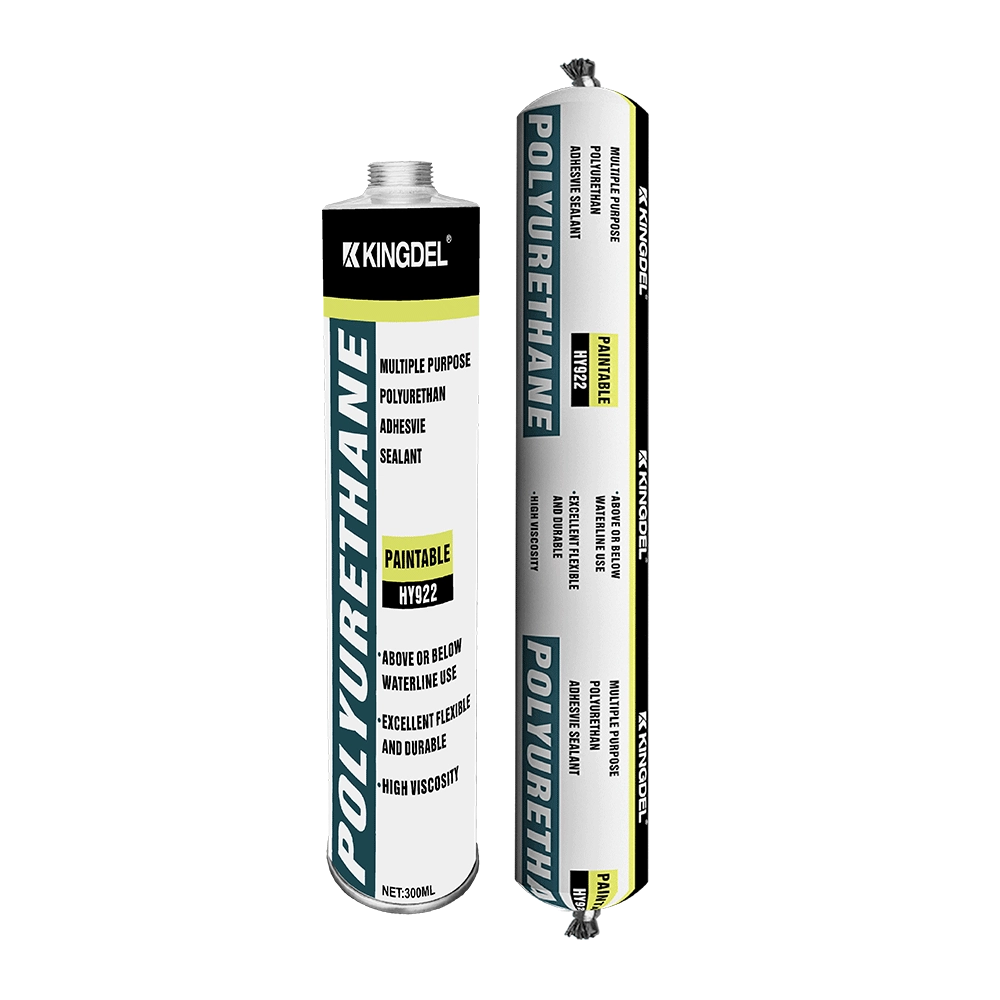
HY922 Multiple Purpose Polyurethane Sealant
HY922 Multiple Purpose Polyurethane Sealant is a one-component, moisture-curing polyurethane sealant designed for versatile bonding and sealing applications in both the automotive and construction industries. It cures to form a flexible yet tough elastomeric joint with excellent adhesion to a wide range of substrates. The formulation is non-corrosive, solvent-free, and produces a smooth, bubble-free finish during application.
HY922 delivers fast surface drying and quick positioning, improving installation efficiency while maintaining long-term durability. With strong weather resistance and good creep resistance, it performs reliably in demanding indoor and outdoor environments, including moist and partially submerged conditions.
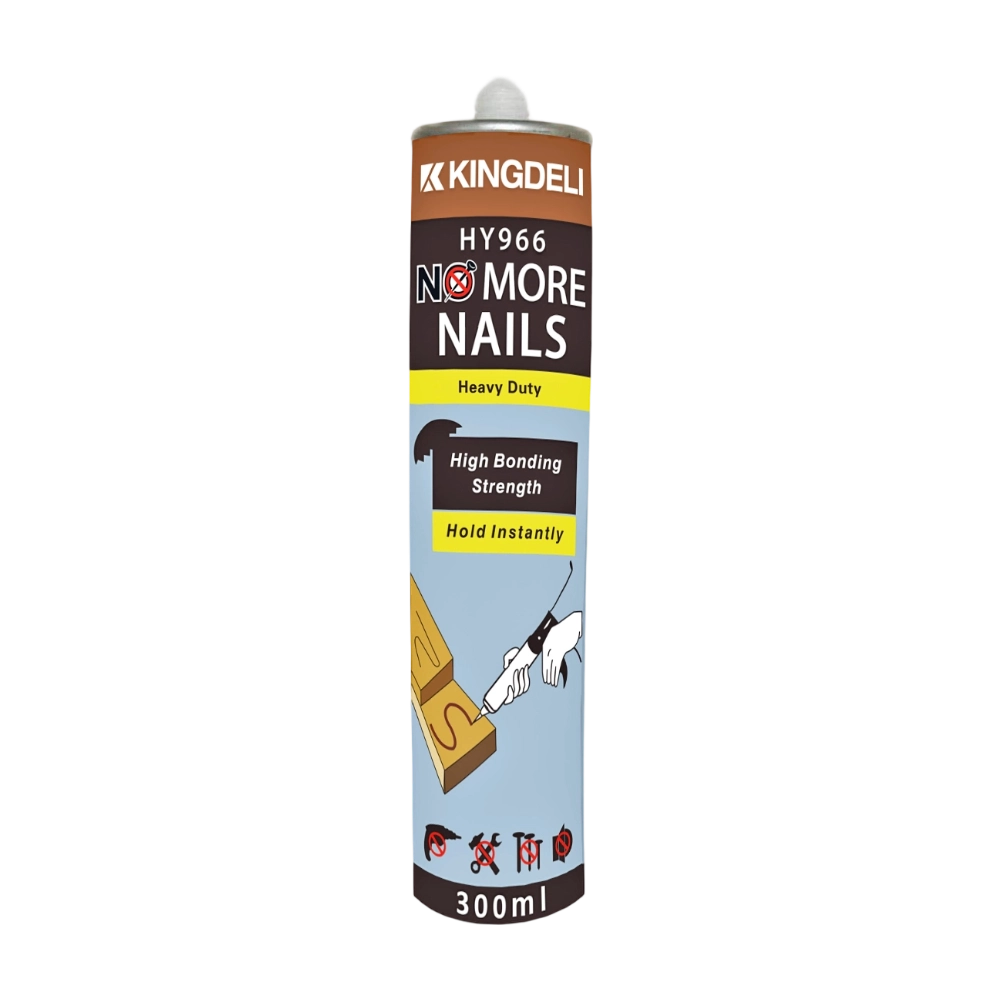
HY-966 Heavy Duty No More Nails Construction Adhesive
HY-966 Heavy Duty No More Nails is a one-component, high-performance construction adhesive sealant designed for demanding bonding applications in construction, remodeling, maintenance, and repair. Its instant grab formulation secures materials immediately, significantly reducing the need for bracing or mechanical fixing during installation.
HY-966 cures reliably in moist environments and delivers durable adhesion across a wide range of substrates. It provides excellent resistance to water, temperature variation, and aging, ensuring long-term performance in interior construction applications.
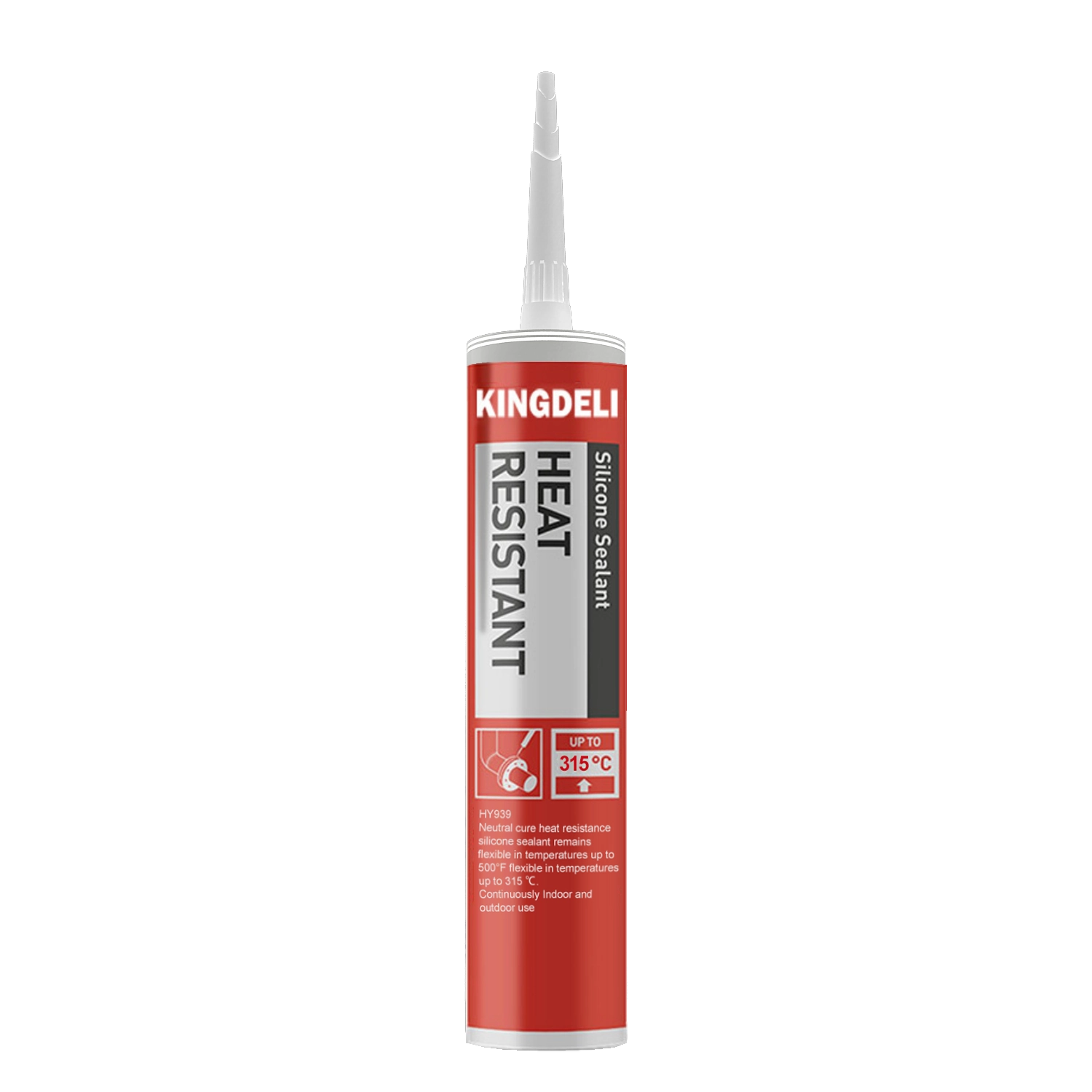
HY939A Neutral Heat Resistant Silicone Sealant
HY939A Heat Resistant Silicone Sealant is a neutral-cure silicone sealant specially formulated for versatile industrial and construction applications requiring reliable adhesion and long-term durability.
The sealant provides strong, non-corrosive adhesion to a variety of substrates, including glass, metal, gypsum board, marble, and certain plastics, making it ideal for both structural and sealing purposes.
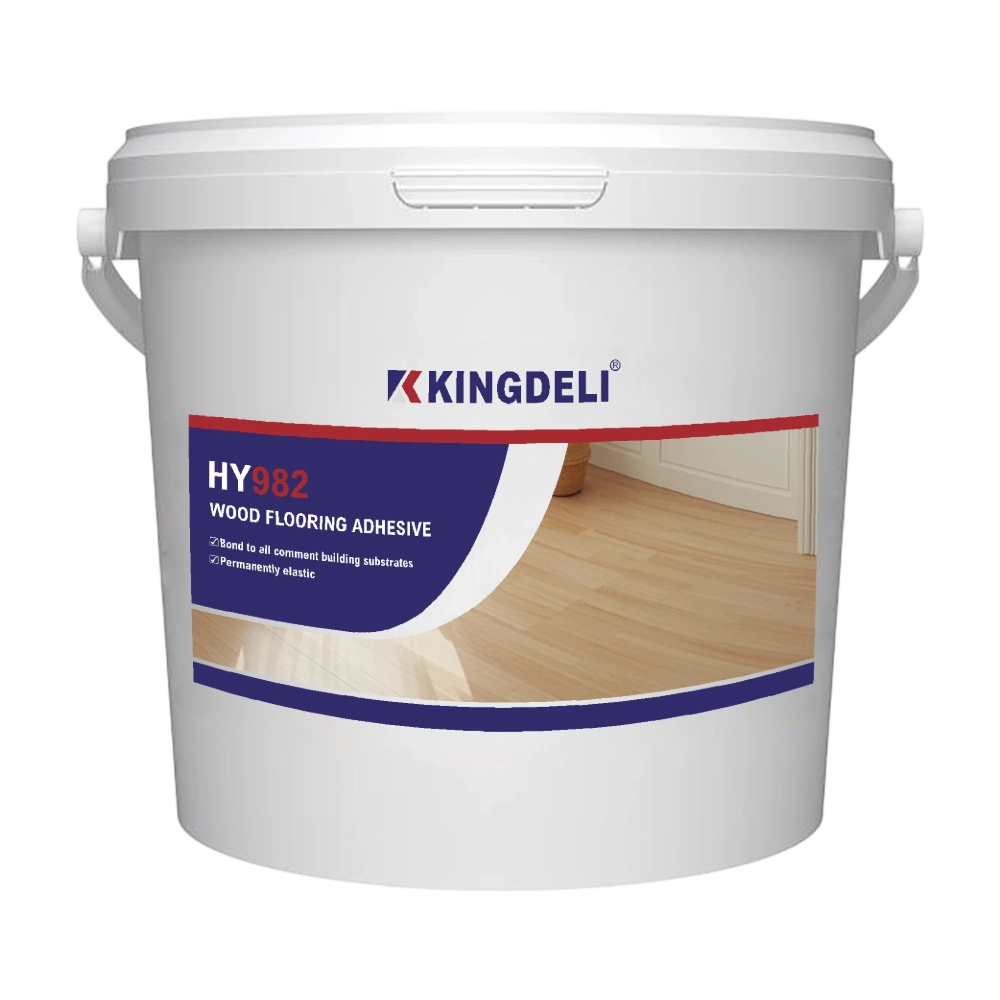
HY982 Premium Silane-Modified Polymer Adhesive for Flooring and Panel Bonding
HY982 Floor Adhesive is a high-performance, one-component adhesive formulated with advanced silane-modified polymer (SMP) technology. It is paintable, non-staining, and environmentally friendly, offering exceptional bonding strength without the need for a primer.
Designed for modern interior installations, HY982 Floor Adhesive provides excellent adhesion to wood, metal, stone, sintered slabs, glass, ceramics, and many other common building materials—making it the ideal choice for flooring installation and panel bonding applications crystal clear formulation.
Let’s Build Stronger Bonds with Quality Adhesives and Sealants
Have questions about the topic or need tailored sealant solutions for your project?
Our team is ready to provide expert guidance, product recommendations, and application support.
Innovating with Integrity, Bonding the World
Since 1998, KINGDELI has delivered trusted, sustainable sealant solutions that connect industries and inspire progress worldwide.
Whatsapp: +8618825946249
Kingdeli
Kingdeli
Kingdeli
Kingdeli
Kingdeli