










7 Critical Mistakes to Avoid When Using Neutral Silicone Sealant for High-End Projects
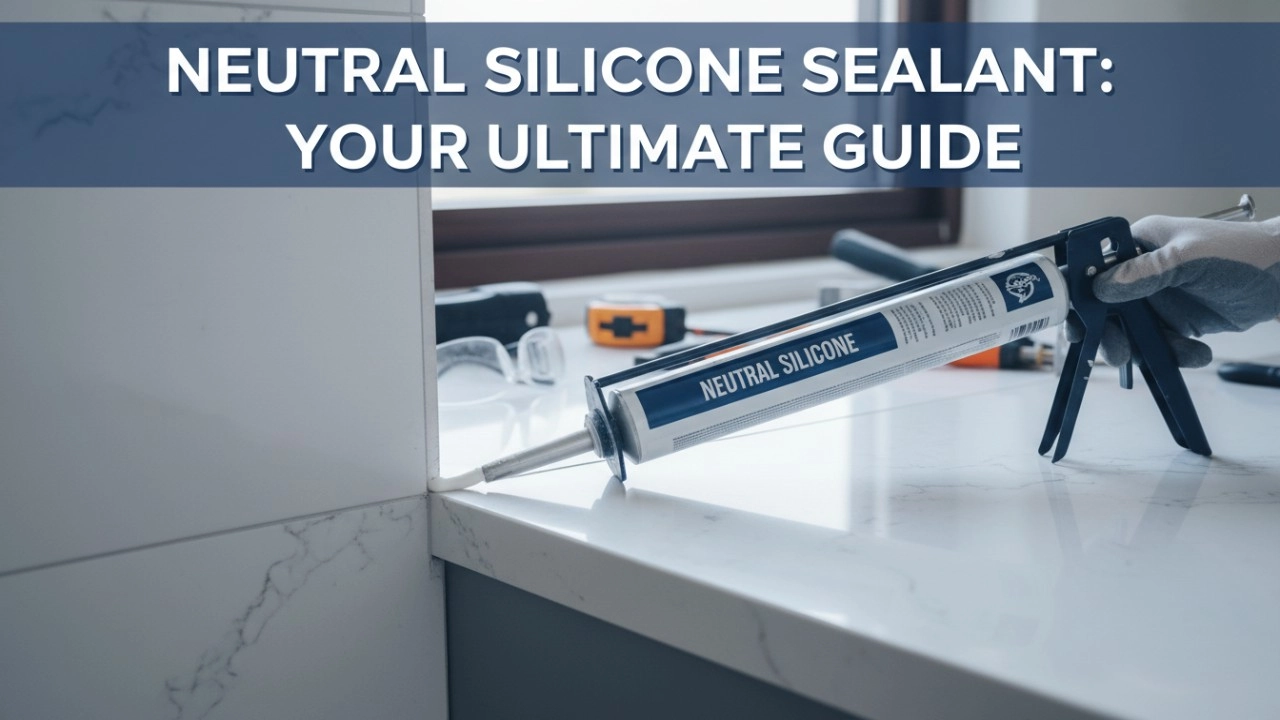
Quick Summary: The High-Stakes of Sealant Selection
Neutral Silicone Sealant is the industry standard for weatherproofing luxury facades, yet its misapplication causes millions in damages annually. While it is celebrated for being non-corrosive and versatile, not all neutral blends are safe for premium materials like marble, copper, or mirror backings.
- The Risk: The wrong choice can lead to permanent silicone plasticizer migration (oil staining) on porous stone.
- The Science: Ignoring modulus (flexibility) or cure chemistry (Oxime vs. Alkoxy) leads to adhesion failure.
- The Solution: This guide covers the 7 most expensive errors to ensure your architectural-grade waterproofing lasts for decades.
What is Neutral Silicone Sealant and Why is it Critical?
Neutral Silicone Sealant is a flexible, adhesive compound that releases non-acidic byproducts (typically alcohol or ketoxime) during curing, making it odorless and chemically inert. Unlike acetoxy (acid-cure) silicones that smell like vinegar and corrode metals, neutral silicones create a safe bond for sensitive substrates like concrete, natural stone, and copper.
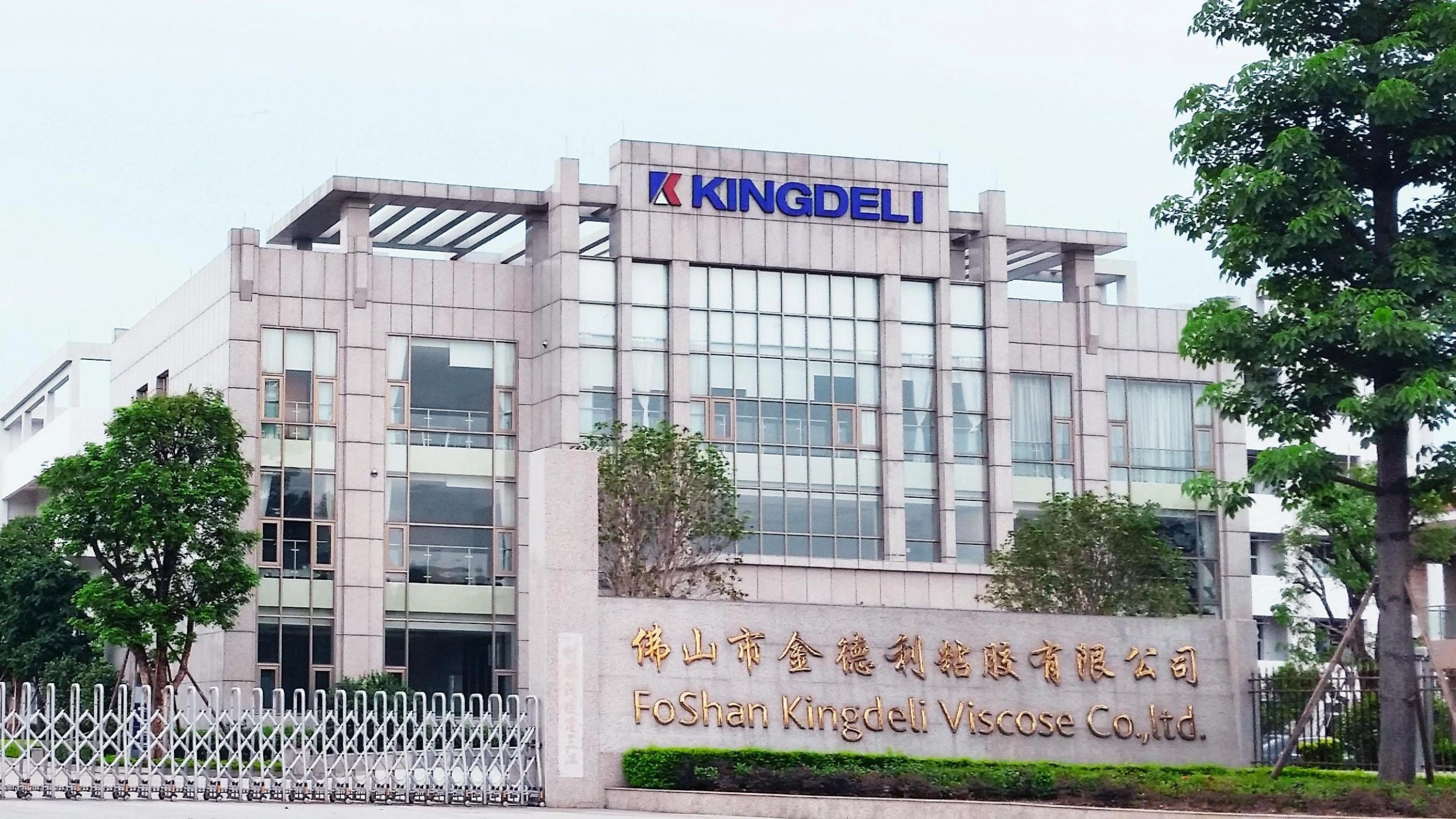
For high-end projects, its value lies in preventing chemical etching. It ensures long-term UV stability without damaging the finish of premium materials. At Foshan KINGDELI Viscose Co., Ltd., we have spent over 27 years refining these formulations to meet the National Standard GB/T 29755-2013, ensuring our neutral silicones protect rather than harm luxury surfaces.
Mistake #1: Ignoring 'Fluid Migration' on Porous Stone (The Staining Error)
Plasticizer migration occurs when the silicone’s softening agents leach into porous substrates like marble or granite, causing dark, irreversible staining.
This is the most frequent and costly aesthetic disaster in luxury masonry. Standard neutral silicones often contain fluid plasticizers that migrate into the capillaries of natural stone, creating a "wet look" that cannot be cleaned. According to studies cited by the National Research Council Canada, this migration creates a permanent disfigurement known as "framing" around the joint.
- The Mechanism: The oil soaks into the stone pores, permanently altering its refractive index.
- The Fix: Always specify Non-staining natural stone silicone. These formulations use high-molecular-weight plasticizers that do not migrate.
- Expert Tip: Perform a stain test on a sample piece of stone 7 days before full application to ensure compatibility.
Mistake #2: Confusing Low-Modulus with High-Modulus Variants
Low-modulus sealants are highly elastic and stretch easily, making them ideal for expansion joints, while high-modulus sealants are stiff and designed for structural bonding.
A critical error in facade engineering is using a stiff (High-Modulus) sealant on a joint that requires significant movement. In high-end projects involving large glass panes or facade panels, thermal expansion can be massive. If the sealant is too stiff, it will rip away from the substrate or crack the glass.
- The Fix: Use Low modulus sealant for facades for exterior weather sealing and expansion joints (typically rated Class 25LM or 50LM).
- The Standard: Adhere to movement classifications defined by ASTM International (Standard C920) to ensure the sealant can handle ±50% joint movement.
Mistake #3: Using Oxime Cure on Sensitive Copper or Electronics
Oxime-cure silicones release methyl ethyl ketoxime (MEKO), which can corrode copper and brass, whereas Alkoxy-cure silicones release harmless alcohol.
Not all neutral cures are created equal. In the debate of Alkoxy vs Oxime neutral cure, the distinction is vital for luxury interiors. Oxime cures are popular for their price and speed, but they can cause discoloration on copper pipes, brass fixtures, and the silver backing of mirrors. Furthermore, they can corrode sensitive electronic components found in modern smart home integrations.
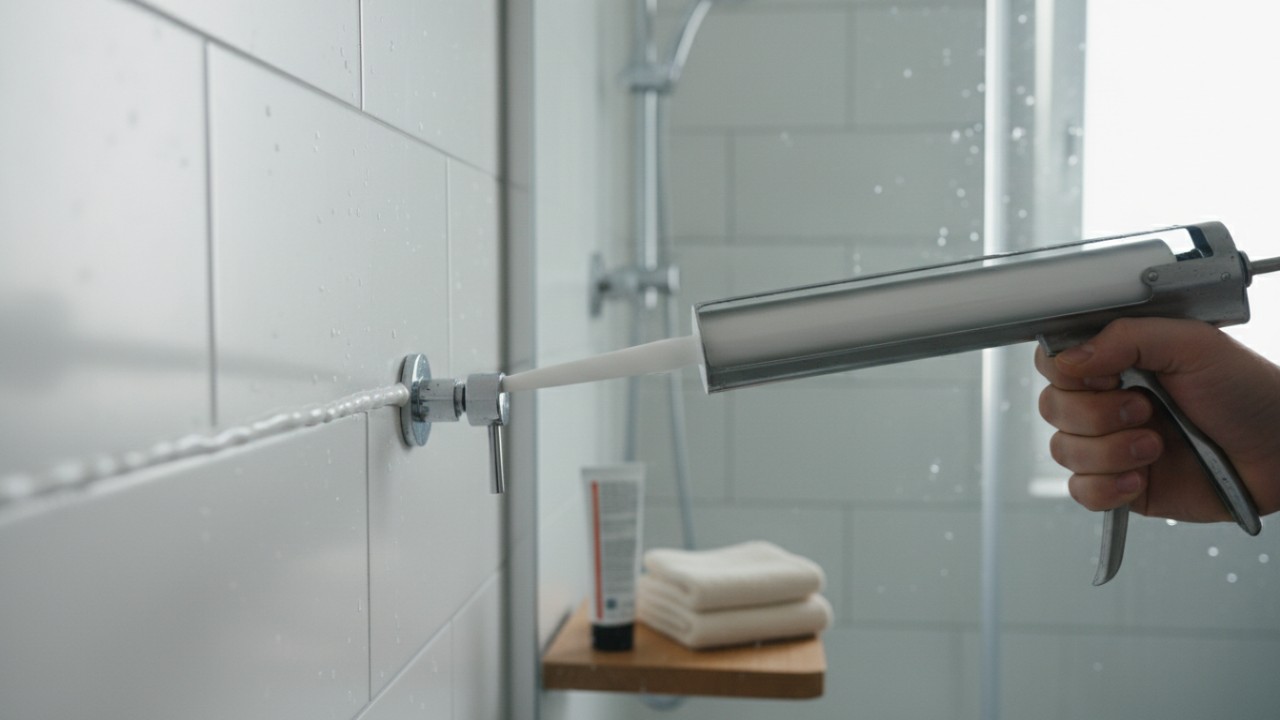
- The Fix: Opt for ''alkoxy'-cure neutral silicones for maximum chemical inertness on sensitive metals and mirrors.
- Industry Insight: Alkoxy cures are becoming the standard for sustainable building codes due to lower toxicity and odor.
Mistake #4: Neglecting Joint Design and Primer Application
Adhesion failure is rarely due to the product itself but rather poor surface preparation and the lack of a 'backer rod' to control sealant depth.
In high-end glazing, a common mistake is applying sealant directly into a deep joint without a backer rod. This leads to "three-sided adhesion," where the sealant bonds to the bottom of the joint as well as the sides. When the joint expands, the sealant cannot stretch freely and tears.
- The Fix: Follow the 'Hourglass' profile rule (width should be twice the depth) and always use a backer rod.
- Preparation: Use a primer specific to the substrate (e.g., specialized metal primers) to ensure a chemical bond.
Mistake #5: Rushing the Cure Time in Controlled Environments
Neutral silicones cure by absorbing atmospheric moisture; sealing them in dry, low-humidity environments can stall the curing process indefinitely.
Unlike two-component systems that cure chemically upon mixing, one-part neutral silicones need water vapor from the air. In climate-controlled luxury builds where humidity is kept very low (<30% RH), the cure time can double or triple. Applying a load or water exposure (like rain testing) under 24-48 hours can ruin the internal bond structure.
- The Rule: Allow at least 24 hours for a skin to form and up to 14 days for a full cure of deep joints.
- Kingdeli Insight: Our automated production lines ensure consistent curing rates, but environmental humidity remains the variable you must control.
Mistake #6: Overlooking Incompatibility with Secondary Seals
Chemical incompatibility between the outer weather seal and the primary butyl seal of an Insulating Glass Unit (IGU) causes fogging and failure.
In double-glazing units, the outer weather seal must be compatible with the IGU's primary seal. If an incompatible neutral silicone is used, it can react with the edge seal, causing the IGU to fail and fog up inside the expensive glass unit. This is a nightmare to rectify on high-rise facades.
- The Solution: Consult compatibility charts before application.
- Best Practice: Ensure chemical harmony between structural and weather seals by sourcing from a manufacturer with comprehensive testing capabilities.
Mistake #7: Assuming 'Weatherproof' Means 'Submerged'
Standard neutral silicone is excellent for rain and sun but will degrade under constant hydrostatic pressure in submerged applications like infinity pools.
Architects often assume that because a silicone is "waterproof," it can be used underwater. However, chlorine and constant pressure can attack the adhesion bond of standard neutral silicones over time. For submerged areas, specialized systems are required.
- The Fix: Use specialized pool-grade neutral systems or hybrid polymers explicitly rated for immersion.
Future-Proofing: 2026 Standards for Sustainable Sealants
Forward-thinking contractors are already moving toward low-VOC, MEKO-free neutral silicones. Competitors rarely mention the shift required for upcoming green building certifications like LEED v4.1. According to the U.S. Green Building Council, strict limits on volatile organic compounds (VOCs) are becoming mandatory for top-tier certifications.
High-end projects aiming for LEED or BREEAM certification must utilize next-gen Alkoxy formulations. At Kingdeli, our 66,000 m² facility is already producing low-VOC solutions that meet these future standards, preventing retrofitting issues as regulations tighten.
Conclusion
Avoiding these seven critical mistakes ensures that your high-end project maintains its aesthetic beauty and structural integrity for decades. From preventing marble staining to selecting the correct cure chemistry, precision is key. As a solution provider present in over 50 countries, Kingdeli combines 27 years of experience with state-of-the-art manufacturing to deliver sealants you can trust.
Contact Foshan KINGDELI Viscose Co., Ltd. today to discuss your specific needs and secure the longevity of your next project.
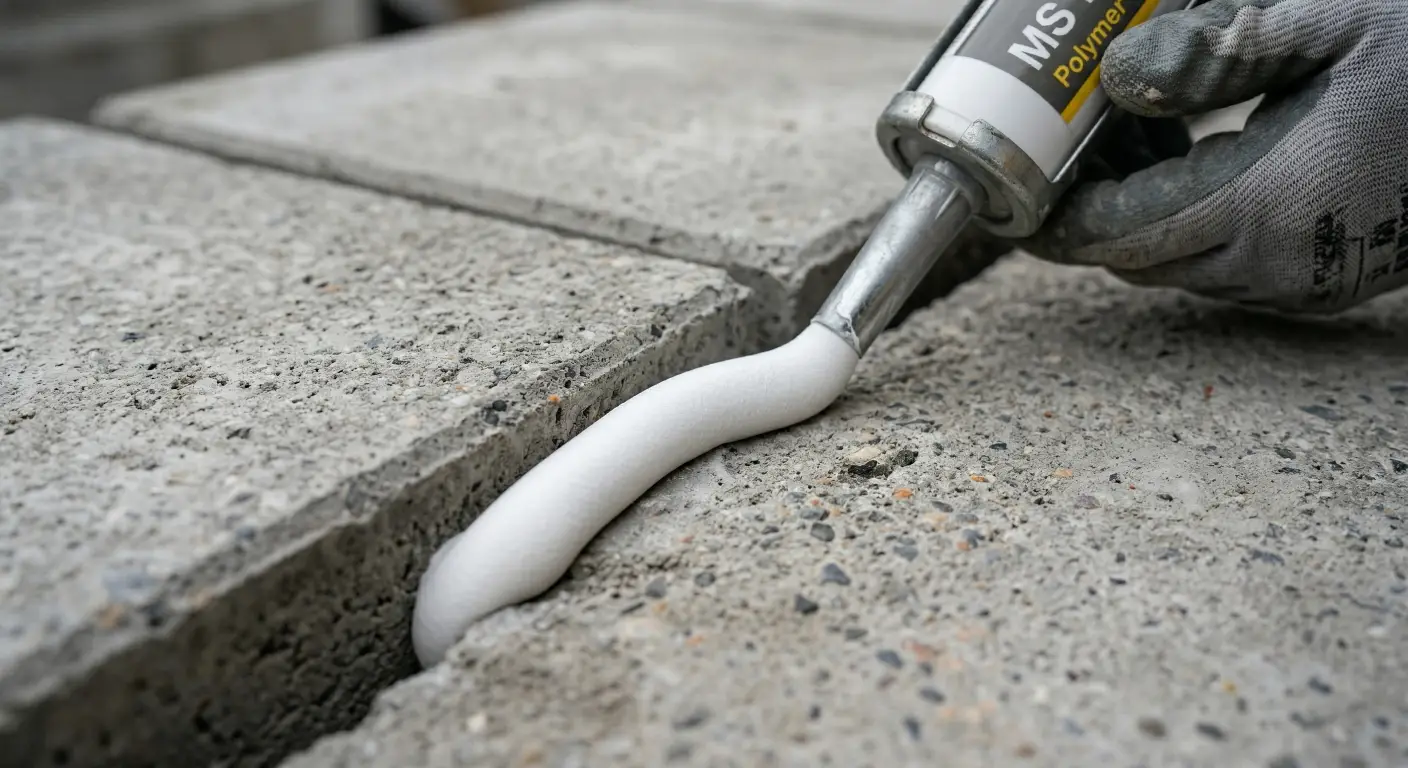
MS Polymer Sealant: The Ultimate Professional Guide for Modern Construction
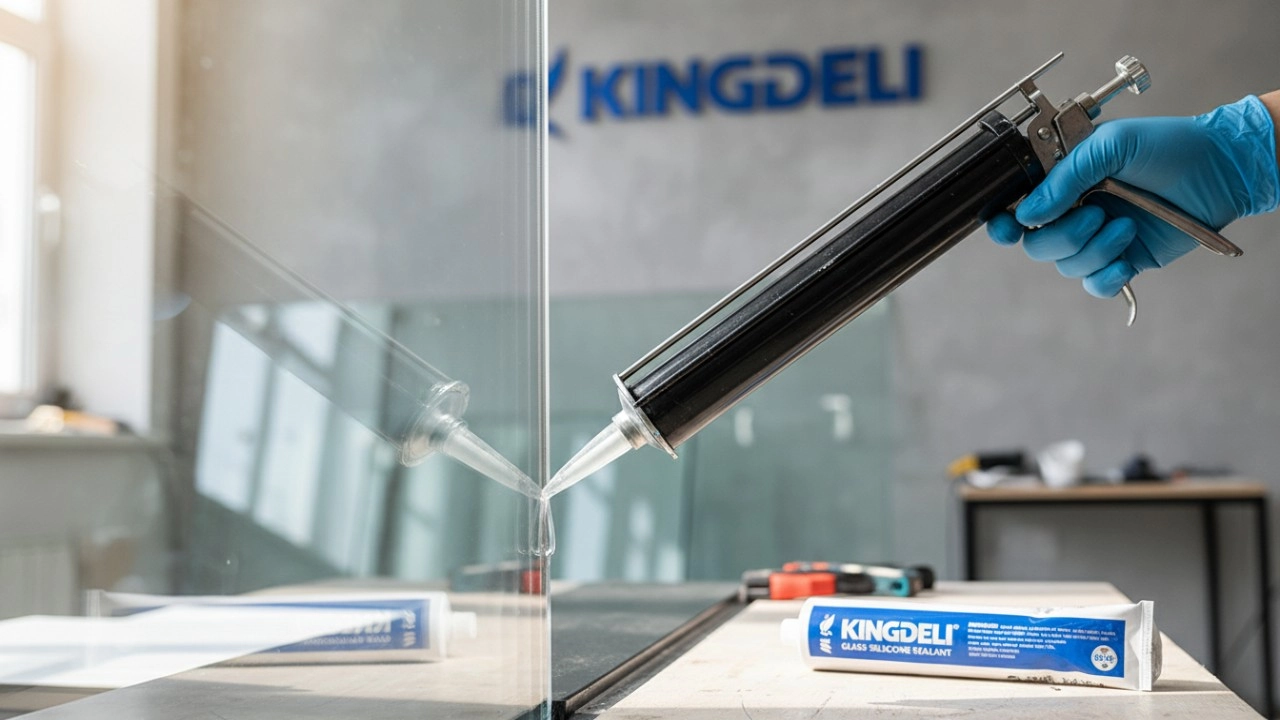
The 2026 Ultimate Guide to Glass Silicone Sealant: Everything You Need for a Perfect Finish
OEM vs. Branded Acetic Silicone Sealant: What’s Best for Your Distribution Business?
The Future of Sealants: 5 Emerging Trends in Wholesale Neutral Silicone Sealant Technology for 2026
HY-976
Can the adhesive fill gaps?
Yes. It has gap-filling capability of up to 10 mm, making it suitable for uneven surfaces.
HY-951
Is HY951 waterproof and mildew-resistant?
Yes. HY951 provides excellent waterproof performance and long-term mildew resistance, making it ideal for wet and high-humidity environments.
HY-939
Is HY939 safe for use on metal and plastic parts?
Yes. It is non-corrosive and provides excellent adhesion to metals such as aluminum, copper, and stainless steel, as well as engineering plastics including PC and ABS.
HY-3300
What colors are available?
Standard colors include clear, black, grey, and white, and custom colors can be produced upon request.
HY995
Is primer required before application?
In most cases, no primer is required. HY995 provides strong primerless adhesion to most common construction materials. However, for very smooth or special surfaces, a compatibility test is recommended before use.
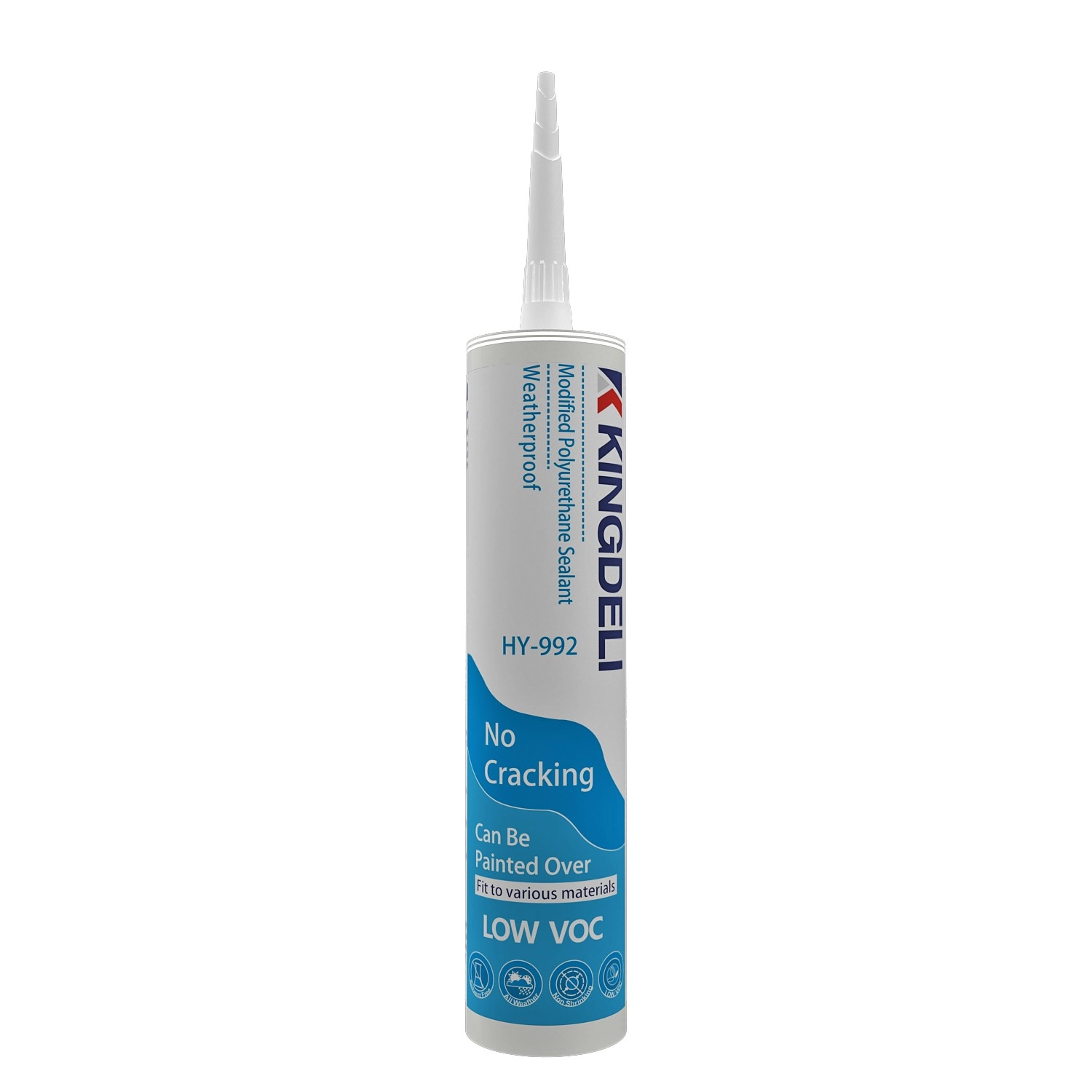
HY992 Modified Polyurethane Construction Sealant
HY992 Modified Polyurethane Sealant is a one-component, moisture-curing construction sealant designed for professional building and structural sealing applications. It provides excellent adhesion, weather resistance, and durable elasticity, making it suitable for a wide range of construction materials.
The formulation delivers strong bonding performance without corrosion or substrate contamination, while maintaining low VOC content for environmentally responsible construction projects.

HY995 Crystal Clear Ms Polymer Adhesive/Sealant
HY995 Crystal Clear Ms Polymer Adhesive/Sealant is a new generation MS Polymer adhesive / sealant formulated for all bonding and sealing applications where long term reliability is required. It has excellent bonding strength on various materials. It will cure to form a durable, flexible, waterproof seal.

HY997 High-Performance Anti-Microbial MS Polymer Sealant
HY997 MS polymer sealant for is is a premium one-component, neutral-curing modified silane sealant engineered for demanding interior applications. It offers a Class 20 movement capability, ensuring long-lasting flexibility and reliable performance under dynamic joint conditions. Curing at room temperature, HY997 delivers superior anti-microbial and mildew-resistant properties, maintaining hygienic and clean environments over time.
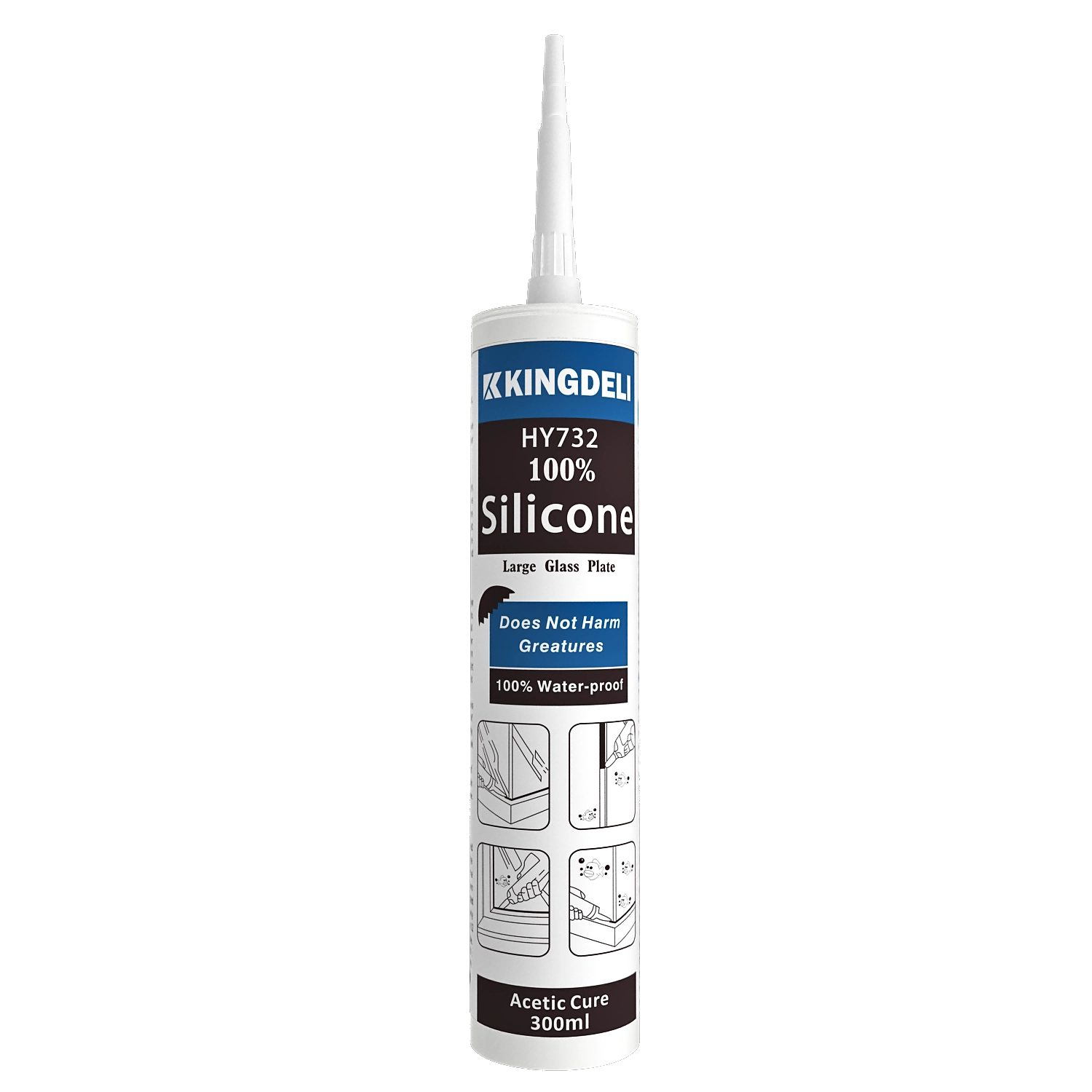
KINGDELI HY732 Professional Acetoxy Cure Silicone Sealant
KINGDELI HY732 is a professional-grade, one-component acetoxy cure silicone sealant designed for fast curing, strong adhesion, and long-lasting flexibility. Ideal for aquariums, glass applications, aluminum doors and windows, kitchens, and bathrooms, it provides reliable sealing performance with excellent anti-fungal protection in high-humidity environments.
Let’s Build Stronger Bonds with Quality Adhesives and Sealants
Have questions about the topic or need tailored sealant solutions for your project?
Our team is ready to provide expert guidance, product recommendations, and application support.
Innovating with Integrity, Bonding the World
Since 1998, KINGDELI has delivered trusted, sustainable sealant solutions that connect industries and inspire progress worldwide.
Whatsapp: +8618825946249
Kingdeli
Kingdeli
Kingdeli
Kingdeli
Kingdeli