











How long is shelf life of silicone sealant in warehouses? | Insights by KINGDELI
When buying, storing or using silicone sealants in bulk, generic answers like “12–24 months” are not enough. Below are six specific, pain-point-focused questions beginners and procurement teams ask but rarely find thorough, up-to-date answers to. Answers embed practical storage guidance, QC tests, procurement clauses and real data you can act on today. Semantic topics such as silicone sealant expiration, storage conditions for silicone sealant, unopened cartridge shelf life, opened silicone sealant longevity, warehouse temperature effects and batch traceability are covered throughout.
1) How long will an unopened silicone sealant cartridge actually remain usable in a typical warehouse (non-climate-controlled)?
Short answer: assume manufacturer-listed shelf life but adjust for your warehouse environment. Most commercial acetoxy and neutral-cure silicone sealants list a guaranteed unopened shelf life of about 12 months at 23°C (73°F). Many neutral or specialized silicones may claim up to 18–24 months on their technical data sheet (TDS), but these claims assume recommended storage conditions (typically 5–25°C, low humidity). In a non-climate-controlled warehouse that regularly experiences temperature swings (e.g., 0°C to 35°C) and high humidity, effective shelf life can drop by 25–50%.
Practical steps:
- Require manufacturer TDS and batch manufacture date on every delivery. Accept only material with at least 50% of stated shelf life remaining (e.g., >6 months for a 12-month product), unless you plan immediate use.
- If your warehouse is not climate-controlled, store cartridges inside insulated containers or a temperature-stable room to reduce thermal cycling. Thermal cycling accelerates polymer aging and moisture ingress.
- Document storage temperature and humidity with low-cost data loggers near pallets. Use these logs as acceptance evidence when suppliers dispute returns.
2) I opened a cartridge last month. How long can I store and reuse it without risking failed bonds?
Opened-cartridge longevity is highly conditional. Once opened, silicone sealants are exposed to atmospheric moisture (they cure by reacting with atmospheric moisture), so shelf life drops significantly. Typical guidance:
- At room temperature (20–25°C): expect reliable performance for roughly 1–3 months after opening if cartridge is properly resealed and stored upright with a tight end-cap.
- If refrigerated at 5°C and tightly capped (and manufacturer approves refrigeration): you can sometimes extend usable life to ~3–6 months, but check manufacturer recommendations—refrigeration can cause condensation issues if cartridges are not returned to room temperature in sealed state.
Best practices to extend opened life:
- Use mechanical plugs, screw-on caps or crimp the nozzle and wrap with hermetic tape to minimize moisture ingress and solvent loss.
- Store opened cartridges upright (nozzle up) to reduce skinning in the nozzle and to limit cure at the tip.
- Label opened units with open date and planned discard date; enforce FIFO for opened containers.
When in doubt, extrude a bead and perform a small adhesion/cure test before critical applications. If tack-free time increases significantly or adhesion drops, discard the cartridge.
3) For bulk drums and pails: can I extend shelf life by cold storage or inert gas blanketing, and what are the real limits?
Bulk packaging (20–200 kg drums, IBCs) behaves differently from cartridges. Many manufacturers recommend the same nominal shelf life (12–24 months) but allow for extended stability when properly managed. Proven industrial practices include:
- Cold storage (5–10°C): lowers reaction kinetics and slows aging, often extending usable life by 25–50%. However, avoid freezing (0°C or below) because some formulations can phase-separate or thicken irreversibly.
- Inert gas blanketing (nitrogen) and closed-loop drum liners: these prevent oxygen and moisture ingress and are the most reliable means of extending shelf life for sensitive silicone adhesives and structural grades.
- Use of dry-room storage plus positive-pressure inert purge for opened drums where frequent access is required.
Real limits: Even with best practice (cold storage + nitrogen blanketing), expect diminishing returns beyond ~24–36 months. Always request a manufacturer stability statement for shelf-life extension beyond their stated period and perform QC checks before use.
4) What simple on-site QC tests can warehouse teams perform to decide whether a batch is still good?
Not every site has a lab, but you can run a reliable set of quick checks that catch most problems before product goes to the production line:
- Visual inspection: look for phase separation, lumps, discoloration, or crystallization in the cartridge or drum. Any particulate or significant separation is a reject criterion.
- Extrusion and flow check: measure extrusion force on a mechanical caulking gun or pneumatic dispenser vs previous baseline. A large increase in extrusion force suggests thickening or partial cure.
- Small cure/adhesion test: extrude a 30–50 mm bead on a representative substrate, note tack-free time and full cure time per TDS. Also perform peel or lap-shear test if possible. If tack-free time is >150% of TDS or adhesion fails, reject the batch.
- Odor check: acetoxy silicones give off vinegar-like (acetic) odor while curing. A distinctly different odor profile (solvent/rotten) can indicate contamination or breakdown.
For critical structural or certification-related uses, request a CoA (Certificate of Analysis) and perform laboratory tests (viscosity measurement, FTIR to confirm chemistry, rheology and adhesion testing) before acceptance.
5) How do warehouse temperature fluctuations and humidity cycles quantitatively affect silicone sealant stability?
Silicone polymers are fairly stable thermally, but their pre-cure formulations contain additives and curing agents sensitive to moisture and temperature. Key points grounded in polymer aging behavior:
- Thermal acceleration: for many polymer systems, reaction rates approximately double for every 10°C increase in storage temperature (Arrhenius behavior). Practically, storing at 35°C vs 23°C can halve your effective shelf life.
- Moisture ingress: repeated high-humidity cycles promote skinning in nozzles and partial surface cure in cartridges, increasing rejects. High humidity combined with warm temperatures is worst-case.
- Freeze–thaw: sub-zero storage can cause irreversible separation or thickening in some formulations. Avoid freezing altogether unless manufacturer explicitly confirms freeze-thaw stability.
Actionable control limits: maintain warehouse zones at 5–25°C, target <60% RH for long-term storage, and use climate-buffered storerooms for batches you intend to keep longer than 6 months. If your site regularly exceeds these limits, reduce on-site inventory and implement more frequent deliveries.
6) What procurement contract clauses and delivery checks should I require to avoid receiving near-expiry sealants?
To protect production and reduce waste, include specific, enforceable clauses in purchase orders and supplier contracts:
- Manufacture-date and lot number: require these on the delivery note and packaging.
- Minimum remaining shelf life on delivery: specify an absolute minimum (commonly 50% of stated shelf life) or a fixed window (e.g., >9 months remaining for a 12-month product).
- Supply of TDS, MSDS and CoA with each lot. For critical applications, require CoA linked to lot number and independent lab verification for the first delivery.
- Right of rejection: explicit acceptance testing window (e.g., 7 business days) during which you may sample and reject product failing QC without penalty.
- Storage and transport conditions: require temperature-controlled transport or insulated packaging for climates with extremes, and damages caused by improper transport should be supplier responsibility.
For long-term or large-volume contracts, negotiate the option for the supplier to rotate stock (vendor-managed inventory), but keep rights to audit storage conditions and verify batch traceability.
Concluding summary: Properly managing the shelf life of silicone sealant in warehouses reduces waste, prevents production failures and preserves warranty/traceability. Advantages of strict shelf-life controls and good storage practice include fewer bond failures, predictable inventory costs, better supplier accountability, and longer usable life when cold storage/inert blanketing are applied correctly. Implement low-cost QC checks (visual, extrusion, cure test), require clear manufacture dates and CoAs, and maintain climate logs. These steps protect product performance and minimize costly line stoppages.
Contact us for a quote or for help writing acceptance criteria and storage specifications: www.kingdelisealant.com — info@kingdeliadhesive.com
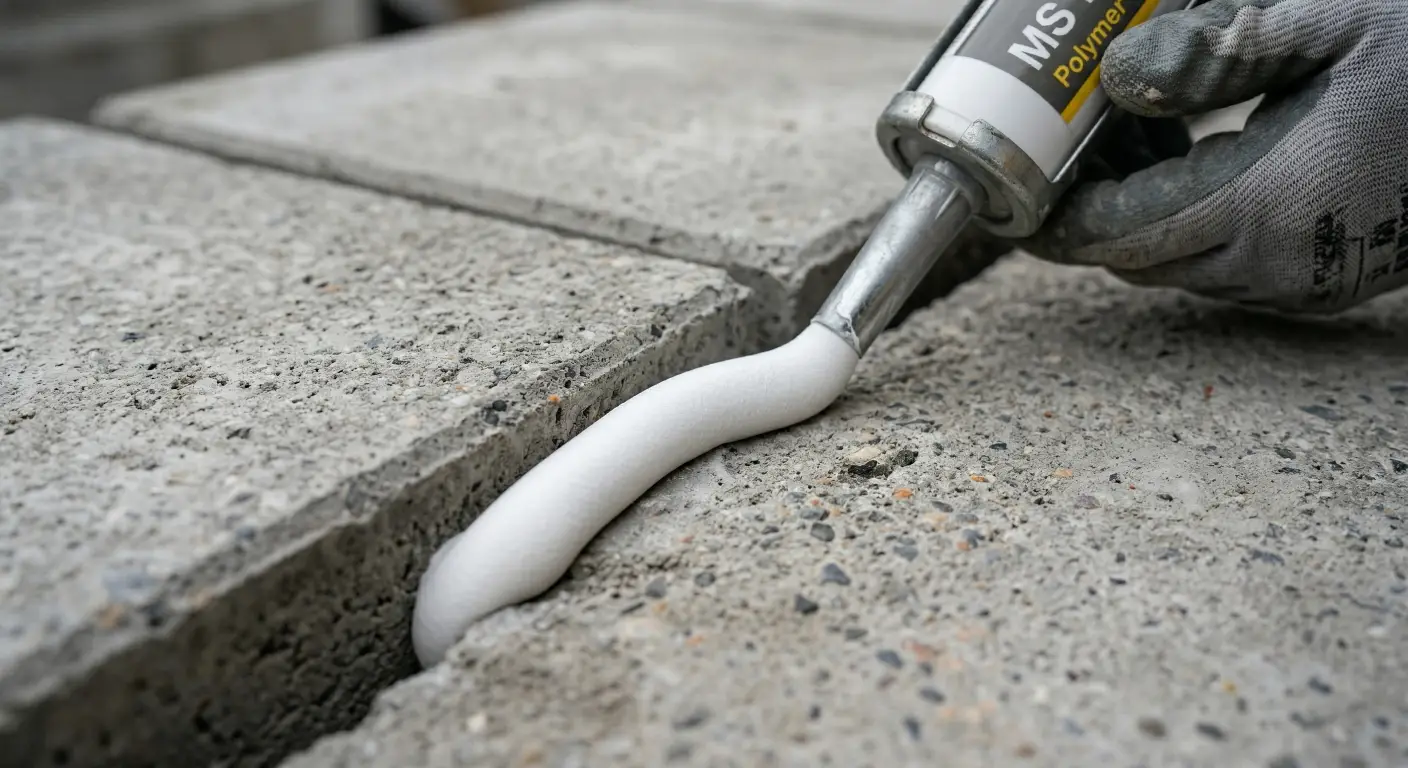
MS Polymer Sealant: The Ultimate Professional Guide for Modern Construction
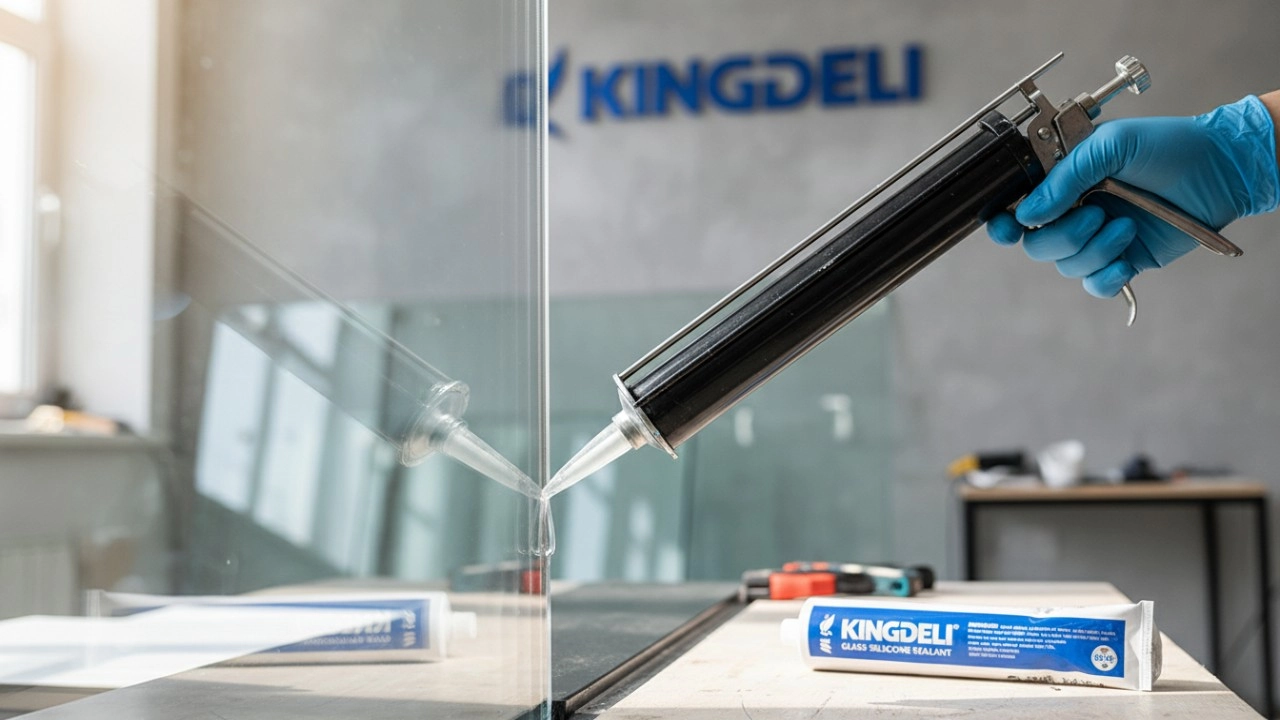
The 2026 Ultimate Guide to Glass Silicone Sealant: Everything You Need for a Perfect Finish
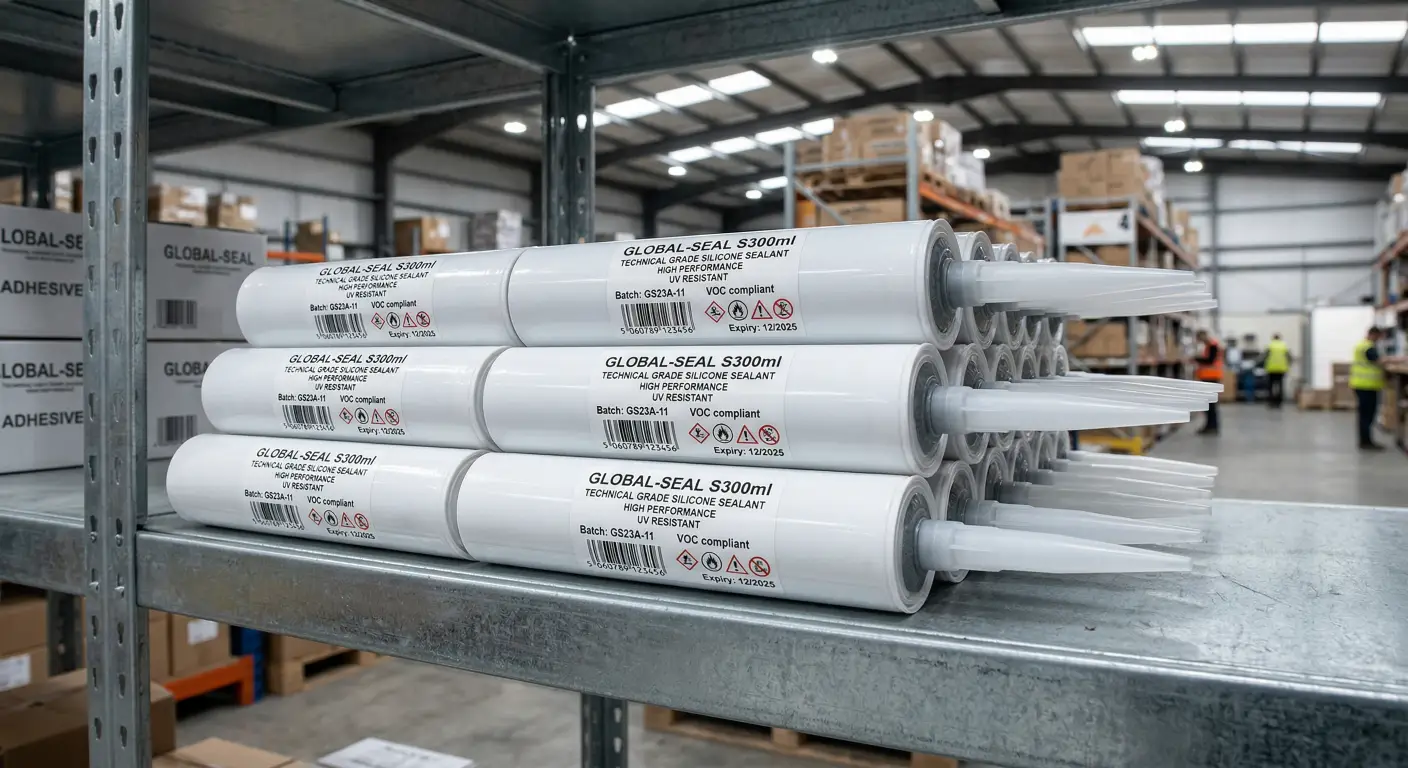
OEM vs. Branded Acetic Silicone Sealant: What’s Best for Your Distribution Business?
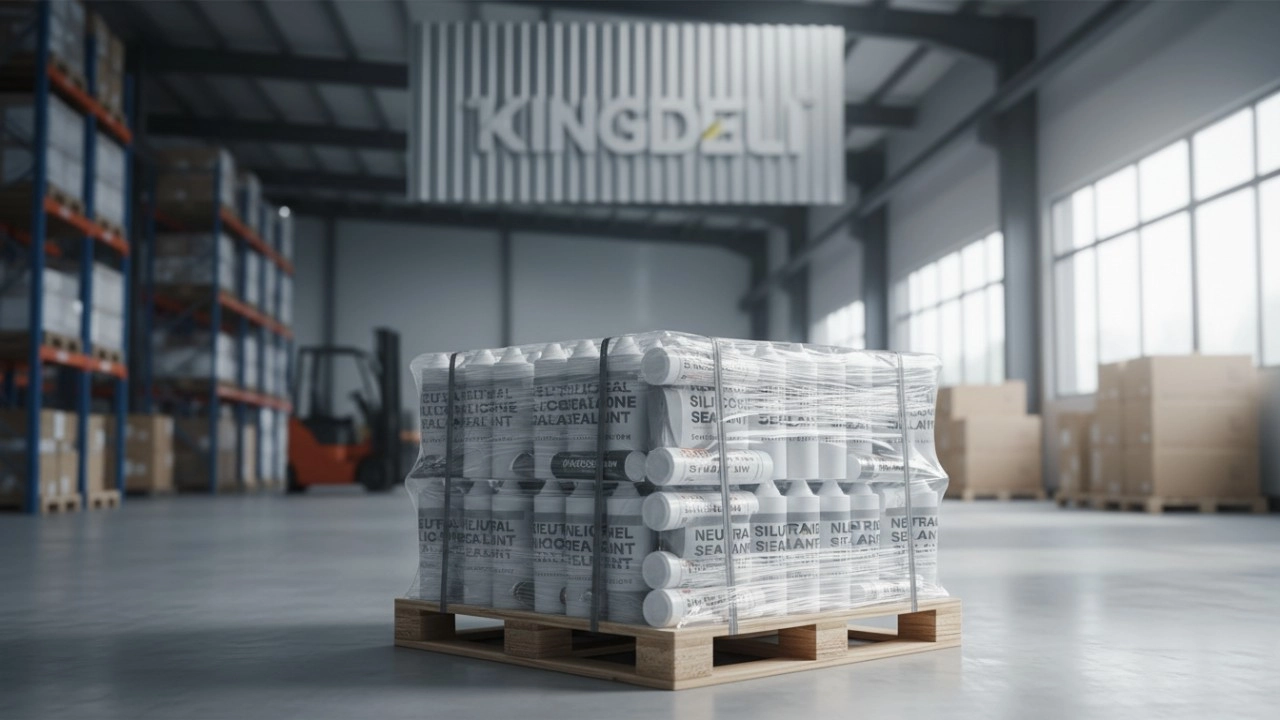
The Future of Sealants: 5 Emerging Trends in Wholesale Neutral Silicone Sealant Technology for 2026
HY723
What temperature range can HY-723 withstand?
It maintains stable performance in extreme temperatures ranging from -50℃ to 200℃.
HY-682
What substrates can it bond to?
It adheres strongly to almost all common construction and industrial materials, including concrete, metal, stone, ceramics, epoxy flooring, and painted surfaces.
Exceptions: PE, PP, and PPR materials.
HY997
What is the recommended application temperature?
For best performance, the substrate surface temperature should be between 4°C and 40°C during application.
HY924
Does HY924 require a primer?
No. HY924 offers strong primerless adhesion to most glass and metal substrates. However, a compatibility test is recommended for special surfaces.
HY-4300
What is the service temperature range after curing?
After full curing, HY-4300 maintains excellent adhesion and elasticity between -50°C and +250°C.
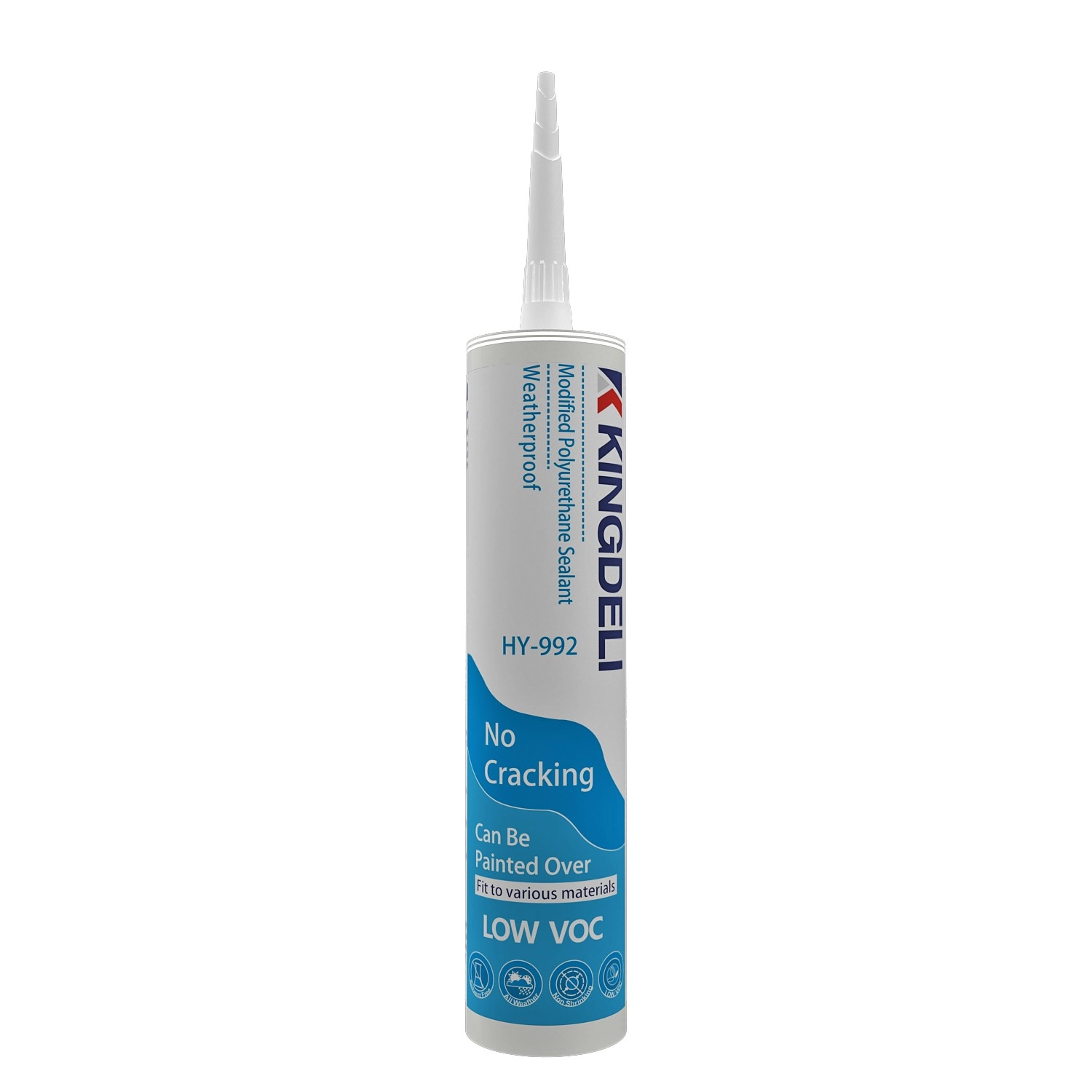
HY992 Modified Polyurethane Construction Sealant
HY992 Modified Polyurethane Sealant is a one-component, moisture-curing construction sealant designed for professional building and structural sealing applications. It provides excellent adhesion, weather resistance, and durable elasticity, making it suitable for a wide range of construction materials.
The formulation delivers strong bonding performance without corrosion or substrate contamination, while maintaining low VOC content for environmentally responsible construction projects.

HY995 Crystal Clear Ms Polymer Adhesive/Sealant
HY995 Crystal Clear Ms Polymer Adhesive/Sealant is a new generation MS Polymer adhesive / sealant formulated for all bonding and sealing applications where long term reliability is required. It has excellent bonding strength on various materials. It will cure to form a durable, flexible, waterproof seal.

HY997 High-Performance Anti-Microbial MS Polymer Sealant
HY997 MS polymer sealant for is is a premium one-component, neutral-curing modified silane sealant engineered for demanding interior applications. It offers a Class 20 movement capability, ensuring long-lasting flexibility and reliable performance under dynamic joint conditions. Curing at room temperature, HY997 delivers superior anti-microbial and mildew-resistant properties, maintaining hygienic and clean environments over time.
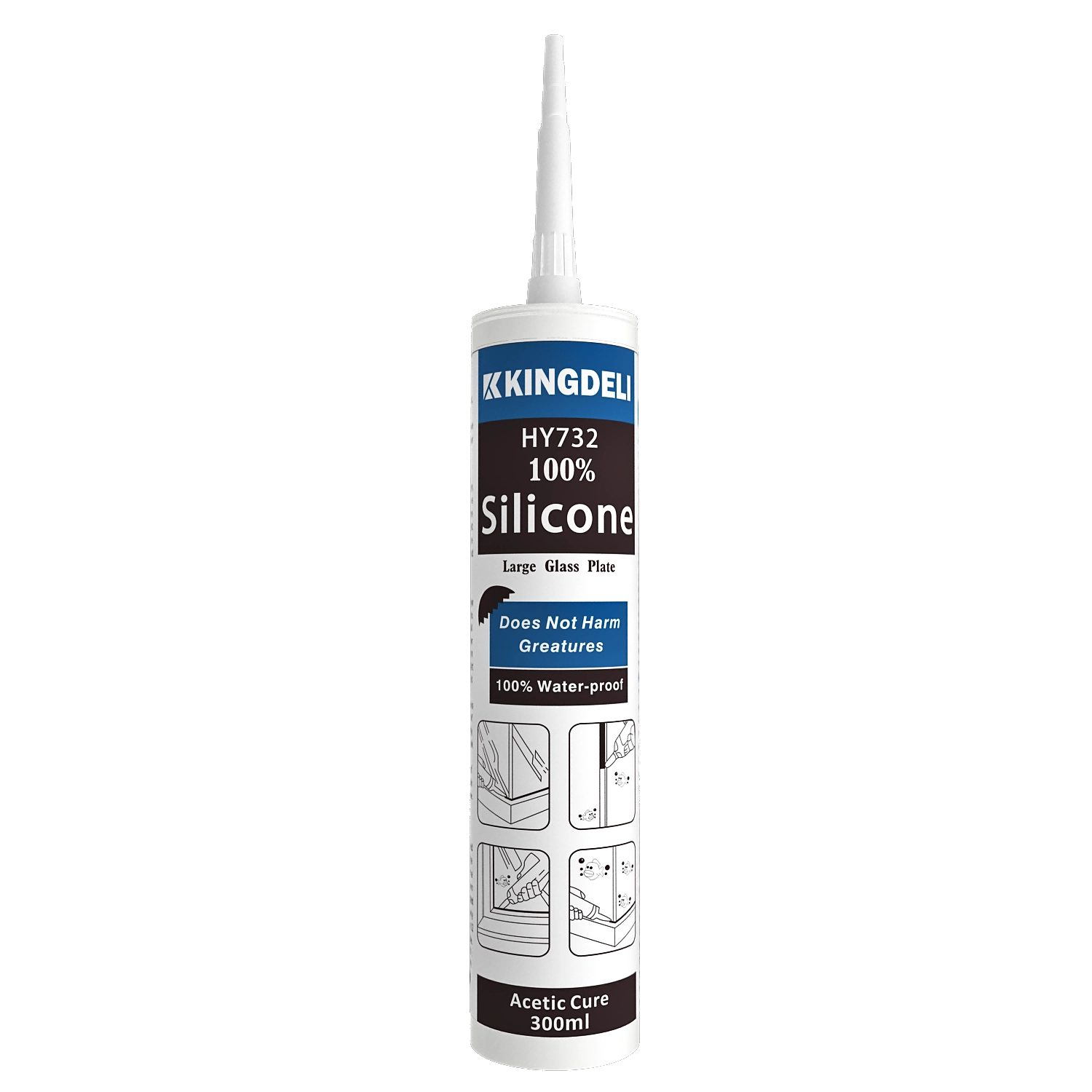
KINGDELI HY732 Professional Acetoxy Cure Silicone Sealant
KINGDELI HY732 is a professional-grade, one-component acetoxy cure silicone sealant designed for fast curing, strong adhesion, and long-lasting flexibility. Ideal for aquariums, glass applications, aluminum doors and windows, kitchens, and bathrooms, it provides reliable sealing performance with excellent anti-fungal protection in high-humidity environments.
Let’s Build Stronger Bonds with Quality Adhesives and Sealants
Have questions about the topic or need tailored sealant solutions for your project?
Our team is ready to provide expert guidance, product recommendations, and application support.
Innovating with Integrity, Bonding the World
Since 1998, KINGDELI has delivered trusted, sustainable sealant solutions that connect industries and inspire progress worldwide.
Whatsapp: +8618825946249
Kingdeli
Kingdeli
Kingdeli
Kingdeli
Kingdeli