











Which silicone sealant is best for high-temperature industrial use? | Insights by KINGDELI
1) Which silicone sealant tolerates continuous 250–300°C service and repeated thermal cycling on metal exhaust components?
Most general-purpose silicones (RTV) are formulated for heat resistance but have limits. Industry-available high-temperature silicone sealants commonly provide reliable continuous service roughly in the 200–300°C (392–572°F) band and intermittent resistance a bit higher (some rated up to ~315°C/600°F). Key points to pick the right product:
- Choose a purpose-built high-temperature RTV or silicone gasket-maker explicitly specifying continuous and intermittent temperature ratings. Avoid assuming “high-temp” wording alone means >300°C.
- Prefer neutral-cure high-temp silicones (oxime/alkoxy chemistries) for metal exhausts when corrosion or electronics are nearby — neutral cure doesn’t release acetic acid vapors that can corrode copper/brass.
- Evaluate thermal cycling performance: look for formulations described as “high-flex” or “low-modulus” with proven adhesion through cycles; these maintain seal flexibility as substrates expand/contract.
- For exhaust flanges with direct flame impingement or sustained >300°C, use a ceramic-based gasket, inorganic silicone cement, or metal gasket instead of organic silicone elastomer.
Practical protocol: confirm the true steady-state temperature at the seal, select a sealant with a continuous rating >= that temperature, conduct a thermal-cycle adhesion test (10–100 cycles) with the actual substrates and surface finishes, and validate cure depth in assembly geometry.
Embedded keywords used: high temperature silicone sealant, RTV silicone, heat resistant sealant, thermal cycling.
2) Which high-temperature silicone is best for bonding dissimilar metals (stainless to aluminum) exposed to solvents and oil?
Selecting a high-temperature silicone adhesive for bond strength and chemical resistance requires balancing adhesion, cure chemistry, and surface prep:
- Cure type: neutral-cure high-temp silicones (alkoxy/oxime) are preferred for mixed-metals because they minimize corrosive cure byproducts. Avoid acetoxy silicones when copper, brass, or plated surfaces are present.
- Chemical resistance: silicones provide good resistance to water, mild oils, and many solvents, but are not universally resistant to strong hydrocarbons, concentrated acids, or alkalis. If the application sees heavy solvent splash or immersion (e.g., diesel, strong cleaning solvents), test candidate materials or consider high-temperature epoxy or silicone-ceramic adhesives engineered for chemical exposure.
- Surface preparation: clean with a polar solvent (isopropyl alcohol), mechanically abrade lightly to remove oxides and increase surface area, then apply a compatible primer if one is recommended for aluminum or passivated stainless surfaces. Some low-energy or oily stainless finishes require specific priming.
- Mechanical constraints: standard silicone sealants are low-modulus—good for accommodating differential thermal expansion but not for high structural loads. If joint load or shear strength is critical at elevated temperature, select a high-temperature structural silicone (silicone structural adhesive) rated for the required service temperature.
Recommendation flow: determine maximum service temp, identify expected chemical exposures, choose neutral-cure high-temp silicone if chemicals are moderate, perform adhesion and solvent-immersion tests, and upgrade to ceramic/epoxy adhesives where solvent resistance or structural strength is insufficient.
Embedded keywords used: industrial silicone adhesive, silicone adhesive for metal, neutral cure silicone, chemical resistance.
3) Which silicone sealant should I use around electrical components that run hot but must avoid conductive or corrosive outgassing?
Electrical and electronic assemblies impose specific constraints: non-conductivity, low ionic contamination, low outgassing, and thermal endurance. Use the following decision criteria:
- Material selection: specify a silicone potting or sealing compound formulated for electrical insulation and high-temperature stability. Look for dielectric strength values on the technical data sheet (TDS), low ionic content, and if needed, UL-recognized or IEC qualification for electrical insulation.
- Cure chemistry: neutral-cure silicones minimize acidic byproducts; this is important near copper traces or plated components. Ask for low VOC and low outgassing grades—some silicones are formulated for aerospace/space and list TML (Total Mass Loss) and CVCM (Collected Volatile Condensable Materials) data.
- Thermal rating: match continuous operating temperature. Many electrical-grade silicones handle 150–200°C continuously; some specialty electrical silicones extend toward 250–300°C but require validation.
- Application constraints: for thin coatings over PCBs, select low-viscosity or RTV formulations designed for conformal sealing. For gap filling, choose versions with controlled cure shrinkage and predictable cure-in-depth.
Testing checklist: measure dielectric breakdown after thermal soak, inspect for corrosion on copper after accelerated humidity/temperature testing, and verify outgassing using industry-standard test methods if electronics reliability is critical.
Embedded keywords used: silicone sealant for electrical components, low outgassing silicone, high temperature silicone sealant, neutral cure silicone.
4) How do I get high-temperature silicone to stick to low-energy plastics (polypropylene, PTFE) used in machines that heat to 200°C?
Low-energy plastics (PE, PP, PTFE) are notoriously difficult to bond due to low surface energy and poor wetting. For high-temperature applications:
- Evaluate material substitution first: replace PTFE/PP parts with higher-energy-plastic or metal options if bonding is critical.
- Surface activation: mechanical abrasion followed by flame treatment, corona discharge, or plasma treatment can raise surface energy temporarily and increase adhesion. These treatments are commonly used in industrial settings prior to adhesive bonding.
- Primers and specialty adhesives: use a manufacturer-recommended plastic primer before applying a silicone; not all primers are suitable at elevated temperatures—confirm the primer’s temperature rating and compatibility. Some manufacturers produce engineering adhesives specifically designed for PP/PE that outperform silicones at elevated temperatures.
- Use mechanical retention: design joints with interlocks, grooves, or clamps to carry load; let silicone act as a sealant rather than the primary load-bearing bond.
- Test: perform long-term thermal aging and peel/shear tests at the service temperature to validate the joint.
If the application genuinely requires continuous 200°C exposure and the plastic will creep or degrade, consider replacing the plastic or using a high-temperature gasket/metallic clamp as the primary solution.
Embedded keywords used: silicone for plastics, high temperature silicone sealant, primer for silicone, thermal aging.
5) How should I test and qualify a candidate high-temperature silicone sealant for long-term industrial use (thermal cycles, vibration, chemicals)?
A structured qualification plan reduces field failures. Key test stages and parameters:
- Define the duty cycle: maximum continuous temperature, peak/intermittent temperature, dwell times, number of daily thermal cycles, vibration profile, and chemical exposures. Include worst-case scenarios.
- Laboratory tests to run:
- Thermal cycling: subject sealed test coupons to at least 100–1000 cycles across the expected temperature delta; inspect for loss of adhesion, cracking, or extrusion.
- Static aging: bake at maximum continuous temperature for 1000–5000 hours per industry practice, checking tensile/peel strength and elongation retention at intervals.
- Chemical immersion and splash: expose to fuels, oils, solvents relevant to service, then measure adhesion and hardness changes.
- Vibration and mechanical shock: combine thermal exposure with mechanical stress to detect fatigue-induced failures.
- Outgassing and corrosion assessment: for electronics, run humidity-temperature bias tests and inspect for corrosion on nearby metals.
- Field pilot: install the candidate sealant in a small fleet/production run with scheduled inspections at 3, 6, and 12 months.
- Acceptance criteria: define required minimum adhesion (peel/shear), allowable change in hardness/elasticity, and no visible cracks or gaps after testing.
Document all TDS, MSDS, and test results. If a product fails any critical test, consult the manufacturer for alternate formulations or use mechanical redesign.
Embedded keywords used: thermal cycling, high temperature silicone sealant, chemical exposure testing, industrial silicone adhesive.
6) When is silicone not the right choice for high-temperature sealing—what are the practical alternatives?
Silicone is excellent for moderate high temps, flexibility, and chemical neutrality—but it has limits. Choose alternatives when:
- Continuous service exceeds ~300°C or there is direct flame impingement: use inorganic cements, ceramic-based adhesives, high-temperature gasketing materials (mica, graphite, metal), or special high-temp epoxies/ceramics.
- Heavy structural loads or tensile/shear strength is paramount at elevated temperatures: select high-temperature epoxies, anaerobic structural adhesives rated for heat, or mechanical fasteners and metal gaskets.
- Severe chemical attack (concentrated acids, strong solvents) is expected: evaluate fluoropolymers, specialized high-temp epoxies, or inorganic cements that are chemically inert to the environment.
- Electrical conductivity or high thermal conductivity is required: silicone is typically dielectric and thermally insulating; for thermal conduction, use thermally conductive adhesives (silicone or epoxy filled with ceramic/metal fillers) matched to temperature needs.
Practical guidance: list the failure mode you need to prevent (creep, corrosion, structural failure, thermal breakdown) and select a material family addressing that specific mode. Always validate with application-specific testing.
Embedded keywords used: ceramic-based adhesives, high-temp gasketing, silicone vs epoxy, heat resistant sealant.
Concluding summary — advantages of high-temperature silicone sealants
High-temperature silicone sealants offer key benefits: excellent flexibility to accommodate thermal expansion, good sealing performance up to ~200–300°C for many formulations, neutral-cure options that reduce corrosion risk, and easy application as one-component RTV materials. They are often the best choice when you need compliant seals that tolerate repeated thermal cycling, moderate chemical exposure, and electrical insulation. Their limitations include maximum continuous temperature ceilings, limited structural strength compared with epoxies, and variable resistance to aggressive solvents—so always match material selection to the specific temperature, chemical, and mechanical demands and validate with testing.
For a recommended product selection tailored to your substrates, temperature profile, and chemical environment, contact us for a quote and specification support: www.kingdelisealant.com or email info@kingdeliadhesive.com.
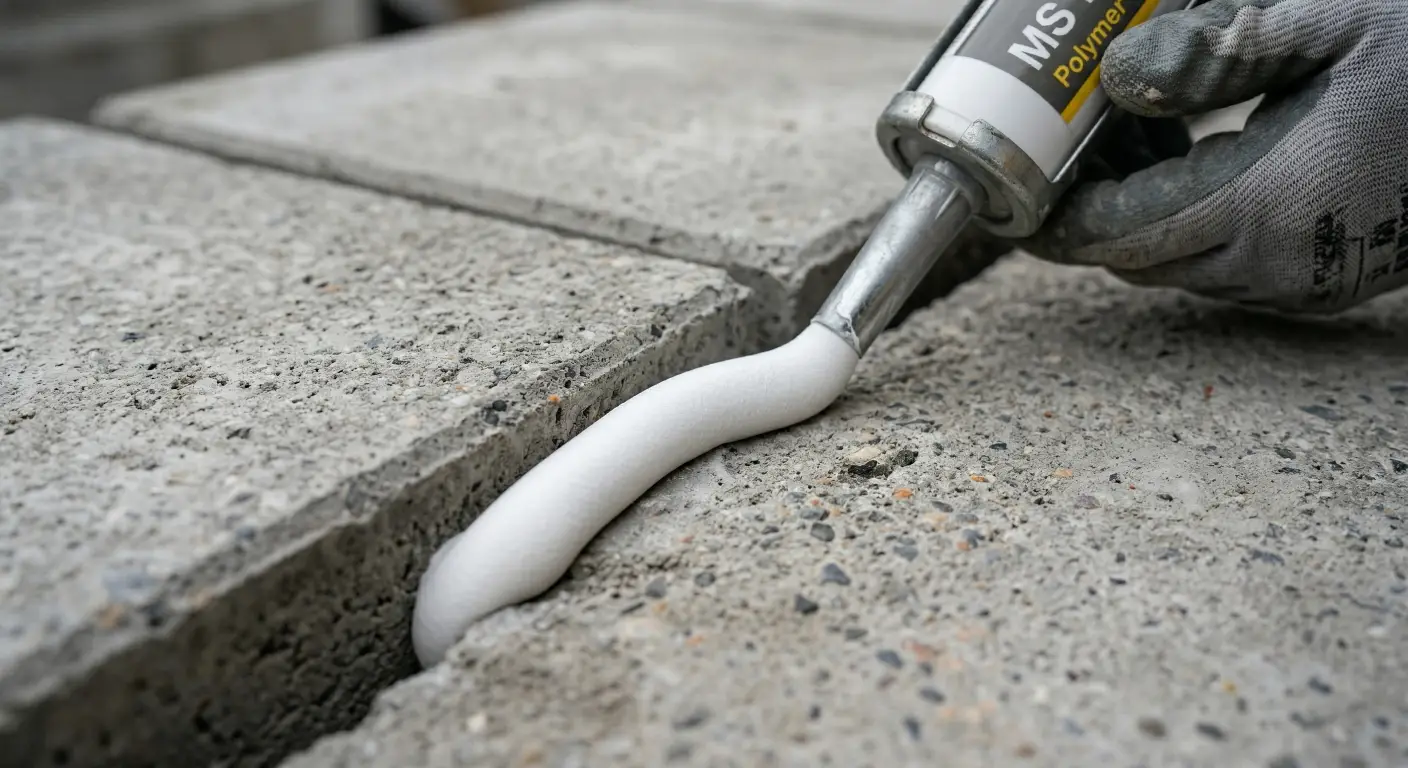
MS Polymer Sealant: The Ultimate Professional Guide for Modern Construction
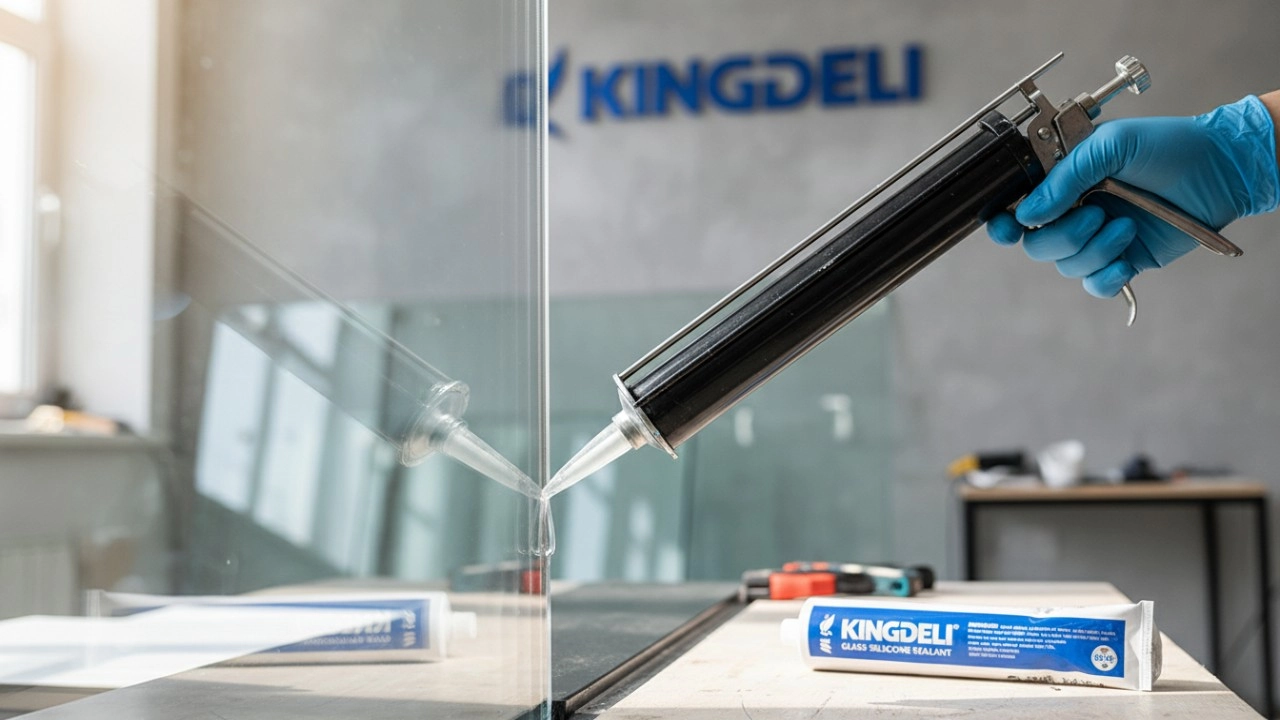
The 2026 Ultimate Guide to Glass Silicone Sealant: Everything You Need for a Perfect Finish
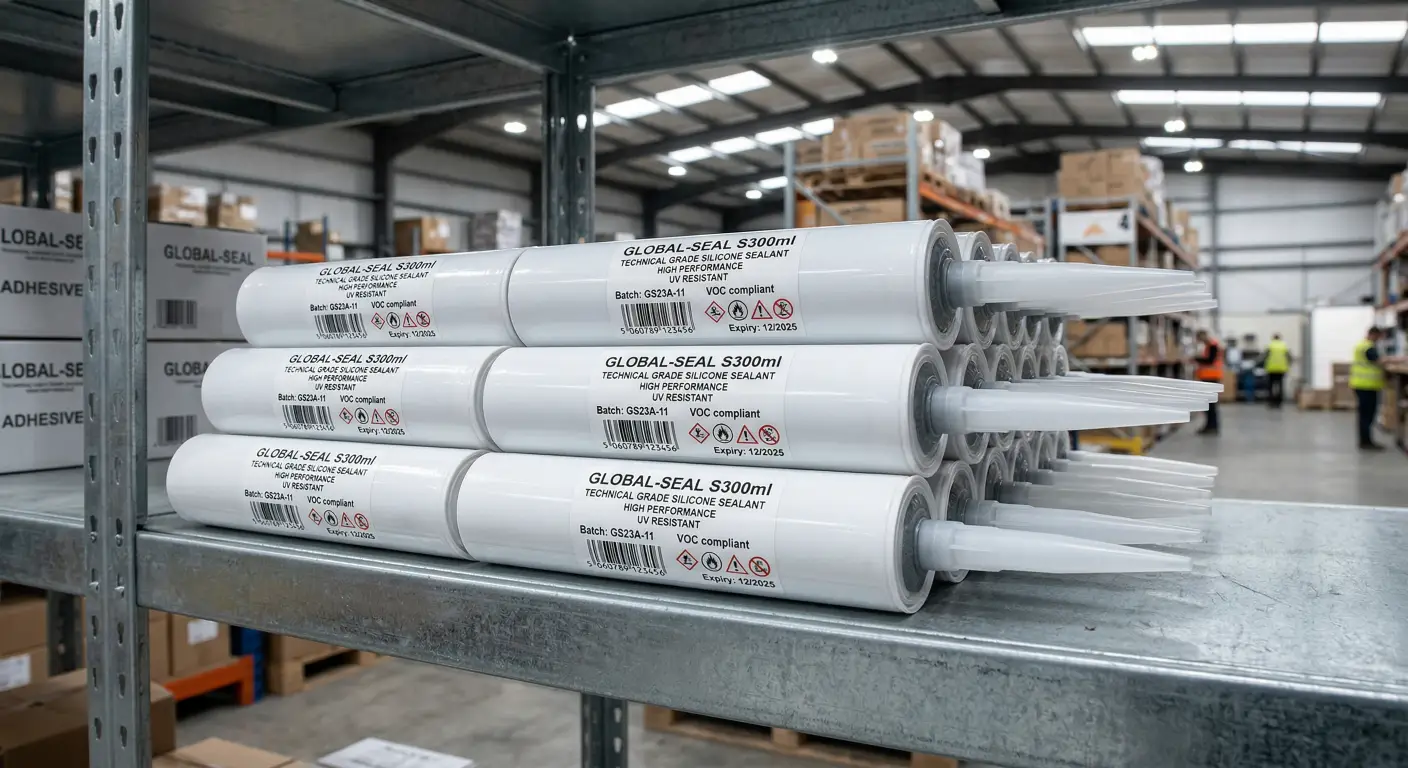
OEM vs. Branded Acetic Silicone Sealant: What’s Best for Your Distribution Business?
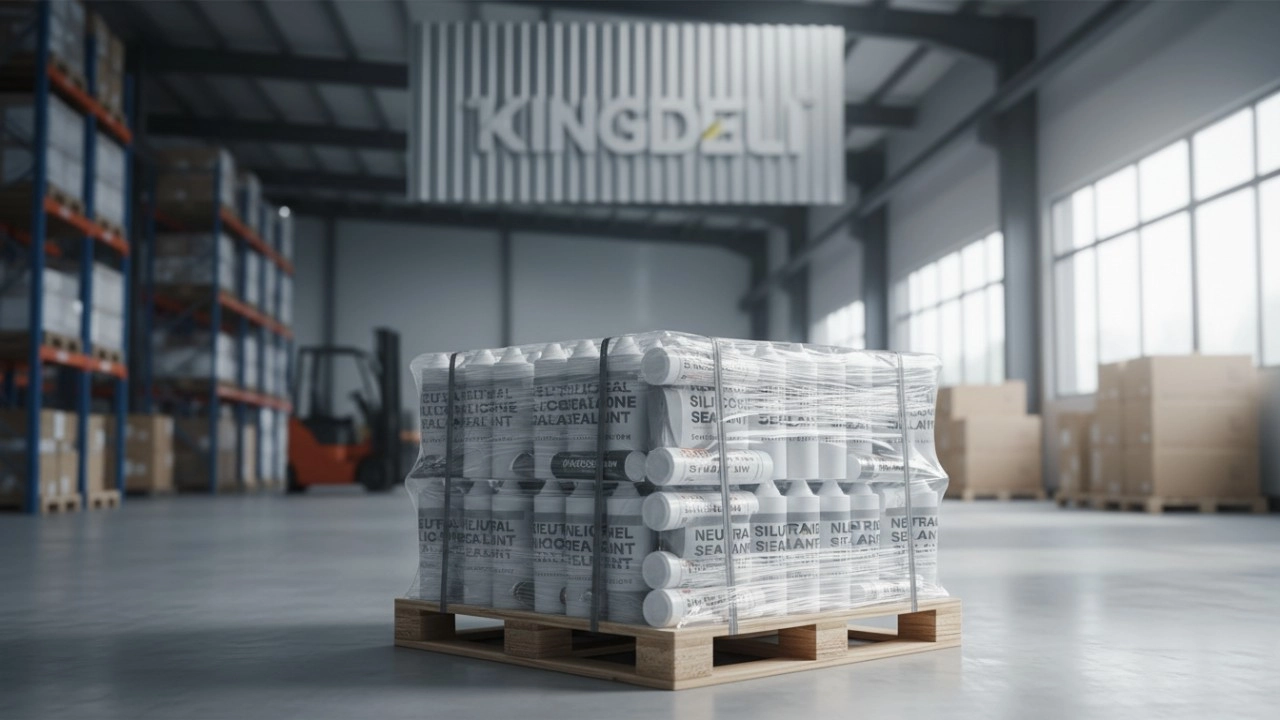
The Future of Sealants: 5 Emerging Trends in Wholesale Neutral Silicone Sealant Technology for 2026
HY-4300
What is the shelf life of the product?
The shelf life is 12 months when stored in unopened original packaging under recommended storage conditions.
HY939A
Does the sealant slump or sag during application?
No. The product has excellent thixotropic properties, allowing it to stay in place after application and ensuring clean, controlled tooling.
HY-3300
What colors are available?
Standard colors include clear, black, grey, and white, and custom colors can be produced upon request.
HY723
How long does the sealant resist fire?
It provides fire resistance for up to four hours, though the exact duration depends on the specific joint configuration.
HY993
How long does HY993 take to surface-dry?
It forms a surface skin quickly, enabling fast positioning. Actual skin-over time varies with temperature, humidity, and bead thickness.
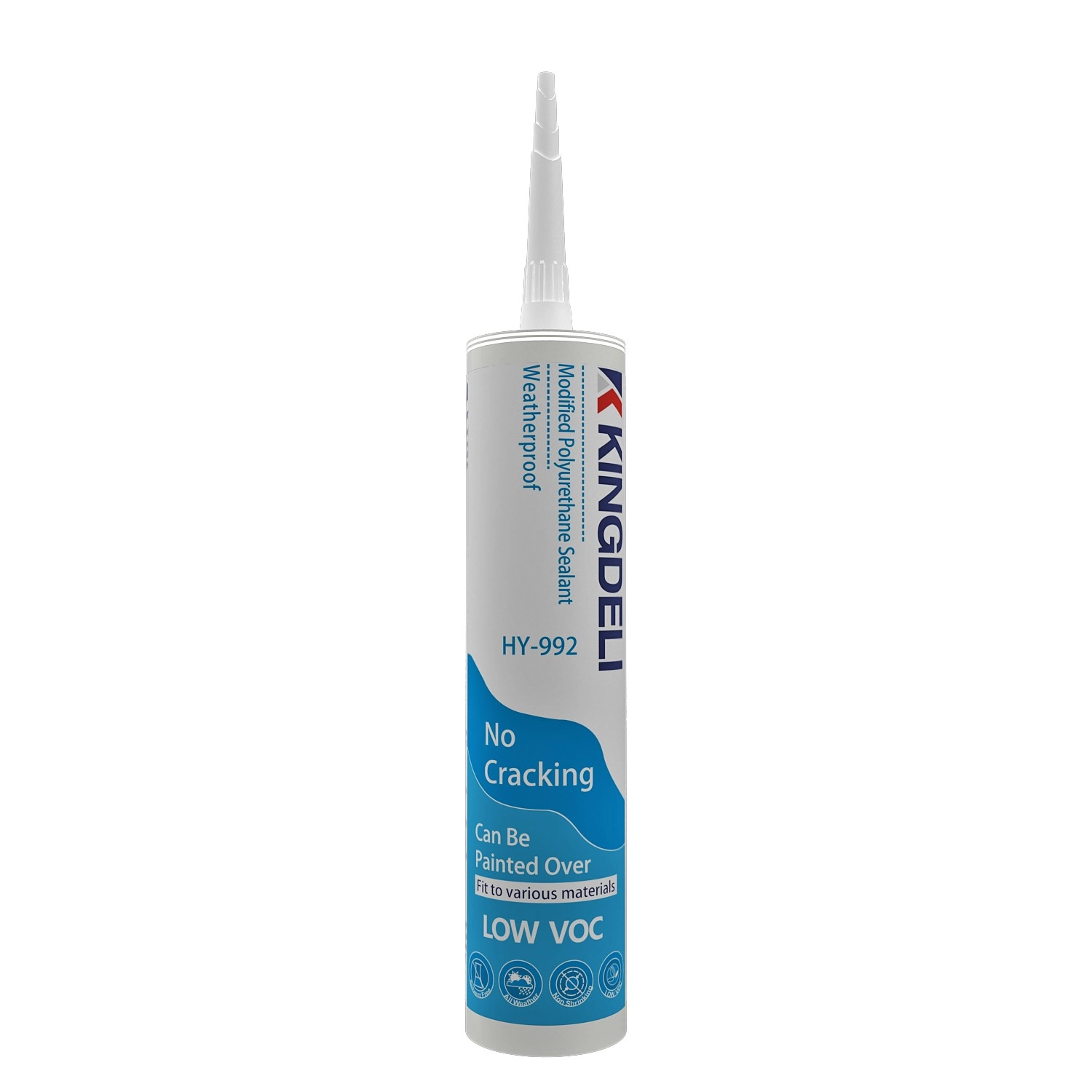
HY992 Modified Polyurethane Construction Sealant
HY992 Modified Polyurethane Sealant is a one-component, moisture-curing construction sealant designed for professional building and structural sealing applications. It provides excellent adhesion, weather resistance, and durable elasticity, making it suitable for a wide range of construction materials.
The formulation delivers strong bonding performance without corrosion or substrate contamination, while maintaining low VOC content for environmentally responsible construction projects.

HY995 Crystal Clear Ms Polymer Adhesive/Sealant
HY995 Crystal Clear Ms Polymer Adhesive/Sealant is a new generation MS Polymer adhesive / sealant formulated for all bonding and sealing applications where long term reliability is required. It has excellent bonding strength on various materials. It will cure to form a durable, flexible, waterproof seal.

HY997 High-Performance Anti-Microbial MS Polymer Sealant
HY997 MS polymer sealant for is is a premium one-component, neutral-curing modified silane sealant engineered for demanding interior applications. It offers a Class 20 movement capability, ensuring long-lasting flexibility and reliable performance under dynamic joint conditions. Curing at room temperature, HY997 delivers superior anti-microbial and mildew-resistant properties, maintaining hygienic and clean environments over time.
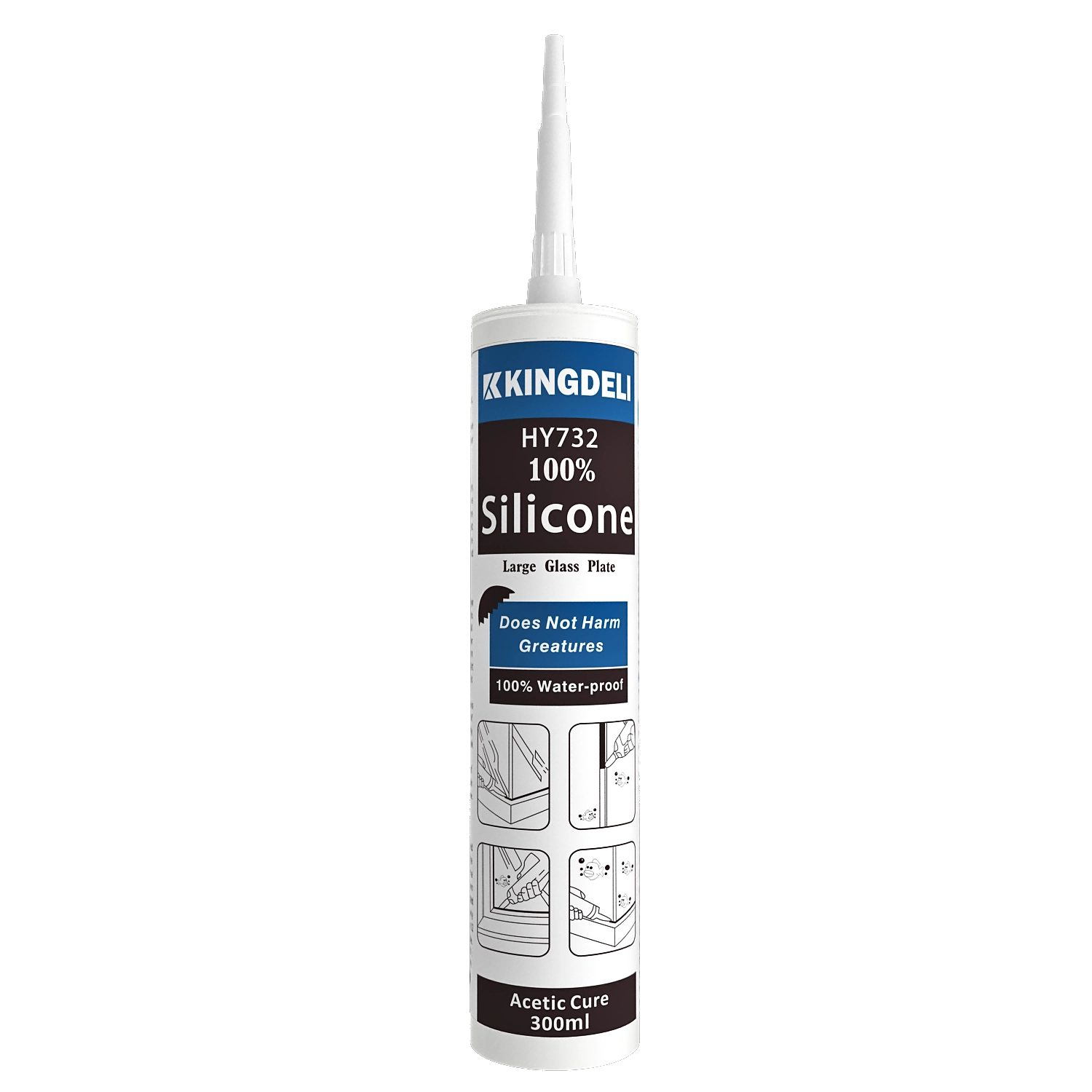
KINGDELI HY732 Professional Acetoxy Cure Silicone Sealant
KINGDELI HY732 is a professional-grade, one-component acetoxy cure silicone sealant designed for fast curing, strong adhesion, and long-lasting flexibility. Ideal for aquariums, glass applications, aluminum doors and windows, kitchens, and bathrooms, it provides reliable sealing performance with excellent anti-fungal protection in high-humidity environments.
Let’s Build Stronger Bonds with Quality Adhesives and Sealants
Have questions about the topic or need tailored sealant solutions for your project?
Our team is ready to provide expert guidance, product recommendations, and application support.
Innovating with Integrity, Bonding the World
Since 1998, KINGDELI has delivered trusted, sustainable sealant solutions that connect industries and inspire progress worldwide.
Whatsapp: +8618825946249
Kingdeli
Kingdeli
Kingdeli
Kingdeli
Kingdeli