











How to Apply High Temperature Silicone Sealant Like a Pro: 5 Secrets for a Lifetime Seal
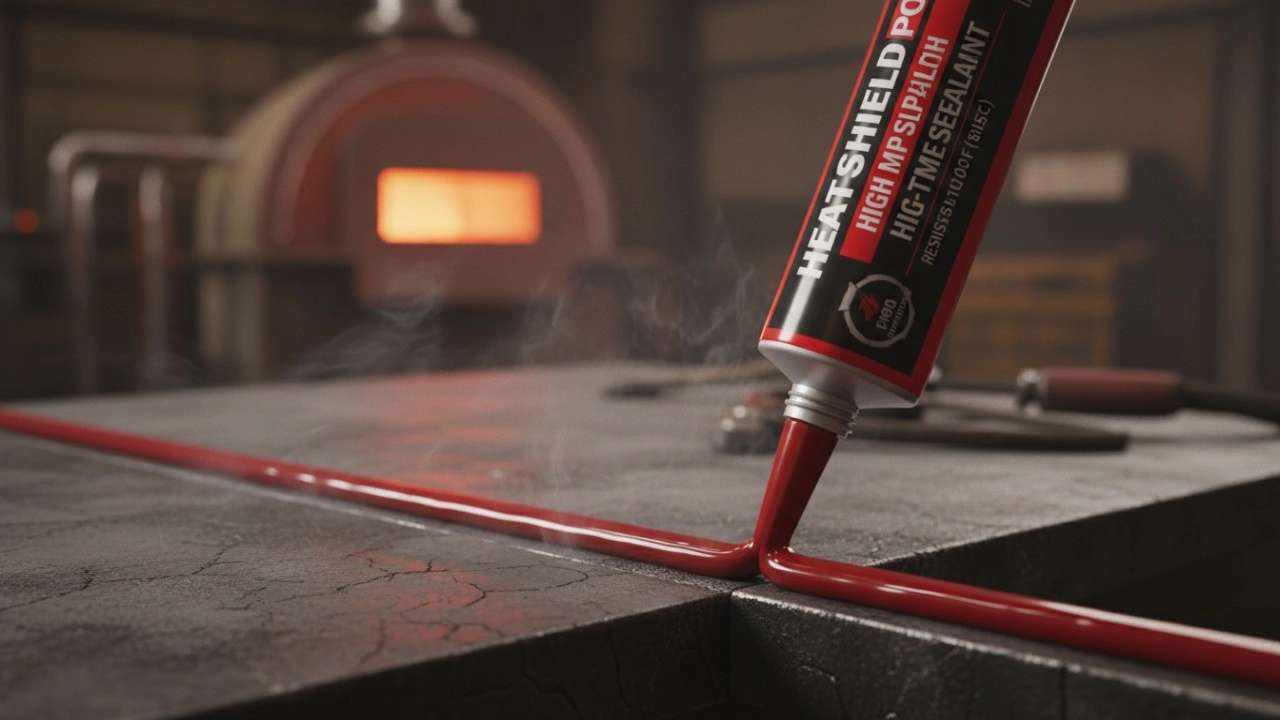
Key Takeaways: The 30-Second Summary
High heat silicone adhesive application is 80% preparation and 20% execution. If you are in a rush, memorize these four critical rules before you squeeze the trigger:
- Chemical Cleaning is Mandatory: Invisible oils are the #1 cause of failure; use acetone or brake cleaner, not just a rag.
- Humidity Controls the Cure: Dry air slows the process. RTV silicone needs moisture in the air to vulcanize properly.
- Push, Don’t Pull: When applying the bead, push the gun forward to force the sealant into the gap.
- Finger-Tight First: Never torque bolts immediately. Let the gasket skin over for one hour first.
What is High Temperature Silicone Sealant and Why Does It Matter?
High temperature silicone sealant is a specialized polysiloxane-based adhesive engineered with iron oxide or advanced fillers to maintain elasticity and adhesion in environments exceeding 500°F (260°C). Unlike standard bathtub caulk, which melts or becomes brittle under thermal stress, these industrial formulations utilize a unique cross-linking chemistry to resist oxidation.
This material is the unsung hero in engines, HVAC systems, and industrial ovens. It acts as a dynamic gasket that expands and contracts with the metal flanges it seals. According to ASTM International, standards like ASTM C920 dictate the elastomeric properties required for these joint sealants to perform under stress without cohesive failure. If you use a standard sealant where a high-temp formulation is required, the chemical bonds will rapidly degrade, leading to catastrophic leaks, blown gaskets, or even fire hazards in high-heat zones.
Secret #1: The 'Chemically Clean' Surface Standard
Industrial grade silicone sealant requires a surface that is not just visually clean, but chemically distinct from contaminants. Most DIY failures happen because the user wiped the surface with a shop rag that contained trace amounts of oil, preventing the silicone from bonding to the substrate.
To achieve a professional bond, you must follow a strict cleaning protocol:
- Remove Old Material: Use a plastic scraper (not metal, to avoid gouging) to remove every scrap of the old gasket.
- Abrade the Surface: lightly scuff smooth metals with a Scotch-Brite pad. This creates microscopic "keys" for the silicone to grab onto.
- The Final Chemical Wipe: This is the secret step. Wipe the flange with Acetone or Isopropyl Alcohol (IPA) immediately before application.
- The Water Break Test: Spray a mist of water on the surface. If it beads up, there is still oil present. If it sheets off flat, the surface is chemically clean.
Secret #2: Decoding the Color Grades (Red vs. Copper vs. Grey)
High temperature sealant silicone is color-coded by the industry to indicate specific thermal ratings and sensor safety profiles. Choosing the wrong color is a common mistake; for example, using a high-acid curing Red silicone on a sensitive modern engine can corrode sensors.
Here is the breakdown of the professional color code system:
- Red High-Temp: The classic choice. Generally rated for intermittent heat up to 600°F (315°C). It is ideal for headers and general high-heat shielding but can be susceptible to oil degradation over long periods.
- Copper (Ultra): Formulated for the highest heat density, often rated up to 700°F (371°C) intermittent. It contains metallic fillers that improve heat transfer and adhesion to exhaust manifolds and turbochargers.
- Grey (High Torque/Sensor Safe): The modern standard for import vehicles and 2026+ automotive requirements. It is designed to be rigid (high torque) to resist vibration and is "Sensor Safe," meaning it does not off-gas chemicals that ruin O2 sensors.
- Black: Primarily for oil resistance and maximum flexibility, usually rated for lower temperatures (around 400-500°F). Ideal for oil pans and differential covers.
Secret #3: The Push-Method Application Technique
Thermal resistant sealant application relies on the "Push Method" to ensure the adhesive penetrates surface irregularities rather than just sitting on top of them. When you pull a caulking gun nozzle backward, you stretch the bead, creating a thin bridge that can easily break.
Follow these steps for a leak-proof bead:
- Cut the Nozzle: Slice the tip at a 45-degree angle. The opening should match the width of the flange you are sealing (usually 3-6mm).
- Angle the Gun: Hold the gun at a 45-degree angle relative to the surface.
- Push Forward: Move the gun forward, pushing the sealant ahead of the nozzle tip. You should see the sealant curling slightly as it is forced down into the metal grain.
- Encircle Bolt Holes: Always run the bead around the inside of bolt holes to prevent fluid from leaking out through the threads.
Secret #4: Mastering the 'Tooling Time' Window
RTV gasket maker instructions often warn about "skin over" time, which is the critical window you have to smooth (tool) the sealant before it creates a permanent outer layer. Once high-temp silicone begins to skin (usually within 10-15 minutes), touching it will cause unsightly wrinkling and compromise the seal's integrity.
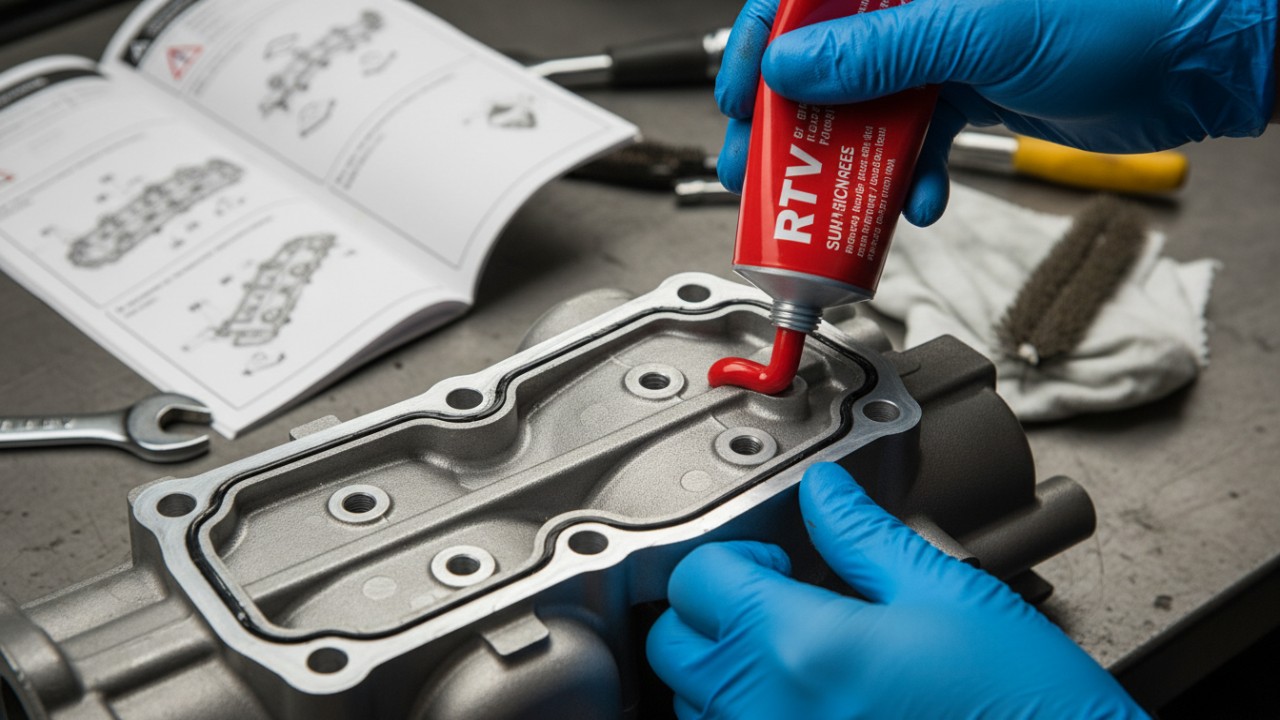
- Work Fast: Apply the bead to one mating surface and tool it immediately.
- Use the Right Tool: A professional tooling spatula or a finger dipped in soapy water (to prevent sticking) works best.
- Don't Over-Work: One smooth pass is enough. Agitating the silicone too much can trap air bubbles, which expand when heated and cause the seal to blow out.
- Remove Tape: If you used masking tape for clean lines, pull it off immediately after tooling, while the silicone is still wet.
Secret #5: Optimizing the Cure (The Humidity Factor)
The silicone curing process for one-part RTV systems relies entirely on hydrolysis, meaning it absorbs water vapor from the air to cross-link its polymers. Many users mistakenly believe heat cures silicone, but it is actually humidity that drives the reaction.
Understanding the humidity factor is crucial for a lifetime seal:
- Low Humidity Danger: In winter or desert climates, RTV silicone can take 48-72 hours to cure fully. If you rush this, the inside of the bead will remain liquid.
- The Humidifier Trick: If you are working in a dry shop, place a humidifier near the drying parts (but do not spray water directly on them). This accelerates the cross-linking.
- Thickness Limits: Standard RTV can only cure about 3mm of depth per 24 hours. If you apply a massive glob, the center may never cure.
For a deeper understanding of these chemical curing mechanisms, resources like the American Chemical Society provide extensive details on polymer cross-linking reactions.
Common Mistakes Even Pros Make
Even seasoned mechanics often fail when applying high heat silicone adhesive due to impatience. Avoid these pitfalls:
- The "Torque and Go" Error: If you tighten bolts to full torque immediately while the silicone is wet, you squeeze all the gasket material out of the joint. Correct Method: Tighten finger-tight until the silicone just starts to squeeze out. Wait one hour. Then, torque to spec.
- Using Expired Product: Silicone has a shelf life. If it smells like vinegar but won't squeeze out easily, or if the liquid and solids have separated, throw it away. Old silicone will never fully cure.
- Ignoring Temperature Ratings: Applying a 400°F rated black silicone to a 600°F exhaust header will result in the silicone turning to ash and blowing out within hours.
Future-Proofing: High-Temp Sealant Trends for 2026 and Beyond
The adhesive industry is rapidly evolving. We are seeing a shift toward Ultra-Low VOC (Volatile Organic Compounds) formulations to meet stricter environmental regulations. Furthermore, next-generation "Sensor-Safe" compounds are being developed to protect the increasingly sensitive electronics found in Electric Vehicles (EVs) and smart HVAC systems. Expect to see "Smart Sealants" that change color when they are fully cured, eliminating the guesswork for technicians.
Why Industry Leaders Choose KINGDELI Formulations
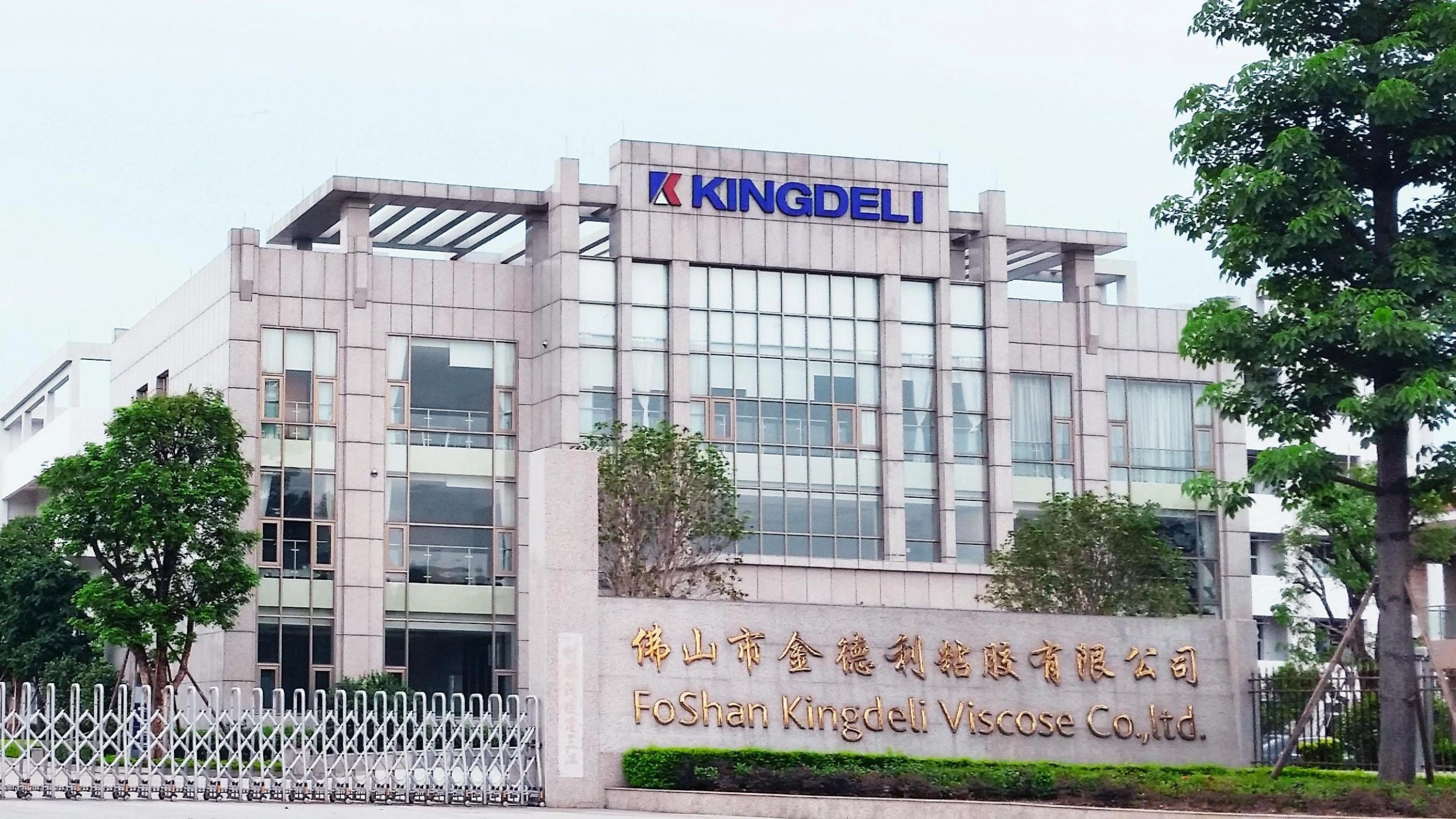
Experience is the ultimate seal of quality. At Foshan KINGDELI Viscose Co., Ltd., we have spent over 27 years perfecting the chemistry of high-performance adhesives. As a recognized National High-Tech Enterprise, our facility in Foshan operates with fully automated production lines capable of churning out 100,000 tons annually.
We don't just manufacture industrial grade silicone sealant; we define the standards, contributing to National Standard GB/T 29755-2013. Whether you need an acetoxy cure for heavy industry or a neutral cure for sensitive electronics, our ISO 9001 and ISO 14001 certified processes ensure that every tube of KINGDELI sealant delivers the consistency and thermal stability professionals demand.
Conclusion
Applying high temperature silicone sealant is a skill that blends chemistry with craftsmanship. By meticulously cleaning your surface, choosing the correct color code, using the push method, and respecting the humidity-based curing cycle, you can create seals that outlast the machinery they protect. Don't let a $10 tube of sealant be the reason for a $10,000 equipment failure.
Contact Foshan KINGDELI Viscose Co., Ltd. today to discuss your specific OEM or industrial needs with our technical experts.
How to Apply High Temperature Silicone Sealant Like a Pro: 5 Secrets for a Lifetime Seal
Acid Cure vs. Neutral Silicone: Why Choose Acetic Silicone Sealant for Glass?
7 Critical Mistakes to Avoid When Using Neutral Silicone Sealant for High-End Projects
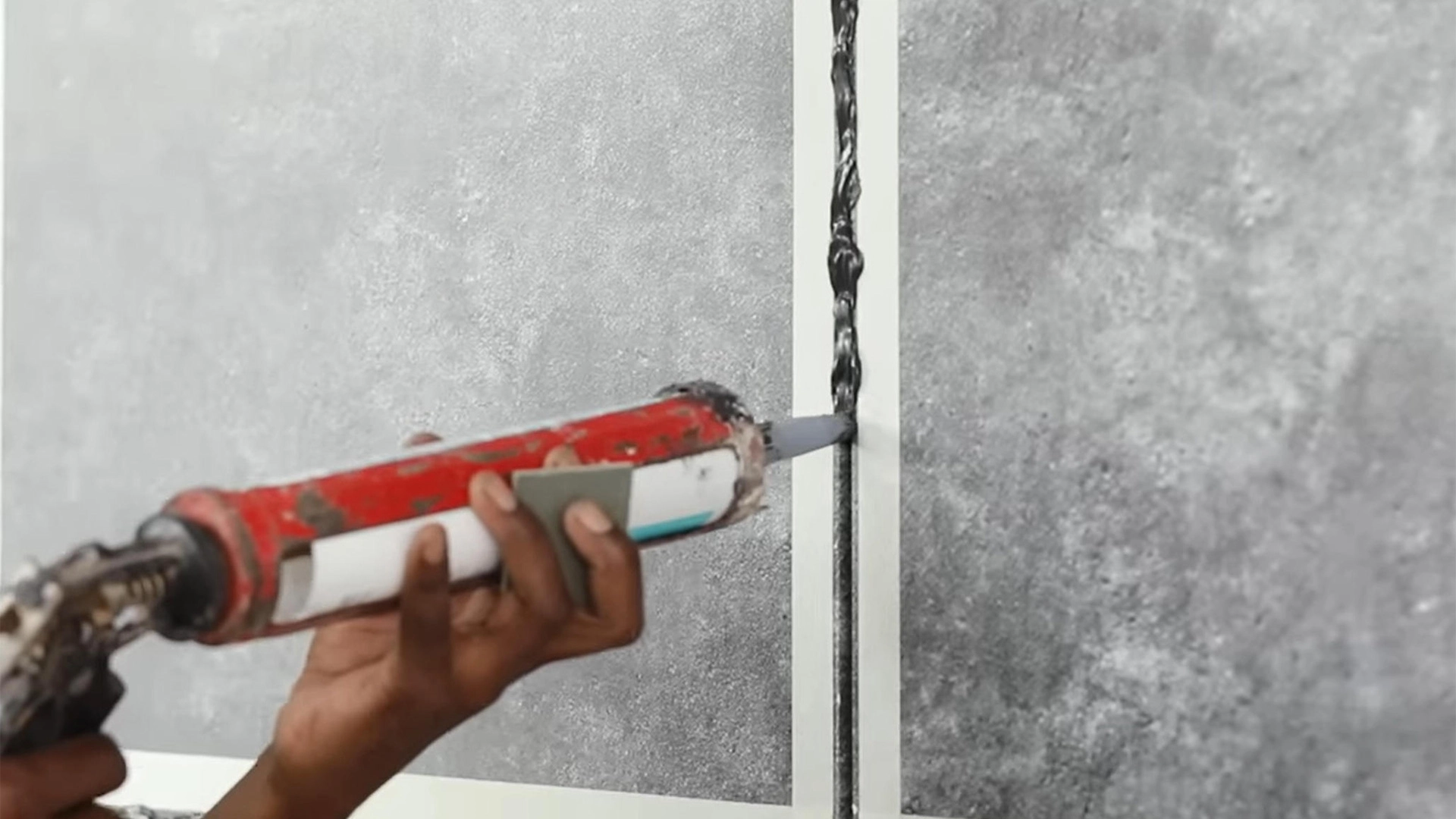
What’s the Difference Between Silicone Sealant and MS Adhesive for ACP?
HY924
Does the adhesive sag during application?
No. Its excellent thixotropy prevents sagging, ensuring clean and precise application.
HY-939
Is HY939 safe for use on metal and plastic parts?
Yes. It is non-corrosive and provides excellent adhesion to metals such as aluminum, copper, and stainless steel, as well as engineering plastics including PC and ABS.
HY-3300
What packaging options are available?
HY-3300 is available in 280ml/300ml cartridges and 500ml/600ml aluminum foil packages. We also offer custom cartridge labels and box designs to support your brand image.
HY722B
Can HY-722B be used for glazing applications?
Yes. It is suitable for standard glazing, butt glazing, and cap beading applications.
HY-2300
Is it suitable for vertical or overhead applications?
Yes. HY-2300 is non-sag, allowing clean application in vertical and ceiling joints.
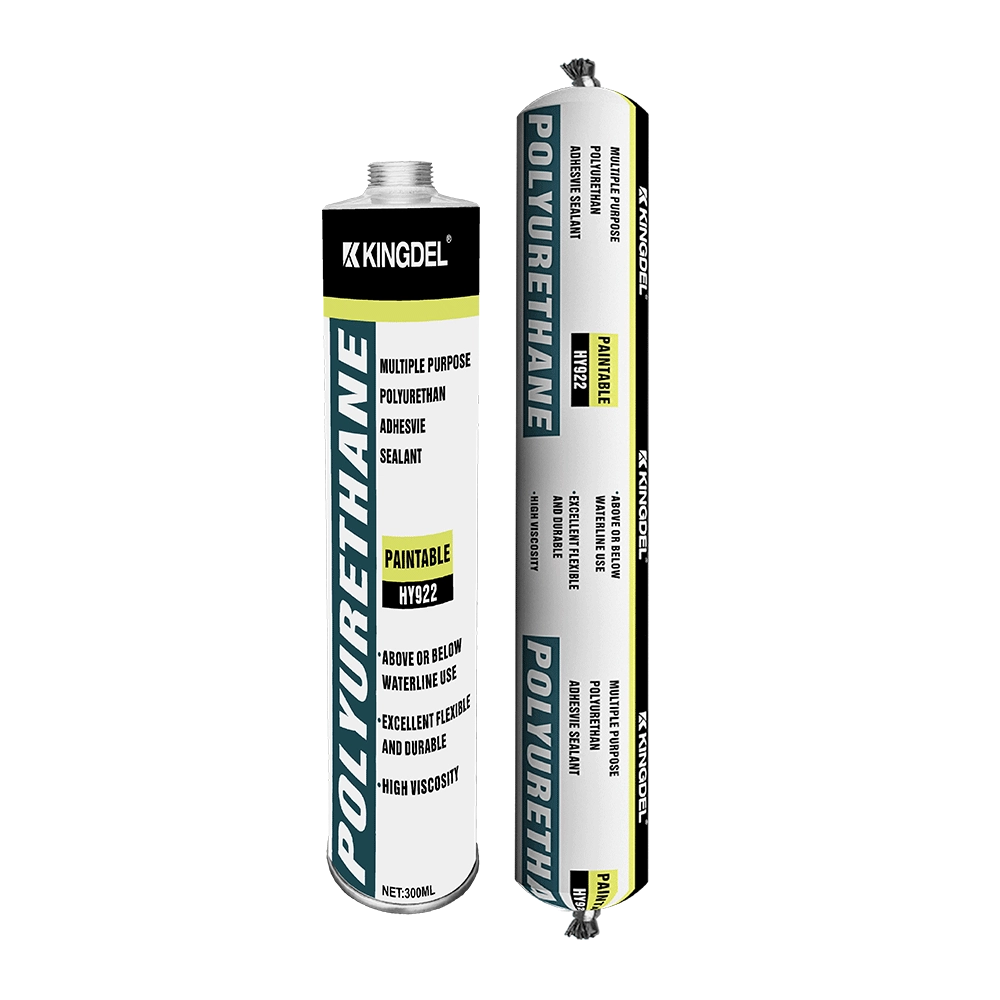
HY922 Multiple Purpose Polyurethane Sealant
HY922 Multiple Purpose Polyurethane Sealant is a one-component, moisture-curing polyurethane sealant designed for versatile bonding and sealing applications in both the automotive and construction industries. It cures to form a flexible yet tough elastomeric joint with excellent adhesion to a wide range of substrates. The formulation is non-corrosive, solvent-free, and produces a smooth, bubble-free finish during application.
HY922 delivers fast surface drying and quick positioning, improving installation efficiency while maintaining long-term durability. With strong weather resistance and good creep resistance, it performs reliably in demanding indoor and outdoor environments, including moist and partially submerged conditions.
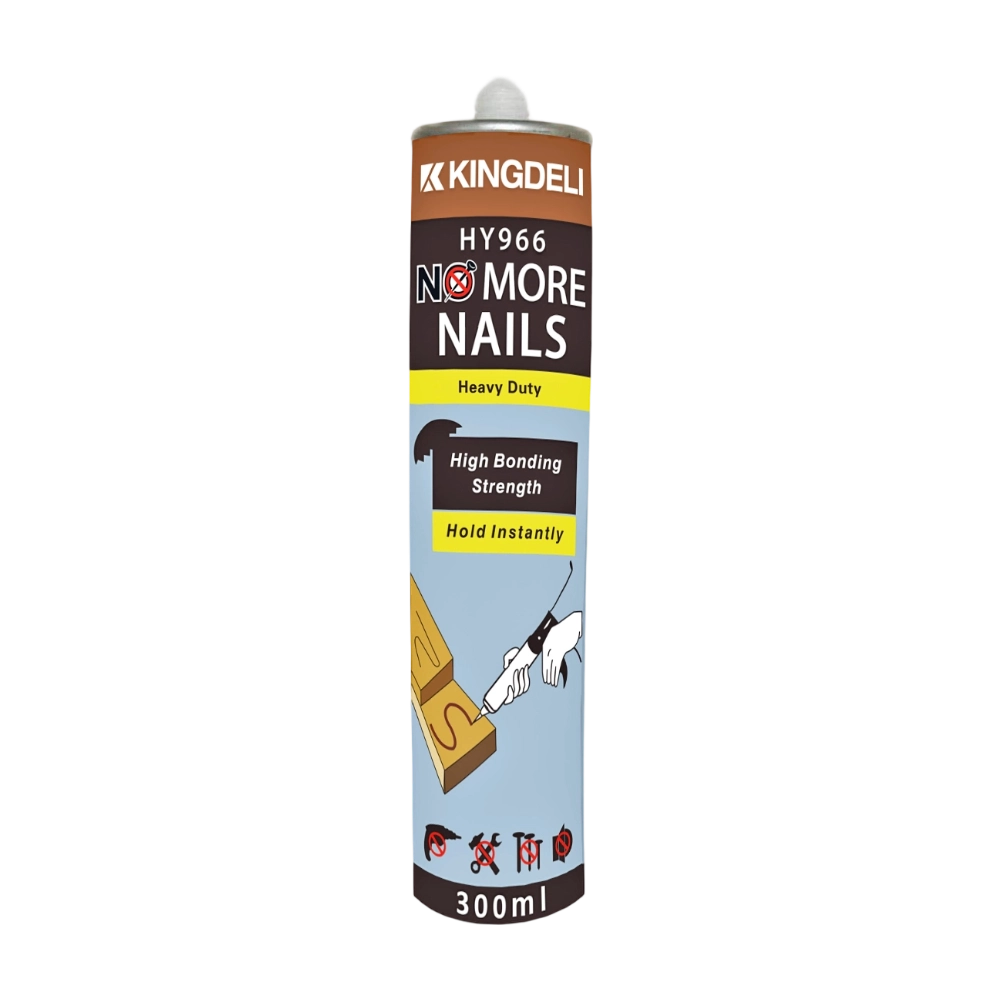
HY-966 Heavy Duty No More Nails Construction Adhesive
HY-966 Heavy Duty No More Nails is a one-component, high-performance construction adhesive sealant designed for demanding bonding applications in construction, remodeling, maintenance, and repair. Its instant grab formulation secures materials immediately, significantly reducing the need for bracing or mechanical fixing during installation.
HY-966 cures reliably in moist environments and delivers durable adhesion across a wide range of substrates. It provides excellent resistance to water, temperature variation, and aging, ensuring long-term performance in interior construction applications.
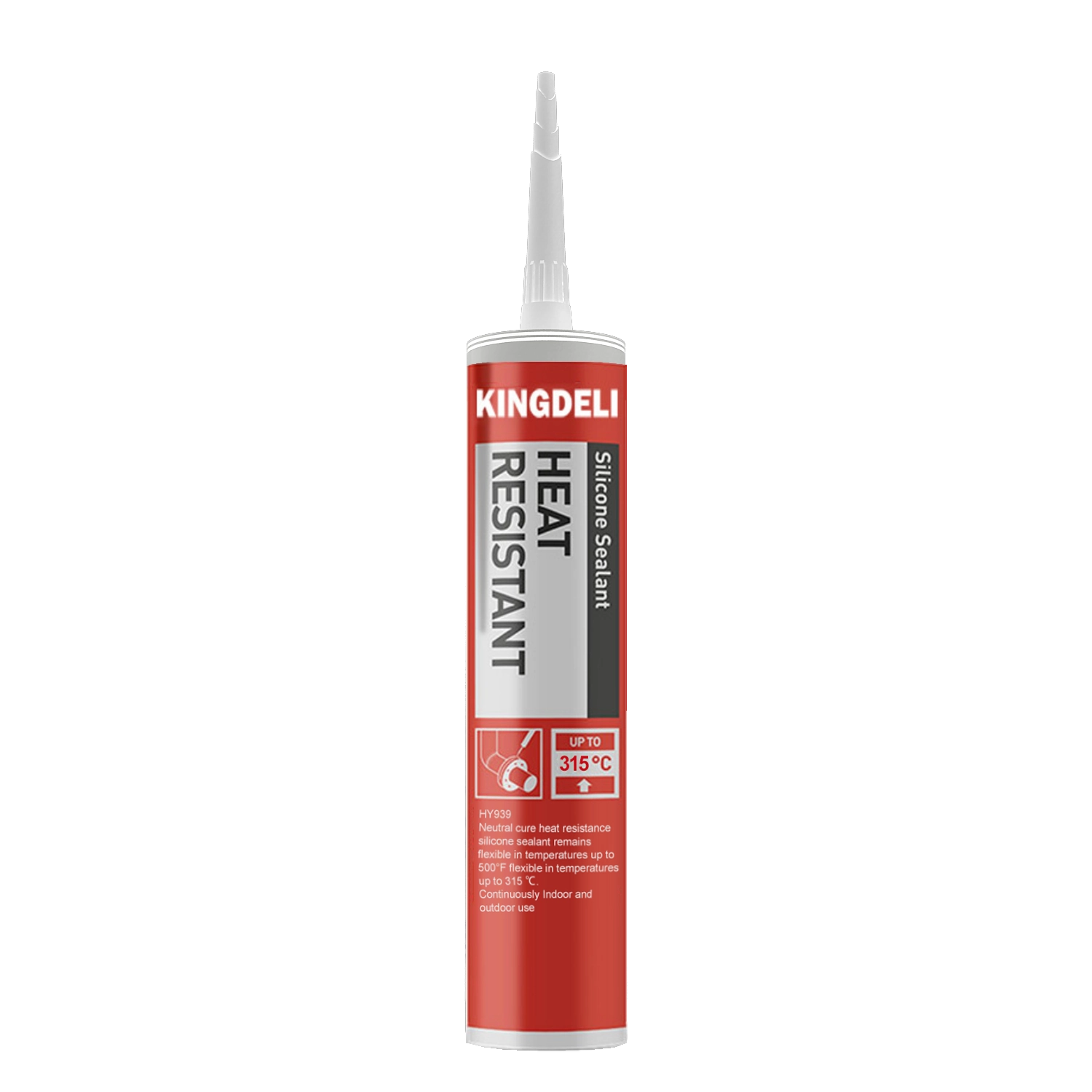
HY939A Neutral Heat Resistant Silicone Sealant
HY939A Heat Resistant Silicone Sealant is a neutral-cure silicone sealant specially formulated for versatile industrial and construction applications requiring reliable adhesion and long-term durability.
The sealant provides strong, non-corrosive adhesion to a variety of substrates, including glass, metal, gypsum board, marble, and certain plastics, making it ideal for both structural and sealing purposes.
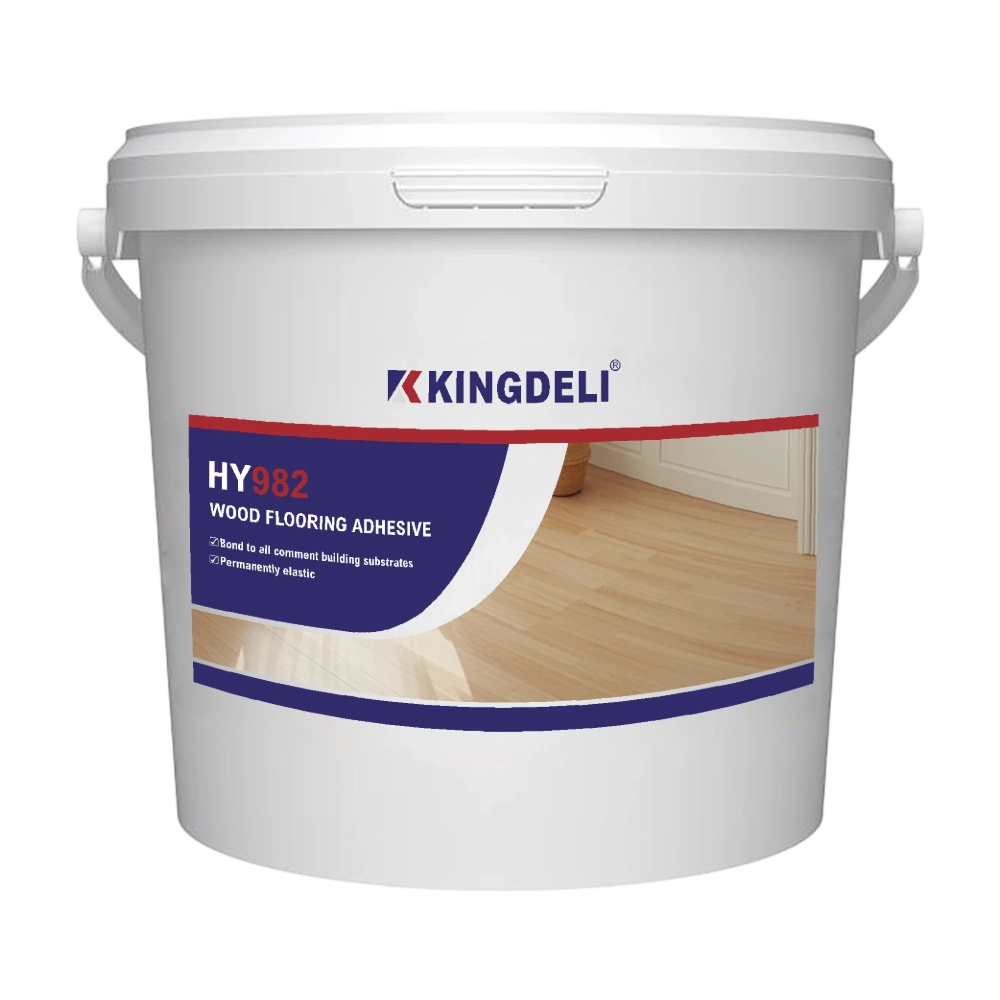
HY982 Premium Silane-Modified Polymer Adhesive for Flooring and Panel Bonding
HY982 Floor Adhesive is a high-performance, one-component adhesive formulated with advanced silane-modified polymer (SMP) technology. It is paintable, non-staining, and environmentally friendly, offering exceptional bonding strength without the need for a primer.
Designed for modern interior installations, HY982 Floor Adhesive provides excellent adhesion to wood, metal, stone, sintered slabs, glass, ceramics, and many other common building materials—making it the ideal choice for flooring installation and panel bonding applications crystal clear formulation.
Let’s Build Stronger Bonds with Quality Adhesives and Sealants
Have questions about the topic or need tailored sealant solutions for your project?
Our team is ready to provide expert guidance, product recommendations, and application support.
Innovating with Integrity, Bonding the World
Since 1998, KINGDELI has delivered trusted, sustainable sealant solutions that connect industries and inspire progress worldwide.
Whatsapp: +8618825946249
Kingdeli
Kingdeli
Kingdeli
Kingdeli
Kingdeli