











What VOC levels are typical for commercial silicone sealant? | Insights by KINGDELI
As a procurement or specification professional in the sealants & adhesives sector, VOC (volatile organic compound) numbers in supplier datasheets and SDSs are a frequent pain point. Below are 7 specific, procurement-oriented long-tail questions buyers actually ask — with concise, up-to-date answers and authoritative references you can use directly in RFQs and product acceptance checks.
1) What VOC levels (g/L) should I expect for 100% silicone sealants vs hybrid and polyurethane sealants?
Typical, real-world VOC ranges you will see on technical datasheets and SDSs:
- 100% silicone (RTV, acetoxy or neutral cure): typically reported as very low or “0” g/L VOC; many commercial RTV silicones test <10 g/L or report non-VOC status because they contain no organic solvents. They may, however, emit acetic acid (acetoxy cure) or small amounts of alcohol/oxime during cure — these are not always classed as VOC by some methods but can cause odor.
- Silane‑modified polymers (SMP / MS polymers): wide range depending on formulation — commonly 10–150 g/L. Low-VOC waterborne or solvent-reduced grades are available in the lower end.
- Polyurethane (PU) sealants: commonly 50–250+ g/L depending on solvent content and whether they are solvent-borne or 100% solids. 100% solids PU have very low VOCs; solvent-borne PUs have higher VOCs.
- Solvent‑borne or solvent‑based acrylic/other sealants: typically 150–500 g/L or higher for older solvent systems.
Note: manufacturers often declare VOC in g/L per EPA/industry methods; always check the test method and the date on the report. For context on VOC health and indoor-air impact see the EPA overview: EPA - VOCs & Indoor Air Quality.
2) How can I verify a supplier's low-VOC claim during procurement?
Ask for the following — include them as mandatory deliverables in your RFQ or contract:
- VOC content test report with test method named (e.g., EPA Method 24 or equivalent local method) and date of test.
- Material Safety Data Sheet (SDS) and Technical Data Sheet (TDS) — verify the listed VOC number matches the lab report.
- Certificate of Analysis (COA) or manufacturer declaration signed by a qualified technical rep.
- Third‑party product certification where applicable (e.g., UL GREENGUARD/Greenguard Gold).
EPA Method 24 and other standard methods are commonly referenced for coatings and sealants — specify the method to avoid ambiguity. Guidance on VOC measurement and definitions is available from the EPA: EPA VOC guidance.
3) Acetoxy (acetic-acid) silicones smell strong — are they high‑VOC?
No — odor ≠ VOC content. Acetoxy silicones release acetic acid during cure which produces a vinegar-like odor but acetic acid is not always classed as a volatile organic compound under some VOC test definitions used for product labeling. Many acetoxy silicones still test with very low VOC (often <10 g/L or reported as zero by manufacturers). That said, the odor and acid byproduct can be unacceptable for sensitive interiors, so specify cure chemistry (acetoxy vs neutral cure) in the procurement specification when odor, substrate sensitivity, or corrosion potential is a concern.
Tip: If odor or corrosive byproducts are unacceptable (e.g., electronics, marble, copper), require neutral-cure (oxime/alkoxy/alkenoxy) or specialty low‑odor silicones in the spec.
4) What VOC documentation or certifications should I require for LEED, WELL, hospital, or school projects?
Commonly accepted evidence for VOC performance:
- Manufacturer VOC lab report (EPA Method 24 or equivalent).
- Product certification such as UL GREENGUARD/Greenguard Gold (for low chemical emissions) — see UL GREENGUARD program: UL GREENGUARD.
- Compliance with local regulatory requirements (e.g., South Coast AQMD Rule 1168 for CA: see the rule document for local adhesive/sealant limits and labeling expectations — SCAQMD Rule 1168).
- For LEED and WELL, reference the applicable credits and supply the product VOC values that meet the threshold in those programs; include certification numbers where available.
Adhesives & Sealants Council (ASC) is an industry resource for standards and guidance you can cite in specs: Adhesives & Sealants Council.
5) How should I specify VOC limits in contracts so bids are comparable and enforceable?
Make VOC requirements explicit and test‑method specific. Sample procurement language:
VOC content shall not exceed X g/L measured by EPA Method 24 (or equivalent local method). Supplier shall provide a dated laboratory report, SDS, and COA for the lot supplied. Non-compliant lots will be rejected at supplier expense.
Other enforceable items:
- Accept only reports from accredited labs (ISO/IEC 17025 preferred).
- Specify acceptable cure chemistries or odor limits if applicable (e.g., neutral-cure required for sensitive interiors).
- Include sample testing clause allowing purchaser to perform confirmatory VOC testing at supplier expense if discrepancy found.
6) How does VOC content affect sealant performance, curing, and shelf life?
Important relationships buyers should know:
- 100% solids silicones and many neutral-cure chemistries rely on moisture for cure — they can have low VOCs and long shelf life when stored properly.
- Solvent-containing sealants (higher VOC) often have faster skin formation/drying due to solvent evaporation, but solvents can increase shrinkage and reduce long-term elasticity in some formulations.
- Very low-VOC or zero-VOC formulations sometimes use reactive chemistries that require strict humidity control during cure; specify ambient conditions in the installation spec.
Summary: low VOC does not automatically mean poor performance — but procurement must match formulation to the job (movement capability, adhesion to substrates, cure environment).
7) Practical calculation — how to estimate VOC mass released from sealant on a job?
Quick calculation you can run during tendering to assess indoor emissions:
Example: You install 10 cartridges of 300 mL (0.3 L) each = 3.0 L total product. If product VOC = 5 g/L (low-VOC silicone):
- Total VOC mass = VOC (g/L) × liters used = 5 g/L × 3.0 L = 15 g VOC released.
- Convert to mg for indoor concentration: 15 g = 15,000 mg. In a 100 m3 room, instant-average concentration (ignoring ventilation/losses) = 150 mg/m3 = 150,000 µg/m3. In practice, ventilation and sorption reduce peak concentrations rapidly, but the calculation shows magnitude and why ventilation matters.
Interpretation: smaller grams-per-liter numbers dramatically reduce potential initial VOC load. For projects in occupied spaces or with strict IAQ requirements, the difference between 5 g/L and 200 g/L is material — specify low g/L in procurement and include ventilation/flush schedules in the installation spec. For EPA background on VOCs and indoor air, see: EPA - VOCs & Indoor Air Quality.
Procurement checklist — what to ask for in the RFQ / RFP
- Require VOC (g/L) and the testing standard (e.g., EPA Method 24 or accredited lab equivalent).
- Supply SDS, TDS, and COA for each SKU and batch (lot traceability).
- Specify cure chemistry (acetoxy vs neutral) where substrate or odor sensitivity matters.
- Ask for UL GREENGUARD or equivalent if project requires low chemical emissions certification.
- Include acceptance testing and rejection terms if delivered product exceeds the stated VOC limit.
- For large jobs, require supplier to provide representative sample cartridges from the production lot for on-site or third-party confirmatory testing.
References and standards
- EPA — Volatile Organic Compounds and indoor air quality (overview): https://www.epa.gov/indoor-air-quality-iaq/volatile-organic-compounds-impact-indoor-air-quality
- SCAQMD Rule 1168 — Adhesive and Sealant VOC requirements (local regulatory example): https://www.aqmd.gov/docs/default-source/rule-book/reg-xi/rule-1168.pdf
- UL GREENGUARD certification program (emission standards/verification): https://www.ul.com/services/greenguard-certification
- Adhesive & Sealant Council (industry resources and technical guidance): https://www.ascouncil.org
Why choose KINGDELI for low‑VOC sealants?
KINGDELI provides a range of commercial silicone and hybrid sealants formulated for low VOC emissions and dependable field performance. Procurement advantages:
- Clear, auditable VOC documentation — EPA Method 24 reports and ISO/IEC 17025 lab certificates available on request.
- Product breadth: 100% silicone, neutral-cure low-odor silicones, and low-VOC MS polymer alternatives to match substrate and indoor‑air constraints.
- Third‑party certifications available (GREENGUARD and other regional approvals) for projects with stringent IAQ requirements.
- Technical support for spec writing, on-site mockups, and cure/ventilation guidance to ensure installed performance.
- Competitive lead times and lot traceability with COAs provided to large projects.
Contact KINGDELI: visit www.kingdelisealant.com or email technical enquiries to info@kingdeliadhesive.com.
If you want, I can convert this into a short procurement clause and sample RFQ text you can paste into your tender documents or spec book.
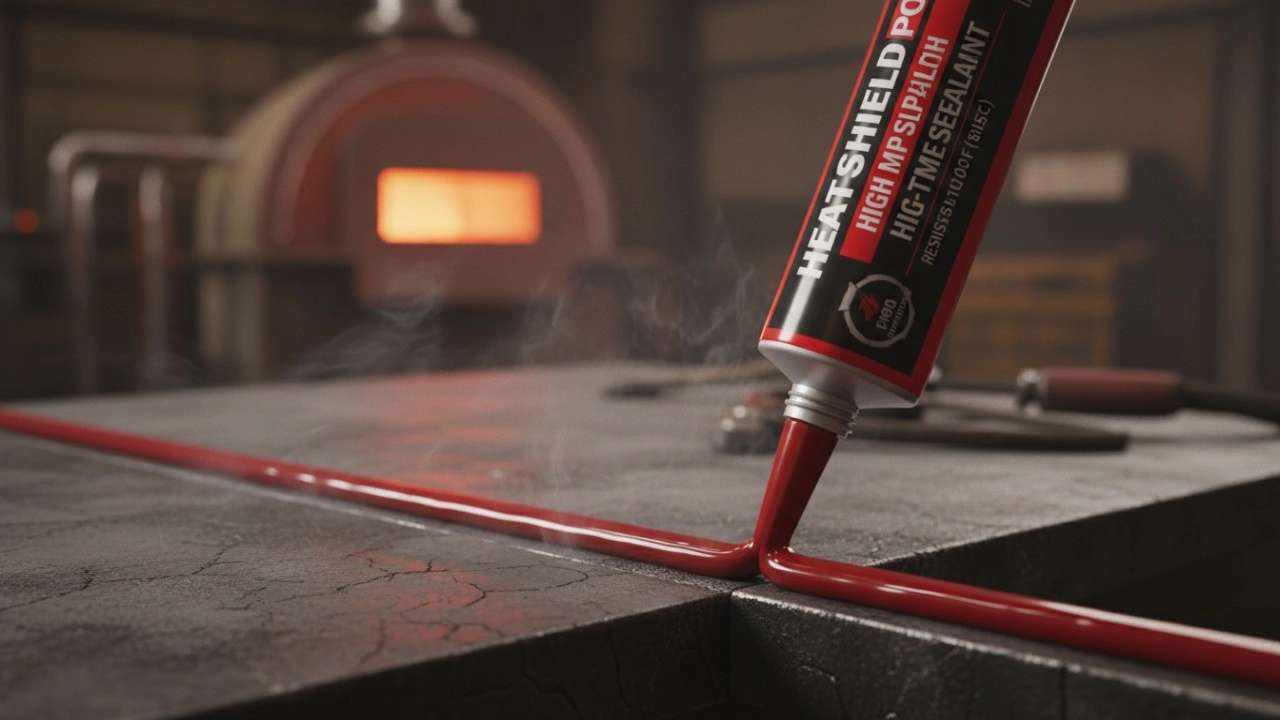
How to Apply High Temperature Silicone Sealant Like a Pro: 5 Secrets for a Lifetime Seal
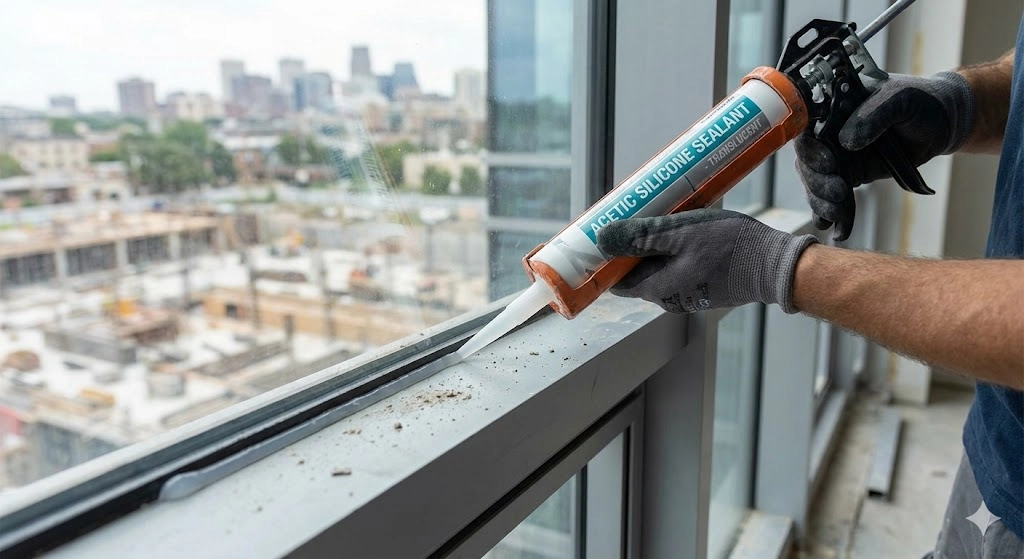
Acid Cure vs. Neutral Silicone: Why Choose Acetic Silicone Sealant for Glass?
7 Critical Mistakes to Avoid When Using Neutral Silicone Sealant for High-End Projects
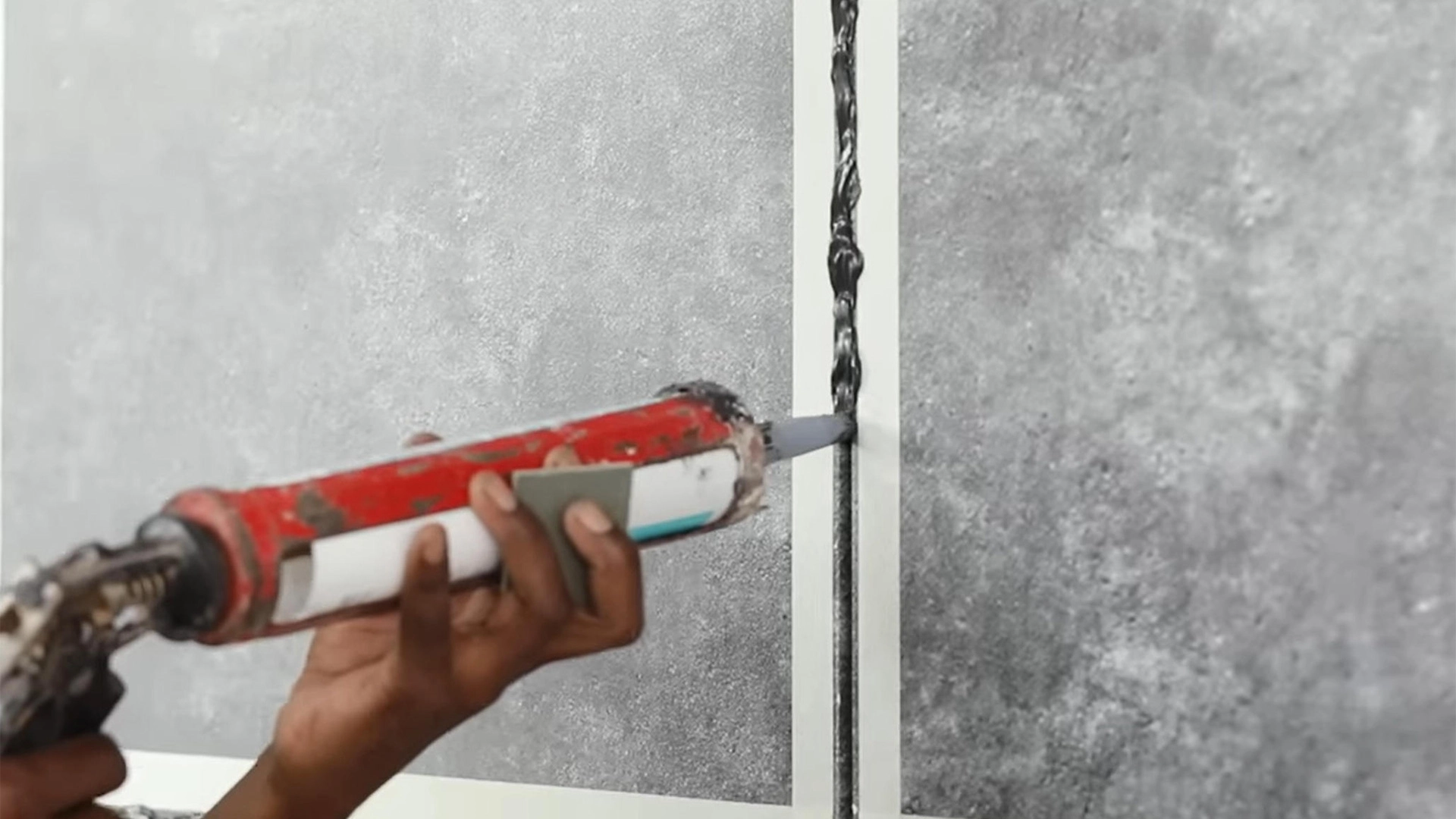
What’s the Difference Between Silicone Sealant and MS Adhesive for ACP?
HY982
Is HY982 suitable for flooring installation?
Yes. HY982 is specifically designed for wood flooring, PVC flooring, and panel installation, offering strong initial tack, long-term elasticity, and excellent durability.
HY994
Can HY994 be used outdoors?
Yes.HY994 has excellent weather resistance, UV stability, and long-term aging performance, making it suitable for both interior and exterior applications.
HY-2100
What materials does HY-2100 adhere to?
HY-2100 bonds well to most common building substrates including glass, aluminum, stainless steel, tile, marble, cement, plastic, and non-oily wood.
What is the shelf life?
Cartridge: 9–12 months depending on storage conditions
Aluminum foil sausage: 12 months
HY924
How should surfaces be prepared?
Ensure surfaces are clean, dry, and free from dust, oil, and contaminants. Clean with appropriate solvent if needed.
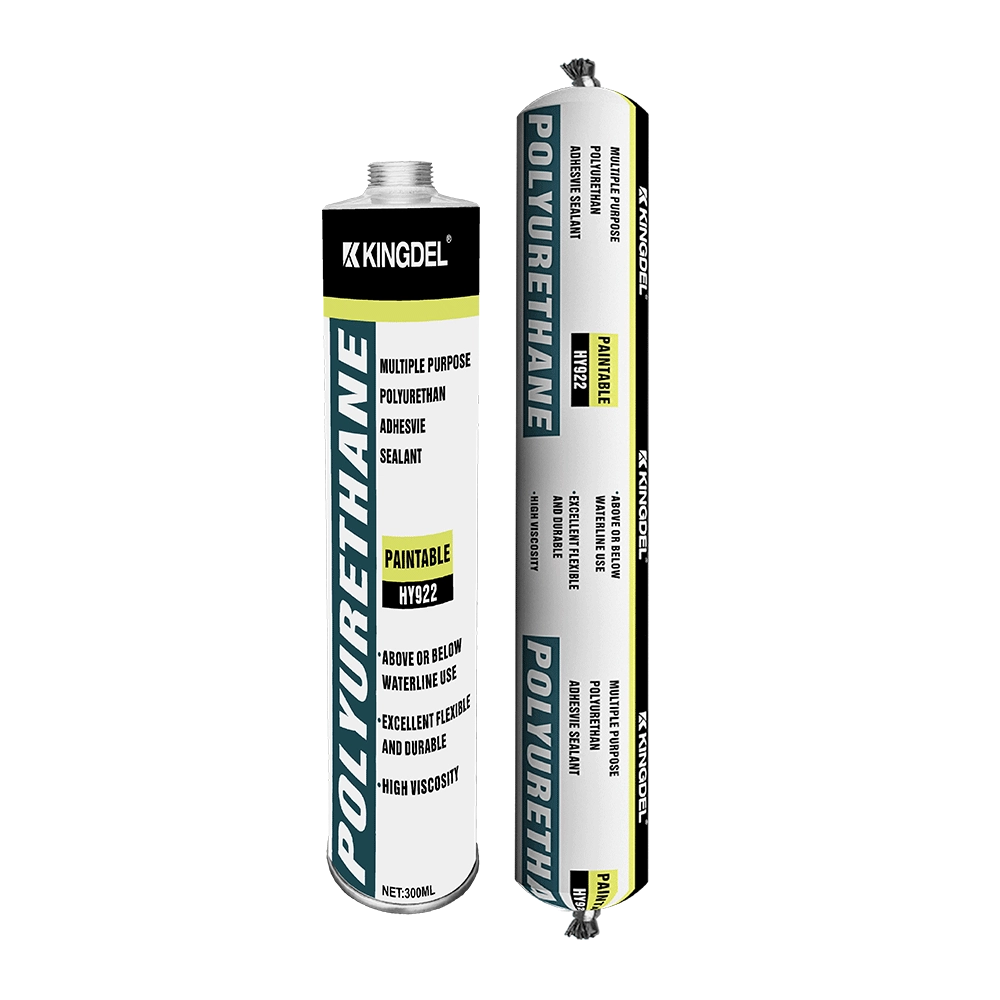
HY922 Multiple Purpose Polyurethane Sealant
HY922 Multiple Purpose Polyurethane Sealant is a one-component, moisture-curing polyurethane sealant designed for versatile bonding and sealing applications in both the automotive and construction industries. It cures to form a flexible yet tough elastomeric joint with excellent adhesion to a wide range of substrates. The formulation is non-corrosive, solvent-free, and produces a smooth, bubble-free finish during application.
HY922 delivers fast surface drying and quick positioning, improving installation efficiency while maintaining long-term durability. With strong weather resistance and good creep resistance, it performs reliably in demanding indoor and outdoor environments, including moist and partially submerged conditions.
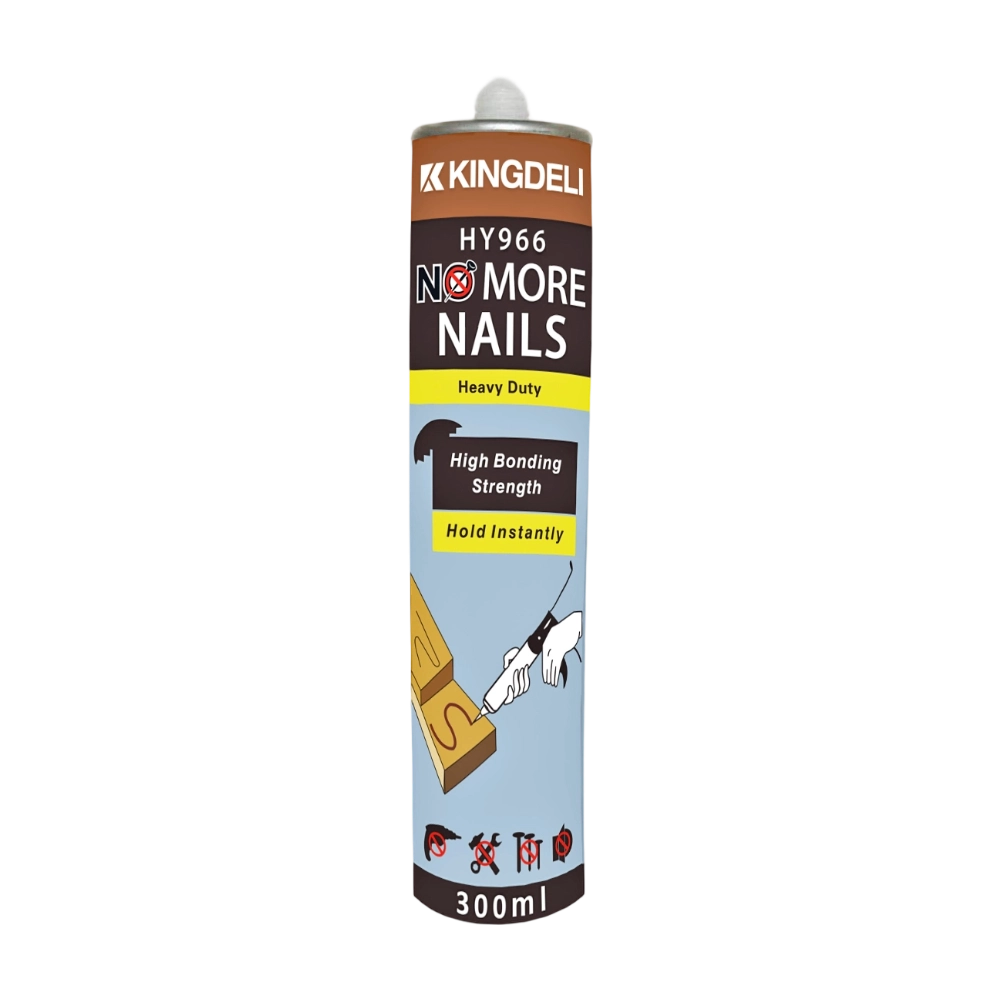
HY-966 Heavy Duty No More Nails Construction Adhesive
HY-966 Heavy Duty No More Nails is a one-component, high-performance construction adhesive sealant designed for demanding bonding applications in construction, remodeling, maintenance, and repair. Its instant grab formulation secures materials immediately, significantly reducing the need for bracing or mechanical fixing during installation.
HY-966 cures reliably in moist environments and delivers durable adhesion across a wide range of substrates. It provides excellent resistance to water, temperature variation, and aging, ensuring long-term performance in interior construction applications.
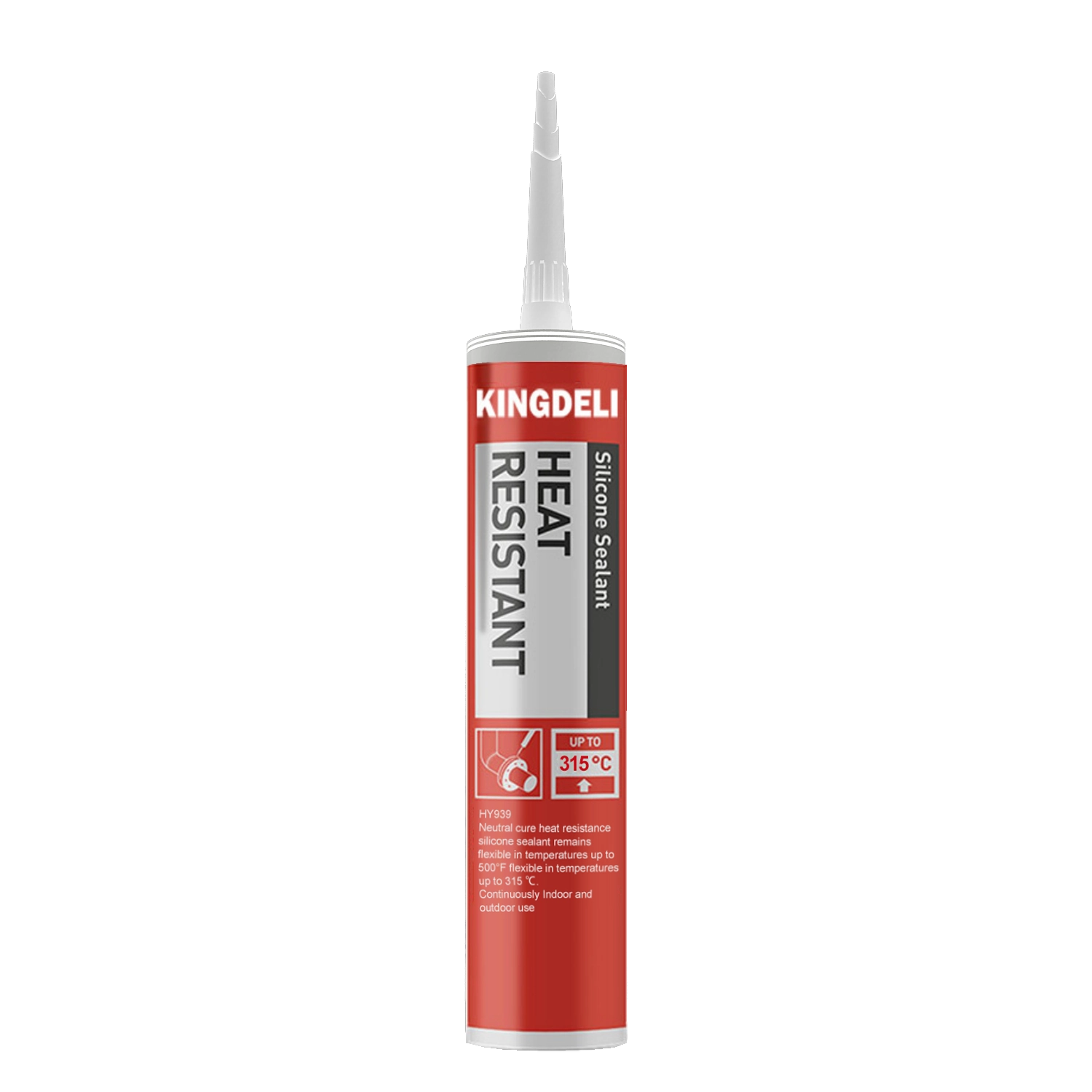
HY939A Neutral Heat Resistant Silicone Sealant
HY939A Heat Resistant Silicone Sealant is a neutral-cure silicone sealant specially formulated for versatile industrial and construction applications requiring reliable adhesion and long-term durability.
The sealant provides strong, non-corrosive adhesion to a variety of substrates, including glass, metal, gypsum board, marble, and certain plastics, making it ideal for both structural and sealing purposes.
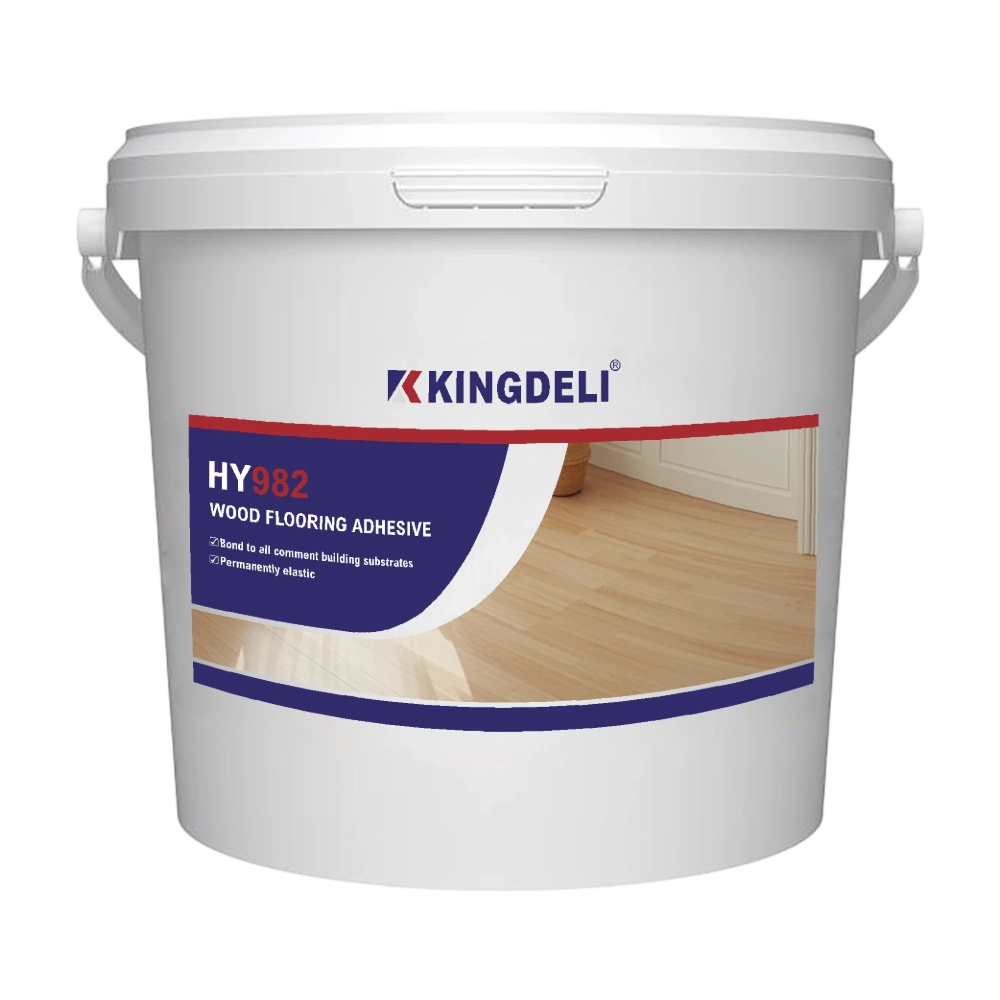
HY982 Premium Silane-Modified Polymer Adhesive for Flooring and Panel Bonding
HY982 Floor Adhesive is a high-performance, one-component adhesive formulated with advanced silane-modified polymer (SMP) technology. It is paintable, non-staining, and environmentally friendly, offering exceptional bonding strength without the need for a primer.
Designed for modern interior installations, HY982 Floor Adhesive provides excellent adhesion to wood, metal, stone, sintered slabs, glass, ceramics, and many other common building materials—making it the ideal choice for flooring installation and panel bonding applications crystal clear formulation.
Let’s Build Stronger Bonds with Quality Adhesives and Sealants
Have questions about the topic or need tailored sealant solutions for your project?
Our team is ready to provide expert guidance, product recommendations, and application support.
Innovating with Integrity, Bonding the World
Since 1998, KINGDELI has delivered trusted, sustainable sealant solutions that connect industries and inspire progress worldwide.
Whatsapp: +8618825946249
Kingdeli
Kingdeli
Kingdeli
Kingdeli
Kingdeli