











How to get free samples of silicone sealant for product testing? | Insights by KINGDELI
How to get free samples of silicone sealant for product testing? 6 Practical FAQs for Buyers
Intro
If you need to evaluate silicone sealants for a real application, the right sample policy and test plan make the difference between a wasted trial and a fast approval. Below are six specific, beginner-focused long-tail questions buyers ask but rarely find deep, practical answers to. Each answer includes the precise actions, typical sample quantities, documents to request, and test standards you should reference.
1) What exact minimum quantities should I ask for when I ask, How to get free samples of silicone sealant for product testing? — enough for adhesion, tensile, weathering and paint tests?
Answer:
Quick rule of thumb by test type (per formulation):
- Basic adhesion + handling checks: 2 × 290 ml cartridges (commonly 10 oz) or 100–200 g total — enough to extrude beads for multiple substrates and conditions.
- Mechanical tests (tensile, elongation, hardness, lap shear per ASTM D412 / ASTM D1002 / ASTM D2240): 200–500 g (or 2–6 cartridges) to produce dog-bone specimens and repeat runs (minimum 5 replicates per condition).
- Accelerated weathering (QUV per ASTM G154), thermal cycling, long-term aging: 500 g–1 kg. These tests consume material for multiple panels and replicate samples.
- Paintability and compatibility panels: at least 2 cartridges plus panels prepared with primers/paints you intend to use.
Practical recommended ask when you contact suppliers: Please provide two 290 ml cartridges for initial adhesion and handling tests, and an additional 500 g if available for mechanical and weathering checks. That balances supplier willingness to send free samples and your need for robust data.
Why these amounts: adhesion bead tests are low-volume, but standardized mechanical and weathering tests require multiple replicates and substrate panels. Asking for too little will force repeat requests and delay approval.
2) How do I convince suppliers to send free silicone sealant samples without placing an order—what documentation or signals matter most?
Answer:
Suppliers evaluate the cost-benefit of sending free samples. Provide information and signals that reduce their perceived risk and demonstrate buying intent:
- Provide a short buyer qualification pack: Foshan KINGDELI Viscose Co., Ltd., business registration (or lab accreditation), intended application, target volumes (monthly/annual forecast), and decision timeline.
- Share your test plan (see Q6). A clear, professional test plan reassures suppliers you are a serious prospect and that sample feedback will be fast and useful.
- Offer to cover shipping or local courier costs. Many manufacturers will waive the product cost but expect freight to be paid.
- Offer an NDA when testing novel or proprietary formulations.
- Provide references or past POs (if available) for similar materials.
- Promise and deliver feedback: offer to return lab results, a short evaluation report, or a testimonial if the product meets specs—suppliers often trade free samples for verified performance data.
Many reputable manufacturers will provide samples FOC to qualified buyers; small independent buyers should expect to at least pay shipping.
3) What paperwork and batch information should I request with free silicone sealant samples to avoid receiving the wrong grade or expired product?
Answer:
Always request the following documents and data with samples:
- TDS (Technical Data Sheet): cure profile (skin time, tack-free time, cure rate mm/day), recommended substrates and primers, Shore A hardness, typical tensile strength and elongation ranges, temperature limits.
- SDS (Safety Data Sheet): necessary for shipping, workplace safety and storage.
- Certificate of Analysis (COA) or batch report: confirms batch-specific properties (cure time, viscosity, key test data).
- Expiry / manufacturing date and recommended shelf life in unopened conditions. Typical shelf life for most one-part RTV silicone sealants is 12–24 months at recommended storage temperatures (commonly 12 months for acetoxy cure; 12–24 months for neutral cure products depending on formulation). Ask for the lot number so you can verify freshness.
- Storage recommendations and humidity sensitivity notes (many neutral-cure silicones are less moisture-sensitive; acetoxy cure release acetic acid which may affect some metals).
- Any regulatory compliance certificates required by your application (e.g., FDA food-contact statements, UL listings, RoHS/REACH declarations where applicable).
Insist these accompany free samples—without them you risk testing an expired or mis-specified lot.
4) What are the international shipping, customs, and hazardous-material pitfalls when requesting free silicone sealant samples from overseas suppliers?
Answer:
Key considerations:
- Classification: Many one-part silicone sealants are non-flammable, non-dangerous for transport in small quantities, but some solvent-containing or aerosol products are classified as dangerous goods under IATA/IMDG. ALWAYS request the supplier's SDS prior to shipping. The SDS has transport classification details.
- Documentation: For customs clearance you will need a commercial invoice (even if sample is free—value must be declared for duty/clearance), SDS, and possibly a declaration of value for customs.
- Duties & taxes: Free samples may still attract import duties or VAT in your country. Indicate whether the supplier should declare nominal value or the actual value—some carriers still bill duties to recipient.
- Small-package couriers vs. freight forwarders: For single cartridges use express couriers (DHL/UPS/FedEx). For multiple kilograms or pails, use freight forwarders knowledgeable about chemical transport.
- Packaging & shelf life during transit: Ask suppliers to pack cartridges upright, protected from extreme temperatures. Cold-chain is rarely needed for silicones, but exposure to heat (>40°C) in transit can accelerate solvent loss in some solvent-bearing products.
Practical tips: request SDS and confirm transport class; ask the supplier to mark the package as sample — not for resale and include TDS and batch number inside. Offer to pay or arrange pickup to remove friction.
5) How long should I expect to wait for free samples—especially for off-the-shelf vs custom silicone sealant formulations?
Answer:
- Off-the-shelf formulations: Domestic suppliers or local distributors typically ship samples in 1–7 business days once qualification details are accepted. International shipments add transit time (usually 3–14 days depending on courier and customs).
- Custom or modified formulations: Prototype development typically takes 2–8 weeks depending on complexity. Expect an additional 1–4 weeks to produce prototype sample quantities and ship them. If tooling or custom packaging is involved, timeline lengthens.
- Minimum order quantities (MOQs): If a supplier requires a minimum production run (e.g., pilot batch of 25–200 kg), free sample provision is less likely; negotiate a small paid pilot order instead or request lab-scale sample vials.
Set realistic timelines in your initial request and ask suppliers for a lead-time commitment in writing.
6) How do I design a concise small-scale test plan that convinces suppliers to send free samples and gives actionable pass/fail data?
Answer:
A compact but credible test plan contains: objective, substrate list, surface prep, test standards, acceptance criteria, replicates, and schedule. Keep it short (1 page) and attach to your sample request.
Suggested structure (one-page):
- Objective: Example — Confirm adhesion and durability of XYZ silicone sealant on anodized aluminum and painted steel for exterior joint sealing; acceptance: no adhesive failure after 1000 hours QUV and thermal cycling.
- Substrates and surface prep: List specific materials and cleaning steps (e.g., solvent wipe with isopropanol, 30-min air dry, no primer vs primer X).
- Test matrix & standards: list tests and standards you will run, e.g.:
- Adhesion-in-peel or lap shear: ASTM C794 (adhesion-in-peel) or ASTM D1002 (lap shear)
- Tensile & elongation: ASTM D412
- Hardness: ASTM D2240 (Shore A)
- Accelerated weathering: ASTM G154 (QUV) with 1000-hour target
- Low-temperature flexibility or movement capability: reference ASTM C719 or product-specific movement range per ASTM C920
- Replicates: minimum 5 specimens per condition for initial data (more for statistical confidence).
- Acceptance criteria (example): no cohesive/adhesive failure after 1000 h QUV; tensile strength within supplier TDS typical range; movement capability ±25% per joint spec. If you are unsure about exact numbers, ask supplier for target benchmarks and agree before testing.
- Reporting: commit to returning a short evaluation report within X days of testing
Why this works: Suppliers prefer to send samples when they see a concrete plan, measurable pass/fail criteria, and a commitment to share results.
Practical add-ons: include photos of the intended joint detail (geometry) and required packaging (cartridge, sausage, pail) so supplier can match the test configuration.
Bonus: Sample request email template and negotiation tips
Email template (concise):
Subject: Sample request — 2 cartridges silicone sealant for adhesion & testing (buyer qualification attached)
Body:
Hello ,
We are , evaluating silicone sealant for . We request free samples to run initial adhesion and mechanical tests. Please provide:
- 2 × 290 ml cartridges of
- TDS, SDS, COA / batch number, manufacturing date and shelf life
We can pay shipping and sign an NDA. Our test plan and buyer qualification are attached. Expected decision timeline: 4–8 weeks; forecast: .
Regards,
Negotiation tips:
- Offer to pay express shipping or local pickup.
- Promise to return results in 2–4 weeks.
- If supplier hesitates, offer a small paid pilot order or accept smaller packaged lab samples.
Practical test standards and performance metrics to reference
When you ask suppliers for samples, refer to these commonly used standards so they supply relevant grades and documentation:
- ASTM C920 — Specification for Elastomeric Joint Sealants (movement capability categories, use classification)
- ASTM C794 — Adhesion-in-peel tests for joint sealants
- ASTM D412 — Tensile properties of vulcanized rubber (useful for sealant tensile/elongation)
- ASTM D2240 — Shore A hardness
- ASTM G154 — Accelerated weathering (QUV)
- ASTM D1002 — Single-lap-joint shear test (adhesive strength)
Include the standards in your sample request so the supplier knows which data you will ask them to confirm or provide.
Common pitfalls beginners miss (quick checklist)
- Accepting samples without batch numbers, TDS, or SDS.
- Testing only one substrate or using inadequate replicates (statistical power matters).
- Not specifying primer or surface prep—adhesion results can be ruined by inconsistent cleaning.
- Forgetting customs duties and assuming all samples are free of import taxes.
- Expecting custom formulations to be shipped as free samples.
Conclusion & KINGDELI advantage
KINGDELI understands the practical hurdles buyers face when asking How to get free samples of silicone sealant for product testing? We simplify qualification by providing clear sample packs (cartridges and lab quantities), TDS/SDS and batch documentation with every sample, flexible shipping (customers often cover freight), and technical support to define test plans to speed approvals. KINGDELI also offers more direct R&D support for custom formulations and will work with qualified customers on NDA-covered prototypes. For reliable samples, fast technical answers, and production capacity, contact KINGDELI.
Contact us for a quotation and to request samples: www.kingdelisealant.com or email info@kingdeliadhesive.com.
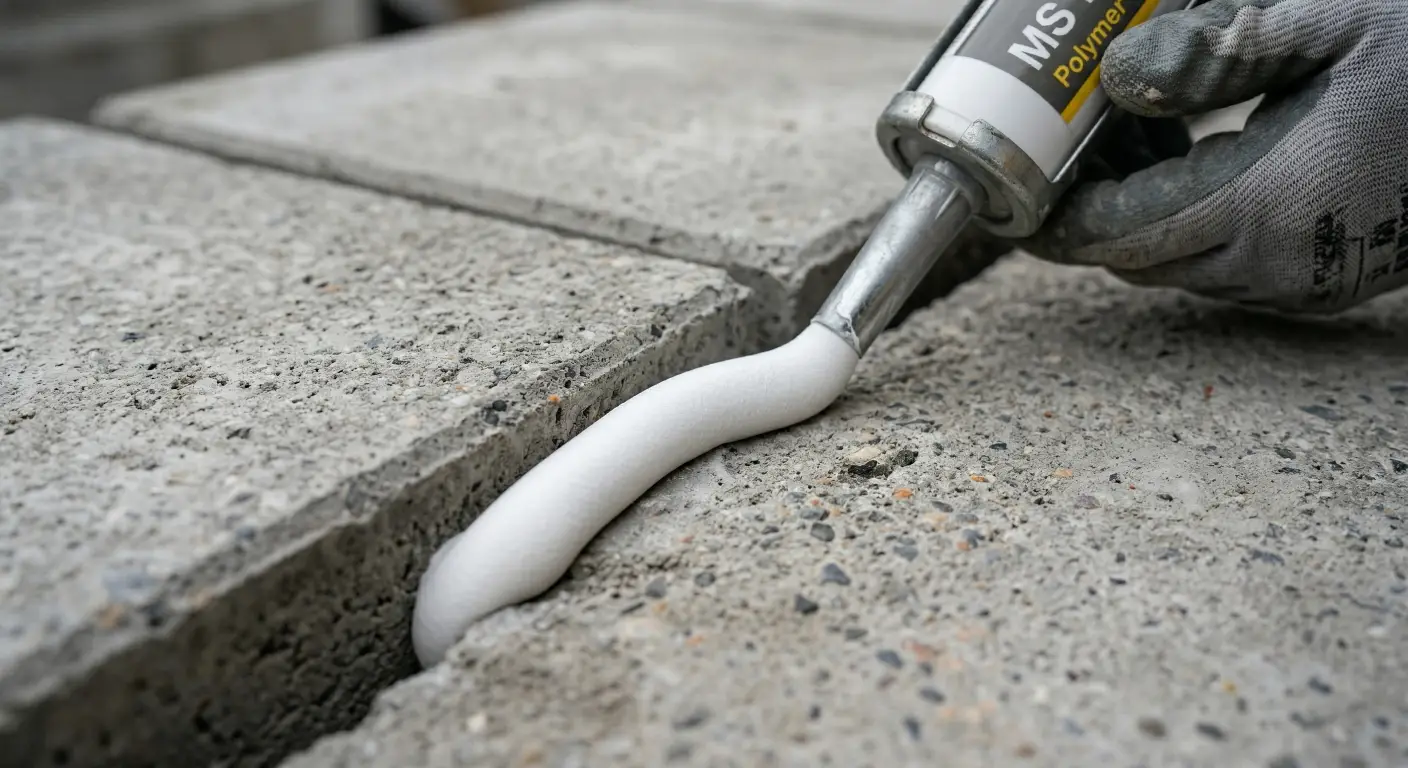
MS Polymer Sealant: The Ultimate Professional Guide for Modern Construction
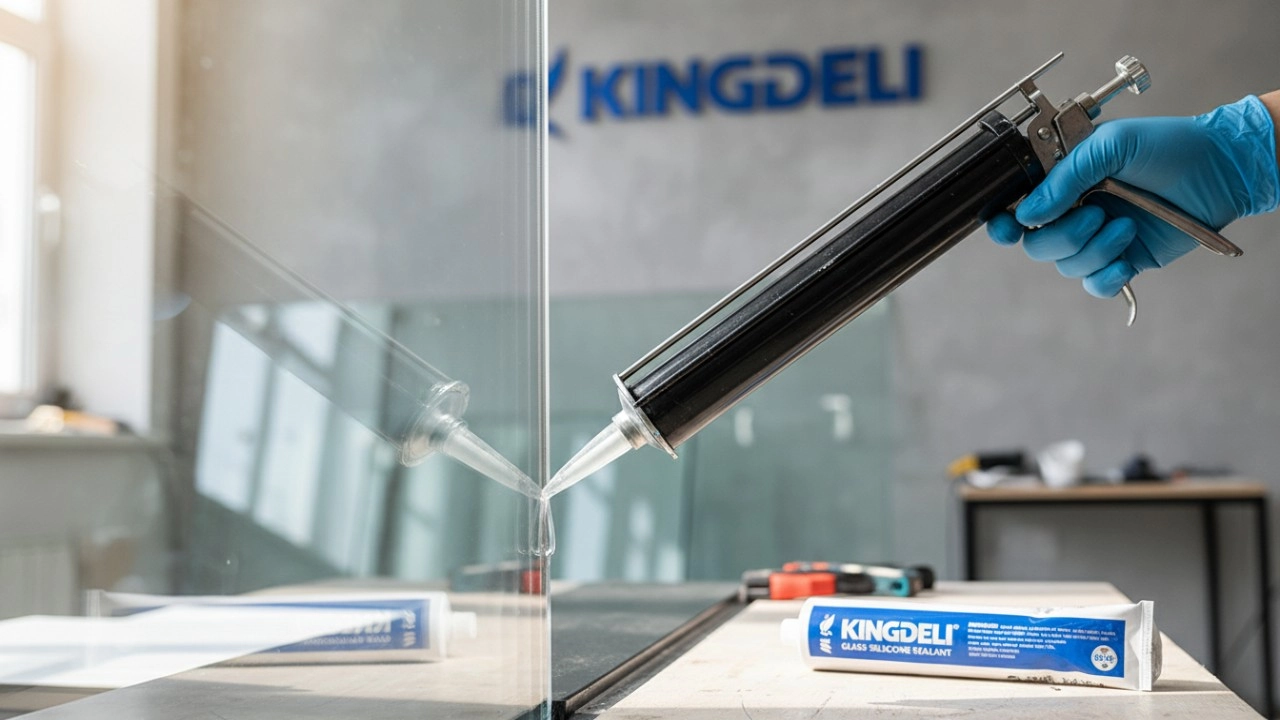
The 2026 Ultimate Guide to Glass Silicone Sealant: Everything You Need for a Perfect Finish
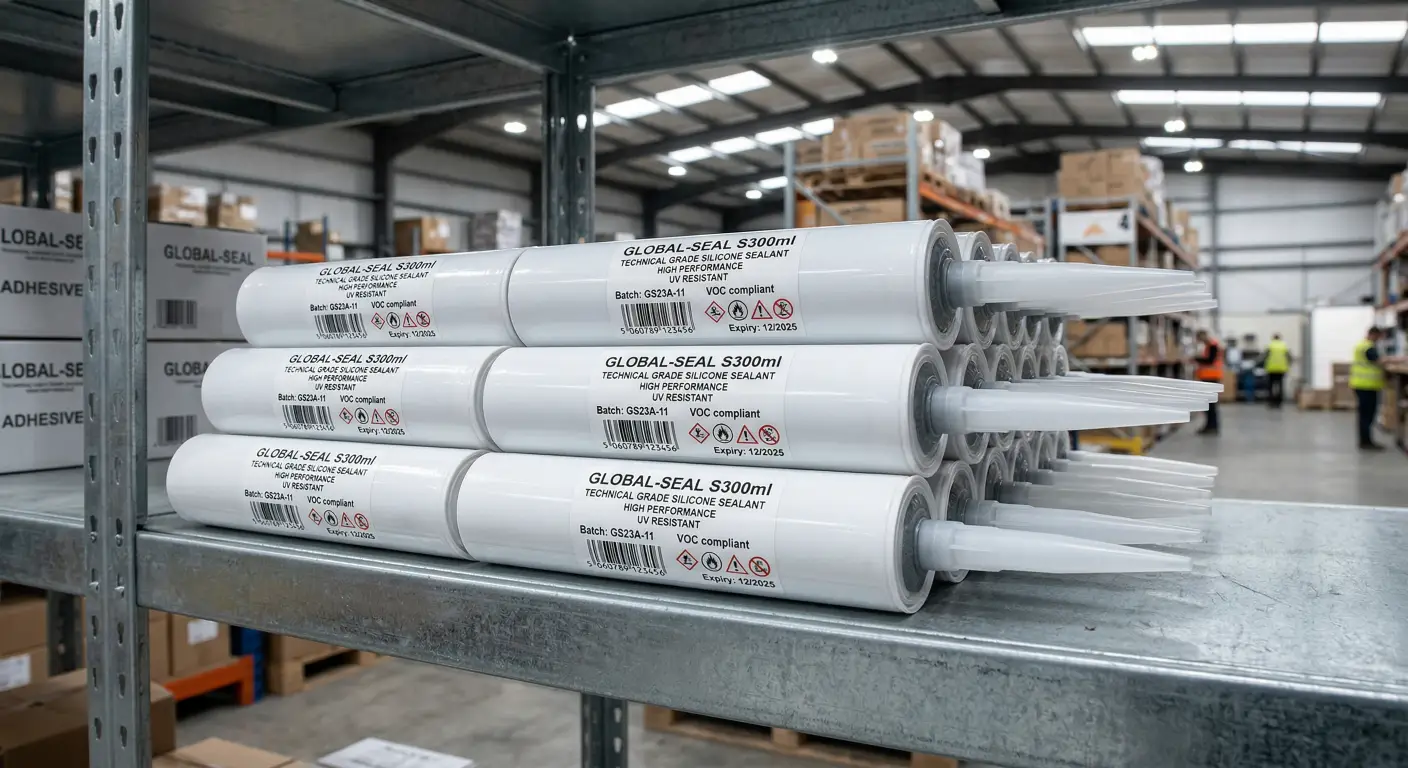
OEM vs. Branded Acetic Silicone Sealant: What’s Best for Your Distribution Business?
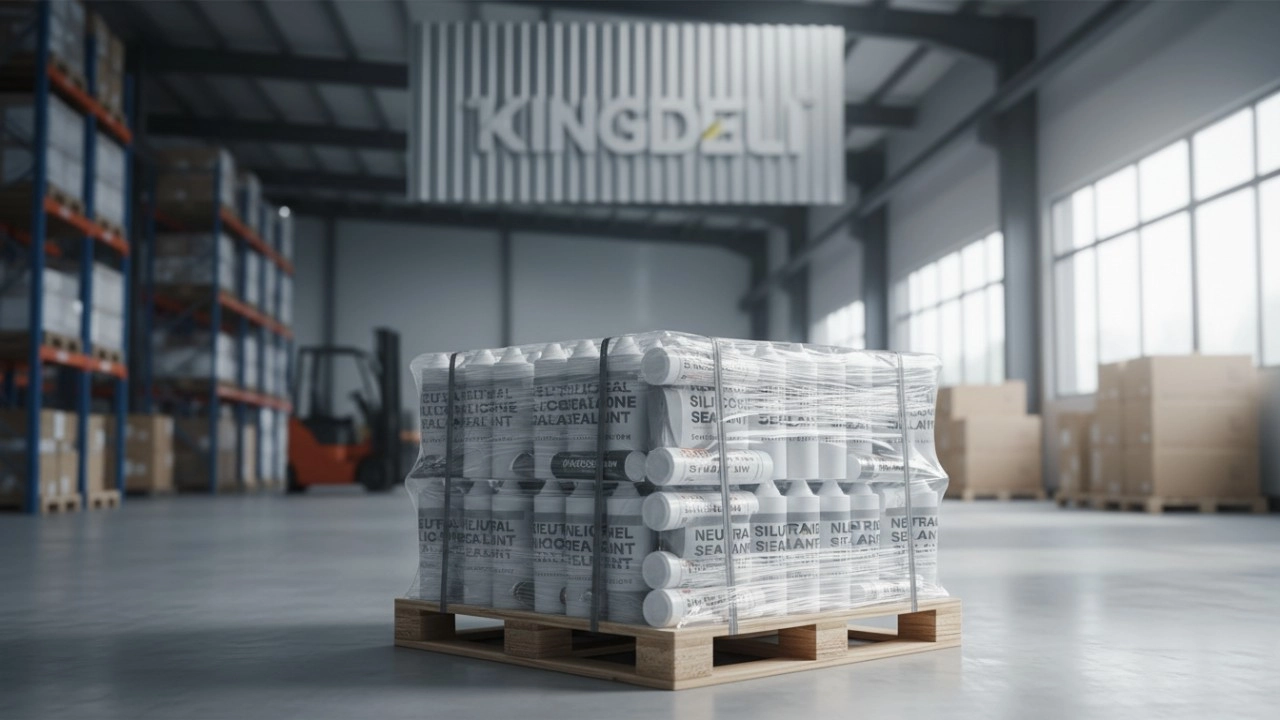
The Future of Sealants: 5 Emerging Trends in Wholesale Neutral Silicone Sealant Technology for 2026
HY997
Where can this sealant be used?
HY997 is mainly designed for indoor sanitary and moisture-prone areas, including:
-
Kitchens – sinks, countertops, cabinets, and cooktops
-
Bathrooms – bathtubs, wash basins, shower enclosures, and toilets
-
Laboratories and cold storage areas
-
Other areas requiring waterproof and mildew-resistant sealing
HY-722
How long does it take to fully cure?
Surface cure within hours; full cure 24–48 hours depending on temperature/humidity.
HY925
What are the primary applications of HY925?
HY925 is recommended for:
✓Low-movement joints requiring strong resistance to penetration and pressure
✓Waterproofing in bridges, tunnels, and drainage systems
✓Sealing and bonding precast panels, concrete walls, and stone
✓Sealing and laying roof tiles
What is the curing mechanism?
HY925 cures by reacting with moisture in the air, forming a tough and flexible elastomeric seal.
HY-966
How long is the shelf life?
HY-966 has a shelf life of 18 months when stored unopened under proper conditions.
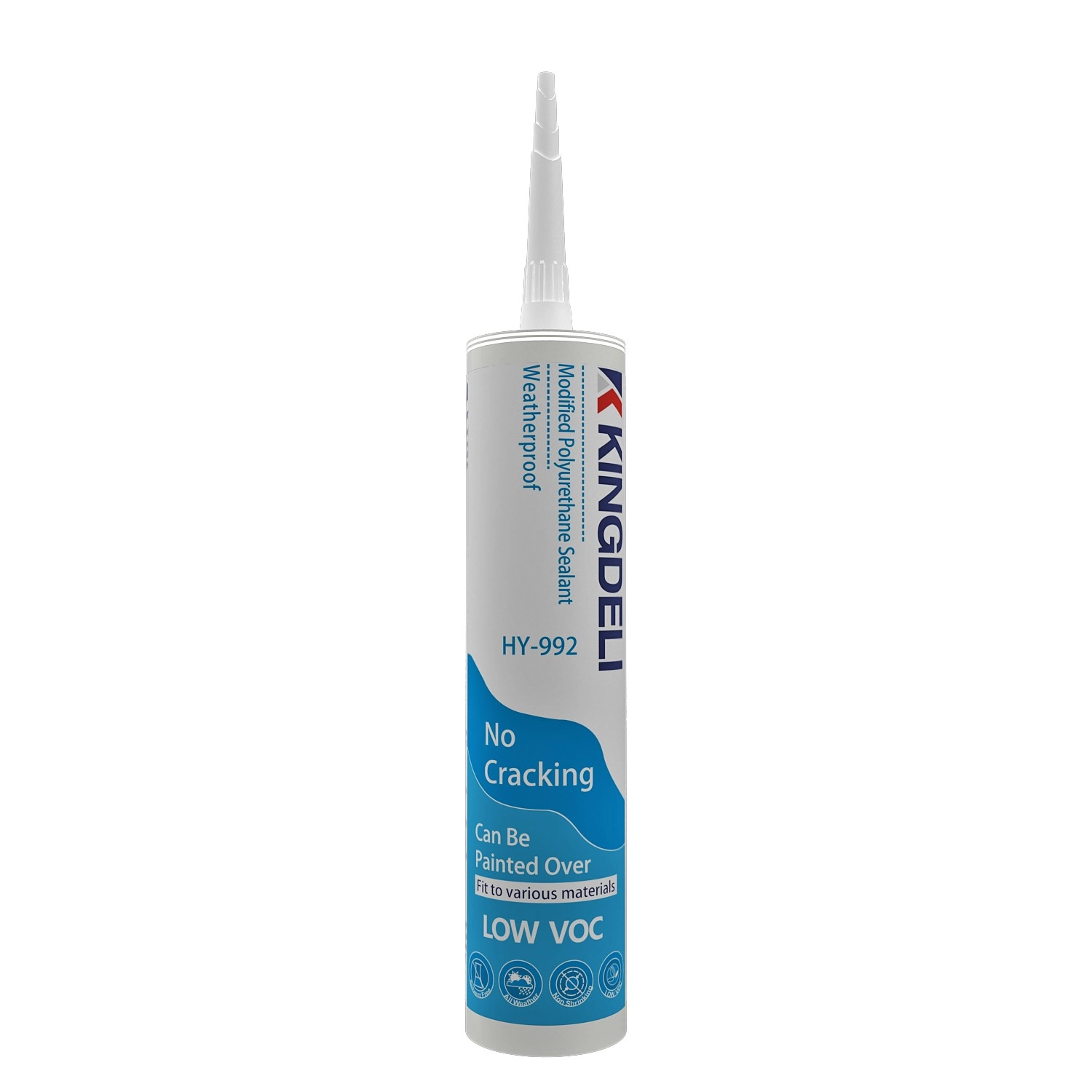
HY992 Modified Polyurethane Construction Sealant
HY992 Modified Polyurethane Sealant is a one-component, moisture-curing construction sealant designed for professional building and structural sealing applications. It provides excellent adhesion, weather resistance, and durable elasticity, making it suitable for a wide range of construction materials.
The formulation delivers strong bonding performance without corrosion or substrate contamination, while maintaining low VOC content for environmentally responsible construction projects.

HY995 Crystal Clear Ms Polymer Adhesive/Sealant
HY995 Crystal Clear Ms Polymer Adhesive/Sealant is a new generation MS Polymer adhesive / sealant formulated for all bonding and sealing applications where long term reliability is required. It has excellent bonding strength on various materials. It will cure to form a durable, flexible, waterproof seal.

HY997 High-Performance Anti-Microbial MS Polymer Sealant
HY997 MS polymer sealant for is is a premium one-component, neutral-curing modified silane sealant engineered for demanding interior applications. It offers a Class 20 movement capability, ensuring long-lasting flexibility and reliable performance under dynamic joint conditions. Curing at room temperature, HY997 delivers superior anti-microbial and mildew-resistant properties, maintaining hygienic and clean environments over time.
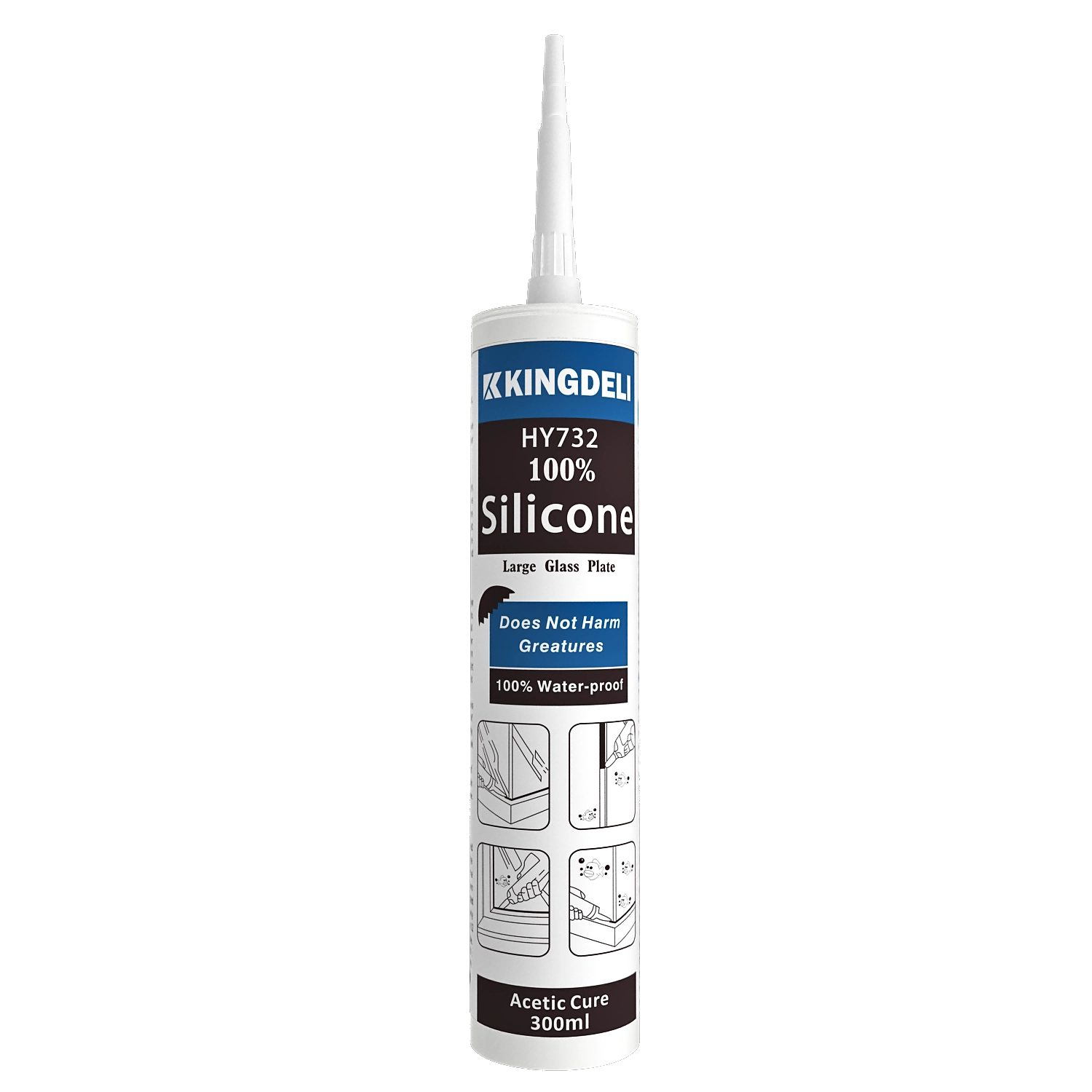
KINGDELI HY732 Professional Acetoxy Cure Silicone Sealant
KINGDELI HY732 is a professional-grade, one-component acetoxy cure silicone sealant designed for fast curing, strong adhesion, and long-lasting flexibility. Ideal for aquariums, glass applications, aluminum doors and windows, kitchens, and bathrooms, it provides reliable sealing performance with excellent anti-fungal protection in high-humidity environments.
Let’s Build Stronger Bonds with Quality Adhesives and Sealants
Have questions about the topic or need tailored sealant solutions for your project?
Our team is ready to provide expert guidance, product recommendations, and application support.
Innovating with Integrity, Bonding the World
Since 1998, KINGDELI has delivered trusted, sustainable sealant solutions that connect industries and inspire progress worldwide.
Whatsapp: +8618825946249
Kingdeli
Kingdeli
Kingdeli
Kingdeli
Kingdeli