











How to specify silicone sealant for expansion joint applications? | Insights by KINGDELI
1) How do I determine the correct joint width and sealant depth for concrete expansion joints so I avoid three‑sided adhesion and premature failure?
Industry practice and most manufacturer datasheets use a simple rule: target sealant depth = half the joint width (depth = W/2), with a practical minimum depth of 6 mm for exterior joints. That means a 20 mm wide joint typically gets a 10 mm depth of sealant. This width:depth relationship produces the right volume of elastomer to accommodate movement without overstressing the bond lines.
Why it matters: three‑sided adhesion (sealant bonding to both faces and the back) causes high shear/tension in the cured sealant and leads to cohesive or adhesion failure. The correct depth with a backer rod creates a neutral geometry (single plane of adhesion).
Practical limits and advice:
- Minimum recommended joint width for typical silicone: 6 mm (smaller joints can cause adhesive failure and don’t accommodate movement well).
- For many exterior expansion joints, practical single-layer maximum depth is about 12 mm; for very wide joints (>25 mm), use larger backer rods or staged sealant systems per manufacturer guidance.
- Use closed‑cell polyethylene backer rod (see question 5) sized ~25% larger than the joint opening so it compresses and forms a clean backing.
- Always specify a bond‑breaking layer (backer rod or bond‑breaker tape) to prevent three‑sided adhesion.
If in doubt, require the supplier to submit a joint detail sheet indicating width/depth, backer rod size, and a mock‑up sample for approval.
2) What movement capability (ISO/ASTM rating) should I specify based on predicted thermal and seismic movement?
Start with a simple movement calculation and then pick a rated sealant with margin. For thermal movement, use linear thermal expansion = alpha × length × ΔT. Example: an aluminum mullion, L = 3 m, coefficient alpha ≈ 23×10⁻⁶/°C, ΔT = 60°C → movement ≈ 23×10⁻⁶ × 3000 mm × 60 = ~4.1 mm. If the joint is 20 mm wide, that’s ~21% of the width.
Specification practice:
- Calculate likely movements from thermal effects, creep, wind, and seismic. Add a contingency factor (common practice: specify a sealant rated at least 1.25–1.5× the expected movement to allow margin).
- Use standardized ratings: ISO 11600 (e.g., F25LM or F50LM where F/G indicates facade/non‑facade and the number the percent movement) and ASTM C920 (U.S.) which classifies sealants by movement capability (specify Class 25, 50, etc., per project needs).
- For many building expansion joints that experience thermal and differential movement, designers commonly choose silicone rated for ±25% (F25LM) or ±50% (F50LM) depending on calculations. If your expected movement is ~20% of joint width, specify F25LM or higher; for 25%+ expected movement specify F50LM.
Include in the spec: the required standard (ISO 11600 or ASTM C920), the percent movement class, and that the manufacturer must provide lab data demonstrating recovery after cyclic movement and adhesion after accelerated ageing tests.
3) Which primer and substrate pre‑treatment protocol ensures reliable adhesion to porous concrete and dirty or oxidized metals in humid climates?
Reliable adhesion is driven by surface preparation more than any single product.
Concrete and masonry:
- Remove laitance, form oils, curing compounds and contaminants by mechanical means (shot‑blast or grit blast) or power wire brushing. Mechanical cleaning is preferred to achieve a sound profile.
- Allow concrete to dry to the limit recommended by the sealant manufacturer; many neutral‑cure silicones are tolerant of some moisture but adhesion is improved on dry, dust‑free surfaces.
- For highly porous substrates, use a manufacturer‑recommended primer (commonly a silane or silane‑modified primer for silicones) applied at the recommended coverage and flash time.
Metals (aluminum, stainless, galvanized):
- Degrease with isopropyl alcohol or a specified solvent; remove oxide layers if required by the sealant supplier (mild abrasion followed by solvent wipe).
- Anodized or painted aluminum often requires a specific primer supplied/approved by the sealant manufacturer—do not assume primerless adhesion on contaminated or weathered metal.
Humid/coastal climates:
- Salt contamination requires thorough cleaning and often fresh water rinse after blasting; allow to dry and apply primer quickly.
- Specify neutral‑cure or oxime silicones for metals in coastal environments; some acid‑cure acetoxy silicones corrode metals.
Specification text example: Surface preparation per manufacturer’s written instructions; remove contaminants by mechanical cleaning, solvent wipe; apply primer P‑XXX to concrete and aluminum where indicated; allow primer tack time as specified; permit no surface contamination between cleaning and sealant installation.
4) How do I choose between low‑modulus and high‑modulus silicone for joints where stiff aluminum meets softer concrete (differential stiffness)?
Choosing modulus affects stress transfer at the bond line. Low‑modulus (LM) silicones are designed to stretch more at lower stress and are typically preferred where substrates have differential movement or where movement is large and repetitive (curtainwalls, façade to structural interfaces). High‑modulus silicones resist deformation more and transmit higher stresses to adhesive bonds.
Key points:
- Low‑modulus silicones (ISO designation LM) typically have Shore A ~20–35 and are formulated to elongate at lower stresses—this reduces the chance of adhesive failure on rigid substrates.
- High‑modulus silicones (HM) have higher stiffness and are used where structural higher stiffness is required (some glazing or trafficable joints) but they demand excellent substrate preparation and often primers.
Specification guidance:
- For curtainwall-to-structure joints, specify low‑modulus silicone rated per ISO 11600 F/ G 25 LM or F/G 50 LM depending on movement calculations.
- Where there is repeated differential movement and dissimilar substrates, prefer LM to reduce peel stress on the bond line.
- Require the manufacturer to provide tensile modulus data (e.g., tensile stress at 100% elongation), recovery after cyclic testing, and adhesion test results on the specific substrates used.
5) Which backer rod type and installation technique prevents bond failure and is easiest for field crews to install correctly?
Best practice: closed‑cell polyethylene backer rod sized ~25% larger in diameter than the joint opening. Closed‑cell rods are impermeable and won’t wick moisture into the sealant; they compress to a cylindrical shape and provide consistent seat depth.
Installation tips:
- Choose backer rod diameter 10–25% larger than joint width so it compresses and seats without air pockets.
- Install the backer rod to the correct depth (see question 1). Do not puncture the backer rod with a tool—push it in with a blunt tool to avoid tearing.
- Do not use open‑cell foam as a backing when moisture ingress is a concern; open‑cell will absorb water.
- If the joint geometry prevents backer rod use, use an approved bond breaker tape (polyethylene tape) to ensure single‑plane adhesion.
Specify in procurement: Closed‑cell polyethylene backer rod sized and installed per manufacturer recommendations; bond breaker tape where backer rod cannot be used. Backer rod must be inserted to provide the specified sealant depth and be free of dust, solvents and loose particulates prior to sealing.
6) How should I account for UV, pollutant and salt ageing when specifying service life and maintenance intervals for silicone sealants in coastal environments?
Silicone chemistry provides excellent long‑term UV and ozone resistance compared with many other elastomeric chemistries (e.g., many polyurethanes). Typical neutral‑cure silicones used on facades are expected to perform 20–30 years in many environments, but coastal conditions and pollutants reduce life and increase inspection frequency.
Practical specification elements:
- Require accelerated weathering and real‑time exposure data from the manufacturer (UV, salt spray, humidity cycling, cyclic movement tests) for the exact product and color.
- Specify neutral‑cure silicones for coastal use; avoid acetoxy silicones on bare metal in marine atmospheres.
- For dark colors and high solar loads, confirm pigment stability and note that dark colors may thermally age faster.
Inspection and maintenance guidance:
- Visual inspection frequency: 1–2 years after installation for the first 5 years, then every 2–3 years thereafter on coastal buildings; adjust based on observed degradation.
- Typical reseal/intervention intervals: 10–20 years depending on exposure, movement cycles and observed condition. High‑exposure, high‑movement joints may need replacement sooner.
Include lifecycle requirements in the procurement: require manufacturer warranty terms, expected service life statement under project exposure class, and recommended maintenance plan. Ask suppliers to provide an independent laboratory report (e.g., ISO 10545 style UV/condensation/cyclic movement testing or ASTM C1248/ASTM C719 data) that matches the project exposure.
Closing: Applying this to procurement and project specs
When you write the technical procurement specification for How to specify silicone sealant for expansion joint applications?, include the following minimum items:
- Required standard (ISO 11600 and/or ASTM C920) and movement class (F25LM, F50LM, or ASTM equivalent).
- Joint width/depth rule (depth = W/2, min depth 6 mm) and backer rod sizing/installation instructions.
- Substrate preparation and explicit primer/product list for concrete, aluminum and other base materials.
- Cure characteristics (neutral cure preferred for metals and coastal environments), typical cure rate requirement (manufacturer to provide mm/day at 23°C and 50% RH), and operating temperature range (typical silicone range −40°C to +150°C).
- Required performance data from manufacturer: adhesion/cohesion after cyclic movement, UV/salt ageing test reports, Shore A or tensile modulus at 100% elongation, and a product warranty.
Final installation note: require a field mock‑up of the actual joint condition and supplier‑approved applicator sign‑off prior to full‑scale installation.
Why KINGDELI? KINGDELI supplies a range of neutral‑cure, low‑modulus silicone sealants formulated for expansion joints with proven UV and salt‑resistance. We provide technical submittals, adhesion test data on concrete and common metals, recommended primers, and backer‑rod guidance. KINGDELI offers project‑specific mock‑ups, installation training and long‑term warranty options to support procurement and lifecycle planning.
For project pricing and a tailored specification package, contact KINGDELI at info@kingdeliadhesive.com or visit www.kingdelisealant.com — request a quote today.
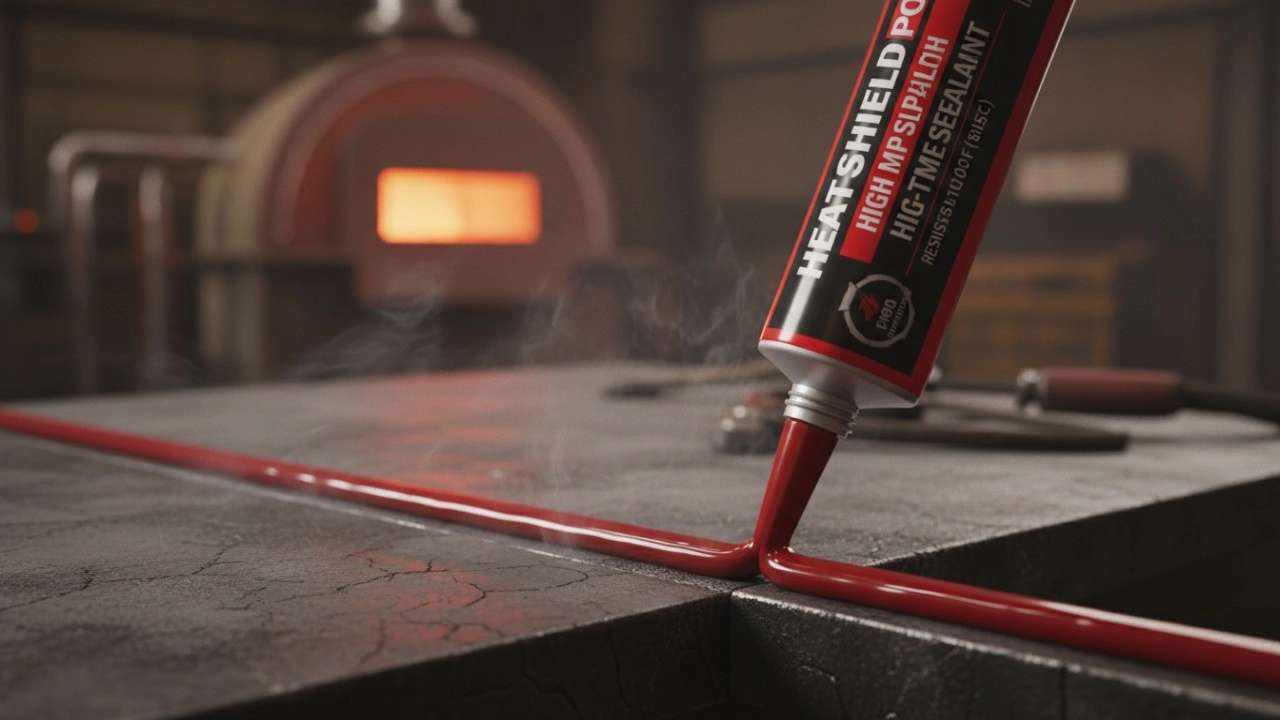
How to Apply High Temperature Silicone Sealant Like a Pro: 5 Secrets for a Lifetime Seal
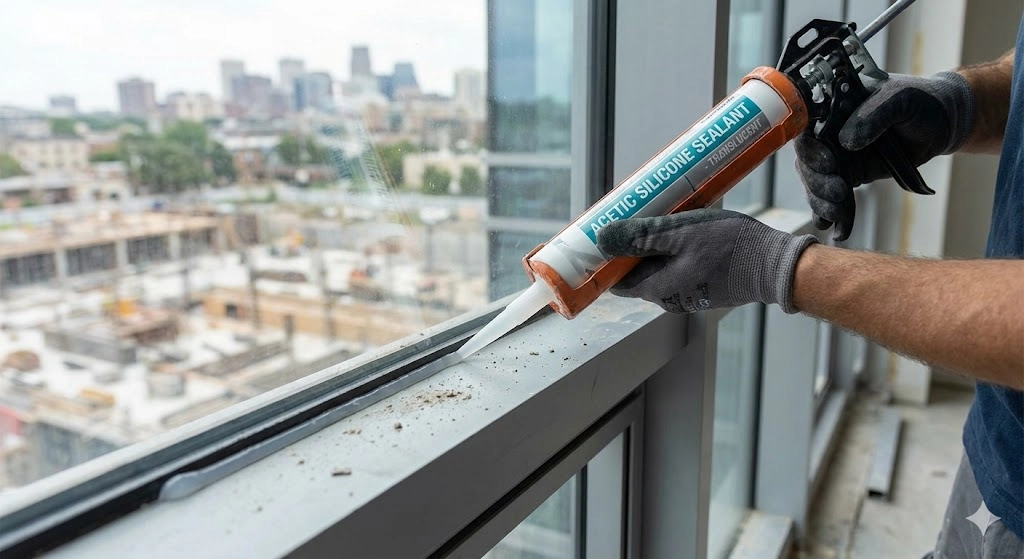
Acid Cure vs. Neutral Silicone: Why Choose Acetic Silicone Sealant for Glass?
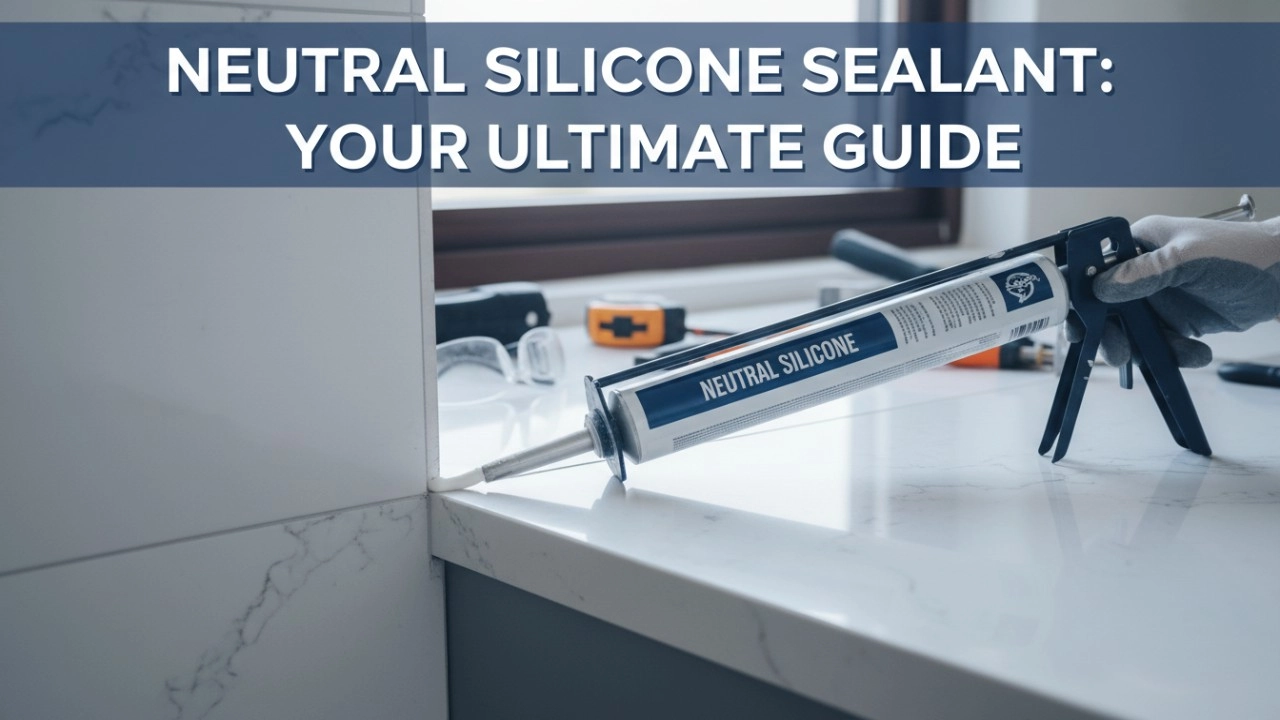
7 Critical Mistakes to Avoid When Using Neutral Silicone Sealant for High-End Projects
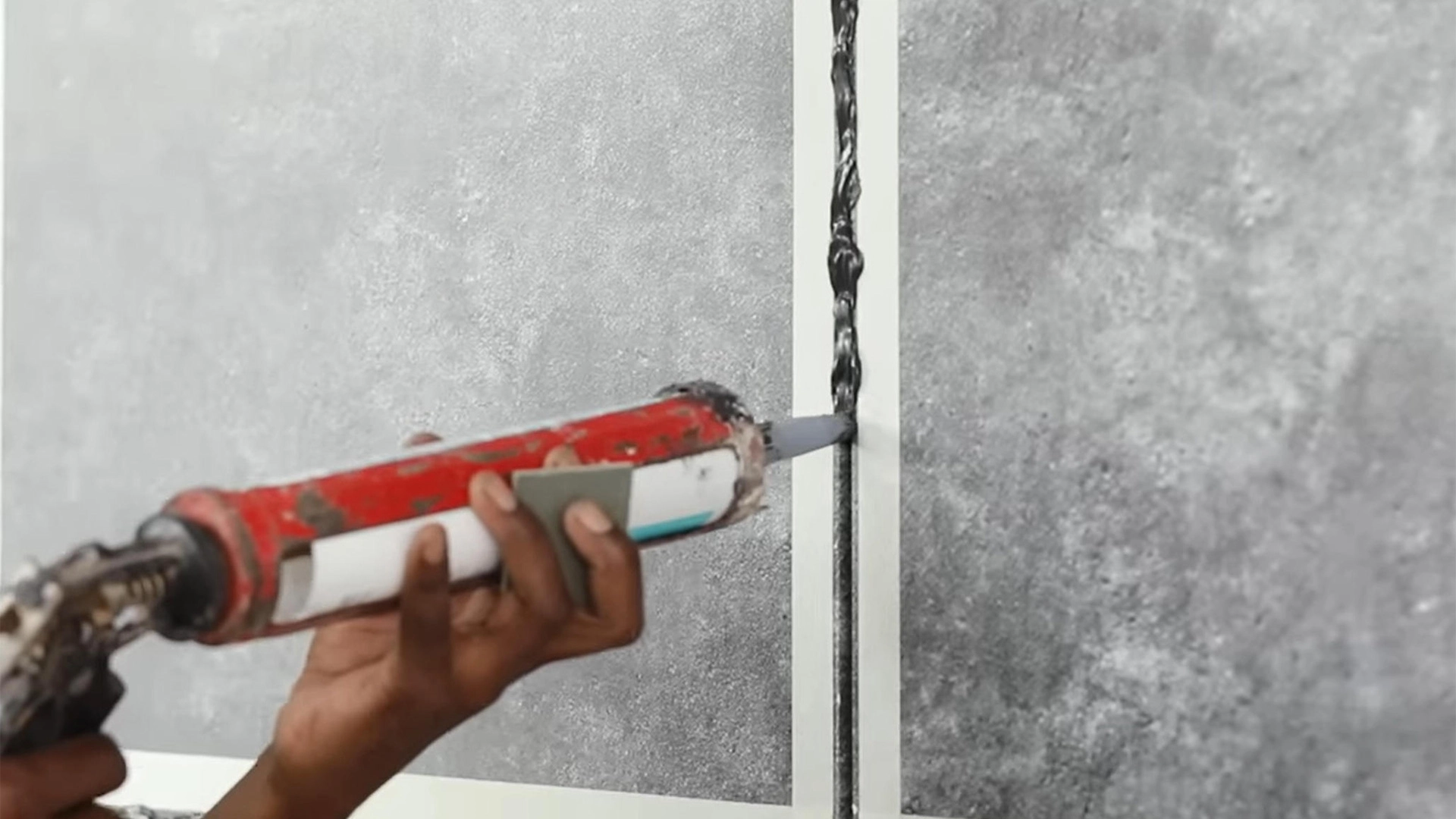
What’s the Difference Between Silicone Sealant and MS Adhesive for ACP?
HY-976
How long can items be repositioned after application?
Bonded items can be repositioned for up to 5 minutes after application.
Is this product suitable for outdoor use?
HY976 No More Nails is formulated for interior use only.
HY922
Is HY922 suitable for repair and maintenance work?
Yes. Its moisture-curing nature and quick surface drying make it convenient for on-site repairs and maintenance applications.
HY-2300
Will it corrode metal or cement surfaces?
No. HY-2300 is a neutral curing silicone sealant, ensuring no corrosion to metal and cement substrates.
HY982
Is HY982 suitable for flooring installation?
Yes. HY982 is specifically designed for wood flooring, PVC flooring, and panel installation, offering strong initial tack, long-term elasticity, and excellent durability.
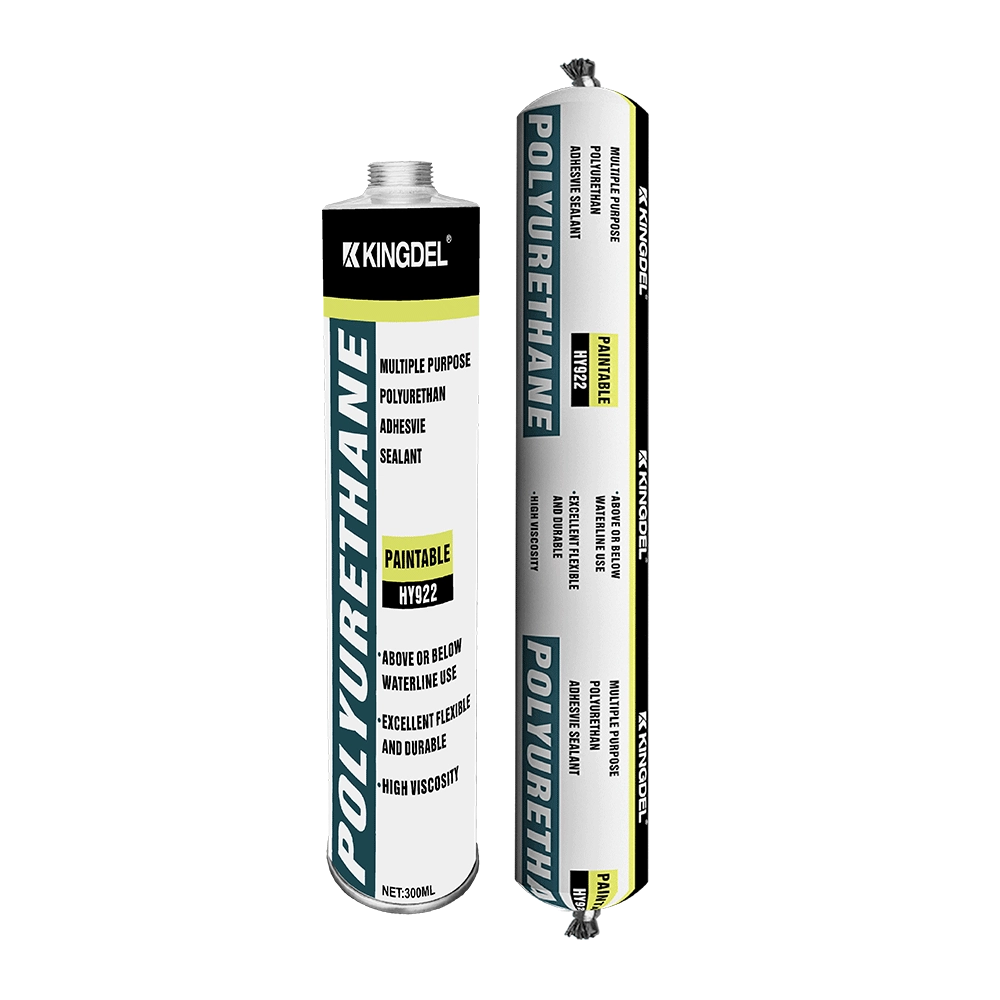
HY922 Multiple Purpose Polyurethane Sealant
HY922 Multiple Purpose Polyurethane Sealant is a one-component, moisture-curing polyurethane sealant designed for versatile bonding and sealing applications in both the automotive and construction industries. It cures to form a flexible yet tough elastomeric joint with excellent adhesion to a wide range of substrates. The formulation is non-corrosive, solvent-free, and produces a smooth, bubble-free finish during application.
HY922 delivers fast surface drying and quick positioning, improving installation efficiency while maintaining long-term durability. With strong weather resistance and good creep resistance, it performs reliably in demanding indoor and outdoor environments, including moist and partially submerged conditions.
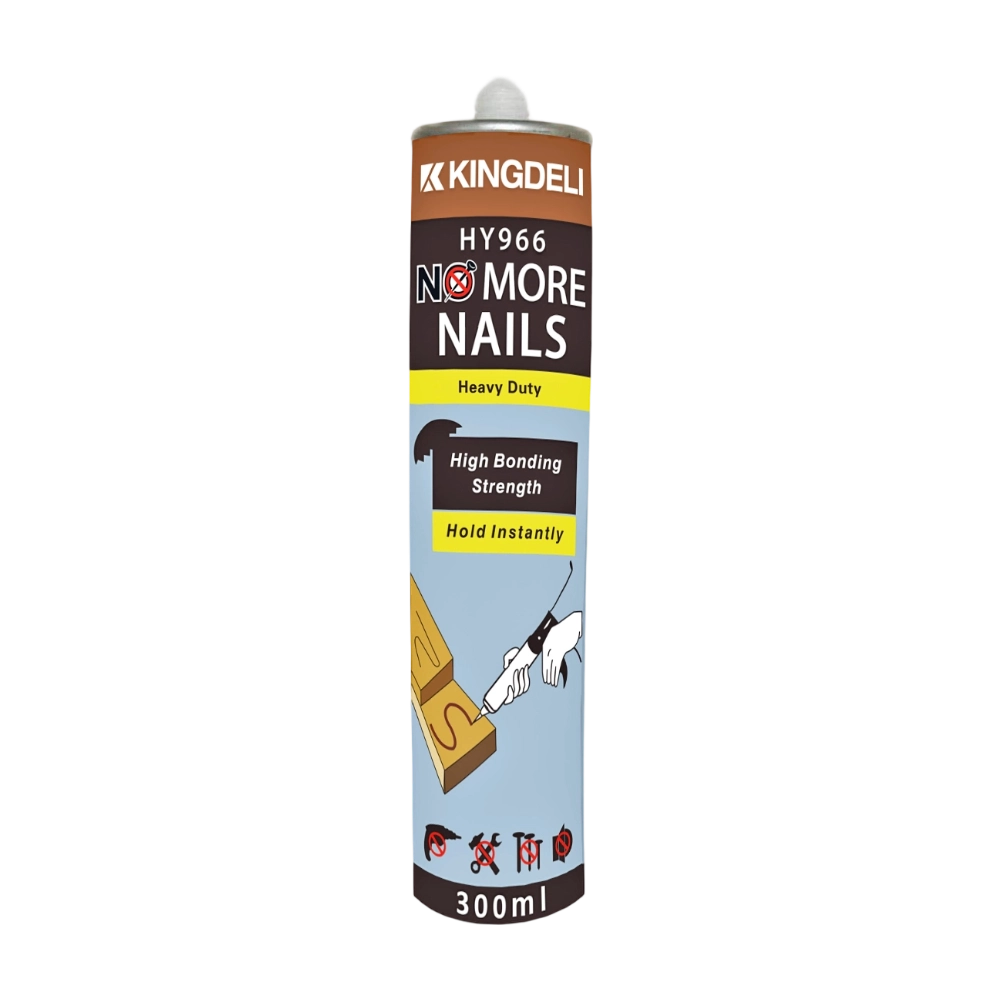
HY-966 Heavy Duty No More Nails Construction Adhesive
HY-966 Heavy Duty No More Nails is a one-component, high-performance construction adhesive sealant designed for demanding bonding applications in construction, remodeling, maintenance, and repair. Its instant grab formulation secures materials immediately, significantly reducing the need for bracing or mechanical fixing during installation.
HY-966 cures reliably in moist environments and delivers durable adhesion across a wide range of substrates. It provides excellent resistance to water, temperature variation, and aging, ensuring long-term performance in interior construction applications.
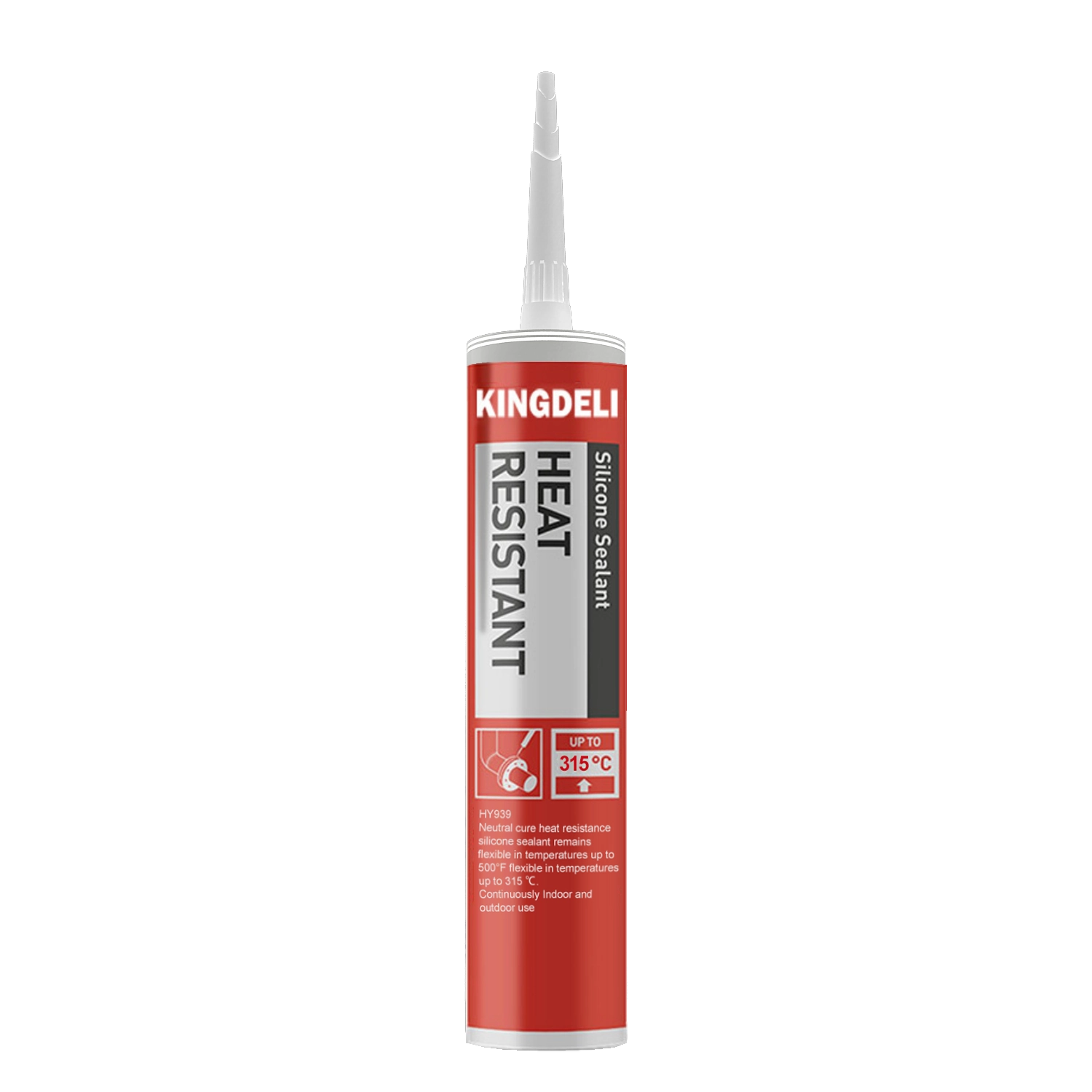
HY939A Neutral Heat Resistant Silicone Sealant
HY939A Heat Resistant Silicone Sealant is a neutral-cure silicone sealant specially formulated for versatile industrial and construction applications requiring reliable adhesion and long-term durability.
The sealant provides strong, non-corrosive adhesion to a variety of substrates, including glass, metal, gypsum board, marble, and certain plastics, making it ideal for both structural and sealing purposes.
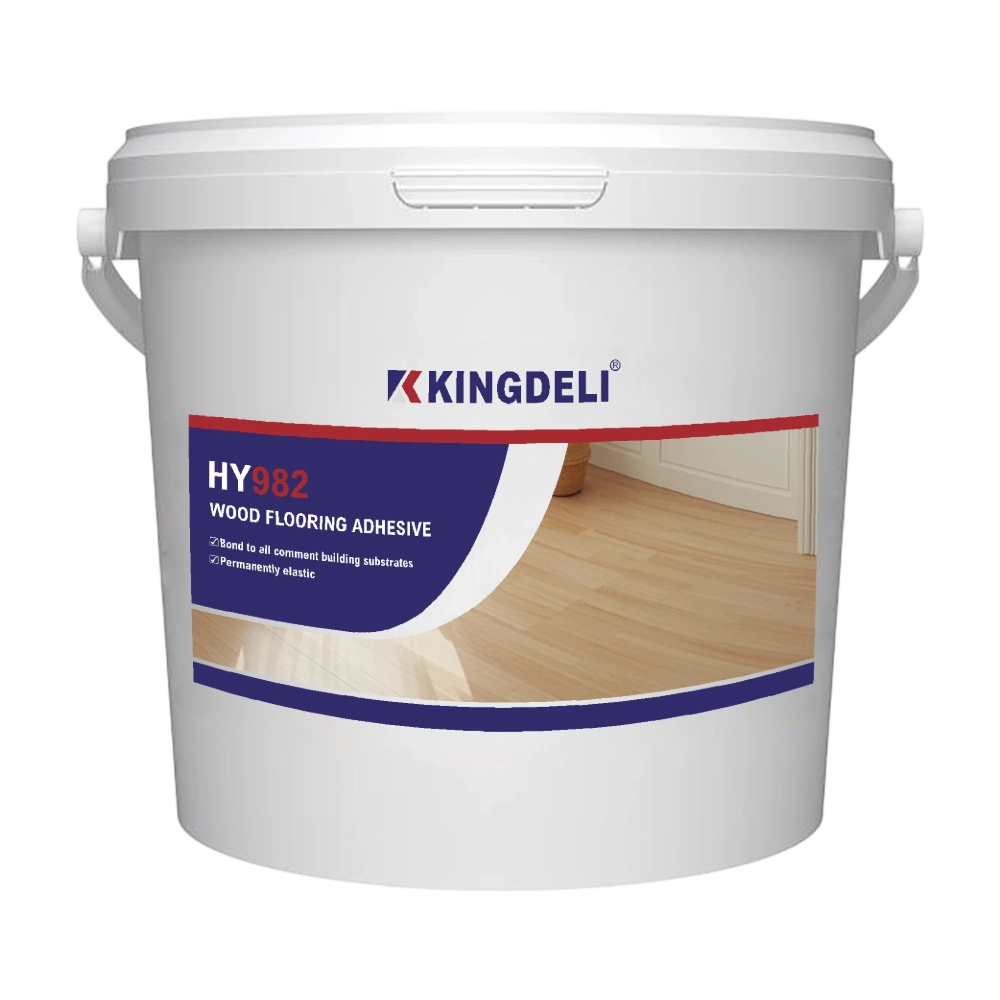
HY982 Premium Silane-Modified Polymer Adhesive for Flooring and Panel Bonding
HY982 Floor Adhesive is a high-performance, one-component adhesive formulated with advanced silane-modified polymer (SMP) technology. It is paintable, non-staining, and environmentally friendly, offering exceptional bonding strength without the need for a primer.
Designed for modern interior installations, HY982 Floor Adhesive provides excellent adhesion to wood, metal, stone, sintered slabs, glass, ceramics, and many other common building materials—making it the ideal choice for flooring installation and panel bonding applications crystal clear formulation.
Let’s Build Stronger Bonds with Quality Adhesives and Sealants
Have questions about the topic or need tailored sealant solutions for your project?
Our team is ready to provide expert guidance, product recommendations, and application support.
Innovating with Integrity, Bonding the World
Since 1998, KINGDELI has delivered trusted, sustainable sealant solutions that connect industries and inspire progress worldwide.
Whatsapp: +8618825946249
Kingdeli
Kingdeli
Kingdeli
Kingdeli
Kingdeli