











What are common failure modes of silicone sealant in construction? | Insights by KINGDELI
What are common failure modes of silicone sealant in construction?
Silicone sealant failure is a frequent headache on building envelopes, glazing, precast joints and façade details. Below are six specific, hard-to-find long-tail questions beginners and specifiers ask — each followed by an in-depth, practical answer that explains diagnosis, root causes, test methods and corrective steps. Semantic concepts such as adhesion loss, cohesive failure, substrate contamination, joint design, movement capability, cure inhibition, primers and backer rod selection are embedded throughout to aid product selection and troubleshooting.
1) Why did the silicone bead peel out along the glazing bead after 6 months despite good tooling—how do I tell if this is adhesive failure or substrate contamination?
Diagnosis and root-cause analysis:
- Visual clues: If the sealant peels cleanly off the substrate leaving shiny sealant on the bead (no residue on glass or metal), that points to adhesive failure (loss of bond). If the sealant tears in its body leaving residue on both surfaces, that indicates cohesive failure (internal strength loss).
- Field test: Perform a simple knife or razor cut perpendicular to the joint and peel the sealant back. Look for adhesive residue. A thin film left on the substrate is classic adhesive failure.
- Common causes of adhesive failure: contamination (silicone release agents, oil, dust, curing compounds), improper solvent cleaning, leftover protective films, use of incompatible cleaners (e.g., petroleum-based residues left by some so-called degreasers), or failing to use a required primer on low-energy surfaces (e.g., PVDF-coated aluminum, some plastics).
- Surface prep: Use an industry-accepted solvent wipe procedure (e.g., isopropyl alcohol or manufacturer-recommended solvent) and allow flash-off. Avoid cleaners that leave residues.
- Primer: If the substrate is PVDF, anodized aluminum, powder-coated metal, or low-energy polymer, use the sealant manufacturer’s specified primer. Do a small adhesion test first.
- Mock-up: For critical glazing, run a mock-up and submit peel test results per ASTM procedures before full installation. Document the primer and cleaning steps in your installation plan.
- Tooling and cure: Tooling alone doesn’t guarantee adhesion. Ensure a proper bond line (see joint design below) and allow adequate cure time before subjecting the joint to movement and weather exposure.
- Peel test: As above, cut a 25–50 mm length and peel back. Residue patterns tell you whether the failure is adhesive (clean substrate) or cohesive (sealant remains on both sides or tears in the bead).
- Adhesion tape test: Use a high-strength pull-off tape on the exposed substrate after removing the sealant. If the tape removes substrate coating or residue, the substrate may be weak or coating-bonded rather than the sealant failing.
- Portable pull-off tester: When available, use a small pull-off adhesion tester (dolly) to get quantitative adhesion in psi/MPa. Compare to the manufacturer’s minimums or laboratory baseline values.
- Microscopic inspection: A field loupe or portable microscope can reveal contamination films, salt crystals (efflorescence on concrete), or silicone oil bloom that indicate surface problems.
- Adhesive failure → focus on surface cleaning protocol, primer selection, or substrate replacement if the substrate coating is failing.
- Cohesive failure → indicates the sealant formulation or environment caused internal degradation (UV, oxidative aging, wrong movement capability). Replace with an appropriate silicone rated for the joint’s movement and UV/weather exposure.
- Substrate failure (coating delamination or weak concrete skin) → repair or remove the failing substrate coating or spall and then install the correct primer/sealant system.
- Excessive movement beyond the sealant’s rated movement capability (many architectural silicones are rated around ±25%—verify the datasheet and ASTM C920 classification).
- Joint depth too shallow or width-to-depth ratio wrong, which prevents the sealant from developing an appropriate stress profile and leads to overstress and tensile tear.
- Incompatible or improperly sized backer rod—hard or non-resilient rods cause 3-sided adhesion and increase tensile stresses.
- Chemical attack from alkali or form-release agents migrating from concrete; surface salts and efflorescence reduce adhesion and accelerate cohesive breakdown.
- Joint geometry: Use the recommended depth-to-width ratio—industry practice is depth = 1/2 width (1:2 ratio). For example, a 20 mm wide joint usually has ~10 mm depth—refer to the sealant manufacturer for specific limits and minimum depth (many systems specify a minimum depth ~6 mm for non-structural joints).
- Backer rod: Use a closed-cell polyethylene backer rod sized to compress ~25–50% to ensure single-plane adhesion and proper joint shape factor. Avoid open-cell rods that can absorb contaminants or retain moisture.
- Movement capability: Specify a silicone with documented movement capability equal to or greater than the expected joint movement. For high-movement precast connections use high-movement silicones or structural silicones as required.
- Surface remediation: Remove laitance, salts and release agents by mechanical cleaning and rinsing. Allow concrete to dry and test adhesion. Use primers if recommended for porous or contaminated concrete.
- Blooming / whitening: Some silicones exude low-molecular-weight siloxanes or oils which can migrate to the surface (bloom) and appear as a white haze—common on older formulations or when exposed to condensation and low air exchange.
- Staining from substrates: Tannins from treated wood, extractives, or pigments can migrate into the sealant or stain the bead surface. Similarly, incompatible coatings or plasticizers in adjacent materials can cause discoloration.
- Paint adhesion: Most silicone sealants are inherently non-paintable; paints typically will not adhere to cured silicone. Painting over silicone usually results in poor adhesion, blistering and pigment failure.
- Use low-bleed, low-bloom neutral-cure silicones when in contact with sensitive finishes or specify a paintable hybrid/mS-polymer product if the joint must be overpainted.
- Barrier/separation: Where painting is required adjacent to silicone, install a thin backstop or bond-breaker tape to keep paint off the silicone bead, or use compatible paintable sealants specified by the manufacturer and validated by mock-ups.
- Wood and tannins: For treated or stained wood, use a primer or a tested adhesive system; pre-test the chosen sealant on the exact wood product under the expected exposure conditions for colorfastness and staining.
- Cure mechanism: Most silicones cure by moisture crosslinking (neutral-cure or acetoxy systems). Relative humidity and temperature directly affect skin time and cure rate. Low humidity slows cure and prolongs tack; very high humidity may speed skin formation but can trap solvents under the skin if cleaners were not fully flashed off.
- Thermal expansion mismatch: Metals and glass have different coefficients of thermal expansion. If a sealant is applied at a temperature far from service extremes, differential expansion during the first thermal cycles can overstress a newly applied, not-fully-cured sealant.
- Installation recommendations: Install at ambient temperature ranges recommended by the manufacturer (commonly +5°C to +40°C) and avoid installation during precipitation, high dew or when condensation is expected within the cure window. For cold, low-humidity conditions, allow longer cure times before movement.
- Measure temperature of substrate (not just air); metals can be significantly warmer or cooler than ambient.
- When working on metal-to-glass units exposed to direct sun, attempt to seal during milder temperature windows (early morning or late afternoon) to minimize initial thermal cycling.
- PVDF and powder-coated metals: These are low-energy surfaces. Use the sealant manufacturer’s specified silane-based primer or adhesion promoter. Mechanically abrading may help but do not remove manufacturer warranties—always follow substrate supplier guidance.
- EPDM and thermoplastic elastomers: Many silicones bond poorly without primer. Use primers designed for rubber-to-silicone adhesion; perform a mock-up and an ASTM peel test before production.
- Plastics (e.g., polyethylene, PP, some engineered polymers): Often require flame-treatment or specific primers to increase surface energy. Silicone adhesives are not universal—consult both substrate and sealant manufacturers and consider alternative sealant chemistries if primer solutions are not available.
- Identify exact substrate manufacturer, coating type and cure history.
- Follow the substrate maker’s cleaning procedure (e.g., solvent wipe, de-greasing). Allow full evaporation of solvents.
- Apply the manufacturer-specified primer in a small test area and do an adhesion-in-peel test (ASTM C794 or equivalent). Record results and photograph.
- Run an environmental exposure test (heat/cold/weather cycling) on mock-ups when the joint is critical to façade performance before specification sign-off.
Remediation and prevention:
2) How can I reliably distinguish cohesive failure from substrate failure in field conditions, and what field tests should I do before replacing the sealant?
Stepwise field diagnostic protocol:
Decision guidance:
3) What specifically causes silicone to tear at precast concrete expansion joints (cohesive failure) and which joint geometry, backer rod selection and movement-capacity spec will prevent re-tearing?
Root causes in precast joints:
Design and installation controls:
4) Why does silicone discolor, whiten (bloom) or cause paint adhesion problems when used adjacent to painted surfaces or treated wood?
Mechanisms and clarifications:
Prevention and specification advice:
5) How do temperature and humidity during installation and cure affect adhesion and long-term performance of neutral-cure silicone on metal-to-glass joints?
Practical effects and what to control:
Field tips:
6) Which primers and surface preparation procedures are required to achieve long-term silicone adhesion to challenging substrates like PVDF-coated aluminum, EPDM, and plastics?
Substrate-specific guidance and test protocol:
Best-practice test sequence:
Note: If the substrate manufacturer does not approve a primer, replacing the substrate/coating or selecting an alternate joint detail (mechanical gasket) may be necessary for warranty compliance.
Concluding summary — Advantages of silicone sealant in construction
Silicone sealants remain the go-to choice for many building-envelope and glazing applications because of their excellent UV and weathering resistance, long-term elasticity, broad temperature tolerance, and strong resistance to ozone and many environmental pollutants. When correctly specified — with the right movement-capacity rating, joint geometry, backer rod selection, surface prep and primer — silicones deliver low-maintenance, durable joints that accommodate thermal and structural movement better than many alternatives. Proper pre-installation testing, adherence to ASTM/EN test methods and following manufacturer datasheets and primer recommendations are essential to realize these advantages.
If you need product selection, a site assessment, or a written quote for sealant systems and primers, contact us for a quote: www.kingdelisealant.com or info@kingdeliadhesive.com.
Authoritative practices referenced: industry standards for elastomeric sealants (refer to ASTM C920 for sealant classification and movement capability and ASTM C794 for adhesion-in-peel testing). Always consult product technical datasheets and perform project-specific mock-ups and adhesion tests before specification or mass installation.
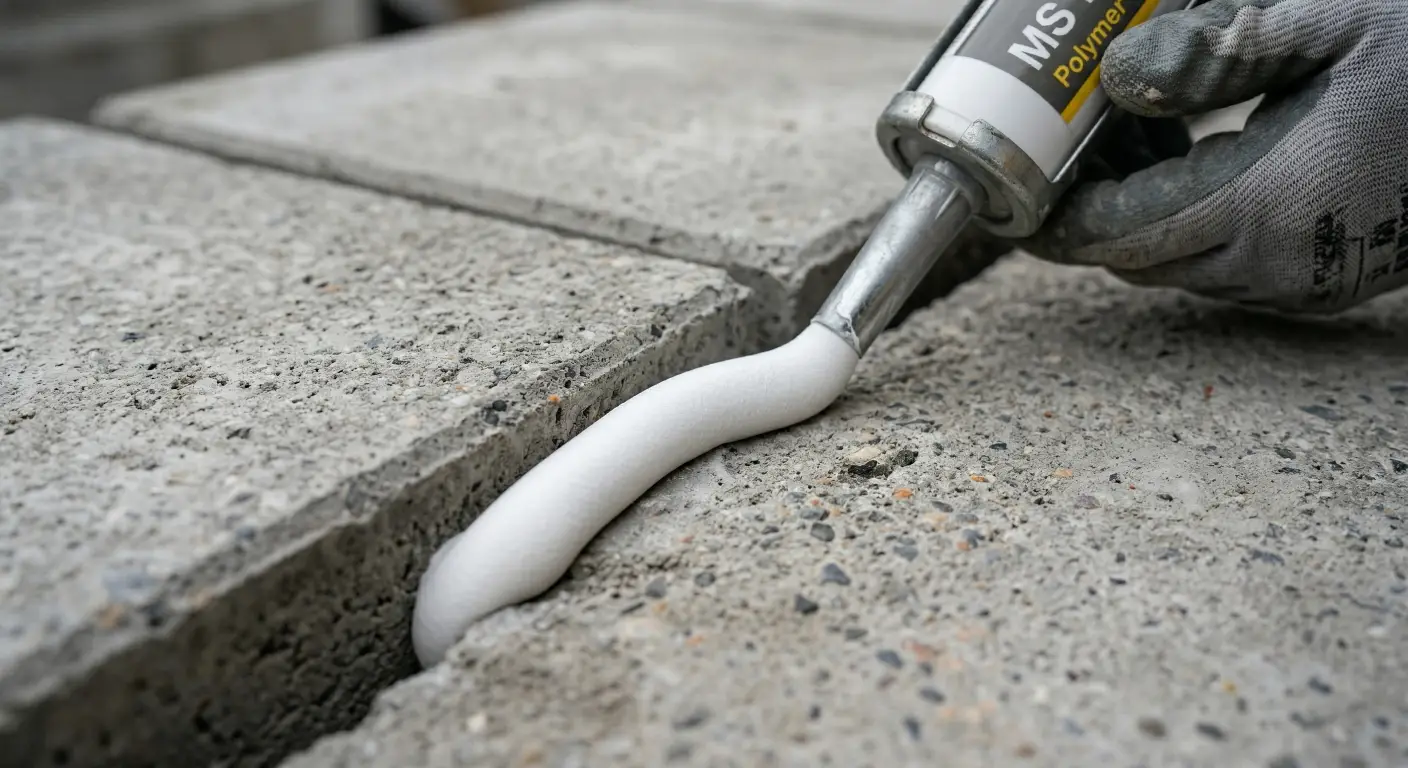
MS Polymer Sealant: The Ultimate Professional Guide for Modern Construction
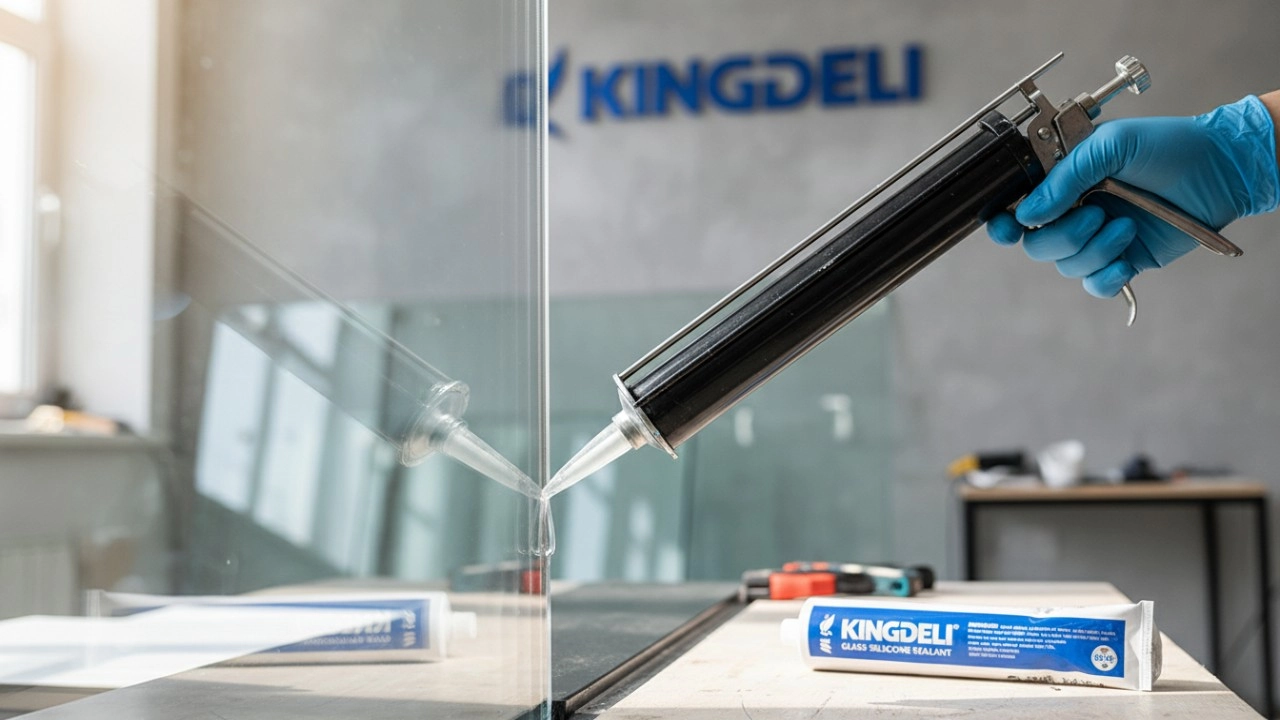
The 2026 Ultimate Guide to Glass Silicone Sealant: Everything You Need for a Perfect Finish
OEM vs. Branded Acetic Silicone Sealant: What’s Best for Your Distribution Business?
The Future of Sealants: 5 Emerging Trends in Wholesale Neutral Silicone Sealant Technology for 2026
HY-682
How does it perform under low humidity conditions?
The product maintains good curing and bonding performance even in low-humidity environments.
HY723
Is the sealant safe during a fire event?
Yes, it is excellent flame retardant; it self-extinguishes within 30 seconds and produces no smoke or harmful gases when burning.
HY-976
Is surface preparation necessary?
Yes. Surfaces must be clean, dry, and free from dust, grease, or contaminants. Very dusty or highly porous surfaces should be primed before application.
HY-2100
Can it be used for both indoor and outdoor applications?
Yes. It provides good weather resistance and is suitable for general interior sealing and window/door frame installations. For heavy exterior structural glazing, please confirm material compatibility or consult technical support.
Distributor Partnership
What is the minimum order quantity (MOQ)?
MOQ depends on the product type, packaging, and whether OEM/ODM is required.
We offer flexible solutions for new distributors.
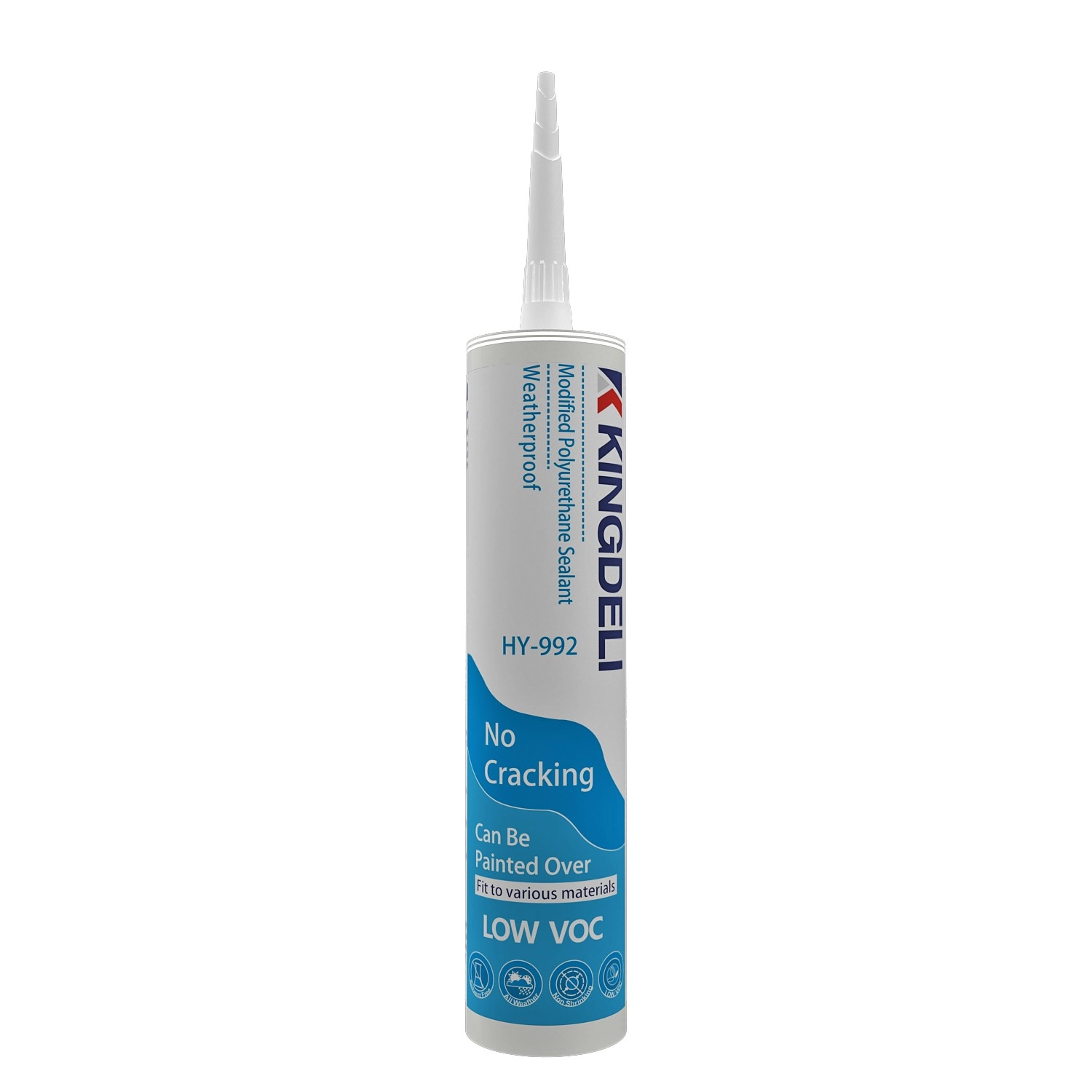
HY992 Modified Polyurethane Construction Sealant
HY992 Modified Polyurethane Sealant is a one-component, moisture-curing construction sealant designed for professional building and structural sealing applications. It provides excellent adhesion, weather resistance, and durable elasticity, making it suitable for a wide range of construction materials.
The formulation delivers strong bonding performance without corrosion or substrate contamination, while maintaining low VOC content for environmentally responsible construction projects.

HY995 Crystal Clear Ms Polymer Adhesive/Sealant
HY995 Crystal Clear Ms Polymer Adhesive/Sealant is a new generation MS Polymer adhesive / sealant formulated for all bonding and sealing applications where long term reliability is required. It has excellent bonding strength on various materials. It will cure to form a durable, flexible, waterproof seal.

HY997 High-Performance Anti-Microbial MS Polymer Sealant
HY997 MS polymer sealant for is is a premium one-component, neutral-curing modified silane sealant engineered for demanding interior applications. It offers a Class 20 movement capability, ensuring long-lasting flexibility and reliable performance under dynamic joint conditions. Curing at room temperature, HY997 delivers superior anti-microbial and mildew-resistant properties, maintaining hygienic and clean environments over time.
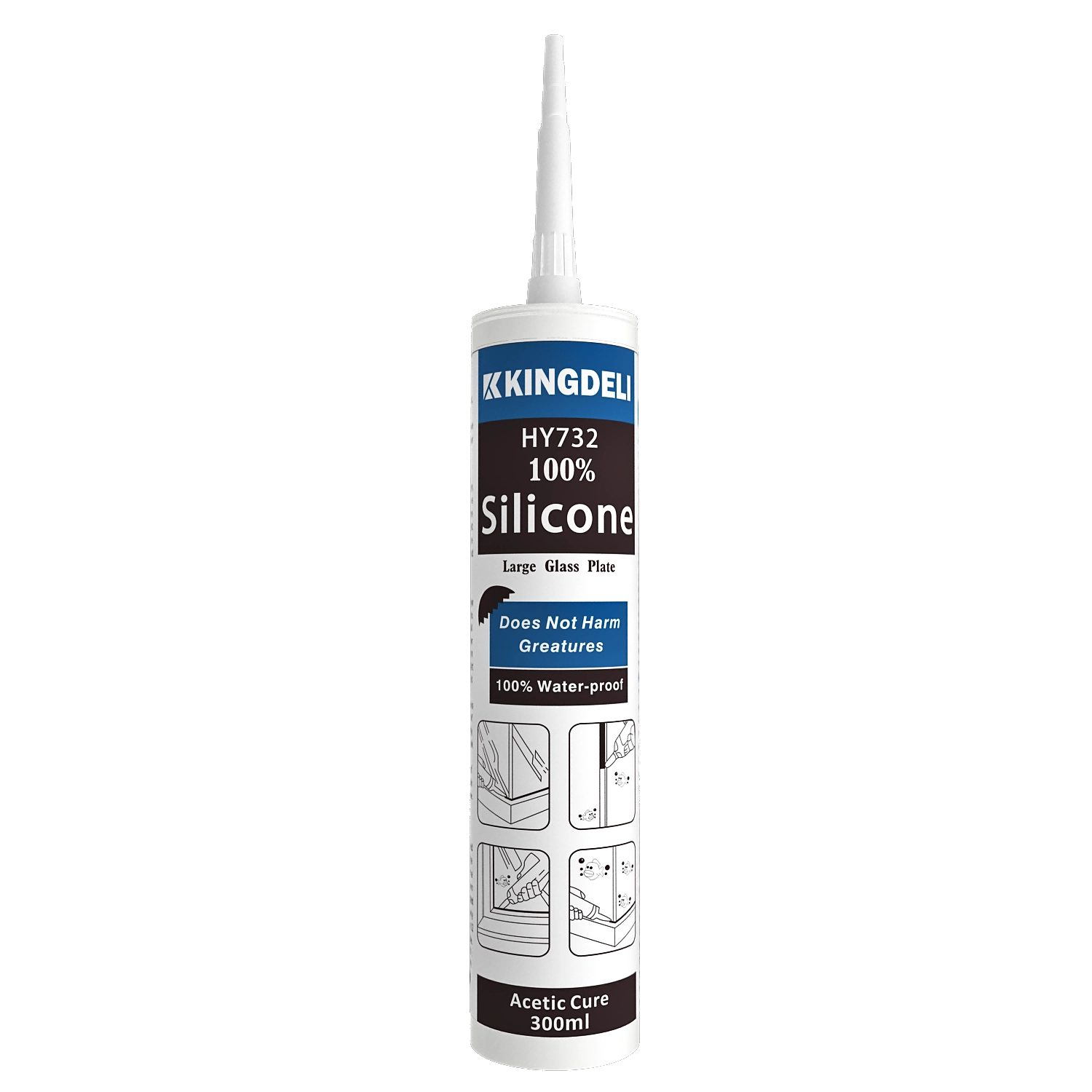
KINGDELI HY732 Professional Acetoxy Cure Silicone Sealant
KINGDELI HY732 is a professional-grade, one-component acetoxy cure silicone sealant designed for fast curing, strong adhesion, and long-lasting flexibility. Ideal for aquariums, glass applications, aluminum doors and windows, kitchens, and bathrooms, it provides reliable sealing performance with excellent anti-fungal protection in high-humidity environments.
Let’s Build Stronger Bonds with Quality Adhesives and Sealants
Have questions about the topic or need tailored sealant solutions for your project?
Our team is ready to provide expert guidance, product recommendations, and application support.
Innovating with Integrity, Bonding the World
Since 1998, KINGDELI has delivered trusted, sustainable sealant solutions that connect industries and inspire progress worldwide.
Whatsapp: +8618825946249
Kingdeli
Kingdeli
Kingdeli
Kingdeli
Kingdeli