











How to request technical data sheet and MSDS for silicone sealant? | Insights by KINGDELI
1) How do I request a silicone sealant Technical Data Sheet and SDS for a specific product batch when the supplier claims the formulation is proprietary?
When a manufacturer calls a formula proprietary, you still have the right to essential safety and performance information for safe use, compliance and acceptance testing. Ask for the following explicitly in writing: the TDS for the exact product name and batch (lot) number; the 16-section SDS (GHS format) for that batch; certificate of analysis (COA); and a statement of hazardous constituents with CAS numbers and concentrations above reporting thresholds (e.g., >0.1% or local threshold). Explain why you need batch-specific documents — e.g., regulatory import, workplace exposure assessment, or project acceptance testing — and request a redacted composition if full formula policing is a concern.
What to say: request SDS (GHS 16-section) for product X, batch no. Y, PDF; TDS with measured properties for that batch; COA; and list of hazardous constituents with CAS numbers and concentrations. If full composition cannot be disclosed, please provide redacted technical and safety information sufficient for regulatory compliance and worker safety.
Why it works: under most chemical safety regulations (OSHA in US, REACH/CLP in EU, GHS-aligned jurisdictions), the supplier must provide an SDS and identify hazardous ingredients. For performance claims, manufacturers commonly provide batch COAs and batch-relevant TDS addenda. If they hesitate, offer an NDA to protect IP while receiving the technical details you need.
Practical tip: include the order/purchase order number, required delivery date for documents, and whether you need the SDS translated. Ask for documents in PDF with the batch number and issue date in the header/footer so you can trace them to delivered shipments.
2) What exact TDS performance parameters (with units and test methods) should I demand to verify adhesion and cure for anodized aluminum and painted steel?
Don’t accept vague phrases like excellent adhesion — request quantitative, standardized test results with methods and acceptance criteria. For anodized aluminum and painted steel, ask the supplier for:
- Adhesion test method and result: ASTM C794 (adhesion-in-peel) or ASTM C1135 where applicable; report peel strength (N/mm or lb/in) and failure mode (cohesive vs adhesive). State the substrate type and pre-treatment used in the test (e.g., anodized aluminum, cleaned with IPA, primer used or not).
- Shear strength or lap-shear data: report in MPa or psi, with test standard cited (e.g., ISO 4587 or equivalent) and specimen dimensions.
- Tensile strength and elongation at break: per ASTM D412, report MPa and % elongation to compare elastic performance.
- Shore A hardness: per ASTM D2240 with test conditions (time after cure, temperature).
- Modulus at 100% (MPa) or median modulus if used in structural applications.
- Cure profile: tack-free time, skin-over time, depth of cure per 24 hours (mm/day), and full cure time at specified thickness and temperature. State the cure chemistry (acetoxy, alkoxy, oxime, neutral) because this affects substrate compatibility and corrosion risk on aluminum.
- Thermal and service temperature range: continuous and intermittent limits (°C/°F).
Ask the supplier to provide test sample preparation details (surface cleaning, primer use, joint geometry) and test lab accreditation (ISO/IEC 17025) if critical for acceptance. If you need adhesion on painted steel, request tests on the actual paint system or have the manufacturer perform adhesion testing on your painted panels as part of qualification.
3) How can I obtain VOC, SVOC and regulatory declarations (REACH, TSCA, Prop 65) along with the SDS when importing silicone sealant into EU and California?
Regulatory declarations and VOC data are separate but closely tied to the SDS/TDS. When requesting, be explicit about jurisdictional needs and formats:
- SDS: request the EU-format SDS with CLP classification if importing to EU, and the OSHA-aligned GHS SDS for the US. Ask for SDS translations in the local language when required (e.g., EU member state language).
- VOC/SVOC data: ask the TDS for VOC content in g/L (grams per liter) measured per EPA Method 24 or equivalent local method, and list any exempt solvents considered by the local regulation.
- REACH: for EU shipments, request REACH registration numbers for any registered substances, information on SVHCs (substances of very high concern) and any Article 33 disclosure if applicable.
- TSCA: for the US, request TSCA status statements for intentional chemical substances in the product.
- California Prop 65: ask for a Prop 65 compliance statement indicating presence/absence of listed chemicals above the no-significant-risk levels, and any label language required.
- International shipping/transport: request UN number (if classified), packing group and class if product is hazardous for transport, plus transport SDS sections (14 and 15) correctly completed.
Provide the supplier with your destination, end-use, and whether product will be used in a consumer or industrial setting — they will tailor the documentation accordingly.
4) What information must be in the SDS/TDS to allow me to assess worker exposure and PPE needs for high-volume assembly lines?
For occupational safety and industrial hygiene planning request these SDS/TDS elements explicitly:
- SDS Section 2 (hazard identification) and 3 (composition): hazard class, signal word, hazard statements and hazardous ingredient concentrations with CAS numbers.
- SDS Section 8 (exposure controls / PPE): recommended engineering controls (ventilation rates), respiratory protection (APF, cartridge types), glove materials with breakthrough times (in minutes) for the specific sealant chemistry, and eye/skin protection recommendations.
- Occupational exposure limits (OELs): any relevant OELs or recommended monitoring parameters (e.g., VOC mg/m3, specific ingredient PELs, TLVs). If no OEL exists, ask manufacturer for recommended control banding or exposure guidance.
- Skin absorption and dermal hazard data, sensitization potential (e.g., isocyanate-free vs. presence of organotin catalysts), and first-aid measures.
- Fire and explosion data (SDS Section 9/10): flash point, flammability limits, and decomposition products.
- TDS: recommended application ventilation, pot life for two-component systems, recommended cure profile at ambient conditions and for enclosed spaces.
If planning continuous use on a production line, request manufacturer advice on local exhaust ventilation rate per linear meter of joint, recommended PPE change frequency, and waste handling/disposal guidance. You can also ask for empirical worker exposure monitoring reports if the manufacturer has performed them in comparable production environments.
5) If a TDS lacks a full cure profile or adhesion test methods, how do I request lab-level data or bespoke compatibility testing from the manufacturer (and what should that scope include)?
When off-the-shelf TDS info is insufficient for critical builds, request a formal qualification program scope. Provide the manufacturer with a labeled scope-of-work describing substrates, surface preparation, environmental conditions, and acceptance criteria. Typical scope elements should include:
- Test substrates and pretreatments: list exact materials (e.g., anodized 6061-T6, epoxy-coated mild steel with paint X, glass with silane primer Y) and surface prep (abrasion, solvent wipe, primer type and dry film thickness).
- Test matrix: adhesion-in-peel (ASTM C794), lap-shear, tensile (ASTM D412), tear strength (ASTM D624), hardness (ASTM D2240), and accelerated ageing (e.g., 1000 h salt spray per ASTM B117, thermal cycling, humidity soak). Include environmental conditioning (temperature and humidity), joint geometry, sealant thickness, and cure time prior to testing.
- Cure profile mapping: measure depth of cure at 24, 48, 72 hours; tack-free time; and cure rate at different temperatures (5°C, 23°C, 40°C) and humidity levels if neutral cure is moisture-curing.
- Analytical chemistry: solvent content, residual volatiles, and VOC per EPA Method 24, plus GC-MS of volatiles if odor or emissions are a concern.
- Report format and accreditation: request test reports with raw data, photographic evidence of failures, and lab accreditation (ISO/IEC 17025) if contractual acceptance relies on it.
Negotiate costs and lead time up front. Manufacturers often charge for bespoke testing; consider a cost-sharing model if you plan a long-term supply relationship. If the manufacturer declines, use an independent accredited laboratory and share test protocols with the supplier for witness testing.
6) What is an effective MSDS/SDS request email template and escalation path when documents are delayed and my project is blocked?
Use a concise, structured email and include escalation steps and a clear deadline. Below is a practical template you can copy and send:
Subject: Urgent — SDS & TDS Needed for Batch — Project Blocked
Dear ,
We require the following documents immediately to proceed with a critical project at :1) GHS 16-section SDS for — batch/lot:2) TDS for the same batch showing adhesion, cure profile, VOC (g/L) and ASTM test methods used3) Certificate of Analysis (COA) for batch4) REACH/TSCA/Prop 65 statements relevant to EU/US/CA shipment
Reason: Our QA and safety teams must complete acceptance testing and exposure assessment before production start on . Current lack of documentation has put our line on hold.
Required format: PDF, stamped or signed where applicable, and include the batch number and issue date on each document. If translation or classification updates are needed for , please include that version as well.
Deadline: Please provide these documents by . If you cannot meet this deadline, provide a written status update and expected delivery time.
If you are unable to send the documents due to proprietary concerns, we are prepared to sign an NDA or accept redacted versions that still meet regulatory and safety needs.
Escalation: If documents are not received by , we will escalate to , and may need to consider alternative suppliers to avoid project delays.
Thank you — your prompt assistance is appreciated.
Best regards,
If the supplier stalls, escalate to your procurement manager and request documented reasons. Consider involving your legal or compliance team; often a formal purchase order referencing regulatory compliance obligations speeds things up. Document all communications for audit trails.
Concluding summary: Why getting the correct TDS and SDS up front saves time, risk and cost
Obtaining a complete, batch-specific Technical Data Sheet and a GHS 16-section SDS before acceptance reduces project risk, helps ensure regulatory compliance (REACH/TSCA/OSHA/CLP), and avoids on-site safety incidents and rework. Key advantages: faster approvals, accurate PPE and ventilation planning, verifiable adhesion/cure performance on your substrates, and traceability for warranty and claims. When suppliers provide COA, test methods and batch identifiers you gain defensible data to support procurement and engineering decisions, and you shorten qualification cycles.
For assistance preparing a bespoke document request, witness testing plan, or for procurement of qualified silicone sealant samples, contact us for a quote: www.kingdelisealant.com or info@kingdeliadhesive.com.
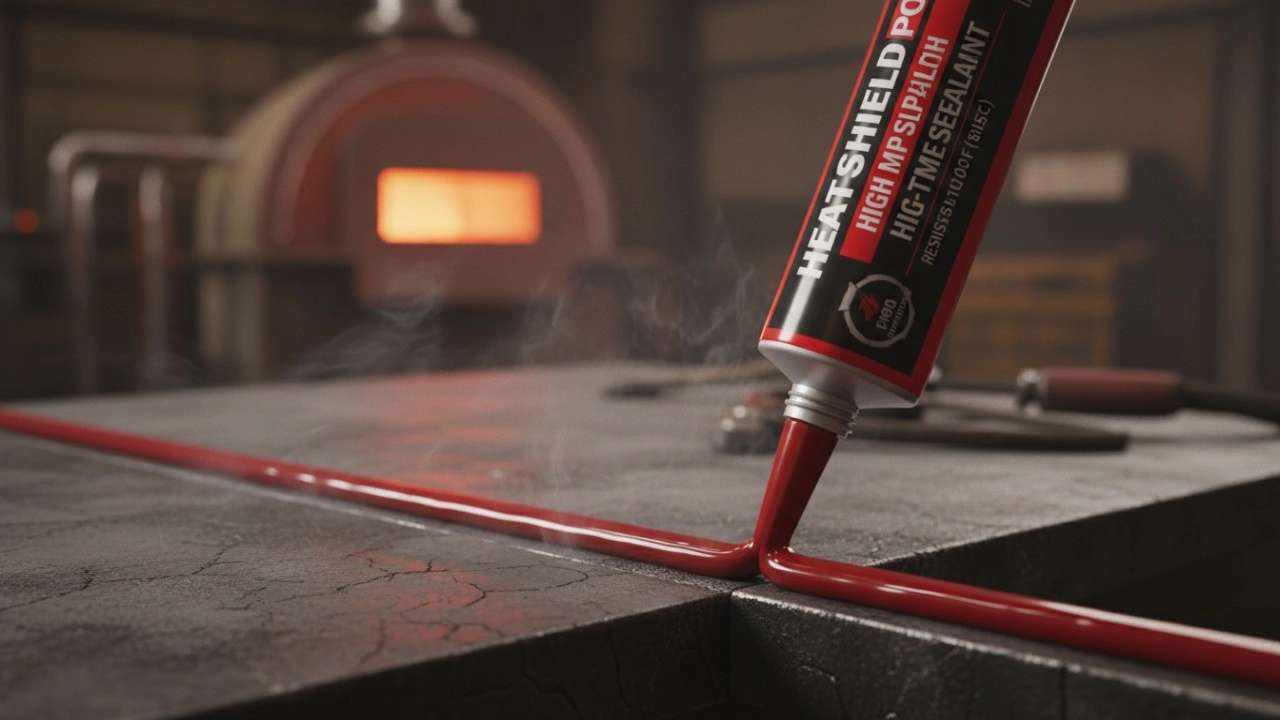
How to Apply High Temperature Silicone Sealant Like a Pro: 5 Secrets for a Lifetime Seal
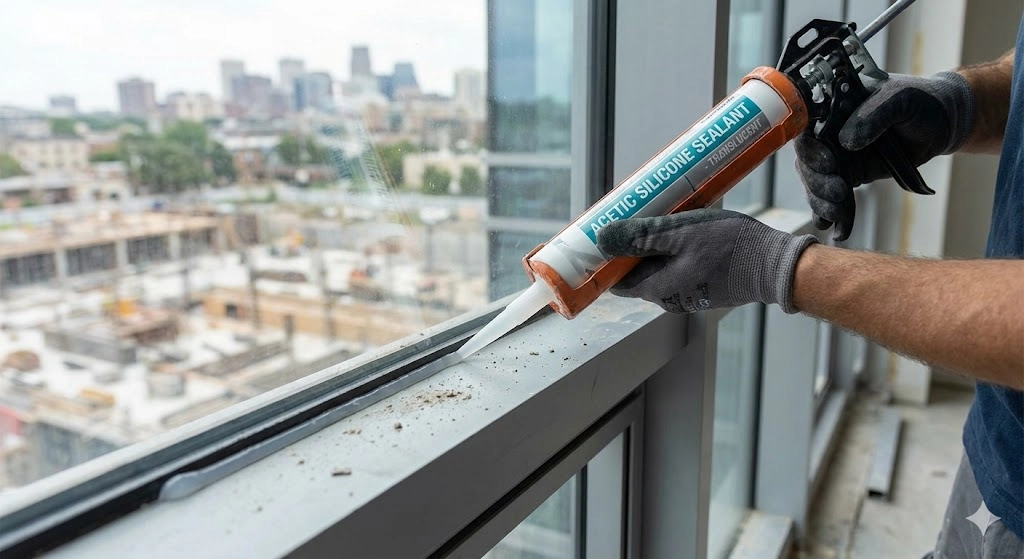
Acid Cure vs. Neutral Silicone: Why Choose Acetic Silicone Sealant for Glass?
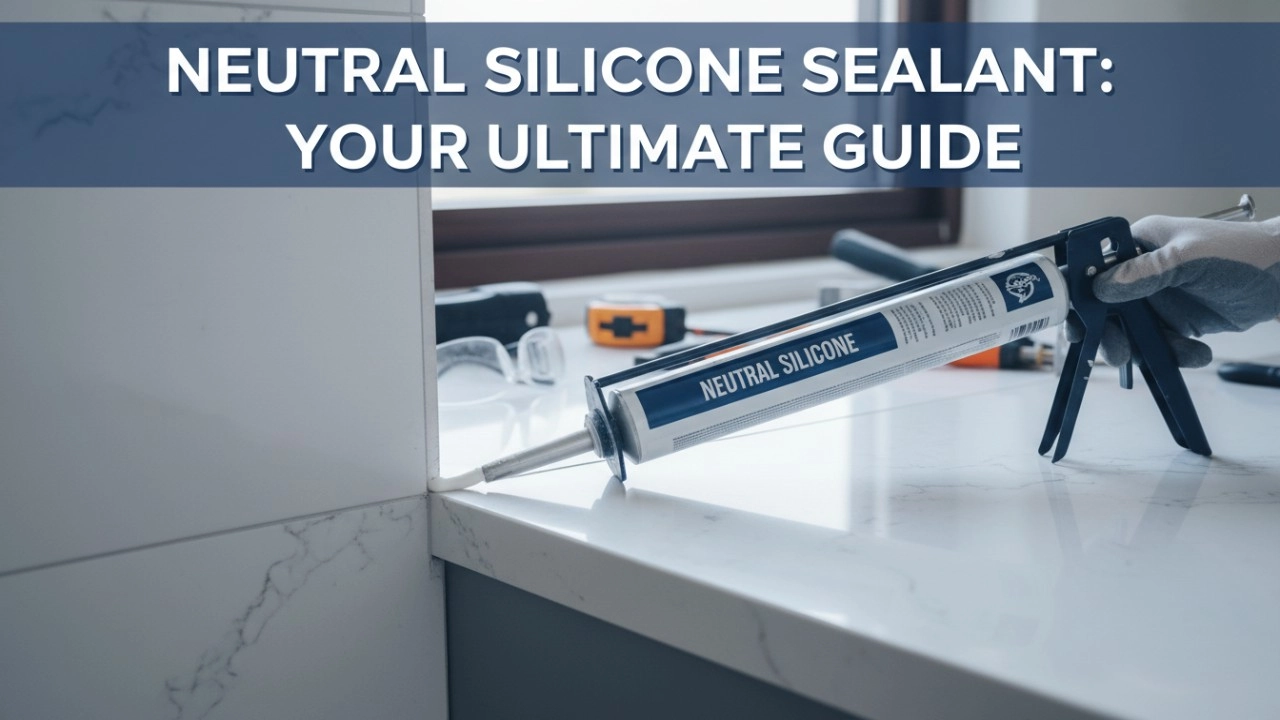
7 Critical Mistakes to Avoid When Using Neutral Silicone Sealant for High-End Projects
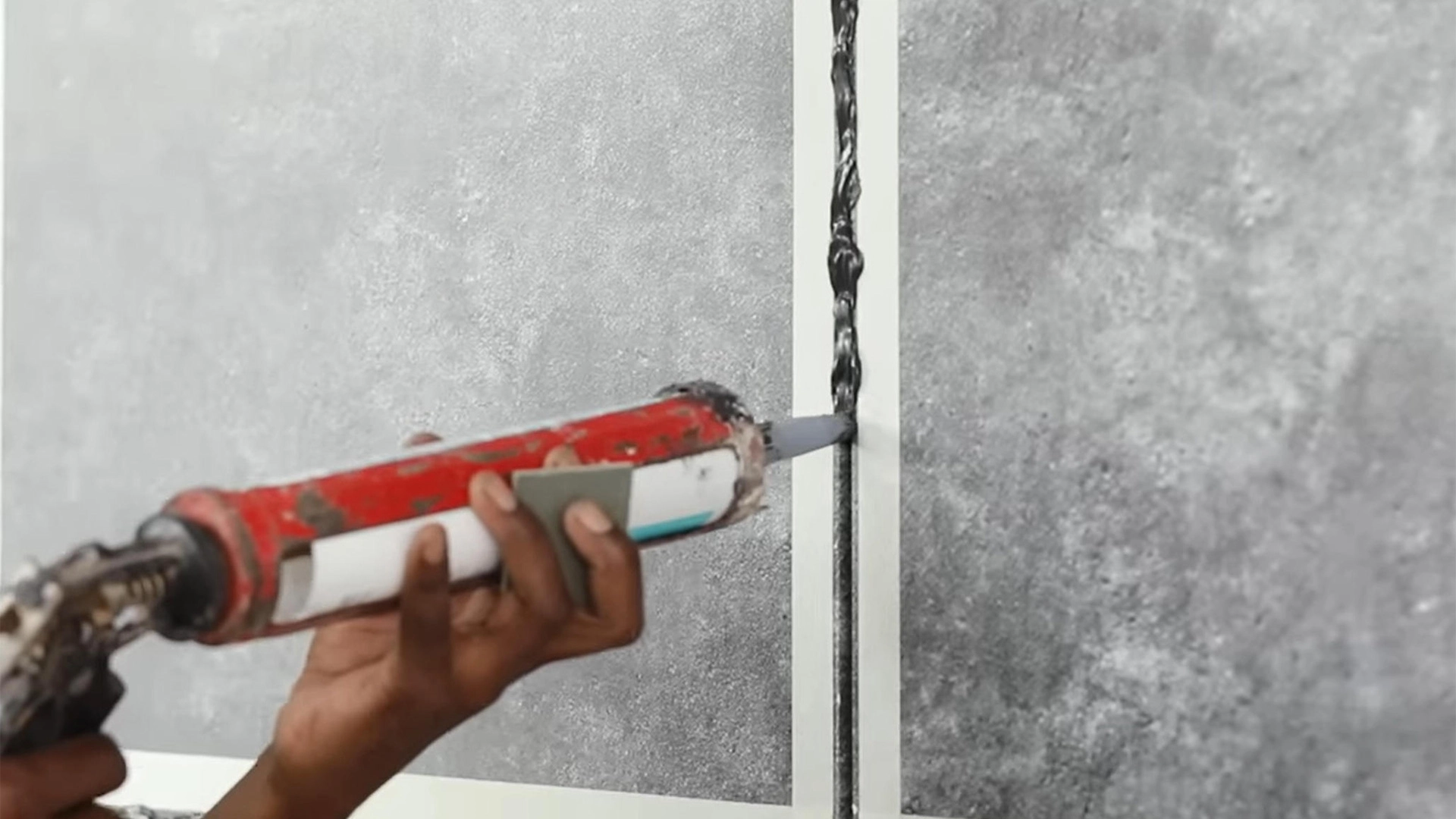
What’s the Difference Between Silicone Sealant and MS Adhesive for ACP?
HY-966
Is HY-966 waterproof?
Yes. Once cured, HY-966 provides strong water resistance, making it suitable for areas exposed to moisture.
What colors and packaging options are available?
HY-966 is available in white and cream, supplied in 280 ml and 300 ml cartridges.
HY- 972
What type of surfaces does it adhere to best?
HY-972 provides excellent adhesion to porous substrates such as concrete, wood, gypsum board, and cement-based materials.
HY-682
Can it be applied on wet surfaces or in rainy conditions?
Yes. The product can be applied on wet substrates and quickly achieves waterproof performance. Light rain after application does not affect its effectiveness.
HY-951
What surface finish does HY951 provide after curing?
After curing, HY951 forms a smooth, glossy surface similar to ceramic, enhancing both cleanliness and decorative appearance.
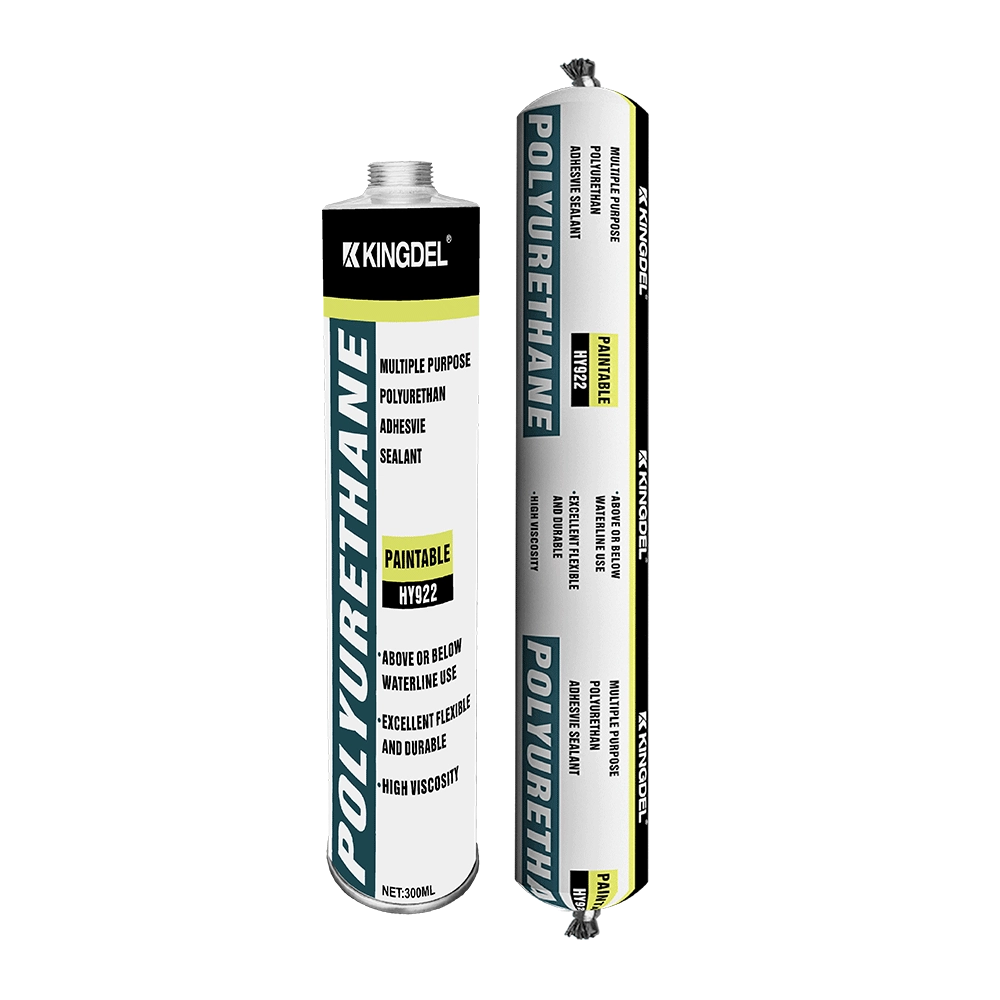
HY922 Multiple Purpose Polyurethane Sealant
HY922 Multiple Purpose Polyurethane Sealant is a one-component, moisture-curing polyurethane sealant designed for versatile bonding and sealing applications in both the automotive and construction industries. It cures to form a flexible yet tough elastomeric joint with excellent adhesion to a wide range of substrates. The formulation is non-corrosive, solvent-free, and produces a smooth, bubble-free finish during application.
HY922 delivers fast surface drying and quick positioning, improving installation efficiency while maintaining long-term durability. With strong weather resistance and good creep resistance, it performs reliably in demanding indoor and outdoor environments, including moist and partially submerged conditions.
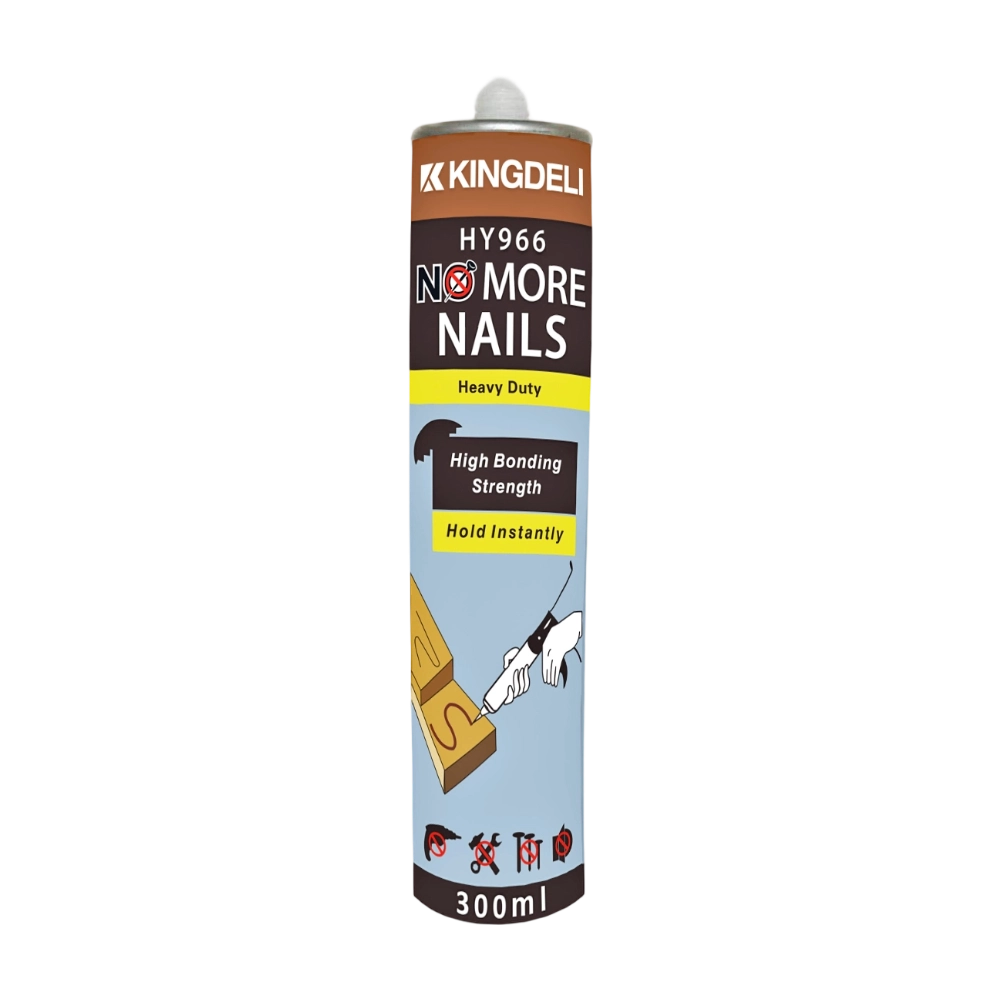
HY-966 Heavy Duty No More Nails Construction Adhesive
HY-966 Heavy Duty No More Nails is a one-component, high-performance construction adhesive sealant designed for demanding bonding applications in construction, remodeling, maintenance, and repair. Its instant grab formulation secures materials immediately, significantly reducing the need for bracing or mechanical fixing during installation.
HY-966 cures reliably in moist environments and delivers durable adhesion across a wide range of substrates. It provides excellent resistance to water, temperature variation, and aging, ensuring long-term performance in interior construction applications.
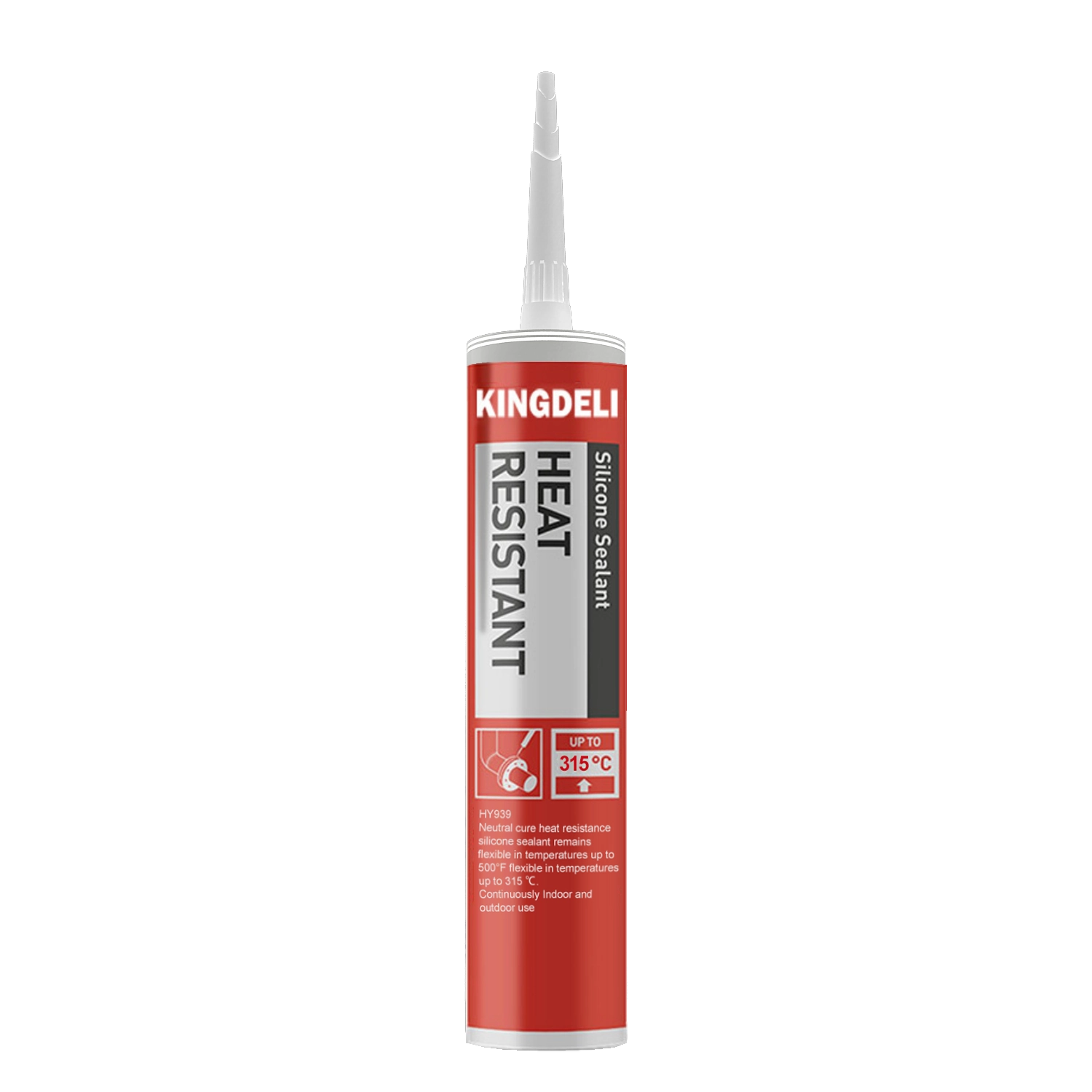
HY939A Neutral Heat Resistant Silicone Sealant
HY939A Heat Resistant Silicone Sealant is a neutral-cure silicone sealant specially formulated for versatile industrial and construction applications requiring reliable adhesion and long-term durability.
The sealant provides strong, non-corrosive adhesion to a variety of substrates, including glass, metal, gypsum board, marble, and certain plastics, making it ideal for both structural and sealing purposes.
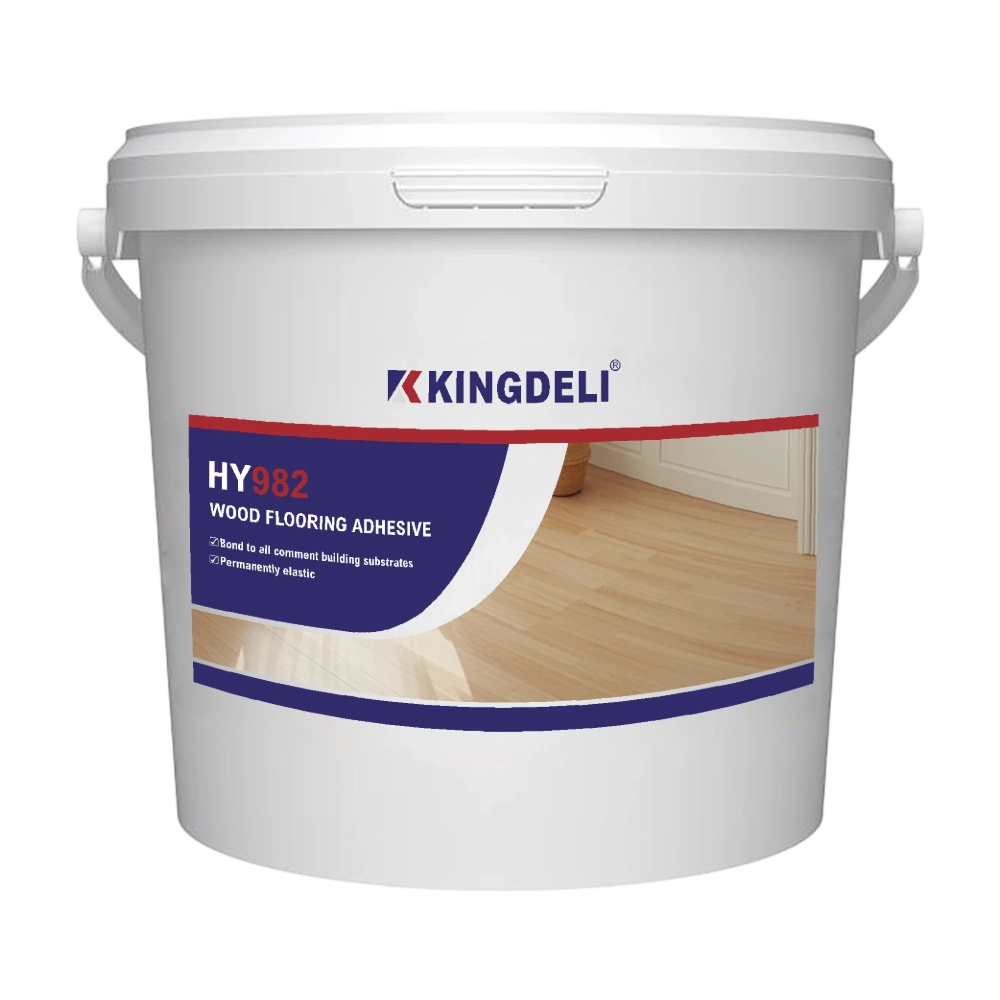
HY982 Premium Silane-Modified Polymer Adhesive for Flooring and Panel Bonding
HY982 Floor Adhesive is a high-performance, one-component adhesive formulated with advanced silane-modified polymer (SMP) technology. It is paintable, non-staining, and environmentally friendly, offering exceptional bonding strength without the need for a primer.
Designed for modern interior installations, HY982 Floor Adhesive provides excellent adhesion to wood, metal, stone, sintered slabs, glass, ceramics, and many other common building materials—making it the ideal choice for flooring installation and panel bonding applications crystal clear formulation.
Let’s Build Stronger Bonds with Quality Adhesives and Sealants
Have questions about the topic or need tailored sealant solutions for your project?
Our team is ready to provide expert guidance, product recommendations, and application support.
Innovating with Integrity, Bonding the World
Since 1998, KINGDELI has delivered trusted, sustainable sealant solutions that connect industries and inspire progress worldwide.
Whatsapp: +8618825946249
Kingdeli
Kingdeli
Kingdeli
Kingdeli
Kingdeli