











How to qualify silicone sealant suppliers for public tender bids? | Insights by KINGDELI
How to qualify silicone sealant suppliers for public tender bids?
When running a public tender for sealants and adhesives, contracting authorities routinely ask for standards certificates or TDS sheets — but that alone does not prevent field failures. Below are six highly specific, procurement-focused questions beginners often ask but which lack deep practical answers online, with concrete, actionable guidance for buyers of silicone sealants.
1. How do I verify a silicone sealant meets both regional regulatory standards (EN/CE) and common performance specs like ASTM C920 — and what exact documents should I require?
Problem: Public projects often span regions (EU, UK, North America) with different regulatory expectations. Suppliers frequently supply a mix of test reports, making apples-to-apples evaluation difficult.
What to require:
- Declaration of Performance (DoP) and CE mark for the EU, referencing the harmonised standard EN 15651 (specify part: e.g., EN 15651-1 for façades / EN 15651-2 for glazing). The DoP must cite the relevant EN 15651 part and the AVCP system.
- ASTM C920 compliance certificate (or test report) if the project references US-style performance classes. For silicones, buyers often require Class/Grade/Type (e.g., Class 25, NSF/NSR/NS)? — request the exact classification string from the report.
- ISO 11600 classification sheet (e.g., F/G 25 LM) used for cross-referencing movement capability and application type.
- Third-party laboratory test reports from recognized labs (UL, Intertek, SGS, Bureau Veritas) for any fire, durability or adhesion claims. Ensure the reports include test method reference, specimen prep, and date.
- Factory Production Control (FPC) evidence — e.g., audit report or certificate showing the manufacturer’s ongoing internal controls (commonly required for CE-marked construction products).
How to evaluate documents:
- Match the scope: EN 15651-1 covers facade sealants, EN 15651-2 for glazing — demand the correct part for your use-case. A DoP that does not list the exact EN part is insufficient.
- Check dates and lab accreditation: test reports older than 36 months should be re-validated; laboratories should be ILAC-MRA accredited or clearly a recognized fire-testing lab for fire reports.
- Require a CoA (certificate of analysis) per batch for critical chemical properties (e.g., cure type, filler content, VOC if applicable).
2. How should I design pre-qualification tests so they replicate real-life substrates (anodized aluminum, PVF-coated panels, painted concrete) and what acceptance criteria are realistic?
Problem: Generic lap-shear or tensile tests often fail to replicate surface treatments, contamination, or field environmental cycles — leading to unexpected adhesion failures.
Designing realistic pre-qualification:
- Substrate matrix: Identify all substrates and surface finishes to be joined. For each substrate type, test on actual material supplied (e.g., anodized aluminum 15 µm, PVF-coated aluminum with specified topcoat, painted concrete with the actual paint system).
- Surface preparation scenarios: Test at least three surface prep conditions per substrate — as-received (to simulate poor cleaning), specified preparation (e.g., solvent wipe + primer), and enhanced prep (mechanical abrasion + primer) — to understand sensitivity.
- Test suite: Combine adhesion testing (ASTM C794 adhesion by peel or ISO 8339 shear), dynamic movement cycling (±25% movement capability per ASTM C719 / ISO 11600 class 25 where applicable), UV/thermal ageing (e.g., ISO 11507 or accelerated weathering like ISO 4892-2), and adhesion after ageing.
- Mock-up joints: Build 1:1 mock-up joints with full joint geometry and backer rod to assess tooling, sag, cure-in-depth and actual weathered appearance over time. For tenders, require at least two mock-ups per major substrate combination.
Acceptance criteria (practical recommendations):
- Adhesion: No adhesive failure on the interface after accelerated ageing. If some cohesive failure occurs, residual tensile or peel strength should remain ≥50% of initial (specify exact metric in tender).
- Movement: The sealant must survive the specified movement cycles (e.g., ±25% movement for structural façade joints) without cracking, de-bonding, or pooling of silicone in the joint.
- Durability: After 1,000 hours of accelerated UV/condensation cycling, no cracking, chalking, or substantial loss of elasticity (measure by elongation at break and Shore A change).
Practical tip: Include a small field trial phase in the tender: install mock-ups on the building or a representative outdoor exposure rack for 3–6 months before bulk delivery acceptance.
3. How can I evaluate supplier batch-to-batch consistency and traceability for large-volume tenders to avoid mid-project variability?
Problem: Even a single batch with slightly different filler, raw polymer lot, or crosslinker can change cure speed, adhesion or color — causing rework.
What to require contractually:
- Lot numbering and CoA per production batch: each delivery must include a CoA listing key attributes (viscosity, specific gravity, percent fillers, cure time (skin time), extrusion force, color code, shelf-life date).
- Retention samples: Supplier must keep retention samples from each batch for at least 12–24 months and agree to provide them on request for verification by a third-party lab.
- Statistical QC evidence: Ask for supplier’s within-batch and between-batch quality data — e.g., average extrusion force and standard deviation over the last 12 months. If the supplier is ISO 9001 certified, request FPC audit snippets showing control charts for critical parameters.
- Sampling plan for acceptance: Define a sampling and testing plan (reference ISO 2859-1 or ANSI/ASQ Z1.4) — e.g., for every 1,000 cartridges delivered require 5 random cartridges to be tested for extrusion force and adhesion. Specify an Acceptable Quality Level (AQL) or explicit pass/fail thresholds.
On-site handling to preserve consistency:
- Mandate storage conditions on delivery notes (temperature range, avoid freezing, store upright). Typical silicone sealant shelf life when stored <25°C and unopened is commonly 12 months; require supplier to state shelf life per SKU on the CoA.
- Require FIFO labeling and that the supplier provides a storage and handling data sheet for site teams (including recommended ambient and substrate temperatures at application).
4. How do I assess compatibility between silicone sealants and adjacent coatings/primers, and when is a primer mandatory?
Problem: Sealant-coating incompatibility is a common cause of coating delamination, staining, or adhesion failure. Suppliers often claim “no primer needed” but testing shows otherwise for some low-energy or coated substrates.
Assessment steps:
- Chemical compatibility screening: Ask suppliers to provide chemical resistance and compatibility data with the actual coating systems in your project (coating brand and type, cure schedule). Incompatible silicones can migrate plasticizers and cause coating blooming.
- Primer recommendations: For porous substrates (concrete, masonry) or oxidized/painted metals, require testing both with and without primer. For low-energy surfaces (PVDF, PE/PP plastic trims) primers are typically essential — ask for the specific primer product, application method and drying time from the supplier.
- Adhesion after coating cycles: Perform cross-cut adhesion, peel tests, and a full mock-up where the coating is applied over or adjacent to cured silicone depending on the joint design. Some coatings do not adhere over silicone and require masking strategies.
- Stain / blooming tests: Some silicone sealants cause staining or “bloom” on high-gloss finishes. Require accelerated weathering on coated mock-ups and visual inspection thresholds (e.g., ΔE color change limits) or photographic proof.
When to require a primer in the tender:
- Whenever the supplier’s own technical data sheet recommends a primer for the target substrate.
- If mock-up tests show reduced adhesion without primer or if the substrate manufacturer (e.g., PVDF-coated panel supplier) mandates surface treatment.
- Specify primer manufacturer and application procedure in the tender to avoid supplier substitution without approval.
5. Can a silicone sealant be both fire-rated (for penetration/joint fire-stopping) and meet high movement capability requirements — how to verify both claims for a tender?
Problem: Fire-rated silicones and high-movement silicones are often tested to different protocols. Buyers are confused when a product claims both, but test scopes differ (fire test vs movement/elasticity tests).
How to verify dual claims:
- Ask for the fire test report referencing the applicable standard: UL 2079 or ASTM E1966 (common for US/UL firestop joint tests) and EN 1366 series and classification to EN 13501-2 for European contexts. The fire test report must include joint geometry, backing material, and movement simulation if movement was part of the test.
- Movement capability evidence: Request reports showing movement cycling per ASTM C719 or the movement class per ASTM C920 (Class 25 = ±25% movement). ISO 11600 class 25 LM is also widely used.
- Combined testing: The most convincing evidence is a tested system where movement cycling was performed before or during the fire test, or a listing that explicitly describes the joint system as both fire-rated and capable of the specified movement. Fire test labs sometimes perform movement cycling prior to fire exposure to validate combined performance.
- Third-party system listings: For firestop applications, prefer products with a published system listing (e.g., UL fire-resistance directory or ETL/Intertek listings) that details allowable joint widths, backing material and movement rates.
Procurement wording tip: In the tender, distinguish between fire-resistance (e.g., 2-hour rating for a penetration or joint) and movement capability (±25%). Do not accept a single unsupported claim; require test reports for both and preferably a combined-system report.
6. What commercial and logistic contract terms should I include in a public tender to avoid supply interruptions, cold-chain damage, and on-site product degradation?
Problem: Delays, damaged product during transport, and improper site storage are frequent causes of project pause and rejection of delivered material.
Key contract clauses to include:
- Delivery scheduling and penalties: Require a delivery timeline with liquidated damages for missed milestones, or at minimum clear delivery windows linked to payment milestones.
- Packaging & labeling: Require sealed, labeled units with batch number, manufacture date, expiry/shelf-life, storage temperature, and TDS/MSDS attached. For cartridges, demand protective caps and desiccant where recommended.
- Transport and handling instructions: Define acceptable transport temperature ranges (typical recommendation: store and transport at 5–25°C; prohibit freezing). Require temperature records for shipments of large volumes or cross-border consignments if extreme climates are involved.
- On-site inspection and rejection rights: On receipt, the purchaser should have a defined window (e.g., 7 working days) to inspect and reject non-conforming goods. Define criteria for rejection (expired product, breached packaging, visible curing in cartridges, off-spec extrusion force).
- Spare stock and phased delivery: For long programs, require phased deliveries with a small percentage (5–10%) held in reserve or delivered earlier as buffer stock; or require supplier to keep X% of total contract as readily available buffer to avoid interruptions.
- Storage & handling training: Require supplier-provided on-site storage guidance and a short training or guidance note for applicators about tooling, primer use, and cold-weather application procedures.
Quick QA on arrival: Specify simple site checks the contractor must perform: visual inspection, check expiry date and batch number, and a functional extrusion test (measure extrusion force or ensure smooth bead formation). For critical projects, set aside a random sample for lab verification.
About KINGDELI — why choose us for public tenders?
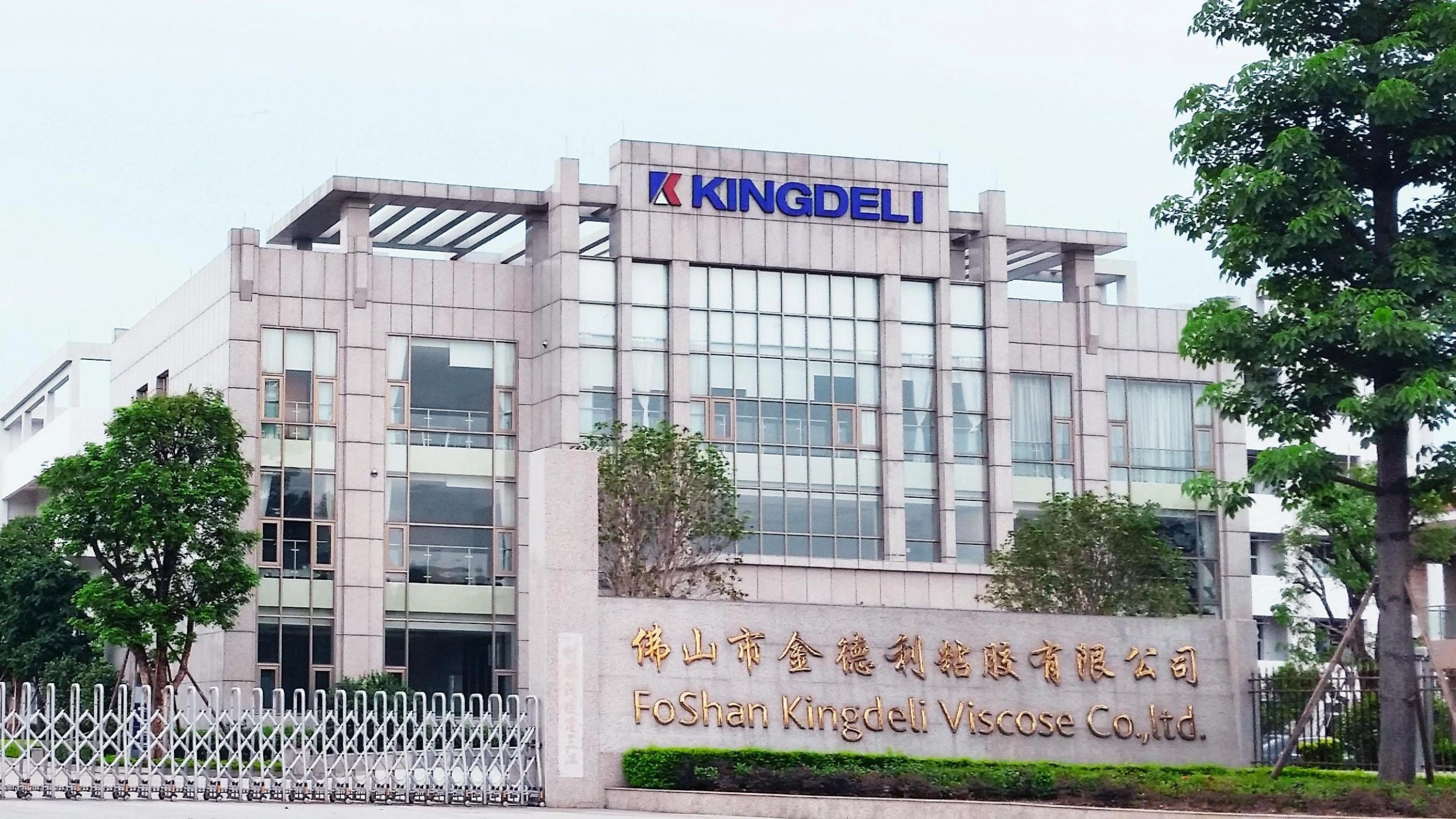
KINGDELI provides a full tender-support package: EN 15651 and ASTM C920 compliant silicone lines, CE DoP and FPC documentation, third-party lab reports (SGS/Intertek/UL), batch CoAs with retention sample policy, and tailored mock-up testing on client substrates. We hold ISO 9001-certified production, provide explicit storage/transport instructions, and offer dedicated technical support for primer selection and on-site trials. Our logistics model offers phased delivery, FIFO labeling, and temperature-controlled shipment options to safeguard shelf life. Visit www.kingdelisealant.com or email info@kingdeliadhesive.com for specification packs and sample requests.
Contact us for a detailed quote and pre-qualification package tailored to your tender.
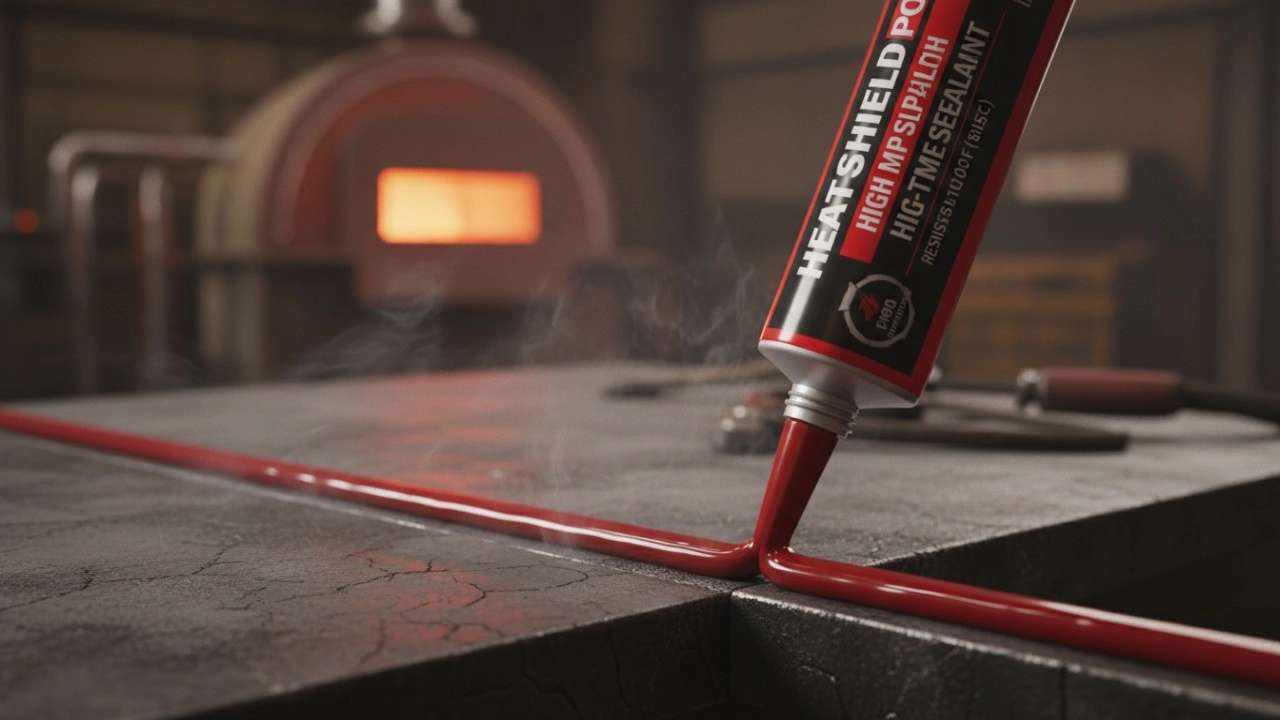
How to Apply High Temperature Silicone Sealant Like a Pro: 5 Secrets for a Lifetime Seal
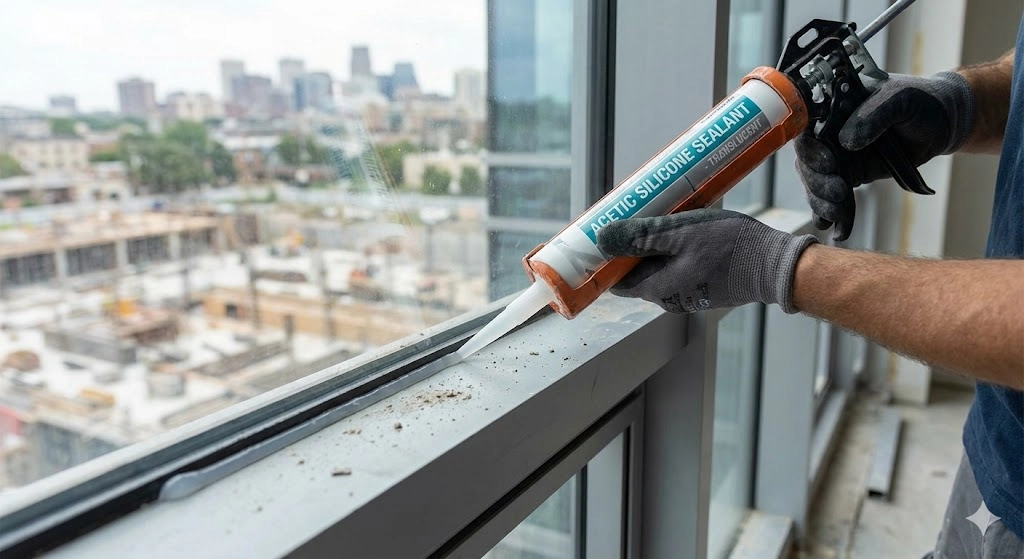
Acid Cure vs. Neutral Silicone: Why Choose Acetic Silicone Sealant for Glass?
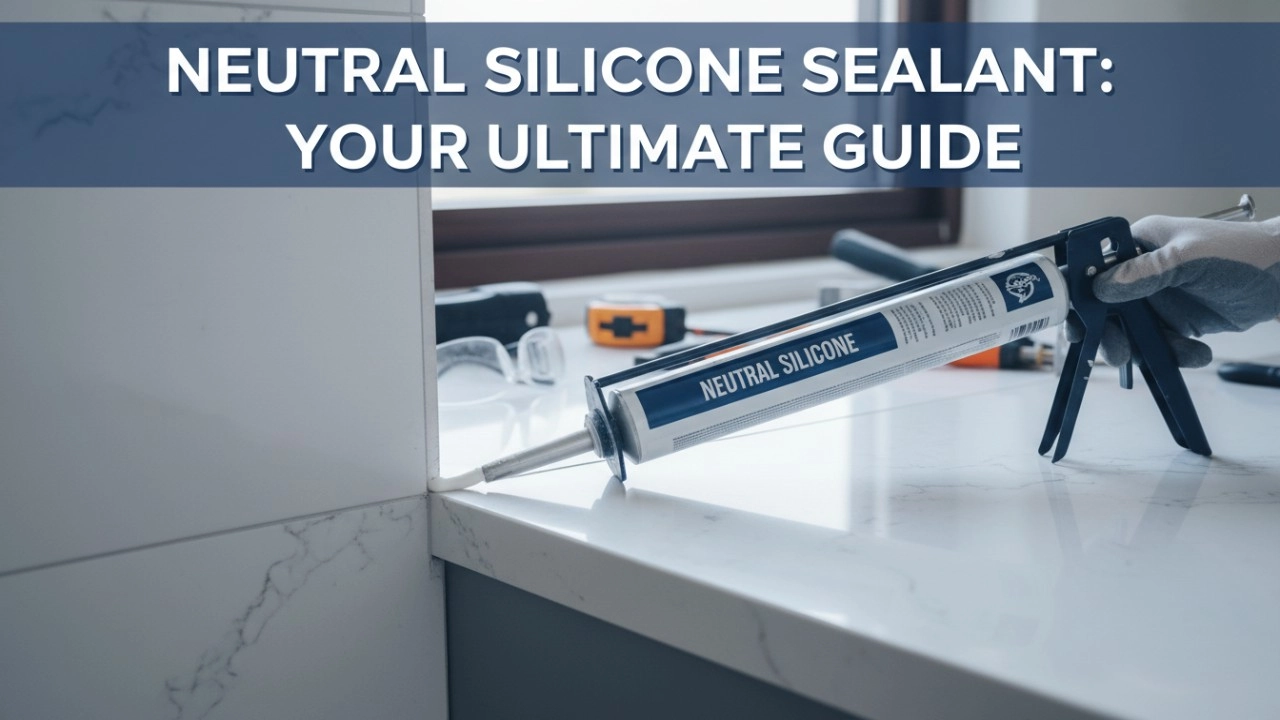
7 Critical Mistakes to Avoid When Using Neutral Silicone Sealant for High-End Projects
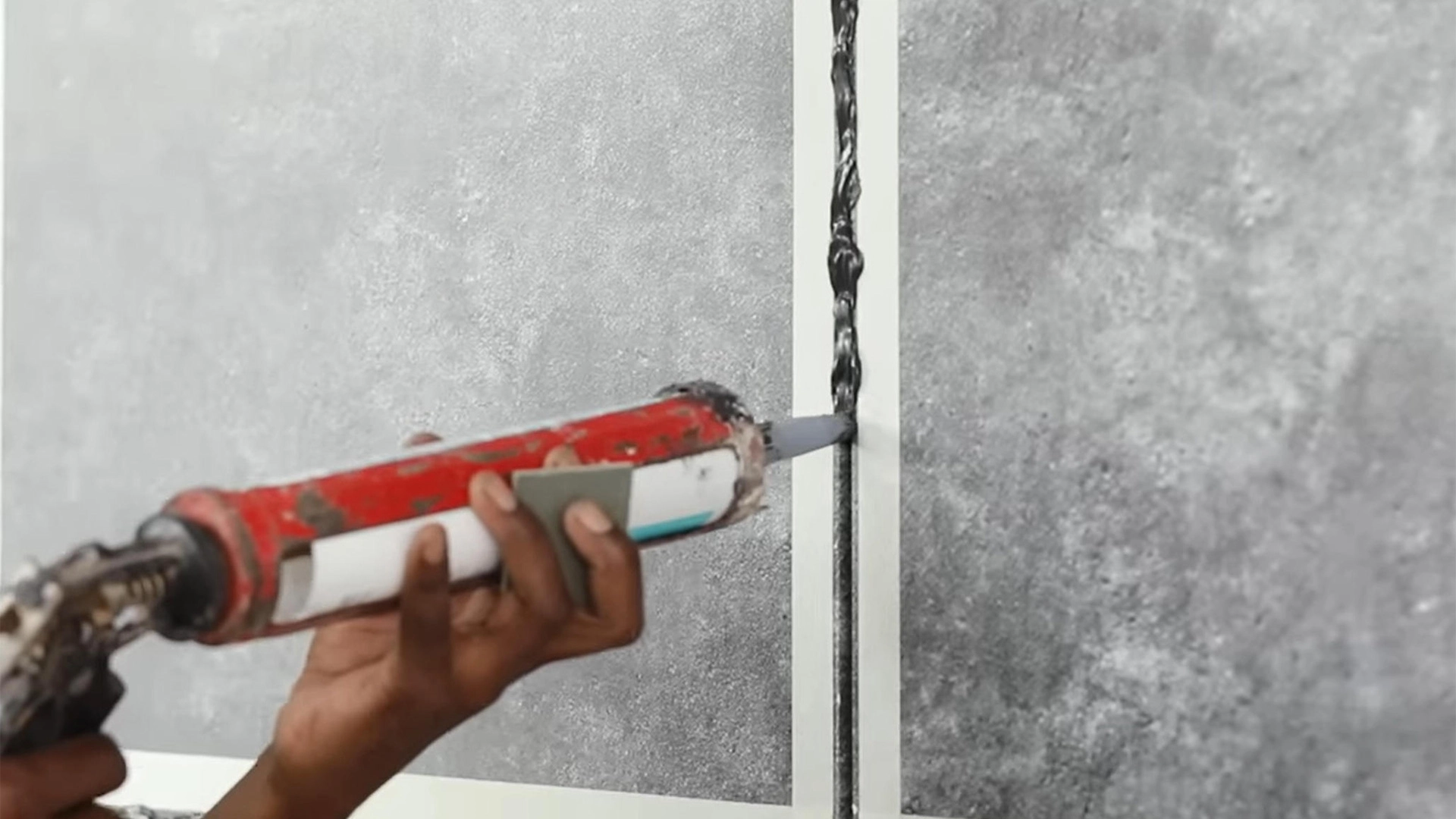
What’s the Difference Between Silicone Sealant and MS Adhesive for ACP?
HY922
What surfaces does HY922 adhere to?
HY922 adheres well to metal, glass, cement-based materials, brick, ceramic, marble, wood, aluminum, PVC, and many other common construction substrates.
HY993
Can this product be used outdoors?
Yes. HY993 offers excellent weather resistance, UV stability, and long-term durability suitable for exterior applications.
HY-3300
What packaging options are available?
HY-3300 is available in 280ml/300ml cartridges and 500ml/600ml aluminum foil packages. We also offer custom cartridge labels and box designs to support your brand image.
HY939A
What is the recommended application temperature range?
The sealant offers smooth extrusion and optimal workability within an application temperature range of 4°C to 40°C.
HY-976
What is HY976 No More Nails used for?
It is a high-strength indoor adhesive designed to bond and fix common building and decorative materials without the need for nails or screws, such as skirting boards, coving, mouldings, coat hooks, and panels.
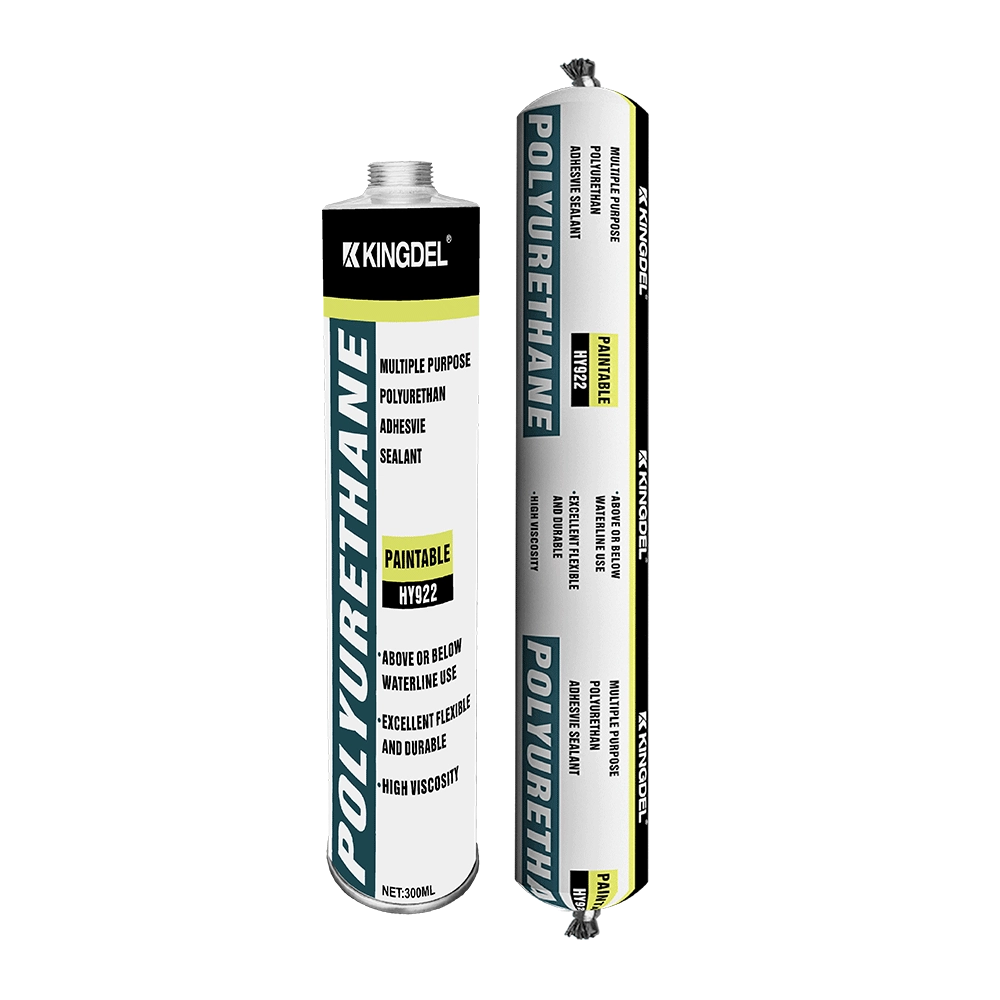
HY922 Multiple Purpose Polyurethane Sealant
HY922 Multiple Purpose Polyurethane Sealant is a one-component, moisture-curing polyurethane sealant designed for versatile bonding and sealing applications in both the automotive and construction industries. It cures to form a flexible yet tough elastomeric joint with excellent adhesion to a wide range of substrates. The formulation is non-corrosive, solvent-free, and produces a smooth, bubble-free finish during application.
HY922 delivers fast surface drying and quick positioning, improving installation efficiency while maintaining long-term durability. With strong weather resistance and good creep resistance, it performs reliably in demanding indoor and outdoor environments, including moist and partially submerged conditions.
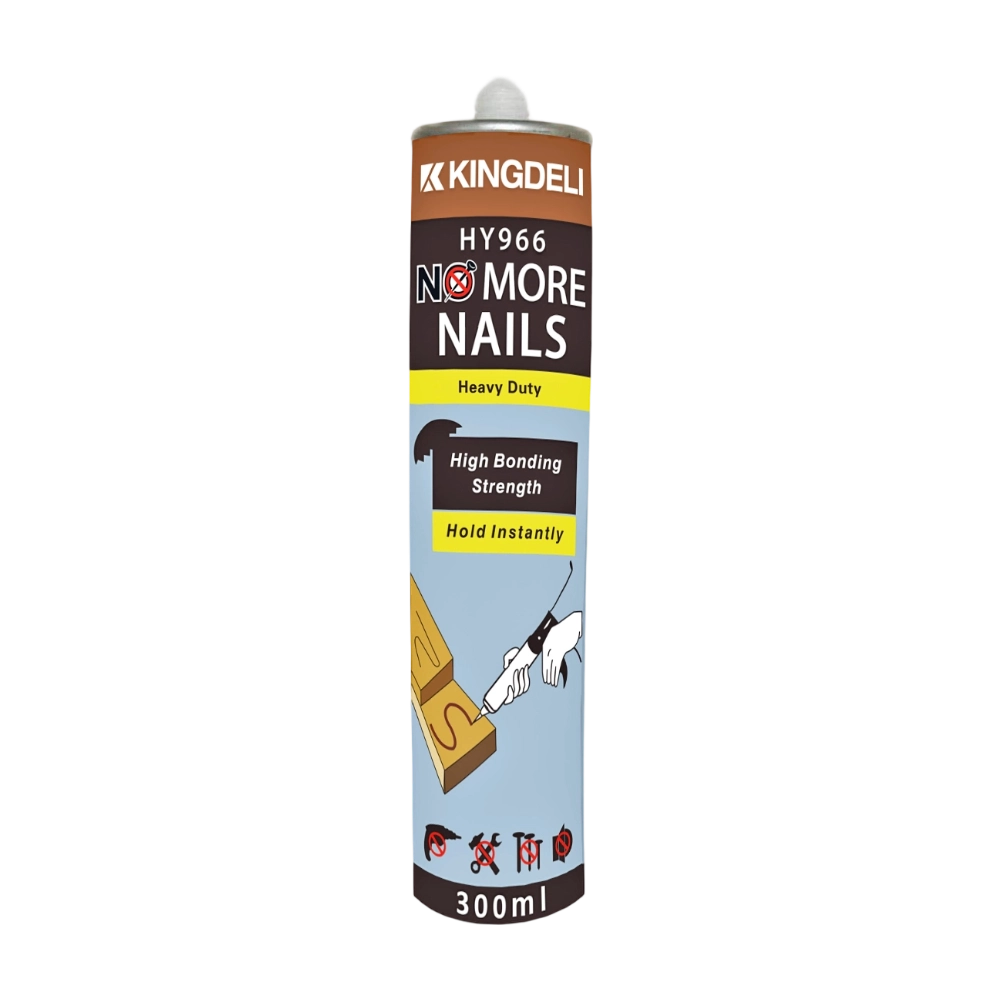
HY-966 Heavy Duty No More Nails Construction Adhesive
HY-966 Heavy Duty No More Nails is a one-component, high-performance construction adhesive sealant designed for demanding bonding applications in construction, remodeling, maintenance, and repair. Its instant grab formulation secures materials immediately, significantly reducing the need for bracing or mechanical fixing during installation.
HY-966 cures reliably in moist environments and delivers durable adhesion across a wide range of substrates. It provides excellent resistance to water, temperature variation, and aging, ensuring long-term performance in interior construction applications.
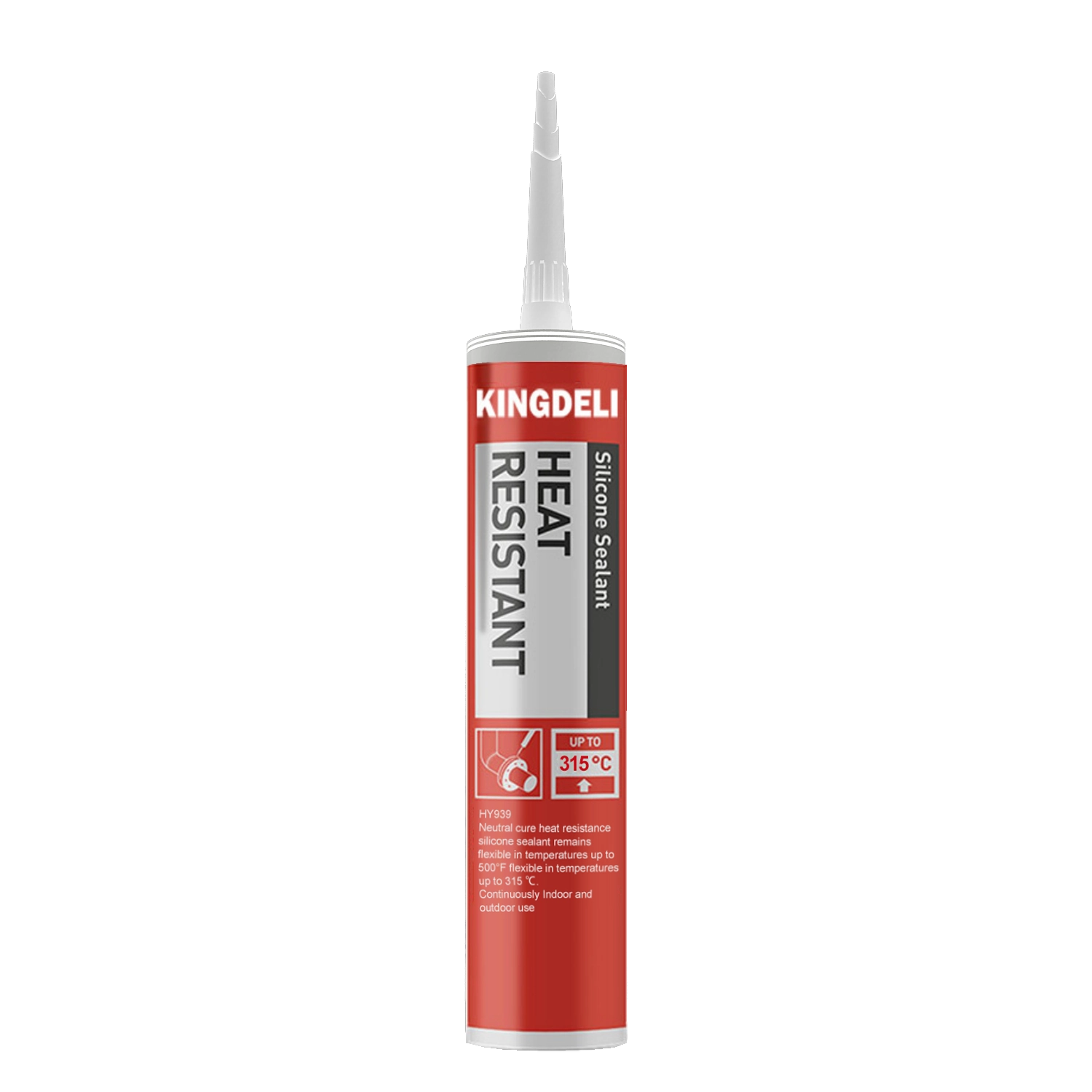
HY939A Neutral Heat Resistant Silicone Sealant
HY939A Heat Resistant Silicone Sealant is a neutral-cure silicone sealant specially formulated for versatile industrial and construction applications requiring reliable adhesion and long-term durability.
The sealant provides strong, non-corrosive adhesion to a variety of substrates, including glass, metal, gypsum board, marble, and certain plastics, making it ideal for both structural and sealing purposes.
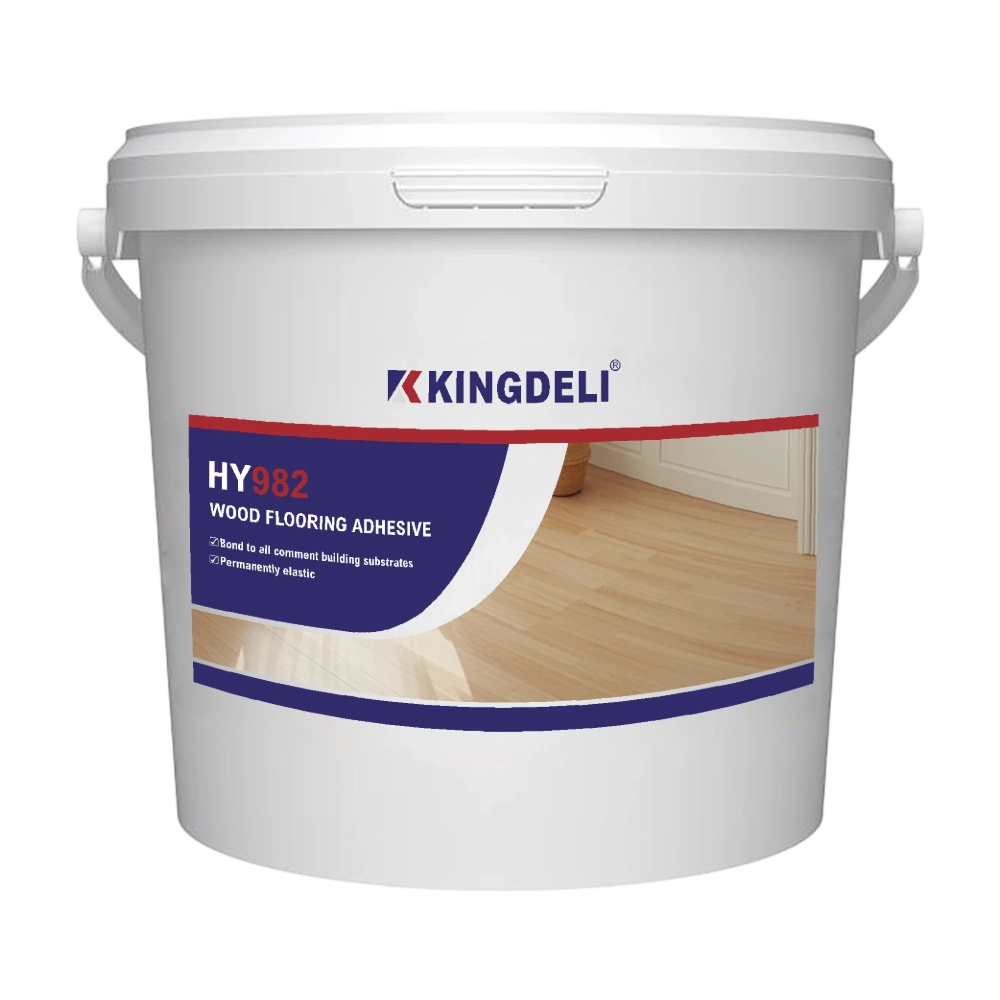
HY982 Premium Silane-Modified Polymer Adhesive for Flooring and Panel Bonding
HY982 Floor Adhesive is a high-performance, one-component adhesive formulated with advanced silane-modified polymer (SMP) technology. It is paintable, non-staining, and environmentally friendly, offering exceptional bonding strength without the need for a primer.
Designed for modern interior installations, HY982 Floor Adhesive provides excellent adhesion to wood, metal, stone, sintered slabs, glass, ceramics, and many other common building materials—making it the ideal choice for flooring installation and panel bonding applications crystal clear formulation.
Let’s Build Stronger Bonds with Quality Adhesives and Sealants
Have questions about the topic or need tailored sealant solutions for your project?
Our team is ready to provide expert guidance, product recommendations, and application support.
Innovating with Integrity, Bonding the World
Since 1998, KINGDELI has delivered trusted, sustainable sealant solutions that connect industries and inspire progress worldwide.
Whatsapp: +8618825946249
Kingdeli
Kingdeli
Kingdeli
Kingdeli
Kingdeli