











What PPE and handling precautions are required for silicone sealant? | Insights by KINGDELI
Introduction
When purchasing or using silicone sealants, one of the first questions is: What PPE and handling precautions are required for silicone sealant? The correct personal protective equipment (PPE) and work practices depend on the sealant type (acetoxy/acid-cure, oxime/alkoxy, neutral-cure), whether primers/solvents are used, the work environment (open air vs confined space), and the task (caulking vs sanding cured materials). Below are 6 practical long-tail questions beginners commonly ask — with actionable, up-to-date answers you can use when specifying products, writing safety procedures, or training installers.
1. Which glove materials reliably protect against uncured acetoxy and oxime silicone sealants and common solvent-based primers?
Why this matters: installers often touch sealant beads, primer, or cleaner during application and cleanup. Choosing the wrong glove can lead to skin contact, irritation, or permeation by solvents.
Practical answer:
- Primary choice for routine silicone work (uncured sealant without aggressive solvents): nitrile gloves (≥0.12 mm thickness for light contact). Nitrile resists many sealant components and provides good dexterity for cartridge guns and tooling.
- If primers/cleaners contain organic solvents (e.g., heptane, toluene, ketones) or if prolonged exposure is expected: use thicker, solvent-rated gloves such as butyl rubber, Viton (fluoroelastomer) or laminated barrier gloves. These provide higher permeation resistance to organic solvents and ketoximes used in some formulations.
- For acid-cure (acetoxy) silicones: nitrile is generally acceptable for short contact, but if frequent or prolonged contact with concentrated primer/cleaner occurs, upgrade to neoprene or butyl types.
- Always check glove permeation/breakthrough data from the glove manufacturer for the specific chemical (consult SDS/TDS). Prefer gloves tested to EN 374 or ASTM F739 with published breakthrough times. Aim for gloves with breakthrough times that exceed your expected exposure duration, or establish glove-change intervals.
- Good practice: double-glove if contamination removal is needed mid-task; change gloves immediately if torn or contaminated; avoid using solvent to clean sealant from skin while wearing gloves.
2. When is a respirator required for silicone sealant work, and what cartridge type should I choose (organic vapor, acid gas, or particulate)?
Why this matters: certain silicone chemistries and primers release vapors (acetic acid, oximes, solvents) that can irritate the eyes and respiratory tract; sanding cured material produces particles.
Practical answer:
- Start by consulting the product SDS. If the SDS lists airborne hazards (acetic acid, methyl ethyl ketoxime (MEKO) or other volatile organics), and engineering controls cannot keep exposures below occupational limits, respiratory protection is required.
- Common cartridge recommendations:
- Acetoxy-cure silicones (acetic acid vapors): use a respirator with an acid gas cartridge (or combination organic vapor/acid gas) if ventilation does not maintain acetic acid below exposure limits. ACGIH TLV for acetic acid is 10 ppm (TWA) with a 15 ppm STEL — monitor or assume protection needed in confined/poorly ventilated areas.
- Oxime/alkoxy-cure silicones that release organic oximes (e.g., MEKO) or solvent-based primers: use an organic vapor (OV) cartridge. If acids are also present, choose a combined OV/acid gas cartridge.
- Sanding or grinding cured silicone: dust/particulate protection is required — use a P100/HEPA particulate filter. For combined exposures (vapors + dust), use a half- or full-face respirator configured for both OV cartridges and P100 filters per manufacturer guidance.
- Respirator selection must follow a written program (e.g., OSHA 29 CFR 1910.134 in the U.S.): fit-testing, medical evaluation, cartridge change schedules, and training are mandatory where applicable.
- If in doubt, use local exhaust (source capture) and combine with a fitted respirator until air monitoring demonstrates safe concentrations.
3. What practical ventilation steps and monitoring should I use to reduce acetic acid or oxime vapor exposure in small enclosed rooms?
Why this matters: many sealant jobs occur in bathrooms, kitchens, window frames — confined or semi-confined spaces where vapors can accumulate and cause irritation.
Practical answer:
- Engineering first: use local exhaust ventilation (LEV) near the bead/primer application point. Position a small portable fume extractor or shop-vac with a HEPA/charcoal combo near the work to capture vapors at the source.
- Increase general ventilation: open doors and windows and use cross-flow fans to create continuous air exchange. In many retrofit jobs, even simple cross-ventilation dramatically lowers vapors.
- For jobs in small enclosed rooms where continuous LEV isn’t practical, require a respirator (see previous Q) and limit time in the space. Rest periods and work rotation reduce cumulative exposure.
- Air monitoring: use portable field gas detectors or badge sampling for acetic acid or volatile organics when performing repeated or long-duration jobs. Target air concentrations below relevant limits (e.g., acetic acid TWA 10 ppm). If monitoring isn’t available, assume the need for PPE in confined or poorly ventilated conditions.
- Scheduling: do high-emission tasks during off-hours where feasible, and allow ventilation time after applying acetoxy or solvent-bearing primers before re-entry without respiratory protection.
4. How should I handle and store partially used silicone cartridges, sausages and unopened drums to prevent premature curing, contamination, and safety issues?
Why this matters: improper storage shortens shelf life, wastes product, and can cause curing in cartridges or contamination that makes application unstable.
Practical answer:
- Storage temperature: store cartridges and sausages in a cool, dry place out of direct sunlight. Typical recommended storage is 5–25°C (40–77°F). Avoid freezing and temperatures above manufacturer limits. Many silicone sealants list a shelf life of ~12 months at 20°C — always check the product technical data sheet (TDS) and SDS for the precise shelf life.
- Partially used cartridges: for manual or pneumatic guns, store with a clean nozzle cap; invert the cartridge or use an applicator gun retainer to minimize air ingress. For long-term storage between jobs, remove the cartridge from the gun, seal the nozzle with the manufacturer cap or a screw-on metal cap, and store upright.
- Note: acetoxy silicones cure by moisture, so leaving an open nozzle in a humid environment may create a cured skin that plugs the tip.
- Unopened drums and bulk containers: keep seals intact, store on pallets away from floor moisture, rotate stock by date (FIFO), and ensure drums are labeled and SDS-accessible. Avoid contamination by keeping drums closed and using dedicated pumps/systems to avoid cross-contamination between chemistries.
- Compatibility: do not use primers or cleaners not recommended by the sealant supplier — incompatible chemistries can compromise adhesion or alter curing and may increase hazardous emissions.
5. What PPE and precautions are necessary when removing cured silicone (sanding, grinding or mechanical removal) to control dust and airborne particles?
Why this matters: cured silicone produces particles when abraded. While cured silicone is generally inert, particle inhalation and eye/skin exposure are occupational hazards.
Practical answer:
- Respiratory protection: use a NIOSH-certified P100/FFP3 respirator for sanding/grinding tasks. For powered tools, use a full-face respirator or a supplied-air respirator if dust levels are high or if co-contaminants (paint, adhesives, solvents) are present.
- Local controls: use tools with integrated dust extraction and connect to a HEPA-filtered vacuum. Wet methods (dampening the surface) reduce airborne dust where compatible with substrate and job requirements.
- Eye and face protection: full-face shields or goggles (ANSI Z87.1 compliant) plus dust masks if not using full-face respirators. Small particles can irritate and injure the eyes.
- Protective clothing: disposable or washable coveralls and gloves to prevent skin contamination; launder or dispose of clothing to avoid carrying dust off-site.
- Cleanup: use HEPA vacuums for cleanup (avoid sweeping), and avoid blowing dust into the air. Dispose of collected material per local waste regulations.
6. If someone gets sealant in their eyes or on their skin, what first-aid steps and on-site supplies should be available?
Why this matters: immediate, correct first aid reduces injury severity and liability. Common on-site incidents include eye splashes of uncured sealant, primer contact, or prolonged skin exposure.
Practical answer:
- On-site supplies every work area should have:
- Eyewash station (plumbed or a 1 L portable saline rinse) accessible within 10 seconds of work area.
- Chemical-resistant gloves, extra gloves for responders, and protective goggles or face shields.
- Soap and running water for skin washing; avoid using solvent-based cleaners directly on skin as they can increase absorption.
- First-aid kit and emergency contact instructions, including the supplier SDS phone number.
- Skin contact with uncured sealant: remove contaminated clothing; immediately wash the area thoroughly with soap and water. Do not use solvents on the skin. If irritation persists or a large area is affected, seek medical attention.
- Eye contact: immediately flush eyes with water or saline for at least 15 minutes while holding eyelids open. Seek urgent medical attention even if symptoms seem mild.
- Inhalation of vapors: move the person to fresh air. If breathing is difficult or symptoms (dizziness, chest tightness) persist, seek medical help. If unconscious, follow emergency protocols and get medical attention immediately.
- Document the incident, keep the SDS available for medical personnel, and revisit work controls to prevent recurrence (better ventilation, PPE, etc.).
Additional buyer-focused tips: procurement, SDS review, and training
- Always request and review the latest SDS and Technical Data Sheet (TDS) from the supplier before purchase. SDS will list hazards, exposure limits (if available), recommended PPE, and disposal guidance for that specific product.
- Specify sealant chemistry in purchase orders (acetoxy, oxime, neutral) so buyers and end-users can prepare appropriate PPE and ventilation plans.
- Ask suppliers for application guides and onsite training. Many manufacturers provide practical fit-for-purpose PPE recommendations tied to product formulations.
- Include PPE and handling requirements in contracts with applicators and ensure compliance checks at job start (e.g., verify respirator fit-testing, presence of eyewash, and glove stock).
Conclusion — Practical checklist
What PPE and handling precautions are required for silicone sealant? In short: identify the sealant chemistry, consult the SDS/TDS, control hazards by engineering (ventilation, LEV) where possible, and select PPE accordingly: nitrile or higher-rated gloves, ANSI Z87.1 goggles, P100 for dust, and OV/acid gas cartridges for vapors if needed. Maintain first-aid and eyewash stations, store products per manufacturer guidance, and train workers on safe handling and emergency procedures.
KINGDELI advantages
KINGDELI provides a broad range of silicone sealants (acetoxy, oxime/alkoxy, neutral) with clear Technical Data Sheets and Safety Data Sheets available for every product. Our team offers product selection support, application and PPE guidance tailored to job conditions, sample testing for adhesion compatibility, and practical handling tips to minimize exposure. We focus on consistent quality, fast sample provisioning, and responsive technical support to help buyers specify the correct chemistry and protective measures for each job.
If you need product recommendations, SDS/TDS, or a site-specific PPE and ventilation plan, contact KINGDELI for a quote: www.kingdelisealant.com — info@kingdeliadhesive.com
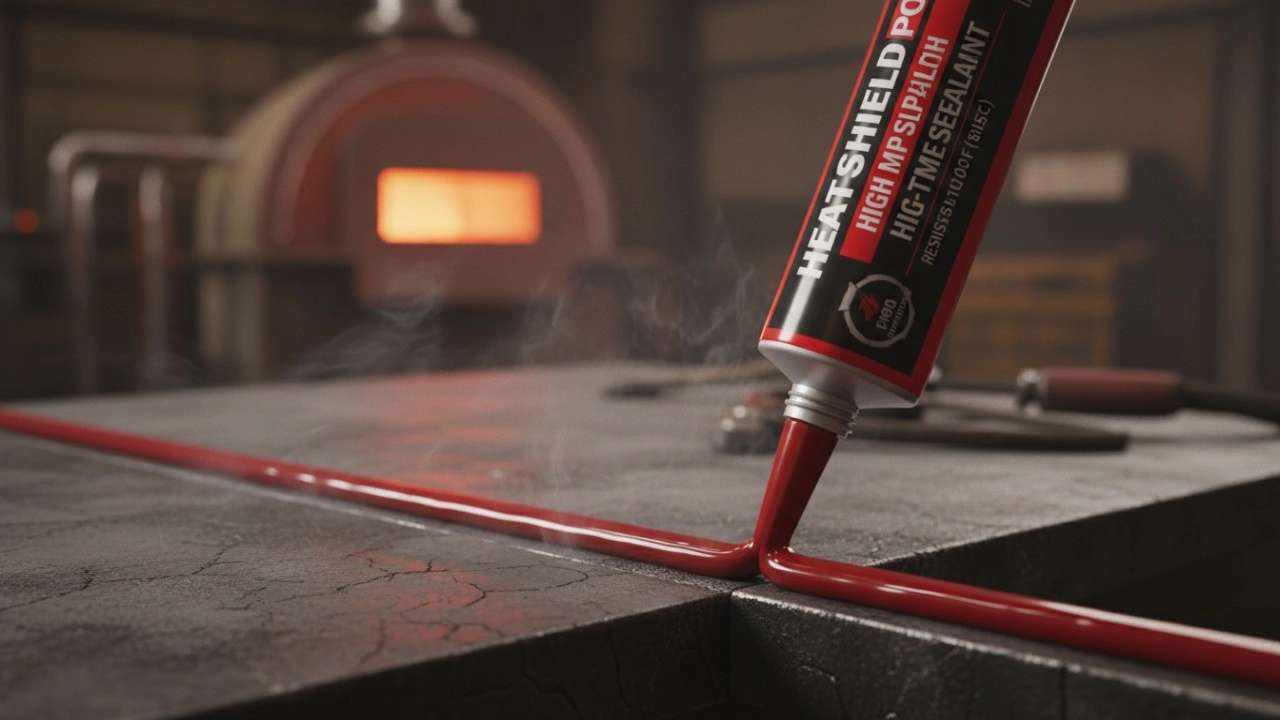
How to Apply High Temperature Silicone Sealant Like a Pro: 5 Secrets for a Lifetime Seal
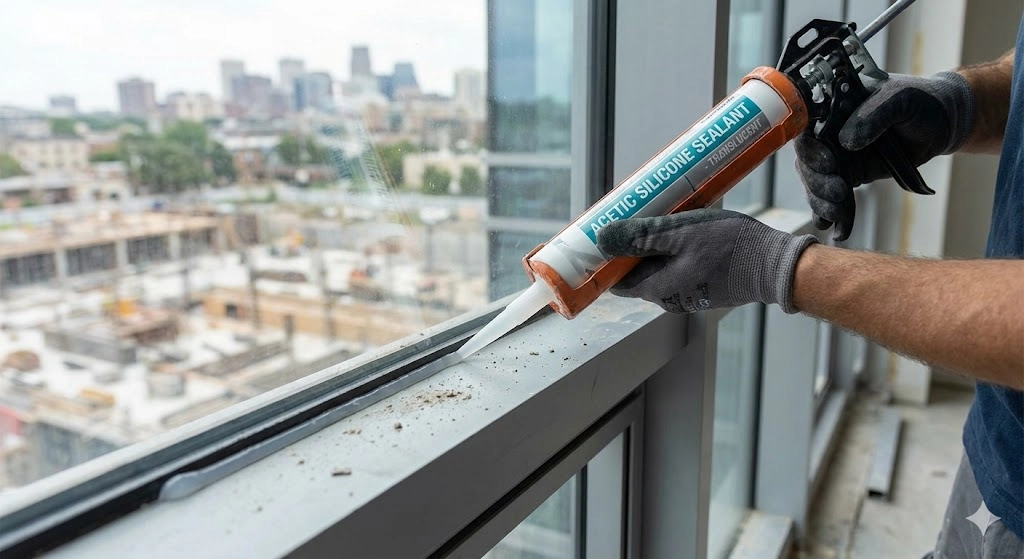
Acid Cure vs. Neutral Silicone: Why Choose Acetic Silicone Sealant for Glass?
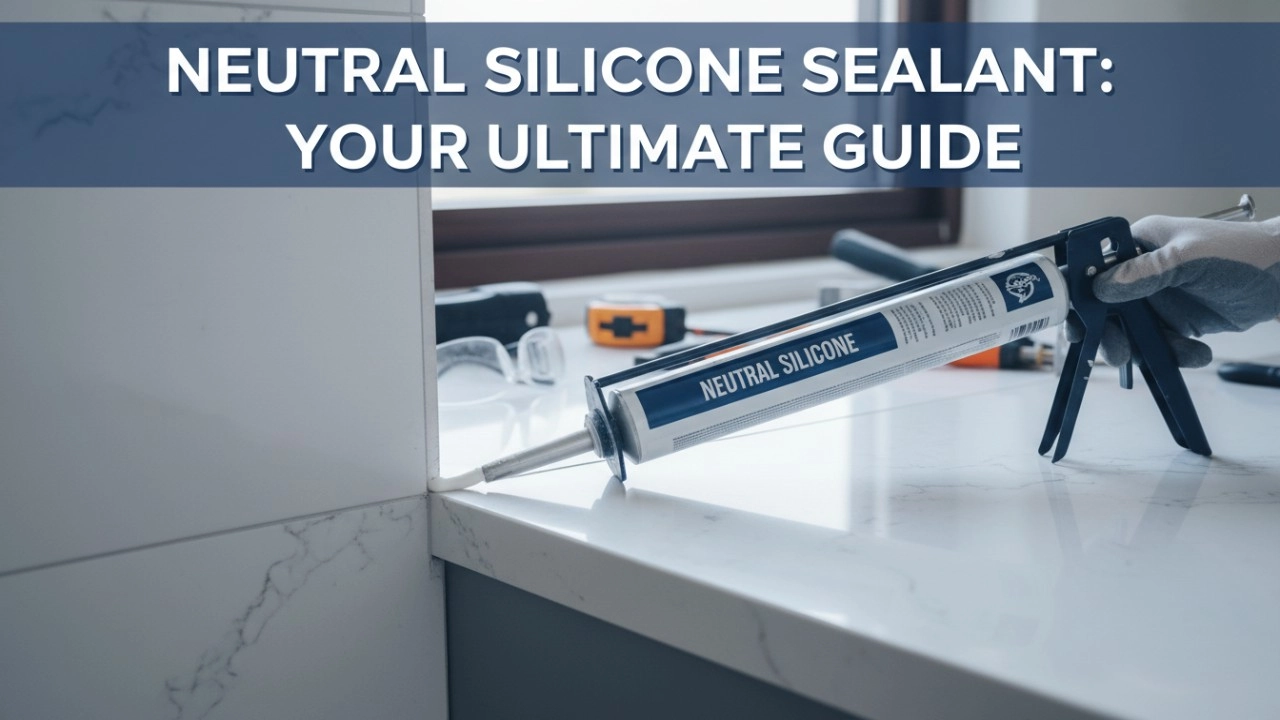
7 Critical Mistakes to Avoid When Using Neutral Silicone Sealant for High-End Projects
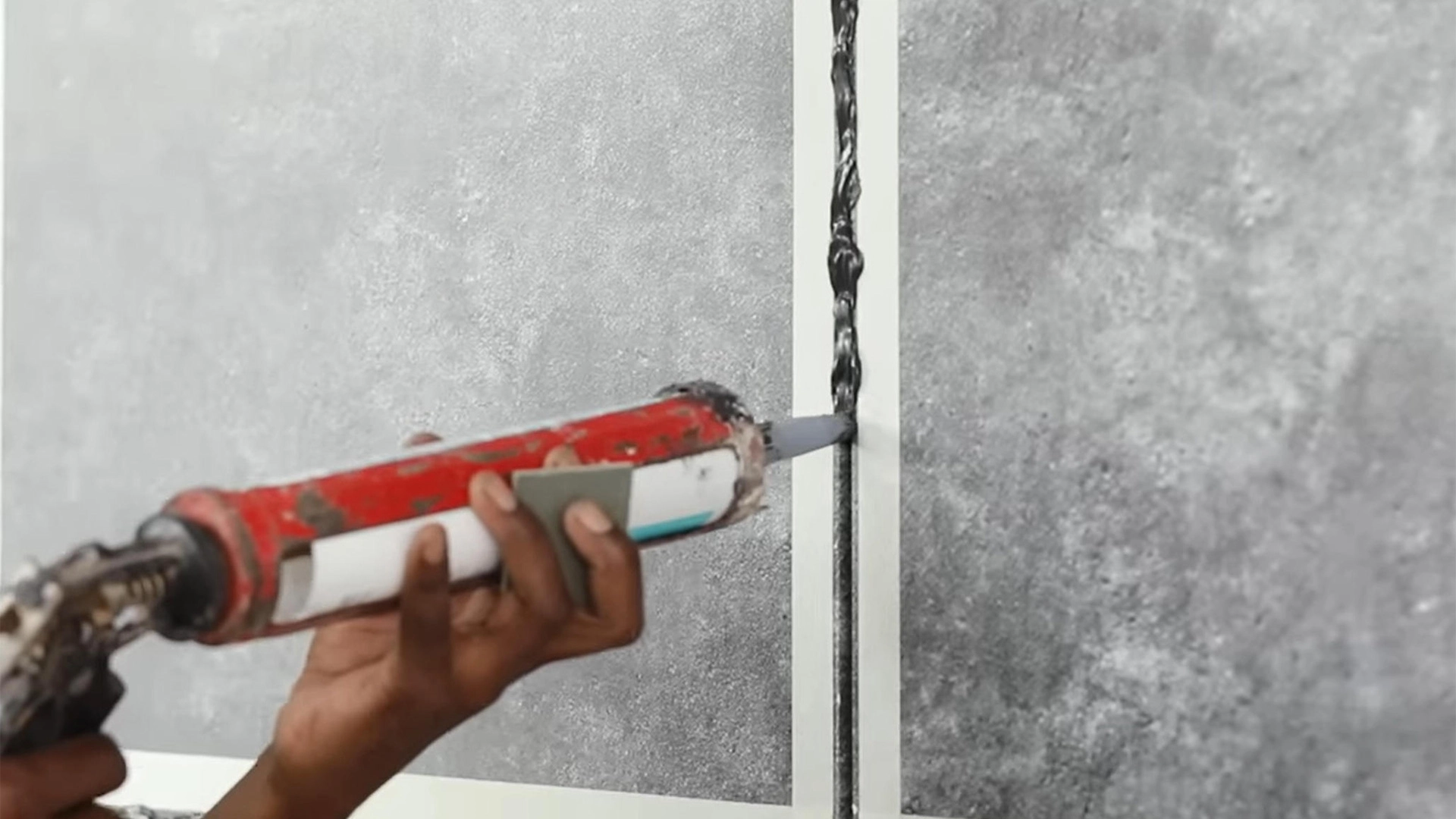
What’s the Difference Between Silicone Sealant and MS Adhesive for ACP?
HY982
How should the product be stored?
Store HY982 in its original, tightly sealed bucket in a cool, dry place below 25°C, away from direct sunlight and frost.
HY722B
Can HY-722B be used for glazing applications?
Yes. It is suitable for standard glazing, butt glazing, and cap beading applications.
HY-951
What is HY951 Epoxy Tile Grout?
HY951 is a two-component epoxy resin grout specifically designed for filling and sealing ceramic tile joints. It provides superior durability, stain resistance, and a smooth ceramic-like finish compared to traditional water-based tile sealers.
HY922
What surfaces does HY922 adhere to?
HY922 adheres well to metal, glass, cement-based materials, brick, ceramic, marble, wood, aluminum, PVC, and many other common construction substrates.
Distributor Partnership
How long is production and delivery time?
Typically 15–25 days depending on order size and customization requirements.
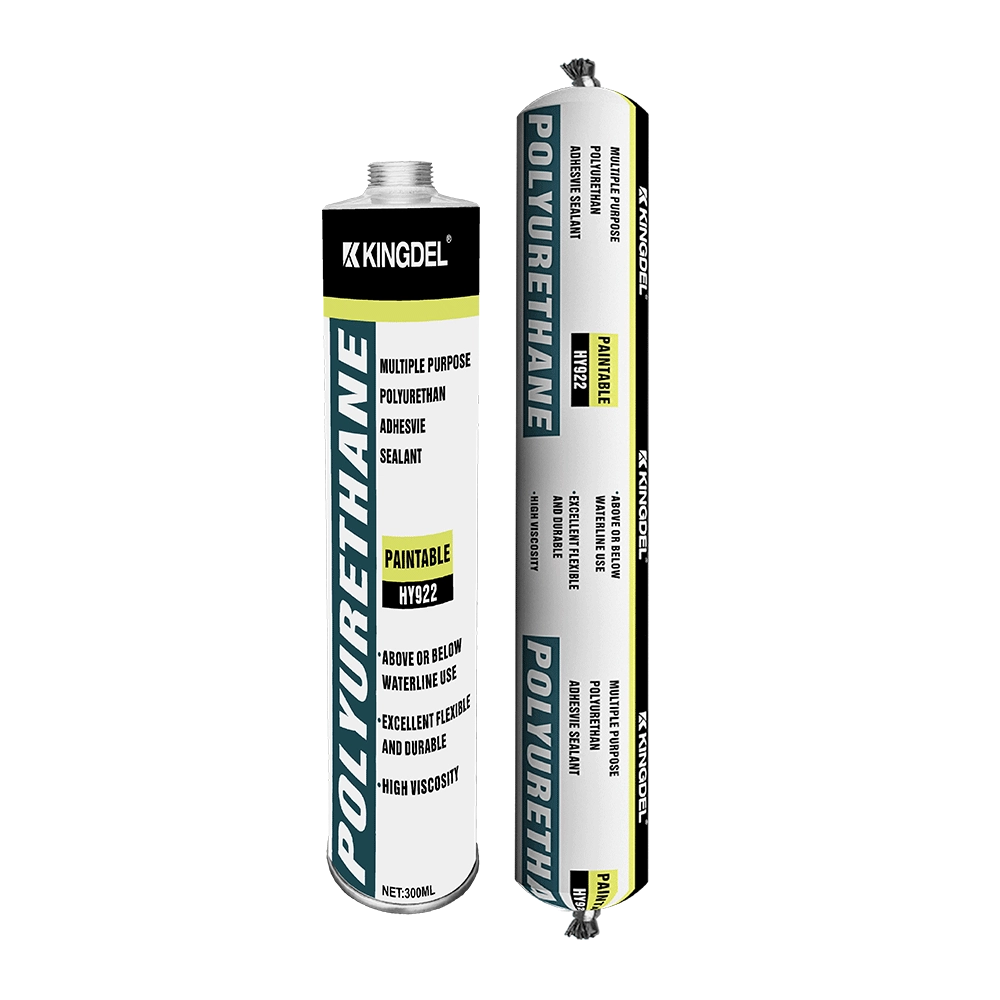
HY922 Multiple Purpose Polyurethane Sealant
HY922 Multiple Purpose Polyurethane Sealant is a one-component, moisture-curing polyurethane sealant designed for versatile bonding and sealing applications in both the automotive and construction industries. It cures to form a flexible yet tough elastomeric joint with excellent adhesion to a wide range of substrates. The formulation is non-corrosive, solvent-free, and produces a smooth, bubble-free finish during application.
HY922 delivers fast surface drying and quick positioning, improving installation efficiency while maintaining long-term durability. With strong weather resistance and good creep resistance, it performs reliably in demanding indoor and outdoor environments, including moist and partially submerged conditions.
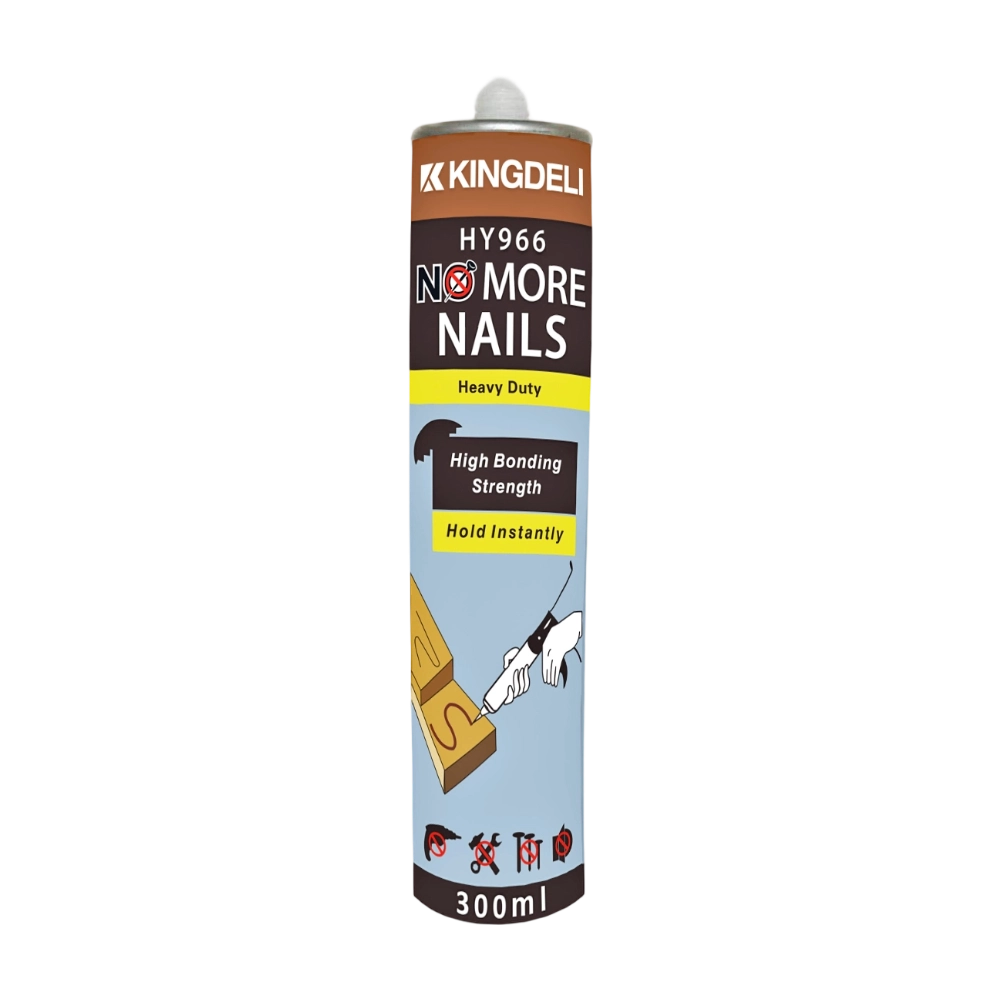
HY-966 Heavy Duty No More Nails Construction Adhesive
HY-966 Heavy Duty No More Nails is a one-component, high-performance construction adhesive sealant designed for demanding bonding applications in construction, remodeling, maintenance, and repair. Its instant grab formulation secures materials immediately, significantly reducing the need for bracing or mechanical fixing during installation.
HY-966 cures reliably in moist environments and delivers durable adhesion across a wide range of substrates. It provides excellent resistance to water, temperature variation, and aging, ensuring long-term performance in interior construction applications.
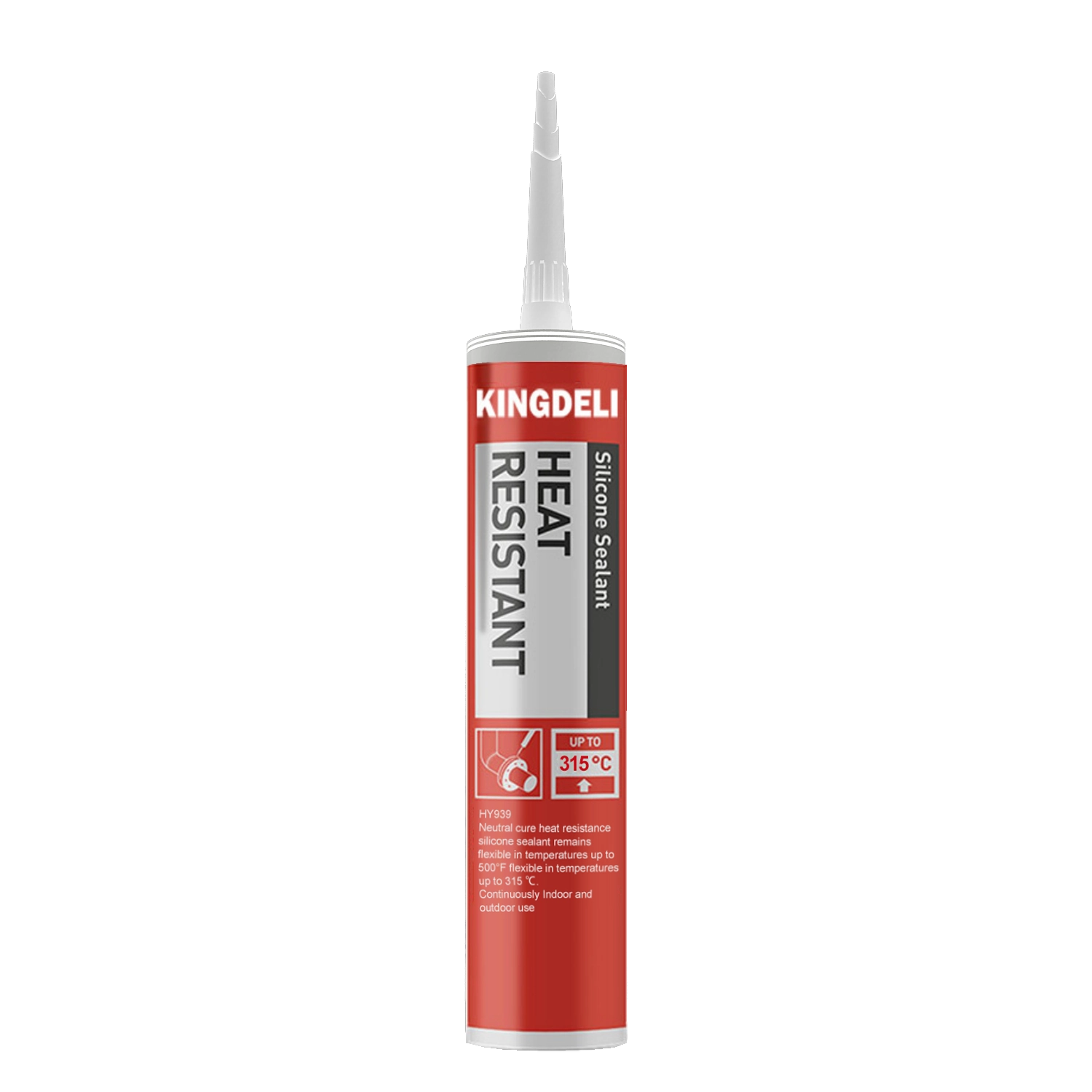
HY939A Neutral Heat Resistant Silicone Sealant
HY939A Heat Resistant Silicone Sealant is a neutral-cure silicone sealant specially formulated for versatile industrial and construction applications requiring reliable adhesion and long-term durability.
The sealant provides strong, non-corrosive adhesion to a variety of substrates, including glass, metal, gypsum board, marble, and certain plastics, making it ideal for both structural and sealing purposes.
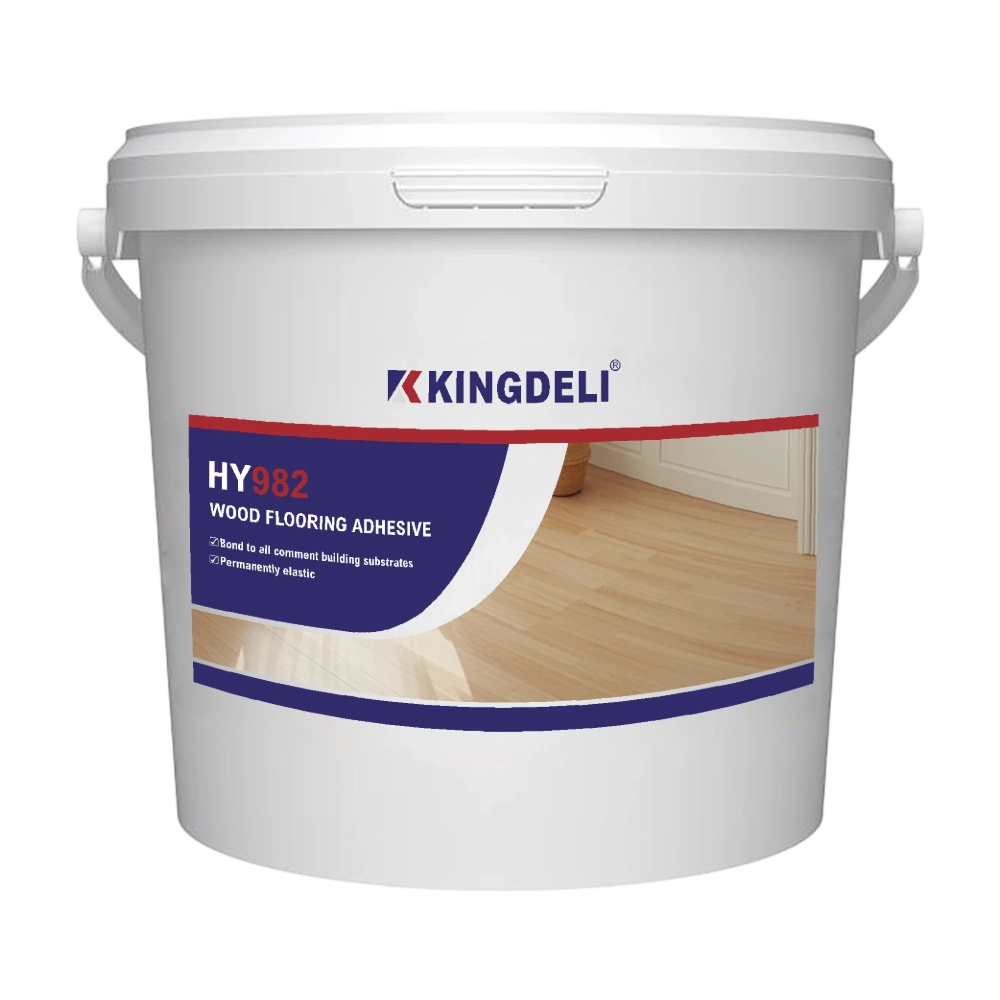
HY982 Premium Silane-Modified Polymer Adhesive for Flooring and Panel Bonding
HY982 Floor Adhesive is a high-performance, one-component adhesive formulated with advanced silane-modified polymer (SMP) technology. It is paintable, non-staining, and environmentally friendly, offering exceptional bonding strength without the need for a primer.
Designed for modern interior installations, HY982 Floor Adhesive provides excellent adhesion to wood, metal, stone, sintered slabs, glass, ceramics, and many other common building materials—making it the ideal choice for flooring installation and panel bonding applications crystal clear formulation.
Let’s Build Stronger Bonds with Quality Adhesives and Sealants
Have questions about the topic or need tailored sealant solutions for your project?
Our team is ready to provide expert guidance, product recommendations, and application support.
Innovating with Integrity, Bonding the World
Since 1998, KINGDELI has delivered trusted, sustainable sealant solutions that connect industries and inspire progress worldwide.
Whatsapp: +8618825946249
Kingdeli
Kingdeli
Kingdeli
Kingdeli
Kingdeli