











What are the specifications for industrial silicone sealant? | Insights by KINGDELI
Industrial Silicone Sealant Specifications: 6 Practical Answers for Buyers
Author: Technical team at Kingdeli Sealant. We draw on product test data, ASTM C920, ISO 11600 and EN 15651 classifications and decades of industry experience to give clear, actionable answers for procurement and installation teams. For a quote, contact www.kingdelisealant.com or info@kingdeliadhesive.com.
1. What tensile strength, elongation at break and Shore A hardness should I specify for exterior aluminum curtain wall joints in cold climates?
Why this matters: Curtain-wall joints transfer movement and must remain elastic at low temperatures without cracking or losing adhesion. Selecting unrealistic strength or stiffness will cause failure (adhesive or cohesive).
Recommended specification ranges (typical industry requirements):
- Tensile strength: 1.0–3.0 MPa for general-purpose glazing sealants; structural silicone adhesives (two-component RTV-2) can exceed 4–8 MPa. For movement-accommodating perimeter joints, target 1.0–2.5 MPa to avoid being too stiff.
- Elongation at break: ≥200% (preferably 300–600%) so the sealant can handle thermal contraction/expansion in cold climates. Higher elongation reduces cohesive failure risk when substrate movement is large.
- Shore A hardness: 20–40 for flexible, weatherproof glazing and curtain-wall joints. Harder (>45) silicones increase stress on bond lines and risk adhesion failure in cold conditions.
Practical notes:
- Prioritize a low-modulus/high-elongation silicone (often labeled LM = low modulus in ISO 11600 or Class 25LM under EN/ISO classifications) for perimeter joints on aluminum curtain walls.
- Confirm low-temperature flexibility by asking for dynamic movement tests or T-bend/flex tests at the minimum site temperature (e.g., -20 °C). Many data sheets specify service temperature ranges (commonly -50 °C to +150 °C for silicones).
- If your project requires structural silicone glazing (load-bearing), select a tested two-part structural silicone meeting ASTM C1184/C1392 and vendor-certified anchor tests—don’t substitute one-part glazing sealants for structural applications.
2. How do I determine correct joint geometry (width, depth, backing rod) and movement accommodation for an industrial silicone sealant joint?
Why this matters: Incorrect joint geometry leads to adhesion failure, three-sided adhesion, or premature tearing. Designers must match joint dimensions with the sealant’s movement capability and the backing material.
Design rules and examples (industry practice):
- Depth-to-width ratio: For most silicone sealants, a common guidance is depth = width/2 for joints wider than 12 mm. For narrower joints, typical depths are 6–8 mm. Many manufacturers recommend a minimum depth of 6 mm and a maximum useful depth around 12 mm for one-component silicones.
- Recommended minimum/maximum: width commonly between 6 mm and 25 mm for typical building joints; >25 mm requires review and possibly backer and different materials. Depth typically 6–12 mm depending on width and product guidelines.
- Movement capability: Specify sealant classification such as ISO 11600 F25LM (±25% movement) or G20HM (±20% with high modulus). Choose a sealant whose allowable movement capacity exceeds the calculated joint movement from thermal, structural or seismic loads—use the larger of calculated movement or an assumed code value.
- Backing rod: Use a closed-cell polyethylene backer rod sized 10–20% larger than the joint width to ensure contact and to create a bond-break at the base (no three-sided adhesion). Backer rods also control depth and promote a correct hourglass profile.
How to calculate quickly: if expected movement is ±12.5% and maximum joint width is 20 mm, choose a sealant rated ±25% (F25LM) and set joint depth to 10 mm (width:depth = 2:1), or follow manufacturer’s exact geometry table.
3. For stainless steel food-processing equipment, which cure chemistry and VOC limits should I require to meet hygiene and corrosion concerns?
Why this matters: Food environments need non-corroding cure byproducts, low VOC/washout, and compatibility with common cleaning agents and sanitary designs.
Cure chemistry selection:
- Acetoxy silicones (acid-curing): release acetic acid during cure. They bond well to glass and many metals but can corrode some metals (zinc, copper) and are generally not recommended for stainless steel equipment in sensitive food areas.
- Neutral-cure silicones (oxime/alkoxy/alkenoxy): emit neutral or low-odor byproducts and are far less corrosive to metals. For stainless steel and food-contact adjacencies, specify a neutral-cure (alkoxy or oxime) product and confirm the manufacturer’s corrosion testing on stainless grades used.
- Silyl-modified polymers (SMP / MS polymers): paintable, low-VOC options exist; check compatibility with repeated cleaning and high-temperature wash cycles.
VOC and regulatory points:
- Specify VOC limits based on local codes (many jurisdictions require <50 g/L for low-VOC sealants in food/indoor environments). Where food-contact surfaces are possible, require manufacturer declaration and compliance with local food-safety rules (e.g., FDA indirect food-contact guidance or national equivalents).
- Ask for a Technical Data Sheet (TDS) and Safety Data Sheet (SDS) showing VOC content, cure byproducts, and any migration/food-contact statements. For direct food contact, choose products specifically certified for that use.
Chemical resistance and cleaning cycles: request documented resistance to CIP (clean-in-place) chemicals used on-site (e.g., caustic soda, peracetic acid, chlorine) and thermal wash cycles. If the sealant will be frequently immersed or exposed to strong solvents, consider specialty silicone grades or alternative hygienic sealants.
4. How do I interpret ASTM C920, ISO 11600 and EN 15651 codes on a silicone data sheet when selecting an industrial sealant?
Why this matters: Standards shorthand can be confusing; misreading a code can lead to buying a product with insufficient movement capability or wrong application class.
Key standards and what to read on the TDS:
- ASTM C920 (U.S.): Classifies elastomeric joint sealants by Type and Class. Look for:
- Type (e.g., S = single component, M = multicomponent)
- Grade (NS = non-sag, S = solvent releasing?) and Class (e.g., 25, 50 indicate movement accommodation as percentage)
- ISO 11600: Gives joint sealant classification such as F25LM or G20HM. Interpretation:
- F = facade or floor movement, G = glazing joints
- Number (e.g., 25) = ±% movement capability (25 → ±25%)
- LM = low modulus; HM = high modulus
- EN 15651 (Europe): Replaced older national specs in many applications. Main parts include:
- EN 15651-1 (Façade sealants - F EXT-INT for external and internal facade applications)
- EN 15651-2 (Sealants for windows and doors - S for sanitary/structural types)
- Classification names like F-EXT-INT, S1, S2. Manufacturer’s CE marking and Declaration of Performance (DoP) will reference these.
How to use this when buying:
- Match the movement class (e.g., 25) to design movement. Don’t rely on tensile strength alone—movement capability is the key spec for joint longevity.
- Confirm product grade (NS = non-sag for vertical joints) and service temperature range on the TDS.
- When a project requires compliance, request manufacturer’s test reports and the Declaration of Performance (DoP) or equivalent certificate that references the standard and the classification claimed.
5. What adhesion tests and surface pretreatments (primers) are required for bonding silicone to painted steel and low-energy plastics?
Why this matters: Poor adhesion leads to edge-lifting and failure. Low-energy plastics (PE/PP/PTFE) and some paints require either primer or mechanical design changes.
Surface preparation best practices:
- Cleaning: Remove oils, release agents and surface contaminants with an appropriate solvent (e.g., isopropyl alcohol or recommended cleaner). For painted steel, confirm that paint is fully cured and compatible with the sealant.
- Mechanical prep: For some paints and plastics, light abrasion increases surface energy and adhesion. For metals, abrasive cleaning may be required to remove corrosion or coatings incompatible with sealant adhesion.
- Primers: For porous substrates or low-surface-energy plastics, use manufacturer-recommended primers. Silane-based primers are common for glass and metals; specific plastic primers are formulated for PE/PP. Always require adhesion test data with the exact substrate/paint and primer combination prior to full installation.
Adhesion test types to request from suppliers:
- Punch or peel tests (ASTM C794 adhesion-in-peel on concrete/steel/glass) on the actual substrate and paint system.
- Cohesive failure vs adhesive failure data: specify you want cohesive failure (failure in the sealant body) rather than adhesive failure (failure at the interface).
- Accelerated aging: UV/heat/cold cycles and chemical resistance tests replicating onsite cleaning cycles or exposure.
Procurement checklist: Do not accept a general claim of bonds to metal and plastic—require written adhesion test reports that list substrate finish, paint system, primer (if used), and test method. If primer is needed, specify part number and application method in the project specs.
6. How do I estimate real-world cure time and when a sealed joint is ready for traffic or exposure in low temperature and low humidity onsite?
Why this matters: Time-to-service affects scheduling; cure rates vary widely with temperature, humidity and product chemistry.
General cure rate behaviour:
- One-component moisture-cure silicones: cure from the surface inward; cure speed is proportional to ambient humidity and temperature. Typical cure rate: 2–4 mm per 24 hours at 23 °C and 50% RH for many silicones. In low humidity (<30%) or low temperature (<10 °C), the rate can drop significantly (sometimes to <1 mm/24h).
- Neutral-cure vs acetoxy: both are moisture-cure; neutral-cure products often have similar cure rates, but manufacturer data should be compared.
- Two-component (RTV-2) silicones and structural silicones: cure via chemical reaction; cure speeds are typically faster and less dependent on humidity, but temperature still affects kinetics.
Practical guidance to estimate readiness:
- Ask the manufacturer for the measured cure profile at the lowest expected site temperature and humidity (e.g., 5 °C and 30% RH). Use that data for schedule planning.
- Use joint thickness to calculate full cure time: at 10 mm thickness, a product curing at 2 mm/24h will take ~5 days to full depth cure under the given conditions—surface skin time (initial handling) will be much shorter (5–30 minutes typical).
- For pedestrian/traffic readiness, request or test hardness recovery or modulus benchmarks. Some projects use a conservative rule that joints are not exposed to full load until 7 days at <20 °C unless manufacturer specifies otherwise.
- Accelerate cure on-site cautions: heaters and humidifiers can accelerate moisture-cure systems but must be used with caution—excessive heat or condensation can negatively affect adhesion or produce internal bubbles. Always consult manufacturer before altering cure conditions.
Verification: For critical applications, perform on-site sample joints and verify adhesion and physical properties after specified cure time under actual site conditions before mass application.
Concluding summary: Why choosing the right industrial silicone sealant specifications matters
Choosing the correct industrial silicone sealant means matching mechanical specs (tensile strength, elongation at break, Shore A hardness), cure chemistry (neutral vs acetoxy), movement capability (ISO/EN/ASTM classifications), joint geometry and surface preparation to the real service conditions (temperature range, chemicals, cleaning cycles). Prioritize sealants with documented test data (ASTM C920/ISO 11600/EN 15651 classifications), manufacturer adhesion reports for your substrates including primer recommendations, and clear cure-rate data for your site conditions. When in doubt, request lab-tested mock-ups and certified structural approvals for load-bearing applications.
Advantages of following these specifications: better long-term adhesion, reduced rework and warranties, predictable cure and scheduling, compliance with local VOC and safety requirements, and minimized risk of corrosion or contamination in sensitive environments.
For project-specific specification sheets, tested samples and quotations, contact us: www.kingdelisealant.com or info@kingdeliadhesive.com.
Kingdeli Sealant - product data and recommendations are based on industry standards (ASTM C920, ISO 11600, EN 15651) and manufacturer test reports. Always verify compatibility and request test reports for critical applications.
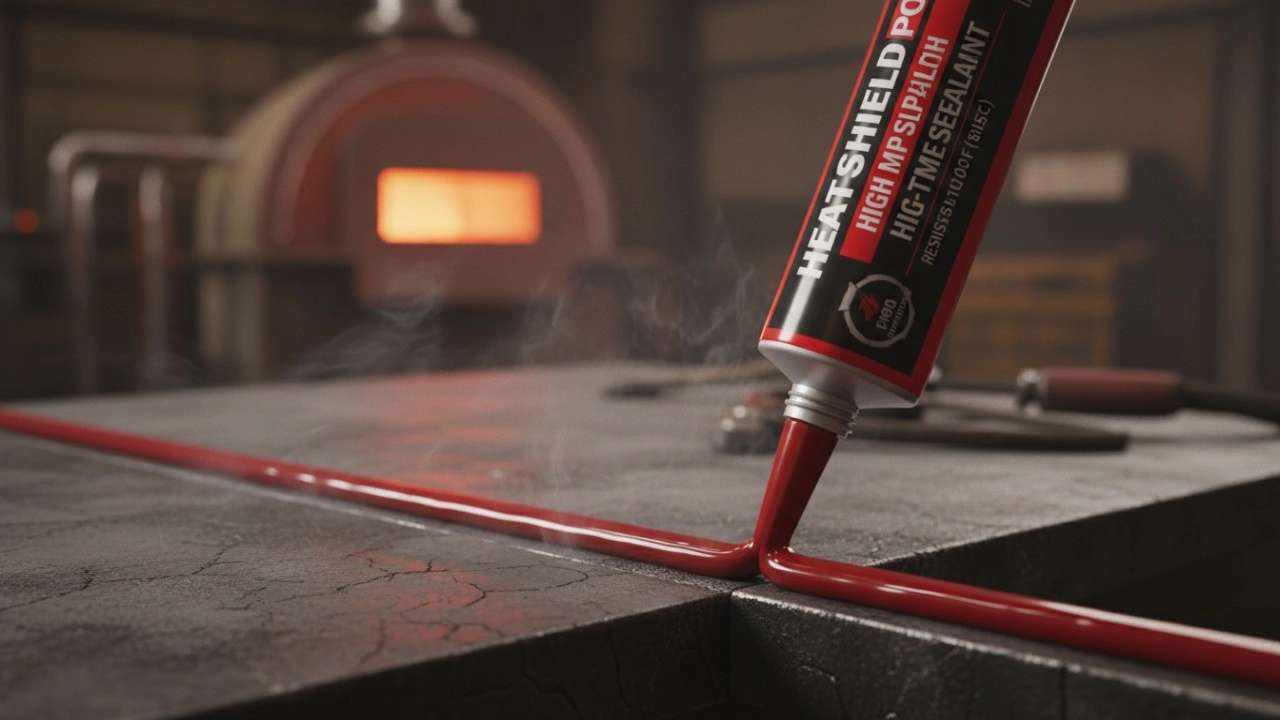
How to Apply High Temperature Silicone Sealant Like a Pro: 5 Secrets for a Lifetime Seal
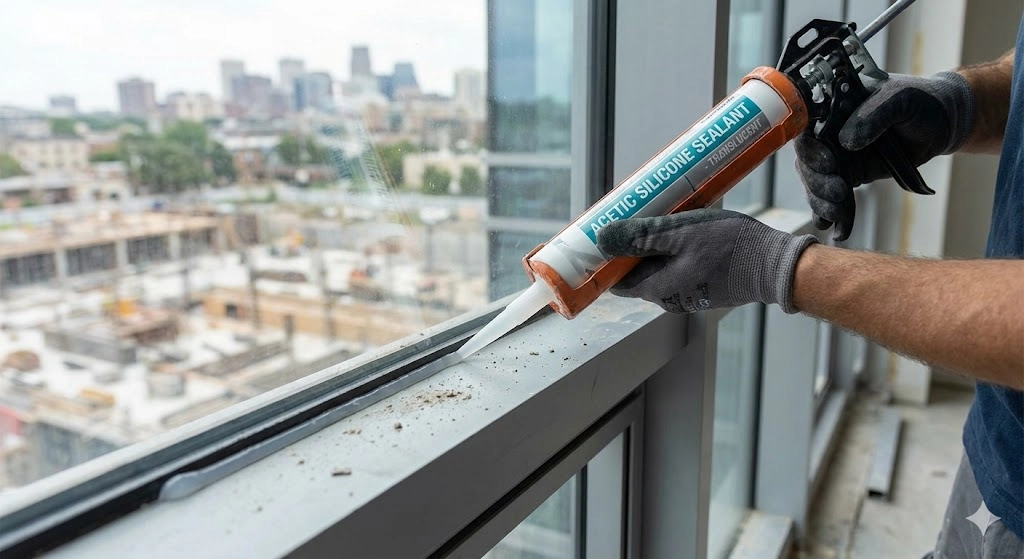
Acid Cure vs. Neutral Silicone: Why Choose Acetic Silicone Sealant for Glass?
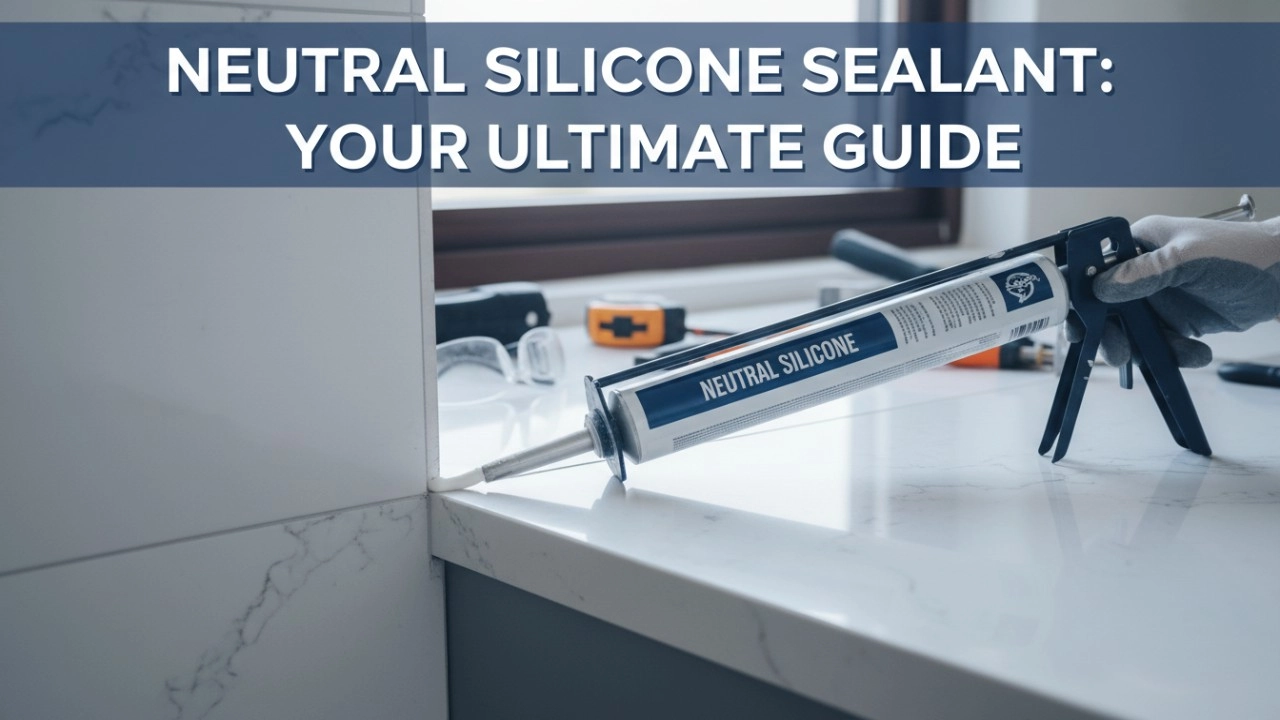
7 Critical Mistakes to Avoid When Using Neutral Silicone Sealant for High-End Projects
What’s the Difference Between Silicone Sealant and MS Adhesive for ACP?
HY982
What type of adhesive is HY982?
HY982 is a one-component, neutral, silane-modified polymer (SMP) adhesive. It is solvent-free, paintable, and designed for high-performance flooring and panel bonding applications.
HY-2100
Is HY-2100 environmentally friendly?
Yes. It features low VOC and low odor, making it user- and indoor-environment friendly.
HY993
Is HY993 suitable for automotive applications?
Yes. It can be used for bonding and sealing in automotive body building and general vehicle applications.
HY-951
Where can HY951 be used?
HY951 is suitable for kitchens, bathrooms, shower rooms, bathtubs, glass partitions, countertops, basins, cabinets, furniture joints, and sanitary ware installations. It is widely used in residential, hotel, and commercial projects.
HY-966
Can HY-966 cure in humid or damp conditions?
Yes. HY-966 is moisture-curing and performs reliably in humid environments.
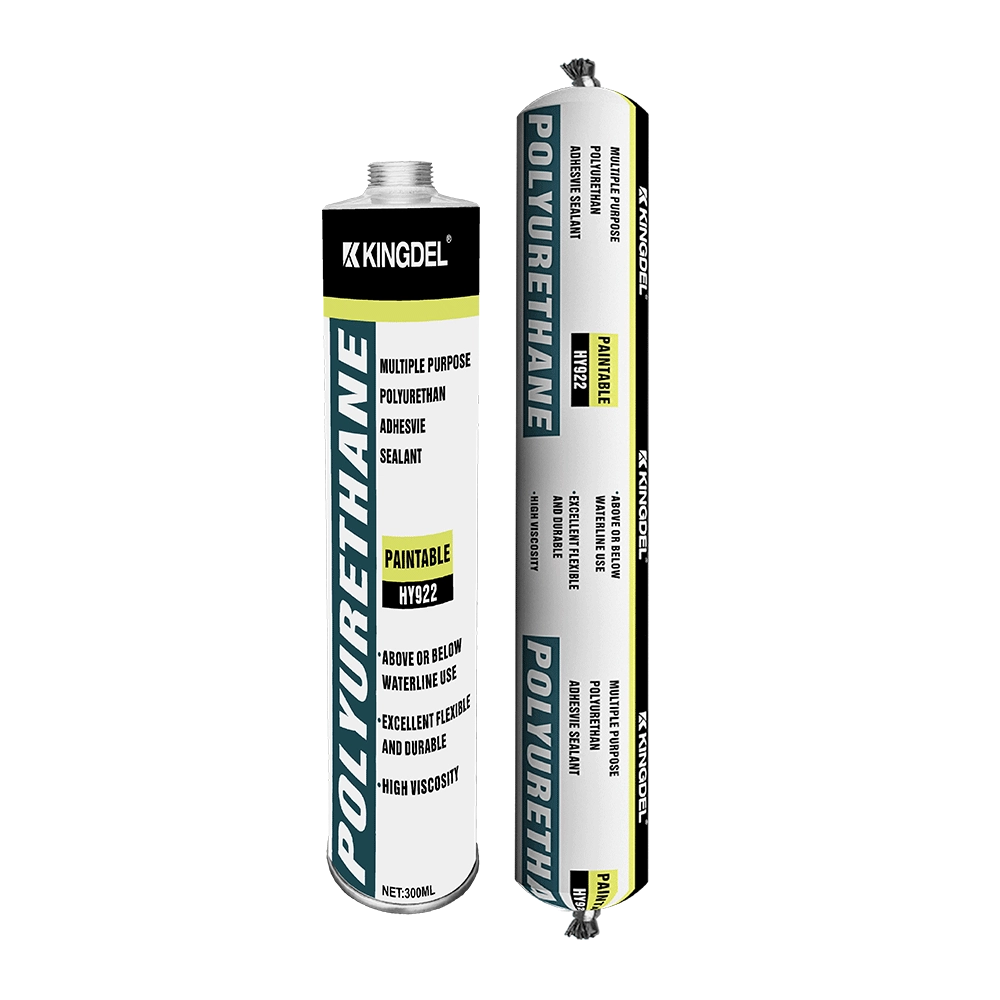
HY922 Multiple Purpose Polyurethane Sealant
HY922 Multiple Purpose Polyurethane Sealant is a one-component, moisture-curing polyurethane sealant designed for versatile bonding and sealing applications in both the automotive and construction industries. It cures to form a flexible yet tough elastomeric joint with excellent adhesion to a wide range of substrates. The formulation is non-corrosive, solvent-free, and produces a smooth, bubble-free finish during application.
HY922 delivers fast surface drying and quick positioning, improving installation efficiency while maintaining long-term durability. With strong weather resistance and good creep resistance, it performs reliably in demanding indoor and outdoor environments, including moist and partially submerged conditions.
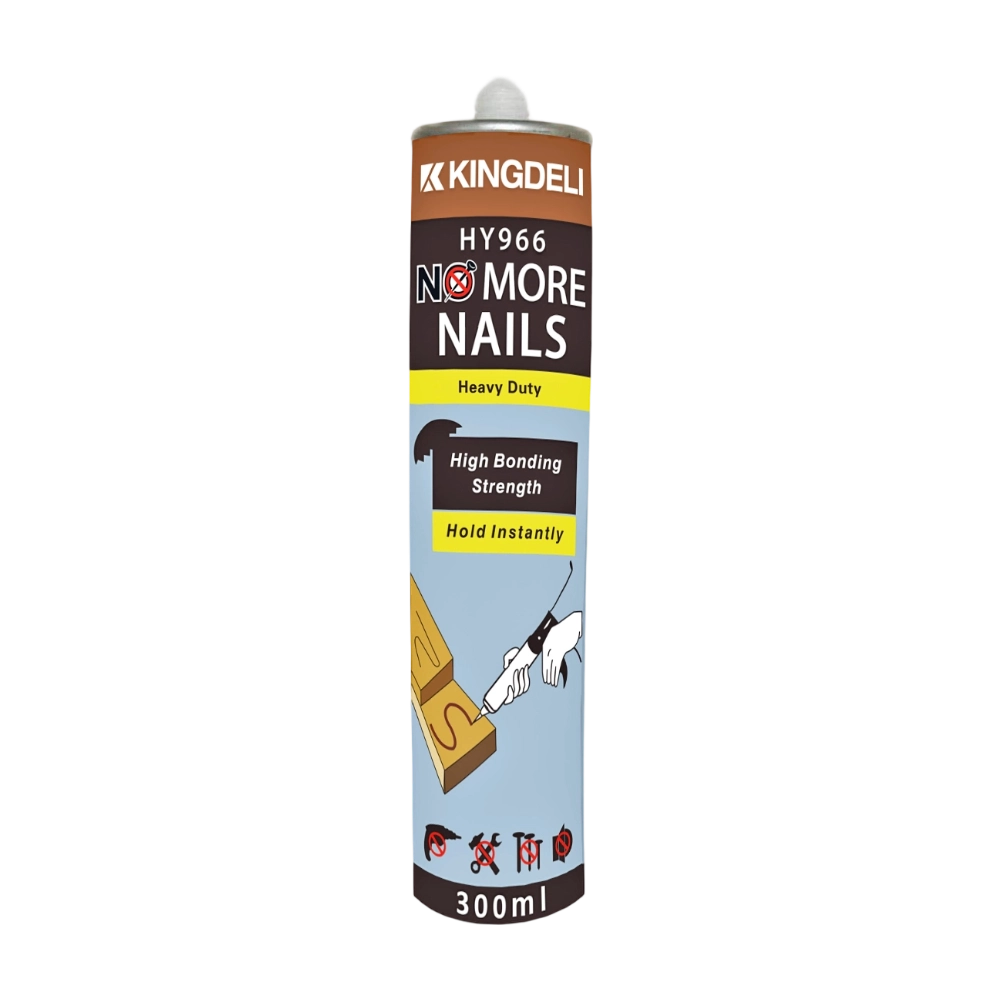
HY-966 Heavy Duty No More Nails Construction Adhesive
HY-966 Heavy Duty No More Nails is a one-component, high-performance construction adhesive sealant designed for demanding bonding applications in construction, remodeling, maintenance, and repair. Its instant grab formulation secures materials immediately, significantly reducing the need for bracing or mechanical fixing during installation.
HY-966 cures reliably in moist environments and delivers durable adhesion across a wide range of substrates. It provides excellent resistance to water, temperature variation, and aging, ensuring long-term performance in interior construction applications.
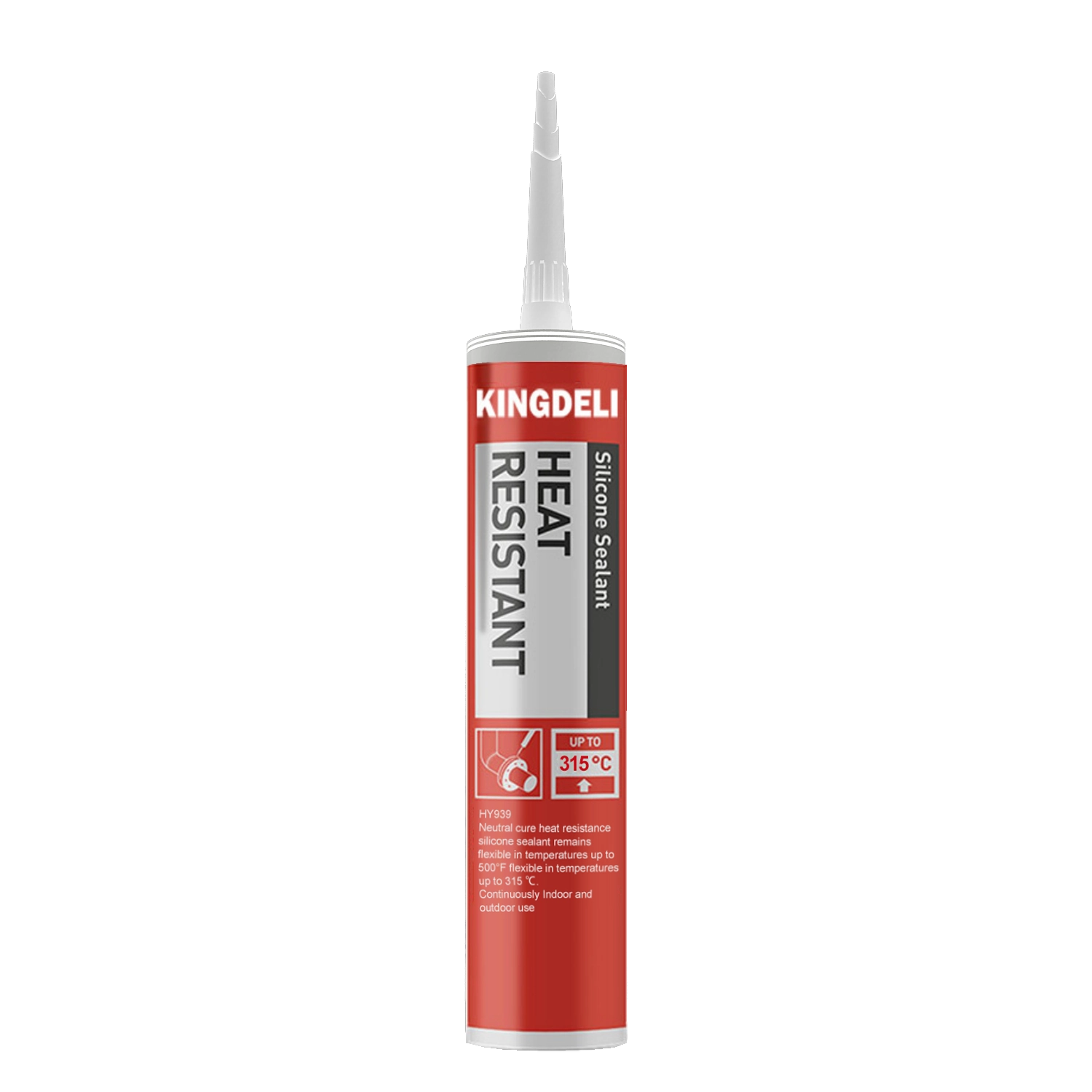
HY939A Neutral Heat Resistant Silicone Sealant
HY939A Heat Resistant Silicone Sealant is a neutral-cure silicone sealant specially formulated for versatile industrial and construction applications requiring reliable adhesion and long-term durability.
The sealant provides strong, non-corrosive adhesion to a variety of substrates, including glass, metal, gypsum board, marble, and certain plastics, making it ideal for both structural and sealing purposes.
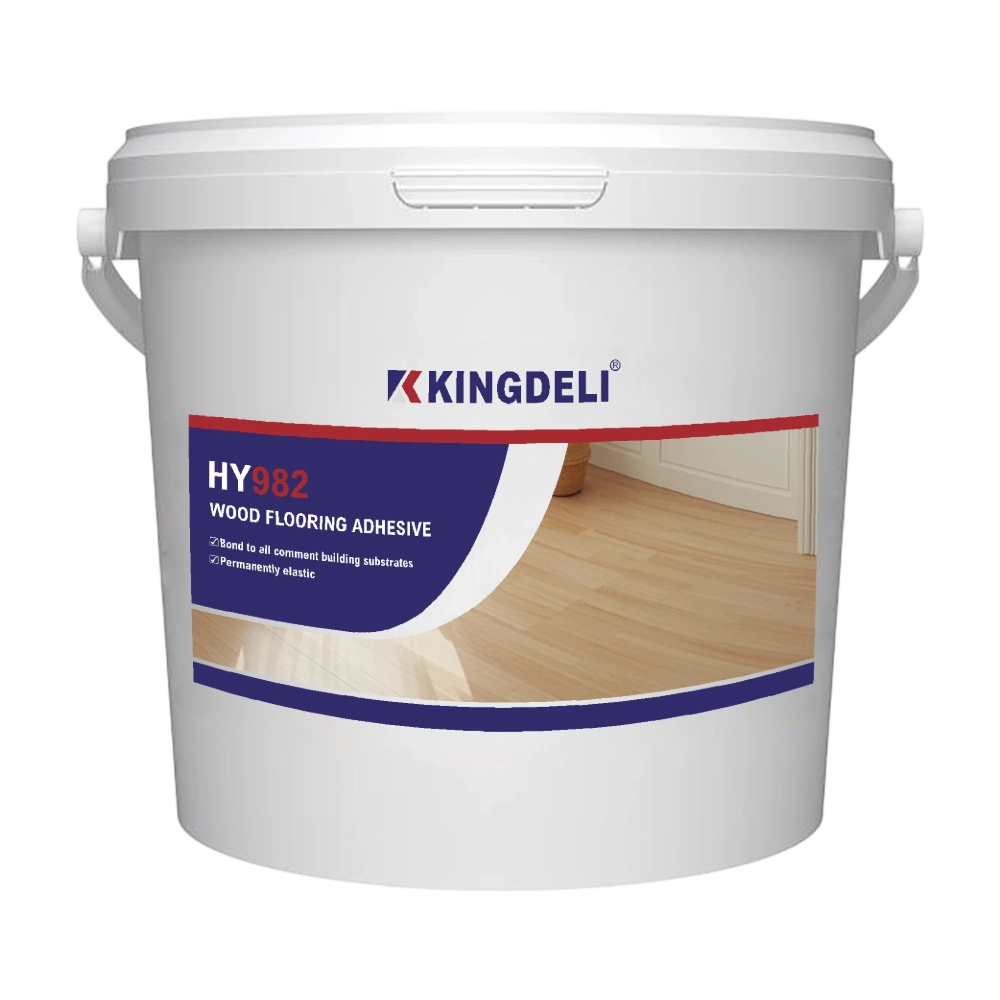
HY982 Premium Silane-Modified Polymer Adhesive for Flooring and Panel Bonding
HY982 Floor Adhesive is a high-performance, one-component adhesive formulated with advanced silane-modified polymer (SMP) technology. It is paintable, non-staining, and environmentally friendly, offering exceptional bonding strength without the need for a primer.
Designed for modern interior installations, HY982 Floor Adhesive provides excellent adhesion to wood, metal, stone, sintered slabs, glass, ceramics, and many other common building materials—making it the ideal choice for flooring installation and panel bonding applications crystal clear formulation.
Let’s Build Stronger Bonds with Quality Adhesives and Sealants
Have questions about the topic or need tailored sealant solutions for your project?
Our team is ready to provide expert guidance, product recommendations, and application support.
Innovating with Integrity, Bonding the World
Since 1998, KINGDELI has delivered trusted, sustainable sealant solutions that connect industries and inspire progress worldwide.
Whatsapp: +8618825946249
Kingdeli
Kingdeli
Kingdeli
Kingdeli
Kingdeli