











How to ensure silicone sealant adhesion on painted substrates? | Insights by KINGDELI
Ensuring reliable silicone sealant adhesion on painted substrates requires methodical surface preparation, correct material pairing, and verification testing. The recommendations below reference industry standards (ASTM C920, ASTM C794, ASTM D3359 and ISO 11600), manufacturer Technical Data Sheets (TDS), and best-practice adhesion science to help procurement and application teams choose and verify sealants for painted surfaces.
1) How long must paint cure before applying silicone to avoid outgassing and adhesion failure?
Why this matters: premature sealing over incompletely cured paint is a top cause of debonding: solvents, plasticisers and wet-film components can migrate to the joint and produce adhesive failure.
Guidance:
- Check the paint manufacturer's cure schedule on the TDS and SDS. Full cure is not the same as dry to touch. Many waterborne latex or acrylic paints reach handling set quickly but continue to release solvents and moisture for days to weeks.
- General timing ranges (use as a baseline; always confirm with the paint supplier):
- Waterborne acrylic/latex: allow 7–30 days for full cure before silicone application, depending on film thickness, temperature and humidity.
- Alkyd/enamel (solvent-borne): typically 7–14 days; longer in cool or humid conditions.
- Two-component finishes (epoxy/polyurethane): follow manufacturer—often 7 days or more for full outgassing.
- Powder-coat/thermally cured finishes: usually meet cure schedule post-cure; verify with supplier.
- Practical checks: absence of solvent smell, hardness consistent with TDS, and a small mock-up adhesion test (see ASTM C794 or a 24–72 hour adhesive tape peel) are the best confirmation that paint has sufficiently cured.
- If accelerated schedules demand earlier sealing, consult both the paint and sealant manufacturers—use recommended adhesion promoters and allow the minimum flash/dry times specified by primer suppliers.
2) How should I prepare glossy or low-roughness painted surfaces so silicone will reliably bond without sanding through the finish?
Why this matters: glossy paints and low surface-energy finishes have poor mechanical key and may repel primer or sealant, leading to adhesive failure.
Step-by-step prep (low-damage approach):
- Clean: first remove loose dirt and salts with a mild detergent and potable water rinse. Dry thoroughly.
- Degrease: use isopropyl alcohol (IPA) or a manufacturer-approved solvent wipe to remove oils, waxes and silicone contaminants. Test a small area—some paints soften with aggressive solvents such as acetone or MEK.
- Scuff without through-sanding: where sanding is acceptable, use 320–400 grit abrasive to lightly scuff the topcoat to increase surface energy and mechanical key. For thin decorative paints where sanding is undesirable, consider chemical adhesion promoters (see next question) or a very light abrasion with non-woven scotch-brite pads.
- Vacuum and re-wipe: remove all dust and re-wipe with IPA to remove residues. Allow solvent flash-off (per primer instructions).
- Mock-up: perform a full adhesion test over the prepared area using the planned silicone and installation method before field application.
Note: avoid sanding through the topcoat to substrate unless planned—exposed substrate changes the adhesion substrate and may require different primers.
3) Which primer or adhesion promoter works best between silicone and alkyd/epoxy/PU paints, and how should it be applied?
Why this matters: primers compensate for low surface energy, contaminants, or incompatible chemistries. The correct primer is frequently the difference between durable adhesion and early failure.
Guidance:
- Use a primer recommended by the silicone manufacturer whenever possible. Sealant suppliers evaluate primers and publish compatibility lists; follow those pairings.
- Common primer chemistries: silane-based coupling agents and specialty solvent-based primers designed for silicone-to-paint bonds. These products improve chemical coupling to polymeric paint films.
- Application rules:
- Apply a thin, even coat of primer and allow the solvent to flash per the primer's TDS (typical flash times 5–30 minutes depending on solvent and ambient conditions).
- Do not over-apply primer; puddled primer can plasticize the paint film or increase outgassing.
- Observe the primer’s recoat window—there is usually a maximum time after primer application during which the sealant must be applied.
- If no primer is approved, perform a small-scale compatibility trial (mock-up) and document adhesion following ASTM C794 or an equivalent peel test protocol.
4) My sealant pulled off the paint—how do I determine whether it was paint delamination, cohesive failure, or contamination?
Why this matters: troubleshooting the failure mode directs the corrective action—better cleaning, different primer, or a different sealant chemistry.
Diagnostic steps:
- Visual inspection: if paint film lifted away from the substrate with the sealant, that's paint delamination. If the sealant tore within itself and residue remains on both sides, it's cohesive failure of the sealant.
- Adhesion tape/cross-cut test: perform ASTM D3359 cross-cut tape tests to see if paint adhesion to substrate is adequate. If paint fails the cross-cut test, the problem is paint-substrate adhesion, not the sealant.
- Peel/adhesion-in-peel: an ASTM C794 peel test or a simple 90° peel on a mock-up can quantify adhesion. Low peel values on a clean, primed substrate indicate that the sealant chemistry is incompatible or the wrong cure system is in use.
- Contamination signs: presence of glossy residues, oil sheen or silicone bloom indicate contaminants. Re-clean a test panel thoroughly and retest to confirm.
Remedy matrix (based on failure type):
- Paint delamination: repair paint adhesion first—strip and recoat if necessary or remove failed paint and re-prepare substrate.
- Cohesive failure: choose a higher-modulus or more durable silicone; check joint movement and stress concentration; revisit joint design.
- Contamination: implement stricter cleaning, consider plasma/primer treatment for critical assemblies, and enforce contamination-control protocols during painting and storage.
5) Can I use acetoxy (acid-release) silicone on painted substrates, or should I always choose a neutral-cure silicone?
Why this matters: cure by-products can react with paints, metals and adjacent materials producing staining, corrosion or adhesion problems.
Key points:
- Acetoxy-cure silicones release acetic acid during cure. They are generally cheaper and bond well to many clean substrates, but the acid may attack sensitive paint systems, galvanised metal or plated finishes and can cause staining.
- Neutral-cure silicones (alkoxy/oxime/moieties) release non-acidic by-products and are typically recommended for painted substrates, coated metals and sensitive finishes because they reduce risk of chemical interaction with the paint film.
- Always cross-check with the paint and sealant manufacturers. Some specialty paints may be compatible with certain acetoxy silicones, but manufacturer approval or a test mock-up is essential.
Best practice: prefer neutral-cure silicone when sealing onto or adjacent to painted and coated finishes unless a tested, approved acetoxy system is specified.
6) What joint design, backing material and surface-energy adjustments maximize adhesion for painted metal and composite panels?
Why this matters: even with perfect adhesion chemistry, poor joint design concentrates stress and causes premature failure.
Design and material recommendations:
- Bonding vs. sealing: where movement is expected, use a flexible joint design per ASTM C920. Specify sealant movement capability (±25%, ±50%) to match joint dynamics.
- Depth-to-width ratio: maintain the sealant’s recommended geometry—generally a 1:2 depth-to-width ratio (for example, 6 mm depth for a 12 mm wide joint) to control stress and allow proper cure profile. Check the sealant TDS for exact recommendations.
- Backer rods and bond-breakers: use closed-cell polyethylene backer rod sized to produce the correct sealant depth and to prevent three-sided adhesion. For painted surfaces, avoid over-compressing the backer rod which can extrude and contaminate paint edges.
- Surface energy management: higher surface energy improves wetting and adhesion. Light abrasion and appropriate primers increase surface energy. For inherently low-energy paints (fluoropolymer, silicone paints), expect to use specialized primers or bonding systems.
- Thermal and mechanical considerations: design joints to minimize peel stresses—use wider joints where thermal expansion is large and avoid thin snap-backs that localize shear.
Verification: incorporate a mock-up with instrumented joints or periodic inspection criteria into the Purchase Specification and require adhesion testing per ASTM C794 as acceptance criteria for lot release.
Concluding guidance
Following a disciplined process—confirm paint cure, remove contamination, lightly abrade or use a manufacturer-recommended primer, choose the correct cure chemistry (neutral-cure where possible), and adopt appropriate joint geometry and backing—will substantially reduce the risk of silicone sealant adhesion failure on painted substrates. Use mock-up adhesion tests (ASTM C794, ASTM D3359) and document results before full production. These steps protect paint finishes, reduce callbacks, and improve lifecycle performance.
Kingdeli Sealant technical staff can provide product compatibility guidance, custom mock-up specifications, and project-specific primer/sealant pairings. Contact us for a quote at www.kingdelisealant.com or info@kingdeliadhesive.com.
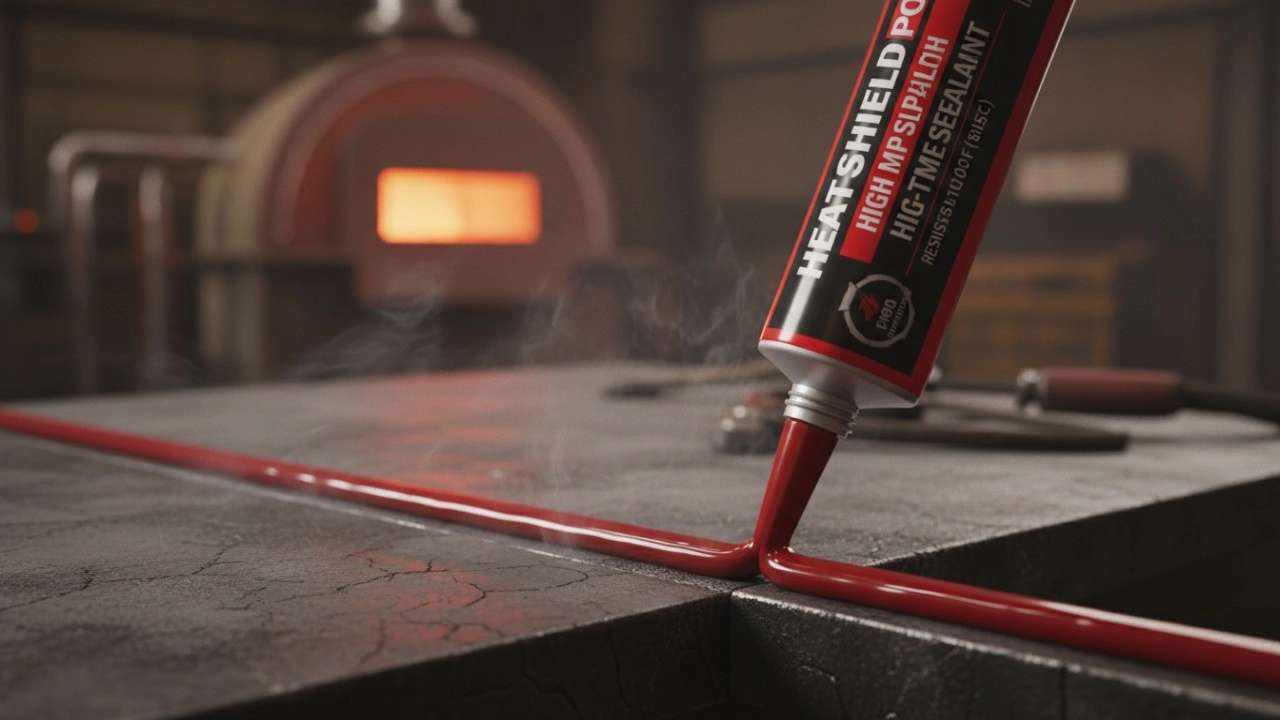
How to Apply High Temperature Silicone Sealant Like a Pro: 5 Secrets for a Lifetime Seal
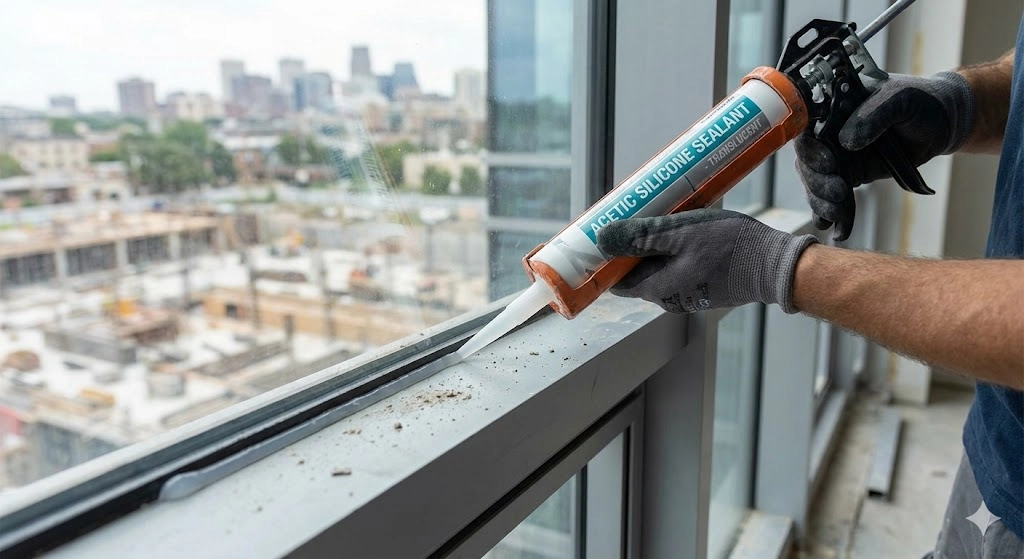
Acid Cure vs. Neutral Silicone: Why Choose Acetic Silicone Sealant for Glass?
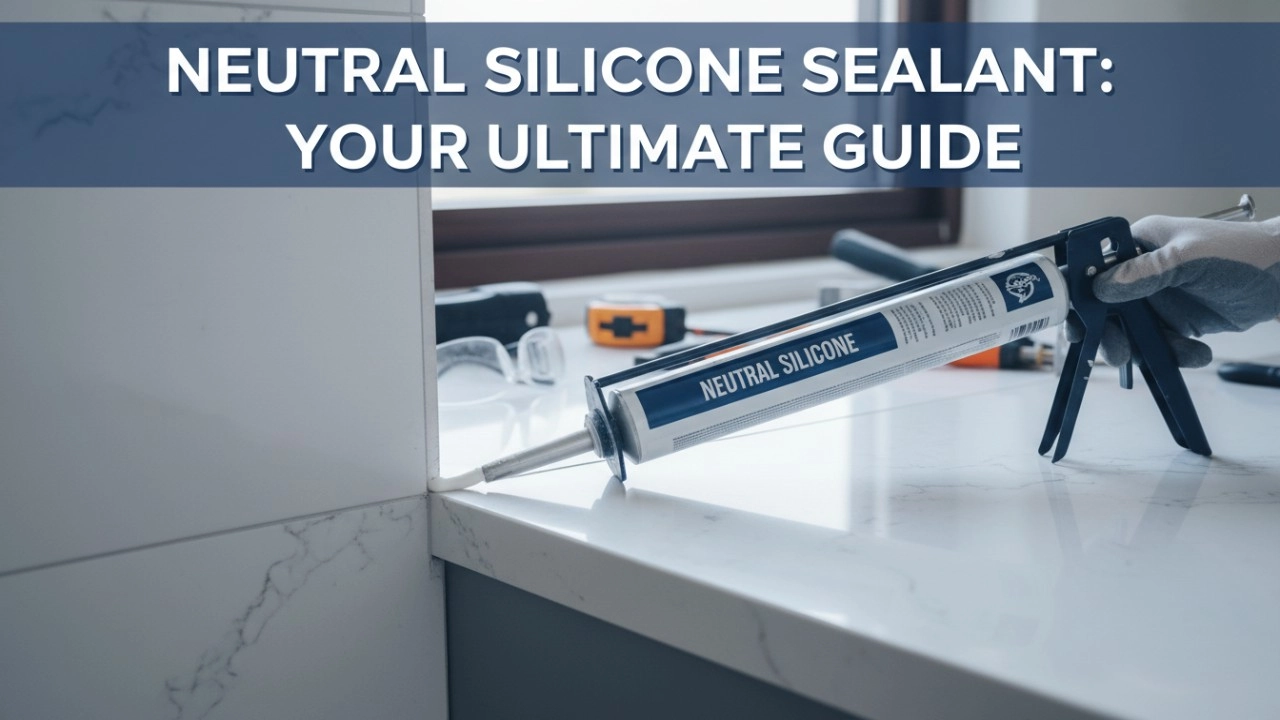
7 Critical Mistakes to Avoid When Using Neutral Silicone Sealant for High-End Projects
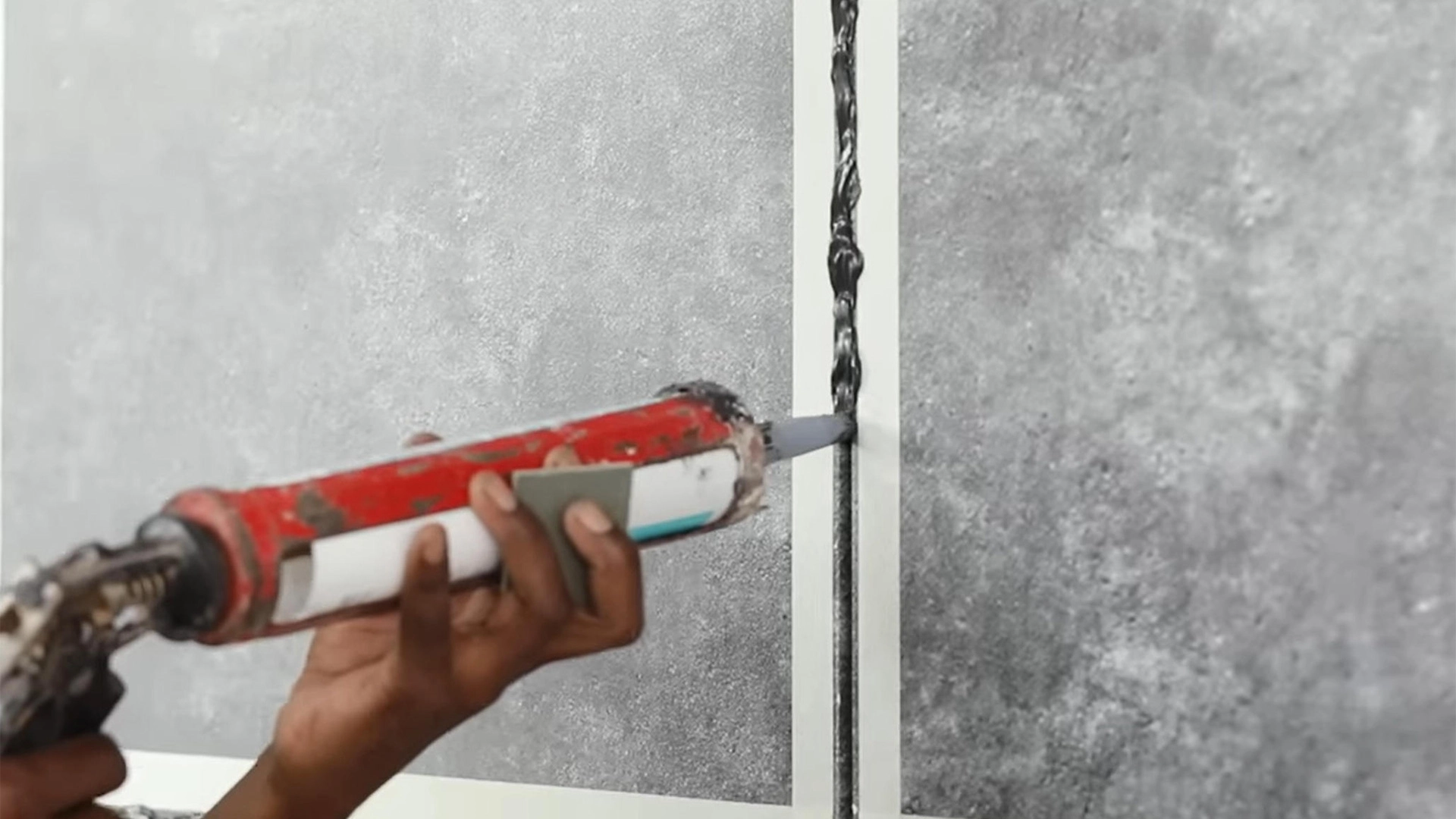
What’s the Difference Between Silicone Sealant and MS Adhesive for ACP?
HY-939
Is HY939 safe for use on metal and plastic parts?
Yes. It is non-corrosive and provides excellent adhesion to metals such as aluminum, copper, and stainless steel, as well as engineering plastics including PC and ABS.
HY993
What colors are available?
Standard colors include black, grey, and white. Custom colors can also be produced based on customer requirements.
HY994
Can HY994 be used outdoors?
Yes.HY994 has excellent weather resistance, UV stability, and long-term aging performance, making it suitable for both interior and exterior applications.
HY-2100
How long does it take to fully cure?
Initial surface curing typically occurs within a few hours, depending on temperature and humidity. Full cure generally takes 24–48 hours, with thicker joints requiring longer.
How should the sealant be stored?
Store in a cool, dry place below 27℃. Avoid direct sunlight and keep the container sealed before use.
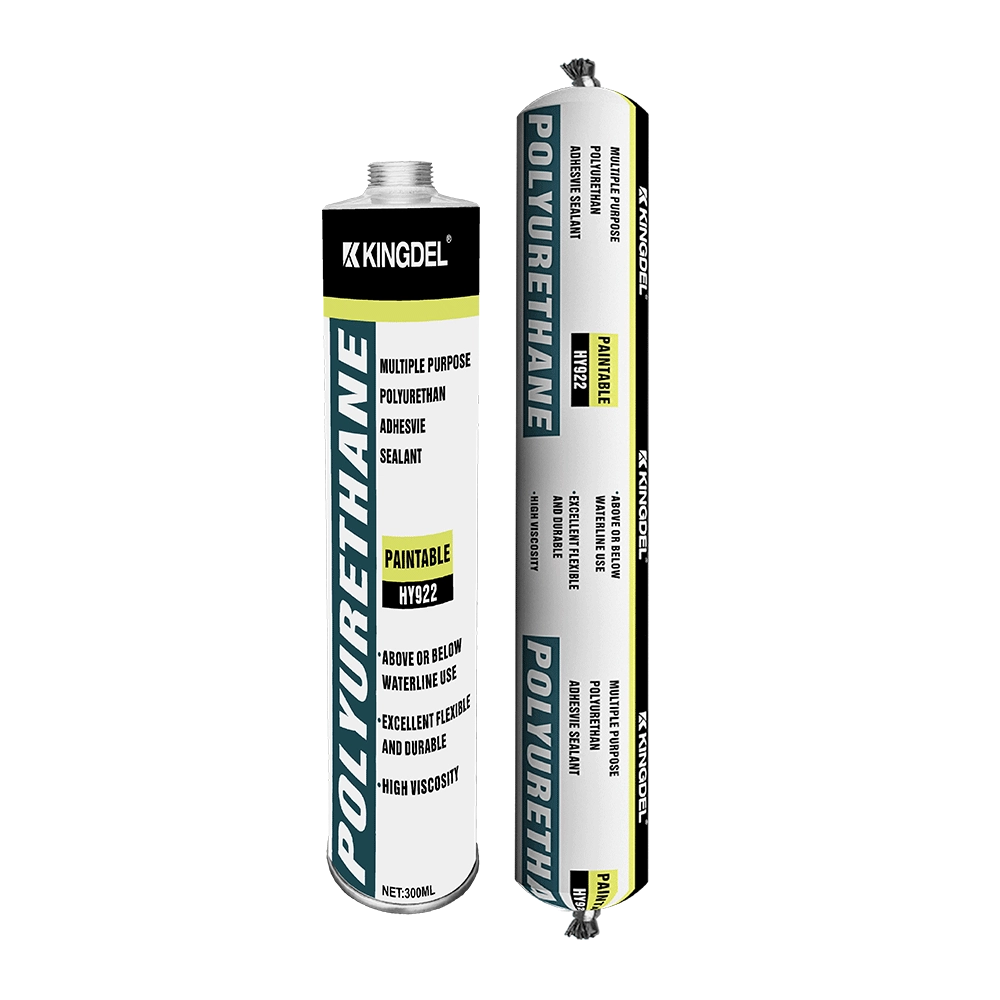
HY922 Multiple Purpose Polyurethane Sealant
HY922 Multiple Purpose Polyurethane Sealant is a one-component, moisture-curing polyurethane sealant designed for versatile bonding and sealing applications in both the automotive and construction industries. It cures to form a flexible yet tough elastomeric joint with excellent adhesion to a wide range of substrates. The formulation is non-corrosive, solvent-free, and produces a smooth, bubble-free finish during application.
HY922 delivers fast surface drying and quick positioning, improving installation efficiency while maintaining long-term durability. With strong weather resistance and good creep resistance, it performs reliably in demanding indoor and outdoor environments, including moist and partially submerged conditions.
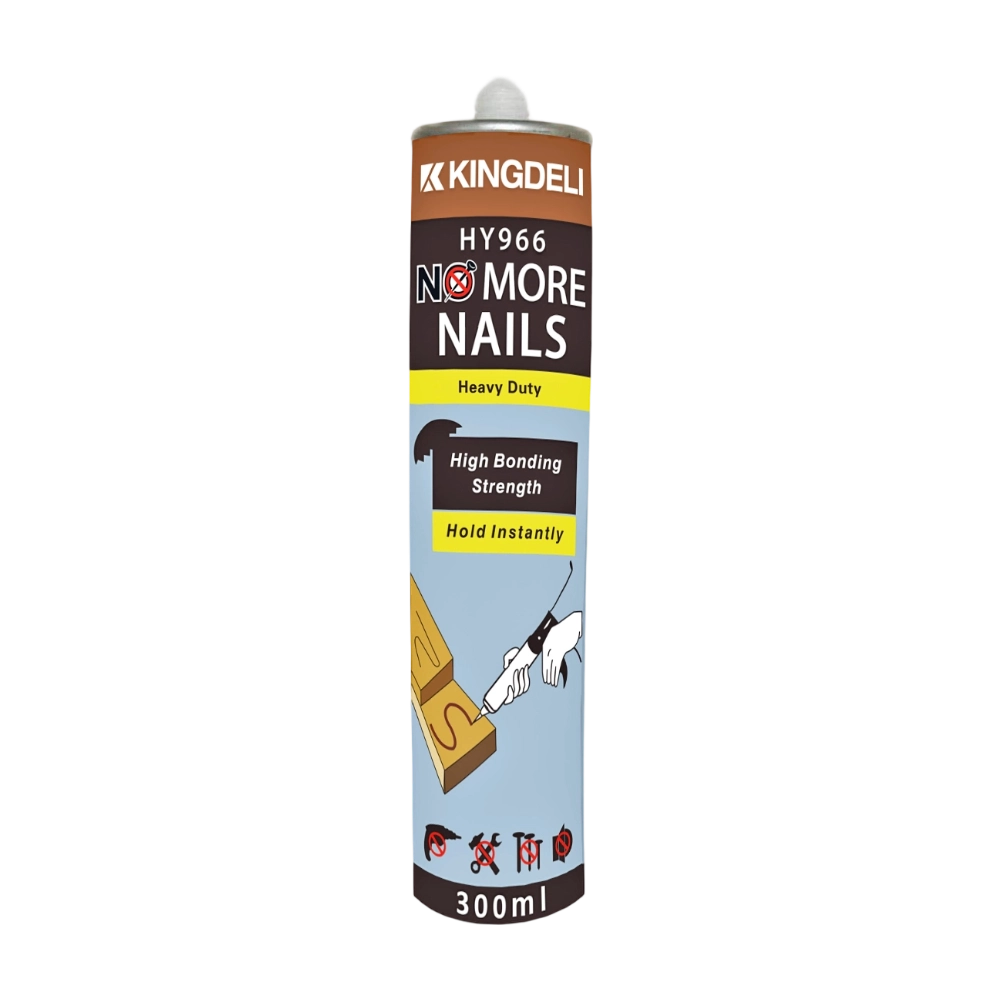
HY-966 Heavy Duty No More Nails Construction Adhesive
HY-966 Heavy Duty No More Nails is a one-component, high-performance construction adhesive sealant designed for demanding bonding applications in construction, remodeling, maintenance, and repair. Its instant grab formulation secures materials immediately, significantly reducing the need for bracing or mechanical fixing during installation.
HY-966 cures reliably in moist environments and delivers durable adhesion across a wide range of substrates. It provides excellent resistance to water, temperature variation, and aging, ensuring long-term performance in interior construction applications.
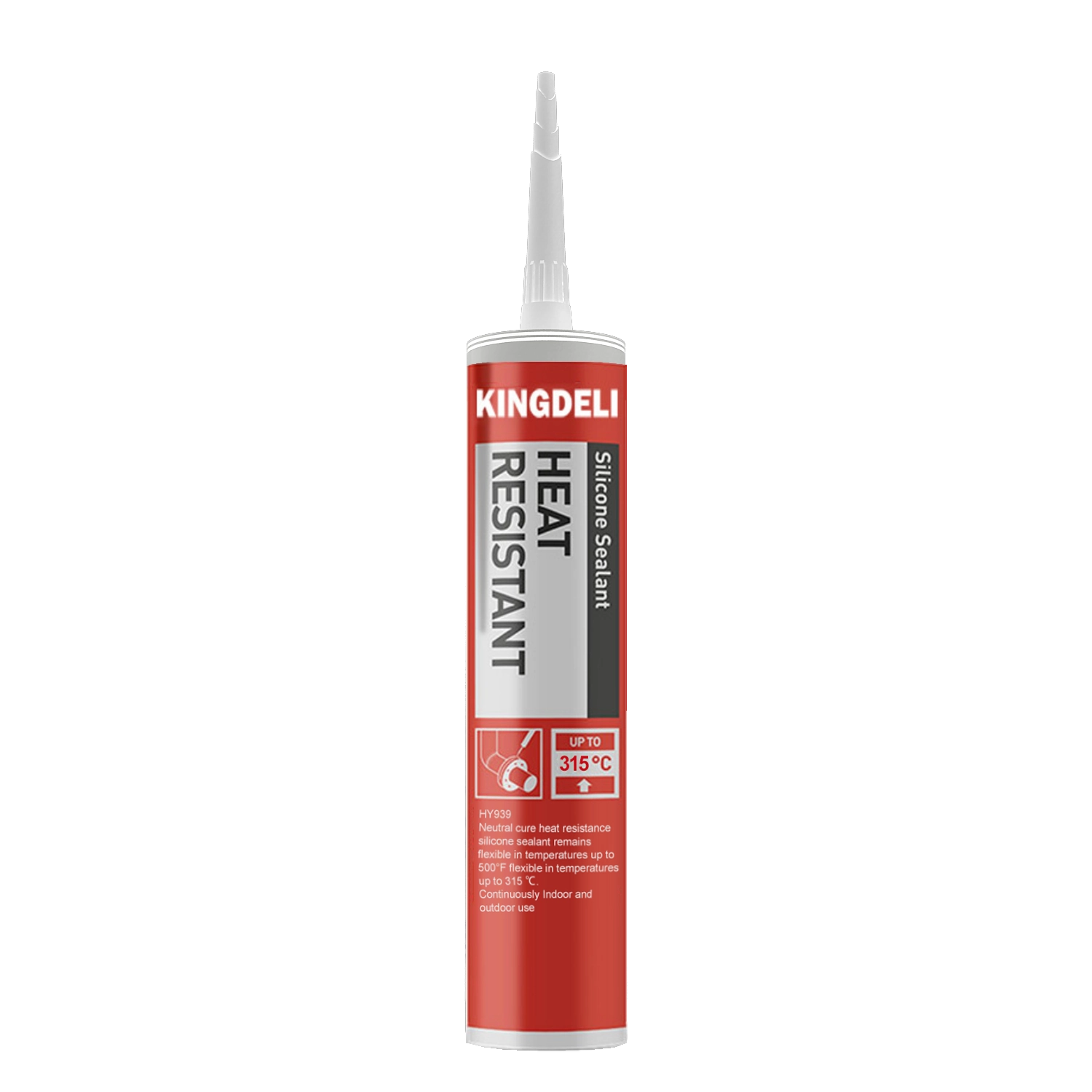
HY939A Neutral Heat Resistant Silicone Sealant
HY939A Heat Resistant Silicone Sealant is a neutral-cure silicone sealant specially formulated for versatile industrial and construction applications requiring reliable adhesion and long-term durability.
The sealant provides strong, non-corrosive adhesion to a variety of substrates, including glass, metal, gypsum board, marble, and certain plastics, making it ideal for both structural and sealing purposes.
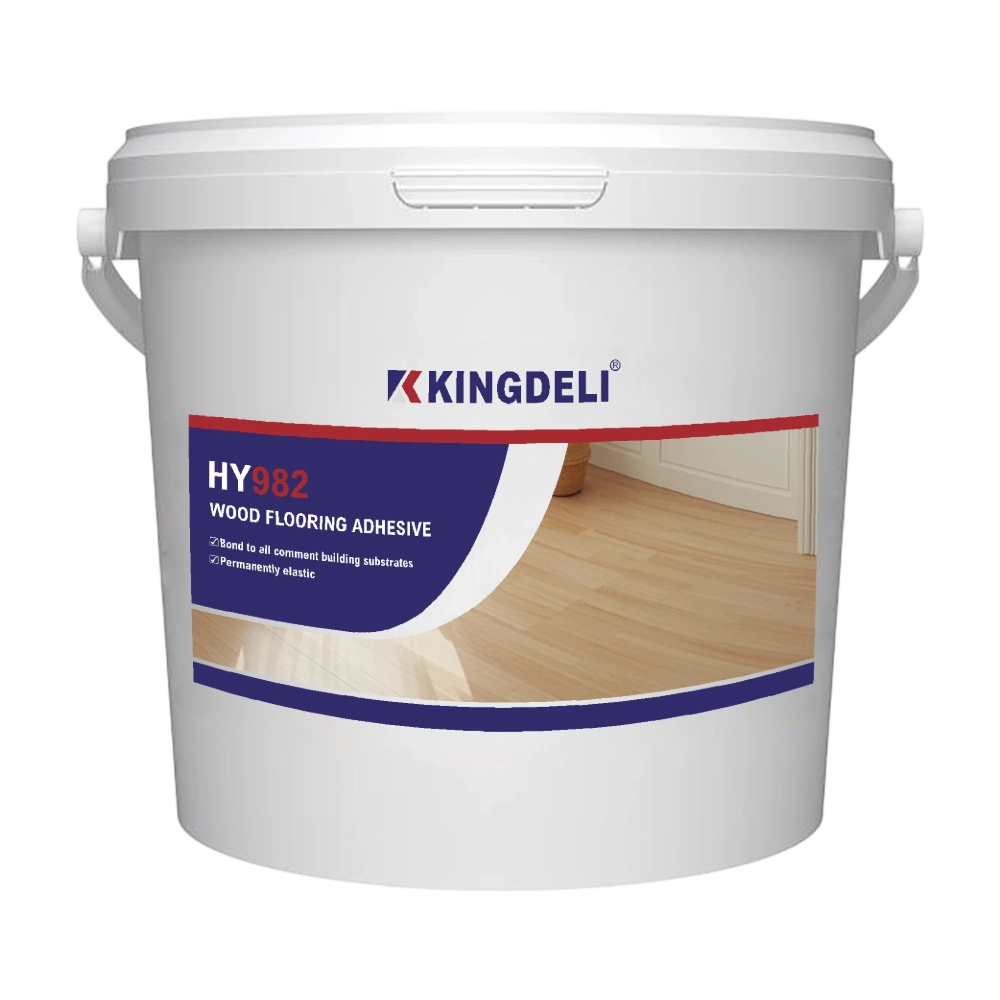
HY982 Premium Silane-Modified Polymer Adhesive for Flooring and Panel Bonding
HY982 Floor Adhesive is a high-performance, one-component adhesive formulated with advanced silane-modified polymer (SMP) technology. It is paintable, non-staining, and environmentally friendly, offering exceptional bonding strength without the need for a primer.
Designed for modern interior installations, HY982 Floor Adhesive provides excellent adhesion to wood, metal, stone, sintered slabs, glass, ceramics, and many other common building materials—making it the ideal choice for flooring installation and panel bonding applications crystal clear formulation.
Let’s Build Stronger Bonds with Quality Adhesives and Sealants
Have questions about the topic or need tailored sealant solutions for your project?
Our team is ready to provide expert guidance, product recommendations, and application support.
Innovating with Integrity, Bonding the World
Since 1998, KINGDELI has delivered trusted, sustainable sealant solutions that connect industries and inspire progress worldwide.
Whatsapp: +8618825946249
Kingdeli
Kingdeli
Kingdeli
Kingdeli
Kingdeli