











What are lead times for custom silicone sealant formulations? | Insights by KINGDELI
What Are Lead Times for Custom Silicone Sealant Formulations?
Buying custom silicone sealants requires clear expectations about timelines. This article answers six specific, frequently asked long-tail questions buyers and engineers face when commissioning custom silicone sealant formulations — covering development stages, testing, minimum order implications, colorants/fillers, packaging choices and fast-track options. Recommendations reference industry practices (ASTM C920, ASTM D412, ISO quality systems) and regulatory drivers (REACH, RoHS, FDA food-contact) that commonly affect turnaround.
1. How long does development and lab validation take for a high-temperature RTV silicone sealant with custom adhesion promoters?
Expect a staged process: initial formulation design (1–2 weeks), lab bench trials for cure profile and adhesion (2–4 weeks), prototype sample preparation and internal testing (1–3 weeks), and qualification testing (2–6 weeks). Overall, typical development and validation for a high-temperature RTV with custom adhesion promoters runs about 6–12 weeks. Key timeline drivers are:
- Complexity of adhesion promoters — novel chemistries often need additional compatibility and stability assessments.
- Availability of specialty raw materials — long-lead raw materials (fluorosilanes, specialty fillers) add procurement time.
- Number of iterations requested — each reformulation cycle typically adds 1–3 weeks for new lab trials and sample production.
Validation should include cure-speed mapping, high-temperature aging (accelerated aging may add 1–4 weeks depending on test length), tensile/elongation (ASTM D412), hardness (ASTM D2240) and adhesion performance per project specs (and ASTM C920 where applicable). To shorten lead times, lock the substrate and test matrix early, accept risk-based sampling for preliminary field trials, or pay for parallel sample runs.
2. What are realistic lead times for first-article samples and pilot production when raw materials require REACH or specialty import approvals?
If raw materials are subject to REACH registration, import licensing, or supplier prequalification, build an extra 2–6 weeks into your schedule. Typical sequence and times:
- Raw material procurement and customs clearance: 1–4 weeks (longer if pre-qualification or additional paperwork is required).
- First-article sample preparation (bench to small batch): 1–2 weeks once materials are available.
- Pilot production (small pilot batch for process setting and customer approval): 2–6 weeks depending on scheduling and capacity.
Factors that extend lead time include supplier audits, documentation for REACH/ROHS, and translation of technical data sheets for export. To manage this risk, request supplier lead-time certificates, pre-secure critical raw materials through blanket purchase agreements, or ask for alternative compliant chemistries that are stocked locally.
3. How much additional time do custom colorants, special fillers, or low-VOC solvents add to the formulation and production lead time?
Adding color matching, specialty pigments (e.g., metallics, UV-stable pigments) or heavy/abrasive fillers typically introduces 1–4 weeks of extra time for formulation optimization, dispersion testing, and stability checks. Specific impacts:
- Color matching and metamerism checks: 3–10 working days per iteration; multiple iterations add weeks.
- Special fillers (glass bubbles, ceramic, conductive powders): require dispersion and rheology optimization — often 1–3 extra lab cycles (7–21 days).
- Low-VOC or solvent-free variants: may need reformulation and VOC compliance documentation, adding 2–6 weeks for testing and declaration.
Also consider pigment batch-to-batch consistency and the need for additional stability testing (color bleed, sedimentation) which can add weeks. Where color is critical, plan for a dedicated press-approved color sample and sign-off procedure to avoid multiple reworks.
4. Can lead times be shortened for emergency volume runs, and what are the typical fees or MOQ trade-offs?
Yes — most manufacturers offer fast-track or rush manufacturing but it comes with trade-offs. Typical options and implications:
- Expedite fees: High Quality of 15–50% depending on schedule compression and resource allocation.
- MOQ adjustments: emergency runs often require higher MOQs to justify line changeovers; conversely, some suppliers accept smaller rush pilot quantities at higher per-unit cost.
- Capacity prioritization: suppliers may reschedule other jobs, which requires contractual agreement and may include cancellation fees if your prioritized slot is later deferred.
Lead-time compression techniques: approve a partially qualified formulation for immediate production, accept interim packaging (bulk drums vs. finished cartridges), or work with an agreed fixed-scope validation limited to critical tests. Always document accelerated acceptance criteria and post-delivery follow-up tests to manage quality and liability.
5. How do accelerated aging, shelf-life and VOC testing affect delivery timelines for custom silicone adhesives intended for export?
Stability and regulatory testing frequently become timeline pinch points. Typical timings:
- Accelerated aging (e.g., 70°C/28 days equivalents): 2–6 weeks depending on protocol and the number of time points.
- Shelf-life/bottle stability testing: accelerated protocols may take 2–8 weeks; full real-time shelf-life tests run months to years, so many suppliers rely on accelerated testing plus historical data for similar chemistries.
- VOC testing and emissions compliance for export markets: 1–3 weeks for testing labs to report results; longer if remediation or reformulation is required.
Export drivers — compliance with REACH, RoHS, or country-specific VOC limits — can require documentation and testing that extend the project schedule. To avoid delays, confirm regulatory targets at project start, use pre-approved ingredient lists, and request pre-submission meetings with certification bodies when applicable. Suppliers with ISO 9001 and robust technical documentation often shorten administrative lead times.
6. What logistical or packaging choices (bulk drums vs cartridges) change the production and delivery lead times for custom silicone sealant orders?
Packaging decisions materially affect production scheduling and delivery speed. Considerations:
- Bulk drums or IBCs: quicker to produce because minimal filling/finishing is required; typically reduces lead time by 1–2 weeks versus finished retail packaging.
- Cartridges, sausages, or custom-labeled retail packs: add filling, curing (if post-cure is needed), labeling and packaging QA — typically adds 1–4 weeks based on line availability and artwork approvals.
- Cold-chain or temperature-controlled logistics: if raw materials or finished goods require temp control, add transit planning time and potential carrier constraints (1–5 days additional lead time typically, longer for remote destinations).
Also factor in serialization, barcoding and regulatory labeling (for export). For time-sensitive needs, accept bulk packaging for faster fulfillment and plan final packaging locally or at a later date.
Concluding summary: Advantages of choosing custom silicone sealant formulations
Custom silicone sealants deliver tailored adhesion, thermal stability, chemical resistance and optimized rheology for specific applications — reducing field failures and costly redesigns. Despite longer initial lead times compared with off-the-shelf products, the lifecycle advantages (improved performance, lower warranty claims, and better regulatory fit) typically justify the investment. Work with a supplier that documents ISO-aligned testing, provides clear timelines for development → sampling → pilot → production, and offers fast-track and packaging options so you can balance time-to-market with performance and cost.
If you need an accurate, project-specific quote or want to fast-track a custom silicone sealant formulation, contact us for a quote at www.kingdelisealant.com or email info@kingdeliadhesive.com.
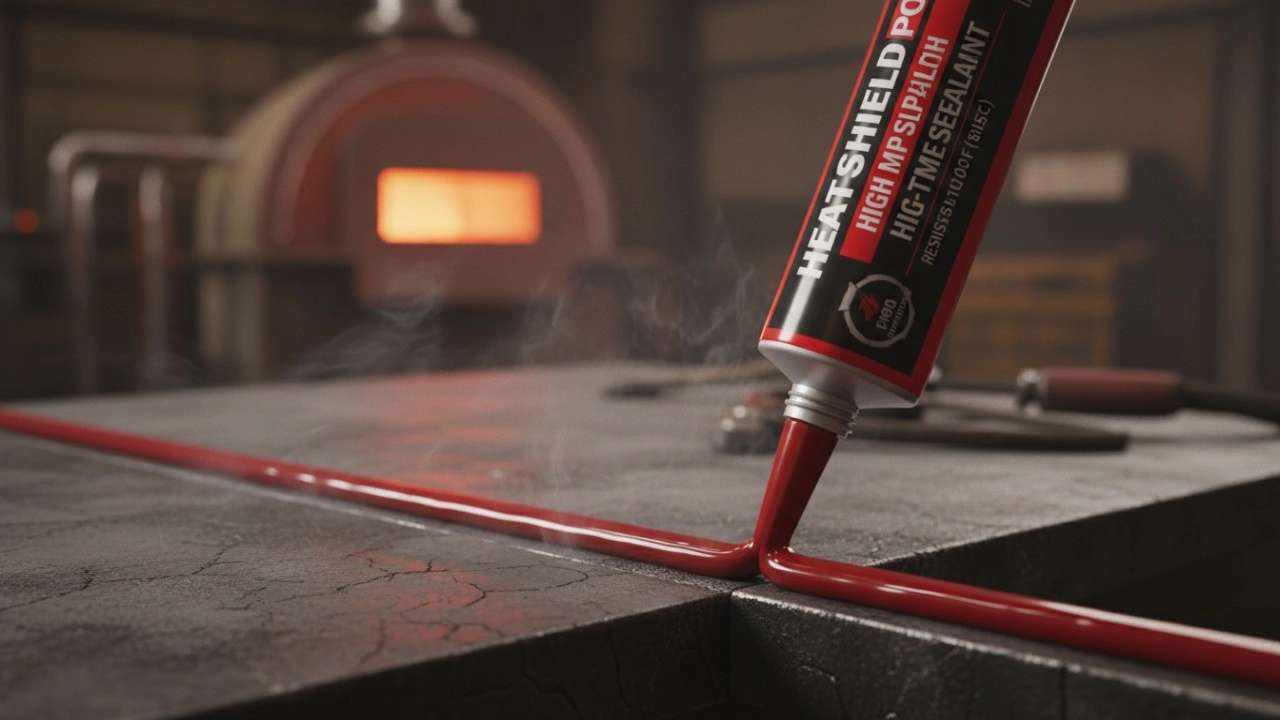
How to Apply High Temperature Silicone Sealant Like a Pro: 5 Secrets for a Lifetime Seal
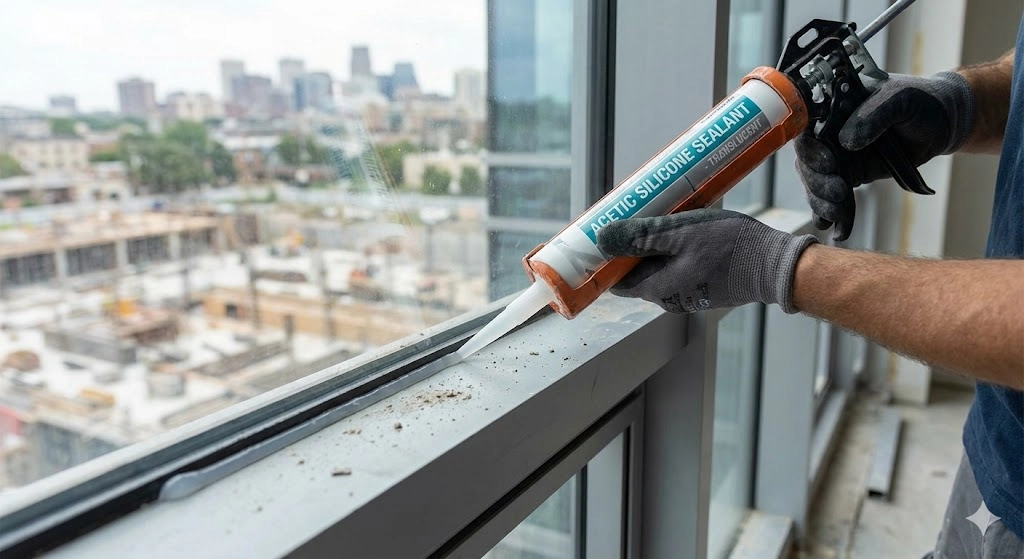
Acid Cure vs. Neutral Silicone: Why Choose Acetic Silicone Sealant for Glass?
7 Critical Mistakes to Avoid When Using Neutral Silicone Sealant for High-End Projects
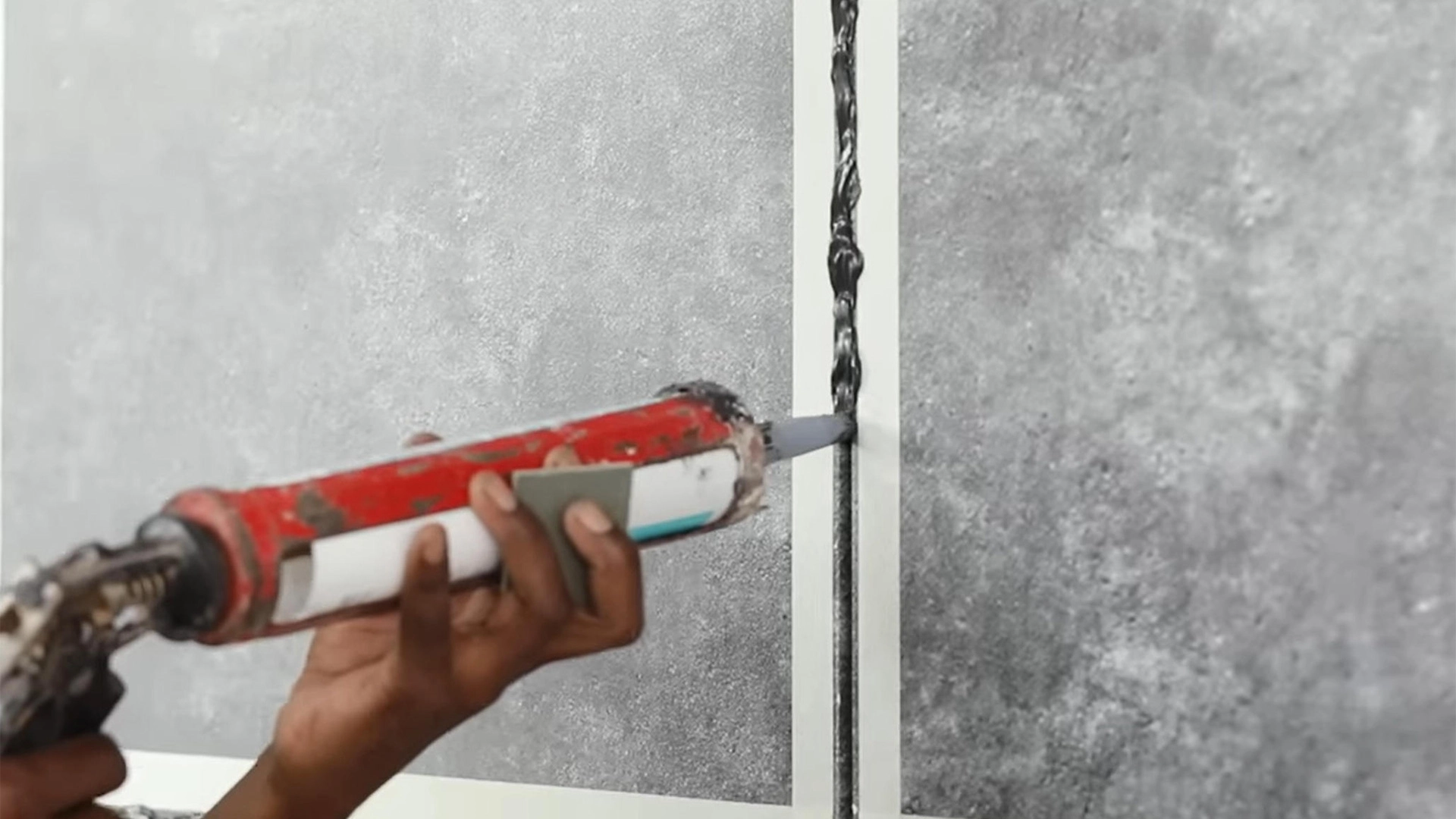
What’s the Difference Between Silicone Sealant and MS Adhesive for ACP?
Distributor Partnership
Can you support technical training?
Yes. Online or on-site technical training can be arranged for distributors and project teams.
HY993
Can HY993 be painted after curing?
Yes. HY993 is fully paintable with most water-based paints after it has cured.
HY-976
Is this product suitable for outdoor use?
HY976 No More Nails is formulated for interior use only.
HY-682
Can it be used indoors and outdoors?
Yes. The product is suitable for both interior and exterior applications, including structural joints, floors, roofs, basements, and other exposed environments.
HY-4300
What is the service temperature range after curing?
After full curing, HY-4300 maintains excellent adhesion and elasticity between -50°C and +250°C.
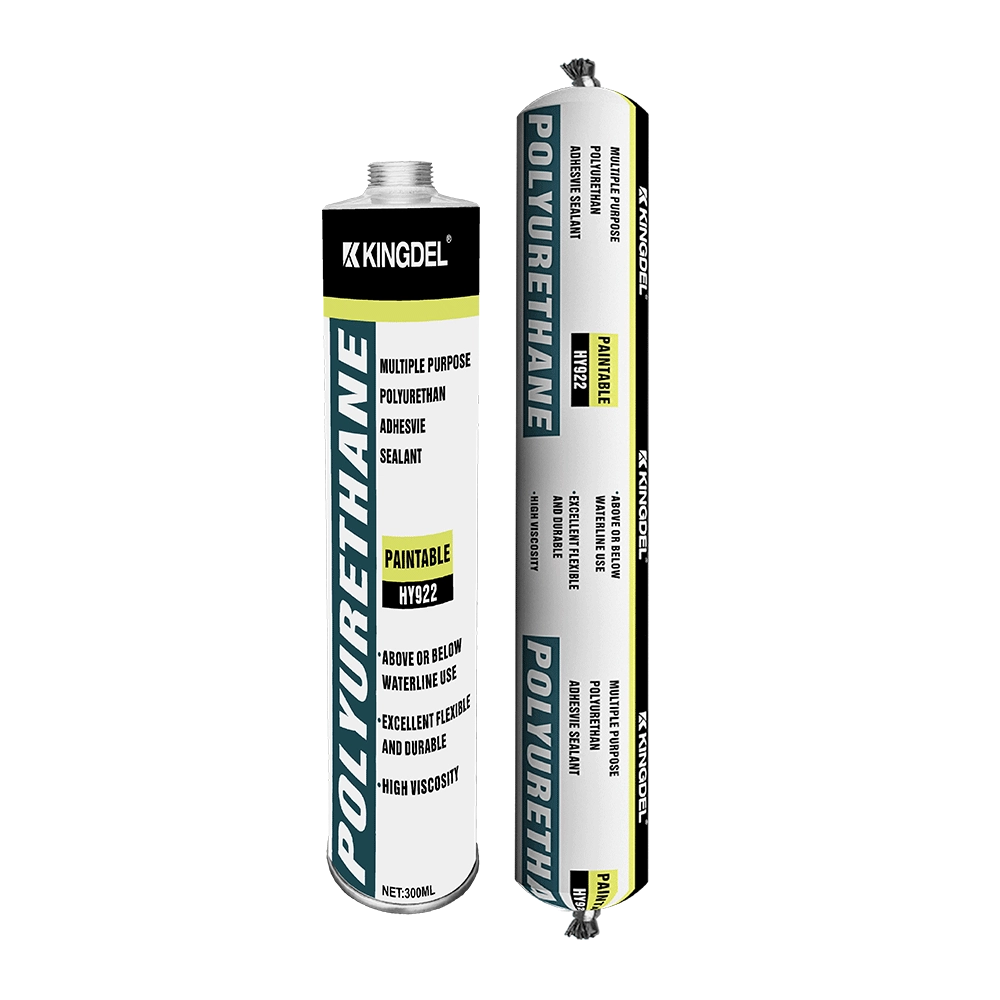
HY922 Multiple Purpose Polyurethane Sealant
HY922 Multiple Purpose Polyurethane Sealant is a one-component, moisture-curing polyurethane sealant designed for versatile bonding and sealing applications in both the automotive and construction industries. It cures to form a flexible yet tough elastomeric joint with excellent adhesion to a wide range of substrates. The formulation is non-corrosive, solvent-free, and produces a smooth, bubble-free finish during application.
HY922 delivers fast surface drying and quick positioning, improving installation efficiency while maintaining long-term durability. With strong weather resistance and good creep resistance, it performs reliably in demanding indoor and outdoor environments, including moist and partially submerged conditions.
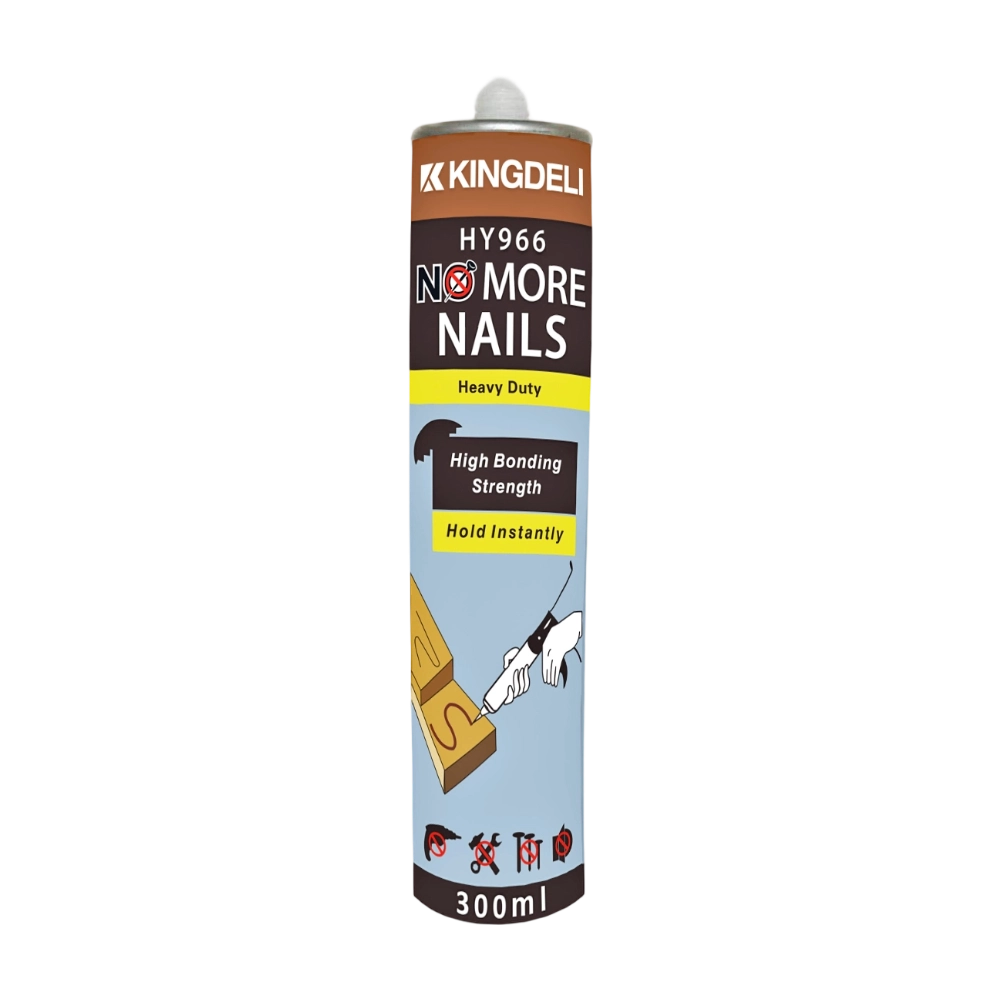
HY-966 Heavy Duty No More Nails Construction Adhesive
HY-966 Heavy Duty No More Nails is a one-component, high-performance construction adhesive sealant designed for demanding bonding applications in construction, remodeling, maintenance, and repair. Its instant grab formulation secures materials immediately, significantly reducing the need for bracing or mechanical fixing during installation.
HY-966 cures reliably in moist environments and delivers durable adhesion across a wide range of substrates. It provides excellent resistance to water, temperature variation, and aging, ensuring long-term performance in interior construction applications.
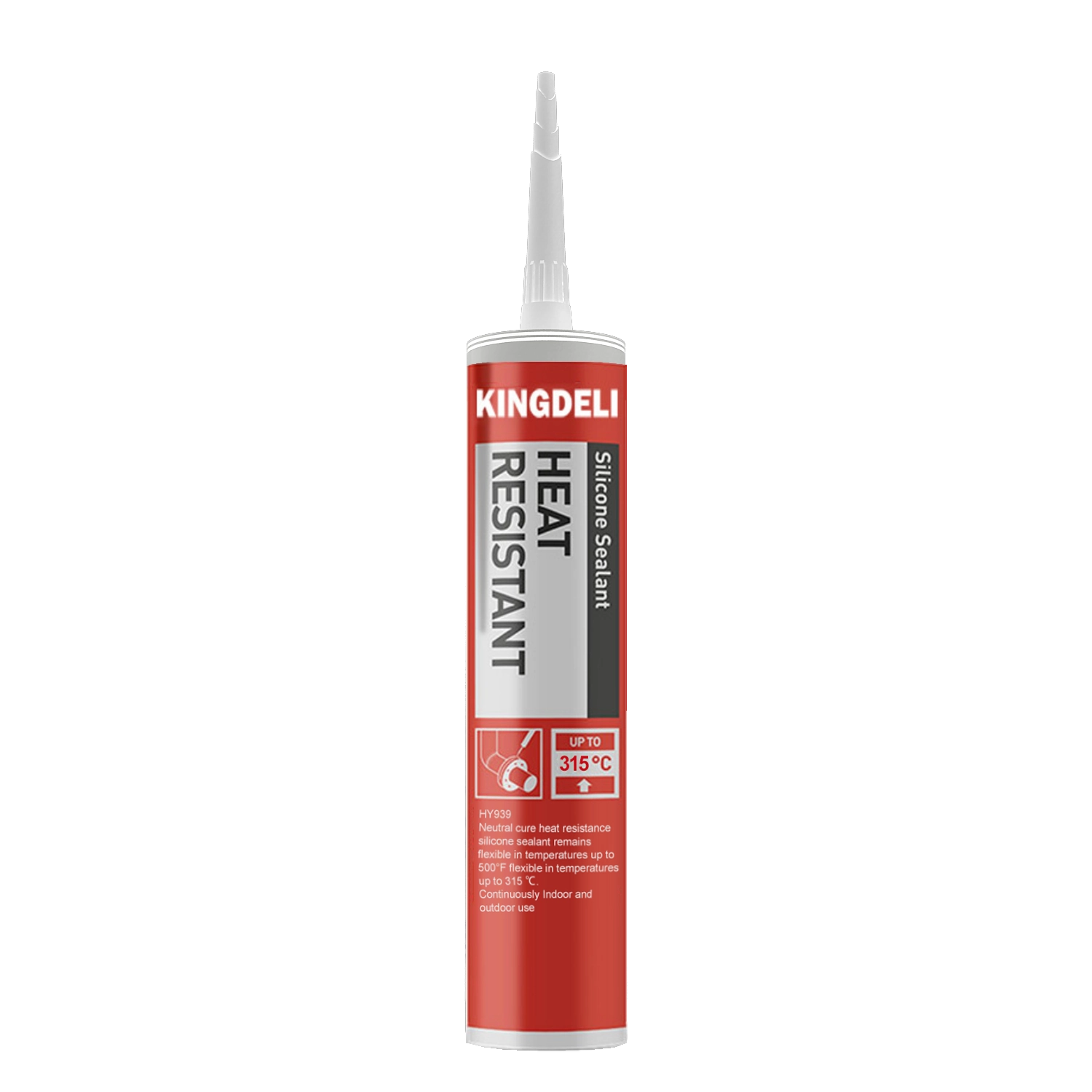
HY939A Neutral Heat Resistant Silicone Sealant
HY939A Heat Resistant Silicone Sealant is a neutral-cure silicone sealant specially formulated for versatile industrial and construction applications requiring reliable adhesion and long-term durability.
The sealant provides strong, non-corrosive adhesion to a variety of substrates, including glass, metal, gypsum board, marble, and certain plastics, making it ideal for both structural and sealing purposes.
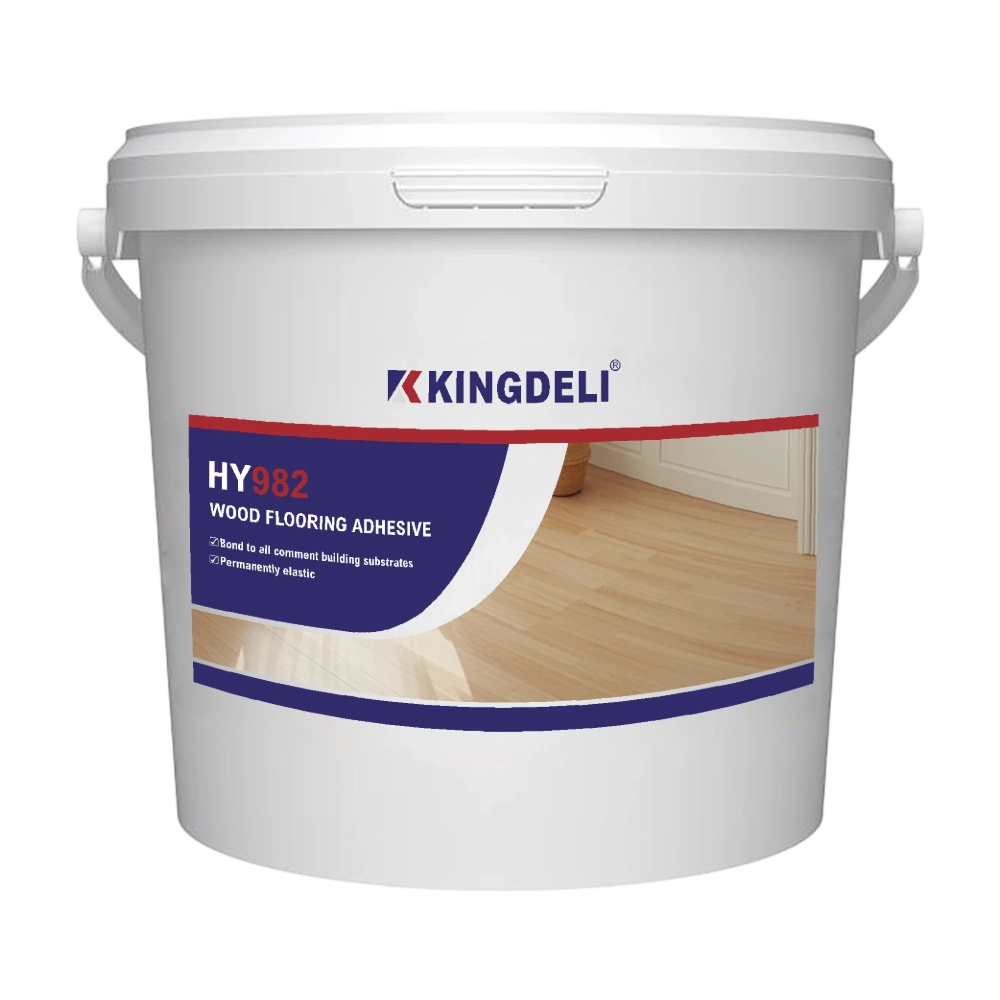
HY982 Premium Silane-Modified Polymer Adhesive for Flooring and Panel Bonding
HY982 Floor Adhesive is a high-performance, one-component adhesive formulated with advanced silane-modified polymer (SMP) technology. It is paintable, non-staining, and environmentally friendly, offering exceptional bonding strength without the need for a primer.
Designed for modern interior installations, HY982 Floor Adhesive provides excellent adhesion to wood, metal, stone, sintered slabs, glass, ceramics, and many other common building materials—making it the ideal choice for flooring installation and panel bonding applications crystal clear formulation.
Let’s Build Stronger Bonds with Quality Adhesives and Sealants
Have questions about the topic or need tailored sealant solutions for your project?
Our team is ready to provide expert guidance, product recommendations, and application support.
Innovating with Integrity, Bonding the World
Since 1998, KINGDELI has delivered trusted, sustainable sealant solutions that connect industries and inspire progress worldwide.
Whatsapp: +8618825946249
Kingdeli
Kingdeli
Kingdeli
Kingdeli
Kingdeli