











What packaging options are available for bulk silicone sealant supply? | Insights by KINGDELI
What packaging options are available for bulk silicone sealant supply?
This article answers 6 specific, pain-point questions buyers and contractors face when choosing bulk silicone sealant packaging. It embeds guidance on bulk silicone supply, silicone sealant drums, 20kg pails, sausage packs, cartridges, IBCs, drum liners, storage temperature, dispensing equipment and disposal to help procurement decisions.
1. How do I calculate realistic cost-per-meter and expected material waste when choosing 600 mL sausage packs versus 20 L pails for high‑volume window sealing jobs?
Why this matters: Procurement teams often buy the wrong package size and pay more per linear metre or throw away partially used cartridges/sausages. The correct calculation balances yield, labor, tool change time and waste.
How to calculate:
- Determine seal geometry: cross‑sectional area = bead width × bead depth (for a typical triangular/rectangular bead use width × depth as an approximation). Example: a 6 mm × 6 mm continuous bead = 36 mm².
- Convert to volume per linear metre: 36 mm² × 1000 mm = 36,000 mm³ = 36 cm³ = 36 mL per metre (approx).
- Yield per package: a 600 mL sausage yields ~600 ÷ 36 ≈ 16.7 metres. A 300 mL cartridge yields ~8.3 metres. A 20 L pail (20,000 mL) yields ~555 metres.
- Factor in application waste: typical on-site waste/wastage rate ranges from 5–20% depending on operator skill and job interruptions. For high-volume, use 5–10%; for mixed crews or changeovers use 10–20%.
- Labor/time cost and tool change: swapping sausage packs or cartridges takes time (1–3 minutes per change). If frequent changes reduce productivity, switching to bulk pails with a drum pump or heated hose can reduce labor waste and machine downtime.
- Calculate cost per usable metre: (unit price × number of units purchased ÷ (yield × (1 − wastage rate))). Compare supplier price lists for sausage pack vs pail prices. In practice, bulk pails/drums often reduce unit cost per kg by 10–30% depending on order size and supplier discounts.
Recommendation: For continuous high‑volume production (hundreds of metres per day) use 20 L pails or drum systems with a piston or gear pump and refillable cartridges on the line. For mixed or smaller jobs where mobility matters, 600 mL sausage packs balance portability and lower waste than 300 mL cartridges.
2. What packaging minimizes degradation and dust/contamination risk for neutral‑cure silicones stored in humid tropical climates?
Why this matters: Moisture curing silicones (neutral cure) can be sensitive to humidity and contamination; poor packaging leads to premature skinning, viscosity drift or contamination.
Best packaging choices and controls:
- Sealed, non‑permeable packaging: foil‑laminated sausage packs or metal cartridges with airtight caps provide the best short‑term protection. Multi‑layer foil sausages resist moisture ingress better than single‑layer plastic.
- Drum liners & bag‑in‑box: for bulk drums, use a polyethylene drum liner (bag‑in‑drum) to isolate the product from air and moisture. Liners reduce contamination during transfers and simplify rinsing/drum reuse.
- Nitrogen blanketing or positive‑pressure inerting: for long‑term storage in humid climates, consider inert gas blanketing in intermediate bulk containers (IBCs) or sealed drums to reduce exposure to ambient moisture—commonly used for High Quality formulations.
- Climate-controlled storage: store between 5–25°C in dry rooms where feasible. Avoid direct exposure to sunlight and high temperatures (>35–40°C accelerates changes in viscosity). Maintain relative humidity control in the storage area; while neutral silicones cure with moisture, inside sealed packaging they must avoid premature moisture contact.
- First‑in, first‑out (FIFO) and batch segregation: use lot/expiry tracking on packaging. Rotate stock frequently and keep opened drums sealed with drum plates and quality‑grade bung caps.
Actionable checks: verify supplier MSDS/TDS for recommended storage life (many neutral silicones list 12–18 months unopened at recommended temperatures), insist on sealed foil sausage or lined drum options, and require batch traceability to manage tropical storage risks.
3. Which bulk packaging options integrate directly with automated 2K proportioning equipment without extra transfer steps?
Why this matters: For factory automation and structural bonding, minimizing transfer steps reduces contamination risk and downtime. 2K silicones (or adhesive systems combining sealant with primer/curing agent) may have specified mix ratios and short pot life.
Packaging and integration options:
- Dual‑cartridge systems: prepackaged static‑mix dual cartridges (1:1, 10:1 etc.) can mount directly on some dispenser heads for short runs. Useful for repair stations or small automated cells.
- Twin‑material drum packs (two drums or two pails): many industrial proportioners accept paired drums or pails equipped with drum pumps and metering heads. These reduce intermediate handling and connect directly to the 2K proportioner.
- Syringe or bulk cartridges with quick‑connect fittings: for certain dispensing robots, bulk cartridges (300–600 mL) with ISO quick‑connects can be loaded into automatic feeders. Not ideal for very high volumes due to frequent changeovers.
- IBC or large hopper feeding with heated metering pumps: where the system uses heated hoses for viscosity control, IBCs or 200 L drums with bottom outlet + inline gear/piston pumps feed directly into proportioning equipment. Use certified static mixers and maintain pump flushing protocols.
Important operational considerations:
- Match viscosity limits: confirm pump and proportioner specs for maximum/minimum viscosity and solids content. High‑filled silicones may require progressive cavity or piston pumps rather than simple gear pumps.
- Mix ratios and accuracy: industrial proportioners commonly achieve ±1–3% volumetric accuracy when maintained. For structural adhesives where ratio error is critical, insist on validated proportioners and calibration certificates.
- Eliminate air ingress: use sealed fittings, degassing where necessary, and follow manufacturer guidance for feed pressure and temperature.
Recommendation: For continuous automated production, feed proportioners directly from lined drums or IBCs with properly sized piston pumps and certified static mixers to avoid intermediate transfer steps and contamination.
4. After opening a 200 L drum or a 20 kg pail, how should I store the remainder and how long can I expect usable life before curing or quality loss?
Why this matters: Opened bulk containers are a common source of product loss and jobsite delays when sealant cures inside the container or contaminants enter the product.
General guidance (industry norms):
- Unopened shelf life: many single‑component silicones list 12 months; some neutral‑cure grades extend to 18 months if stored per supplier recommendations (typically 5–25°C, dry).
- Opened containers: once opened, exposure to ambient moisture and airborne contaminants begins the risk. For cartridges/sausages: if unused and resealed properly, expect weeks to months depending on packaging integrity. For pails/drums: if the remaining material is re‑capped and the headspace minimized, usable life may be weeks to a few months.
- Minimize headspace: after dispensing from drums/pails, reduce air contact by using a drum pump that withdraws product without adding air, or by partially collapsing liners (bag‑in‑box). For pails use plastic liners or smaller transfer containers to avoid leaving large headspaces.
- Seal and protect: use screw caps, bung plugs, and protective films. For drums, replace the bung with a gas‑tight cap. Consider temporary nitrogen purge for long storage.
Practical on‑site protocol:
- Label opened containers with date opened, batch, and person responsible.
- Use smaller transfer drums or mobile pails for day use, leaving the bulk sealed.
- Keep containers at recommended temperature; avoid freezing and high heat. Do not store in direct sunlight.
- If cured skin appears, carefully remove topskin and check viscosity and appearance before use; perform a small test bead. If properties changed (odor, unusual viscosity, poor adhesion), quarantine the lot and contact supplier.
Note: Always follow the supplier Technical Data Sheet (TDS) and Material Safety Data Sheet (MSDS) for exact reuse times—these are product‑specific.
5. What regulatory, shipping and hazardous‑goods considerations should I check when exporting acetoxy‑cure silicone in bulk (ADR/IMDG/IATA)?
Why this matters: Acetoxy silicones can release acetic acid during cure and may be classified differently for transport and storage than neutral silicones. Incorrect declarations can lead to shipment delays or fines.
Key actions and checks:
- Obtain the supplier’s latest Safety Data Sheet and UN classification: check transport classification sections for ADR (road), IMDG (sea) and IATA (air). Many single‑component acetoxy silicones are non‑flammable but can be classified as corrosive (due to acetic acid) depending on formulation.
- Packaging requirements: bulk drums, IBCs and pails used for international shipments must meet UN specification standards for packaging (e.g., UN‑marked steel drums or UN‑approved IBCs). Ensure inner liners and closure fittings are compatible and leak‑tight.
- Documentation: shipping declaration, SDS, emergency response guide and correct HS code. For hazardous goods, required documentation and labelling are mandatory and jurisdiction dependent.
- Temperature and ventilation: for sea freight, avoid storage in holds where temperatures may exceed product limits. Some authorities recommend ventilated containers for large quantities of materials that give off vapors during transit.
- Restricted routes and carriers: air freight of large bulk quantities is often restricted; many companies ship bulk silicones by sea or road. Check carrier policies and national import regulations for destination country (e.g., REACH compliance for EU imports, local VOC rules for some countries).
Recommendation: Always coordinate with your supplier’s logistics and compliance teams. Confirm the product’s UN number (if any), required packaging, and whether a shipment needs special handling or permits for export/import. For exports to the EU or other regulated regions, ensure the product has the correct registration or declarations (e.g., REACH SVHC checks where applicable).
6. How can I optimize packaging selection to reduce disposal costs and simplify recycling on construction projects (cartridge vs sausage vs pail)?
Why this matters: Construction projects generate large volumes of empty cartridges and sausages that are often treated as mixed construction waste. Packaging choice affects disposal costs and sustainability reporting.
Options to reduce disposal costs and improve recyclability:
- Choose mono‑material packaging where possible: cartridges or sausage systems that use a single type of plastic or aluminium are easier to recycle. Many foil‑laminated sausage packs remain hard to recycle due to mixed layers; choose suppliers offering recyclable sausage sleeves or take‑back programs.
- Use bulk pails/drums with liners: liners reduce product residue and allow bulk container recycling/reuse. Steel drums and reusable IBCs have established return systems and lower lifecycle impact than single‑use cartridges.
- On‑site reduction: pump bulk sealant into reusable applicator cartridges rather than using single‑use cartridges. This reduces the count of disposable cartridges and concentrates waste in returnable containers.
- Supplier take‑back and waste handling: many large suppliers run cartridge and drum return or recycling schemes. Negotiate take‑back into procurement contracts to lower disposal DR and achieve better sustainability metrics.
- Segregation and cleaning: segregate sealant packaging from other waste streams. Empty containers with low residue can often be recycled as plastic (if mono material) or returned as industrial scrap for metal drums.
Recommendation: For large, long‑term projects select lined drums/IBC feed systems or reusable pails with site dispensing stations. This reduces the frequency of disposables and makes recycling/logistics simpler and cheaper.
Concluding summary — Advantages of choosing the right bulk silicone sealant packaging: Selecting the appropriate packaging (cartridges, sausage packs, 20 kg pails, 200 L drums, or IBCs with drum liners) directly reduces material cost per metre, minimizes site waste and contamination, improves integration with dispensing and 2K proportioning equipment, lowers labor and changeover time, and simplifies hazardous‑goods compliance and recycling. Proper packaging and storage also extend product shelf life and maintain adhesive performance—leading to fewer field failures and warranty claims.
For a tailored quote and to discuss the ideal bulk silicone supply solution for your application, contact us: www.kingdelisealant.com or email info@kingdeliadhesive.com.
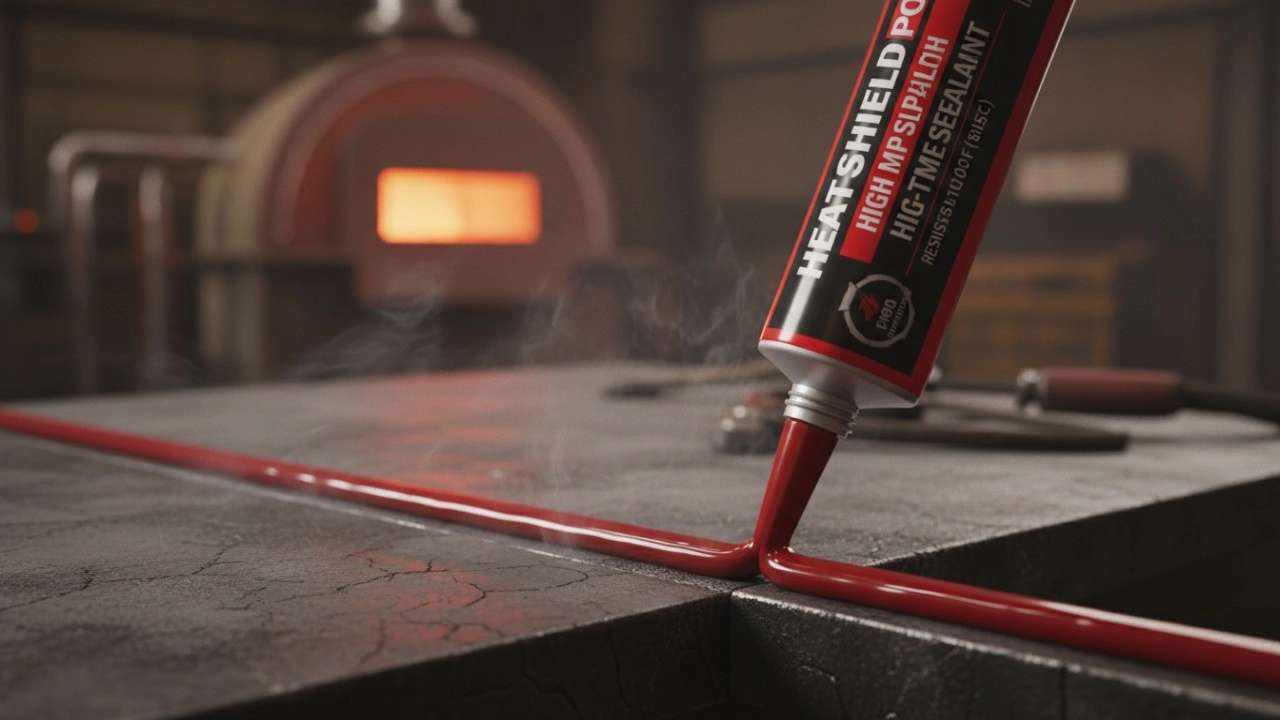
How to Apply High Temperature Silicone Sealant Like a Pro: 5 Secrets for a Lifetime Seal
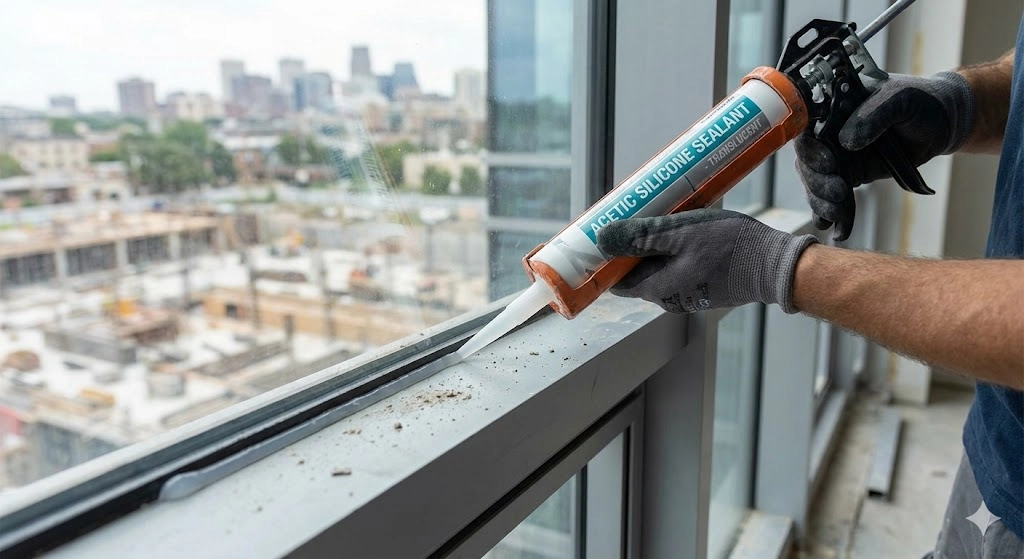
Acid Cure vs. Neutral Silicone: Why Choose Acetic Silicone Sealant for Glass?
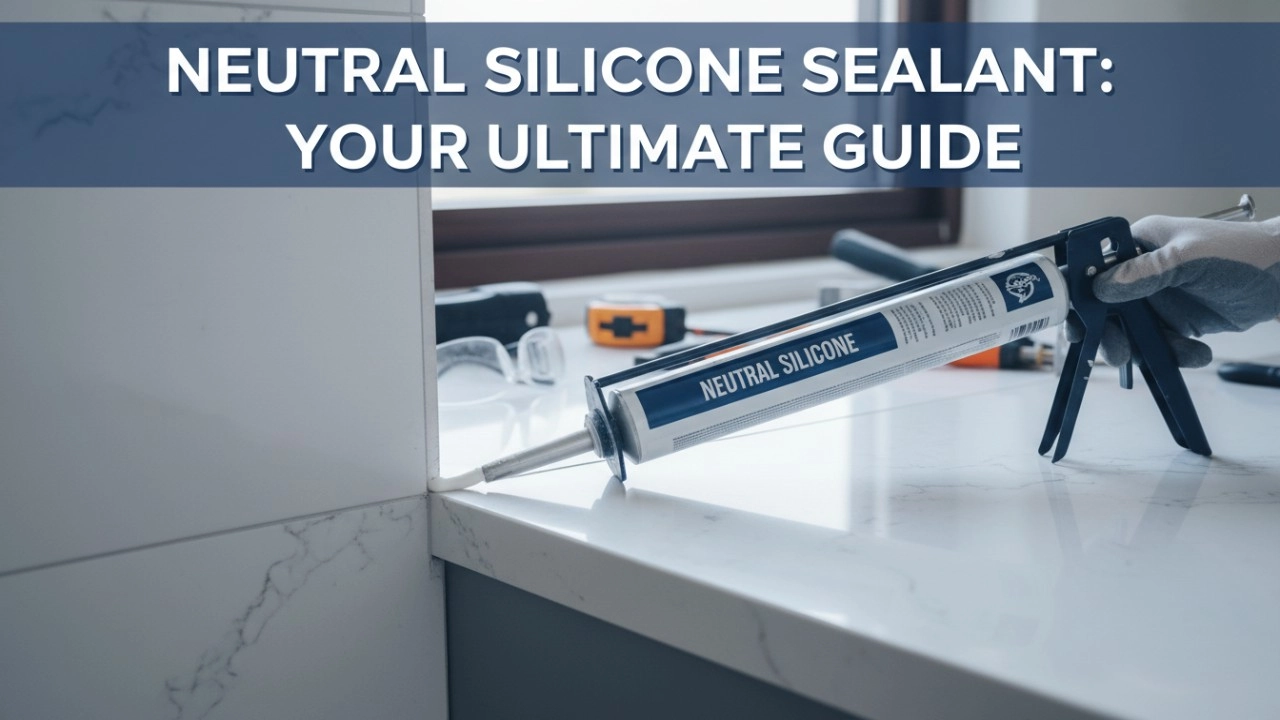
7 Critical Mistakes to Avoid When Using Neutral Silicone Sealant for High-End Projects
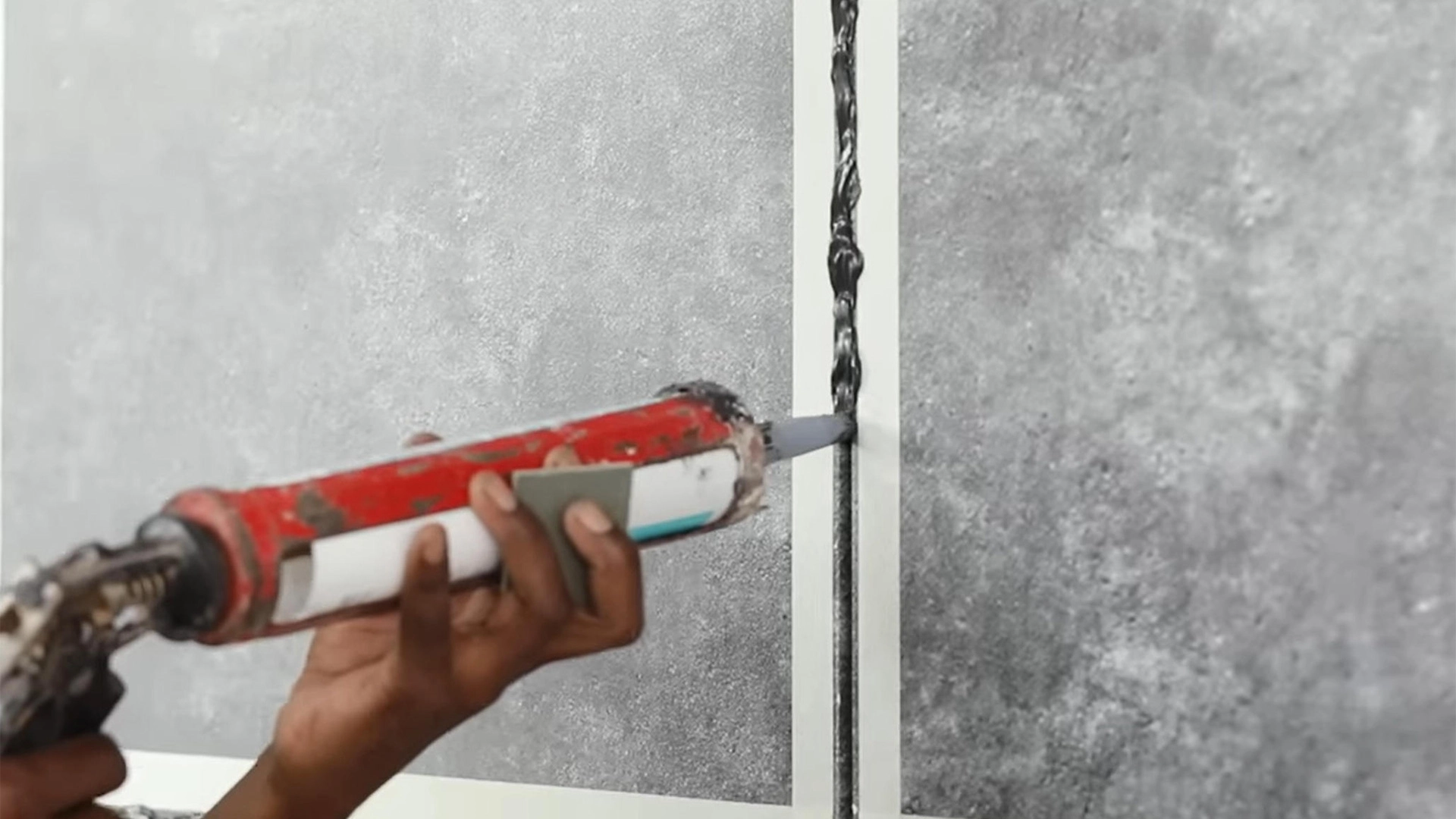
What’s the Difference Between Silicone Sealant and MS Adhesive for ACP?
HY922
Can HY922 be used for both sealing and bonding?
Yes. It is suitable for joint sealing, gap filling, and light to medium bonding applications across automotive and construction uses.
HY994
What colors are available?
Standard colors include black, white, and gray. Custom colors can be produced upon request.
HY-976
What is HY976 No More Nails used for?
It is a high-strength indoor adhesive designed to bond and fix common building and decorative materials without the need for nails or screws, such as skirting boards, coving, mouldings, coat hooks, and panels.
HY-951
Where can HY951 be used?
HY951 is suitable for kitchens, bathrooms, shower rooms, bathtubs, glass partitions, countertops, basins, cabinets, furniture joints, and sanitary ware installations. It is widely used in residential, hotel, and commercial projects.
HY939A
Is this sealant corrosive to metals or sensitive materials?
No. The neutral-curing formulation is non-corrosive, making it safe for use on metals and other sensitive substrates.
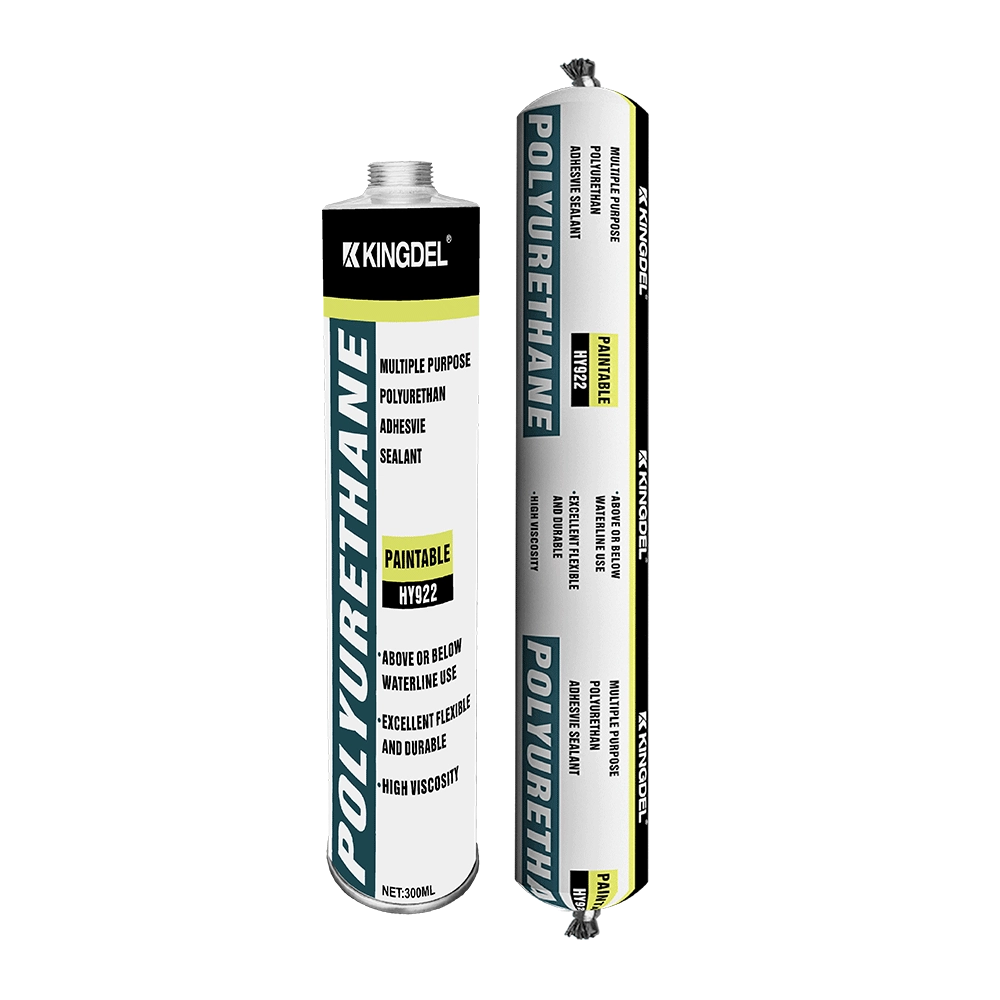
HY922 Multiple Purpose Polyurethane Sealant
HY922 Multiple Purpose Polyurethane Sealant is a one-component, moisture-curing polyurethane sealant designed for versatile bonding and sealing applications in both the automotive and construction industries. It cures to form a flexible yet tough elastomeric joint with excellent adhesion to a wide range of substrates. The formulation is non-corrosive, solvent-free, and produces a smooth, bubble-free finish during application.
HY922 delivers fast surface drying and quick positioning, improving installation efficiency while maintaining long-term durability. With strong weather resistance and good creep resistance, it performs reliably in demanding indoor and outdoor environments, including moist and partially submerged conditions.
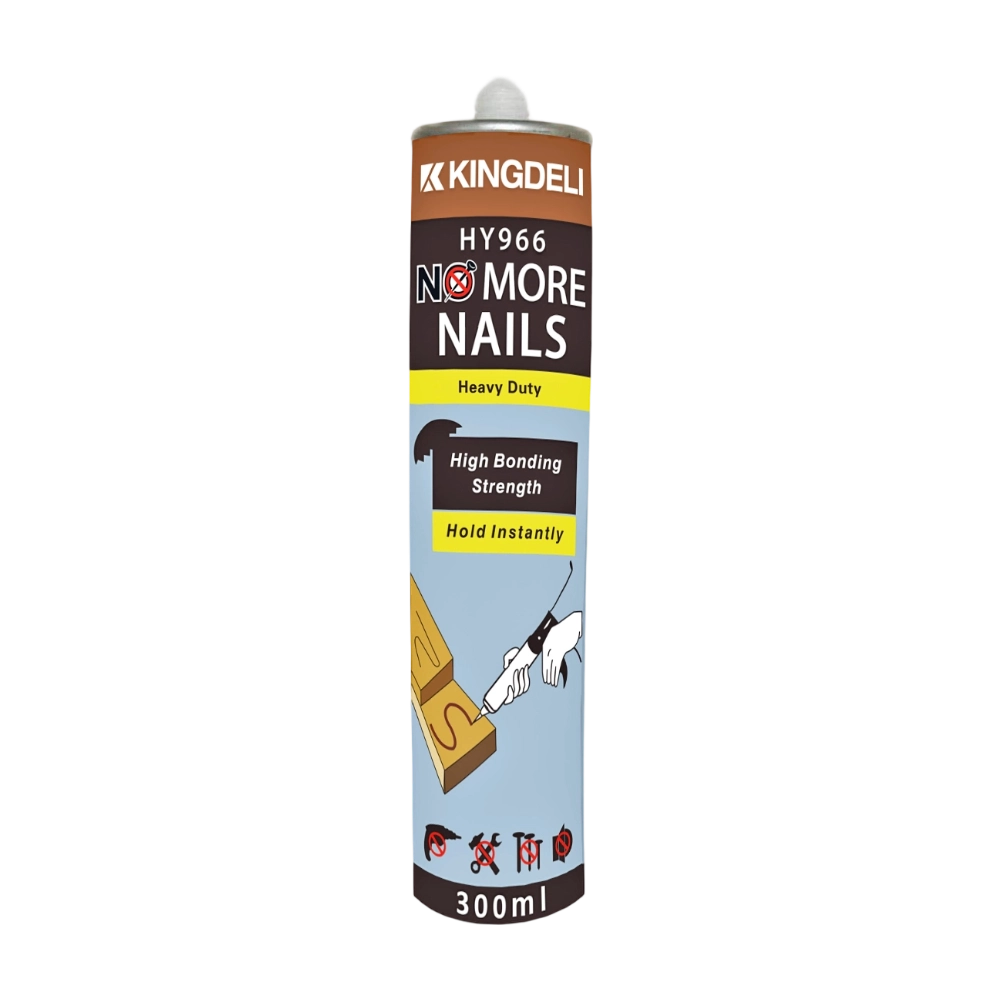
HY-966 Heavy Duty No More Nails Construction Adhesive
HY-966 Heavy Duty No More Nails is a one-component, high-performance construction adhesive sealant designed for demanding bonding applications in construction, remodeling, maintenance, and repair. Its instant grab formulation secures materials immediately, significantly reducing the need for bracing or mechanical fixing during installation.
HY-966 cures reliably in moist environments and delivers durable adhesion across a wide range of substrates. It provides excellent resistance to water, temperature variation, and aging, ensuring long-term performance in interior construction applications.
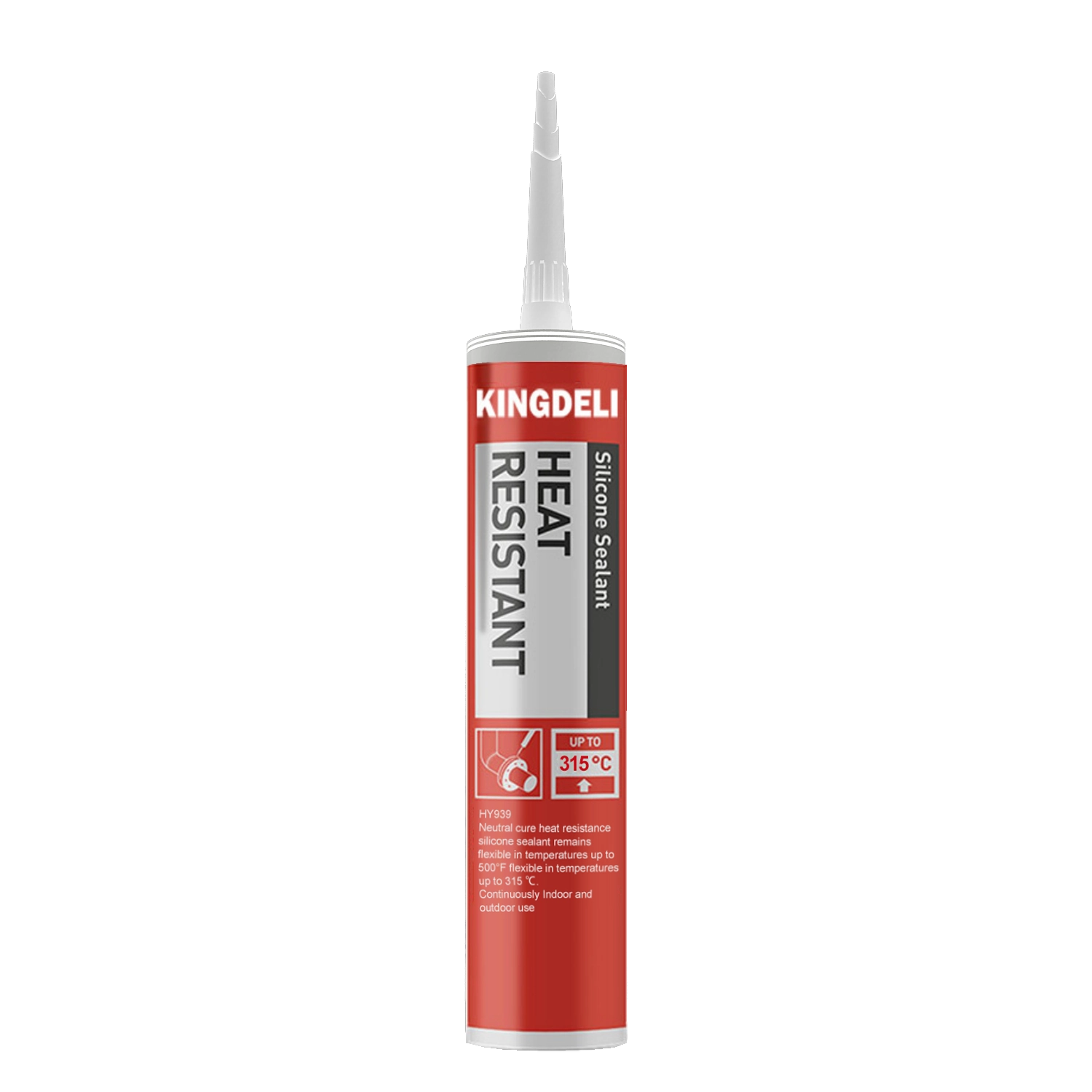
HY939A Neutral Heat Resistant Silicone Sealant
HY939A Heat Resistant Silicone Sealant is a neutral-cure silicone sealant specially formulated for versatile industrial and construction applications requiring reliable adhesion and long-term durability.
The sealant provides strong, non-corrosive adhesion to a variety of substrates, including glass, metal, gypsum board, marble, and certain plastics, making it ideal for both structural and sealing purposes.
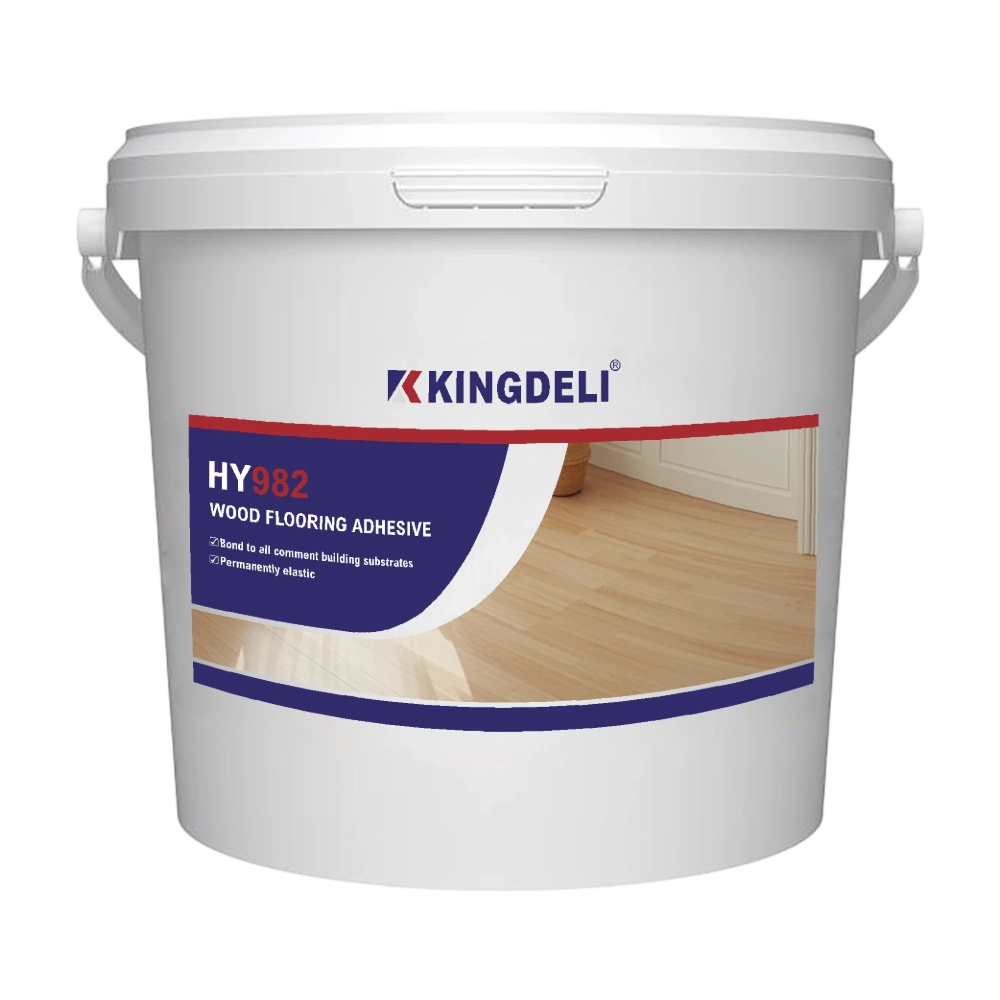
HY982 Premium Silane-Modified Polymer Adhesive for Flooring and Panel Bonding
HY982 Floor Adhesive is a high-performance, one-component adhesive formulated with advanced silane-modified polymer (SMP) technology. It is paintable, non-staining, and environmentally friendly, offering exceptional bonding strength without the need for a primer.
Designed for modern interior installations, HY982 Floor Adhesive provides excellent adhesion to wood, metal, stone, sintered slabs, glass, ceramics, and many other common building materials—making it the ideal choice for flooring installation and panel bonding applications crystal clear formulation.
Let’s Build Stronger Bonds with Quality Adhesives and Sealants
Have questions about the topic or need tailored sealant solutions for your project?
Our team is ready to provide expert guidance, product recommendations, and application support.
Innovating with Integrity, Bonding the World
Since 1998, KINGDELI has delivered trusted, sustainable sealant solutions that connect industries and inspire progress worldwide.
Whatsapp: +8618825946249
Kingdeli
Kingdeli
Kingdeli
Kingdeli
Kingdeli