











Which silicone sealant offers best UV and weather resistance? | Insights by KINGDELI
As a sealants and adhesives expert, I hear the same procurement gaps repeatedly: people ask “Which silicone has the best UV/weather resistance?” but then don’t get the technical evidence or contract language needed to enforce long field life. Below are 8 specific, buyer‑focused long‑tail questions I encounter frequently — each followed by practical, standards‑backed answers you can use in specifications, pre‑bid Q&A, and supplier evaluation.
1) Which silicone chemistry (acetoxy vs neutral cure variants) actually gives the best long‑term UV and weather resistance on exterior façades?
Short answer: the base silicone (polysiloxane) backbone provides the intrinsic UV stability — silicones outperform most organic sealants (polyurethane, acrylic) in UV resistance because the Si–O backbone resists photo‑oxidation. The cure by‑product (acetoxy vs neutral) affects compatibility, corrosion and early adhesion but has limited effect on the cured polymer’s UV stability.
What to specify:
- Require a silicone (polysiloxane) formulation — this gives the best long‑term UV stability versus PU, acrylic or MS hybrids for exposed façades (see general silicone chemistry overview on Wikipedia).
- Prefer neutral‑cure chemistries (oxime, alkoxy or alkyl) for exterior façade use when metal substrates, sensitive finishes or paint are involved — acetoxy cure releases acetic acid which can corrode metals and attack some coatings; neutral cure avoids that risk.
- Ask the supplier for accelerated weathering test results (see Q2) rather than relying only on chemistry names.
2) How should I compare supplier accelerated UV/weathering reports (ASTM G154 or ISO 4892)? What metrics matter and what accept/reject thresholds are realistic for a 20+ year life?
Buyers often receive PDFs with graphs but no clarity. Focus on standardized test methods and quantifiable metrics, not vendor marketing claims.
Key standards to require in bids:
- Accelerated UV exposure: ASTM G154 (fluorescent UV) or ISO 4892‑3 (xenon or fluorescent; note the ISO page for scope). Ask which cycle and irradiance were used.
- Industry sealant standards: ASTM C1193 (guide for use) and ASTM C920 (classification/performance for elastomeric sealants) to confirm movement class and temperature performance.
Requested metrics from the supplier report (require numeric values):
- Delta E (ΔE) color change after a defined exposure interval (e.g., 2000 or 3000 hours xenon/fluorescent). Many project specs set acceptance at ΔE ≤ 3–5 after 2000 h xenon; include your project requirement rather than leaving it vague.
- Tensile strength and elongation retention (%) after exposure (report both pre‑ and post‑exposure values). Ask for percent retention at the same exposure interval (e.g., ≥70–80% elongation retention is commonly expected for silicone types in aggressive tests, but require vendor data for your specified exposure).
- Appearance: crazing, chalking, cracking (photographic evidence per interval).
- Adhesion/shear after exposure on the substrates of interest (no adhesive failure after specified hours).
Practical procurement wording: “Supplier must provide accelerated weathering data per ASTMG154 or ISO4892‑3 with reported ΔE, tensile/elongation retention and adhesion after 2000 and 4000 hours. Acceptance criteria: ΔE ≤ 5 and no more than 30% loss of elongation at 2000 hours, and no adhesive failure on specified substrates.” Adjust thresholds to project risk and service life targets.
3) For coastal projects (salt spray plus intense UV), what primers, surface prep and silicone grade should I require so the sealant won’t delaminate after a few years?
Coastal exposure combines UV, salt, moisture and temperature cycles. Adhesion loss here is the top cause of joint failures.
Specifications to include:
- Surface prep: mechanical cleaning followed by solvent wipe or alkaline deoxidizer if needed; remove salts and allow full drying. Require documentation of surface cleanliness (e.g., chloride test < 5 ppm for metals) before sealing.
- Primer: require manufacturer’s recommended primer and documented adhesion tests. Many neutral‑cure silicones bond poorly to some substrates without primer (e.g., untreated aluminum, glass‑coated metals, certain paints). Specify “use of primer where recommended by manufacturer; submit adhesion test report for each primer/substrate pair.”
- Specify a marine/coastal grade silicone with documented adhesion after cyclic salt‑spray + UV exposure; ask for test per ASTM C719 and combined exposure tests if available.
- Detail joint geometry (backer rod, bond‑breaker tape) and ensure a closed‑cell polyethylene backer rod is used to control depth and promote adhesion to sides only.
Demand manufacturer evidence of long‑term adhesion on the exact materials used in the job under combined salt spray + UV exposure. Generic datasheets aren’t enough.
4) How do I specify and verify long‑term color stability (no yellowing or chalking) for colored silicones used on façades?
Colored silicones can still fade or chalk with UV. Buyers often accept “UV‑stable” in a vacuum — require measurable criteria.
What to require:
- Accelerated color change data: ask for ΔE (CIE L*a*b*) after xenon arc exposure per ISO 4892‑2/3 or ASTM G155/G154 cycles and specify the exposure hours (e.g., 2000 h xenon arc as a baseline).
- Specify acceptance limits in the contract (common project practice: ΔE ≤ 3–5 after X hours; pick a threshold that reflects your aesthetic tolerance and exposure severity).
- Ask for gloss and surface morphology photos before and after exposure (to detect chalking or surface breakdown).
Note: pigment quality matters. In many large projects, owners choose lighter neutral sealant colors (stone, off‑white gray) because highly‑pigmented colors typically have weaker long‑term stability regardless of base polymer.
5) For curtain walls and movement joints: what joint width/depth and silicone modulus (low‑modulus vs high‑modulus) should I specify to ensure durability under UV/weather cycles?
Joint geometry and mechanical strain are as important as UV resistance. Incorrect width/depth leads to stress concentrations and early failure.
Design rules to include in specs (based on industry practice and guides such as ASTM C1193):
- Width‑to‑depth: default design rule → depth = width/2 (i.e., width:depth = 2:1) for many façade joints. This ratio controls cure profile and allows the sealant to move freely. For example, a 20 mm wide joint typically uses a 10 mm depth.
- Movement capability: specify a silicone with movement capability matching expected joint movement. ASTM C920 specifies movement classes (Class 25, Class 50 etc.). Typical exterior low‑modulus silicones used on curtain walls are Class 25 or Class 50 (±25% or ±50% movement). If you expect large thermal or structural movement, require Class 50.
- Modulus and Shore A: low‑modulus silicones (lower Shore A and lower modulus at 100% elongation) are preferred where high movement and soft substrate accommodation are required; high‑modulus silicones are used where tooling and sag resistance are priorities. Require the supplier to provide modulus at 100% and Shore A hardness.
Always match joint design (width, depth, backer rod size) to the sealant’s listed design recommendations in the manufacturer’s technical bulletin and ASTM C1193 guidance.
6) Which datasheet fields and standards clauses must I require from suppliers in my procurement packet to avoid being misled by marketing claims?
Don’t accept “UV‑stable” or “weatherproof” without documentation. Require the following in bid submittals:
- Product datasheet and Safety Data Sheet (SDS).
- Standards/compliance list: ASTM C920 type/grade/class, EN 15651 part(s) if used in Europe (façade/structural), ISO classification where applicable.
- Accelerated weathering reports (ASTM G154 or ISO 4892) with raw numbers: ΔE, tensile/elongation pre/post, adhesion test method and results, exposure cycle used.
- Service temperature range (e.g., many silicones: commonly −60 °C to +150 °C — see material ranges), storage life and recommended storage temperature.
- Adhesion list: declared substrates and whether primer is required (and which primer model).
- Recommended joint geometry, adhesion promoter requirements, tooling and cure times.
- VOC content and any environmental regulatory compliance required for your project.
7) How should sealants be stored and handled on site to avoid premature degradation before installation?
Common field failures start before the sealant is even applied due to poor storage or incorrect application.
On‑site control checklist:
- Storage temperature: keep cartridges/sausages in manufacturer‑recommended range (commonly 5–25 °C). Avoid freezing and high heat; many silicones tolerate cold storage short‑term but cure consistency can be affected.
- Shelf life: verify and record lot numbers and expiration dates. Typical shelf life ranges from 9–18 months depending on product; don’t install expired product.
- Moisture exposure: keep tubes sealed until use; moisture contamination in partially used cartridges can start curing inside the nozzle.
- Site quality control: require adhesion checks (mock‑ups) and a qualified applicator. Document surface prep and ambient conditions at time of application (temperature, substrate temperature, relative humidity); many neutral silicones need >40% RH to cure within expected times.
8) Are hybrid MS polymers or polyurethane sealants ever better than silicone for UV/weather exposure? When should I choose alternatives?
Silicone is usually the first choice for demanding UV/exterior durability, but alternatives have legitimate roles:
- Polyurethane (PU): better for trafficable joints or when paintability and abrasion resistance are needed. However, PUs are generally less UV stable and prone to chalking and breakdown under intense UV unless specially formulated and overpainted.
- Hybrid MS (silyl‑modified polymers): offer better paintability and lower VOCs than silicones and often good adhesion to difficult substrates without primer. Their long‑term UV resistance is improving but is still generally behind high‑quality silicones in extreme UV/sunbelt/cliff/coastal exposures.
- When to choose: use PU or hybrid when you need to paint the sealant, require specific mechanical properties (abrasion/traffic), or want a single‑component solution that bonds to substrates without a primer and where UV exposure is moderate.
Bottom line: for continuous, highly exposed external façades and critical weather seals, polysiloxane (silicone) remains the most proven long‑term choice. For paintability or special mechanical demands, evaluate hybrids or PU with lifecycle, maintenance and repaint cycles in mind.
Practical procurement checklist (copy/paste into spec or PQQ)
- Product type: polysiloxane (silicone) — neutral cure (oxime/alkoxy/alkyl) preferred for metals/coatings.
- Standards: supply evidence of ASTM C920 classification and compliance with ASTM C1193 guidance. Submit EN 15651 classification if operating in EU market.
- Accelerated weathering: submit ASTM G154 or ISO 4892 test reports with numerical ΔE, tensile/elongation retention and adhesion after 2000 & 4000 h.
- Color stability: specify maximum ΔE after specified exposure hours (e.g., ΔE ≤ 3–5 after 2000 h xenon arc).
- Movement class: specify minimum movement capability (e.g., Class 25 or Class 50 under ASTM C920) and modulus at 100%.
- Adhesion: list exact substrates and require primer recommendation and adhesion test evidence for each.
- Shelf life, storage instructions, batch traceability and SDS included with each delivery.
- On‑site QC: mock‑up panel acceptance and documented application conditions (temperature, humidity, surface chlorides for coastal works).
References and further reading
- Silicone material overview — Wikipedia: Silicone.
- Adhesive & Sealant Council — industry resources and technical guidance: https://www.ascouncil.org/.
- Accelerated UV exposure standards — ASTM G154 and ISO 4892 series.
- Sealant use and joint design guide — ASTM C1193 (Guide for use of sealants).
Why choose KINGDELI for UV and weather‑exposed silicone sealants?
KINGDELI formulates silicones for façade and coastal use with the design and procurement constraints above in mind. Our advantages for specification teams and buyers:
- Independent accelerated weathering data: KINGDELI provides ASTM/ISO test reports (ΔE, tensile/elongation retention, adhesion) for common façade substrates, enabling direct supplier comparison.
- Neutral‑cure silicones and primer systems: options tailored for sensitive metals, painted surfaces and coastal conditions, plus documented adhesion pairing and primers.
- Clear technical documentation and batch traceability: datasheets, SDS, shelf life, storage instructions and lot IDs accompany deliveries to help meet project QA requirements.
- Local technical support: specification support, mock‑up testing and site‑specific application guidance available via info@kingdeliadhesive.com and www.kingdelisealant.com.
Contact KINGDELI for product data packages and project‑specific test proposals: info@kingdeliadhesive.com.
Note: Use the standards and test methods listed above as contract requirements rather than relying on general claims. Require actual numbers (ΔE, tensile retention, adhesion) and mock‑ups when aesthetics and service life matter.
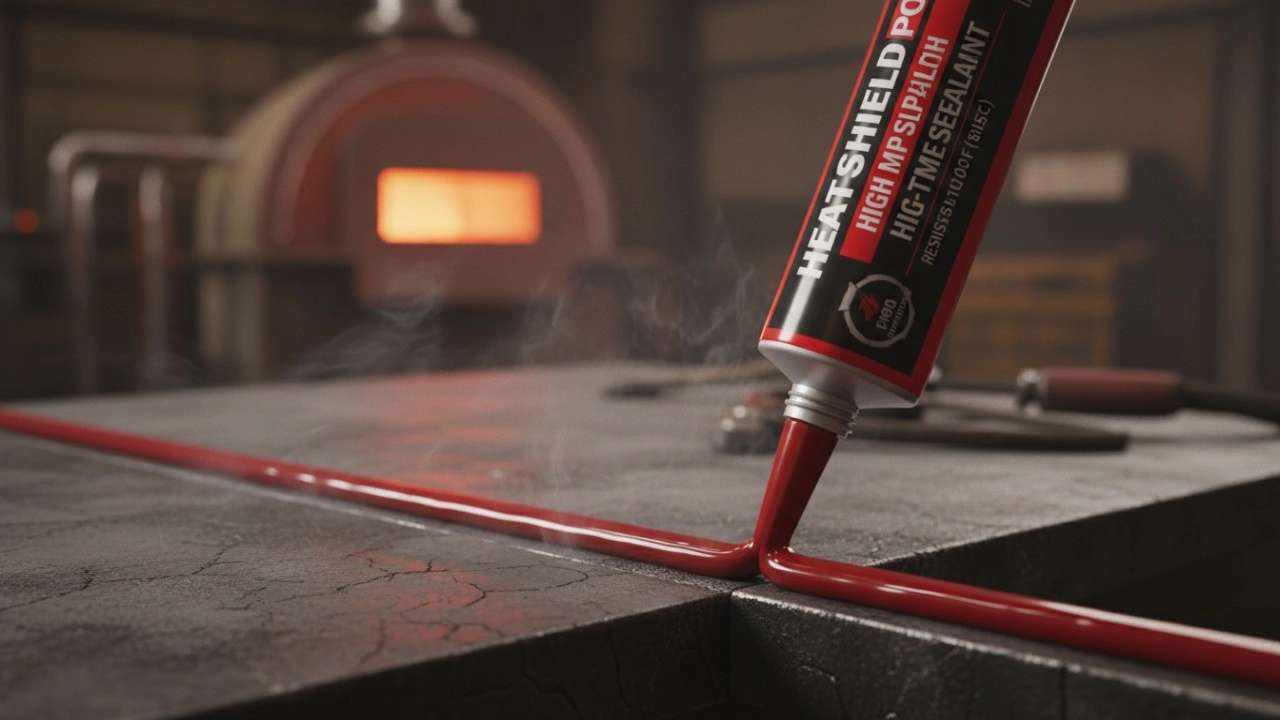
How to Apply High Temperature Silicone Sealant Like a Pro: 5 Secrets for a Lifetime Seal
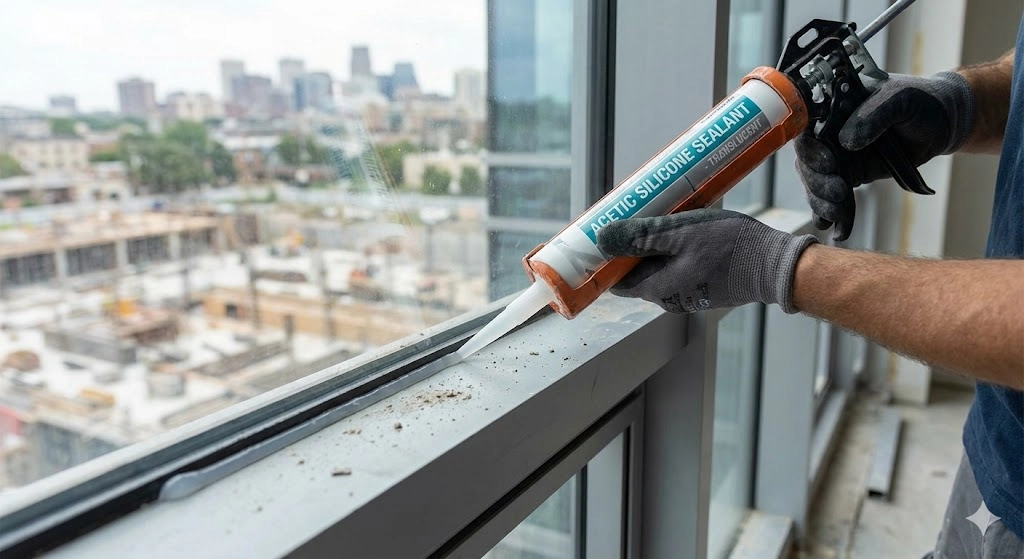
Acid Cure vs. Neutral Silicone: Why Choose Acetic Silicone Sealant for Glass?
7 Critical Mistakes to Avoid When Using Neutral Silicone Sealant for High-End Projects
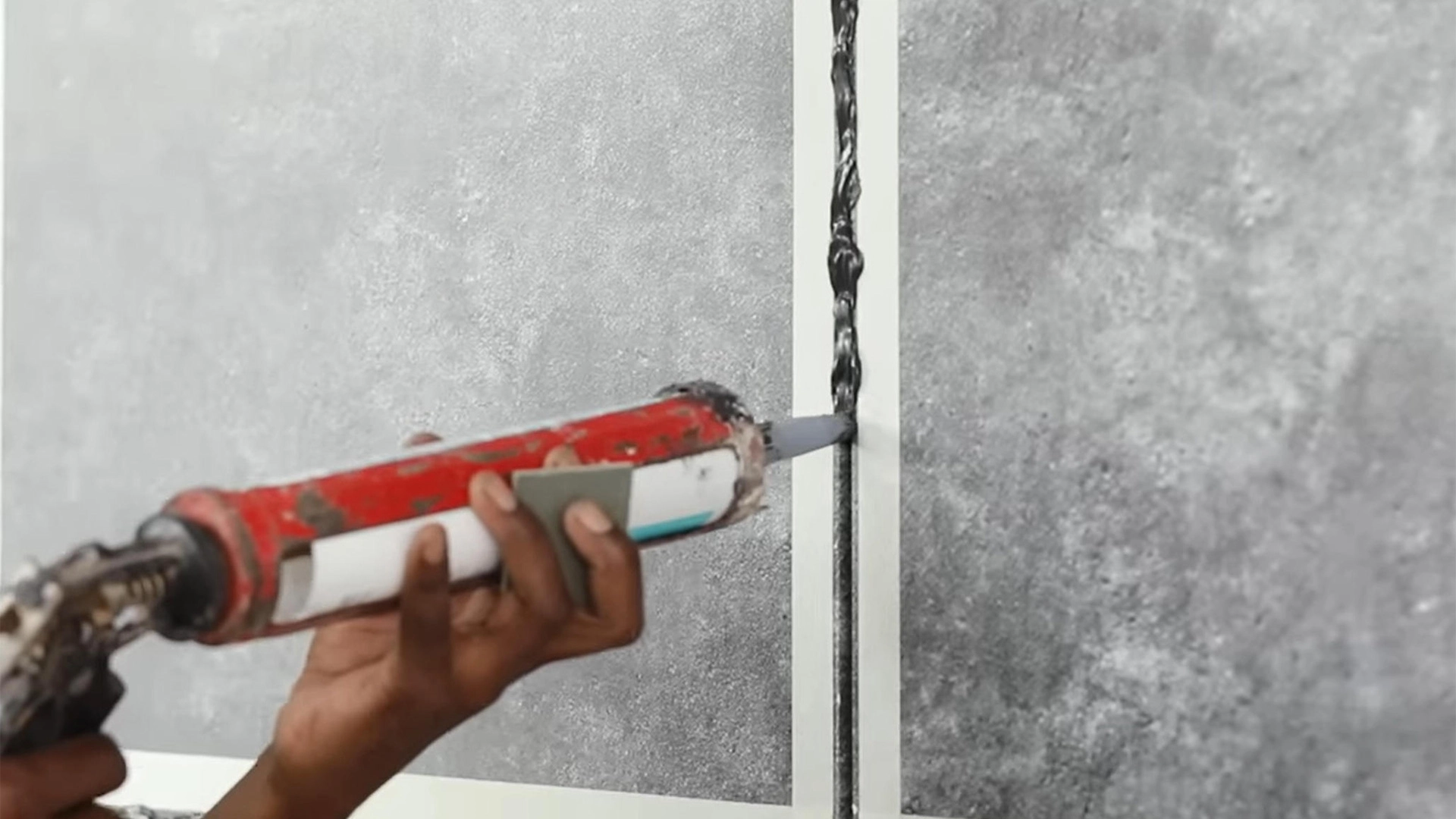
What’s the Difference Between Silicone Sealant and MS Adhesive for ACP?
HY939A
Is this sealant corrosive to metals or sensitive materials?
No. The neutral-curing formulation is non-corrosive, making it safe for use on metals and other sensitive substrates.
HY-976
Can the adhesive fill gaps?
Yes. It has gap-filling capability of up to 10 mm, making it suitable for uneven surfaces.
HY924
Does the adhesive sag during application?
No. Its excellent thixotropy prevents sagging, ensuring clean and precise application.
HY922
Is HY922 suitable for outdoor applications?
Yes. HY922 offers excellent weather resistance and performs well in outdoor environments, including exposure to moisture, frost, and temperature variations.
HY994
What are the recommended application temperatures?
HY994 should be applied when the substrate temperature is between 4°C and 40°C. Outside this range, workability and adhesion may be affected.
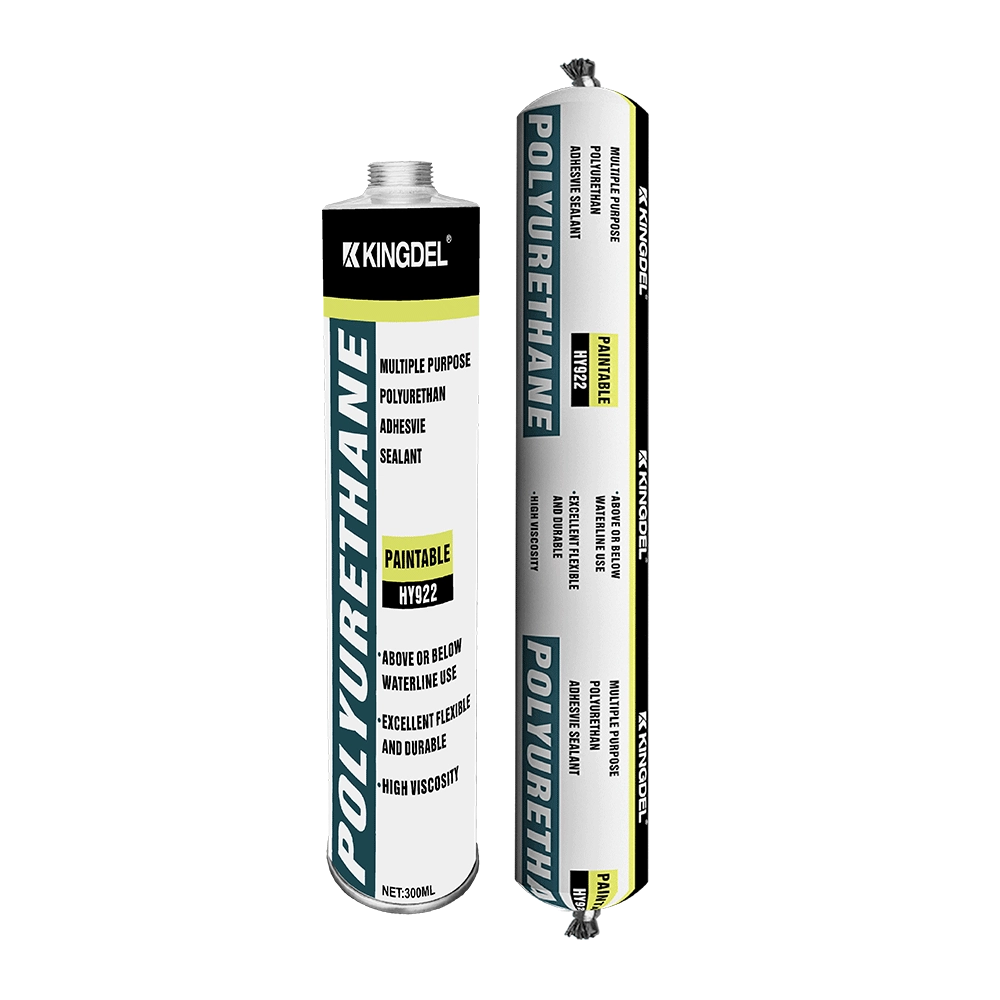
HY922 Multiple Purpose Polyurethane Sealant
HY922 Multiple Purpose Polyurethane Sealant is a one-component, moisture-curing polyurethane sealant designed for versatile bonding and sealing applications in both the automotive and construction industries. It cures to form a flexible yet tough elastomeric joint with excellent adhesion to a wide range of substrates. The formulation is non-corrosive, solvent-free, and produces a smooth, bubble-free finish during application.
HY922 delivers fast surface drying and quick positioning, improving installation efficiency while maintaining long-term durability. With strong weather resistance and good creep resistance, it performs reliably in demanding indoor and outdoor environments, including moist and partially submerged conditions.
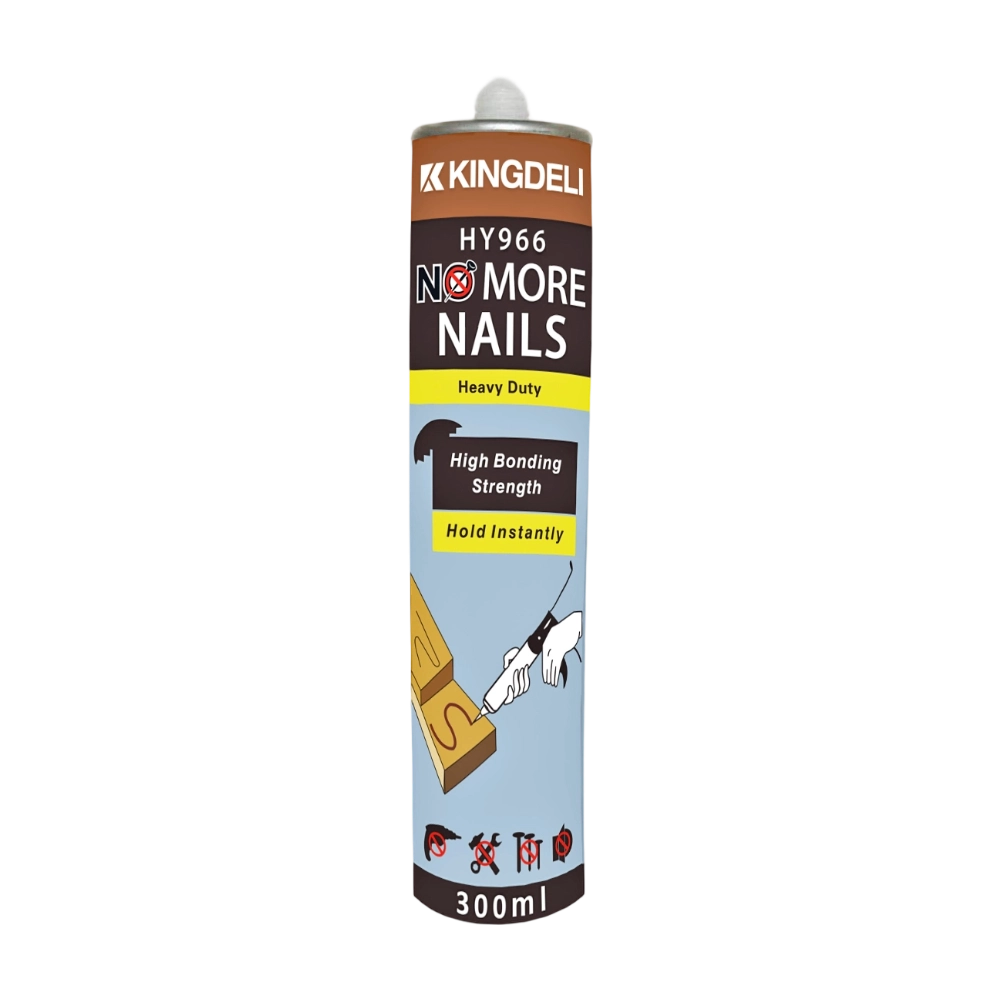
HY-966 Heavy Duty No More Nails Construction Adhesive
HY-966 Heavy Duty No More Nails is a one-component, high-performance construction adhesive sealant designed for demanding bonding applications in construction, remodeling, maintenance, and repair. Its instant grab formulation secures materials immediately, significantly reducing the need for bracing or mechanical fixing during installation.
HY-966 cures reliably in moist environments and delivers durable adhesion across a wide range of substrates. It provides excellent resistance to water, temperature variation, and aging, ensuring long-term performance in interior construction applications.
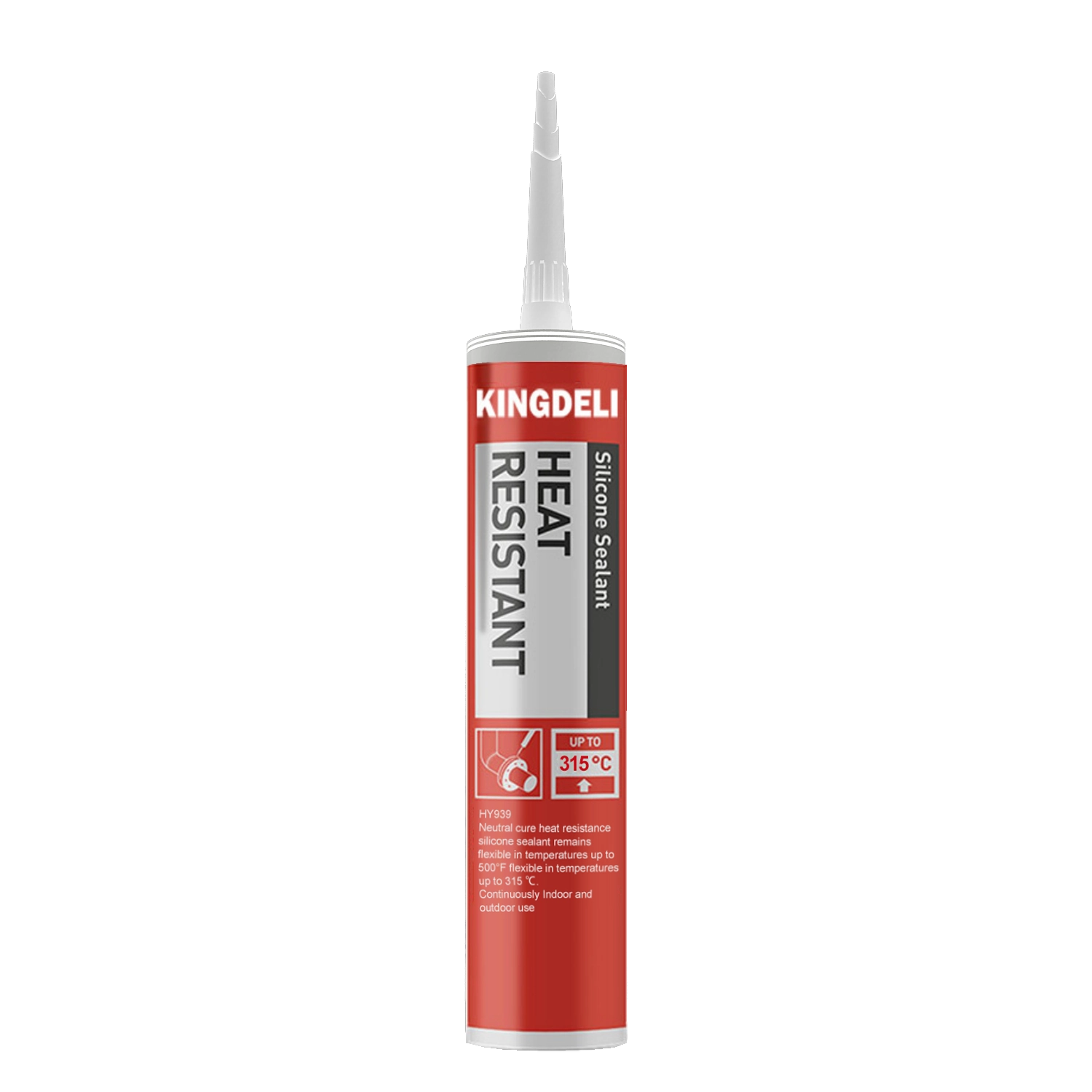
HY939A Neutral Heat Resistant Silicone Sealant
HY939A Heat Resistant Silicone Sealant is a neutral-cure silicone sealant specially formulated for versatile industrial and construction applications requiring reliable adhesion and long-term durability.
The sealant provides strong, non-corrosive adhesion to a variety of substrates, including glass, metal, gypsum board, marble, and certain plastics, making it ideal for both structural and sealing purposes.
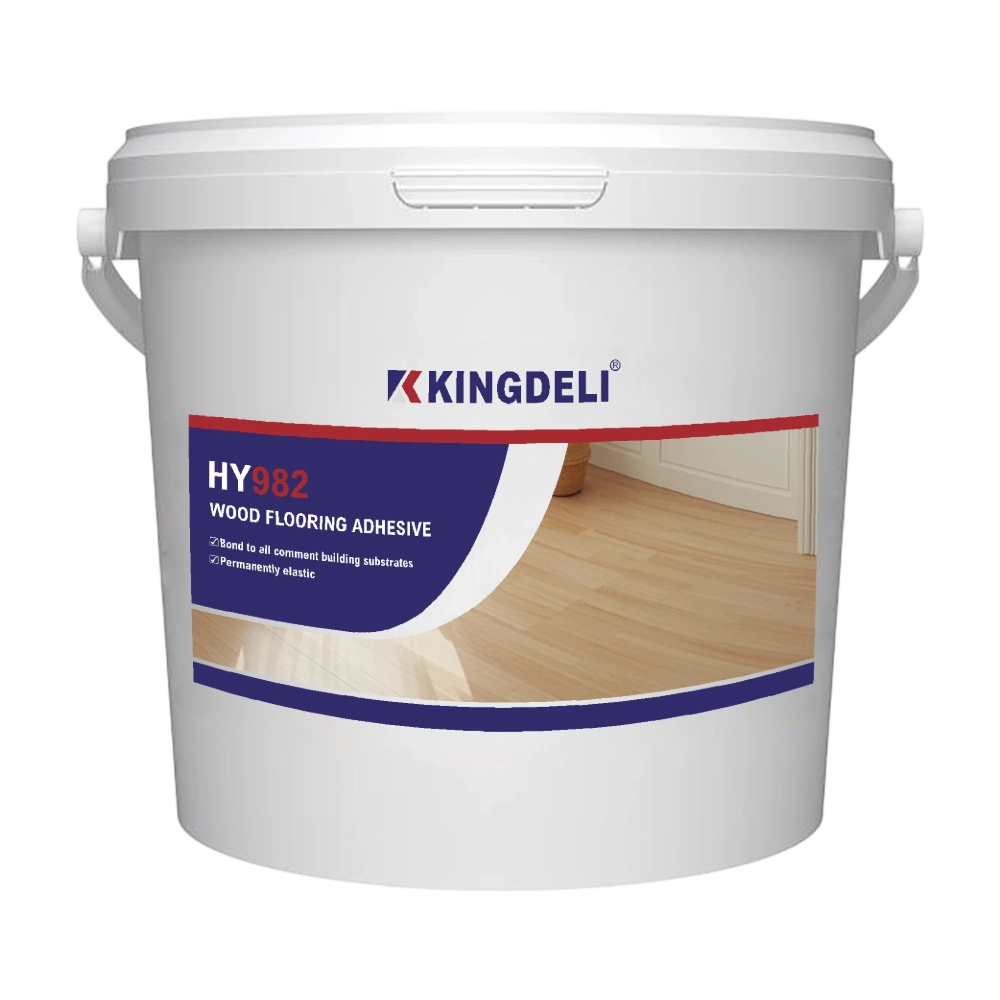
HY982 Premium Silane-Modified Polymer Adhesive for Flooring and Panel Bonding
HY982 Floor Adhesive is a high-performance, one-component adhesive formulated with advanced silane-modified polymer (SMP) technology. It is paintable, non-staining, and environmentally friendly, offering exceptional bonding strength without the need for a primer.
Designed for modern interior installations, HY982 Floor Adhesive provides excellent adhesion to wood, metal, stone, sintered slabs, glass, ceramics, and many other common building materials—making it the ideal choice for flooring installation and panel bonding applications crystal clear formulation.
Let’s Build Stronger Bonds with Quality Adhesives and Sealants
Have questions about the topic or need tailored sealant solutions for your project?
Our team is ready to provide expert guidance, product recommendations, and application support.
Innovating with Integrity, Bonding the World
Since 1998, KINGDELI has delivered trusted, sustainable sealant solutions that connect industries and inspire progress worldwide.
Whatsapp: +8618825946249
Kingdeli
Kingdeli
Kingdeli
Kingdeli
Kingdeli