











What is acetic silicone sealant and when should buyers use it?
Acetic silicone sealant (also called acetoxy or acid-cure silicone) is widely used for glazing, sanitary joints and non-porous assemblies because of its rapid cure, excellent UV resistance and durable elastomeric properties. Below are six targeted, technical questions beginners and project buyers commonly face but which often lack detailed, practical answers online.
1. Will acetic silicone sealant corrode anodized aluminum or stainless steel in exterior glazing over time?
Short answer: Usually stainless steel is safe, anodized aluminum often tolerates acetic (acetoxy) silicones, but risks exist for some metals and finishes. Always test before specification.
Why this matters: Acetic silicone cures by releasing acetic acid (smells like vinegar). That volatile acid can interact with reactive metal surfaces or sacrificial coatings, causing corrosion, discoloration or loss of adhesion.
Practical guidance:
- Stainless steel (AISI 304/316): Generally compatible. Acetic vapors are unlikely to cause bulk corrosion on high-grade stainless but edge conditions and contaminants can localize attack. Clean surfaces and avoid entrained chlorides.
- Anodized aluminum: Most architectural anodized finishes tolerate acetoxy sealants, but the quality of the anodize (thickness, porosity) matters. Porous or thin anodic films can be penetrated by acetic vapors and may show staining or reduced adhesion over years.
- Reactive metals: Avoid acetoxy silicones on copper, brass, lead, galvanized steel or zinc without testing. Acetic vapors can accelerate corrosion on these metals.
- Finish systems: Painted or powder-coated metals generally need compatibility testing—some coatings are sensitive to acidic vapors.
How to qualify for a project:
- Ask the sealant supplier for compatibility data with your metal substrate and for corrosion test reports (e.g., salt spray/ASTM B117 or manufacturer-specific assays).
- Perform a 28–90 day mock-up (exposure to expected field conditions) that includes cyclic humidity and temperature to reveal possible corrosion or discoloration.
- If corrosion risk is unacceptable, specify a neutral-cure (oxime or alkoxy) silicone or a polyurethane sealant instead.
2. How can I use acetic silicone on porous natural stone (marble, limestone) without staining or efflorescence?
Problem: Acetic acid and additives can stain or leave residues on porous calcareous stones; moisture plus acidic by-products can mobilize salts, causing efflorescence or discoloration.
Best-practice steps:
- Perform a porosity and stain test: apply a small, concealed bead and leave for 7–14 days under expected humidity/temperature cycles to inspect for staining or migration.
- Use a barrier: for vulnerable stones, use a sacrificial backer rod and a neutral-cure silicone designed for stone, or apply an impermeable flashing or bond-breaker tape to the stone face to avoid direct contact.
- Primers: if manufacturer recommends a primer, choose a silane-based primer formulated for stone; do not use alkaline primers that can react with acid cure by-products.
- Cleaning: remove dust, salts and contaminants before sealing. If salts are present, desalinate the stone and allow to dry fully—sealant adhesion on damp or saline substrate is unreliable.
- Alternative sealants: for historic or sensitive stone, a neutral cure silicone or a specialized low-migration sealant is safer.
3. What surface preparation and primer are required when using acetoxy silicone on galvanized steel or copper to prevent bond failure?
Key facts: Bare galvanized steel and copper are chemically active: the acetic cure can either interfere with the metal surface or be influenced by surface oils and oxidation. Proper pretreatment controls both adhesion and corrosion risk.
Preparation checklist:
- Degrease: remove oils, lubricants and handling residues with a solvent compatible with the substrate (e.g., isopropanol or manufacturer-recommended solvent).
- Remove oxidation: lightly abrade and clean to expose a uniform surface if oxidation or heavy scale is present. Rinse and dry thoroughly.
- Primers: many acetoxy silicone manufacturers advise a metal primer for galvanized steel and copper for long-term adhesion and corrosion protection. Use the supplier’s specified silane-type primer or metal primer—do not substitute generically.
- Test adhesion: perform a peel or adhesion test after primer application and full cure (7–14 days) to confirm bond strength meets project requirements.
If you cannot use primers or if corrosion risk is critical, specify a neutral-cure silicone designed for metals, or consult corrosion engineers for protective coatings before sealing.
4. How do I size a joint and choose acetic silicone with the correct movement accommodation and modulus for expansion joints?
Common buyer error: selecting sealant by brand name or color without calculating joint geometry, movement percentage and stress state—this causes early failure.
Design rules and calculations:
- Joint width-to-depth: a common rule is maximum width-to-depth ratio of 2:1 (e.g., 12 mm wide × 6 mm deep). For larger joints maintain depth to control stress and cure profile. Minimum depth is typically 5 mm.
- Movement accommodation factor (MAF): typical acetoxy silicones provide 25% MAF; specialty silicones may offer up to 50%. Define expected thermal or structural movement (ΔL/L) and choose sealant with MAF ≥ expected total movement. Example: for a joint 20 mm wide expected to move ±5 mm (±25%), choose a sealant with ≥25% MAF and a low-to-moderate elastic modulus.
- Elastic modulus and backing: select a low-modulus silicone for high movement joints to reduce stress on bond lines. Use closed-cell polyethylene backer rods to set depth and avoid three-sided adhesion (bond to both faces plus back) which increases stress.
- Specification: include acceptance criteria such as ASTM C920 classification (Type S, Grade NS or P, Class 25 or 50) or EN 15651 performance class in your spec to match movement and environmental exposure needs.
Work with suppliers to get modulus, elongation at break (often >300% for silicones), and MAF data. Mock-up and movement cycling tests on site are strongly recommended for critical joints.
5. Can acetic silicone sealant be used in food contact or potable water areas, and what certifications should buyers require?
Short answer: Most acetoxy silicones are not approved for direct, long-term food contact or potable water use. If you need that use-case choose products specifically certified.
Certifications and regulations to request:
- Food contact: FDA 21 CFR 177.2600 (rubber articles intended for repeated use) or specific national food-contact approvals. Many general-purpose acetoxy silicones do not carry these approvals.
- Potable water/plumbing: check for NSF/ANSI 61 (drinking water system components) or WRAS (UK) approval when used in potable water systems.
- Sanitary areas: for kitchen/bathroom joints specify a sanitary-grade neutral cure silicone with fungicide and EN 15651-3 classification for sanitary applications; many acetoxy formulations include mildew inhibitors, but these are not equivalent to potable-water approvals.
If an acetic silicone with required approvals exists, ask the manufacturer for the test certificates, lot traceability and migration data. Never assume compliance—demand documentation in the contract.
6. My acetic silicone skins over but remains tacky/uncured deep in the joint. Why, and how do I prevent a trapped uncured core?
Cause: Acetoxy silicones cure by moisture diffusion. The surface reacts quickly with ambient humidity, forming a skin, while the deeper core cures only as moisture penetrates. In deep or narrow joints this can leave an uncured core for weeks or permanently.
How to avoid and fix:
- Limit joint depth: design joints within recommended depths (commonly 6–12 mm depending on product) and maintain width-to-depth ratios to promote uniform cure.
- Backer rods: use appropriate closed-cell polyethylene backer rods to establish the correct depth and prevent three-sided adhesion.
- Humidity and temperature: increase ambient relative humidity and temperature within manufacturer limits to accelerate cure (a common cure rate is ~2–3 mm per 24 hours at 50% RH and 23°C). High humidity speeds cure; in very dry, cold conditions cure can be extremely slow.
- Avoid deep fills: for very deep cavities use a different sealing strategy (multiple passes with full cure between beads, or use a non-moisture-cure sealant suitable for deep fills).
- Ventilation and air access: ensure joints are not isolated from air; trapped voids restrict moisture ingress.
If you encounter an uncured core, remove the bead and reinstall after correcting joint depth, humidity or using an alternate product recommended for deep fills.
Concluding summary of advantages: Acetic (acetoxy) silicone sealant offers fast skin-over, excellent UV and weather resistance, strong adhesion to glass and many non-porous substrates, wide service temperature range (commonly −50°C to +180°C), high elongation (>200–500%) and long-term elasticity—making it a cost-effective choice for glazing, exterior joints and many non-porous assemblies. However, buyers should weigh corrosion risk on reactive metals, avoid use on sensitive natural stone without testing, and choose neutral-cure alternatives when paintability, metal corrosion or potable-water certification is required.
For product datasheets, certification copies (ASTM/EN/NSF/FDA) or help on joint design and priming recommendations, contact Kingdeli Sealant via www.kingdelisealant.com or email info@kingdeliadhesive.com. Contact us for a quote.
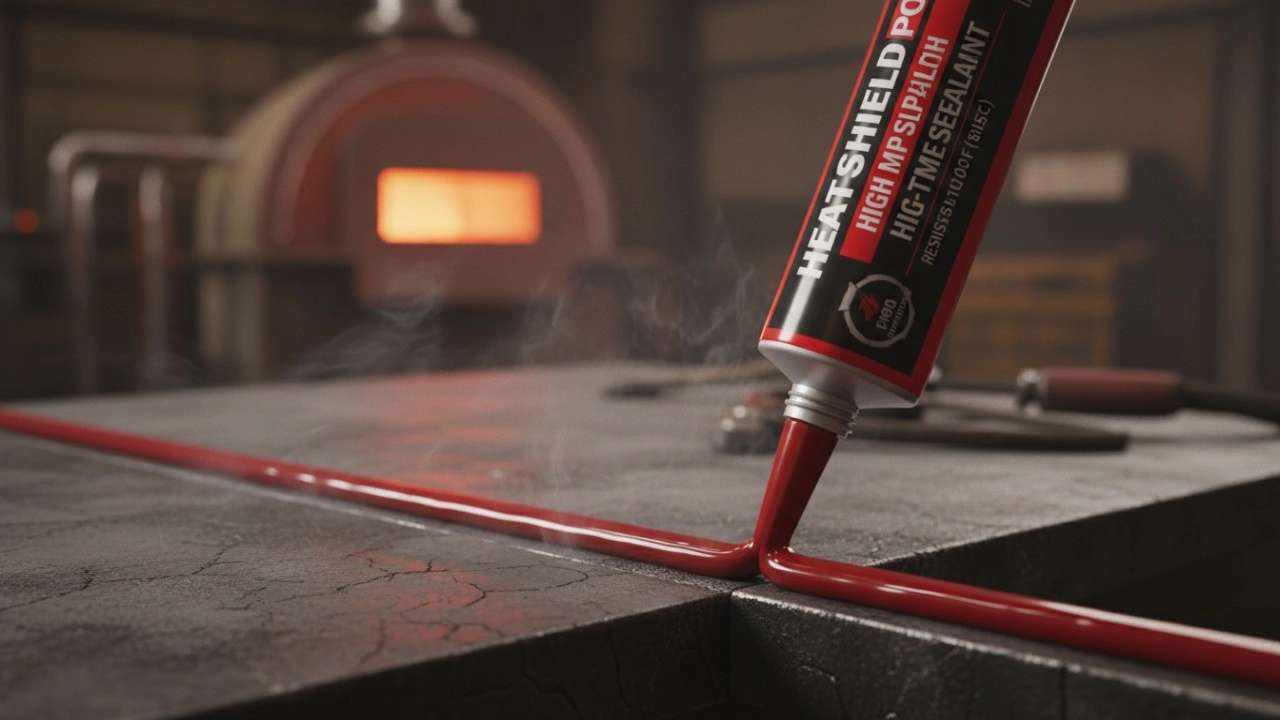
How to Apply High Temperature Silicone Sealant Like a Pro: 5 Secrets for a Lifetime Seal
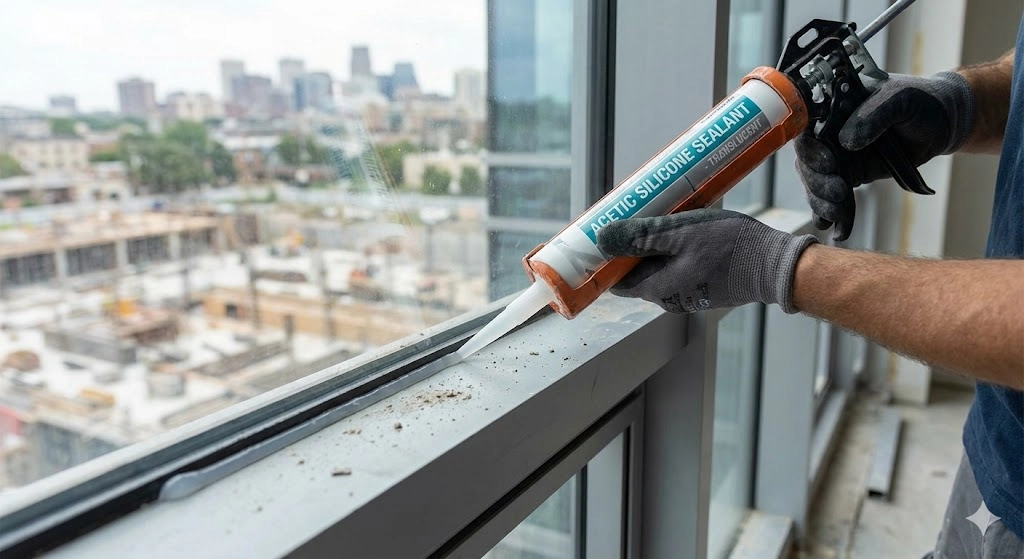
Acid Cure vs. Neutral Silicone: Why Choose Acetic Silicone Sealant for Glass?
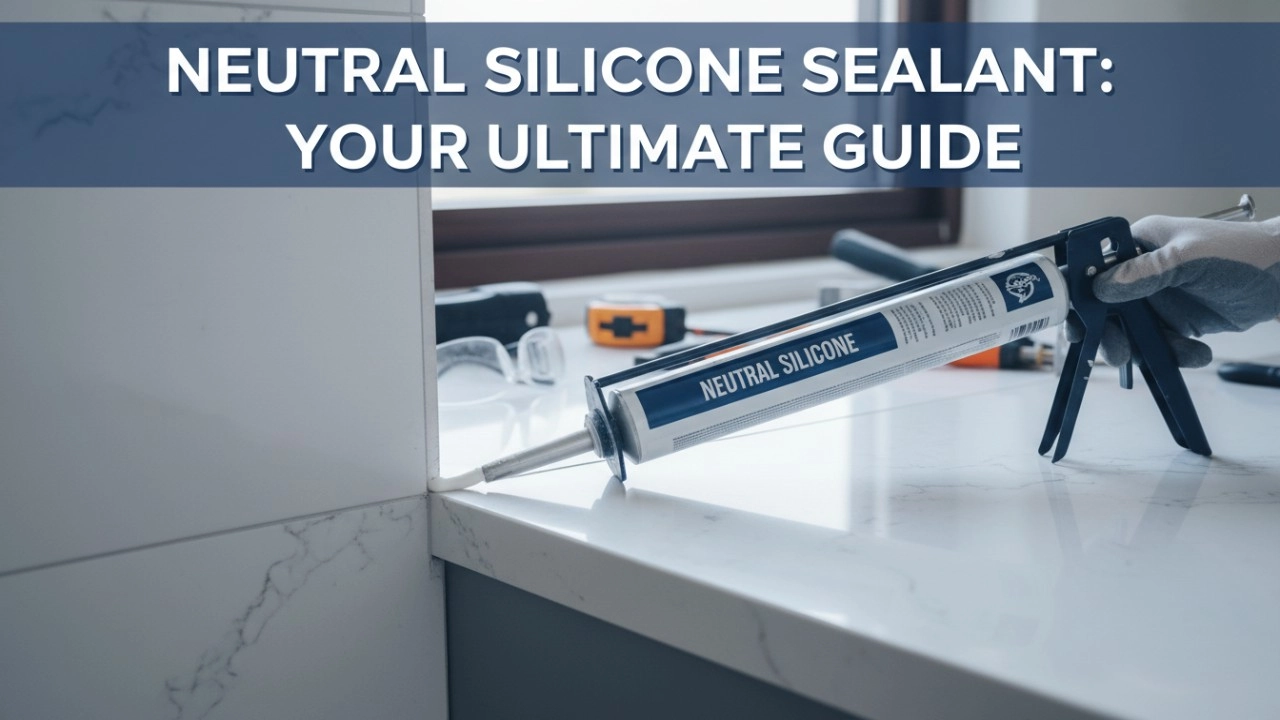
7 Critical Mistakes to Avoid When Using Neutral Silicone Sealant for High-End Projects
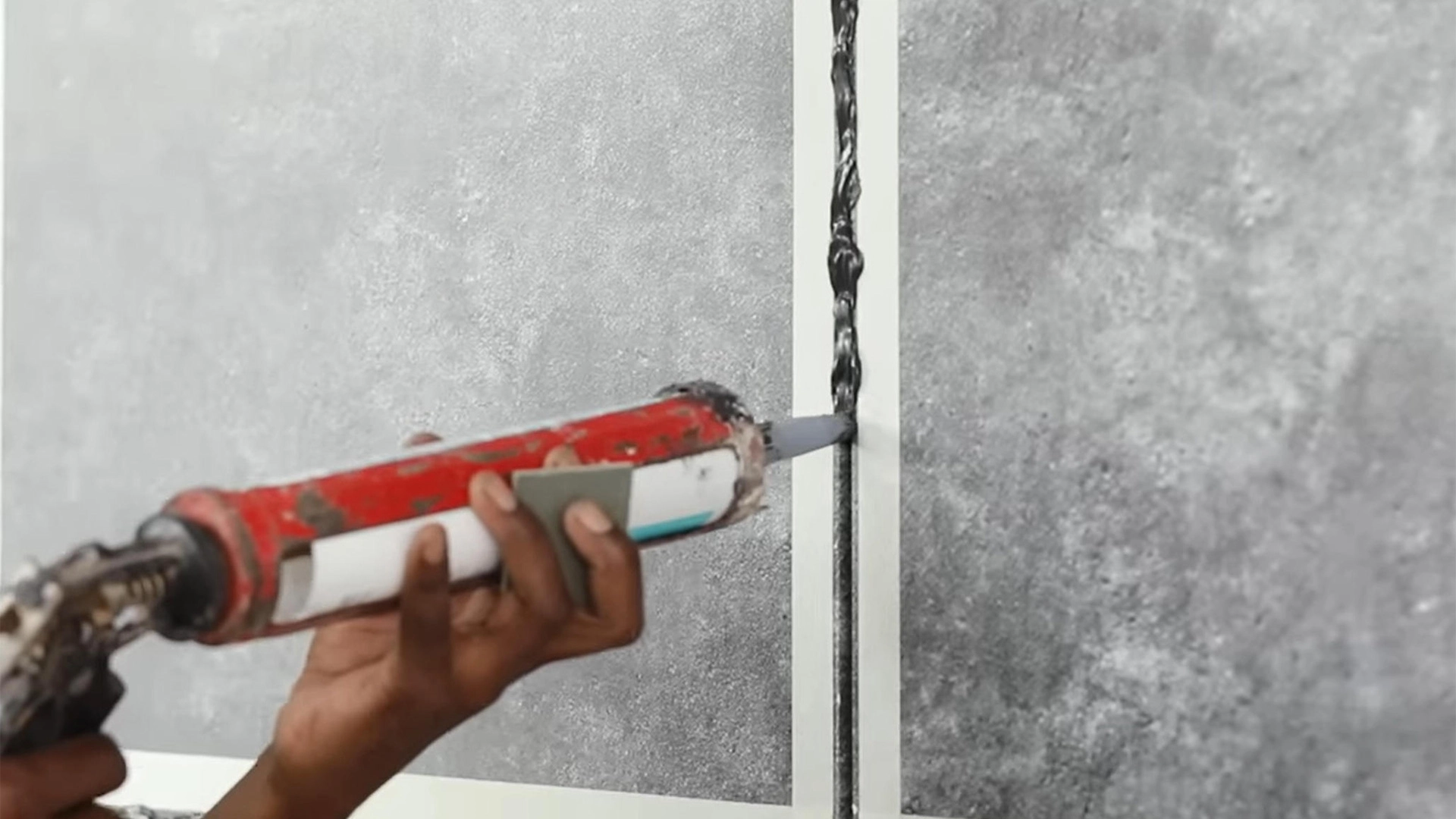
What’s the Difference Between Silicone Sealant and MS Adhesive for ACP?
HY-682
Can the cured sealant be painted over?
Yes. Once cured, it is compatible with water-based paints and coatings.
Can it be used indoors and outdoors?
Yes. The product is suitable for both interior and exterior applications, including structural joints, floors, roofs, basements, and other exposed environments.
HY-3300
Do you offer OEM or customized packaging for HY-3300?
Yes. We provide OEM services including customized cartridges, box packaging, and labeling according to customer requirements.
HY925
Is HY925 suitable for exterior use?
Yes. It provides durable, weather-resistant sealing suitable for outdoor environments such as roofs, bridges, and tunnel joints.
HY994
What substrates can HY994 bond or seal?
HY994 adheres strongly to stone, ceramic tile, aluminum, stainless steel, metals, plastics, concrete, wood (non-oily), and many porous or smooth surfaces. It is also effective on slightly damp substrates.
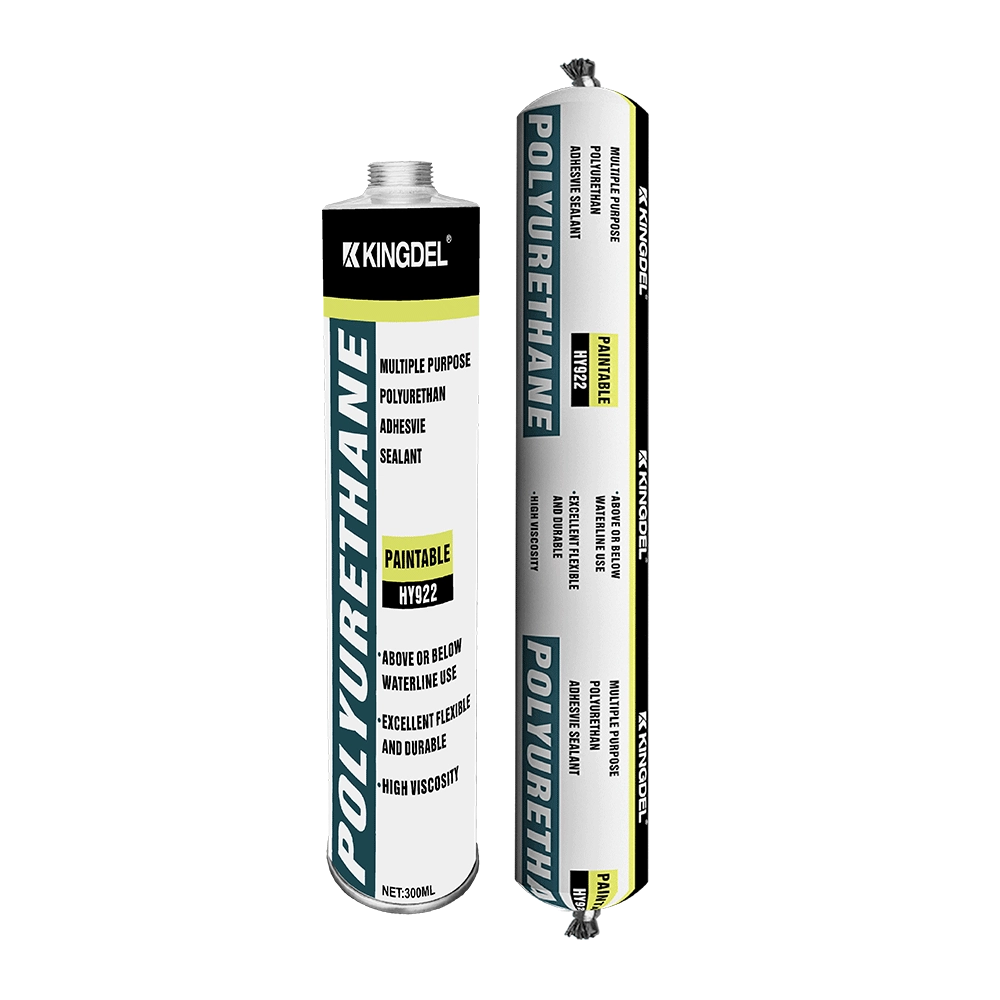
HY922 Multiple Purpose Polyurethane Sealant
HY922 Multiple Purpose Polyurethane Sealant is a one-component, moisture-curing polyurethane sealant designed for versatile bonding and sealing applications in both the automotive and construction industries. It cures to form a flexible yet tough elastomeric joint with excellent adhesion to a wide range of substrates. The formulation is non-corrosive, solvent-free, and produces a smooth, bubble-free finish during application.
HY922 delivers fast surface drying and quick positioning, improving installation efficiency while maintaining long-term durability. With strong weather resistance and good creep resistance, it performs reliably in demanding indoor and outdoor environments, including moist and partially submerged conditions.
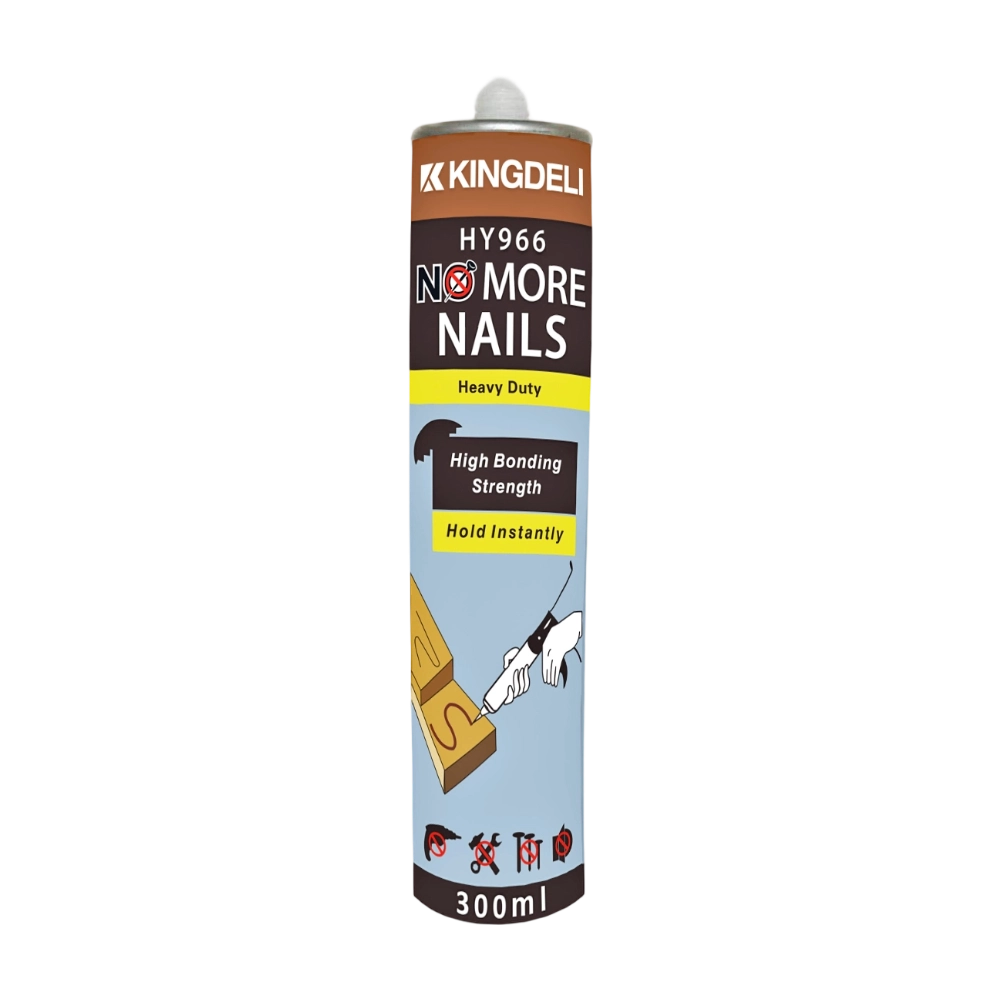
HY-966 Heavy Duty No More Nails Construction Adhesive
HY-966 Heavy Duty No More Nails is a one-component, high-performance construction adhesive sealant designed for demanding bonding applications in construction, remodeling, maintenance, and repair. Its instant grab formulation secures materials immediately, significantly reducing the need for bracing or mechanical fixing during installation.
HY-966 cures reliably in moist environments and delivers durable adhesion across a wide range of substrates. It provides excellent resistance to water, temperature variation, and aging, ensuring long-term performance in interior construction applications.
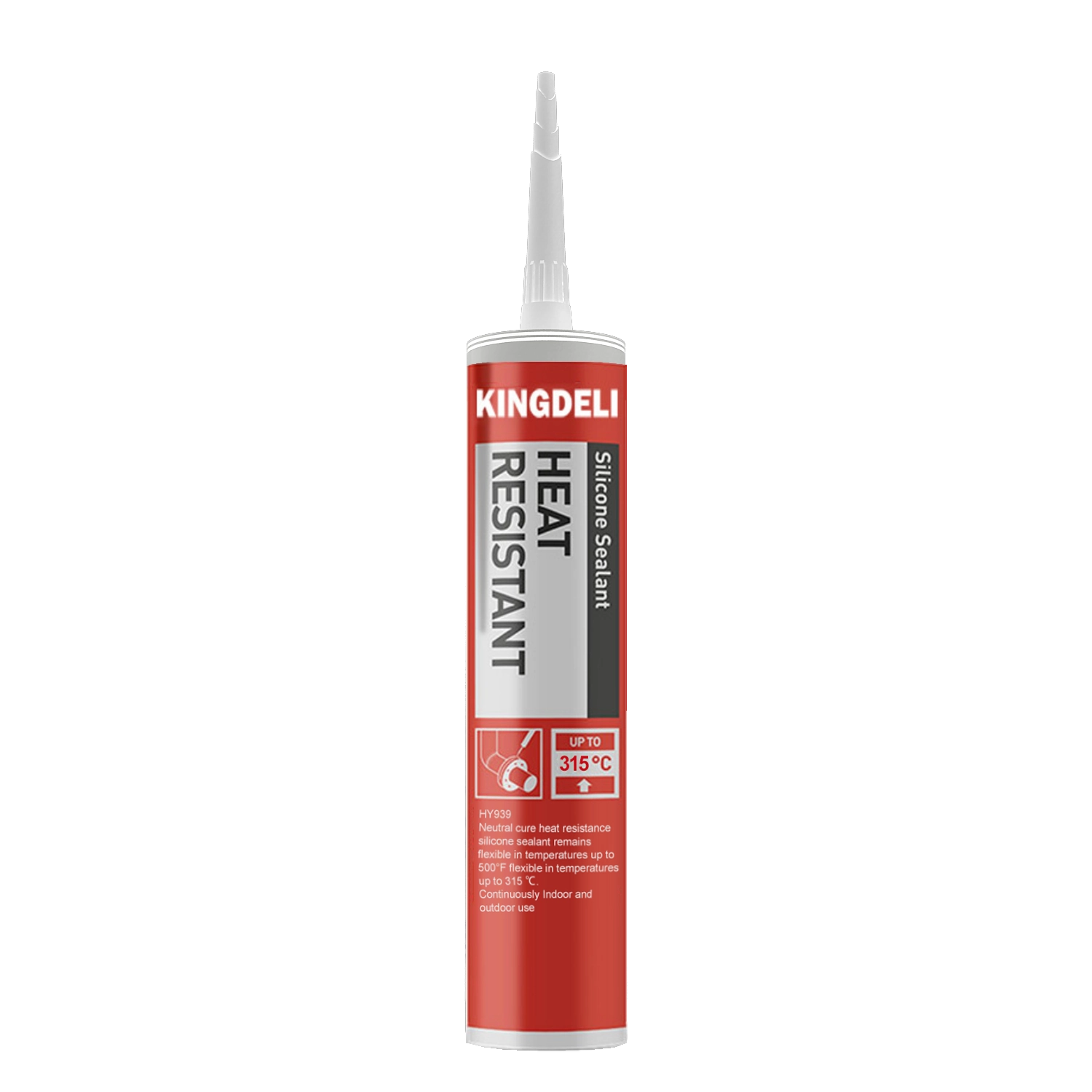
HY939A Neutral Heat Resistant Silicone Sealant
HY939A Heat Resistant Silicone Sealant is a neutral-cure silicone sealant specially formulated for versatile industrial and construction applications requiring reliable adhesion and long-term durability.
The sealant provides strong, non-corrosive adhesion to a variety of substrates, including glass, metal, gypsum board, marble, and certain plastics, making it ideal for both structural and sealing purposes.
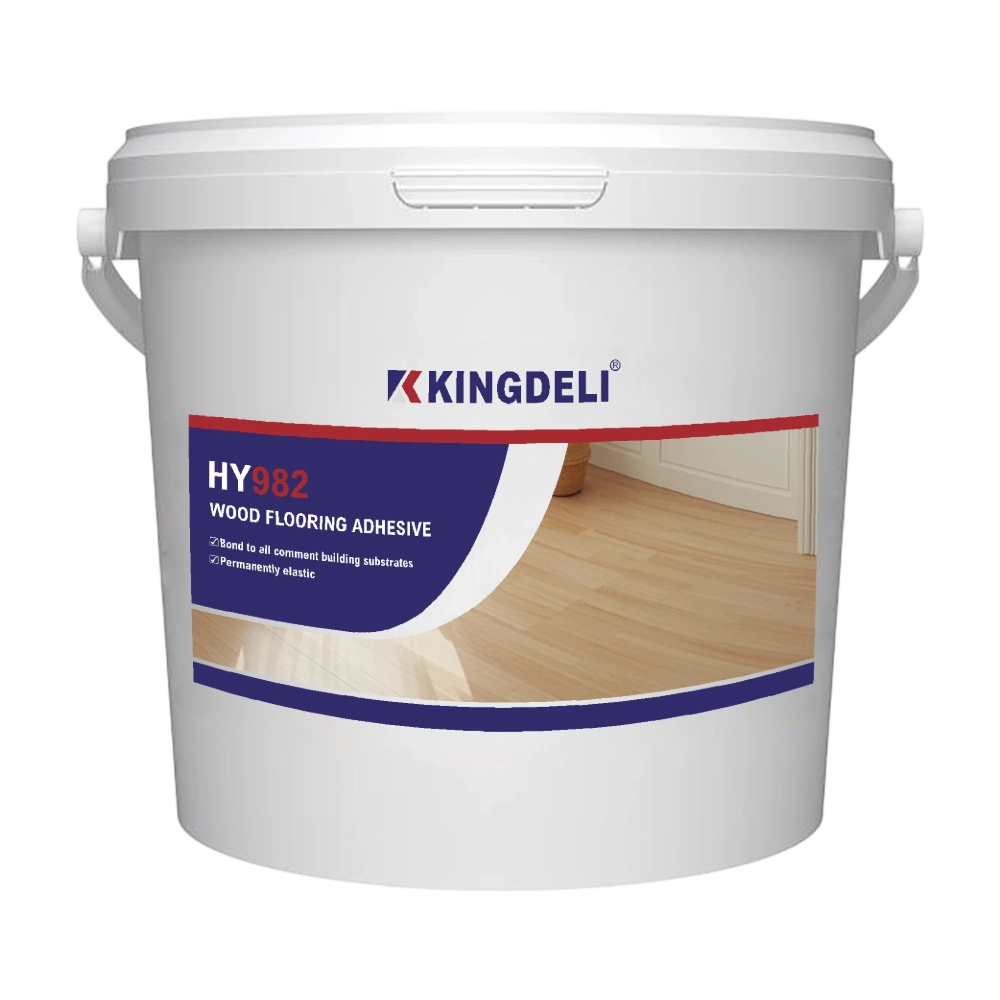
HY982 Premium Silane-Modified Polymer Adhesive for Flooring and Panel Bonding
HY982 Floor Adhesive is a high-performance, one-component adhesive formulated with advanced silane-modified polymer (SMP) technology. It is paintable, non-staining, and environmentally friendly, offering exceptional bonding strength without the need for a primer.
Designed for modern interior installations, HY982 Floor Adhesive provides excellent adhesion to wood, metal, stone, sintered slabs, glass, ceramics, and many other common building materials—making it the ideal choice for flooring installation and panel bonding applications crystal clear formulation.
Let’s Build Stronger Bonds with Quality Adhesives and Sealants
Have questions about the topic or need tailored sealant solutions for your project?
Our team is ready to provide expert guidance, product recommendations, and application support.
Innovating with Integrity, Bonding the World
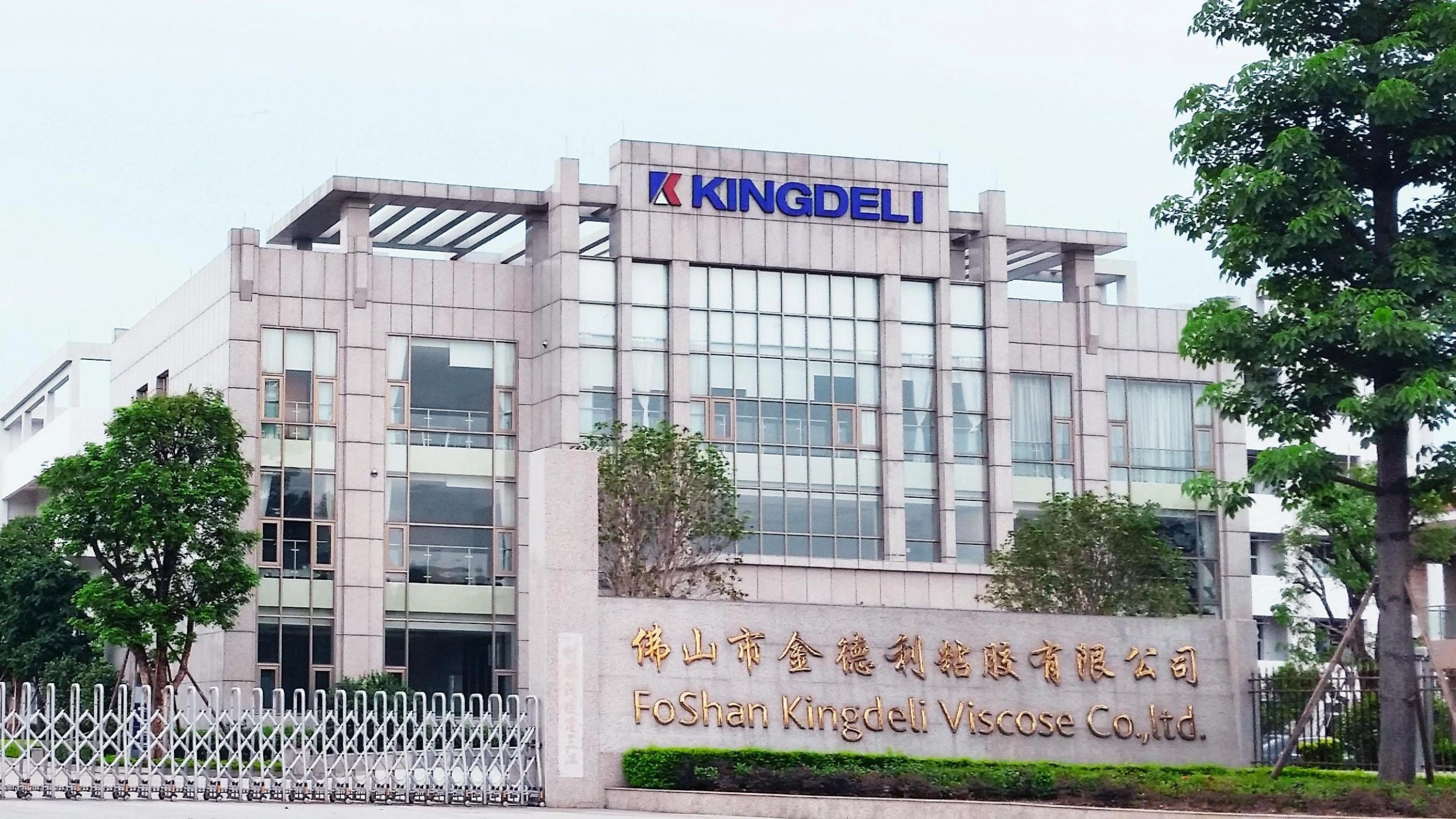
Since 1998, KINGDELI has delivered trusted, sustainable sealant solutions that connect industries and inspire progress worldwide.
Whatsapp: +8618825946249
Kingdeli
Kingdeli
Kingdeli
Kingdeli
Kingdeli