











How to test quality of acetic silicone sealant before purchase?
1. How can I quickly verify that a sealant labeled “acetic silicone” is truly an acid‑curing (acetoxy) product and not a mislabeled neutral cure?
Why this matters: acetoxy (acid‑curing) silicone releases acetic acid during cure and behaves differently from neutral cure silicones: it bonds better to glass and glazed tile, cures faster, and can corrode some metals or stain sensitive stone. Mislabeling can cause job failure.
Practical checks:
- Smell test (non‑destructive): acetic silicone gives a faint to strong vinegar‑like odor on opening the cartridge—this is often the quickest indicator. Neutral cure products are far less sour and often nearly odorless.
- Read the SDS/TDS: check the “cure by” or “acetoxy” wording on the technical data sheet or the safety data sheet. The SDS will list acetic acid (or CAS 64‑19‑7) or show acidic pH information for the uncured product.
- pH paper on uncured bead (semi‑destructive, low cost): place a tiny bead on a disposable surface and touch a pH strip to the uncured surface—acetoxy silicones often register acidic pH (~pH 3–5) versus near neutral for neutral cure silicones. Do this only if permitted by store policy; otherwise check TDS/SDS.
- Label and declaration: look for the words “acetoxy”, “acetoxy silicone”, “acid‑curing” or “acetic silicone sealant” on the label. Beware generic labels that only say “silicone” without cure chemistry.
Red flags: no SDS or ambiguous wording (“neutral/acid”)—ask the supplier for clarification or avoid purchase.
2. What quick in‑store tests can detect low‑quality acetic silicone (syneresis, separation, inconsistent viscosity) before buying a full cartridge?
Why this matters: poor manufacture or long storage leads to phase separation (liquid on top), syneresis (oil bleed), or wrong viscosity—these cause poor tooling, reduced adhesion, or cure failure.
Tests to perform:
- Visual inspection of the cartridge/tube: check for separated liquid inside (cloudy or clear pool at the nozzle), lumpiness, or obvious bulging—which indicate separation or freeze/thaw damage.
- Extrusion feel: squeeze a small amount (if allowed). A steady, smooth extrusion with consistent diameter indicates correct rheology. Extremely watery flow or intermittent globs suggests breakdown or contamination. If using a manual gun, extrusion force should be reasonable (not unworkably high or paper‑thin).
- Surface appearance of a bead: extrude a 30–50 mm bead onto glass. Fresh, good acetic silicone forms a glossy, homogeneous bead. Look for oil bleeding (wet sheen forming after a few minutes) which signals syneresis.
- Skin formation check: leave the bead for 10–20 minutes and check skin‑over time (see Q3 for expected ranges). A bead that skins in seconds or never skins likely indicates out‑of‑spec product.
If any of the above signs appear, request another batch/lot or don’t buy; low‑quality material is harder to remediate on site.
3. How should I interpret technical values like skin‑over time, cure rate and Shore A hardness on the TDS to predict on‑site performance?
Why this matters: datasheet numbers help you match the sealant to the job (fast production lines vs. slow curing joints, needed flexibility, joint size).
Key parameters and practical interpretation:
- Skin‑over time (also called tack‑free time): typical acetic silicones show skin‑over in roughly 5–30 minutes at 23°C/50% RH. Faster skin time helps production speed but can make tooling harder; very long skin times allow easier tooling but increase contamination risk.
- Cure rate (mm/24h): commonly ~1–3 mm/24h for acetoxy silicones at standard lab conditions. Use this to estimate full cure for joint depth. For deep (>6 mm) joints expect multi‑day cure; plan back‑up times and avoid painting over the sealant.
- Shore A hardness: indicates how firm the cured rubber will be. Typical sanitary and glazing acetic silicones range 15–40 Shore A. Lower values (15–25) are more flexible; higher values are firmer. Choose based on joint movement requirements.
- Elastic recovery / movement capability: datasheets should state ±% movement (commonly ±25% for general silicones). For joints that regularly expand/contract more, select a product with higher movement capability or a specialty silicone.
- Tensile strength and elongation at break: tensile in MPa and elongation in % indicate durability in stretched joints. Typical tensile strengths are in the 0.5–2 MPa range and elongation 200–600% for many silicones—higher elongation helps in dynamic joints.
How to use these numbers: map joint depth and expected movement to cure rate and movement capability. For fast production glazing choose faster skin‑over and higher early adhesion; for long outdoor joints prioritize UV resistance and appropriate Shore A and elongation.
4. How can I test adhesion compatibility with my exact substrates (anodized aluminum, painted MDF, glazed tile, natural stone) before committing to a large purchase?
Why this matters: acetic silicone bonds excellently to non‑porous substrates like glass and glazed tile but can fail on porous or contaminated substrates—or cause corrosion/staining on sensitive stone or metal.
Pre‑purchase protocol (practical, low‑cost):
- Request a small sample or buy one cartridge for a site test. A small, controlled adhesion test is far cheaper than replacing failed joints.
- Surface preparation: clean your test substrates exactly as you would on the job (solvent wipe, abrade if needed). Adhesion is only as good as surface prep.
- Apply 50–100 mm test fillet per substrate type. Tool and leave in conditions that match the job (temperature, RH).
- Initial peel/tack test: at skin time and after 24 hours, attempt to peel a corner using a small metal spatula—observe cohesive vs adhesive failure (did the sealant tear or detach cleanly from substrate?). Cohesive failure inside the sealant is preferable; adhesive failure (pulling off) suggests poor bond.
- Full cure adhesion test: after full curing (use cure rate to estimate; 3–7 days for deeper joints), perform a cross‑cut test or peel test. For critical jobs use a portable adhesion tester or send cores to a lab for tensile bond testing.
- Watch for staining or corrosion: for natural stone or copper/brass place a sealed sample in a humid environment for several days and inspect for discoloration or surface changes. Acetic cure silicones can cause surface etching or darkening on some metals and calciferous stones.
If adhesion fails on prepped substrate, consider a primer recommended by the manufacturer or switch to a neutral cure silicone designed for sensitive substrates.
5. How do I identify acetic silicone sealants that will cause metal corrosion or natural stone staining, and what quick checks can I do before buying?
Why this matters: acetic by‑products can corrode copper, brass, some alloys, and react with calcareous stones (marble, limestone), causing pitting or staining.
Identification checklist:
- Label & SDS: look for warnings about metal compatibility or statements that the product is not recommended for copper/brass/natural stone. The SDS will list corrosive classification and acetic acid content.
- Vendor declarations: reputable manufacturers publish substrate compatibility matrices in their TDS. If the TDS omits stone or specific metals, assume incompatibility and test.
- Small mock‑up: adhere a bead to a sample of the exact metal or stone. After 24–72 hours in a humid box, check for discoloration or surface etching. This is the most reliable field check.
- Consider neutral cure alternatives: if any doubt and the substrate is sensitive, use neutral cure (oxime, alkoxy, or oxime‑free) silicones which do not release acetic acid.
Important: some corrosion is slow—for mission‑critical applications, request manufacturer corrosion test data or specify a neutral cure product designed for metals/stone.
6. How can I check shelf life, storage stability and batch traceability to avoid buying expired or degraded acetic silicone sealant?
Why this matters: expired or improperly stored sealants often fail to cure, separate, or have unpredictable rheology.
What to check on the packaging:
- Lot number and manufacture date: reputable manufacturers print a lot/batch number and date code. Typical unopened shelf life for many acetic silicones is 12 months at 5–25°C—check the product label or TDS for the exact number.
- Expiry or “use by” date: if present, do not buy past that date. If only a manufacture date is present, ask the seller to confirm shelf life.
- Storage conditions: labels should state recommended storage (cool, dry, away from direct sunlight). Avoid cartridges that have been stored outdoors or in freezing conditions; freeze/thaw cycles are a common cause of separation.
- Batch traceability: ask the seller to provide batch test certificates if buying large volumes. A certificate shows QC checks (viscosity, cure) were performed on that lot.
On receipt of a bulk order, perform incoming QC: extrude and do a skin time check, and keep a small retained sample from each lot for later reference.
Concluding summary — Advantages of acetic silicone sealant
Acetic (acetoxy) silicone sealant provides fast skin formation, excellent adhesion to glass, glazed tile and many non‑porous substrates, durable elasticity, and strong weathering and UV resistance for typical bathroom, kitchen and glazing applications. It is economical and widely available. However, because acetic silicones release acetic acid during cure, they require attention for metal/stone compatibility and proper storage—if those constraints are managed, they are an effective and reliable option.
For specification support, sample kits, or a tailored quote for production or construction projects, contact our technical sales team at info@kingdeliadhesive.com or visit www.kingdelisealant.com for datasheets and batch certificates.
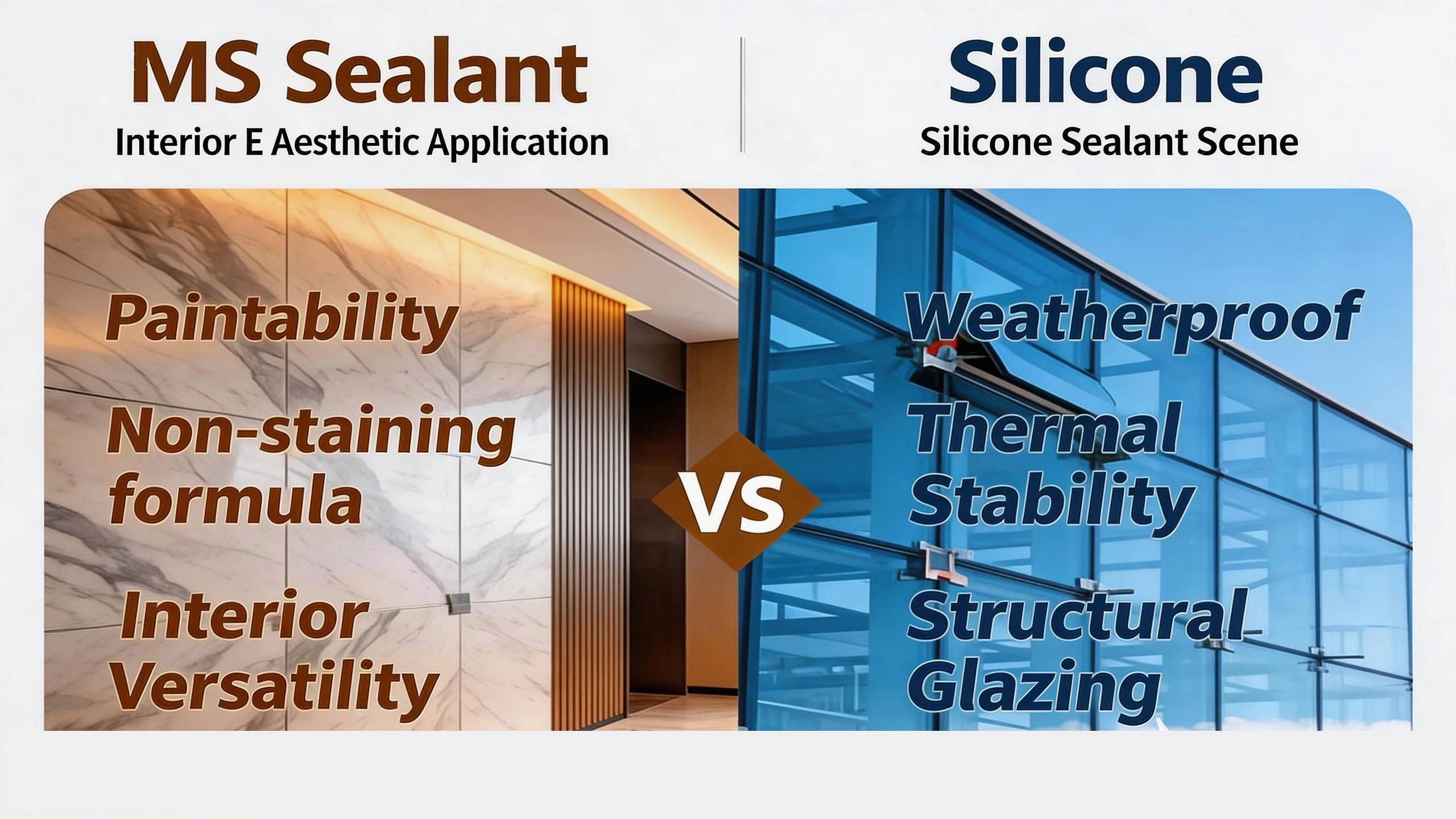
MS Sealant vs. Silicone: Which is Right for Your Construction Project?
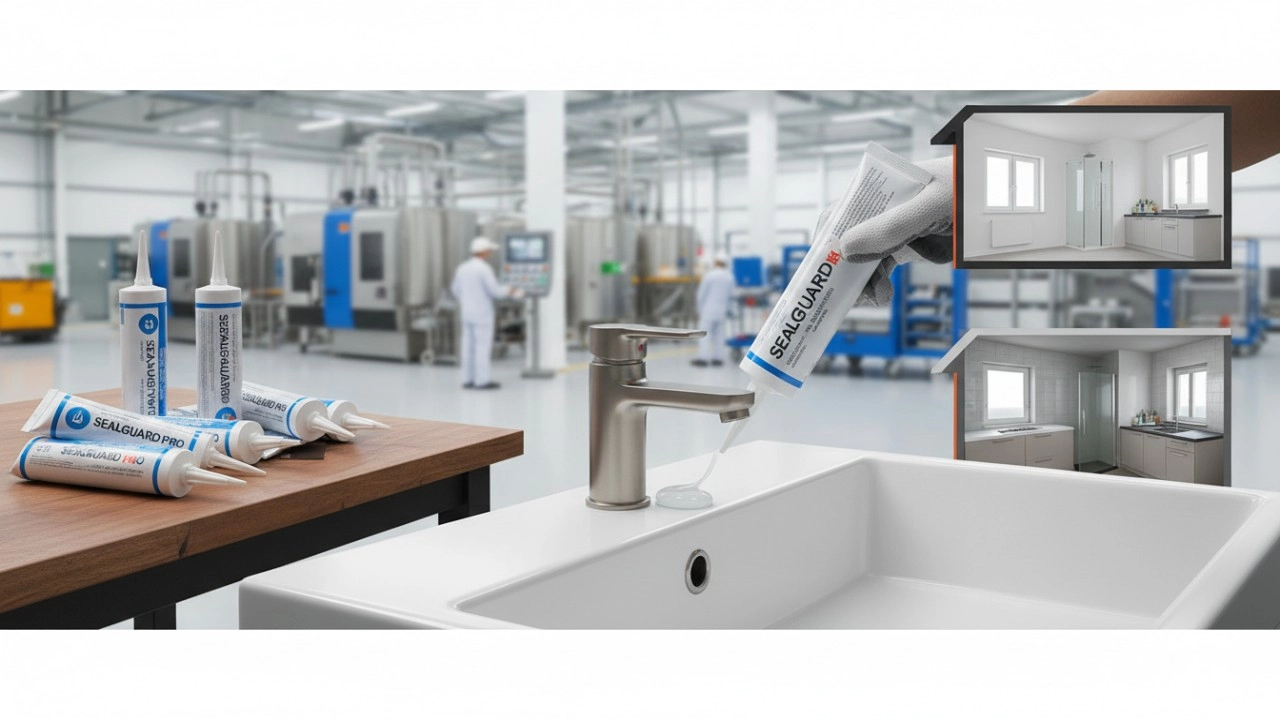
The Ultimate Guide to Choosing a Silicone Sealant Manufacturer in 2026: 10 Critical Factors Often Overlooked
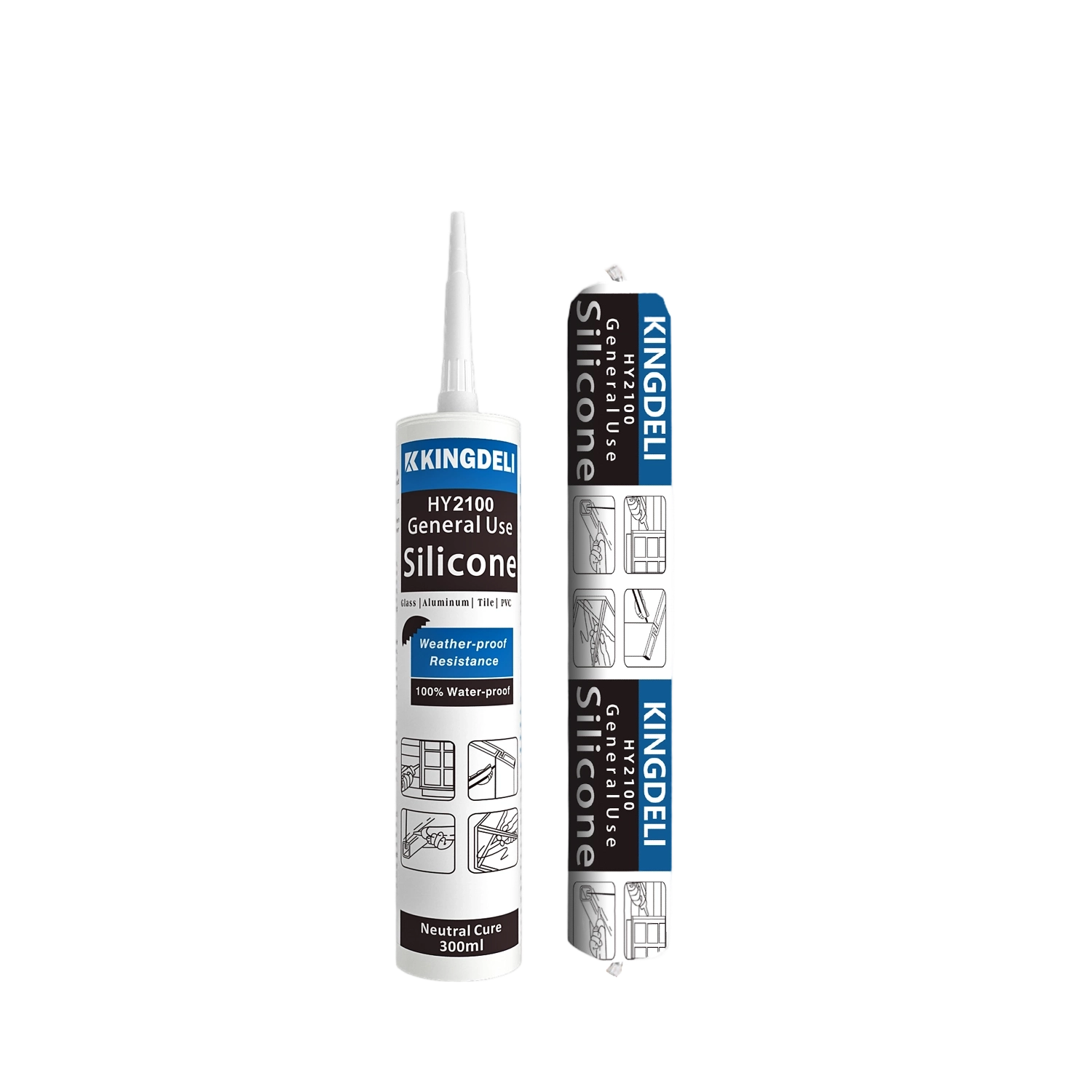
Industrial Applications of Acetic Silicone Sealant: Beyond Basic Glass Sealing
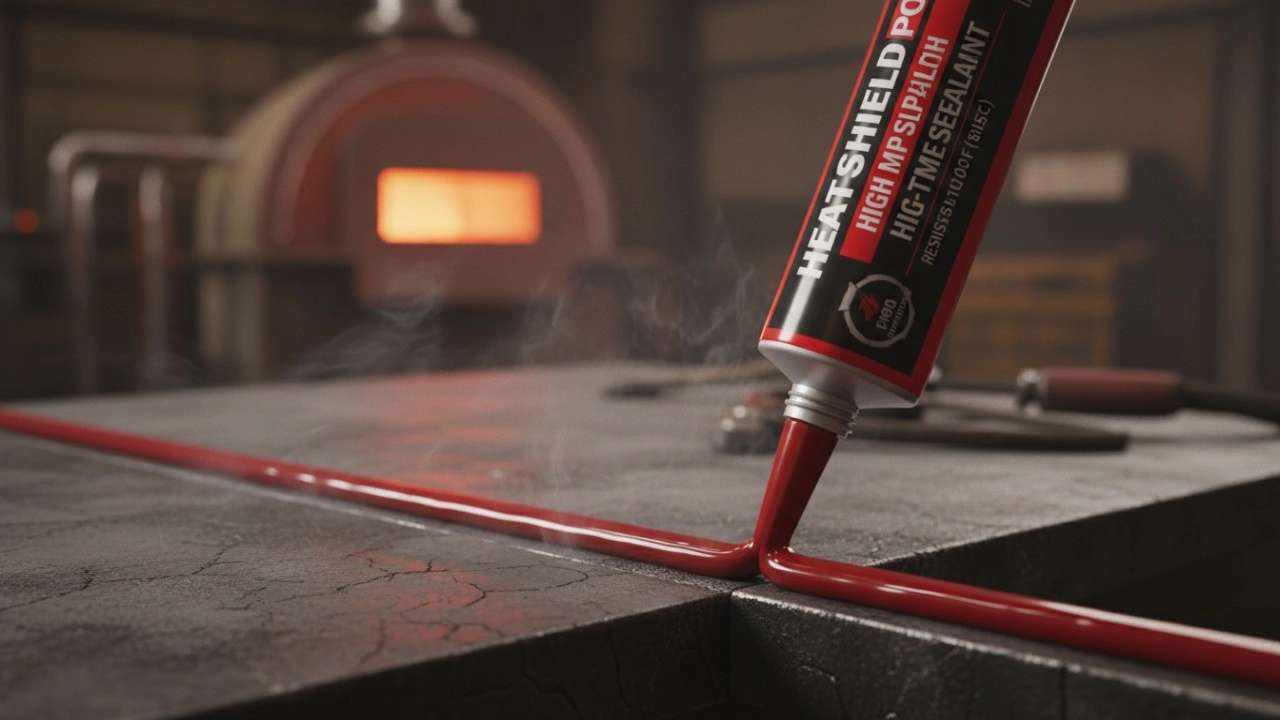
Top Factors to Consider When Choosing an Acetic Silicone Sealant Manufacturer in China
HY925
What materials can HY925 bond with?
HY925 adheres well to metals, glass, concrete, stone, precast panels, various paints, and many other common construction substrates.
How should HY925 be applied?
Apply with a standard caulking gun. Ensure surfaces are clean, dry, and free of dust, oil, and contaminants. Tool the sealant within a few minutes to achieve a neat finish.
HY924
Does HY924 require a primer?
No. HY924 offers strong primerless adhesion to most glass and metal substrates. However, a compatibility test is recommended for special surfaces.
What is the shelf life?
Aluminum cartridge: 9 months
Aluminum foil sausage: 12 months
Store in a cool, dry place for best shelf performance.
HY993
Can HY993 be painted after curing?
Yes. HY993 is fully paintable with most water-based paints after it has cured.
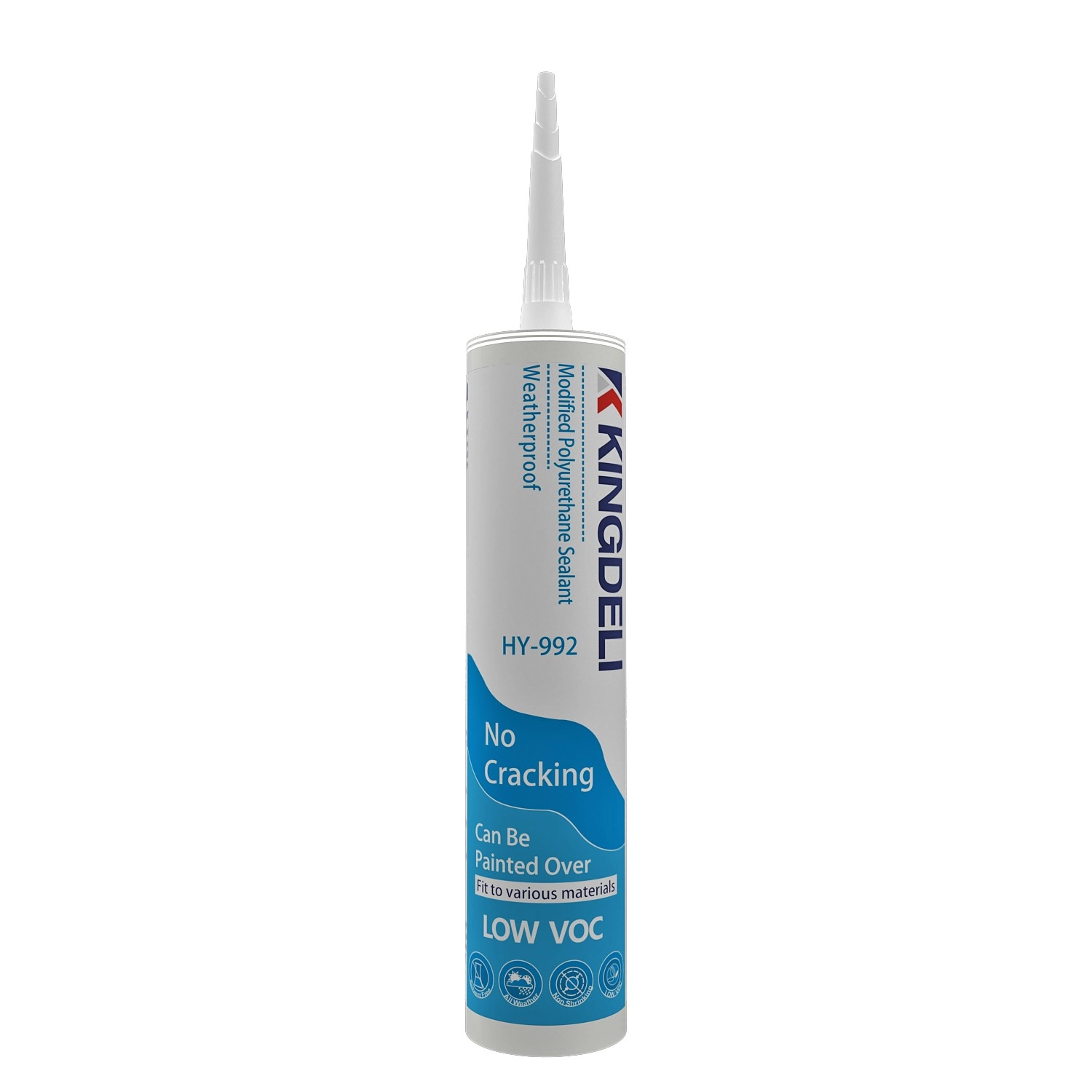
HY992 Modified Polyurethane Construction Sealant
HY992 Modified Polyurethane Sealant is a one-component, moisture-curing construction sealant designed for professional building and structural sealing applications. It provides excellent adhesion, weather resistance, and durable elasticity, making it suitable for a wide range of construction materials.
The formulation delivers strong bonding performance without corrosion or substrate contamination, while maintaining low VOC content for environmentally responsible construction projects.

HY995 Crystal Clear Ms Polymer Adhesive/Sealant
HY995 Crystal Clear Ms Polymer Adhesive/Sealant is a new generation MS Polymer adhesive / sealant formulated for all bonding and sealing applications where long term reliability is required. It has excellent bonding strength on various materials. It will cure to form a durable, flexible, waterproof seal.

HY997 High-Performance Anti-Microbial MS Polymer Sealant
HY997 MS polymer sealant for is is a premium one-component, neutral-curing modified silane sealant engineered for demanding interior applications. It offers a Class 20 movement capability, ensuring long-lasting flexibility and reliable performance under dynamic joint conditions. Curing at room temperature, HY997 delivers superior anti-microbial and mildew-resistant properties, maintaining hygienic and clean environments over time.
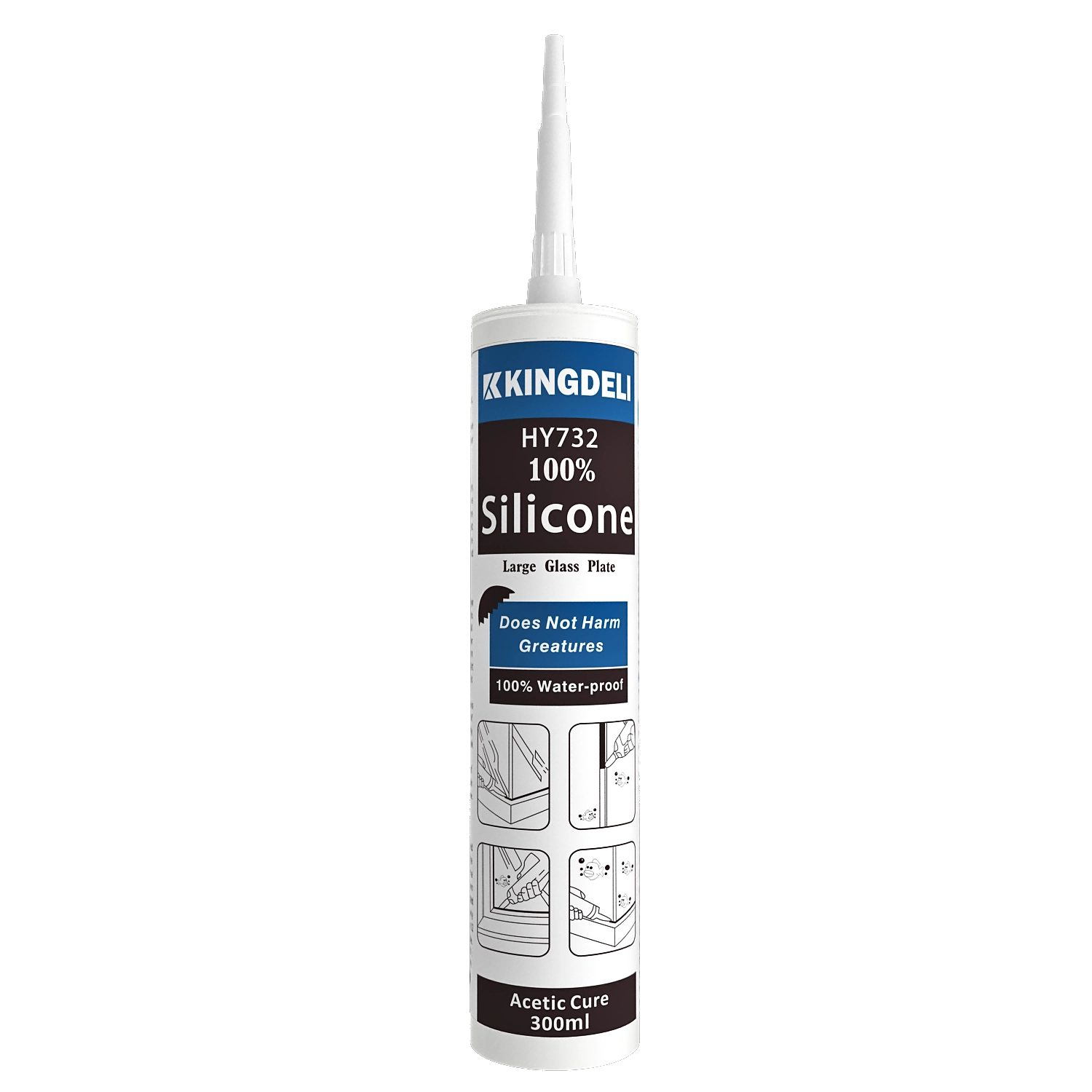
KINGDELI HY732 Professional Acetoxy Cure Silicone Sealant
KINGDELI HY732 is a professional-grade, one-component acetoxy cure silicone sealant designed for fast curing, strong adhesion, and long-lasting flexibility. Ideal for aquariums, glass applications, aluminum doors and windows, kitchens, and bathrooms, it provides reliable sealing performance with excellent anti-fungal protection in high-humidity environments.
Let’s Build Stronger Bonds with Quality Adhesives and Sealants
Have questions about the topic or need tailored sealant solutions for your project?
Our team is ready to provide expert guidance, product recommendations, and application support.
Innovating with Integrity, Bonding the World
Since 1998, KINGDELI has delivered trusted, sustainable sealant solutions that connect industries and inspire progress worldwide.
Whatsapp: +8618825946249
Kingdeli
Kingdeli
Kingdeli
Kingdeli
Kingdeli