











How to store silicone sealant to maximize shelf life? | Insights by KINGDELI
How to Store Silicone Sealant to Maximize Shelf Life: 6 Pro Answers
Accurate storage of silicone sealant saves money, prevents job failures, and preserves guaranteed performance. The advice below uses common manufacturer shelf-life baselines (typically ~12 months unopened at room temperature) and industry best practice for contractors, warehouses, and DIYers. Keywords such as silicone sealant storage, extend silicone shelf life, store silicone caulk, and proper silicone storage temperature are embedded throughout.
1) How can I store partially used silicone cartridges for 3–6 months without them curing inside the nozzle?
Pain point: Contractors and DIYers frequently lose partially used cartridges to a cured nozzle plug within days, creating waste and downtime. Follow these steps to reliably preserve opened cartridges for months:
- Immediate sealing: After use, wipe excess sealant from the nozzle and threads. Replace the factory cap if available. If the cap is lost, insert a snug-fitting plastic plug or a short length of rigid tubing (PVC/pe), then secure with tape. This prevents direct moisture contact with the exposed bead.
- Nozzle position: Store cartridges upright with the nozzle pointing up. Rationale: keeping the mass of sealant away from the tip reduces the chance of moisture reaching and curing the small bead at the opening. Many manufacturers and trade pros favor nozzle-up storage for longer-term preservation.
- Barrier layer: For added protection, smear a thin film of petroleum jelly or a compatible grease on the nozzle and threads before capping. This fills micro-gaps and reduces moisture ingress. Note: do not contaminate the product inside; keep the film external to the cap/seal area.
- Airtight container with desiccant: Place sealed cartridges inside a resealable plastic tote or airtight box with silica gel packs or desiccant. Lower humidity inside the container reduces the rate of moisture-curing at the exposed tip.
- Label and rotate: Mark opened cartridges with the first-open date and use FIFO (first-in, first-out). If you typically reopen a cartridge within 2–4 weeks it will be fine; for 3–6 month storage combine sealing + dry environment + upright placement.
Expected result: With proper sealing, desiccant storage, and upright placement you can realistically keep most neutral- and acetoxy-cure silicones usable for 3 months or longer. Extending to 6 months is possible but becomes product-specific—always validate by extruding a small test bead and confirming cure and adhesion before using on critical joints.
2) Can refrigeration safely extend the shelf life of different silicone types (acetoxy vs. neutral cure)?
Pain point: Users want a simple way to prolong unopened and opened sealants without harming performance. Refrigeration is often suggested online with mixed guidance. Here's an evidence-based approach.
- Manufacturer-first: Always check the product Technical Data Sheet (TDS) and label. Typical manufacturer shelf-life statements refer to storage at room temperatures (e.g., ≤25°C/77°F) and moderate humidity—many list a standard unopened shelf life of ~12 months. Any deviation (cold storage) should be confirmed with the manufacturer to preserve warranty.
- Safe refrigeration practice: Short-term cold storage at controlled refrigeration (4–8°C / 39–46°F) can slow chemical activity and extend shelf life for many silicones. However: DO NOT FREEZE. Freezing (≤0°C) can cause changes in rheology and lead to phase separation in some formulations.
- Acetoxy vs neutral: Both acetoxy (vinegar-smelling) and neutral-cure silicones are moisture-curing systems. Cold temperatures slow the reaction rate but do not materially change the underlying cure chemistry. Refrigeration is generally acceptable for both types if manufacturer permits, but neutral-cure products with certain additives can show temporary viscosity shifts when chilled—always allow full acclimation to room temperature before use.
- Condensation caution: The biggest risk with refrigeration is condensation when moving containers back to warm, humid environments. Condensation on the cap/nozzle introduces moisture and can start curing. To avoid this: remove cold items from the fridge, keep them sealed, allow them to return to room temperature inside their sealed container or a plastic bag before opening.
Bottom line: Refrigeration (above freezing) can extend storage life if allowed by the TDS and if you prevent condensation. For critical batches or warranty-sensitive material, get written confirmation from the manufacturer.
3) What are the correct storage temperature and humidity ranges for warehouses (bulk drums, boxes of cartridges) to maintain warranty periods?
Pain point: Wholesale buyers and warehouse managers need to store large quantities (25 kg pails, 200L drums, or palletized cartons) without voiding warranties or degrading product quality.
- Temperature range: Aim for a controlled storage temperature between 10–25°C (50–77°F). Many product TDS pages state 'store below 25°C' as the baseline. Avoid sustained temperatures above 30°C (86°F) which can accelerate chemical aging and reduce listed shelf life.
- Humidity control: Keep relative humidity (RH) low and stable. Although silicone cures with moisture, high RH can accelerate partial skinning of improperly sealed packages. Maintain warehouse RH under 60% where possible; <50% RH is preferable for long-term stock.
- Solar/UV and thermal exposure: Store pallets away from direct sunlight, roof heat, and HVAC discharge. UV has minimal effect on unexposed packaged silicone, but elevated temperatures from sun exposure degrade packaging and can increase internal temperature of drums/cartons.
- Physical handling: Store off the ground (pallets), keep original containers sealed and upright where applicable, and avoid punctures. Keep SDS/TDS copies and batch records with the stock. Rotate inventory by expiry date (FIFO) and record open/receive dates to preserve warranty traceability.
- Large drums and nitrogen blanketing: For multi-batch industrial storage where very long shelf life is required, manufacturers or suppliers sometimes recommend nitrogen blanketing or sealed intermediate bulk containers (IBC) for moisture-sensitive products. This is a specialty approach—discuss with your supplier if you require extended storage beyond standard shelf-life claims.
Following these warehouse controls helps you preserve manufacturer warranty windows and maintain predictable onsite performance.
4) How do I tell whether silicone sealant has degraded after long storage — what are accurate field tests before using it on a critical joint?
Pain point: Using degraded sealant results in poor adhesion, reduced elasticity, and premature failure. Visual inspection alone is sometimes insufficient; here are practical, accurate checks.
- Visual and smell checks: Look for phase separation (clear watery layer), lumps or skinning in the cartridge, color change, and an unusually strong or off-odor beyond the typical acetic or neutral smell. Significant syneresis (clear liquid on the surface) is a red flag.
- Extrusion and tack test: Extrude a small bead on clean cardboard or scrap material. Fresh silicone will extrude smoothly and form a continuous bead. Note tack level and surface wetness.
- Cure-time and film-formation test: Leave an extruded bead (2–3 mm thick) for 24 hours in the intended jobsite conditions (temperature and humidity). Check cure depth, tackiness, adhesion to substrate, and final elasticity. If the bead remains tacky, shows abnormal shrinkage, or fails to adhere properly, reject the material.
- Adhesion check: For critical jobs, perform a simple peel or pull test on the actual substrate using cured beads made from the stored material. If adhesion is noticeably lower than a control sample (new product), do not use it.
- When in doubt, lab testing: If you must confirm product chemistry (e.g., for warranty disputes), send samples to a materials lab for rheology, FTIR, or adhesion testing. But for most onsite decisions, the 24-hour cure test plus adhesion check is sufficient.
Do not rely on age alone—use practical cure and adhesion tests before using stored sealant on mission-critical joints.
5) Which sealing methods (caps, plugs, additives) reliably prevent moisture ingress for open sausages and cartridges?
Pain point: Open sausage packs and cartridges are prone to moisture ingress; beginners use ad-hoc methods that often fail. Use these proven techniques instead.
- Factory caps and piston-seals: Always return the factory cap to cartridges if present. The internal piston should stay in contact with the sealant mass to reduce trapped air.
- Nozzle plugs and screw-on caps: Keep a small stock of reusable screw-on caps or purpose-designed nozzle plugs (sold by accessory suppliers). They provide a reliable mechanical seal compared with tape alone.
- Clamping and pistons for sausages: For sausage packs, use the recommended end clip or clamp to compress the open end, then store in a sealed bag. Some pros use dedicated sausage-end caps that screw onto the folded end to provide a reliable seal.
- Vacuum or airtight boxes: For longer-term storage, pack opened cartridges or sausages in vacuum-sealable bags or airtight containers with desiccant. Removing air and moisture greatly reduces curing at the exposed surface.
- Temporary cured plug (short-term trick): Some pros purposely invert a cartridge so a tiny amount cures in the nozzle, forming a mechanical plug. This works short-term but sacrifices a small volume of material and is not ideal for long-term storage—prefer caps and airtight boxes.
- Avoid chemical additives: Do not add solvents or non-recommended thinners to preserve product—the additive may change cure chemistry and void warranty.
Combine a tight mechanical seal (cap or plug) with moisture control (desiccant/airtight bag) for the most reliable protection.
6) How should contractors manage mixed inventory (different batches, opened vs unopened) to avoid on-site performance failures and warranty issues?
Pain point: Jobsite failures often trace back to poor stock control—mixing near-expiry or opened product with fresh stock causes inconsistent performance. Implement these inventory controls:
- Labeling and dating: On receipt, mark cartons/cartridges with manufacture or receive date and the manufacturer-stated expiry if present. When you open a cartridge, mark it with the open date. For sausages, mark the open/clip date.
- Batch segregation: Keep opened and unopened stock physically separated. Place opened items in a dedicated, labeled box with desiccant to reduce accidental reuse of compromised materials.
- First-in, first-out (FIFO): Always pull the oldest unopened stock first for jobs with non-critical performance. Reserve newest stock for critical joints or where warranty documentation is required.
- Recordkeeping for warranty: Keep TDS/SDS and batch numbers for each job. If a failure occurs, traceability greatly simplifies claims and establishes good E-E-A-T documentation with suppliers.
- Jobsite storage: On-site storage should mimic warehouse recommendations—cool shaded area, away from direct sun and water. Avoid leaving cartridges in hot trucks or unventilated sheds for extended periods.
- Training and SOPs: Create simple SOPs for staff: how to seal opened cartridges, containerize opened stock, conduct 24-hour cure checks on older material, and what to throw away. Regular training reduces human-error waste.
These controls protect both performance and warranty coverage and reduce the risk of failed joints from degraded materials.
Concluding summary: Advantages of correct silicone sealant storage
Proper silicone sealant storage—controlled temperature (ideally 10–25°C), reduced humidity, correct sealing of opened cartridges, and inventory discipline—delivers clear advantages: reduced material waste, consistent adhesion and elasticity on every job, maintained manufacturer warranties, and lower lifecycle cost for projects. Using manufacturer TDS guidance, simple field cure tests, and basic dry-storage practices protects both product performance and your reputation.
If you need product recommendations, storage accessories (nozzle caps, desiccant kits), or a tailored quote for bulk sealant supply, contact us for a quote at www.kingdelisealant.com or email info@kingdeliadhesive.com.
Kingdeli Sealant — technical support and supply for professional sealant and adhesive users.
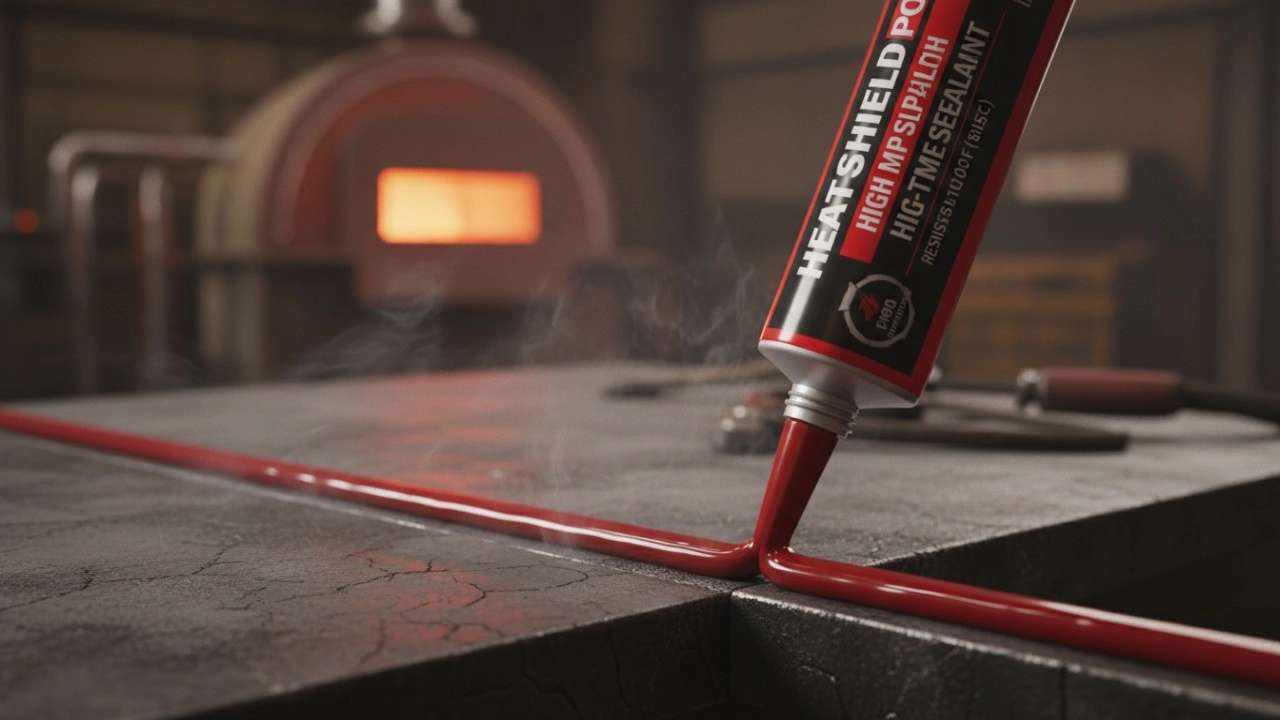
How to Apply High Temperature Silicone Sealant Like a Pro: 5 Secrets for a Lifetime Seal
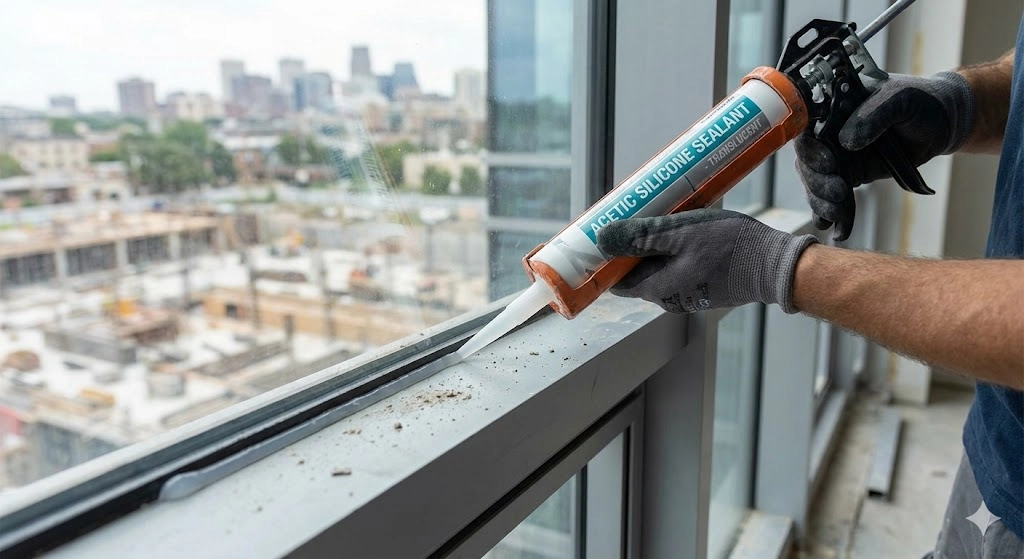
Acid Cure vs. Neutral Silicone: Why Choose Acetic Silicone Sealant for Glass?
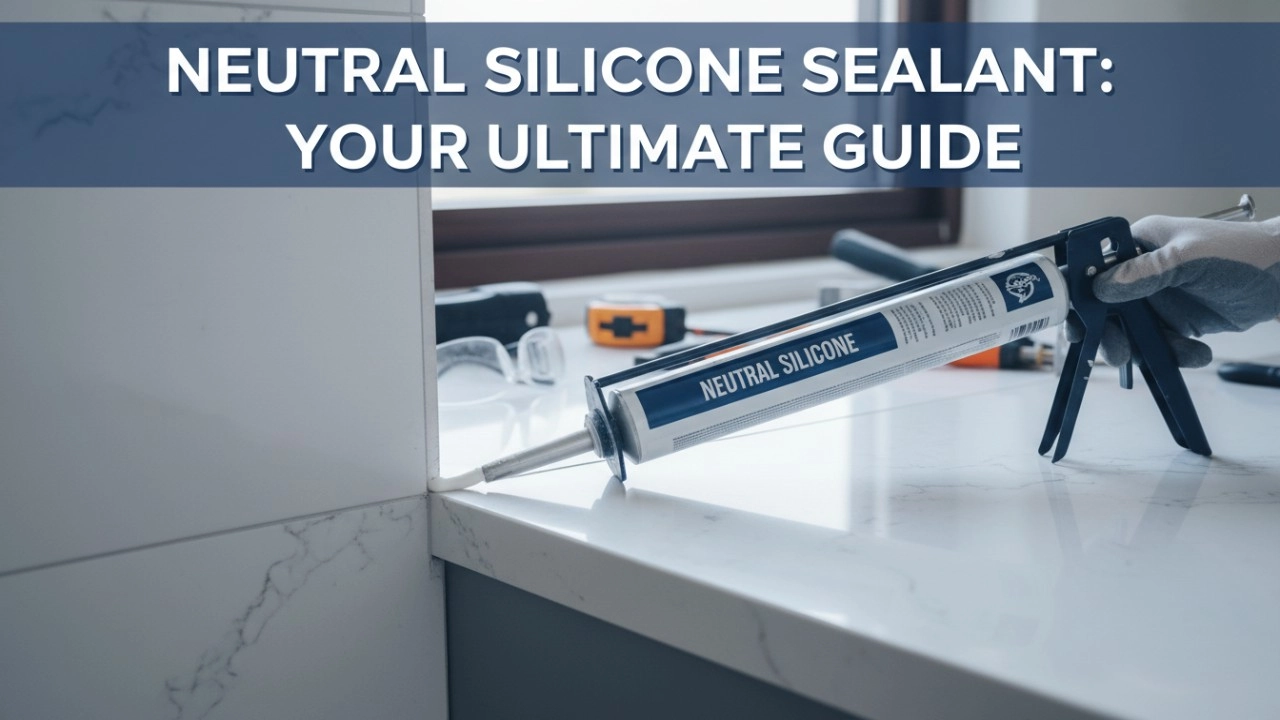
7 Critical Mistakes to Avoid When Using Neutral Silicone Sealant for High-End Projects
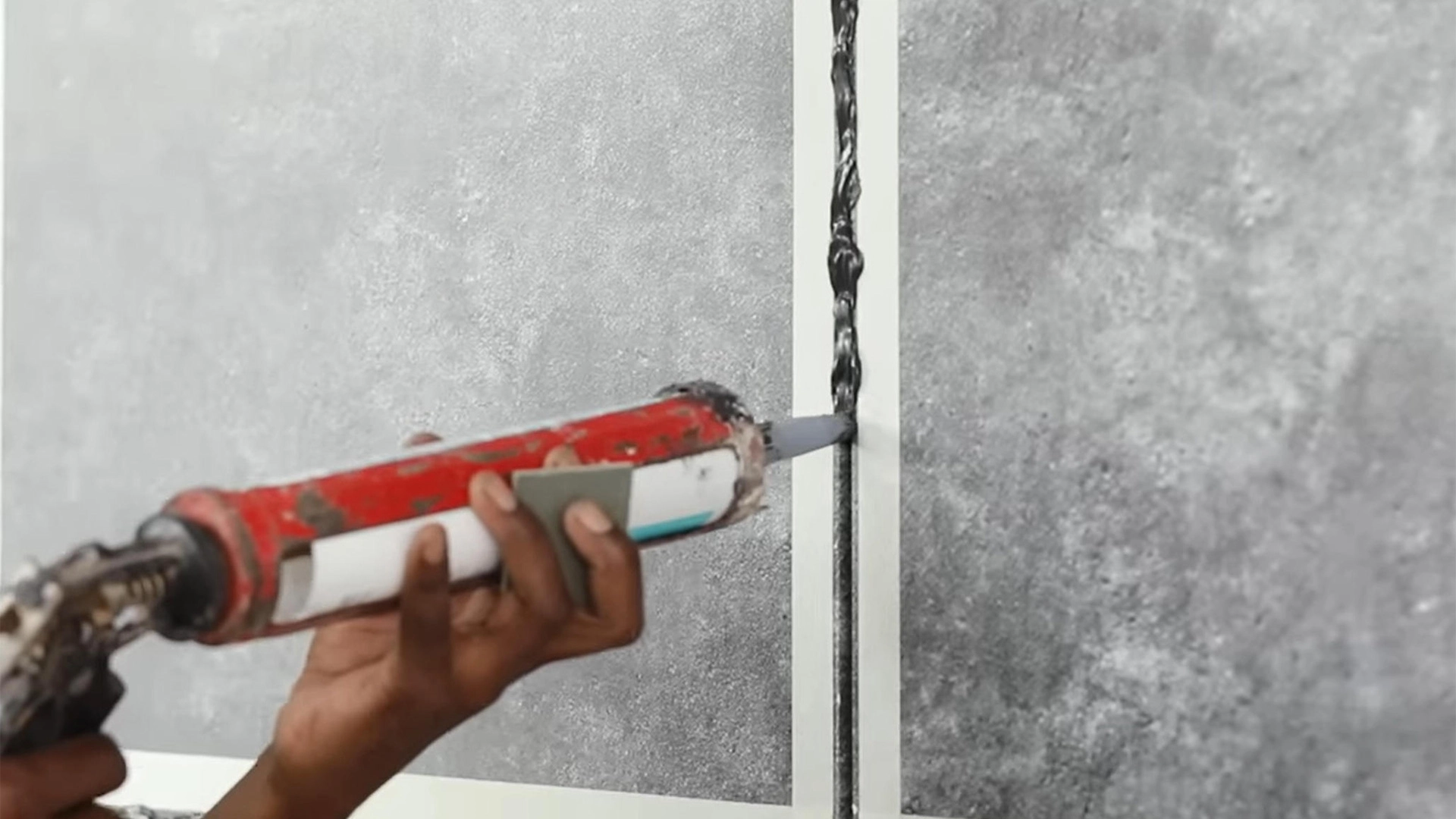
What’s the Difference Between Silicone Sealant and MS Adhesive for ACP?
HY739
How fast does it cure?
It becomes tack-free quickly at room temperature. Full cure typically occurs within 24–48 hours depending on joint depth and humidity.
HY939A
Does the sealant slump or sag during application?
No. The product has excellent thixotropic properties, allowing it to stay in place after application and ensuring clean, controlled tooling.
HY994
What colors are available?
Standard colors include black, white, and gray. Custom colors can be produced upon request.
HY-951
What is HY951 Epoxy Tile Grout?
HY951 is a two-component epoxy resin grout specifically designed for filling and sealing ceramic tile joints. It provides superior durability, stain resistance, and a smooth ceramic-like finish compared to traditional water-based tile sealers.
HY924
Is the product environmentally friendly?
Yes. HY924 is formulated without harmful solvents and does not corrode or pollute base materials.
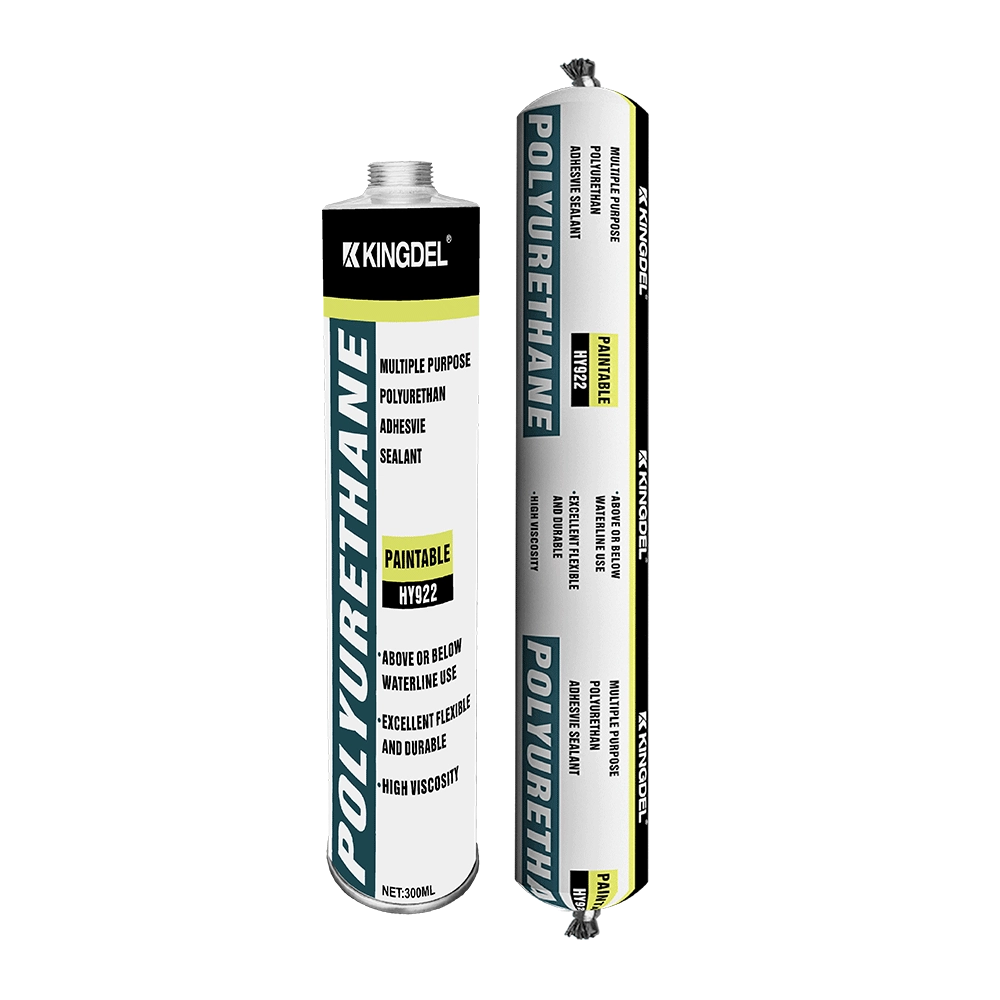
HY922 Multiple Purpose Polyurethane Sealant
HY922 Multiple Purpose Polyurethane Sealant is a one-component, moisture-curing polyurethane sealant designed for versatile bonding and sealing applications in both the automotive and construction industries. It cures to form a flexible yet tough elastomeric joint with excellent adhesion to a wide range of substrates. The formulation is non-corrosive, solvent-free, and produces a smooth, bubble-free finish during application.
HY922 delivers fast surface drying and quick positioning, improving installation efficiency while maintaining long-term durability. With strong weather resistance and good creep resistance, it performs reliably in demanding indoor and outdoor environments, including moist and partially submerged conditions.
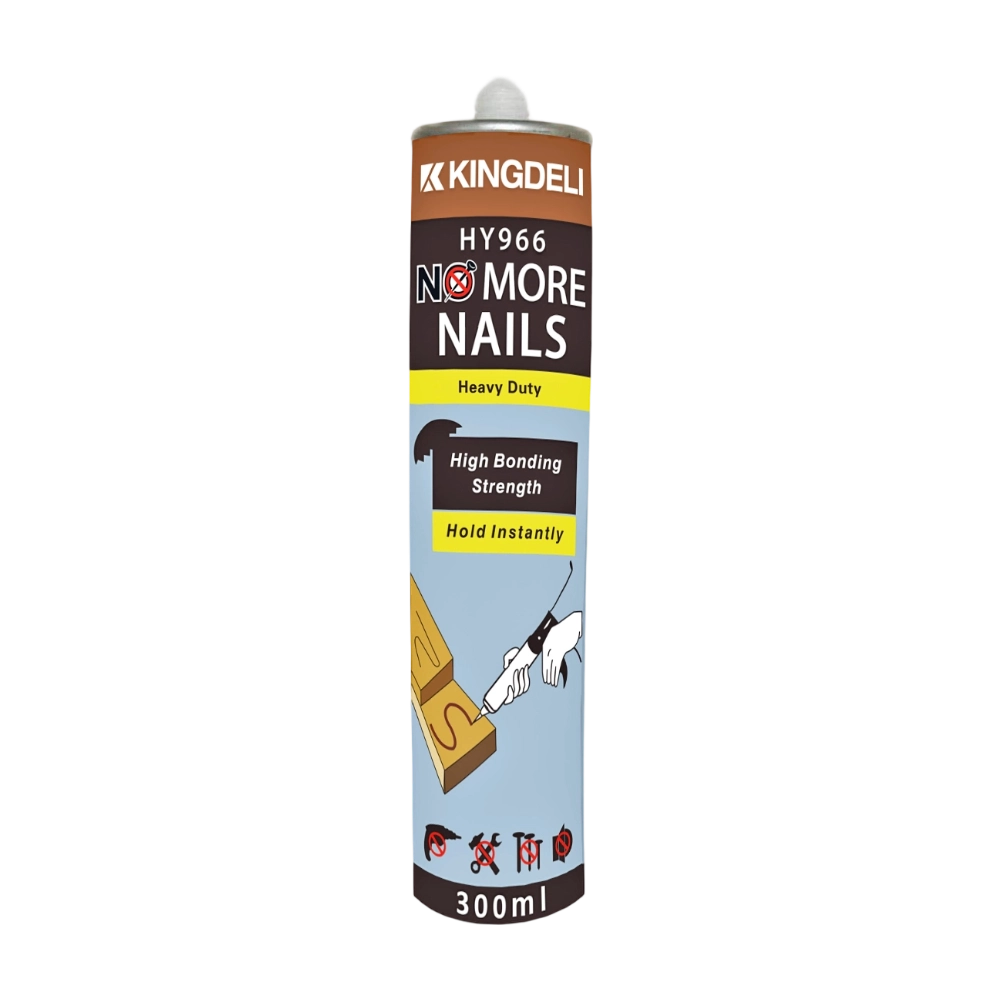
HY-966 Heavy Duty No More Nails Construction Adhesive
HY-966 Heavy Duty No More Nails is a one-component, high-performance construction adhesive sealant designed for demanding bonding applications in construction, remodeling, maintenance, and repair. Its instant grab formulation secures materials immediately, significantly reducing the need for bracing or mechanical fixing during installation.
HY-966 cures reliably in moist environments and delivers durable adhesion across a wide range of substrates. It provides excellent resistance to water, temperature variation, and aging, ensuring long-term performance in interior construction applications.
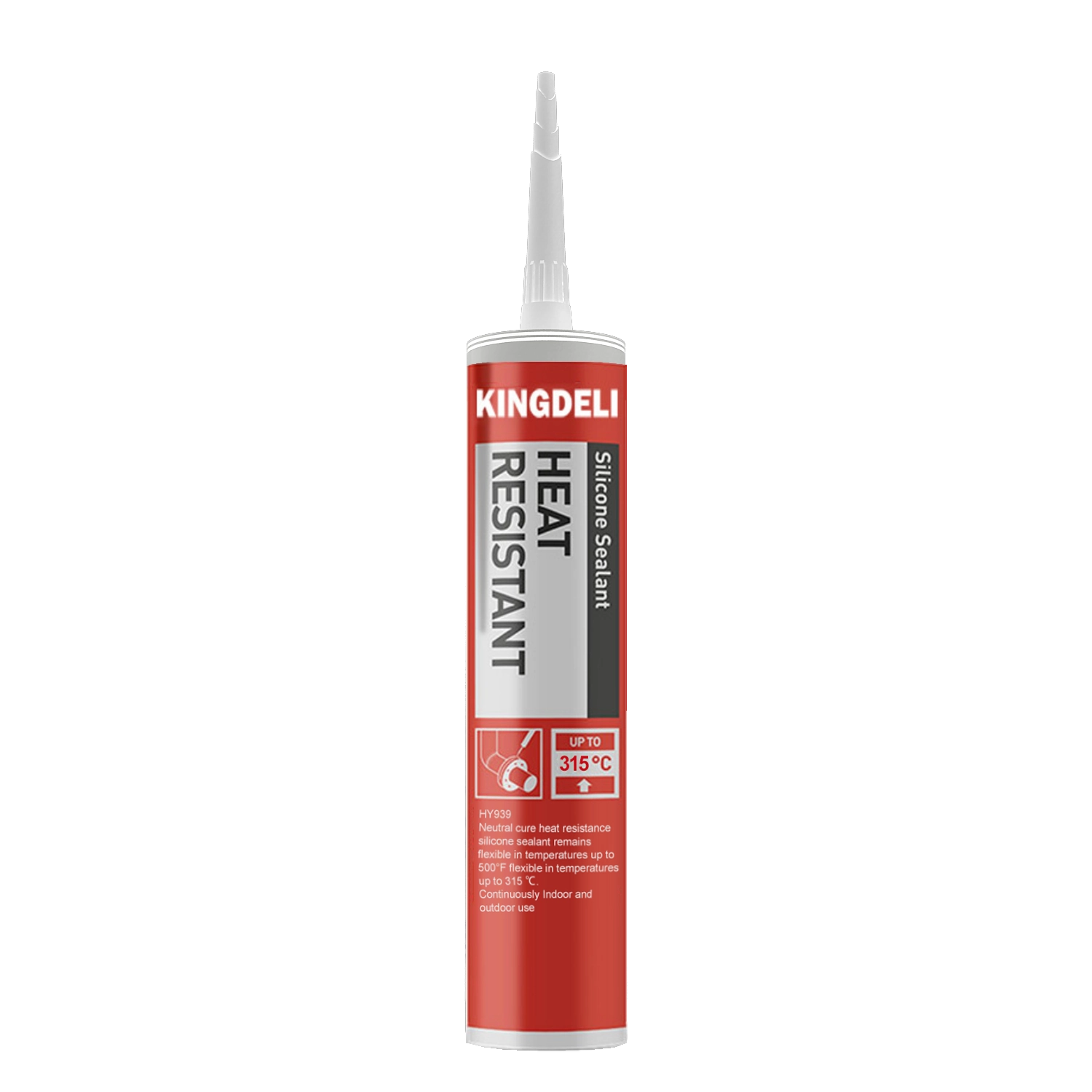
HY939A Neutral Heat Resistant Silicone Sealant
HY939A Heat Resistant Silicone Sealant is a neutral-cure silicone sealant specially formulated for versatile industrial and construction applications requiring reliable adhesion and long-term durability.
The sealant provides strong, non-corrosive adhesion to a variety of substrates, including glass, metal, gypsum board, marble, and certain plastics, making it ideal for both structural and sealing purposes.
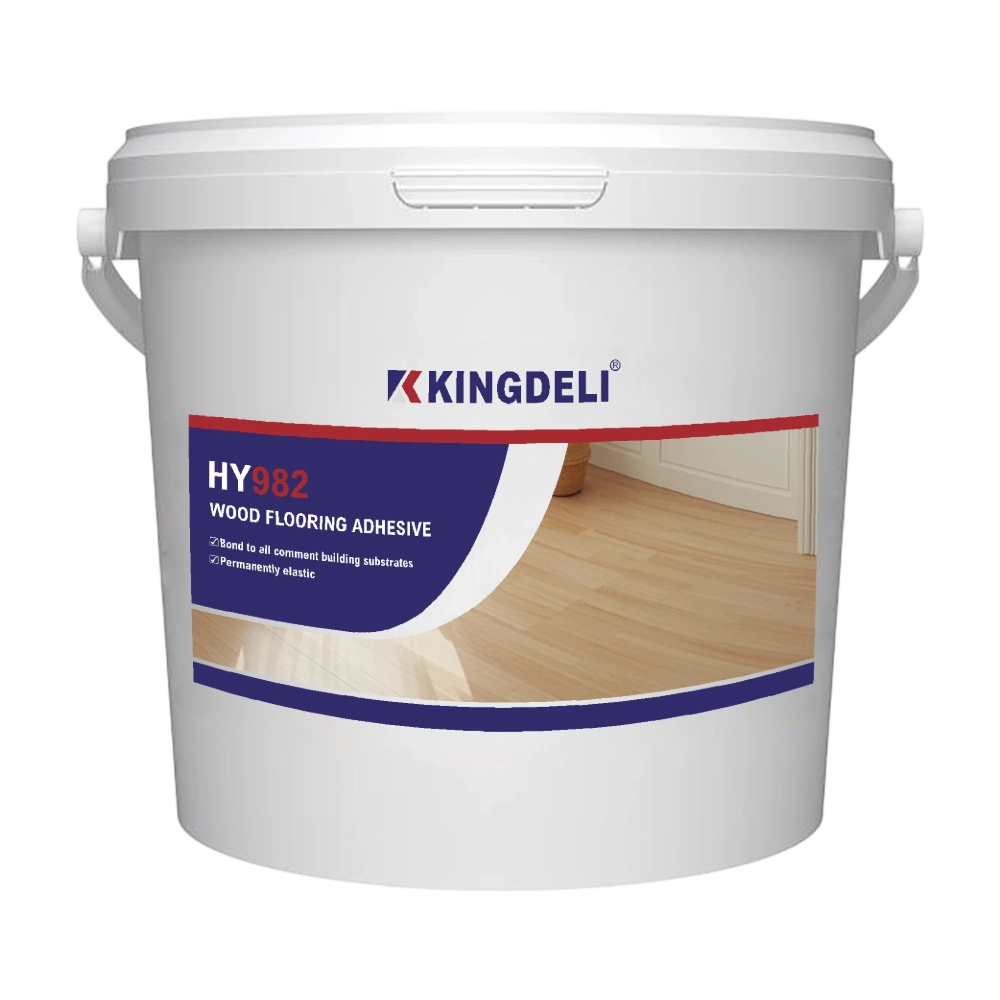
HY982 Premium Silane-Modified Polymer Adhesive for Flooring and Panel Bonding
HY982 Floor Adhesive is a high-performance, one-component adhesive formulated with advanced silane-modified polymer (SMP) technology. It is paintable, non-staining, and environmentally friendly, offering exceptional bonding strength without the need for a primer.
Designed for modern interior installations, HY982 Floor Adhesive provides excellent adhesion to wood, metal, stone, sintered slabs, glass, ceramics, and many other common building materials—making it the ideal choice for flooring installation and panel bonding applications crystal clear formulation.
Let’s Build Stronger Bonds with Quality Adhesives and Sealants
Have questions about the topic or need tailored sealant solutions for your project?
Our team is ready to provide expert guidance, product recommendations, and application support.
Innovating with Integrity, Bonding the World
Since 1998, KINGDELI has delivered trusted, sustainable sealant solutions that connect industries and inspire progress worldwide.
Whatsapp: +8618825946249
Kingdeli
Kingdeli
Kingdeli
Kingdeli
Kingdeli