











How to optimize application processes with acetic silicone sealant?
Acetic silicone sealant (acetoxy silicone) is widely used for glazing, sanitary joints, and general weatherproofing for its fast skin time and strong adhesion to glass and many non-porous substrates. Yet installers and procurement teams frequently face specific performance problems that general guides don’t resolve. Below are six long-tail, pain-point-focused questions beginners and buyers often search for — each answered with actionable, standards-aligned guidance to optimize application processes and purchasing decisions.
1. How can I prevent substrate corrosion and edge staining when applying acetic silicone sealant to copper, brass, galvanized steel or plated metals?
Problem: Acetic silicones release acetic acid during cure. That residual acid vapor can attack susceptible metals (copper, brass, zinc, galvanized steel, some plated finishes), causing dark corrosion stains at joint edges and long-term degradation of the metal-sealant interface.
Actionable steps:
- Do a materials compatibility check on every metal. Consult the metal mill certificate or finish spec — if it contains free copper, zinc or is unpassivated, assume risk.
- Where possible, choose a neutral-cure silicone for metal joints. If acetic silicone is required for other reasons, use a physical barrier: thin, chemically compatible paint or a corrosion-inhibiting primer certified for use under silicones. Ensure the coating is fully cured before sealant application.
- Apply a compatibilizing primer approved for the specific metal and acetic silicone. A silane-based primer designed for metal-silicone interfaces reduces acid contact and improves adhesion. Follow primer flash-off times strictly.
- Use a closed-cell polyethylene backer rod to eliminate sealant contact with the opposite substrate edges and reduce trapped solvent/acid vapors migrating to metal surfaces.
- Run mock-up joints and accelerated aging (see question 6) to confirm no discoloration or corrosion after 1,000 hours of UV/salt spray exposure. If staining appears, switch to a neutral cure product or provide additional metal protection.
Standards note: This is a common industry mitigation aligned with manufacturer datasheets and general practice derived from ASTM/ISO guidance on materials compatibility.
2. What exact surface preparation and primer will ensure reliable adhesion of acetic silicone sealant to low-energy plastics (e.g., PP, PE, PTFE, ABS)?
Problem: Acetic silicone bonds poorly to low-energy plastics. Generic cleaning often fails and leads to adhesive failure weeks after installation.
Step-by-step recommended protocol:
- Mechanical prep: Lightly abrade the surface (scuff with 180–240 grit) to increase surface area. For very smooth plastics, use flame or plasma treatment if available; these raise surface energy transiently.
- Cleaning: Degrease with isopropyl alcohol (IPA) or a purpose-made silicone cleaner. Avoid leaving residue. Do not use silicone-containing cleaners or wet wipes that contain silicones or oils.
- Primer selection: Use a silane-based adhesion promoter specifically listed for both the target plastic and acetoxy silicone. For PP/PE, look for primers containing chlorinated solvents + silane in manufacturer-approved formulas — note that some primers are proprietary and require manufacturer approval before use.
- Controlled application: Apply primer per datasheet (thin, uniform coat), allow the recommended dwell/flash-off time (often 5–15 minutes), then apply acetic silicone within the primer recoat window.
- Qualification: Test a bonded sample with the intended joint geometry for at least 7–14 days before production use (adhesion/lap shear and peel tests per ASTM C794 or internal method).
Key procurement note: Ask suppliers for a primer compatibility list and request adhesion test certificates for the exact substrate grade and surface finish you will use. If the supplier cannot provide data, budget for mockups.
3. How should I set up automated dispensing and tooling parameters for acetic silicone sealant to reduce waste and ensure consistent beads in a production line?
Problem: Inconsistent bead shape, under-/over-dispensing, and gelling in hoses lead to rejects and downtime.
Optimization checklist:
- Dispensing equipment: Use a positive-displacement piston pump or progressive cavity pump for high-viscosity silicone. For cartridge applications, use pneumatic piston guns. Avoid diaphragm pumps for high-viscosity acetoxy silicones on continuous lines.
- Reservoir and hose handling: Maintain material at stable temperature. Store bulk drums at 18–25°C; avoid heating above manufacturer limits (heating reduces viscosity but risks premature cure or additive separation). Use short, direct run hoses and minimize dead volume to reduce waste and skinning in lines.
- Nozzle and orifice sizing: Match nozzle diameter to bead width — typical nozzle ID for 6–10 mm beads is 3–6 mm, but create process charts tying dispense speed to pressure/air psi. For pneumatic guns, typical shop pressure ranges 20–60 psi (1.4–4.1 bar) — fine-tune to achieve laminar bead flow without sputtering.
- Tooling and profiling: Use shaping rails or fixtures immediately post-deposition. For automated tooling, synchronize tooling head movement with pump stroke to avoid pulling or air entrapment.
- Environment control: Maintain stable temperature and relative humidity in the dispensing area. Acetic silicones cure by moisture; very low RH will slow cure and increase tack time, causing sagging in vertical joints.
- Routine maintenance: Purge lines at shift end, use disposable end-of-line tips, and establish a cleaning SOP with recommended solvents (check manufacturer guidance — some silicones require scraping rather than solvent cleaning).
Measure first-pass yield (bead geometry tolerances) and set SPC (statistical process control) limits. Supplier technical reps can often provide dispense charts for their products.
4. What joint design, depth-to-width ratio, and backer rod selection will minimize adhesive stress and avoid cohesive failure with acetic silicone sealant?
Problem: Incorrect joint geometry causes excessive stress on the sealant leading to cracking or adhesion loss during thermal cycling.
Design rules (industry-proven):
- Width-to-depth ratio: Target a 2:1 width-to-depth ratio (i.e., depth = width/2). Common practice: if joint width is 12 mm, depth should be 6 mm. This promotes optimal elastic movement. For very narrow joints (<6 mm width), depth often set to 4–6 mm minimum per product datasheet.
- Minimum and maximum depths: Follow manufacturer limits; typical minimum depth is 5–6 mm to prevent substrate contact and ensure elastic performance; maximum single bead depth often 12 mm to avoid skin-only cure and internal voids.
- Backer rod: Use closed-cell polyethylene backer rod sized at ~10–20% larger than joint width to ensure compression and a continuous bond-breaker. Closed-cell rods prevent adhesion to the back face; do not use open-cell foams that allow sealant intrusion or moisture entrapment.
- Bonding pattern: Ensure the silicone bonds only to two sides (substrates) and not to the backer rod. Use bond-break tapes where a backer rod cannot be used.
- Movement accommodation: For acetic silicone, expect nominal movement capability around ±25% for many formulations. Design expansion/contraction limits accordingly (consult ASTM C920 classification and your sealant’s specific movement range).
Practical tip: Create a standard detail drawing for each joint type (window glazing, façade perimeters, horizontal seams) and include specified backer rod type and primer callouts on purchase orders to avoid installer substitutions.
5. How can I reliably accelerate cure of acetic silicone sealant in cold or low-humidity factory conditions without compromising long-term adhesion?
Problem: Cure speed of acetoxy silicone depends on ambient moisture. Low RH and low temperature slow cure, causing tacky surfaces and production delays. Some users attempt additives or heat that degrade performance.
Safe acceleration strategies:
- Increase ambient relative humidity in the curing zone. Installing localized humidifiers to raise RH to 40–60% near cure stations often increases cure rate without changing chemistry.
- Raise substrate temperature in the curing zone to the product’s recommended range (typically 18–30°C). Use radiant heaters or heated ovens with controlled, uniform temperature — avoid hotspots that could cause outgassing or substrate damage.
- Reduce cross-section: Where design allows, reduce bead depth to increase surface-area-to-volume ratio so moisture penetrates faster; but maintain the width/depth ratio rules (question 4).
- Avoid mixing or adding accelerators unless the sealant manufacturer explicitly offers an accelerator package. Generic accelerators or solvents can change cure chemistry, lower adhesion and void warranties.
- If speed is critical, specify a fast-curing acetoxy grade from the manufacturer or evaluate neutral-cure silicones formulated with faster cure rates for low-humidity. Request technical datasheets with measured cure rates at the target RH/temperature.
Data reference: Typical acetoxy silicone cure rates are 1–2 mm per 24 hours at 23°C/50%RH; performance will slow in colder/drier conditions. Apply manufacturer test data for your precise environment before production.
6. What practical on-site and accelerated tests can verify long-term adhesion and elasticity of acetic silicone sealant before committing to large purchases?
Problem: Buyers often rely on supplier claims without field-proof; failures after deployment are expensive and reputationally damaging.
Recommended verification protocol:
- Mock-ups: Produce full-size mock-up assemblies using the exact substrates, surface finishes, primers, backer rods, joint geometry, and application method planned for production. Cure under site conditions for at least 28 days if possible.
- Adhesion tests: Conduct peel or lap-shear tests. ASTM C794 (standard test method for adhesion-in-peel of sealants) and ASTM C1193 guide field adhesion evaluation procedures. Measure adhesion strength and mode (adhesive vs cohesive failure).
- Movement cycling: Perform cyclic movement testing per your project standard (thermal cycles between expected on-site extremes) to observe cracking or loss of adhesion over repeated movement. Track elongation and return properties.
- Accelerated aging: Use UV exposure, condensation, and salt spray per ASTM/ISO test sequences (e.g., ASTM G154 for accelerated UV, ASTM B117 for salt spray) to assess weathering and corrosion risks. Post-aging adhesion checks will reveal long-term tendencies.
- Visual and tactile inspection: Check for discoloration, edge staining, surface chalking, or increased tackiness.
- Documentation: Record all process parameters (RH, temp, primer lot, lot numbers of sealant) to trace performance issues later; require manufacturers to supply MSDS, TDS, and shelf-life information for QA records.
Procurement tip: Include acceptance criteria in purchase orders (e.g., no more than X% adhesion loss after 1,000 hours accelerated testing) and require supplier-backed test data for the specific substrate combination.
Standards context: These tests are aligned with industry standards such as ASTM C920 (elastomeric joint sealants), ASTM C794, and ISO 11600. Use them as a framework but adapt test severity to your service environment (coastal, industrial, interior sanitary, etc.).
Conclusion — Why optimize your acetic silicone application process?
When applied with the right surface prep, primer, joint design, and dispensing controls, acetic silicone sealant delivers fast skinning, strong adhesion to glass and many non-porous substrates, and durable weatherproofing at a competitive price. The trade-offs include acetic cure chemistry (which can corrode certain metals and is less paintable than neutral silicones), dependence on ambient moisture for cure, and care needed for low-energy plastics. By following targeted protocols — compatibility checks, mock-ups and tests, controlled dispensing, backer rod and bond-breaker selection, and site-specific cure control — purchasers and installers can reduce failures, lower lifecycle costs, and improve first-time-right installation rates.
Contact us to request product datasheets, mock-up support, or a tailored quote: visit www.kingdelisealant.com or email info@kingdeliadhesive.com.
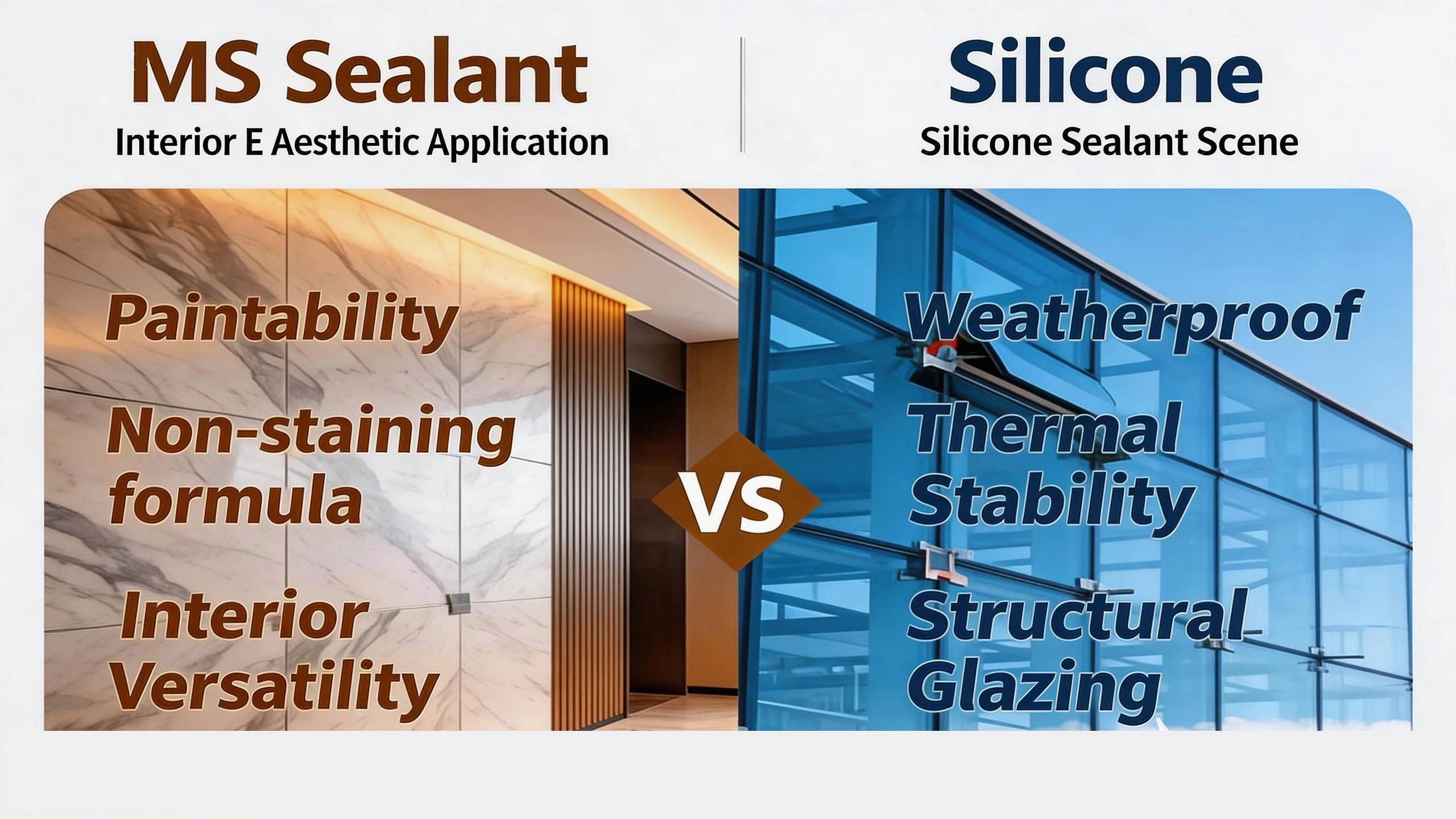
MS Sealant vs. Silicone: Which is Right for Your Construction Project?
The Ultimate Guide to Choosing a Silicone Sealant Manufacturer in 2026: 10 Critical Factors Often Overlooked
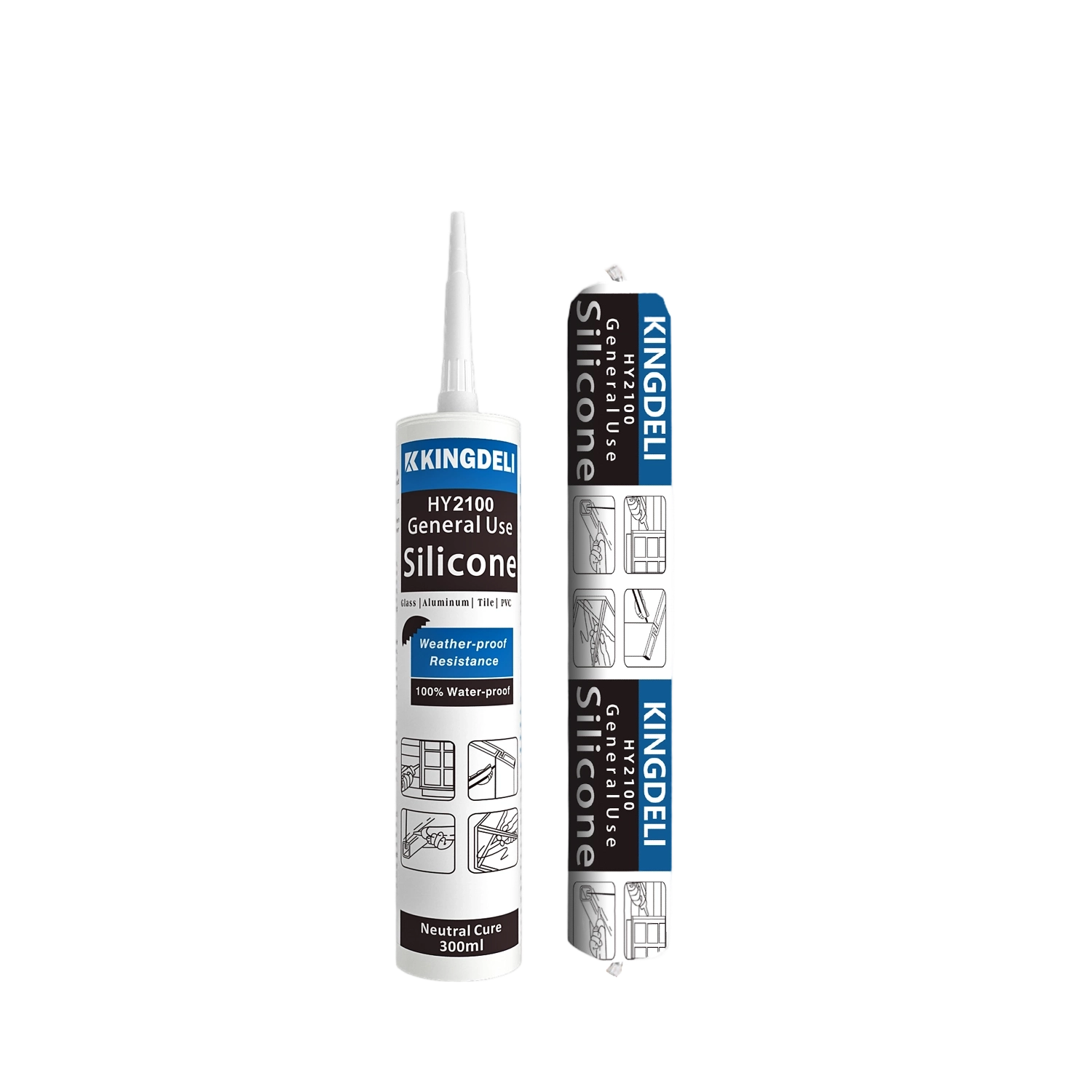
Industrial Applications of Acetic Silicone Sealant: Beyond Basic Glass Sealing
Top Factors to Consider When Choosing an Acetic Silicone Sealant Manufacturer in China
HY994
What packaging options are available?
HY994 is supplied in:
300 mL cartridges
400 mL / 600 mL foil sausages
20 L pails
200 L drums
HY-3300
How can I become a KINGDELI distributor or partner?
We welcome global distributors and partners. Please contact us to discuss cooperation opportunities and learn more about our partnership programs.
HY723
What is the primary application of HY-723?
It is primarily used to control the spread of fire, smoke, and toxic fumes within areas surrounded by firewalls, such as construction joints and partitions.
HY995
Can the sealant be painted?
Yes. HY995 is paintable after curing with most water-based paints. It is recommended to perform a small compatibility test before full application.
HY-951
Is HY951 waterproof and mildew-resistant?
Yes. HY951 provides excellent waterproof performance and long-term mildew resistance, making it ideal for wet and high-humidity environments.
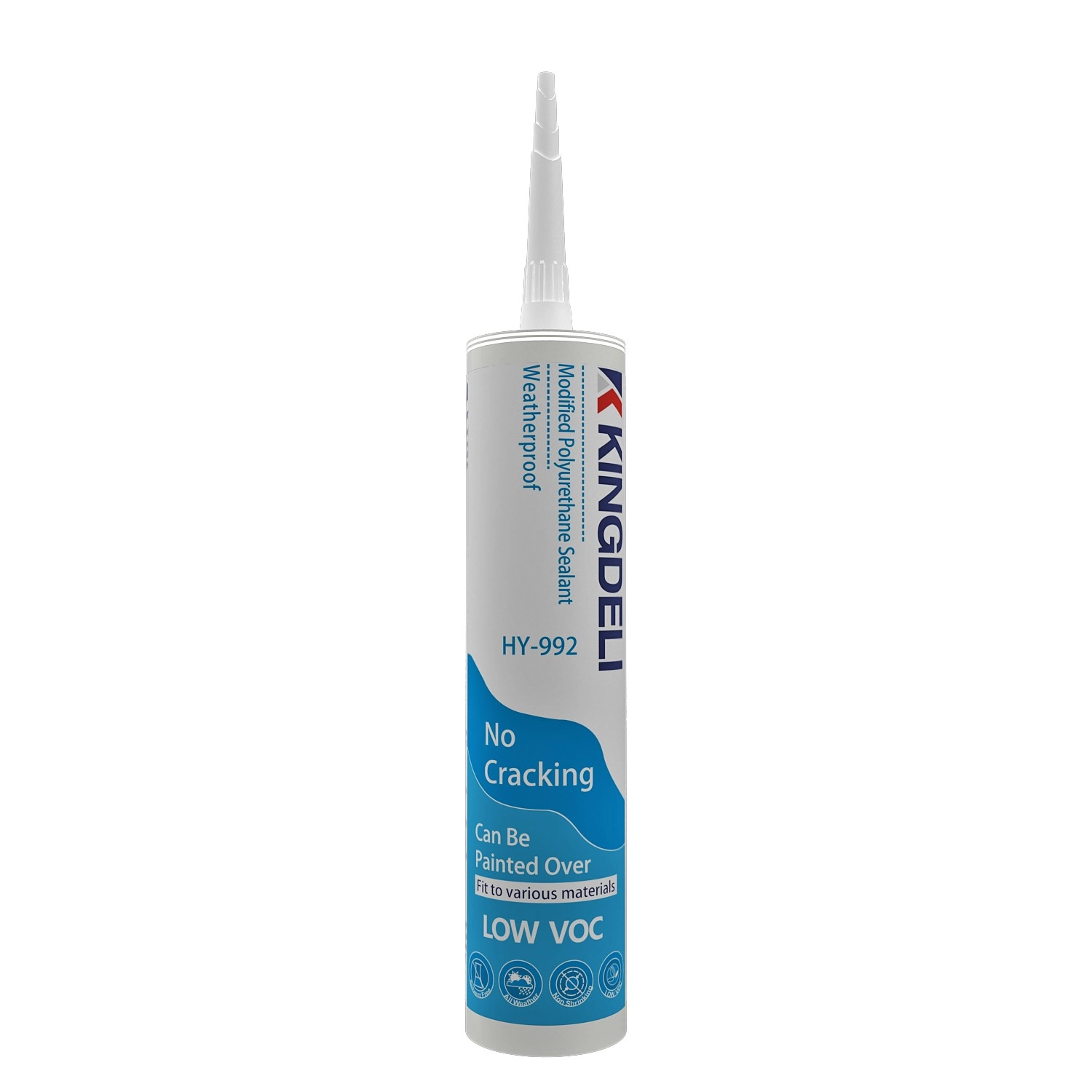
HY992 Modified Polyurethane Construction Sealant
HY992 Modified Polyurethane Sealant is a one-component, moisture-curing construction sealant designed for professional building and structural sealing applications. It provides excellent adhesion, weather resistance, and durable elasticity, making it suitable for a wide range of construction materials.
The formulation delivers strong bonding performance without corrosion or substrate contamination, while maintaining low VOC content for environmentally responsible construction projects.

HY995 Crystal Clear Ms Polymer Adhesive/Sealant
HY995 Crystal Clear Ms Polymer Adhesive/Sealant is a new generation MS Polymer adhesive / sealant formulated for all bonding and sealing applications where long term reliability is required. It has excellent bonding strength on various materials. It will cure to form a durable, flexible, waterproof seal.

HY997 High-Performance Anti-Microbial MS Polymer Sealant
HY997 MS polymer sealant for is is a premium one-component, neutral-curing modified silane sealant engineered for demanding interior applications. It offers a Class 20 movement capability, ensuring long-lasting flexibility and reliable performance under dynamic joint conditions. Curing at room temperature, HY997 delivers superior anti-microbial and mildew-resistant properties, maintaining hygienic and clean environments over time.
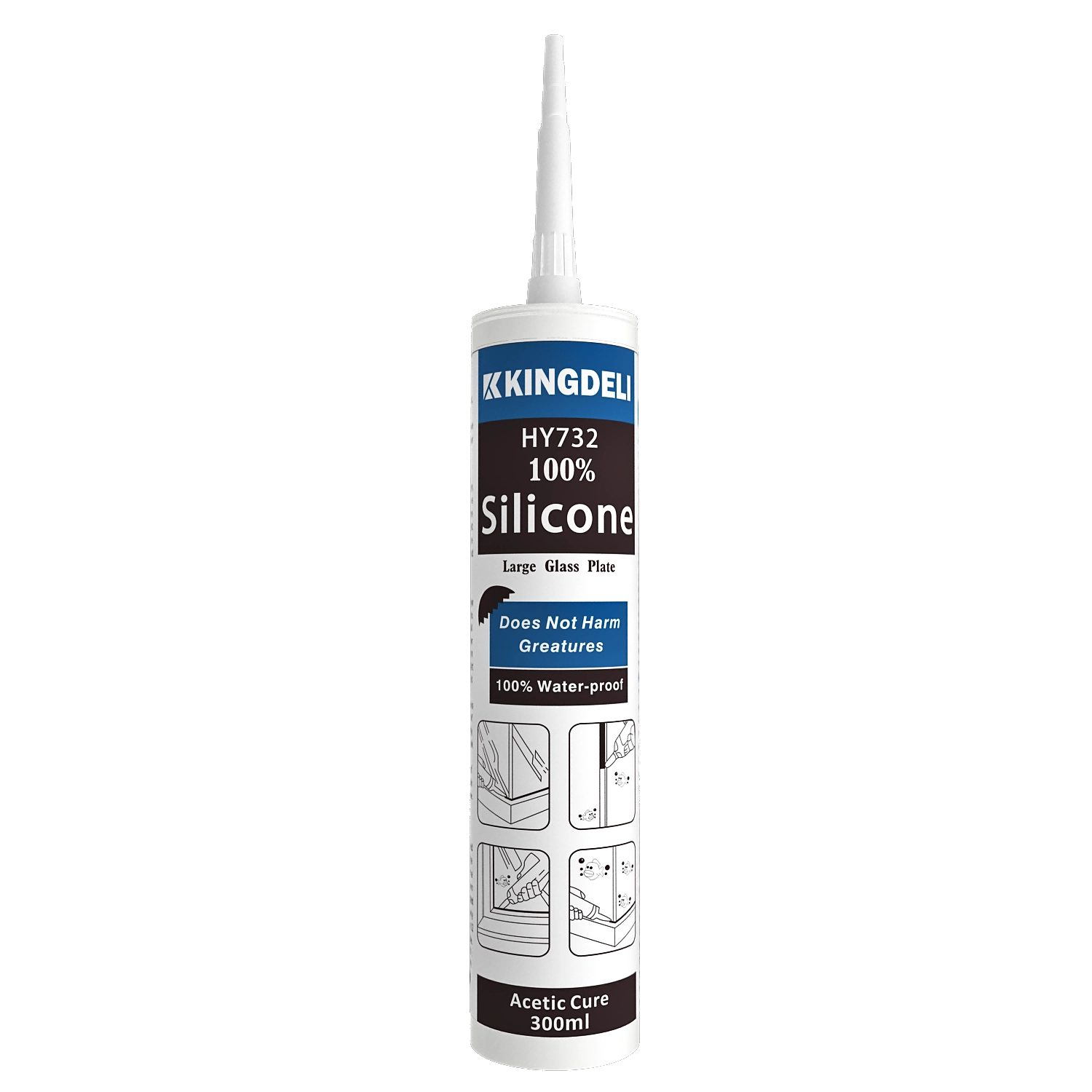
KINGDELI HY732 Professional Acetoxy Cure Silicone Sealant
KINGDELI HY732 is a professional-grade, one-component acetoxy cure silicone sealant designed for fast curing, strong adhesion, and long-lasting flexibility. Ideal for aquariums, glass applications, aluminum doors and windows, kitchens, and bathrooms, it provides reliable sealing performance with excellent anti-fungal protection in high-humidity environments.
Let’s Build Stronger Bonds with Quality Adhesives and Sealants
Have questions about the topic or need tailored sealant solutions for your project?
Our team is ready to provide expert guidance, product recommendations, and application support.
Innovating with Integrity, Bonding the World
Since 1998, KINGDELI has delivered trusted, sustainable sealant solutions that connect industries and inspire progress worldwide.
Whatsapp: +8618825946249
Kingdeli
Kingdeli
Kingdeli
Kingdeli
Kingdeli