











How does temperature affect curing of neutral cure silicone sealant?
Neutral Cure Silicone Sealant: How Temperature Affects Curing — 6 Practical FAQs for Buyers
This article answers six specific, commonly overlooked questions about neutral cure silicone sealant and how temperature and site conditions affect cure, adhesion and long-term performance. It targets specifiers, installers and procurement teams seeking reliable, standards-based guidance on selecting sealants for façade, glazing, sanitary and industrial joints.
1. How low can ambient temperature be for a neutral cure silicone sealant to achieve a reliable skin and full cure overnight?
Short answer: Most neutral cure silicones will form a surface skin above ~5°C but the full cure will be dramatically slower at low temperatures. Expect skin formation times and cure depth to increase non-linearly as temperature drops. Typical behavior (general industry ranges for oxime/alkoxy neutral cure silicones at 50% RH):
- At 23°C / 50% RH — skin time ~10–30 minutes; cure depth ~1–2 mm/24 h (common benchmark).
- At 10°C / 50% RH — skin time ~20–60 minutes; cure depth ~0.5–1 mm/24 h.
- At 5°C / 50% RH — skin time often >30–90 minutes; cure depth often <0.5 mm/24 h.
- At ≤0°C — many neutral silicones will not cure reliably because condensation/moisture availability is limited; some specially formulated “low-temperature” silicones cure down to ~-10°C but are the exception and must be specified.
Why this matters: neutral cure silicones are moisture-curing. Lower temperature reduces water vapor pressure and reaction kinetics, so cure rate slows. If you must seal in marginal cold, use products explicitly rated for low-temperature application or reduce joint depth using a closed-cell backer rod to avoid uncured cores.
2. Can neutral cure silicone be applied to damp substrates in cold weather without primer?
Short answer: Generally no — damp or wet surfaces and low temperatures both reduce adhesion reliability and increase the risk of bond failure or blush. Neutral cure silicones (oxime/alkoxy types) are more tolerant than acetoxy (which evolves acetic acid), but moisture films, frost or standing water prevent intimate contact and can trap liquids under the bead.
Practical guidance:
- Surface condition: Surfaces should be clean, dry and free of frost/oil. Light dampness (slightly moist but not pooled water) can sometimes be tolerated by specific formulations, but manufacturer compatibility data and adhesion tests are essential.
- Use of primer: For porous or galvanised metals and in high-moisture or cold conditions, use a manufacturer-recommended primer to ensure adhesive performance. Primers reduce the sensitivity to micro-moisture and improve peel/tensile performance under thermal cycling.
- Testing: On-site adhesion testing (90° peel or dynamic mock-up) at the anticipated application temperature and moisture is best practice before large-scale work.
3. What is the real cure depth per 24 hours at different temperatures and humidities — can I predict full cure time for deep joints?
Short answer: Cure depth depends primarily on temperature, relative humidity and product chemistry. Use conservative estimates for planning; do not assume linear cure with depth. Example conservative guide ranges (oxime/alkoxy neutral silicones):
- 23°C / 50% RH: 1.0–2.0 mm/24 h
- 10°C / 50% RH: 0.4–1.0 mm/24 h
- 5°C / 50% RH: 0.2–0.5 mm/24 h
- High humidity (80% RH) at 23°C may increase cure depth by ~25–50% vs 50% RH.
How to predict: Calculate required cure days = joint depth (mm) / expected cure rate (mm/day) and include a safety factor (×1.5–2) especially for critical joints. For example, a 10 mm deep joint at 10°C will take roughly 10 / 0.7 ≈ 14 days (plus margin) to reach a tack-free core.
Practical countermeasures for deep joints:
- Reduce depth via closed-cell backer rod so cure can progress from both faces (ideal depth: 6–8 mm for many applications).
- Use a shallow profile or multiple shallow layers rather than one deep fill.
- Select a faster-curing product rated for cold/humid sites if deep filling is unavoidable.
4. Will neutral cure silicone bond to aluminium, galvanised steel or treated timber without primer and survive temperature cycling?
Short answer: Sometimes — but not reliably for all metals or finishes. Adhesion is substrate- and finish-dependent; thermal cycling exposes weak bonds and often reveals adhesion issues absent during initial cure.
Key points:
- Aluminium and anodised finishes: Often need a specific primer to achieve long-term adhesion, especially for structural or façade joints. Unprimed adhesion can fail after thermal cycling, particularly with anodised or chromate-converted surfaces.
- Galvanised steel and zinc-coated substrates: Fresh, clean galvanised surfaces may accept neutral silicones, but aged or passivated coatings typically require a primer to ensure durable adhesion through freeze/thaw and thermal expansion.
- Treated timber and porosity: Timber should be dry and primed if extractives or waxes are present. Wood movement combined with silicone's elastic properties can work well if joint design accounts for expected seasonal shrink/swell and movement capability of the sealant (check product movement capability: common neutral silicones = ±25% to ±50%).
- Standards: Specify products meeting ASTM C920 and EN 15651 where appropriate; these standards classify movement capability, adhesion and durability. For structural glazing, choose structural-grade neutral silicones designed for dynamic loads.
5. How can I safely accelerate cure on cold days for mission-critical joints without damaging mechanical properties?
Short answer: Use approved methods — increase local humidity and moderate temperature — and avoid ad‑hoc chemical accelerators. Improper acceleration can cause incomplete crosslinking or reduced elongation and tensile strength.
Safe acceleration tactics:
- Raise ambient temperature locally: tenting and using heaters to bring the workspace to ~15–25°C will increase cure rate. Maintain ventilation and avoid open flames near cartridges or cured sealant.
- Increase relative humidity carefully: a light misting of ambient (not pooled water) around the joint can improve cure for moisture-curing silicones; beware of over-wetting the substrate.
- Reduce joint depth: use backer rod to allow faster cure from exposed faces and reduce trapped, uncured core.
- Use manufacturer-approved low-temperature grades: some neutral silicones are formulated to cure rapidly at lower temperatures — select these rather than trying to accelerate a standard product.
Unsafe/avoided actions:
- Do not add solvents, organic accelerants or unapproved additives — these can plasticize or inhibit proper network formation and reduce long-term mechanical properties (tensile strength, elongation).
- Avoid excessive heat (hot air guns at high temperatures) which can cause bubbling, surface char or internal voids.
6. What are realistic mechanical property expectations (tensile strength, elongation, hardness) for neutral cure silicone at different cure temperatures, and how does this affect joint design?
Short answer: Neutral cure silicones typically deliver high elongation and low-to-medium tensile strength; cure temperature mainly affects rate, not the final elastomeric properties—provided a full cure is achieved. Typical ranges for cured neutral silicones (room-temperature full cure, manufacturer-specific):
- Tensile strength (ISO 37 / ASTM D412): ~0.7–2.0 MPa (700–2000 kPa) depending on formulation.
- Elongation at break: commonly 200–600% (silicone elastomers are very flexible).
- Shore A hardness: typically 10–40 (soft to medium soft).
- Movement capability: many neutral silicones are rated ±25% to ±50%; structural silicones may have other classifications per ASTM/EN standards.
Effect of cure temperature: If full cure is achieved (even if slower at low temperature), the final cured elastomeric properties will generally fall within the product’s datasheet ranges. Incomplete or inhibited cures (common in cold/dry environments) will cause reduction in tensile strength and elongation. Always design joints considering the lower bound of movement capability and allow for thermal expansion of substrate materials.
Standards and best practice references (for specifiers): specify materials tested to ASTM C920 (sealant performance and movement classes), ISO 11600 (classification of sealants), and EN 15651 (façade and sanitary sealant performance). Review manufacturer technical data sheets for cure rates, minimum application temperatures, primer recommendations and compatibility with substrates and paints.
Concluding summary
Neutral cure silicone sealants provide low-odour, non-corrosive adhesion suitable for glazing, façades and many construction jobs. Their main advantages are excellent elasticity (high elongation), weather resistance, and chemical stability across broad temperatures when fully cured. However, their moisture-curing chemistry makes them sensitive to low temperature and low humidity: cold slows cure and wet or frosted substrates can compromise adhesion. To ensure reliable performance, select a product rated for your application environment, use primers where recommended (especially on aluminium, galvanised steel and porous substrates), limit joint depth with backer rod, and implement safe acceleration measures (warming, controlled humidity) only when manufacturer-approved.
For specification assistance or to request a quote on neutral cure silicone sealant suited to cold-weather or high-moisture projects, contact us at www.kingdelisealant.com or email info@kingdeliadhesive.com.
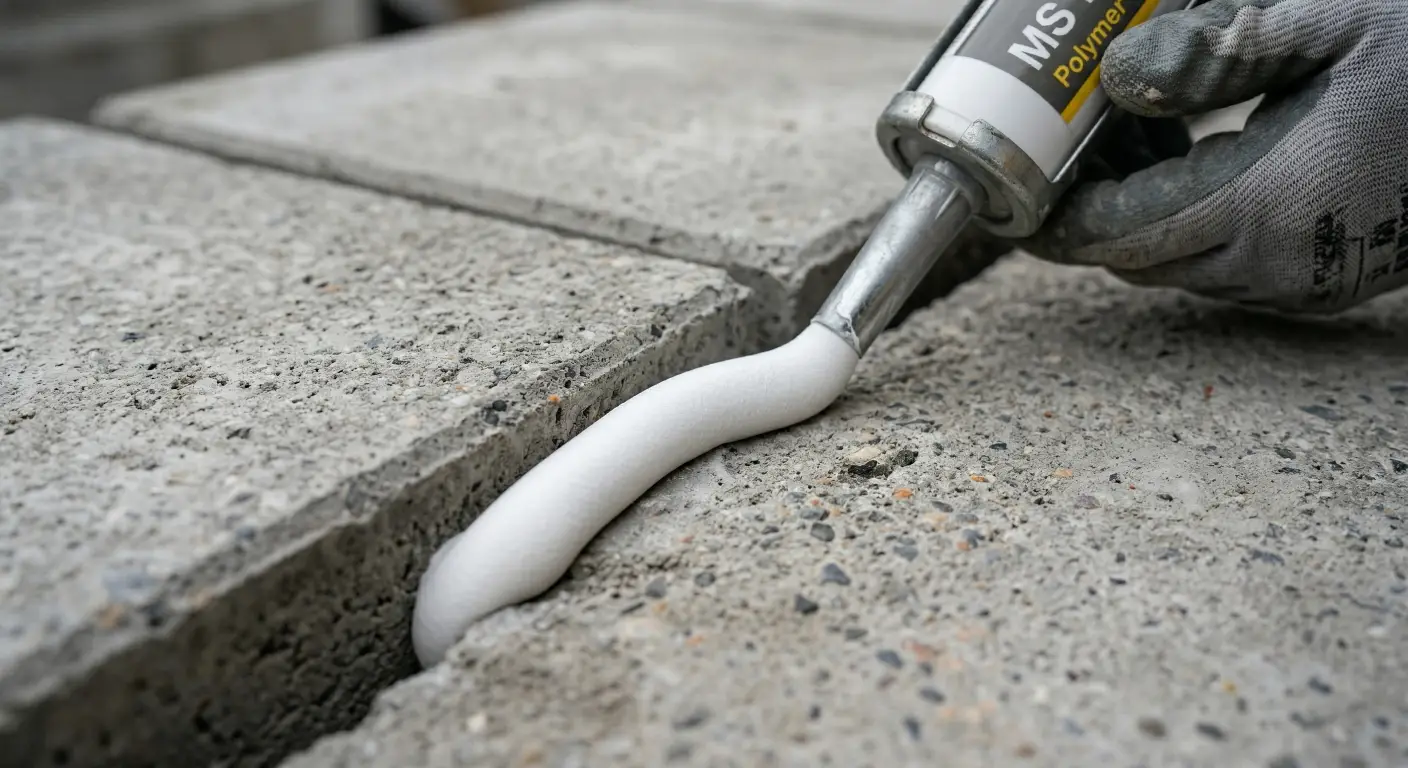
MS Polymer Sealant: The Ultimate Professional Guide for Modern Construction
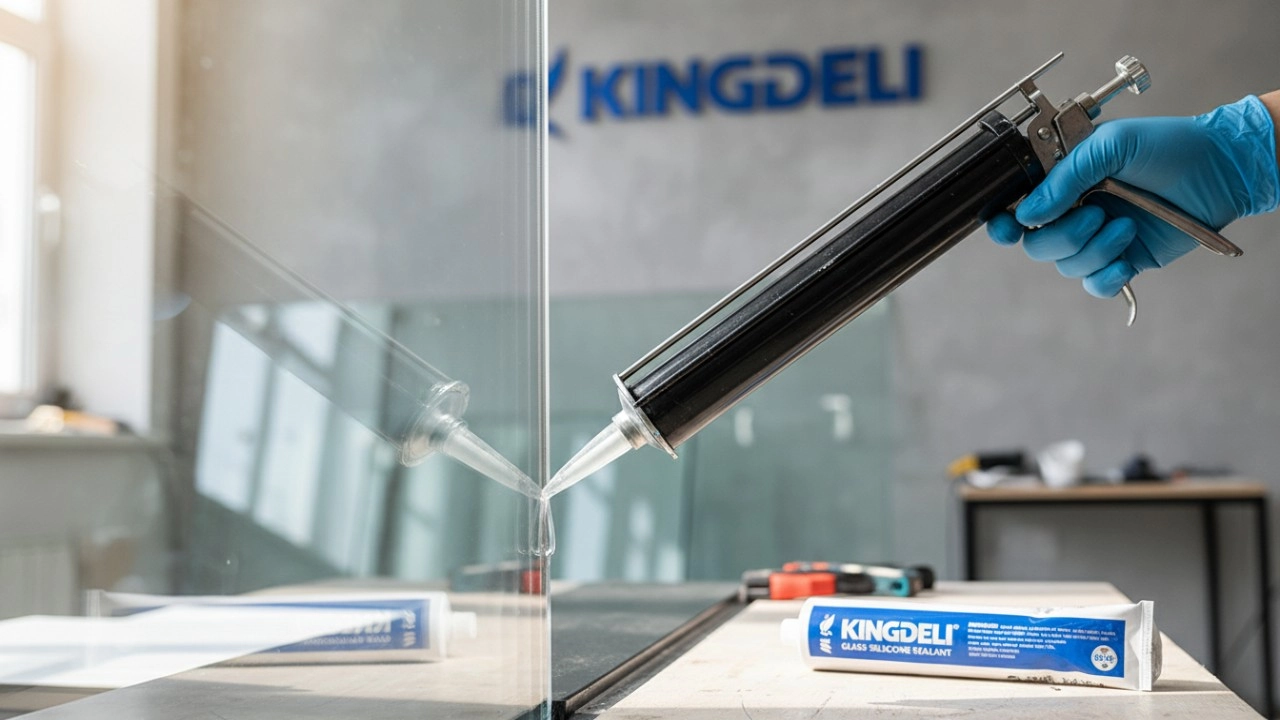
The 2026 Ultimate Guide to Glass Silicone Sealant: Everything You Need for a Perfect Finish
OEM vs. Branded Acetic Silicone Sealant: What’s Best for Your Distribution Business?
The Future of Sealants: 5 Emerging Trends in Wholesale Neutral Silicone Sealant Technology for 2026
HY924
What is the shelf life?
Aluminum cartridge: 9 months
Aluminum foil sausage: 12 months
Store in a cool, dry place for best shelf performance.
HY-976
Is this product suitable for outdoor use?
HY976 No More Nails is formulated for interior use only.
Is surface preparation necessary?
Yes. Surfaces must be clean, dry, and free from dust, grease, or contaminants. Very dusty or highly porous surfaces should be primed before application.
HY-2300
What is the working temperature for application?
Application environment should be maintained between 4℃–40℃ for optimal performance.
HY-3300
What are the key features of HY-3300?
HY-3300 is a 100% silicone, neutral-curing, high-modulus sealant with excellent UV, water, and weather resistance. It remains flexible and durable under extreme temperatures from -50℃ to +200℃, and is non-corrosive to metal and coated surfaces.
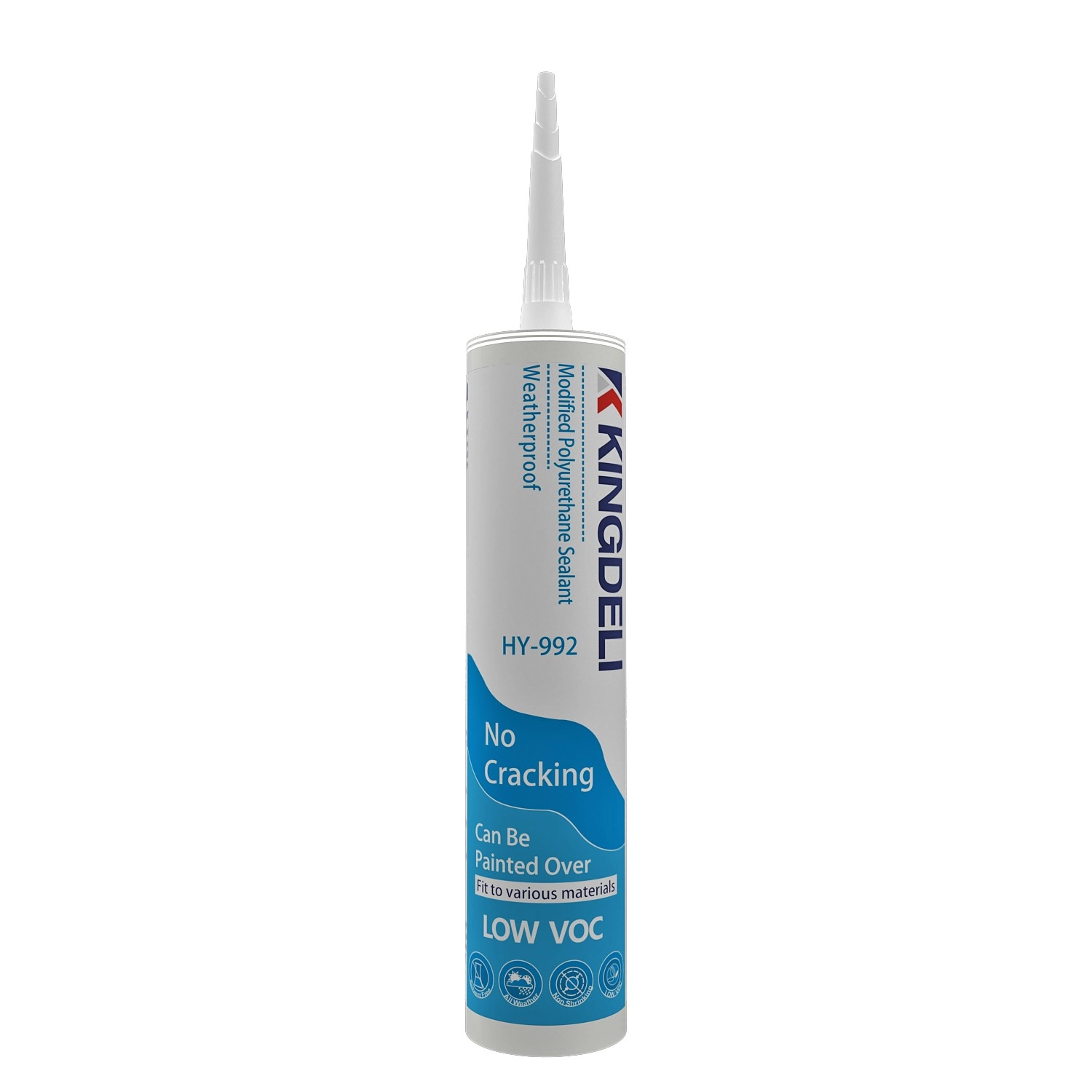
HY992 Modified Polyurethane Construction Sealant
HY992 Modified Polyurethane Sealant is a one-component, moisture-curing construction sealant designed for professional building and structural sealing applications. It provides excellent adhesion, weather resistance, and durable elasticity, making it suitable for a wide range of construction materials.
The formulation delivers strong bonding performance without corrosion or substrate contamination, while maintaining low VOC content for environmentally responsible construction projects.

HY995 Crystal Clear Ms Polymer Adhesive/Sealant
HY995 Crystal Clear Ms Polymer Adhesive/Sealant is a new generation MS Polymer adhesive / sealant formulated for all bonding and sealing applications where long term reliability is required. It has excellent bonding strength on various materials. It will cure to form a durable, flexible, waterproof seal.

HY997 High-Performance Anti-Microbial MS Polymer Sealant
HY997 MS polymer sealant for is is a premium one-component, neutral-curing modified silane sealant engineered for demanding interior applications. It offers a Class 20 movement capability, ensuring long-lasting flexibility and reliable performance under dynamic joint conditions. Curing at room temperature, HY997 delivers superior anti-microbial and mildew-resistant properties, maintaining hygienic and clean environments over time.
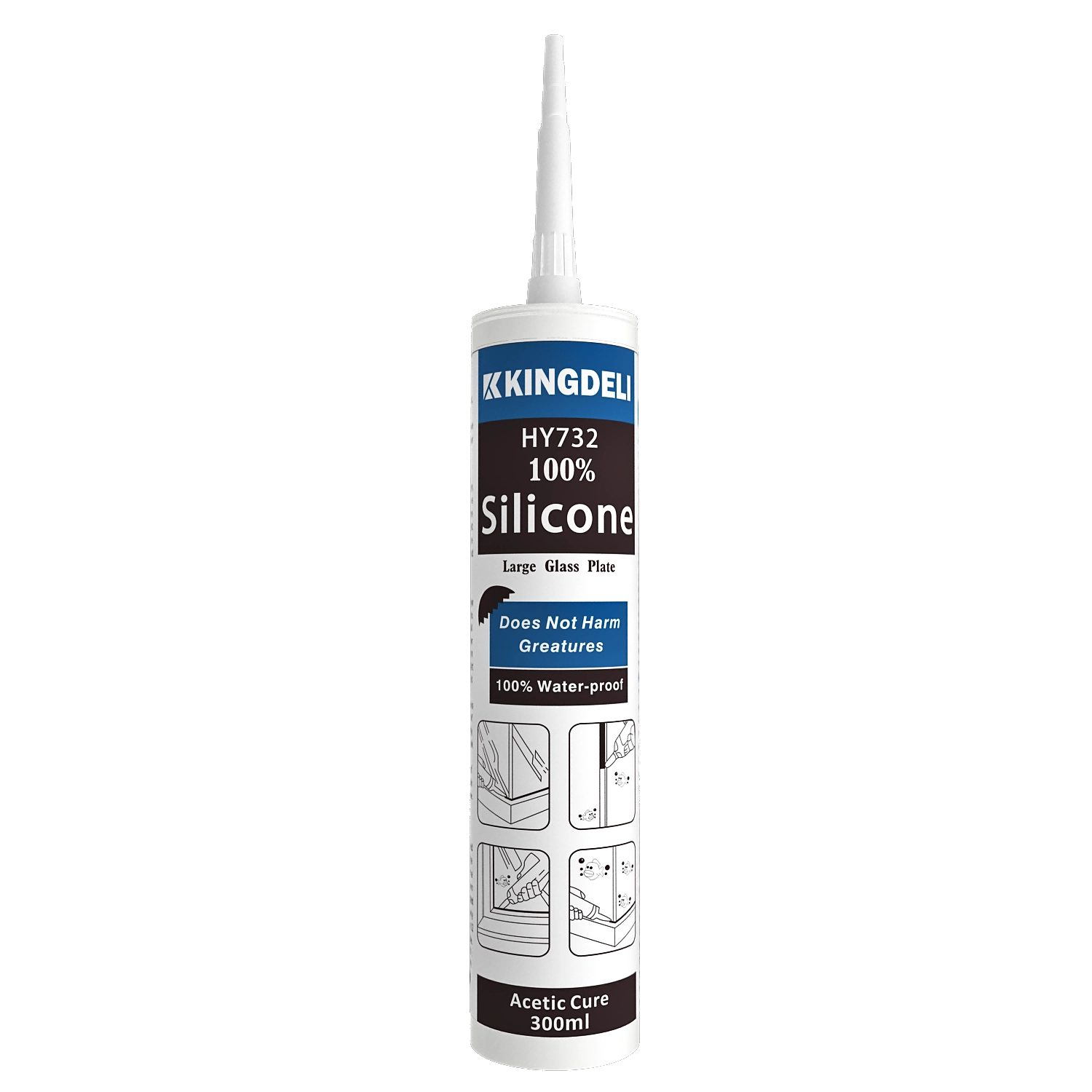
KINGDELI HY732 Professional Acetoxy Cure Silicone Sealant
KINGDELI HY732 is a professional-grade, one-component acetoxy cure silicone sealant designed for fast curing, strong adhesion, and long-lasting flexibility. Ideal for aquariums, glass applications, aluminum doors and windows, kitchens, and bathrooms, it provides reliable sealing performance with excellent anti-fungal protection in high-humidity environments.
Let’s Build Stronger Bonds with Quality Adhesives and Sealants
Have questions about the topic or need tailored sealant solutions for your project?
Our team is ready to provide expert guidance, product recommendations, and application support.
Innovating with Integrity, Bonding the World
Since 1998, KINGDELI has delivered trusted, sustainable sealant solutions that connect industries and inspire progress worldwide.
Whatsapp: +8618825946249
Kingdeli
Kingdeli
Kingdeli
Kingdeli
Kingdeli