











Can neutral cure silicone sealant be painted after full cure?
As a sealants and adhesives specialist with long experience in product selection, formulation differences, and on-site application troubleshooting, I answer six detailed beginner questions that many online sources leave vague or outdated. Each answer references industry norms (ASTM C920, cure-rate conventions, NSF/ANSI requirements) and gives step‑by‑step actions you can use when purchasing and specifying neutral cure silicone sealant.
1) Can I paint neutral cure silicone sealant after full cure with standard acrylic/latex paint without a primer?
Short answer: Almost never reliably. Neutral cure silicone sealant has a low surface energy and a chemically inert, cured surface that most water‑based and solvent‑based paints will not adhere to. Attempts to paint directly typically result in poor adhesion, peeling, and unsightly delamination within weeks or months.
Why: Silicone elastomers produce a non‑polar, low‑energy surface after curing; standard paints rely on mechanical and polar bonding that simply won't form on cured silicone. This is true for most alkoxy and oxime neutral cure formulations as well as acetoxy types (the latter have other corrosion issues).
When painting is unavoidable—practical workflow:
- Confirm full cure per manufacturer (see Q2). Do not paint on tacky or partially cured silicone.
- Choose either: (a) a dedicated silicone-to-paint primer/adhesion promoter recommended by the sealant maker, or (b) use a paintable hybrid sealant (silane‑modified polymer / SMP or acrylic‑silicone) instead of standard silicone.
- Surface prep: solvent wipe (isopropyl alcohol), light abrasion (120–240 grit) to increase mechanical key, then apply manufacturer‑approved primer per instructions.
- Use a flexible topcoat designed for expansion joints (elastomeric acrylic or polyurethane) and test a small patch under expected movement and weathering conditions before full production work.
Bottom line: If you must have a painted joint, specify a paintable sealant system or plan to use a compatible primer and flexible coating—do not rely on standard paint to adhere to cured neutral silicone.
2) How long must I wait for neutral cure silicone to fully cure before painting or loading, given joint depth and climate?
Core cure rate guidance: typical neutral cure silicones cure by crosslinking from the surface inward at about 2–3 mm per 24 hours at 23°C and 50% relative humidity. That is a general industry baseline; actual rates vary with temperature, humidity, joint profile, and formulation (alkoxy vs oxime vs specialty).
Practical timing rules:
- If joint depth ≤3 mm: allow at least 24–48 hours for surface cure; avoid painting until no tack remains and manufacturer confirms paint overage.
- Depth 5–10 mm: plan on 3–7 days to reach practical mechanical strength and outgassing completion.
- Deep joints (>10 mm): cure can take a week or more to achieve full crosslink density—full mechanical properties are commonly reached within 7 days but final performance may take 14–28 days in cold, dry conditions.
- Cold/dry environments: cure slows dramatically. Low humidity retards condensation‑cure chemistries. High humidity accelerates cure for moisture‑curing silicones.
Verification steps before painting or loading:
- Manufacturer datasheet: check stated tack time, skin‑over time, and cure rate.
- Tack test: if the surface is non‑tacky and has consistent hardness across the joint, it's a good sign surface cure is complete.
- Hardness measurement: compare Shore A or tensile strength after stated cure period to datasheet values if available.
- Outgassing: ensure any volatile by‑products have dissipated—important for aquarium or painted substrates (see Q5).
3) Will neutral cure silicone sealant stain porous natural stone or marble, and how do I prevent it?
Neutral cure silicones (alkoxy or oxime) are much less acidic than acetoxy types and therefore significantly less likely to chemically etch or corrode metal and some stones. However, staining or surface discoloration on porous stones (marble, limestone, travertine) remains a common problem because unreacted low‑molecular components, plasticizers, or extractables can migrate into porous substrates during cure.
Prevention checklist for stone applications:
- Always run a small, hidden test patch with the exact sealant and the stone sample for at least 7–14 days; observe for discoloration or blooming.
- Use a physical barrier: apply masking tape and remove sealant immediately after tooling; avoid prolonged contact on unsealed stone.
- Seal the stone with an appropriate topical stone sealer (penetrating sealer rated for the stone type) before applying sealant. This reduces capillary uptake of any migrating components.
- Consider color‑matched epoxy or polyurethane joint fillers that are explicitly labeled stone‑safe if appearance is critical; some contractors use non‑silicone solutions for marble due to risk aversion.
- Use backer rod and correct joint design to minimize sealant contact area on porous faces.
If staining occurs, removal is often difficult; professional stone restoration may be required. Prevention and testing are both essential.
4) Is neutral cure silicone safe for anodized aluminium or painted metal long‑term—will it cause corrosion or paint lift?
Neutral cure silicones are recommended for metals because they release non‑acidic by‑products (alkoxy or oxime) compared with acetoxy (acetic acid), which can promote corrosion and paint blistering. That said, “neutral” does not guarantee universal compatibility—formulation details and surface conditions matter.
Best practice for metal substrates:
- Check datasheets for explicit compatibility with anodized aluminum, galvanised steel, and painted surfaces. Look for manufacturer statements and stainless‑steel or aluminium compatibility tests.
- Use primer/adhesion promoter where specified by the sealant maker—some neutral silicones still require a primer for long‑term adhesion to anodized finishes.
- Avoid chloride‑containing thinners or cleaners on passive metal surfaces that risk pitting corrosion.
- Design joints per ASTM C920 guidelines (Type S, Grade NS, Class 25 or 50 depending on movement requirements) and allow thermal movement—sealant must be flexible enough to accommodate expansion and contraction without stressing the bond line.
In short: neutral cure silicones are typically the safer choice for anodized aluminium and painted metals, but always confirm compatibility and, when in doubt, use a primer and field‑test a sample area.
5) Can neutral cure silicone sealant be used for aquariums or potable water applications after full cure—and what certifications should I check?
Not all neutral cure silicones are suitable for aquarium or potable water use. For aquariums and drinking water contact you must use products specifically formulated and certified for those services.
What to verify:
- Certifications: look for NSF/ANSI 61 (potable water) or an explicit aquarium/fish‑safe label from the manufacturer. FDA food contact compliance may be relevant for certain installations.
- Formulation: avoid products with biocides, fungicides, or other additives that can leach during cure. Use 100% neutral cure silicone that the manufacturer explicitly states is aquarium‑safe.
- Cure and wash protocol: even certified products require full cure (often 7–14 days) and thorough rinsing before introducing livestock. Volatile by‑products produced during cure (e.g., oxime compounds) must dissipate completely.
Example guidance: many aquarists use neutral cure 100% silicones labeled for aquarium use; do not assume a standard construction silicone is safe. Always check the datasheet, certification marks, and conduct a cured sample water test before permanent installation.
6) How can I paint over neutral cure silicone on high‑movement exterior joints without compromising flexibility and weathering?
Painting over a high‑movement silicone joint is inherently risky. A better strategy is to either: 1) choose a color‑matched, UV‑stable sealant so painting is unnecessary, or 2) specify a paintable sealant system (SMP or acrylic‑silicone hybrid) designed to accept elastomeric coatings.
If painting is required, follow these steps:
- Choose a paint system with proven elongation equal to or exceeding the expected joint movement. For example, if you use an ASTM C920 Class 25 sealant (±25% movement), the coating must tolerate repeated elongation without cracking—select elastomeric acrylic or polyurethane coatings with high elongation (>150–300% depending on movement).
- Use a manufacturer‑approved adhesion promoter/primer for silicone to coating adhesion. Generic primers often fail—use the primer specified in the sealant and paint technical data sheets.
- Limit coating thickness; multiple thin coats perform better than one thick coat. Allow primers and coats to cure fully between layers.
- Design the joint (backer rod, bond‑breaker tape) so the paint only bridges the surface and does not lock the joint faces, which would transfer shear stresses into the coating and cause failure.
- Plan an inspection and maintenance schedule—paint over moving joints will require periodic touch‑up even with the best systems.
Alternatively, using color‑matched neutral silicone or specifying an SMP paintable sealant from the start avoids many of the pitfalls of painting over cured silicone.
Concluding summary — advantages of neutral cure silicone sealant
Neutral cure silicone sealants offer low‑corrosivity (safe for sensitive metals), excellent UV and weather resistance, long durable elasticity, wide temperature tolerance, and good long‑term adhesion on many substrates when properly prepared. They are a first‑choice for exterior façade joints, window and door glazing, and many metal assemblies—provided you follow manufacturer guidelines, allow adequate cure time, and select primer or paintable alternatives when a painted finish is required.
For specification help, compatibility testing, or a competitive quote for neutral cure or paintable sealant systems, contact us at www.kingdelisealant.com or email info@kingdeliadhesive.com.
MS Polymer Sealant: The Ultimate Professional Guide for Modern Construction
The 2026 Ultimate Guide to Glass Silicone Sealant: Everything You Need for a Perfect Finish
OEM vs. Branded Acetic Silicone Sealant: What’s Best for Your Distribution Business?
The Future of Sealants: 5 Emerging Trends in Wholesale Neutral Silicone Sealant Technology for 2026
HY995
Is primer required before application?
In most cases, no primer is required. HY995 provides strong primerless adhesion to most common construction materials. However, for very smooth or special surfaces, a compatibility test is recommended before use.
HY-2100
What color options are available?
Standard colors include clear, black, grey, and white, with custom color matching available upon request.
HY925
How should HY925 be applied?
Apply with a standard caulking gun. Ensure surfaces are clean, dry, and free of dust, oil, and contaminants. Tool the sealant within a few minutes to achieve a neat finish.
HY-951
What surface finish does HY951 provide after curing?
After curing, HY951 forms a smooth, glossy surface similar to ceramic, enhancing both cleanliness and decorative appearance.
HY722B
Is the sealant resistant to aging?
Yes. HY-722B offers excellent aging resistance, ensuring long-term durability and elasticity.
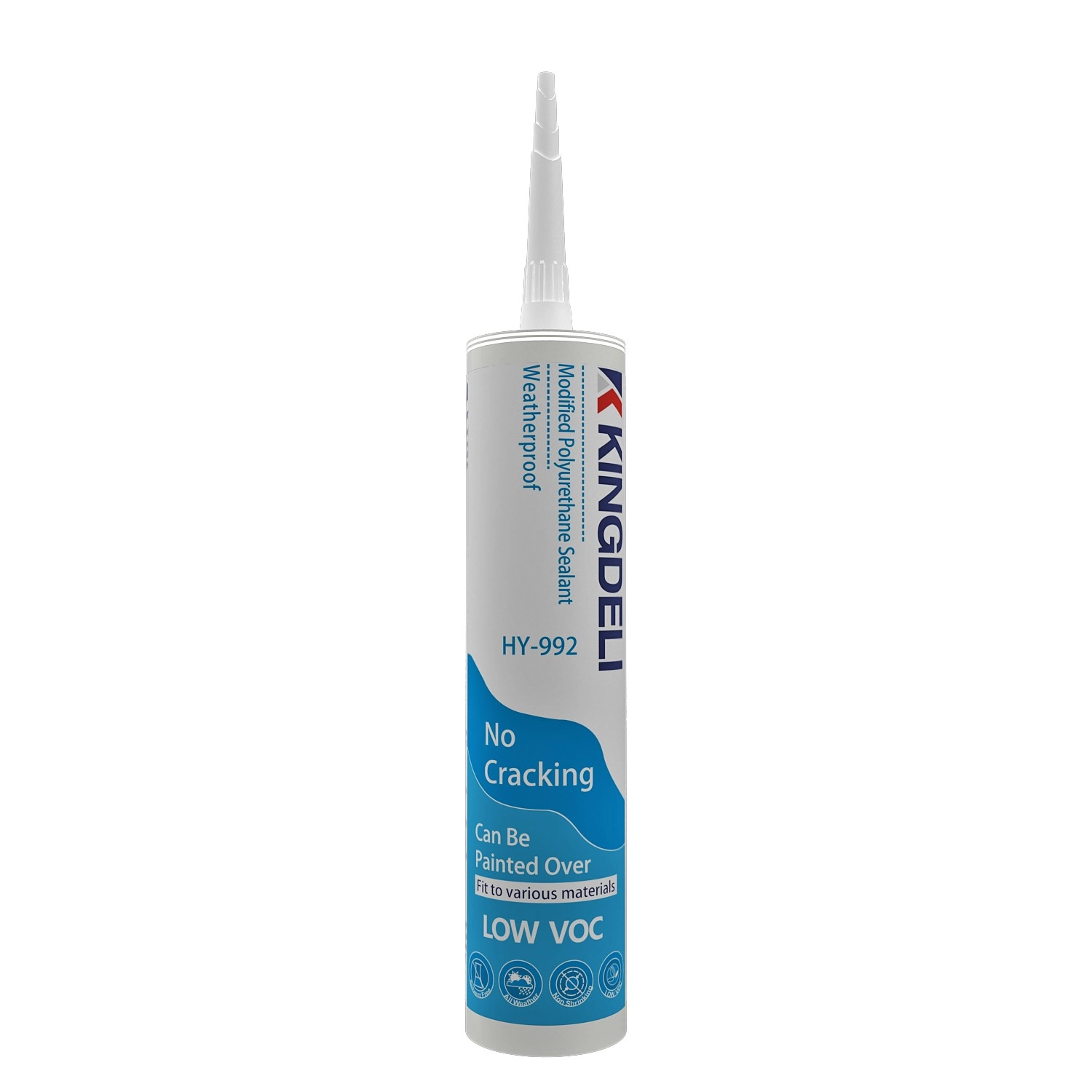
HY992 Modified Polyurethane Construction Sealant
HY992 Modified Polyurethane Sealant is a one-component, moisture-curing construction sealant designed for professional building and structural sealing applications. It provides excellent adhesion, weather resistance, and durable elasticity, making it suitable for a wide range of construction materials.
The formulation delivers strong bonding performance without corrosion or substrate contamination, while maintaining low VOC content for environmentally responsible construction projects.

HY995 Crystal Clear Ms Polymer Adhesive/Sealant
HY995 Crystal Clear Ms Polymer Adhesive/Sealant is a new generation MS Polymer adhesive / sealant formulated for all bonding and sealing applications where long term reliability is required. It has excellent bonding strength on various materials. It will cure to form a durable, flexible, waterproof seal.

HY997 High-Performance Anti-Microbial MS Polymer Sealant
HY997 MS polymer sealant for is is a premium one-component, neutral-curing modified silane sealant engineered for demanding interior applications. It offers a Class 20 movement capability, ensuring long-lasting flexibility and reliable performance under dynamic joint conditions. Curing at room temperature, HY997 delivers superior anti-microbial and mildew-resistant properties, maintaining hygienic and clean environments over time.
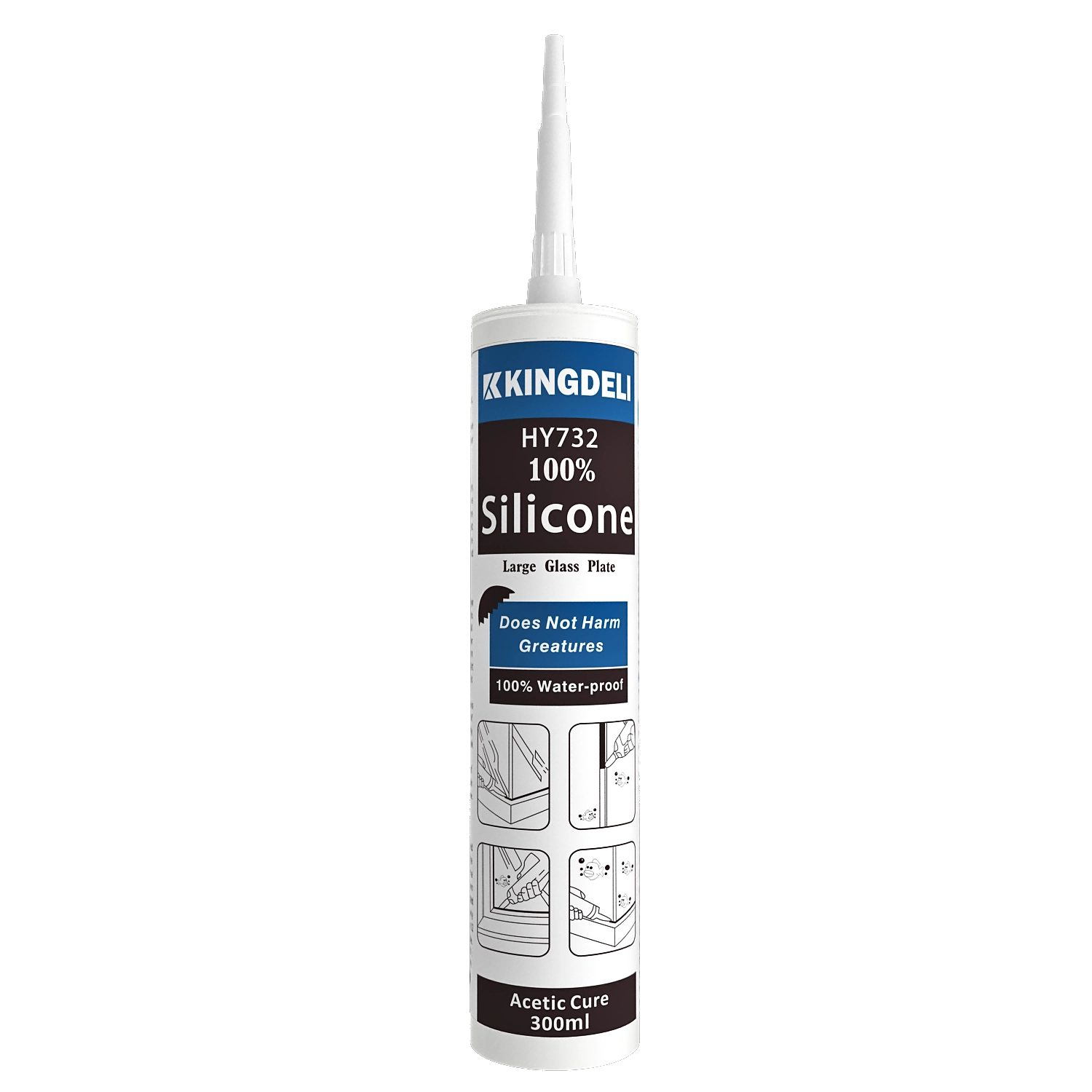
KINGDELI HY732 Professional Acetoxy Cure Silicone Sealant
KINGDELI HY732 is a professional-grade, one-component acetoxy cure silicone sealant designed for fast curing, strong adhesion, and long-lasting flexibility. Ideal for aquariums, glass applications, aluminum doors and windows, kitchens, and bathrooms, it provides reliable sealing performance with excellent anti-fungal protection in high-humidity environments.
Let’s Build Stronger Bonds with Quality Adhesives and Sealants
Have questions about the topic or need tailored sealant solutions for your project?
Our team is ready to provide expert guidance, product recommendations, and application support.
Innovating with Integrity, Bonding the World
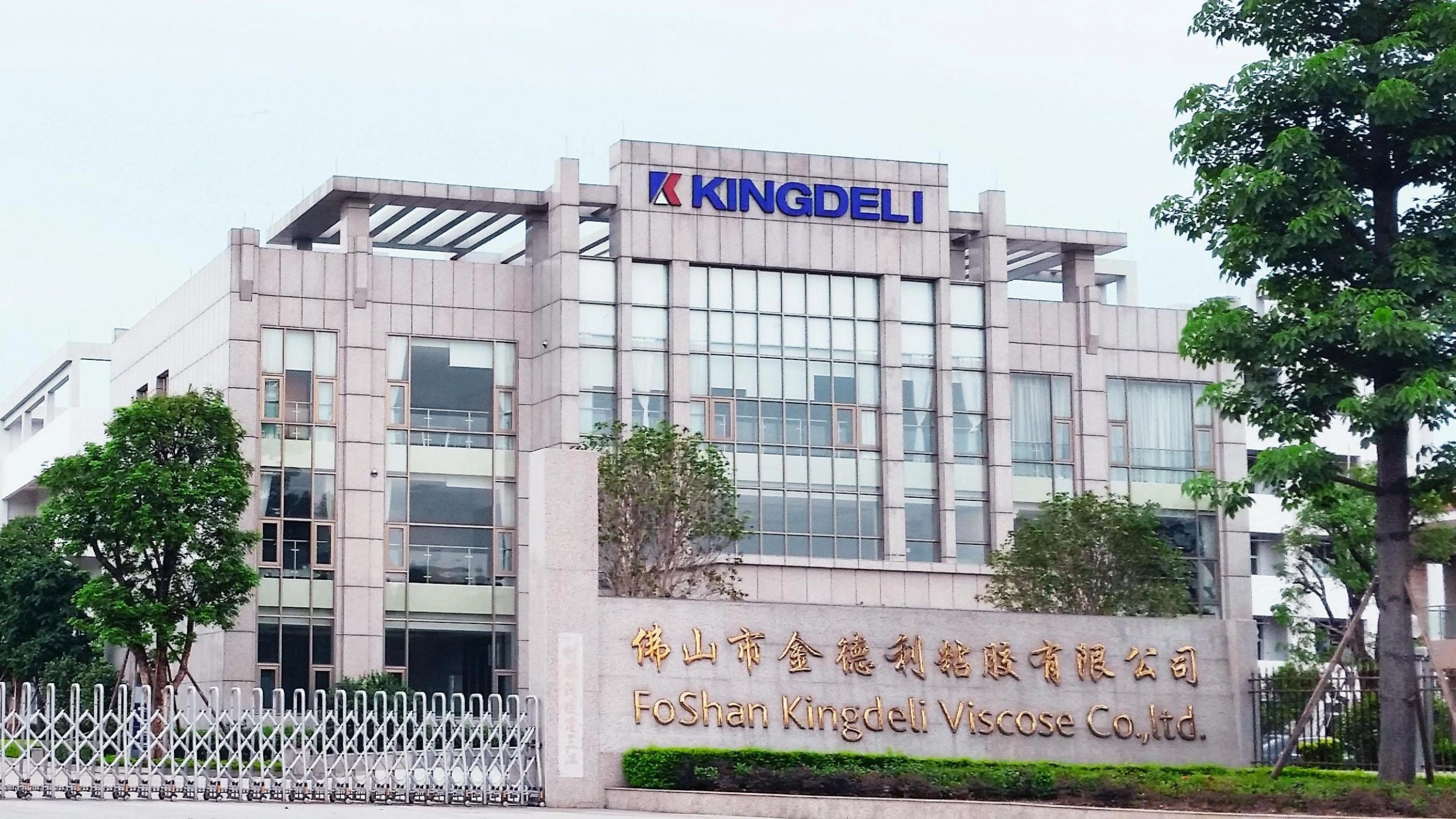
Since 1998, KINGDELI has delivered trusted, sustainable sealant solutions that connect industries and inspire progress worldwide.
Whatsapp: +8618825946249
Kingdeli
Kingdeli
Kingdeli
Kingdeli
Kingdeli