











How to calculate coverage and cost for neutral cure silicone sealant?
As a professional sealing and adhesive resource, this guide answers six specific, beginner pain-point questions about neutral cure silicone sealant coverage and cost. Each section provides formulas, worked examples and specification tips so you can purchase the correct quantity, estimate installed cost, and avoid common failures (wrong joint depth, missing primer, or underestimating cure time).
1) How do I convert joint geometry into sealant volume (mm³ or liters) for cartridges and bulk?
Why this matters: Inaccurate volume estimates cause under-ordering (project delays) or large waste. The correct approach is to calculate the cross-sectional area of the sealant bead and multiply by length.
Step-by-step method (use metric for precision):
- Rectangular or simple gap: volume (mm³) = width (mm) × depth (mm) × length (mm).
- Semicircular or circular bead (e.g., round backer rod): area = π × (radius)². For a circular bead of diameter D: area = π·(D/2)². Volume = area × length.
- Standard applied bead from a cartridge nozzle is often approximated as a trapezoid/ellipse. If unsure, conservatively approximate as rectangular: area ≈ width × depth (this slightly overestimates and helps prevent shortages).
- Convert mm³ to liters: 1,000,000 mm³ = 1 L. A 300 ml cartridge = 300,000 mm³ (0.3 L).
Worked example: a 10 mm wide × 10 mm deep joint over 10 linear meters.
Volume = 10 mm × 10 mm × 10,000 mm = 1,000,000 mm³ = 1 L. Cartridge need = 1 L / 0.3 L = 3.33 cartridges (round up to 4 cartridges to allow waste and tooling losses).
Tip: always add a contingency (10–20%) for tooling waste, nozzle dead-space and surface absorption, especially when working from cartridges or bulk sausages.
2) What joint width-to-depth ratio should I use for neutral cure silicone and how does it affect coverage?
Why this matters: Incorrect joint proportions cause three common failures—adhesion loss, premature tearing, or insufficient movement accommodation. Proper geometry also directly affects volume and cost.
Industry guidance (common, manufacturer-backed rules):
- For most one-component neutral cure silicones, target depth = width / 2 (i.e., depth is half the width) for joints wider than ~6 mm. This produces an hourglass-shaped joint when backer rod is used and gives optimal movement performance.
- For narrow joints ≤6 mm many manufacturers recommend depth ≈ width (so a 6×6 mm joint), but confirm with the specific product technical data sheet (TDS).
- Maximum recommended depth is typically 12 mm for façade joints using standard silicones; deeper joints need layered fill or a different sealant system.
Effect on coverage: If you change depth from width/2 to width, volume doubles. Example: 12 mm wide joint over 10 m:
If depth = width/2 → area ≈ 12 × 6 = 72 mm²; volume = 72 × 10,000 = 720,000 mm³ = 0.72 L (≈2.4 cartridges). If depth = width → area = 12 ×12 = 144 mm²; volume = 1.44 L (≈4.8 cartridges). Choosing correct proportion avoids underbuying.
Note: Always follow the product’s TDS and ASTM C920 / ISO 11600 recommendations for joint design and movement capability.
3) How to calculate installed cost per linear meter including primer, waste and labor?
Why this matters: Procurement often quotes only material cost. Installed cost must include primers, backer rod, masking, tooling, labor time, and reasonable wastage. Use a stepwise cost model.
Cost model (per linear meter):
- Compute material volume per meter (mm³/m) = cross-sectional area (mm²) × 1,000 mm.
- Cartridges required per meter = (volume per meter mm³) / 300,000 mm³.
- Material cost per meter = cartridges/m × unit price per cartridge.
- Add primer and backer rod: primer consumption is typically a few milliliters per linear meter (check TDS). Backer rod cost is normally calculated per meter depending on diameter.
- Add waste multiplier: multiply material and primer cost by 1.10–1.20 for 10–20% waste (tooling, nozzle dead-space, start/stop losses).
- Add labor and access costs: estimate time per meter (e.g., 0.1–0.5 hr/m depending on complexity) × labor rate. Add scaffolding or traffic-control costs if relevant.
Worked example (illustrative):
- Joint 10×10 mm (area 100 mm²) → volume per meter = 100 × 1,000 = 100,000 mm³ = 0.1 L.
- Cartridges per meter = 0.1 L / 0.3 L = 0.333 cartridges.
- Assume cartridge price = $9 (example). Material cost = 0.333 × $9 = $3.00/m.
- Primer = $0.50/m (example); backer rod = $0.20/m.
- Apply 15% waste: materials & primer = ($3.00 + $0.50 + $0.20) × 1.15 = $4.60/m.
- Labor = 0.25 hr/m × $30/hr = $7.50/m.
- Installed cost ≈ $4.60 + $7.50 = $12.10 per linear meter.
Important: replace example unit costs with quotes from your supplier. For large projects, negotiate bulk pricing and ask for material yield data from the manufacturer to refine estimates.
4) How can I estimate coverage for bulk (sausages, drums) versus cartridges and when is bulk more economical?
Why this matters: Bulk packaging affects yield and cost-per-liter. For large projects, bulk can significantly lower material cost if logistics, dispensing equipment and storage are handled properly.
Key points:
- Cartridge volume: typically 300 ml (0.3 L). Sausage (bulk) volumes vary (e.g., 600 ml). Drums/pails are available for production (e.g., 20 L, 200 L).
- Yield per liter is identical chemically; cost savings come from packaging and handling overhead. For large consumption (>50–100 L) suppliers often offer lower $/L for sausages or drums.
- Consider additional costs for bulk: pneumatic dispensing gun, static mixers (for two-part products—neutral silicones are normally one-component), pumps and storage (drums need compatible pumps and temperature control to prolong shelf life).
Economics example: a 600 ml sausage priced at 1.6× the cartridge price but containing 2× the volume is cheaper per liter. Confirm net $/L with supplier and include equipment amortization in cost per linear meter.
Risk considerations: bulk is economical but increases storage exposure. Neutral cure silicones are moisture-curing—opened drums or sausages must be used promptly and stored per manufacturer recommendations (cool, dry, 5–25°C) to preserve shelf life.
5) How do substrate, primer choice and environmental conditions change the effective coverage and performance of neutral cure silicone?
Why this matters: Adhesion failures are often mistaken as 'insufficient sealant' rather than wrong pretreatment. Primer use and cure conditions influence both coverage (primer adds cost and marginal volume when sprayed) and service life.
Substrate and primer guidance:
- Neutral cure silicones (oxime or alkoxy release products) are chosen where acetic fumes are problematic (e.g., stainless steel, copper, sensitive coatings, electronic enclosures). They generally bond well to glass, anodized aluminum, ceramics and many painted surfaces.
- Porous or contaminated substrates (concrete, untreated wood, some plastics) typically require a primer. Primer not only improves adhesion but can reduce the amount of sealant lost into substrate pores (thus actually improving effective coverage).
- Primer consumption is small but must be budgeted—typical primer coverage can be 5–15 m² per 100 ml depending on method. Always check product TDS for primer spread rates and recommended drying times.
- Environmental factors: cure rate is moisture-dependent. Typical neutral silicones cure ~2–3 mm per 24 hours at 23°C and 50% RH. In low-humidity or cold conditions cure slows, increasing tooling time, risk of contamination, and potentially requiring thicker application (affecting coverage and schedule).
Practical tip: perform a small adhesion test on sample panels (including primer if planned) and measure the bead yield and skin/cure time under actual site temperature and RH. This gives realistic coverage and labor estimates.
6) How to calculate waste, contingency and how many extra cartridges should I order for a project?
Why this matters: Under-ordering causes downtime and price surges from rush buys; over-ordering ties up capital and can lead to expired product. Use a simple contingency model tied to project complexity.
Contingency model:
- Standard, controlled environment (straightforward joints, experienced crew): add 10% extra to calculated need.
- Medium complexity (moderate access difficulty, variable joint sizes, primer required): add 15%.
- High complexity (vertical façades, scaffolding, many small leaks, inexperienced crew): add 20–25%.
How to translate to cartridges: Calculate required cartridges (exact), apply contingency %, then round up to whole cartridges. Always store opened cartridges and bulk per manufacturer recommendations. For neutral cure silicones, unopened cartridges typically have 12–18 month shelf life at recommended temperatures; opened cartridges should be used quickly.
Example: calculated need = 33 cartridges. For medium complexity add 15% → 37.95 → order 38–40 cartridges depending on supplier pack size.
Concluding summary — advantages of neutral cure silicone sealant and purchasing recommendations
Neutral cure silicone sealant provides low-odor, non-corrosive curing that is compatible with sensitive metals, glass and electronics. It typically offers excellent UV and weather resistance, long-term elasticity (movement capability commonly ±25%, with some formulations to ±50%), and predictable cure rates (approx. 2–3 mm/24 h at 23°C, 50% RH). For accurate purchasing: calculate bead volume precisely (mm³ → L), apply the correct width-to-depth joint rule, budget for primer/backer rod/waste, and include labor and equipment costs. For large volumes, compare cartridge, sausage and drum $/L and include dispensing equipment amortization.
For project-specific yield estimates, spec verification (ASTM C920 / ISO 11600 classification compliance), or a formal quote, contact us at www.kingdelisealant.com or email info@kingdeliadhesive.com.
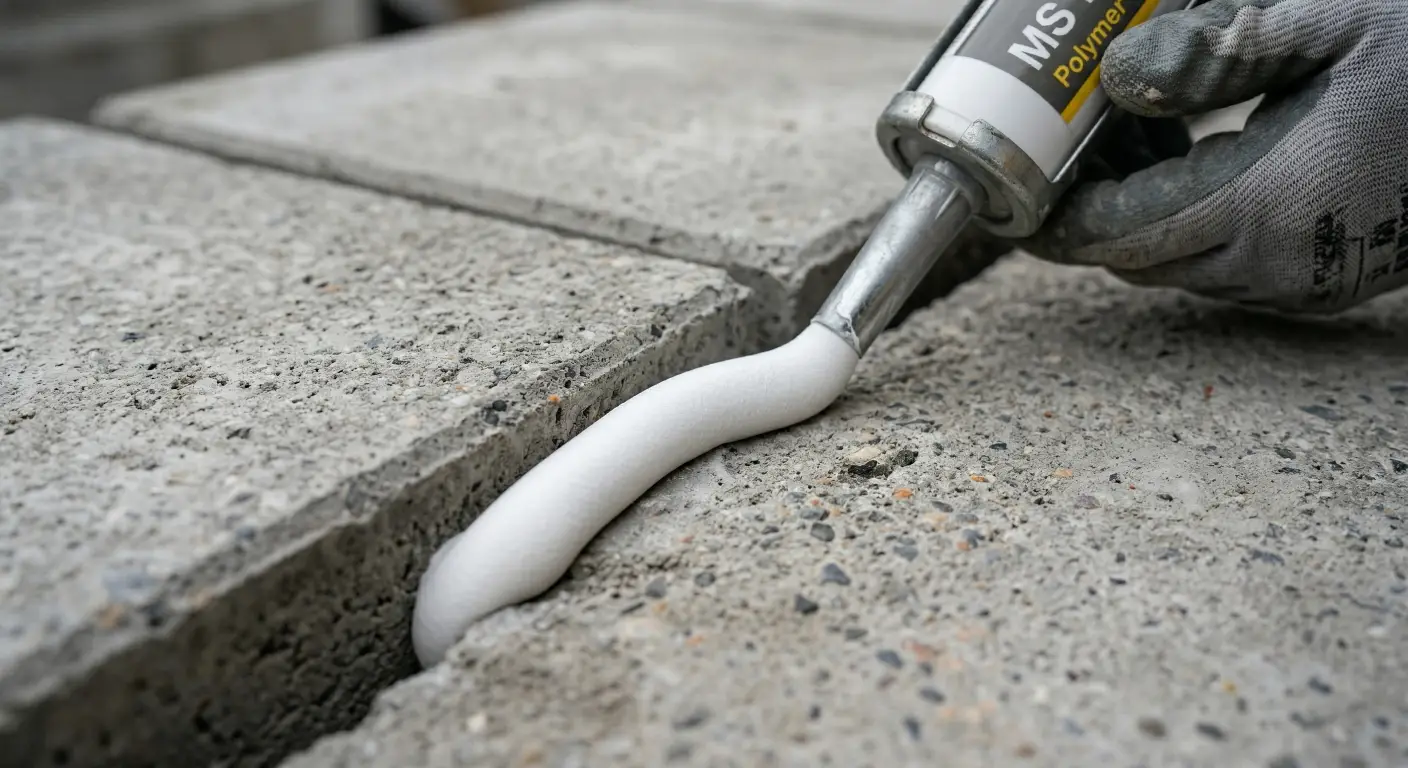
MS Polymer Sealant: The Ultimate Professional Guide for Modern Construction
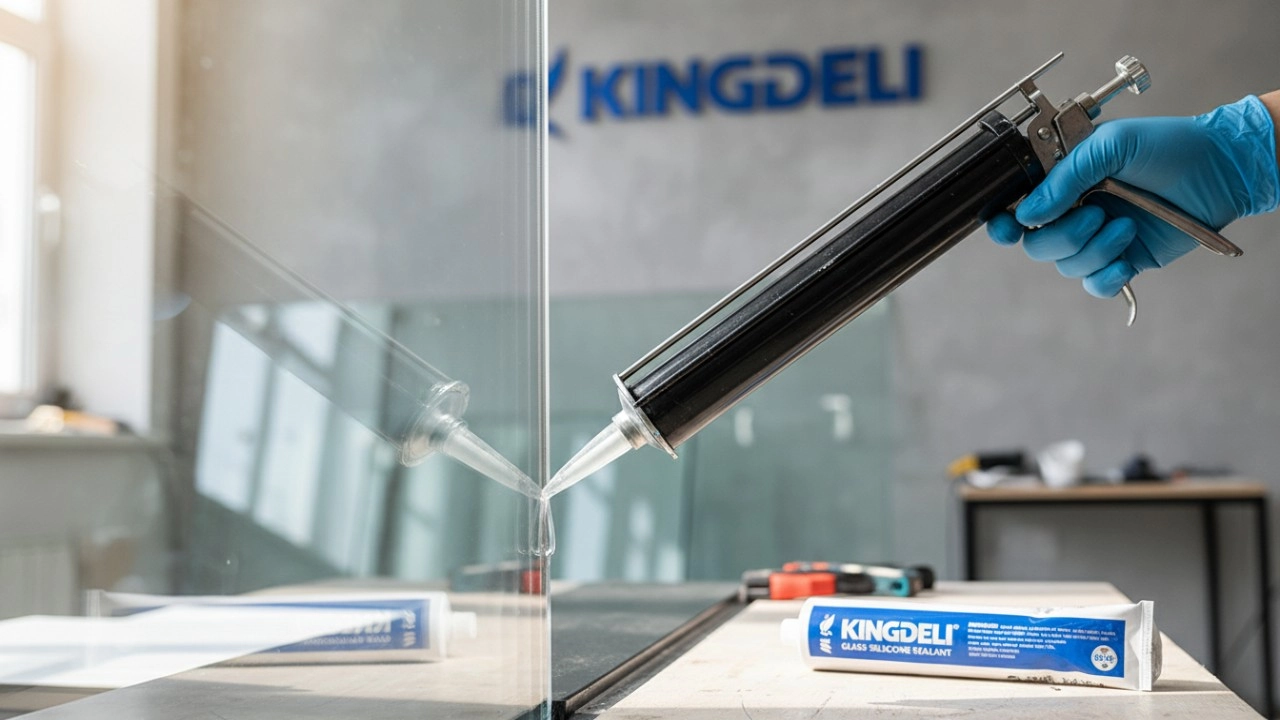
The 2026 Ultimate Guide to Glass Silicone Sealant: Everything You Need for a Perfect Finish
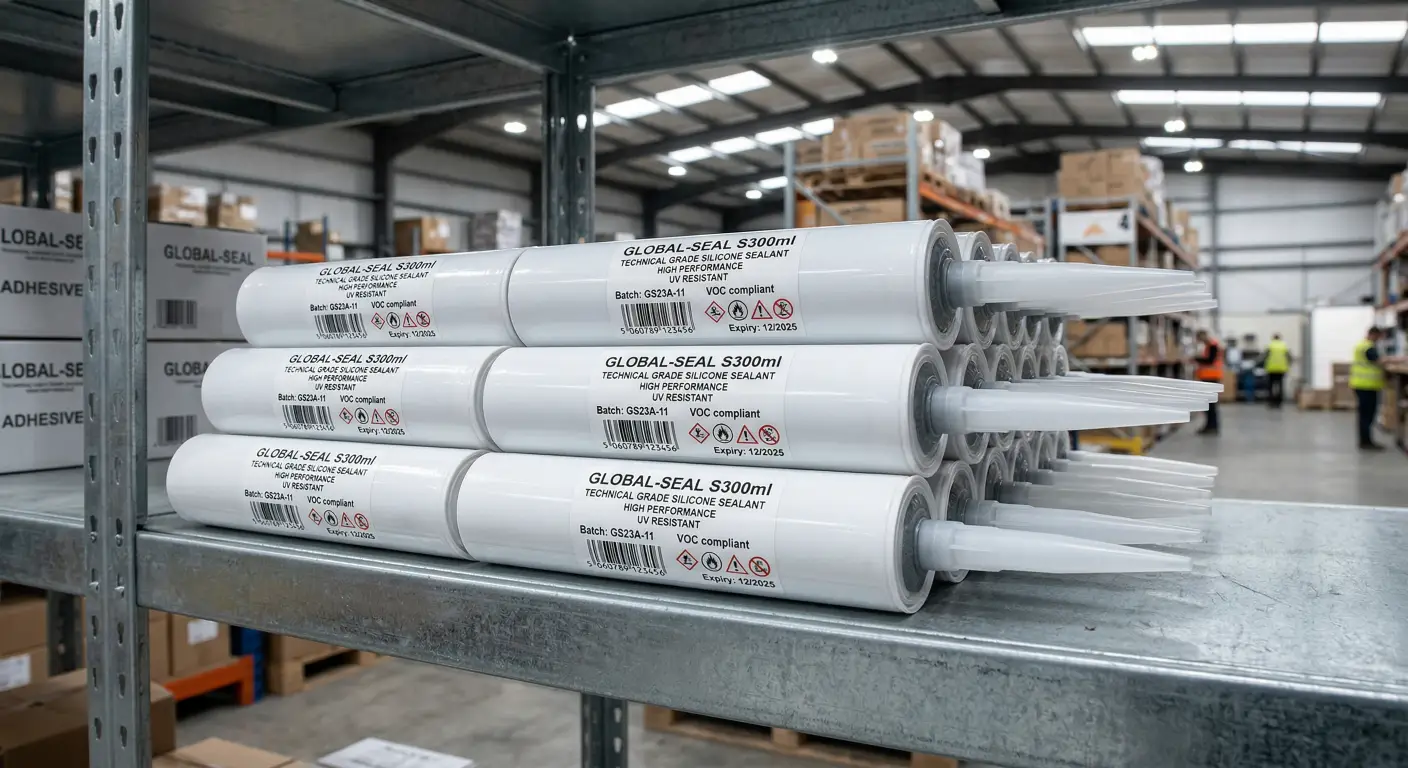
OEM vs. Branded Acetic Silicone Sealant: What’s Best for Your Distribution Business?
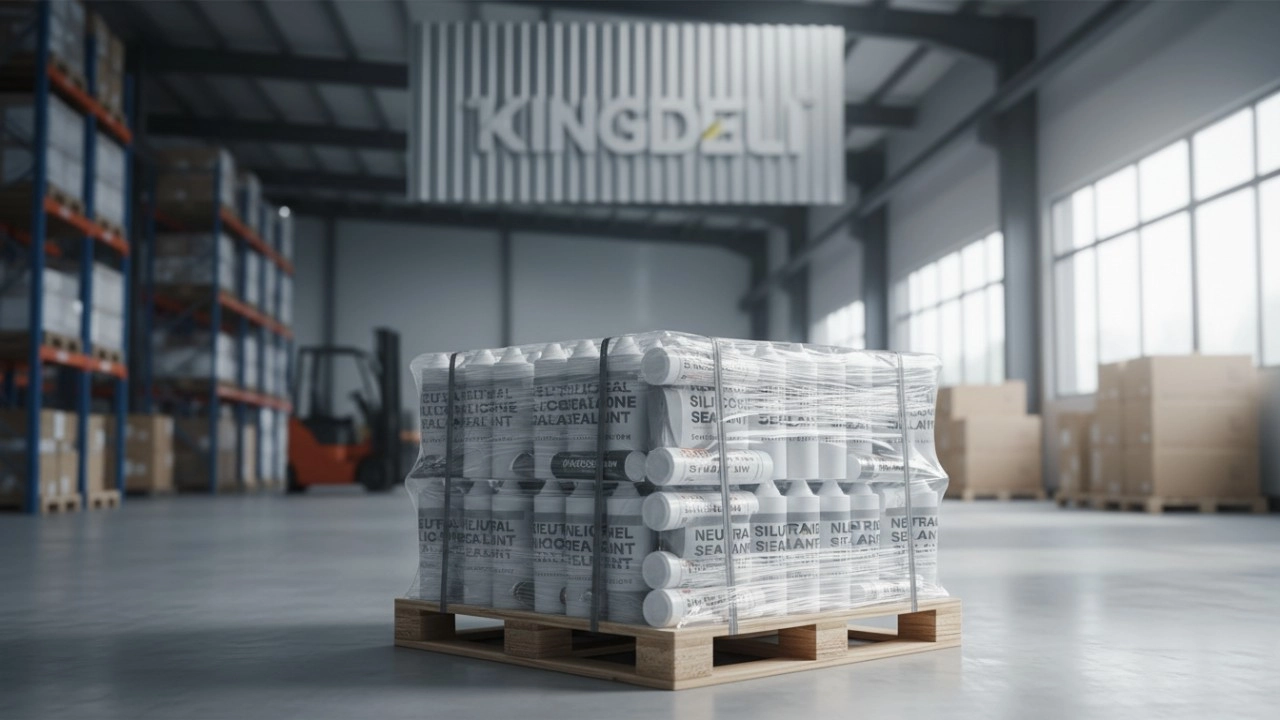
The Future of Sealants: 5 Emerging Trends in Wholesale Neutral Silicone Sealant Technology for 2026
HY994
Can HY994 be used for bonding or sealing glass?
Yes, but the bonded surfaces must not be exposed to direct sunlight, as this may affect performance.
HY-951
Is the cured grout flexible?
Yes. HY951 maintains a certain level of flexibility after curing, helping it accommodate minor movement and improving long-term durability.
HY-722
Can the sealant be painted?
No. Silicone is non-paintable. Use a paintable alternative if painting is required.
HY-2100
What color options are available?
Standard colors include clear, black, grey, and white, with custom color matching available upon request.
HY-976
How long does it take to fully cure?
Curing time depends on surface porosity and environmental conditions. Full strength is typically achieved within 48 hours.
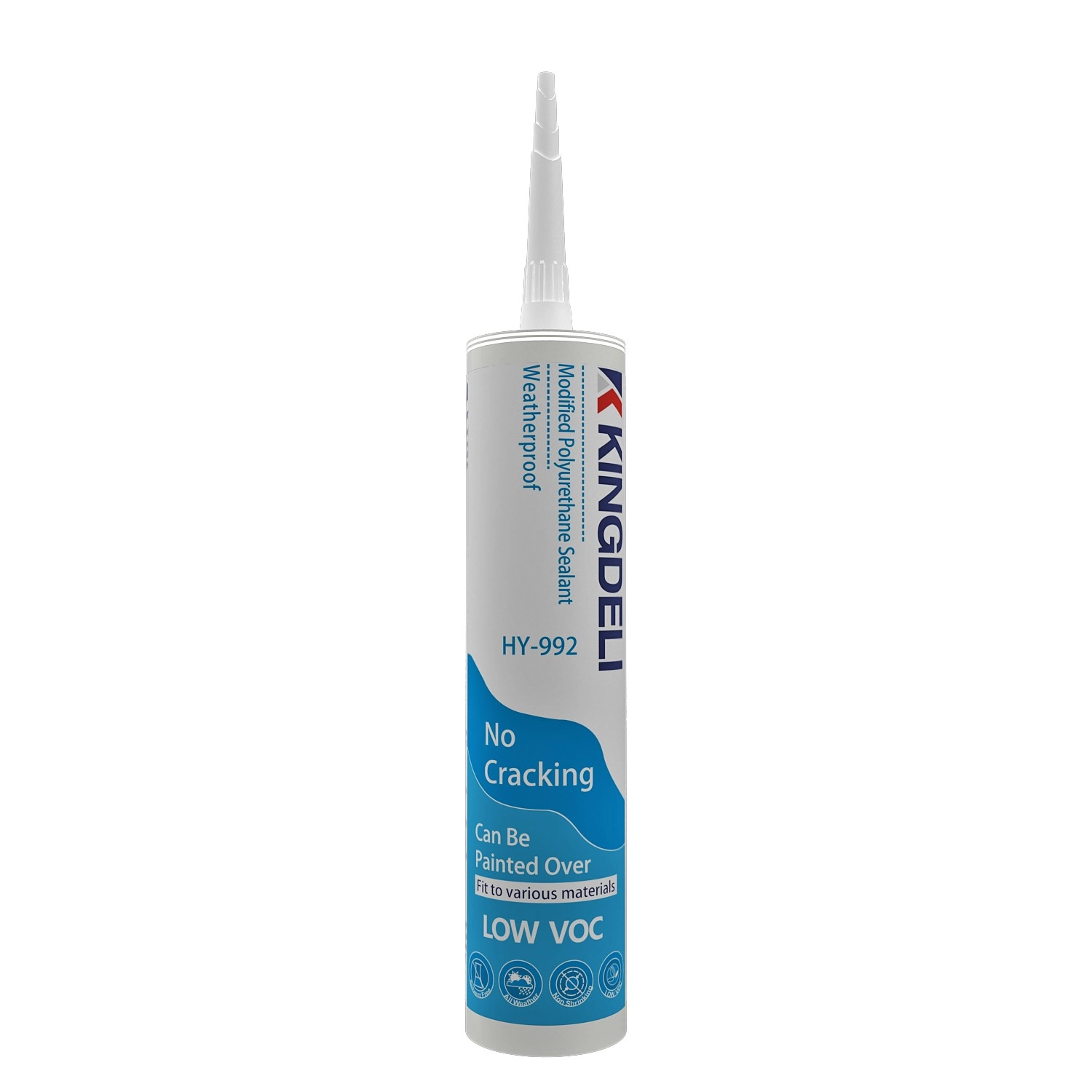
HY992 Modified Polyurethane Construction Sealant
HY992 Modified Polyurethane Sealant is a one-component, moisture-curing construction sealant designed for professional building and structural sealing applications. It provides excellent adhesion, weather resistance, and durable elasticity, making it suitable for a wide range of construction materials.
The formulation delivers strong bonding performance without corrosion or substrate contamination, while maintaining low VOC content for environmentally responsible construction projects.

HY995 Crystal Clear Ms Polymer Adhesive/Sealant
HY995 Crystal Clear Ms Polymer Adhesive/Sealant is a new generation MS Polymer adhesive / sealant formulated for all bonding and sealing applications where long term reliability is required. It has excellent bonding strength on various materials. It will cure to form a durable, flexible, waterproof seal.

HY997 High-Performance Anti-Microbial MS Polymer Sealant
HY997 MS polymer sealant for is is a premium one-component, neutral-curing modified silane sealant engineered for demanding interior applications. It offers a Class 20 movement capability, ensuring long-lasting flexibility and reliable performance under dynamic joint conditions. Curing at room temperature, HY997 delivers superior anti-microbial and mildew-resistant properties, maintaining hygienic and clean environments over time.
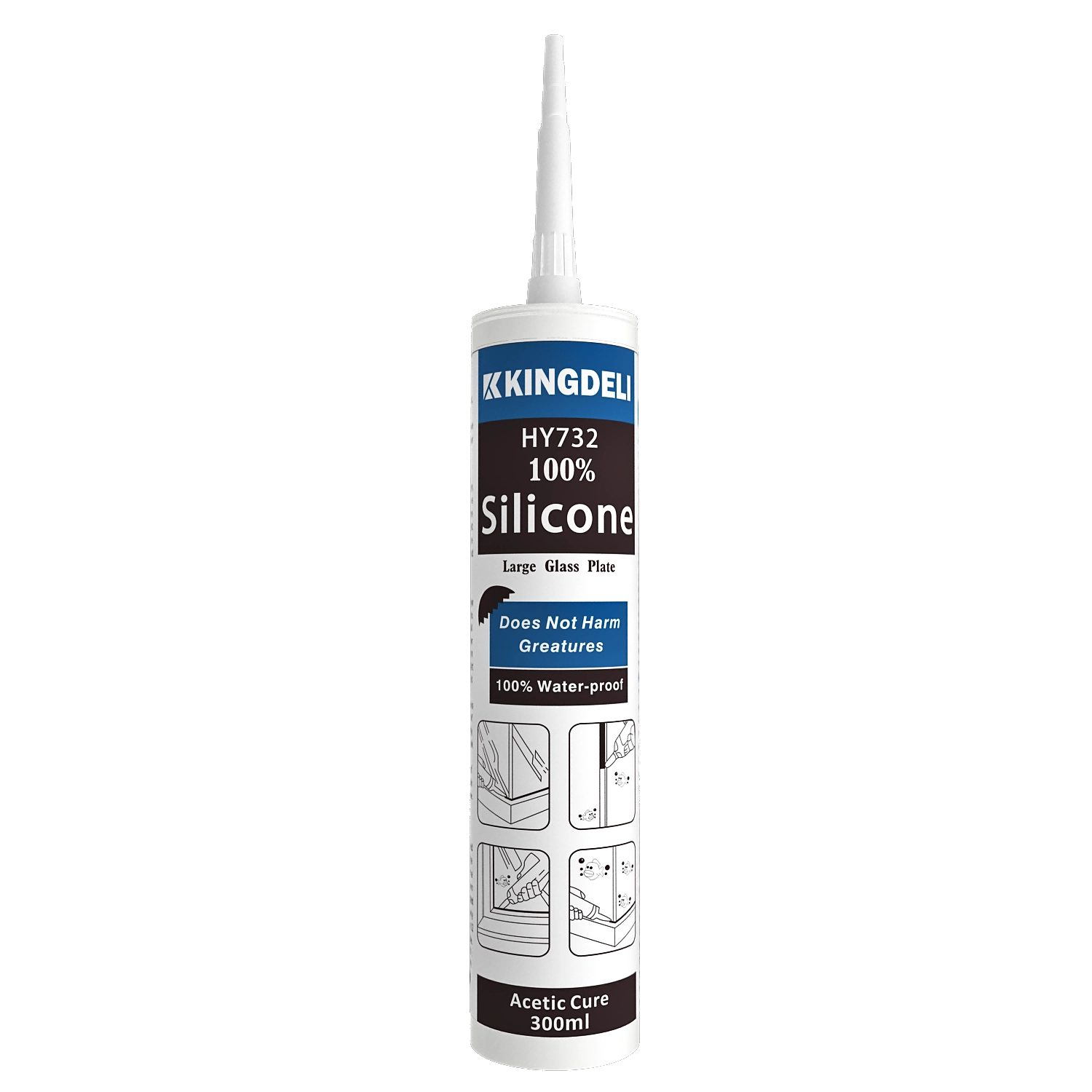
KINGDELI HY732 Professional Acetoxy Cure Silicone Sealant
KINGDELI HY732 is a professional-grade, one-component acetoxy cure silicone sealant designed for fast curing, strong adhesion, and long-lasting flexibility. Ideal for aquariums, glass applications, aluminum doors and windows, kitchens, and bathrooms, it provides reliable sealing performance with excellent anti-fungal protection in high-humidity environments.
Let’s Build Stronger Bonds with Quality Adhesives and Sealants
Have questions about the topic or need tailored sealant solutions for your project?
Our team is ready to provide expert guidance, product recommendations, and application support.
Innovating with Integrity, Bonding the World
Since 1998, KINGDELI has delivered trusted, sustainable sealant solutions that connect industries and inspire progress worldwide.
Whatsapp: +8618825946249
Kingdeli
Kingdeli
Kingdeli
Kingdeli
Kingdeli