











Which certifications matter for neutral cure silicone sealant?
Neutral Cure Silicone Sealant: 6 Hard Questions Buyers Still Ask
As experienced sealant engineers and product specifiers, we answer six long-tail, pain-point questions about neutral cure silicone sealant that are often poorly covered online. These answers include standards to request, on-site test methods, and practical acceptance criteria so you can buy and specify with confidence.
1) How do I choose a neutral cure silicone sealant for natural stone and ensure it won’t cause staining or metal corrosion?
Pain point: Natural stones (marble, limestone, travertine) and some metals react to acidic by-products or amines; buyers too often receive generic assurances with no test data.
What to require and why it matters:- Chemistry: Choose a neutral cure (oxime or alkoxy) silicone; avoid acetoxy (acidic) silicones. Note: neutral cure chemistries still release small organics (e.g., ketoximes or alcohols) during cure—ask for MSDS and emission data.- Stain testing: Request manufacturer-supplied test reports for the specific stone species exposed to the sealant under wet/dry cycles and elevated temperature (e.g., 28 days of continuous contact, plus accelerated weathering). Accept only products with documented no-stain classification for your stone.- Metal corrosion: For metals such as copper, brass, or anodized aluminium, request corrosion test reports (e.g., 168‑hour salt spray per ASTM B117 or vendor-specific cyclic corrosion tests). Neutral cure silicones are typically non-corrosive, but verify with test data.- Compatibility trials: Always perform mock-up adhesion and stain tests (48–72 h initial, plus 28 d cure) on representative material samples from the project. Laboratory reports are valuable but on-substrate mock-ups are essential.> Practical acceptance checklist: SDS + cure emission data, manufacturer stone-stain test report (specific stone), salt-spray or corrosion report for adjacent metals, on-site mock-up results. If any of these items are missing, insist on a warranty clause tying manufacturer liability to provided test data.
2) Which certifications matter when specifying neutral cure silicone sealant for exterior curtain-wall glazing?
Pain point: Projects must meet both local building codes and performance standards; specifiers see inconsistent or incomplete certifications in datasheets.
Key certifications and documentation to request:- Performance standards: ASTM C920 (US) for elastomeric sealant classification (movement capability, application temperature, etc.) and ISO 11600 classification for building sealants. These describe movement capability (e.g., ±25% or ±50%), hardness, and basic mechanical behaviour.- Regional regulatory compliance: For EU projects, ask for CE marking with a Declaration of Performance (DoP) referencing the EN 15651 series (façade/interior). The DoP links product performance to the harmonised standard used for CE.- Fire performance: For façade systems, request relevant fire test data (e.g., EN 13501 series classification or local code tests) as required by the authority having jurisdiction.- Quality system: Manufacturer ISO 9001 certification demonstrates production traceability and batch control—important for long-term warranties and replacement parts.- Building-system compatibility and tests: Look for structural glazing or curtain-wall system approvals from system manufacturers, and test reports for adhesion after accelerated weathering (UV + thermal cycling) and joint movement cycles.> Procurement action: Require the product datasheet, DoP or equivalent, ASTM/ISO test references, batch traceability, and a lifetime or adhesion warranty tied to verified test conditions. If you need a specific movement class or fire rating, specify it in the tender and ask vendors to submit matching test certificates.
3) How can I verify field adhesion of a neutral cure silicone to anodized aluminium and what primer (if any) should be used?
Pain point: Field failures on anodized aluminium often stem from incorrect surface prep or assuming “primerless” adhesion without verification.
Verification steps and best practice:- Obtain manufacturer guidance: Some neutral silicones adhere to properly cleaned anodized aluminium without primer; others require a specific proprietary primer. Never substitute a different primer without testing.- On-site adhesion test: Perform a simple peel/tack test and a small-batch tensile or lap-shear test per ASTM C794 (adhesion-in-peel) or equivalent to confirm immediate tack and longer-term strength after 7 and 28 days.- Surface preparation: For anodized aluminium, degrease with a recommended solvent, rinse or wipe as specified, and allow to dry. Avoid abrasive blasting unless the manufacturer approves it. Document surface cleanliness with photos and batch numbers of cleaning agents.- Environmental conditioning: Include UV and thermal cycling in lab tests to confirm retention of adhesion. Request vendor data showing adhesion retention after 1,000 hours of accelerated weathering (e.g., ASTM G154) or comparable tests.- Acceptance criteria: Establish numeric acceptance: peel strength > specified N/cm after 28 d, no adhesive failure (i.e., cohesive failure only acceptable depending on spec), and no de-bond after thermal/UV cycling.> Practical tip: Always request a written primer recommendation, sample primer, and documented compatibility with the exact anodizing finish. Record the primer lot number in site QC logs for traceability.
4) What are realistic cure rates and joint-design limits for neutral cure silicone at low temperatures and on slightly damp substrates?
Pain point: Jobsite conditions often fall below lab conditions (23°C/50% RH). Buyers need realistic cure and movement estimates to schedule follow-on trades and to avoid trapped moisture failures.
Real-world data and guidance:- Cure mechanism: Neutral silicones cure by reaction with ambient moisture; lower temperature and lower humidity slow cure. Typical single-component neutral silicones cure at ~2–3 mm/24 h at 23°C/50% RH. At 5–10°C cure rates may drop to <0.5–1 mm/24 h.- Skin-over time: Expect 5–60 minutes depending on formulation and temperature; in cold/dry conditions skin-over may take much longer. Check product datasheet for measured skin-over time versus temperature/humidity.- Damp substrates: Neutral silicones tolerate some surface moisture better than acetoxy types, but visible standing water or heavy surface contamination impedes cure and adhesion. Light surface dampness may be acceptable for some alkoxy systems—get the manufacturer’s validated lower humidity/tolerance statement.- Joint design: Design movement capability per ISO 11600/ASTM C920. Common design rules: maximum joint width often set so expected movement (%) does not exceed sealant movement capability (e.g., ±25%). For joints exposed to thermal extremes, prefer silicones rated ±50% movement or use structural silicone where appropriate. Follow standard joint width-to-depth ratios (typical 2:1 width:depth for many joints; minimum depth often 6 mm).> Scheduling guidance: If overnight freeze or low-temperature work is expected, calculate full cure time conservatively (e.g., 3–6x longer than datasheet nominal). For sealing in cold climates, require manufacturer low-temp cure validation or use a product specifically rated for low-temperature application.
5) Are neutral cure silicone sealants safe for food-processing equipment and which food-contact approvals should I request?
Pain point: Food-industry buyers need clear evidence—generic “food-grade” claims are insufficient without traceable certification and migration data.
Certifications and documentation to request:- Regulatory approvals: For U.S. facilities, request compliance or specific statement referencing FDA 21 CFR (for components that contact food) where applicable—silicones used as elastomers can be evaluated under FDA criteria; ask the manufacturer for a formal statement with applicable CFR reference.- EU and regionals: For EU projects, request compliance with EU food contact regulations (e.g., Regulation (EU) No 10/2011 for plastics where applicable) and a Declaration of Compliance (DoC) for silicone elastomers.- NSF/ANSI: Ask for NSF 51 (for food equipment materials) or NSF/ANSI 61 (if the sealant contacts potable water) certifications if the application requires them.- Extractables/migration testing: Request specific migration or extractables testing in relevant food simulants at relevant temperatures and contact times. Accept only products with supporting lab reports performed to recognised methods.- MSDS and residuals: Inspect the MSDS for curing by-products (ketoximes or alcohols) and confirm their concentrations are within acceptable limits for your HACCP plan. If MEKO or similar compounds are present, evaluate against local occupational exposure limits and product migration reports.> Operational note: Even with approvals, incorporate routine inspection and replacement intervals into HACCP protocols; elastomeric parts degrade over time and should be on a preventive maintenance schedule.
6) How should I evaluate low‑VOC and recycled-content claims on neutral cure silicone datasheets for green building credits?
Pain point: Manufacturers label products 'low-VOC' or 'eco' without specifying test methods or third-party verification—specifiers need numbers and auditable evidence for LEED/BREEAM credits.
What to look for and how to verify:- VOC reporting standard: Require VOC content stated in grams per litre (g/L) and specify the test method used (e.g., EPA Method 24 or EN ISO 11890-2). A claim without the method is not auditable for green building programs.- Third-party verification: Prefer products with third-party environmental product declarations (EPDs) or certification bodies that verify VOC content and ingredient disclosure.- Recycled content: Ask for percentage by mass and whether the recycled material is pre- or post-consumer. Request a certificate or supplier declaration naming the recycled-content source.- LEED/BREEAM fit: For LEED v4/v4.1, many projects need low-emitting materials and possibly full ingredient disclosure. Confirm the manufacturer can supply the necessary documentation (VOC test reports, product ingredient disclosure program documents, or health product declarations) that match the rating system’s requirements.> Due diligence: If a product will be used to obtain credits, include clause in the purchase order requiring the manufacturer to provide auditable test reports and EPD/DoC prior to installation. Keep those documents in the project green‑build submittal package.
Concluding summary: Advantages of neutral cure silicone sealant
Neutral cure silicone sealants offer several practical advantages: broad substrate compatibility (glass, many metals, and most stones) due to non‑acidic cure chemistry, good UV and weather resistance for exterior joints, flexible movement capability for dynamic joints, and typically low odor during cure which aids indoor installation. When you specify these materials, insist on performance evidence—ASTM C920/ISO 11600 classifications, region-specific approvals (CE/DoP for EN standards in Europe), food-contact certifications or FDA/NSF statements where needed, and documented low‑VOC testing for green projects. Always require on‑substrate mock-ups, manufacturer primer recommendations, MSDS and batch traceability to reduce installation risk.
For specification help, test reports, or to request a project quote, contact Kingdeli: visit www.kingdelisealant.com or email info@kingdeliadhesive.com.
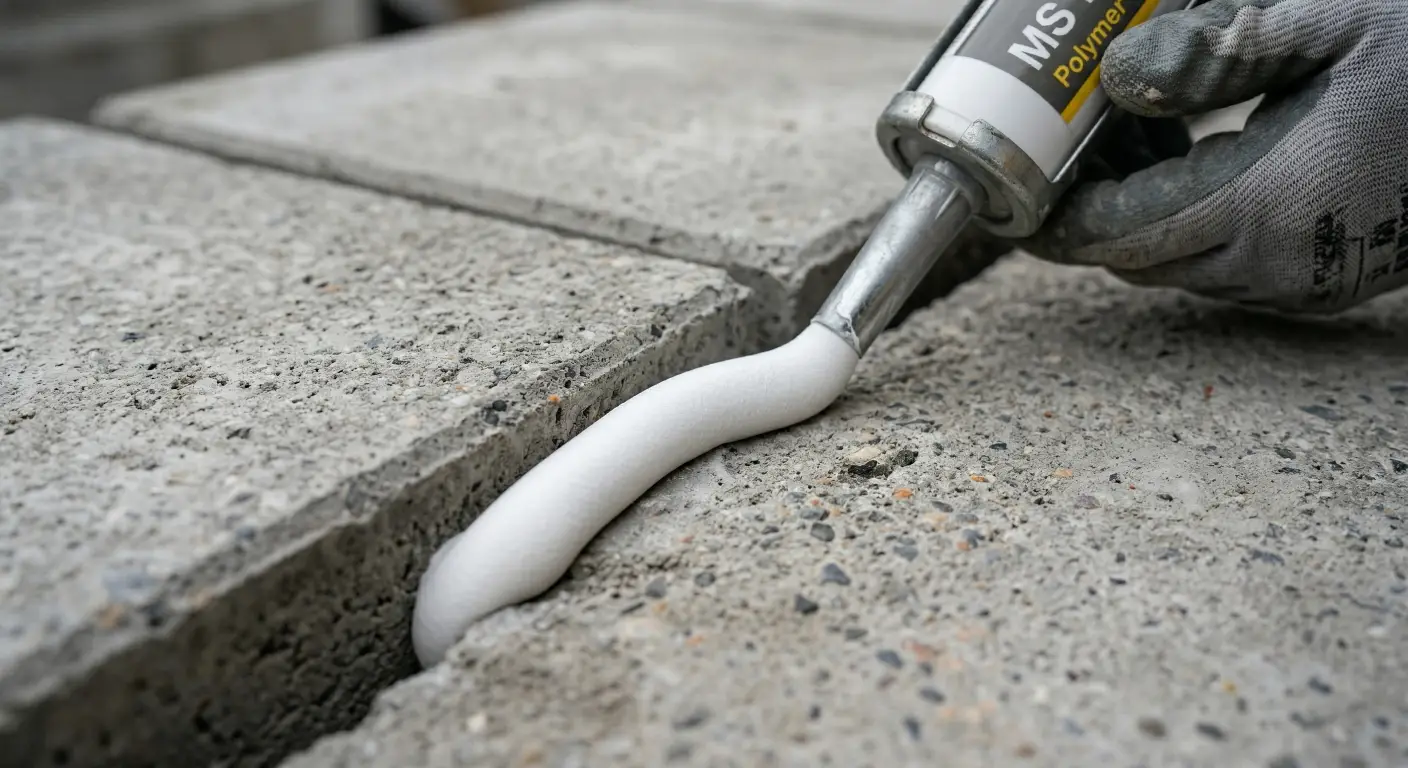
MS Polymer Sealant: The Ultimate Professional Guide for Modern Construction
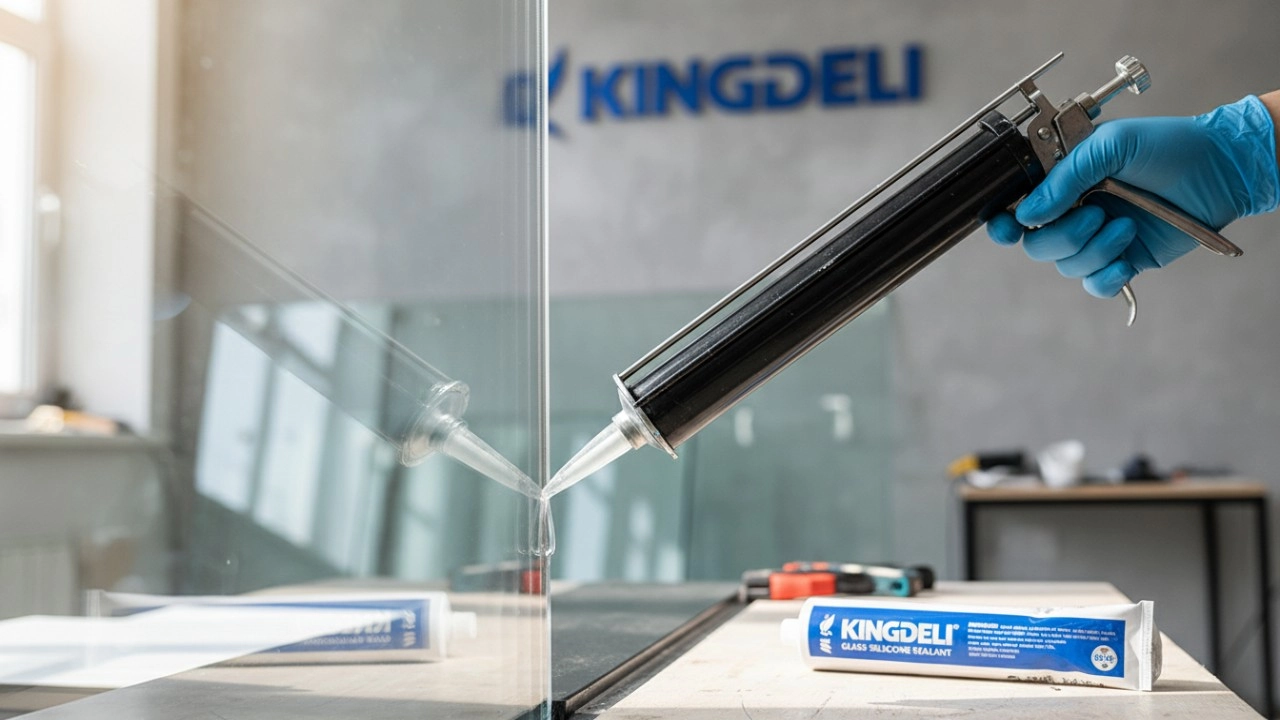
The 2026 Ultimate Guide to Glass Silicone Sealant: Everything You Need for a Perfect Finish
OEM vs. Branded Acetic Silicone Sealant: What’s Best for Your Distribution Business?
The Future of Sealants: 5 Emerging Trends in Wholesale Neutral Silicone Sealant Technology for 2026
HY-682
Does the product self-level after application?
Yes. The formulation is self-leveling, allowing it to flow smoothly into joints and cracks for a uniform, professional finish without additional tooling.
HY-722
How long does it take to fully cure?
Surface cure within hours; full cure 24–48 hours depending on temperature/humidity.
HY723
What is the primary application of HY-723?
It is primarily used to control the spread of fire, smoke, and toxic fumes within areas surrounded by firewalls, such as construction joints and partitions.
HY922
Is HY922 suitable for outdoor applications?
Yes. HY922 offers excellent weather resistance and performs well in outdoor environments, including exposure to moisture, frost, and temperature variations.
HY-3300
Is HY-3300 suitable for outdoor applications?
Yes. Its outstanding weatherproof and UV-resistant properties make it ideal for long-term outdoor sealing and bonding applications.
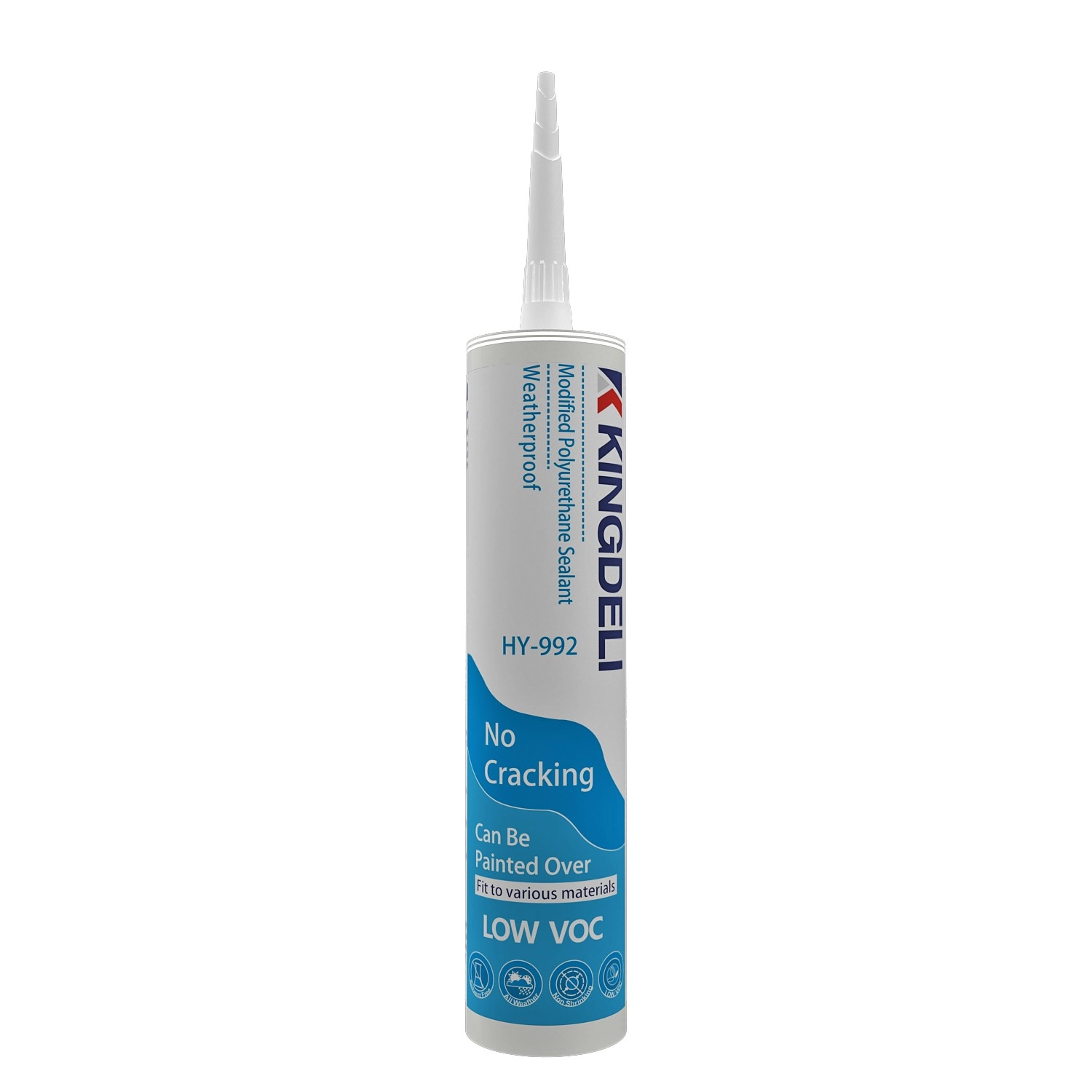
HY992 Modified Polyurethane Construction Sealant
HY992 Modified Polyurethane Sealant is a one-component, moisture-curing construction sealant designed for professional building and structural sealing applications. It provides excellent adhesion, weather resistance, and durable elasticity, making it suitable for a wide range of construction materials.
The formulation delivers strong bonding performance without corrosion or substrate contamination, while maintaining low VOC content for environmentally responsible construction projects.

HY995 Crystal Clear Ms Polymer Adhesive/Sealant
HY995 Crystal Clear Ms Polymer Adhesive/Sealant is a new generation MS Polymer adhesive / sealant formulated for all bonding and sealing applications where long term reliability is required. It has excellent bonding strength on various materials. It will cure to form a durable, flexible, waterproof seal.

HY997 High-Performance Anti-Microbial MS Polymer Sealant
HY997 MS polymer sealant for is is a premium one-component, neutral-curing modified silane sealant engineered for demanding interior applications. It offers a Class 20 movement capability, ensuring long-lasting flexibility and reliable performance under dynamic joint conditions. Curing at room temperature, HY997 delivers superior anti-microbial and mildew-resistant properties, maintaining hygienic and clean environments over time.
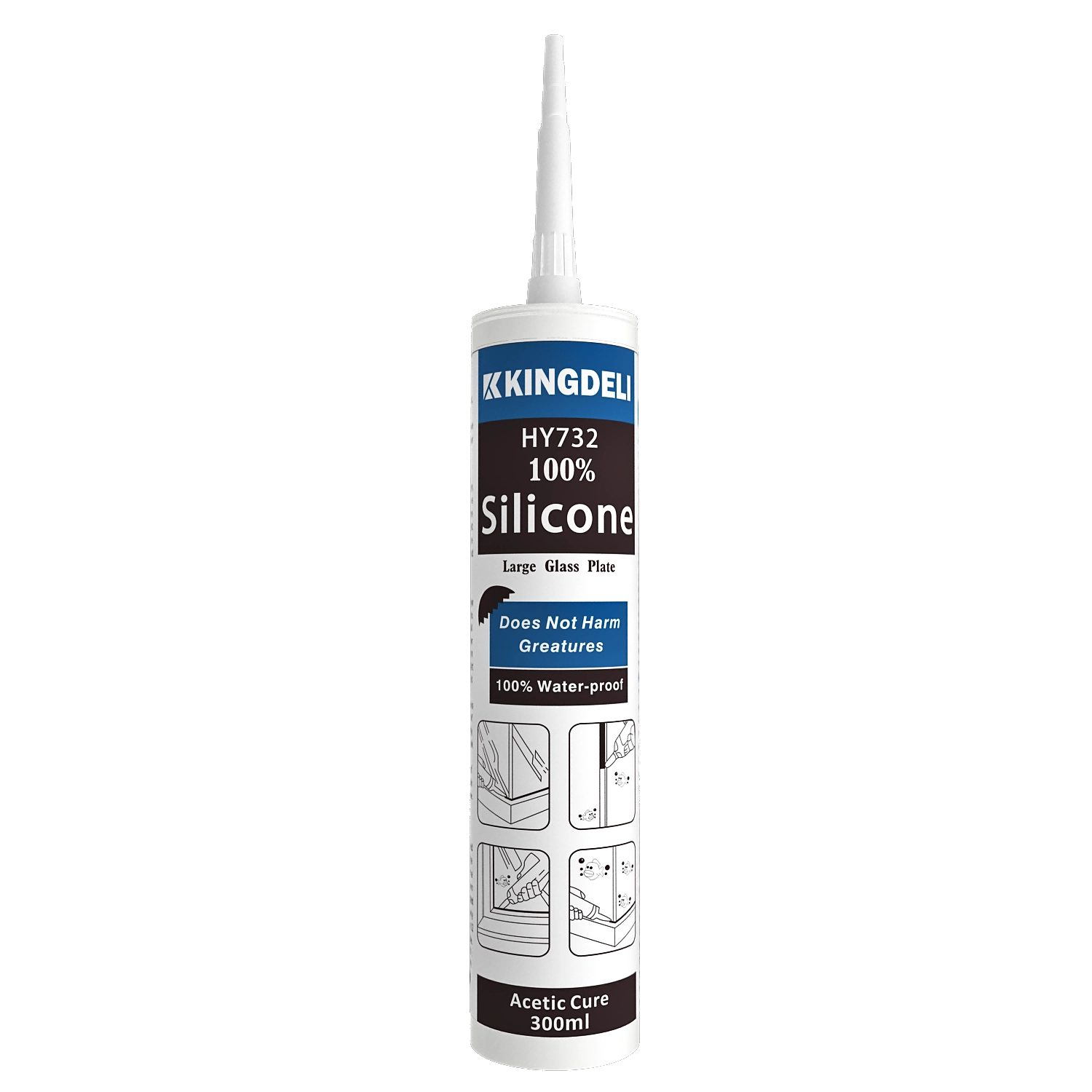
KINGDELI HY732 Professional Acetoxy Cure Silicone Sealant
KINGDELI HY732 is a professional-grade, one-component acetoxy cure silicone sealant designed for fast curing, strong adhesion, and long-lasting flexibility. Ideal for aquariums, glass applications, aluminum doors and windows, kitchens, and bathrooms, it provides reliable sealing performance with excellent anti-fungal protection in high-humidity environments.
Let’s Build Stronger Bonds with Quality Adhesives and Sealants
Have questions about the topic or need tailored sealant solutions for your project?
Our team is ready to provide expert guidance, product recommendations, and application support.
Innovating with Integrity, Bonding the World
Since 1998, KINGDELI has delivered trusted, sustainable sealant solutions that connect industries and inspire progress worldwide.
Whatsapp: +8618825946249
Kingdeli
Kingdeli
Kingdeli
Kingdeli
Kingdeli