











How to choose the right ms silicone sealant for industrial use?
1) Can MS silicone sealant reliably bond oily galvanized steel for outdoor conveyor frames without primer, and what long-term adhesion loss should I expect?
Short answer: Not reliably without preparation or a primer in most industrial environments. MS polymer (hybrid) sealants offer excellent initial tack and adhesion to many substrates, but oily or mill-scaled galvanized steel impedes chemical bonding. For durable outdoor conveyor frames exposed to vibration, thermal cycling and salts, assume primer is required.
Practical steps and data to demand from suppliers:
- Surface prep: degrease with a suitable solvent (e.g., isopropanol or a manufacturer-recommended degreaser), abrasive sweep blast or light mechanical abrasion to remove zinc bloom and mill oils, then clean residue off. For field repairs, solvent wiping + abrasion + immediate priming is common.
- Primer use: request a primer compatible with the chosen MS polymer. Many suppliers offer metal primers that increase peel/tensile adhesion by 30–80% versus unprimed tests on greased surfaces.
- Supplier data to request: adhesion after 28, 90 and 365 days under cyclic salt-spray (ASTM B117) or humidity+salt exposure, and adhesion after thermal cycling. Ask for tensile-adhesion or peel test results (ISO 8339/ASTM C1135 or equivalent) on galvanized steel both with and without primer.
- Long-term expectation: on properly cleaned and primed galvanized steel, MS hybrids typically retain >70% of initial adhesion after accelerated ageing (UV + salt + thermal cycle) in supplier reports. Without primer and on oily surfaces, expect rapid loss—adhesion drop to <50% within months under marine/industrial exposures.
Design tip: if access is limited for future maintenance, specify primer and require supplier qualification tests replicating site conditions.
2) How to select an MS polymer sealant for high-temperature oven door seals (continuous 120–150°C) while retaining elasticity and paintability?
MS hybrids have better temperature tolerance than many polyurethanes but are usually rated for continuous service to ~+120°C and short excursions to +150°C. If your oven experiences sustained 120–150°C, choose a high-temperature MS grade explicitly rated by the manufacturer; otherwise consider high-temperature silicones.
Selection checklist:
- Service temperature: request the manufacturer's continuous service temperature and short-term max. Typical MS ranges: -40°C to +120°C continuous; some formulated grades reach +150°C short-term.
- Mechanical properties at temperature: ask for tensile strength and elongation measured after heat ageing (e.g., 1000 h at 120°C). Elasticity loss (modulus increase, reduced elongation) is common after prolonged heat exposure—approve only if post-age elongation remains ≥150% for dynamic seals.
- Paintability: MS hybrids are generally paintable after full cure. Confirm paint systems by testing: apply intended topcoat over fully cured sealant and perform cross-cut adhesion (ISO 2409) and flexibility tests. Many waterborne paints bond well after 48–72 h cure; solvent-borne paints may require compatibility verification.
- Outgassing and VOC: at elevated temperatures some resins off-gas—request VOC data and high-temperature outgassing tests (TGA or supplier-provided bake-out data) to ensure no curing contaminants affect oven processes or coatings.
If your oven requires continuous exposure above 150°C, standard MS hybrids are not appropriate—use a high-temperature silicone or fluorosilicone specifically rated for continuous service at those temperatures.
3) What joint design and bead size should I use with MS hybrid sealant for dynamic expansion joints on prefabricated concrete panels to avoid cohesive failure?
Correct joint design is often the single biggest control on long-term performance. MS hybrids are low- to medium-modulus, with movement accommodation typically ±25% (verify for the product). Design joints to avoid excessive shear or peel stresses.
Practical design rules:
- Width-to-depth ratio: aim for a 2:1 width-to-depth ratio (e.g., 20 mm width / 10 mm depth). Minimum depth normally 6 mm. Deeper beads for wider joints use closed-cell polyethylene backer rod to set depth and prevent three-sided adhesion.
- Maximum joint movement: select a sealant with movement capability at least 20–25% if joints will expand/contract. For >25% movement, verify product MAF (movement accommodation factor) in the Technical Data Sheet (TDS).
- Tooling and profile: tool to a concave surface to create a neutral stress state. Avoid bonding to both sides of a rigid joint (use backer rod) to reduce peel stress.
- Expected mechanical properties: ask supplier for tensile strength (ISO 37/ASTM D412) and elongation—good MS hybrids show elongation 200–600% and tensile strength ~1–4 MPa. For dynamic joints, prefer higher elongation and lower modulus formulations.
- Testing: require cyclic movement tests in supplier qualification (e.g., ±25% movement for 25,000 cycles or equivalent accelerated fatigue) and adhesive/cohesive failure mode reports.
4) Which tests and data sheets should I require from suppliers to verify MS sealant performance for marine salt-spray and cyclic humidity exposure?
Ask for a complete technical dossier. Minimum documents and tests to require:
- Technical Data Sheet (TDS): shore hardness (ISO 7619/ASTM D2240), tensile/elongation (ISO 37/ASTM D412), modulus at 100% where given, cure rate (mm/24 h at 23°C/50%RH), service temperature range, VOC, shelf life, and recommended primers.
- Safety Data Sheet (SDS): hazards, storage, handling.
- Standards & classification: ISO 11600 classification (GW or F, movement class), and statement of compliance with ASTM C920 if applicable for elastomeric sealants.
- Aging and environmental tests: salt spray (ASTM B117) exposure adhesion results, cyclic humidity/condensation and freeze-thaw cycles, UV exposure (ISO 4892-2 xenon or ASTM G154 fluorescent UV), and thermal cycling. Request adhesion results post-ageing (peel or tensile-adhesion tests) rather than visual-only reports.
- Immersion and chemical resistance: adhesion after freshwater and seawater immersion tests, and resistance to expected chemicals (oils, solvents, alkalis, acids) – get specific concentration and temperature conditions.
- Application records: temperature/humidity application windows, recommended surface prep for high-salt environments, and primer options tested for marine alloys (stainless, galvanized, aluminum).
Insist on representative test coupons from the supplier or third-party lab reports showing adhesion retention (%) after accelerated ageing. Where safety-critical, require independent third-party testing.
5) How can I accelerate curing of MS hybrid sealants in cold, high-humidity factory lines to meet production cycle times without sacrificing adhesion?
MS polymers cure by moisture diffusion—higher relative humidity and warmer substrates speed cure. In cold, low-humidity factories cure slows and can create long tack times and weak early handling strength.
Ways to safely accelerate cure:
- Increase ambient humidity in the curing zone: a controlled humidified chamber (e.g., raise RH from 30% to 60–80%) can significantly increase cure rate. Monitor corrosion risk for parts.
- Raise substrate temperature: local infrared or convection heating to 30–40°C increases cure rate and reduces tack time. Verify substrate and part tolerances first.
- Reduce bead cross-section: thinner beads cure through faster (remember skin time is short but internal cure is moisture-limited). Keep bead depth within recommended width/depth ratios to avoid cohesion problems.
- Specify a fast-cure grade: many manufacturers offer MS fast-skin or fast-cure variants with accelerated primer systems; choose those for high-line throughput.
- Avoid solvent or catalyst additives unless supplied or approved by the manufacturer—these can degrade adhesion and violate the TDS/SDS.
Operational control: set up a curing tunnel with controlled RH and temperature and measure cure-depth (mm/24 h) empirically for your line before production ramp-up. Record adhesion after the accelerated cure to verify no loss versus standard cure.
6) When replacing polyurethane or acetoxy silicone with MS hybrid sealant in painted assemblies, what compatibility and surface tests must I run to prevent coating lifting or fisheye defects?
Compatibility issues arise from solvent migration, inter-coat adhesion, and differing surface energies. MS hybrids are generally more paint-friendly than acetoxy silicones (which are not paintable), but replacing a different chemistry requires qualification.
Required tests and steps:
- Full cure before painting: allow the MS sealant to fully cure per TDS (often 24–72 h depending on bead size and conditions). Painting over partially cured sealant often causes adhesion failure.
- Cross-cut adhesion test: after painting, perform ISO 2409 / ASTM D3359 cross-cut adhesion tests on panel assemblies that include sealant, substrate, and specified paint system.
- Solvent migration check: run a solvent rub or extended soak to see if plasticizers/solvents migrate from substrate or paint into the cured sealant, causing uplift or fisheye. Also conduct paint appearance and gloss testing after bake cycles if your process includes oven curing.
- Paint cure interaction: if your process uses high bake temperatures, confirm the sealant tolerates those temperatures without softening or exuding low molecular weight substances. Request supplier high-temperature bake-out data.
- Adhesion after environmental cycles: test painted assemblies after humidity, salt fog, and thermal cycling to ensure paint-sealant interface integrity.
Finally, run a small production trial (representative parts, full process) and specify acceptance criteria (no edge-lifting, no fisheyes, adhesion greater than X% in cross-cut) before full conversion.
Conclusion: Advantages of MS Silicone (MS Polymer / Hybrid) Sealants for Industrial Use
MS hybrids combine the flexibility and UV resistance of silicones with the paintability and adhesion breadth of polyurethanes. Typical advantages: neutral cure (low odor, non-acetic), one-component ease of use, good adhesion to many substrates (often primerless on clean surfaces), paintability after cure, good elongation (200–600%) and low modulus for dynamic joints, and service temperatures commonly from -40°C to +120°C. For industrial buyers, the win is reduced need for primers on many substrates, lower VOCs, and improved handling. However, suitability is application-specific—verify with TDS/SDS, ask for accelerated ageing and adhesion-after-weathering data (ASTM/ISO tests), and complete a small production qualification run.
For project-specific recommendations, test protocols, or a quotation tailored to your substrates and environment, contact us: www.kingdelisealant.com or email info@kingdeliadhesive.com.
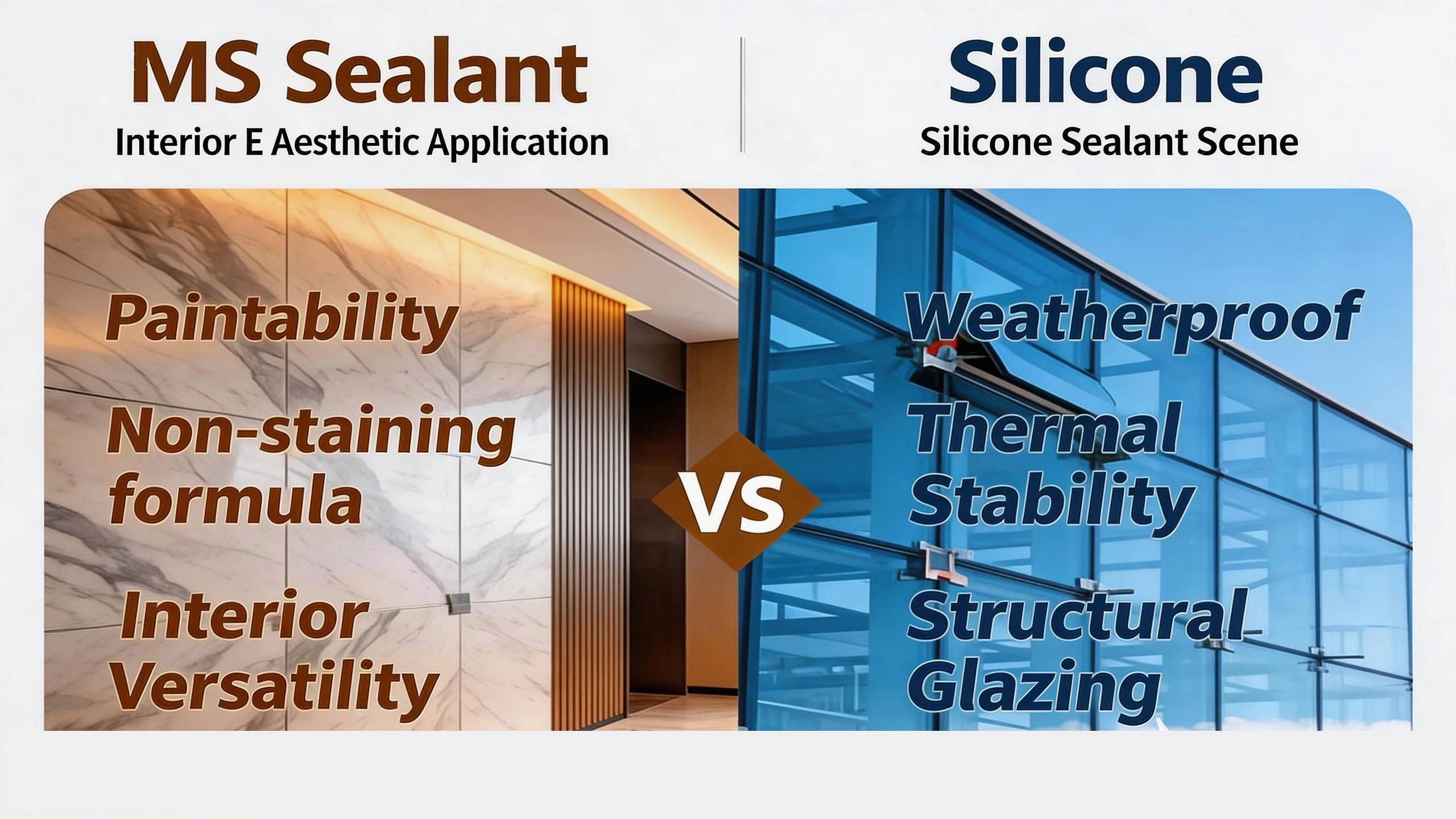
MS Sealant vs. Silicone: Which is Right for Your Construction Project?
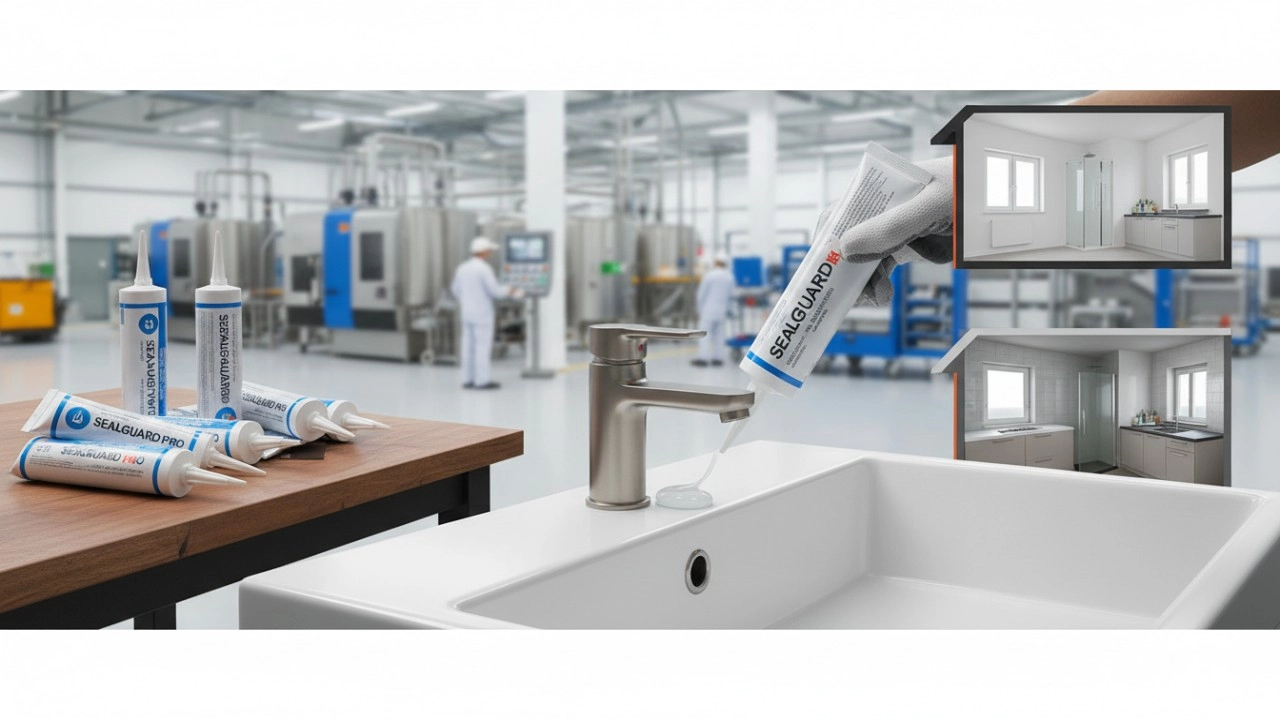
The Ultimate Guide to Choosing a Silicone Sealant Manufacturer in 2026: 10 Critical Factors Often Overlooked
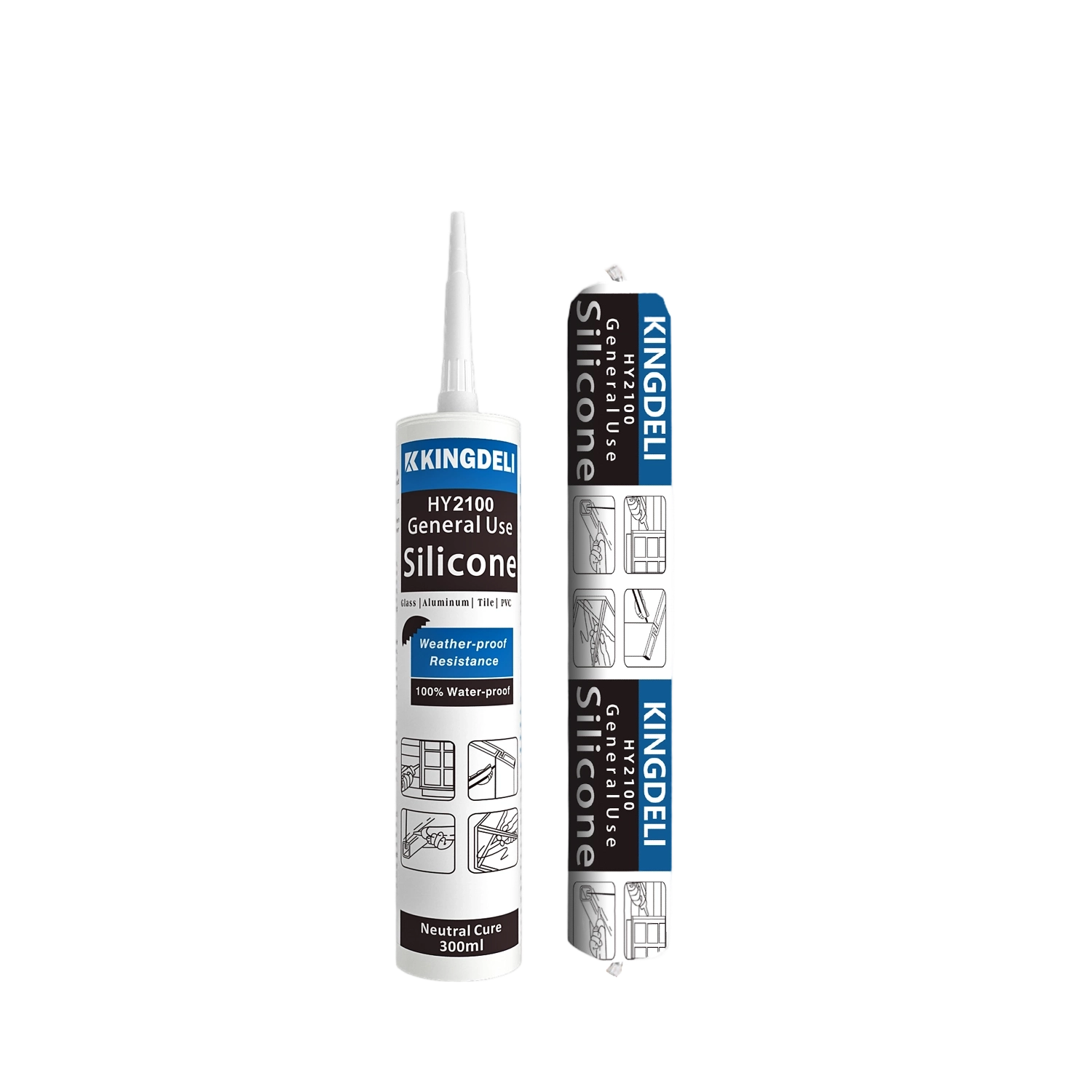
Industrial Applications of Acetic Silicone Sealant: Beyond Basic Glass Sealing
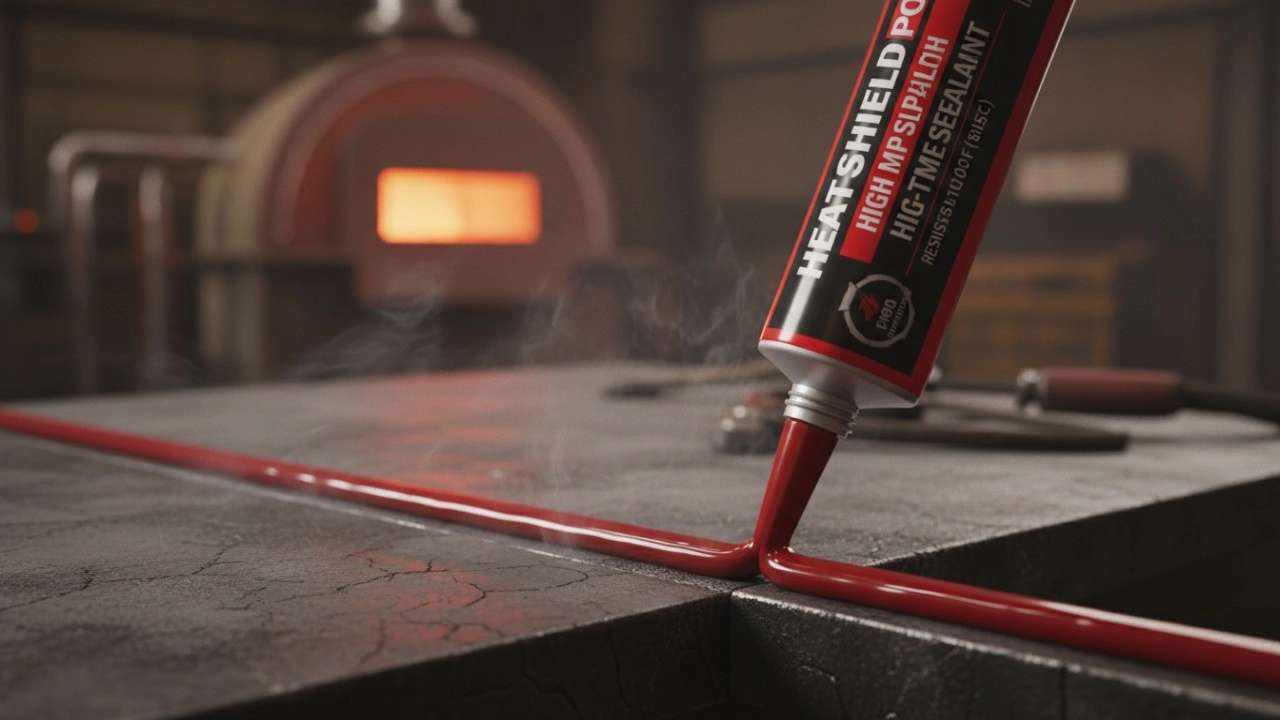
Top Factors to Consider When Choosing an Acetic Silicone Sealant Manufacturer in China
HY997
Is the product environmentally friendly?
Yes. The sealant is solvent-free, ultra-low VOC, non-toxic, and odorless, making it safe for indoor applications and environmentally friendly.
HY-976
Which surfaces does this adhesive bond to?
It bonds well to most porous indoor surfaces, including plaster, concrete, plasterboard, gypsum boards, wood-based materials (e.g. chipboard), and polyurethane rigid foams.
HY-3300
Do you offer OEM or customized packaging for HY-3300?
Yes. We provide OEM services including customized cartridges, box packaging, and labeling according to customer requirements.
HY-682
What type of product is this?
This is a high-quality, single-component, self-leveling sealant and adhesive based on modified silane polymer technology, designed for sealing and bonding applications requiring long-lasting elasticity and strong adhesion.
HY739
Is it paintable after curing?
No. Like other silicones, it cannot be painted after curing.
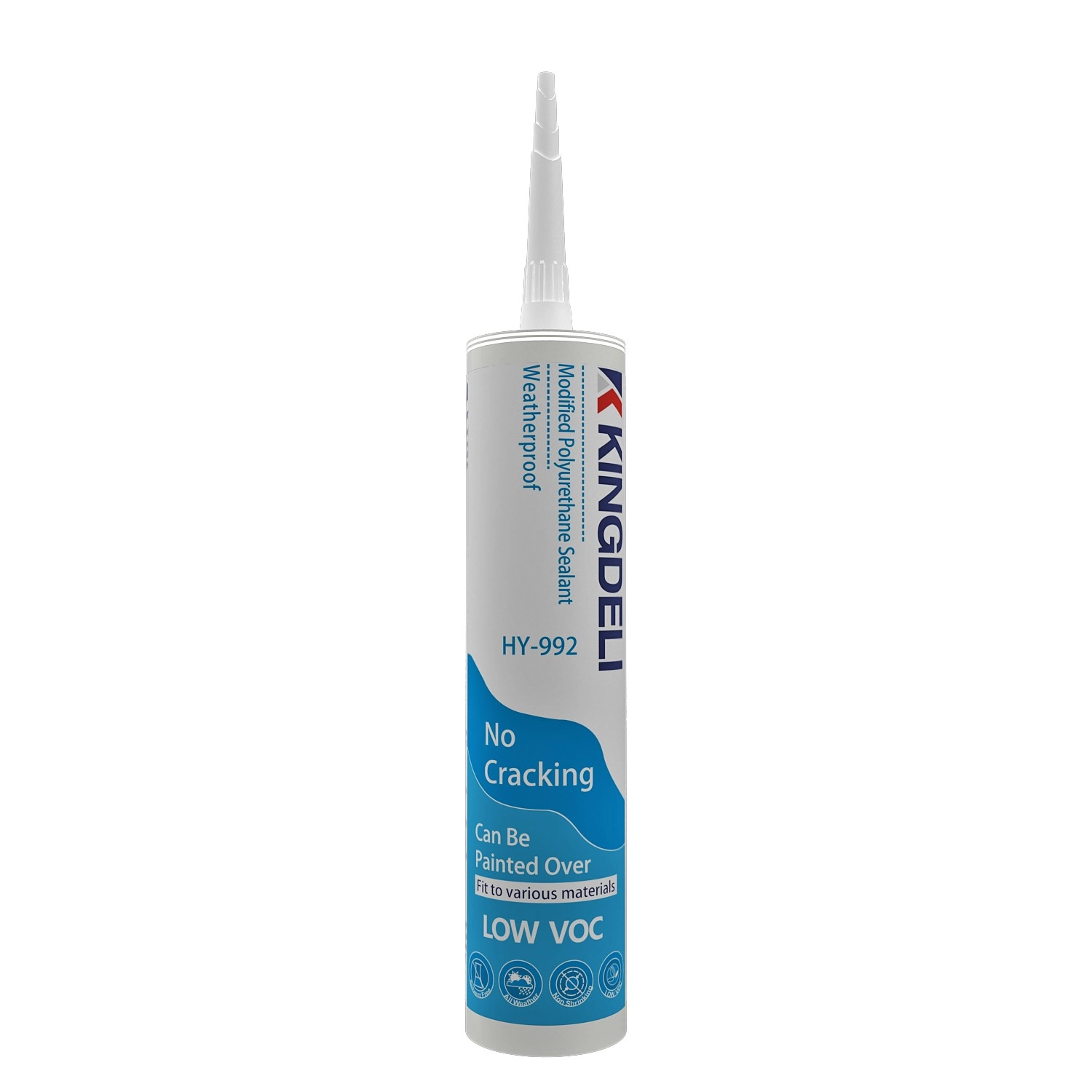
HY992 Modified Polyurethane Construction Sealant
HY992 Modified Polyurethane Sealant is a one-component, moisture-curing construction sealant designed for professional building and structural sealing applications. It provides excellent adhesion, weather resistance, and durable elasticity, making it suitable for a wide range of construction materials.
The formulation delivers strong bonding performance without corrosion or substrate contamination, while maintaining low VOC content for environmentally responsible construction projects.

HY995 Crystal Clear Ms Polymer Adhesive/Sealant
HY995 Crystal Clear Ms Polymer Adhesive/Sealant is a new generation MS Polymer adhesive / sealant formulated for all bonding and sealing applications where long term reliability is required. It has excellent bonding strength on various materials. It will cure to form a durable, flexible, waterproof seal.

HY997 High-Performance Anti-Microbial MS Polymer Sealant
HY997 MS polymer sealant for is is a premium one-component, neutral-curing modified silane sealant engineered for demanding interior applications. It offers a Class 20 movement capability, ensuring long-lasting flexibility and reliable performance under dynamic joint conditions. Curing at room temperature, HY997 delivers superior anti-microbial and mildew-resistant properties, maintaining hygienic and clean environments over time.
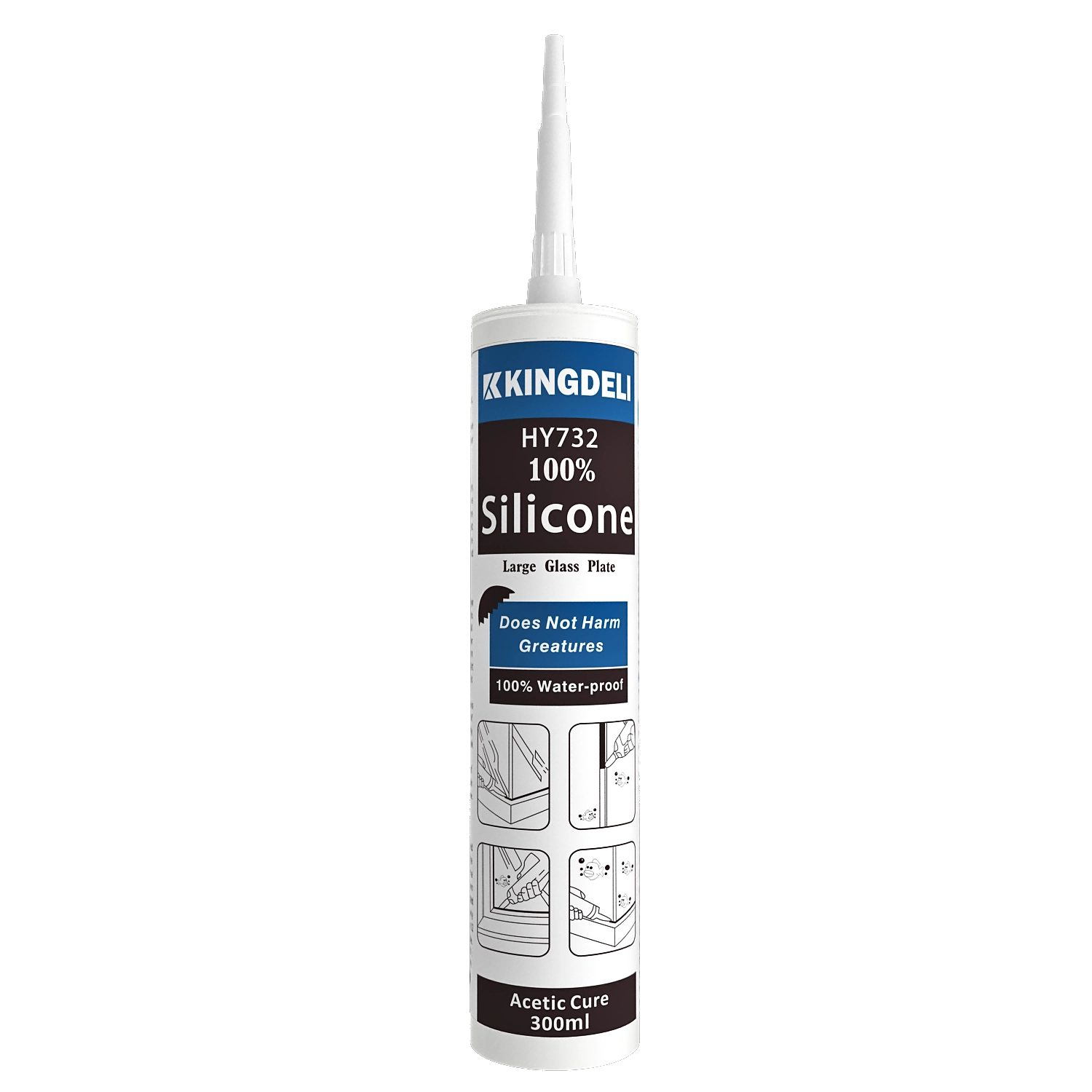
KINGDELI HY732 Professional Acetoxy Cure Silicone Sealant
KINGDELI HY732 is a professional-grade, one-component acetoxy cure silicone sealant designed for fast curing, strong adhesion, and long-lasting flexibility. Ideal for aquariums, glass applications, aluminum doors and windows, kitchens, and bathrooms, it provides reliable sealing performance with excellent anti-fungal protection in high-humidity environments.
Let’s Build Stronger Bonds with Quality Adhesives and Sealants
Have questions about the topic or need tailored sealant solutions for your project?
Our team is ready to provide expert guidance, product recommendations, and application support.
Innovating with Integrity, Bonding the World
Since 1998, KINGDELI has delivered trusted, sustainable sealant solutions that connect industries and inspire progress worldwide.
Whatsapp: +8618825946249
Kingdeli
Kingdeli
Kingdeli
Kingdeli
Kingdeli