











What is the curing time for high-performance silicone sealant? | Insights by KINGDELI
What is the curing time for high-performance silicone sealant? A practical guide
Buying or specifying high-performance silicone sealant requires not only knowing the nominal cure time but also how real-world factors (joint geometry, temperature, humidity, substrate and primers) change the cure rate per mm and time to usable strength. Below are six specific, frequently-asked long-tail questions beginners ask — each with an in-depth, practical answer to help you make better purchasing and on-site decisions.
1) How long will a 10 mm deep neutral-cure silicone joint take to reach full cure at 5°C and 30% RH?
Why this matters: Low temperatures and low humidity are common on cold-job sites and they can dramatically increase total cure time. Many online sources give only the 23°C/50% RH lab value, which is misleading for cold-weather work.
Typical manufacturer figures: Most one-component moisture-curing silicones list a skin-over time of 10–60 minutes and a cure rate of roughly 2–3 mm per 24 hours at 23°C and 50% RH (this is the industry reference condition used in many TDS and standards such as ASTM C920).
How to estimate for 5°C/30% RH (practical method):
- Start from the reference cure rate: 2–3 mm/24h at 23°C/50%RH.
- Adjust for temperature: curing is moisture-driven and temperature-sensitive — as a rule of thumb, cure rate can drop by approximately half when temperature falls from ~23°C to ~5°C (this is a conservative field rule used by contractors; consult the product TDS for precise numbers).
- Adjust for low humidity: lower RH reduces available moisture at the sealant surface and inside deep beads — at 30% RH expect a further reduction; combined with low temperature the effective cure rate can be roughly 0.5–1.0 mm/24h.
Result for a 10 mm deep joint: at ~0.5–1.0 mm/day the joint may require 10–20 days to reach full cure (complete cross-section cure). Skin-over and surface cure may occur in hours, but the core remains soft for much longer.
Actionable recommendations:
- Whenever possible avoid deep single-pass joints in cold/dry conditions; use backer rod to limit depth.
- If fast cure is essential, choose a product with manufacturer data for low-temperature cure or use temporary heat/humidification to accelerate cure.
- Ask suppliers for actual TDS cure charts at the anticipated site temperature and RH — reputable manufacturers provide these.
2) Can I re-seal over existing cured silicone and how will that affect the cure and adhesion?
Why this matters: In renovation work beginners often expect new silicone to bond to old silicone and to cure normally — both expectations frequently fail.
Short answer: New silicone typically will not bond reliably to existing silicone. The new sealant may skin over and cure superficially, but adhesion to the old silicone is usually poor unless the old material is mechanically removed or specialty primers/adhesion promoters are used.
Key points:
- Silicone-to-silicone adhesion is poor because cured silicone is chemically inert and nonpolar; contaminants (soap, mildew, oils) make it worse.
- Complete removal of the old bead (mechanical scraping) is the most reliable route. Clean the substrate to remove residues and then apply a new bead onto the bare substrate or onto a compatible primer.
- If removal is impossible, test adhesion with a small trial and consider using a silicone-specific adhesion primer — note that primers change curing/adhesion behaviour and you should use the primer recommended by the sealant manufacturer.
- Even if the new silicone skins over normally, trapped interface contaminants can produce soft spots or eventual delamination; this creates long-term failure risk.
Practical purchasing tip: When buying, request the manufacturer’s primer list and adhesion test data for your substrate. If the project is renovation, budget time and cost for mechanical removal or a primer-backed procedure.
3) How do I prevent tunnelling (uncured core) in deep joints over 12 mm?
Why this matters: Tunnelling — a cured skin with a soft uncured core — creates sealant failure, especially in thick joints. Many online resources mention this, but few give detailed preventive steps or joint-design rules.
Prevention strategy (design + application):
- Design to the recommended depth: industry practice commonly sets sealant depth = half the joint width (depth = width/2), and generally keeps depth <10–12 mm for single-pass silicone beads. This ensures adequate surface-to-volume ratio for moisture ingress.
- Use a closed-cell foam backer rod sized to control depth and to prevent three-sided adhesion.
- For gaps deeper than recommended, use a two-pass method: apply a shallow bead, allow it to skin/cure to a firm surface, then apply the second layer. Ensure compatibility between layers and follow manufacturer guidance for layer thickness and recoat windows.
- Consider fast-curing or specialized formulations if deep joints are unavoidable — some neutral-cure silicones and hybrid MS polymers have higher cure rates for thicker sections.
- Control site conditions: keep the work area at recommended temperatures and humidity, and avoid sealing into very dry or very cold cavities without mitigation.
Buying guidance: Specify products with TDS that define maximum recommended single-pass depth and give cure rate per mm. If the supplier cannot provide this, consider an alternative product or design adjustment.
4) In dry HVAC ducts or refrigerated spaces with RH <20%, how can I ensure silicone cures in a reasonable time?
Why this matters: HVAC and refrigeration projects commonly have low RH environments that dramatically slow moisture-curing silicones; projects are delayed when cure time is underestimated.
Practical options:
- Increase humidity locally: use temporary humidifiers or misting (ensure substrate compatibility) inside the cavity to raise RH to at least 40–50% during initial cure.
- Choose products formulated for low-humidity cure — some formulations accelerate cure in low RH but may come with trade-offs (e.g., smell or different mechanical properties).
- Use two-component silicones or structural sealants that cure by chemical reaction rather than atmospheric moisture; these are less RH-dependent but require mixing equipment and have limited pot life.
- If temporary humidity is impossible, accept longer cure times and protect the joint from mechanical stress until full cure is confirmed by the supplier’s data.
Procurement tip: For HVAC work request TDS that include cure rate vs RH curves or ask technical support for realistic on-site cure data. That minimizes surprises and schedule slips.
5) For structural glazing, how long before I can safely remove temporary supports or wind bracing?
Why this matters: Structural silicone glazing relies on the cured sealant for load transfer. Mistakenly removing supports too soon risks catastrophic failure.
Key guidance:
- Structural approval and engineering: Only remove supports when the silicone has developed the specified design strength per the structural glazing calculations and the sealant manufacturer’s structural glazing approval.
- Full cure vs usable strength: Full cure (complete cross-section cure) can take days to weeks depending on bead depth, temperature and RH. Many contracts and manufacturer instructions require waiting a minimum number of days or testing to reach specified shear/tensile values before removing temporary supports.
- Typical field approach: For common 6–12 mm sealant sections cured at 20–25°C, temporary supports may be released after several days, but many engineers specify a conservative 7–14 day waiting period or proof testing. In cold/dry conditions this period can extend significantly.
- Verification: Use manufacturer-specified pull or shear test data, or perform an on-site mock-up test under the same conditions prior to full-scale removal of supports.
Safety-first procurement: For structural glazing projects, require structural sealant manufacturer approval, specify required cure/wait times in contract documents, and include acceptance testing clauses.
6) Can I paint over high-performance silicone, and how does cure time affect paint adhesion?
Why this matters: Finish trades often expect to paint joints. Most silicone sealants are not paintable; painting over uncured silicone or wrong formulations causes adhesion and aesthetic problems.
Facts and options:
- Most standard silicone sealants (both acetic and neutral cure silicones) are not paintable. Paint will not adhere reliably even after full cure because cured silicone is non-porous and chemically inert.
- Some manufacturers produce paintable silicone formulations or hybrids (acrylic-silicone blends, MS polymers, or specially primed silicones) — these are designed to accept paint but check the manufacturer’s paint compatibility list and recommended paint systems.
- Curing impact: Painting while the silicone is still curing risks solvent entrapment, wrinkling, or poor adhesion. Wait for the product’s recommended full-cure time before painting, and even then follow the manufacturer’s paintability statement.
- Alternative approach: If paintability is essential, specify a paintable sealant (often polyurethane or acrylic or special paintable silicone) at the procurement stage rather than relying on a general-purpose silicone.
Specifying tip: Include an explicit clause in the specification for paintable sealant and require the manufacturer’s certification of paint adhesion with your chosen paint system.
Concluding summary — advantages of high-performance silicone sealant
High-performance silicone sealants offer excellent long-term weathering resistance, wide service temperature range (typically from around -40°C to +150°C for many formulations), flexibility for large joint movement, UV resistance, and durable adhesion to common substrates (glass, anodized aluminum, tiles) when substrates are properly prepared. Their moisture-based cure chemistry provides good shelf-life and ease of use for many façade, glazing and sanitary applications. For best results in procurement and on-site performance, choose a product whose technical data sheet (TDS) specifies cure rate per mm at relevant ambient conditions, recommended joint depth (usually depth = width/2 and max single-pass depth ~10–12 mm), and compatibility with primers and paint systems. Always verify structural-glazing or critical-load applications with manufacturer approvals and engineering calculations.
If you need product recommendations, technical data sheets, or a site-specific cure-time estimate, contact us for a quote: www.kingdelisealant.com or email info@kingdeliadhesive.com
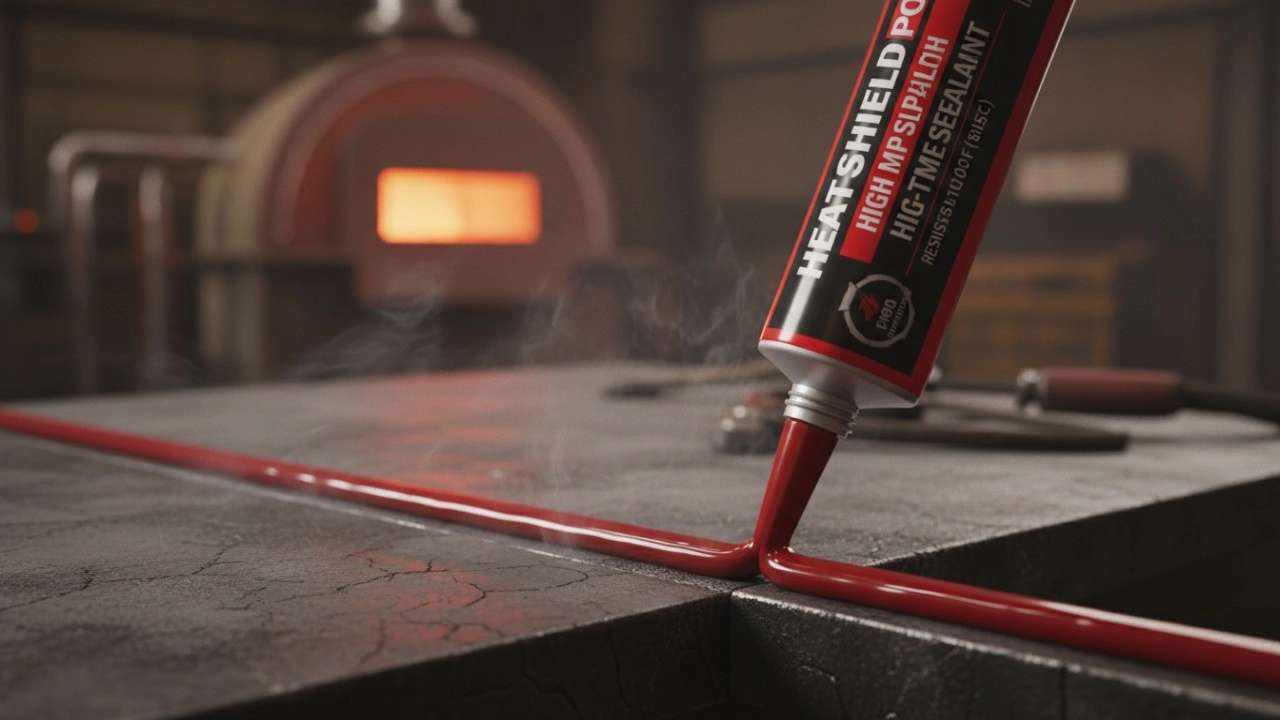
How to Apply High Temperature Silicone Sealant Like a Pro: 5 Secrets for a Lifetime Seal
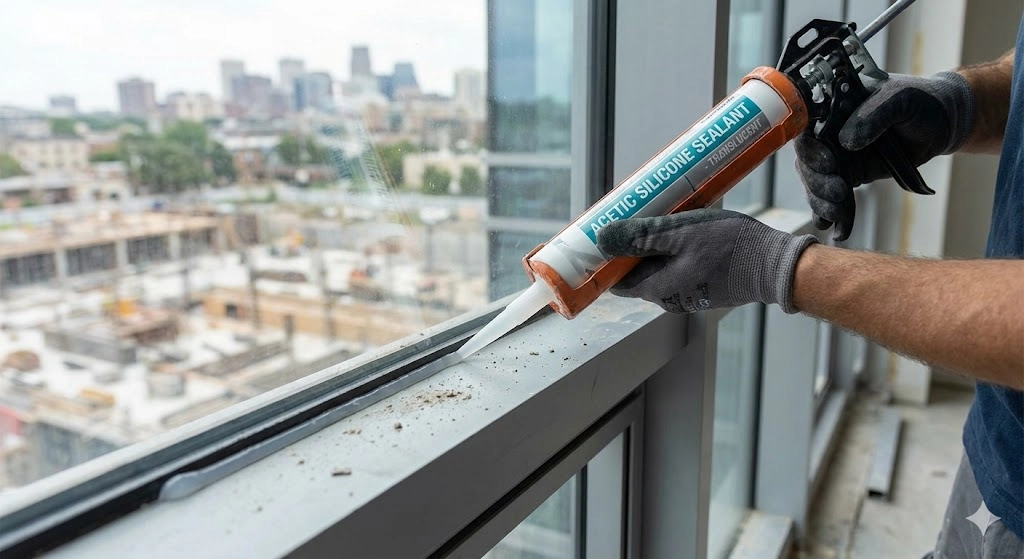
Acid Cure vs. Neutral Silicone: Why Choose Acetic Silicone Sealant for Glass?
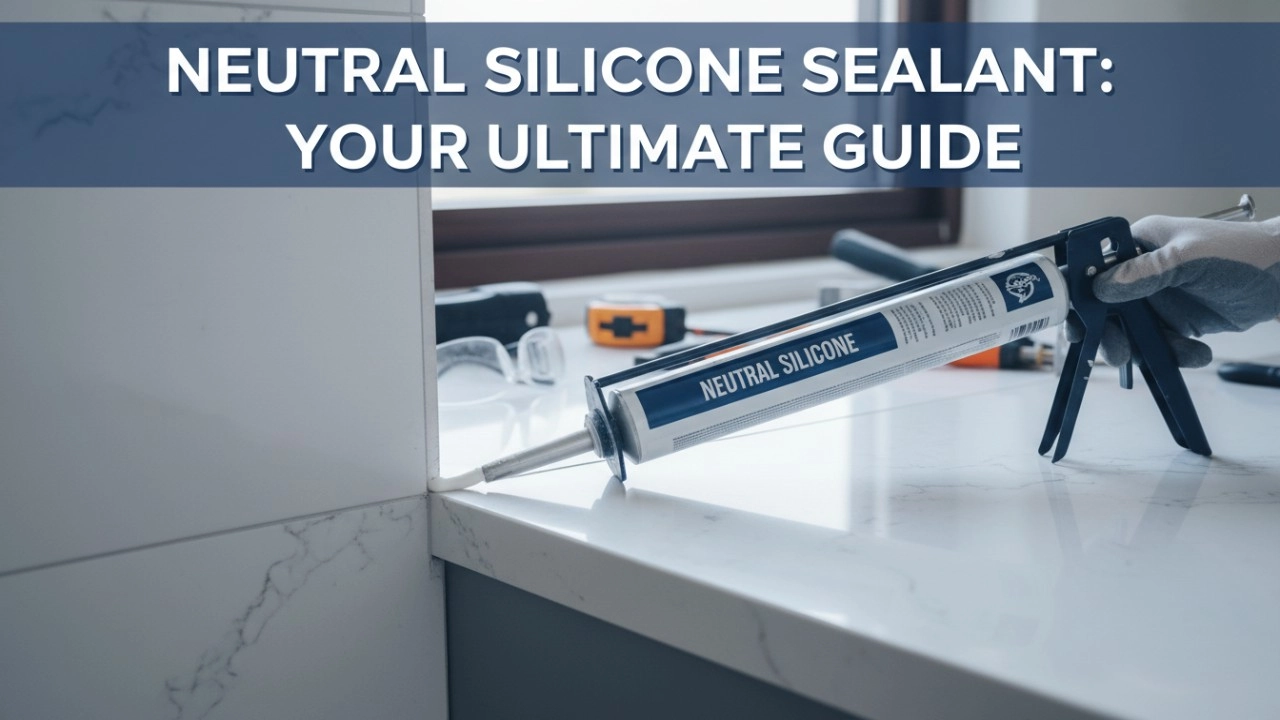
7 Critical Mistakes to Avoid When Using Neutral Silicone Sealant for High-End Projects
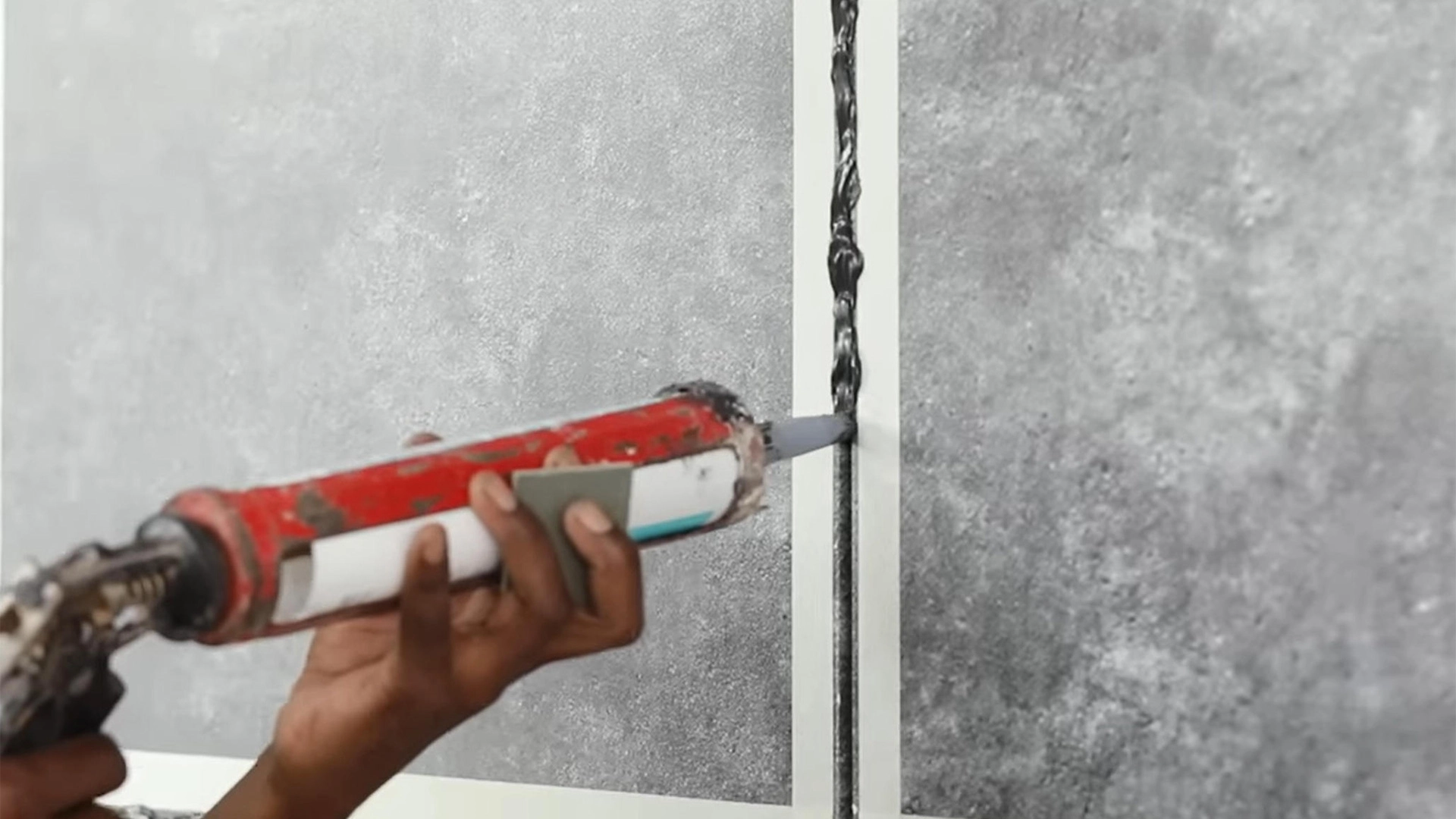
What’s the Difference Between Silicone Sealant and MS Adhesive for ACP?
Distributor Partnership
Can you support technical training?
Yes. Online or on-site technical training can be arranged for distributors and project teams.
HY-2300
How long does it take to cure completely?
Skin formation occurs within several hours depending on humidity and temperature. Full curing usually takes 24–48 hours, thicker sections require longer.
HY925
Does HY925 produce bubbles during application?
No. The formula is designed to remain smooth and consistent, minimizing bubble formation during application.
HY924
How should HY924 be stored and transported?
Keep in a cool, dry, well-ventilated area, away from moisture and heat. Transport as non-dangerous goods.
HY939A
What are the typical applications of this sealant?
Typical applications include bonding and sealing of LED and energy-saving lamps, automotive lighting, as well as structural bonding and sealing of glass, aluminum, and engineering plastics. It is also suitable for general-purpose industrial sealing applications.
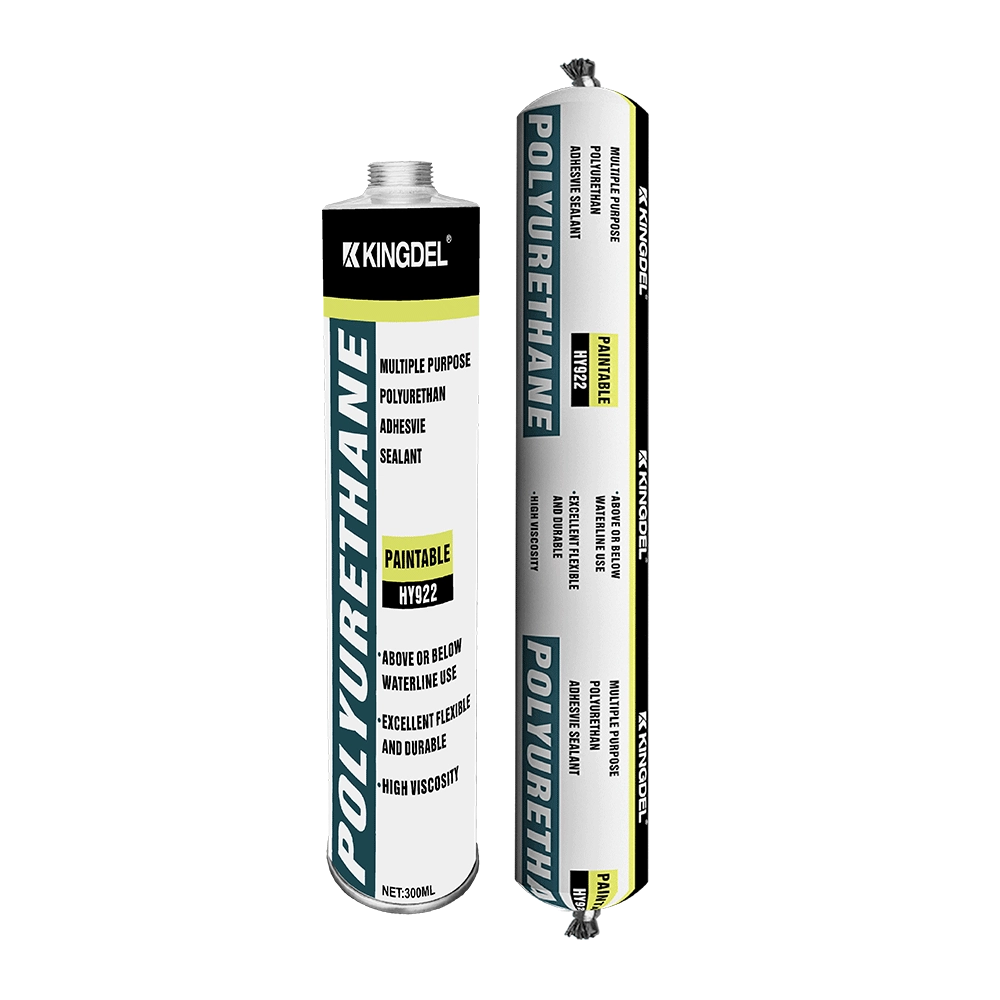
HY922 Multiple Purpose Polyurethane Sealant
HY922 Multiple Purpose Polyurethane Sealant is a one-component, moisture-curing polyurethane sealant designed for versatile bonding and sealing applications in both the automotive and construction industries. It cures to form a flexible yet tough elastomeric joint with excellent adhesion to a wide range of substrates. The formulation is non-corrosive, solvent-free, and produces a smooth, bubble-free finish during application.
HY922 delivers fast surface drying and quick positioning, improving installation efficiency while maintaining long-term durability. With strong weather resistance and good creep resistance, it performs reliably in demanding indoor and outdoor environments, including moist and partially submerged conditions.
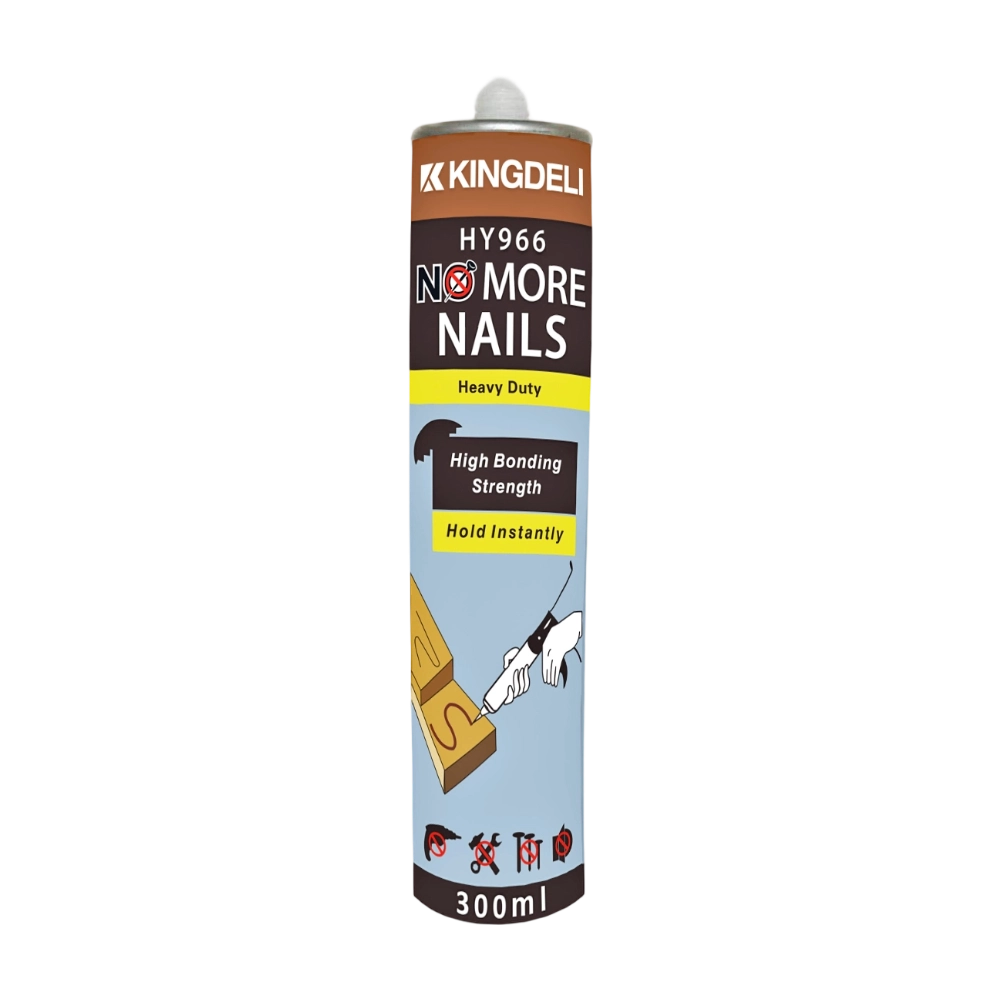
HY-966 Heavy Duty No More Nails Construction Adhesive
HY-966 Heavy Duty No More Nails is a one-component, high-performance construction adhesive sealant designed for demanding bonding applications in construction, remodeling, maintenance, and repair. Its instant grab formulation secures materials immediately, significantly reducing the need for bracing or mechanical fixing during installation.
HY-966 cures reliably in moist environments and delivers durable adhesion across a wide range of substrates. It provides excellent resistance to water, temperature variation, and aging, ensuring long-term performance in interior construction applications.
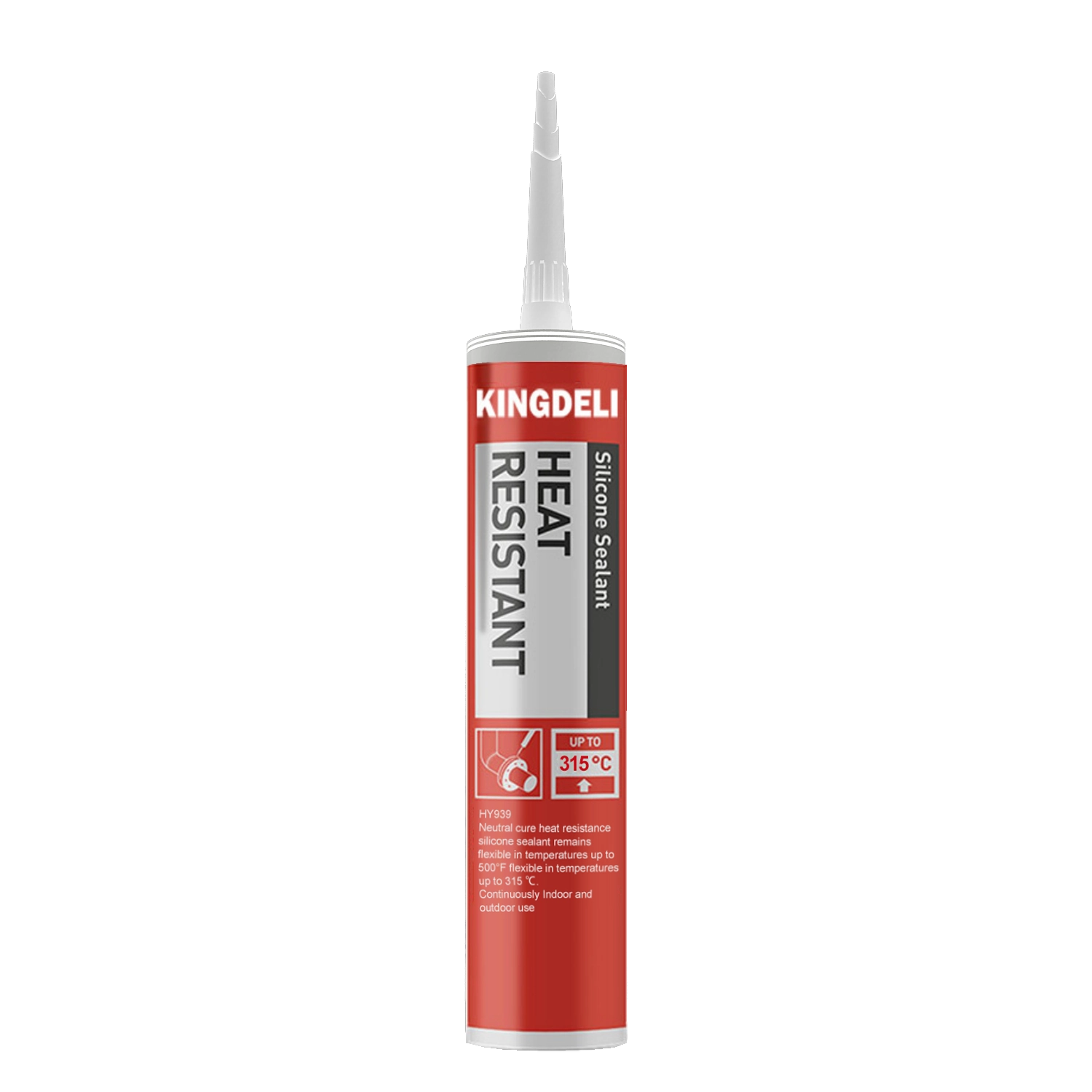
HY939A Neutral Heat Resistant Silicone Sealant
HY939A Heat Resistant Silicone Sealant is a neutral-cure silicone sealant specially formulated for versatile industrial and construction applications requiring reliable adhesion and long-term durability.
The sealant provides strong, non-corrosive adhesion to a variety of substrates, including glass, metal, gypsum board, marble, and certain plastics, making it ideal for both structural and sealing purposes.
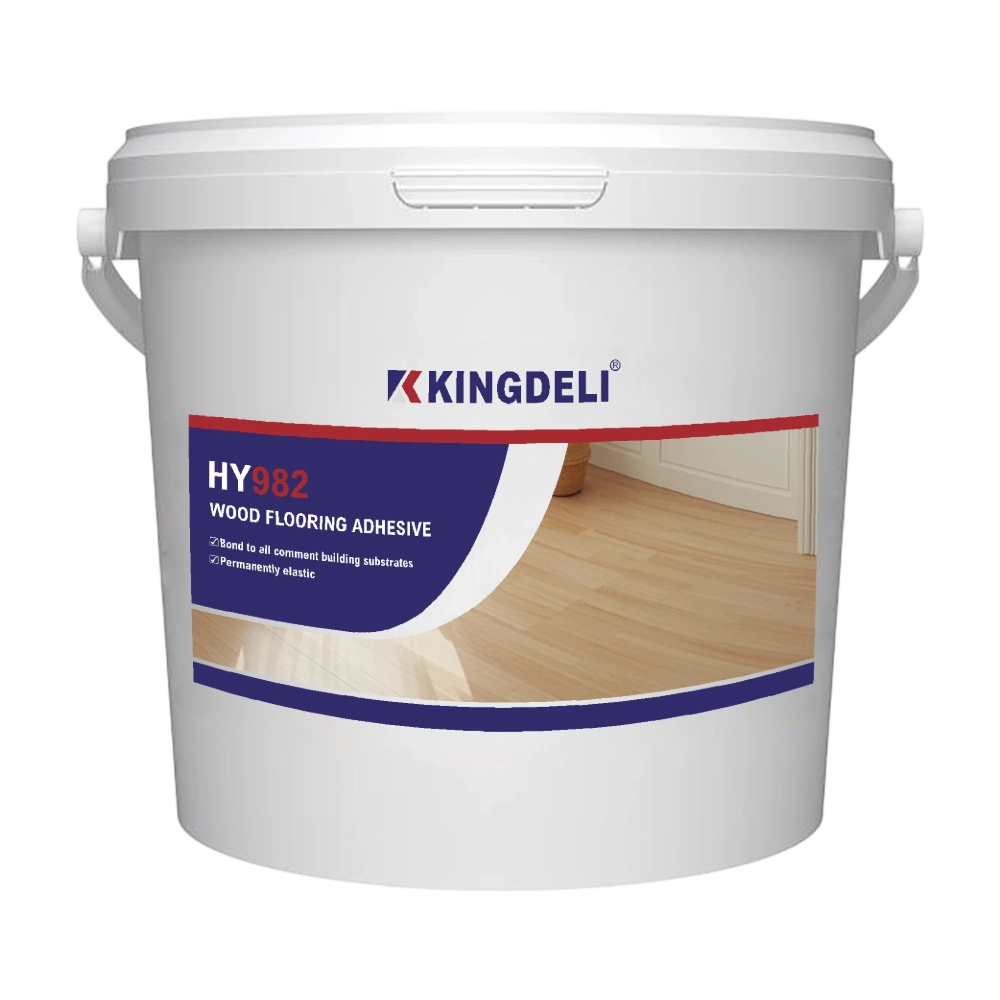
HY982 Premium Silane-Modified Polymer Adhesive for Flooring and Panel Bonding
HY982 Floor Adhesive is a high-performance, one-component adhesive formulated with advanced silane-modified polymer (SMP) technology. It is paintable, non-staining, and environmentally friendly, offering exceptional bonding strength without the need for a primer.
Designed for modern interior installations, HY982 Floor Adhesive provides excellent adhesion to wood, metal, stone, sintered slabs, glass, ceramics, and many other common building materials—making it the ideal choice for flooring installation and panel bonding applications crystal clear formulation.
Let’s Build Stronger Bonds with Quality Adhesives and Sealants
Have questions about the topic or need tailored sealant solutions for your project?
Our team is ready to provide expert guidance, product recommendations, and application support.
Innovating with Integrity, Bonding the World
Since 1998, KINGDELI has delivered trusted, sustainable sealant solutions that connect industries and inspire progress worldwide.
Whatsapp: +8618825946249
Kingdeli
Kingdeli
Kingdeli
Kingdeli
Kingdeli