











How to compare silicone sealant warranties from different suppliers? | Insights by KINGDELI
How to Compare Silicone Sealant Warranties — 7 Practical Buyer Questions Answered
When procuring silicone sealants for façades, windows, sanitary, or industrial use, warranty language can make or break a project’s lifecycle cost. Below are 7 long-tail, procurement-focused questions that often lack in-depth answers online, followed by practical, standards-backed guidance on what to ask suppliers and how to compare offers.
1. How do I compare the actual scope of a supplier’s silicone sealant warranty (material vs. performance vs. labour), and what exact wording should I insist on?
Why it’s a pain: Two warranties both called “10-year warranty” may cover completely different things. One may guarantee material free of defects only; the other guarantees performance (no adhesion failure) and covers labour for replacement.
What to look for and request:
- Warranty type: Ask the supplier to state explicitly whether the warranty is a material-only warranty, a performance warranty (e.g., maintains adhesion and weatherability for X years), or a combined material + labour warranty.
- Trigger language: Insist on exact trigger conditions (e.g., “warranty applies when product is used per manufacturer’s written instructions and installed by certified applicator”).
- Duration and start date: Confirm when warranty starts (date of sale, date of installation, date of project handover) and whether prorating applies.
- Remedy defined: Request the primary remedies (repair, replacement, pro rata refund) and any caps on liability.
- Documentation: Require a written, signed warranty document rather than a bulleted claim on a datasheet.
Standards context: The performance expectations of sealants are commonly referenced to standards such as ASTM C920 (elastomeric joint sealants) and European EN 15651. Warranties should reference which product class and tests underpin the guarantee.
2. How can I verify a warranty will be enforceable in my country or project location (imported product)?
Why it’s a pain: International supply means differing legal regimes, distributors, and conditional clauses that can void warranties.
Checklist to verify enforceability:
- Supplier legal entity on the warranty: warranty must be issued by the party who can be held liable (manufacturer or distributor). Get the legal name and address in writing.
- Local distributor agreements: If the product is sold through a local distributor, request a copy of the distributor’s authorization and a warranty addendum that confirms local enforcement.
- Insurance and bonds: Ask for evidence of product liability insurance covering warranty claims in your jurisdiction (policy certificate). This is common in large projects.
- Language and jurisdiction clauses: Ensure the warranty is available in your contract language and specifies governing law or includes a waiver allowing enforcement under local law.
3. What test reports or standards should I ask for to validate warranty claims (and how to interpret them)?
Why it’s a pain: Suppliers may provide long lists of tests without clear interpretation—buyers need to know which tests correlate to the warranty being offered.
Key test standards to request:
- ASTM C920 — classification and basic performance requirements for elastomeric joint sealants; confirms movement capability and compressive properties. (ASTM C920)
- EN 15651 — European standard for sealants used in façade and structural applications; indicates intended use categories and performance levels. (EN 15651 explanation)
- ASTM C794 / C1135 — tests for adhesion to prepared substrates (peel bond) and for shear strengths where applicable.
- Accelerated weathering / UV tests — e.g., ASTM G154 or equivalent reports showing change in properties after cycles; ask for raw ΔE color change data and adhesion after exposure.
- Adhesion after artificial ageing — look for pass/fail criteria and whether cohesion vs adhesion failure occurred.
How to interpret: Ask the supplier for the scope (substrates, primer used, joint geometry) and the pass criteria. A report showing maintenance of adhesion after accelerated weathering is meaningful only if the substrate and pretreatment match your project. When in doubt, request the raw data (force-displacement, failure mode photos) and an explicit statement mapping the report to the warranty scope.
4. What common warranty exclusions should I negotiate or challenge (substrate, joint design, CT/installation issues)?
Why it’s a pain: Suppliers often exclude many practical causes of failure which leaves the buyer unprotected.
Common exclusions to examine and how to handle them:
- Substrate condition and compatibility: Suppliers often exclude failure due to incompatible or contaminated substrates. Countermeasure: Require a written substrate compatibility statement and a pre-installation site inspection by the supplier or an agreed test pull-off on-site.
- Joint design and movement beyond rated capability: Ask the supplier to confirm the allowed joint movement percentage per ASTM C920 or EN classification and document the joint design assumptions in the specification.
- Installation quality and applicator competency: Many warranties require application by certified installers. Include certification or training clauses in supplier bids and consider third-party inspection at key milestones.
- Environmental misuse: Exclusions for chemical exposure, solvent contact, or excessive ponding should be explicit. If your environment includes such exposures, get a custom product recommendation and warranty addendum.
5. For exterior façade silicones, how should I compare color stability and adhesion warranty specifics—what data and acceptance criteria do I ask for?
Why it’s a pain: “Colorfast” or “no chalking” statements are vague; façade projects can be compromised by visible discoloration years later.
What to request:
- Quantified color change: Ask for ΔE (CIEDE2000 or CIELAB) values from UV/condensation weathering tests (e.g., ASTM G154) at defined exposure intervals (e.g., 1000, 2000, 3000 hours). Prefer suppliers that provide numerical ΔE trends rather than qualitative statements.
- Adhesion retention: Request adhesion-after-ageing data on the specific façade substrates (glass, aluminum, coated metals) and specify acceptable failure modes (no adhesion failure vs. cohesion acceptable).
- Photographic evidence: Before/after high-resolution photos of test specimens help validate claims.
If a supplier cannot supply these quantifiable test outputs tied to the warranty term, treat the warranty as weak for aesthetic-sensitive façades.
6. How do I protect long-term projects when product formulations change or SKUs are discontinued — how transferable/continuing are warranties?
Why it’s a pain: Manufacturers reformulate or discontinue products; new batches may not be identical and future replacements may not match property-wise.
Contract clauses and procurement tactics:
- Batch traceability: Require batch/lot numbers and a commitment that replacement material comes from the same formulation or that an equivalent certified product and warranty will be supplied if discontinued.
- Continuity clause: Include a clause that the manufacturer will supply an equivalent product with documented equivalence tests if discontinue occurs, and that it will honour warranties for previously installed product for the original warranty term.
- Stocking spares: For long-term maintenance, purchase sealed spare cartridges or joints to match the original batch when feasible.
- Third-party escrow testing: For critical projects, require that the manufacturer deposit a sample batch and test data with a mutually agreed third party for future verification.
7. How do I compare warranty remedies and caps (repair, replacement, prorated refund) and convert them to expected lifecycle cost for procurement decisions?
Why it’s a pain: Warranties with repair-only remedies or low caps might look similar on paper but differ hugely in total project cost risk.
How to compare and calculate:
- Collect the remedy table: For each bid, get a table listing remedy type (repair, replacement, refund), response time, whether labour is covered, and maximum monetary cap.
- Estimate failure probability: Use available data (manufacturer field history, third-party references, or accelerated test correlation) to estimate an annual failure probability for critical joints. If such data is unavailable, use conservative assumptions — e.g., 0.5–2% per year for high-movement or exposed joints — and state assumptions explicitly in procurement documents.
- Calculate expected warranty cost: Expected cost = (Probability of failure) x (cost of remedy under warranty + cost of downtime/third-party remediation). For prorated warranties, incorporate the declining payout schedule into the cost model.
- Compare net-of-warranty lifecycle cost: Add expected warranty cost to material + installation cost to compare true project economics, not just upfront price.
Tip: Require a standard response time (e.g., site visit within X business days) and escalation protocol in the warranty to avoid slow remediation that increases indirect costs.
Practical procurement checklist — what to request from every supplier before awarding a contract
- Signed warranty document specifying type, duration, remedies, start date, governing law, and transferability.
- Product Data Sheet (PDS), Safety Data Sheet (SDS), and installation instructions.
- Relevant test reports with raw data and test conditions (ASTM C920, adhesion tests, accelerated weathering reports).
- Evidence of quality management (e.g., ISO 9001 certificate) and product liability insurance certificate.
- List of certified applicators or commitment for applicator training and on-site supervision.
- Batch traceability policy and stock/continuity plan if project spans multiple years.
Authoritative references for further reading:
- Sealant (material) — Wikipedia
- ASTM C920 — Elastomeric Joint Sealants
- EN 15651 — Sealants for Façade and Structural Applications (overview)
- ISO 9001 — Quality management systems (supplier quality assurance)
Why choose KINGDELI for silicone sealants and warranties
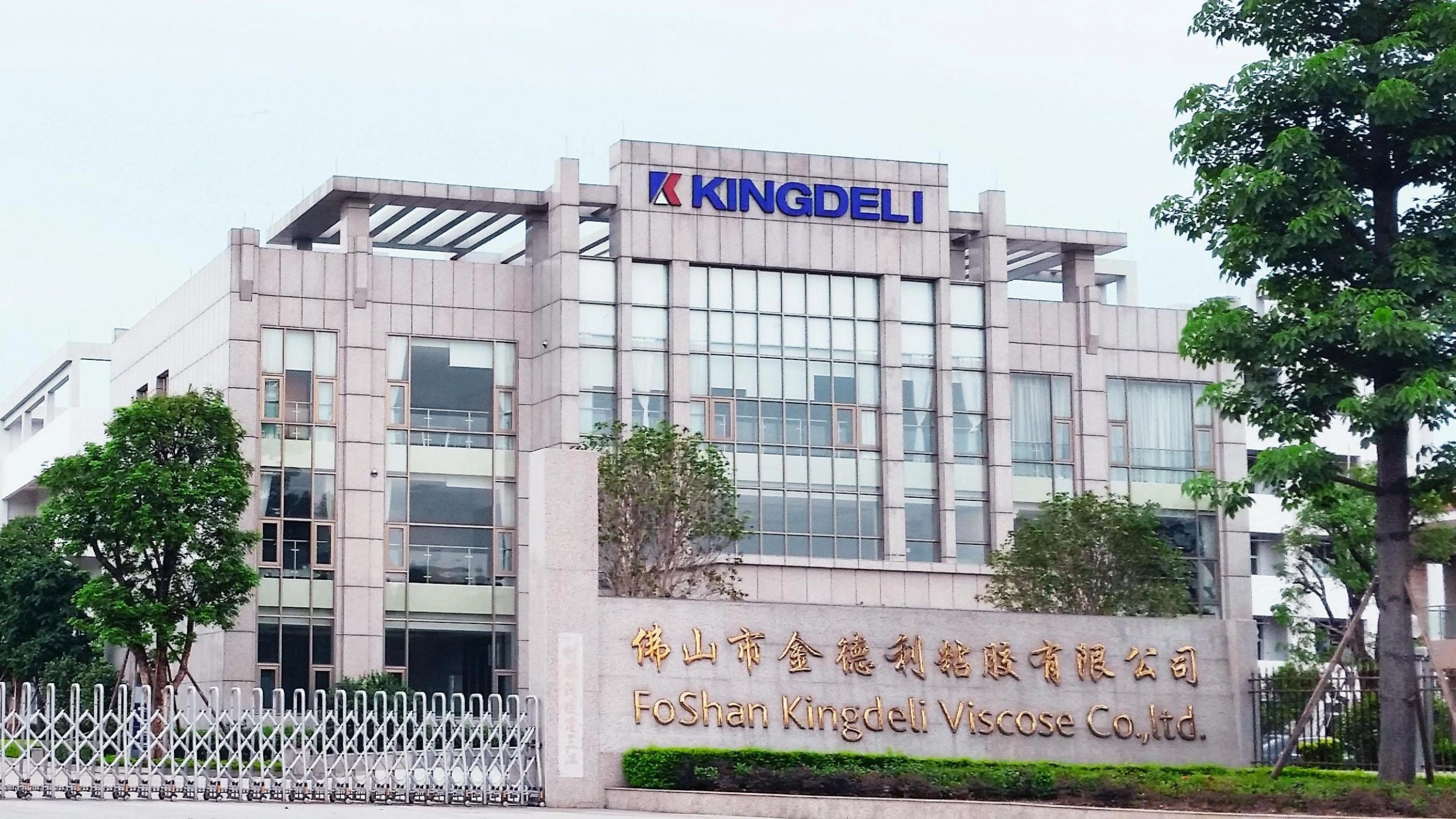
KINGDELI (www.kingdelisealant.com) supports procurement teams by providing clear, contract-ready warranties, accessible technical dossiers (PDS, SDS, test reports tied to specific batches), and local technical support. KINGDELI offers:
- Transparent warranty documents that define scope, remedies, and enforcement terms;
- Traceable batch numbering and the ability to supply spare stock for long projects;
- Technical field support and applicator training to protect warranty validity;
- Availability of test reports and assistance mapping test data (ASTM/EN) to project requirements.
For warranty templates, technical questions, or to request product dossiers, contact KINGDELI at info@kingdeliadhesive.com or visit www.kingdelisealant.com.
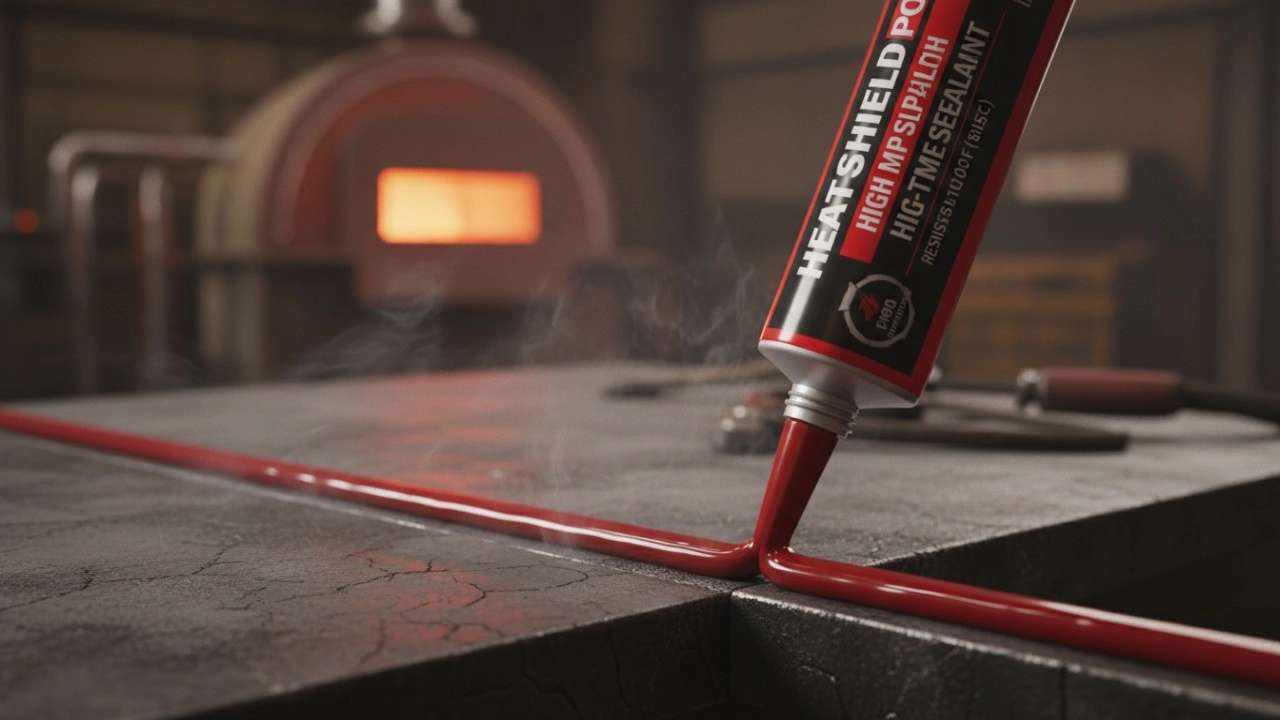
How to Apply High Temperature Silicone Sealant Like a Pro: 5 Secrets for a Lifetime Seal
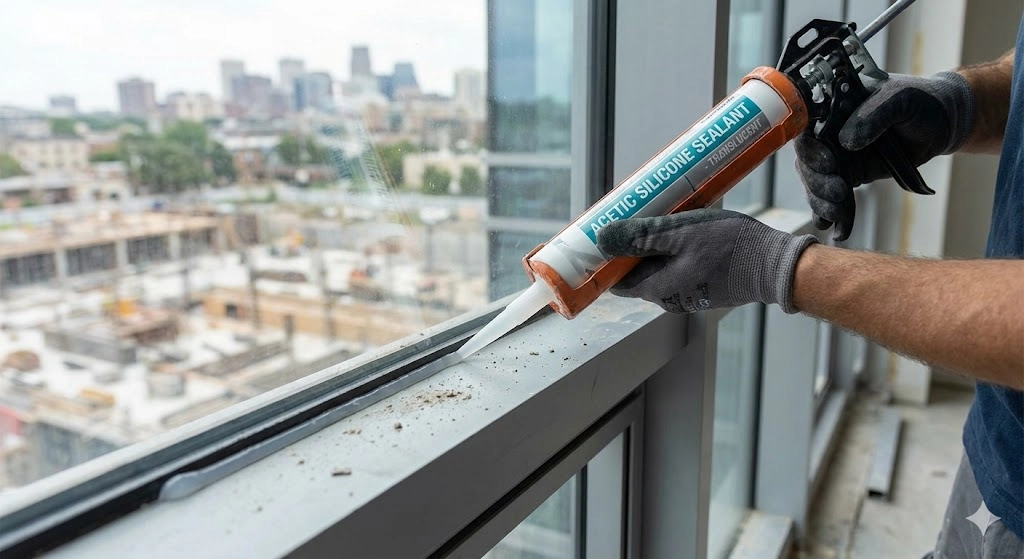
Acid Cure vs. Neutral Silicone: Why Choose Acetic Silicone Sealant for Glass?
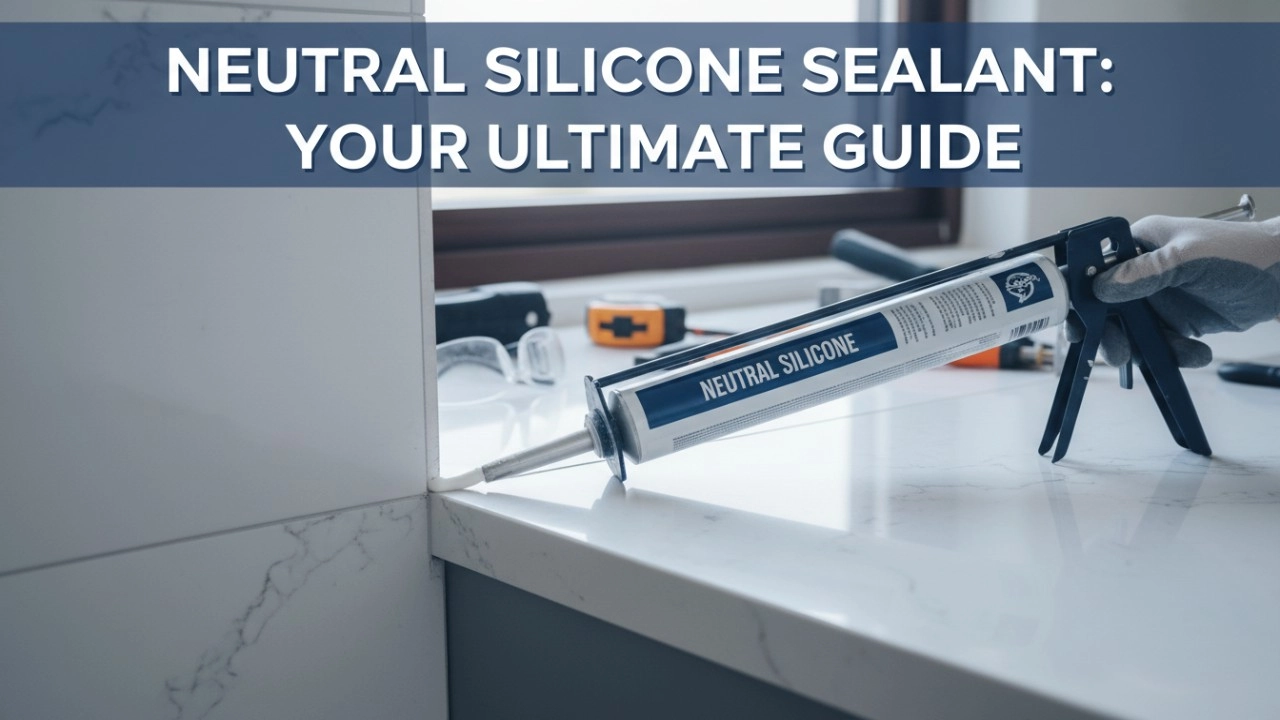
7 Critical Mistakes to Avoid When Using Neutral Silicone Sealant for High-End Projects
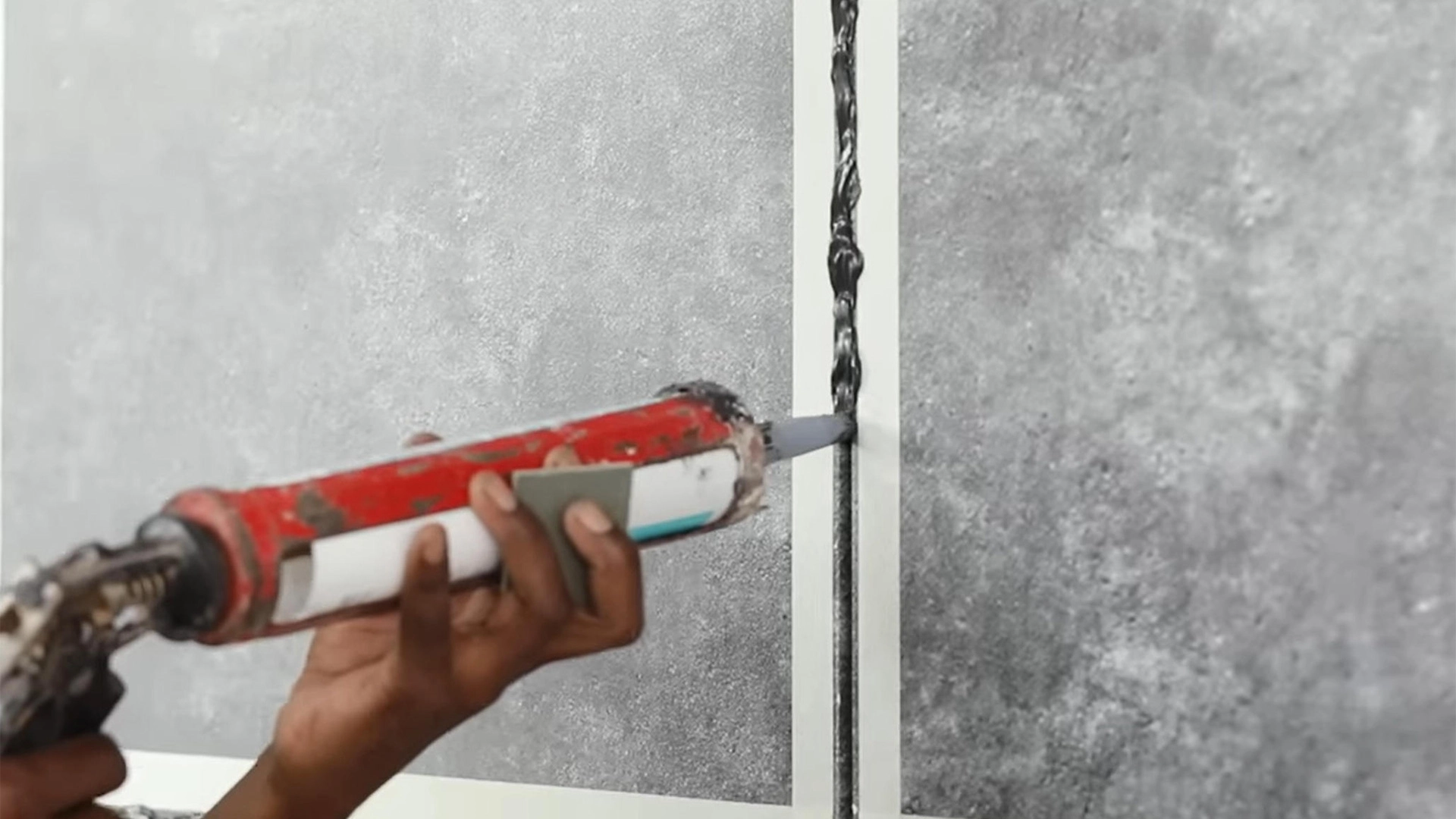
What’s the Difference Between Silicone Sealant and MS Adhesive for ACP?
HY924
What is HY924 used for?
HY924 is designed for bonding and sealing automotive windshields, side windows, and rear windows. It is suitable for both installation and replacement work.
HY982
How is the product applied?
HY982 is supplied in bucket packaging and should be applied using a trowel, spatula, or serrated spreader. Stir well before use and spread evenly to ensure full surface contact.
HY993
What is the shelf life of HY993?
Both cartridge and foil packaging have a 12-month shelf life when stored unopened in cool, dry conditions.
HY-2300
What is HY-2300 mainly used for?
HY-2300 is designed for outdoor glazing and weatherproof sealing, especially suitable for curtain wall joints, window & door frames, ACP panel seams, and general building decoration sealing.
HY922
Is HY922 suitable for outdoor applications?
Yes. HY922 offers excellent weather resistance and performs well in outdoor environments, including exposure to moisture, frost, and temperature variations.
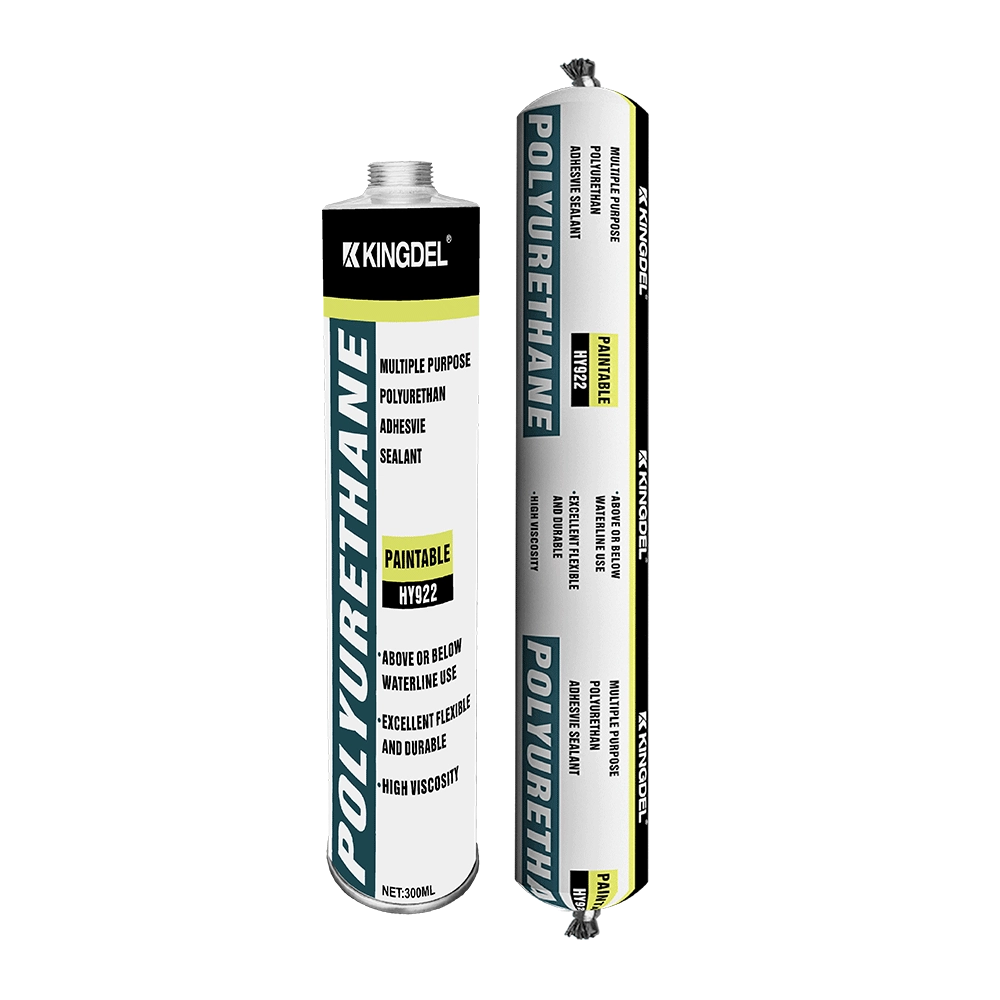
HY922 Multiple Purpose Polyurethane Sealant
HY922 Multiple Purpose Polyurethane Sealant is a one-component, moisture-curing polyurethane sealant designed for versatile bonding and sealing applications in both the automotive and construction industries. It cures to form a flexible yet tough elastomeric joint with excellent adhesion to a wide range of substrates. The formulation is non-corrosive, solvent-free, and produces a smooth, bubble-free finish during application.
HY922 delivers fast surface drying and quick positioning, improving installation efficiency while maintaining long-term durability. With strong weather resistance and good creep resistance, it performs reliably in demanding indoor and outdoor environments, including moist and partially submerged conditions.
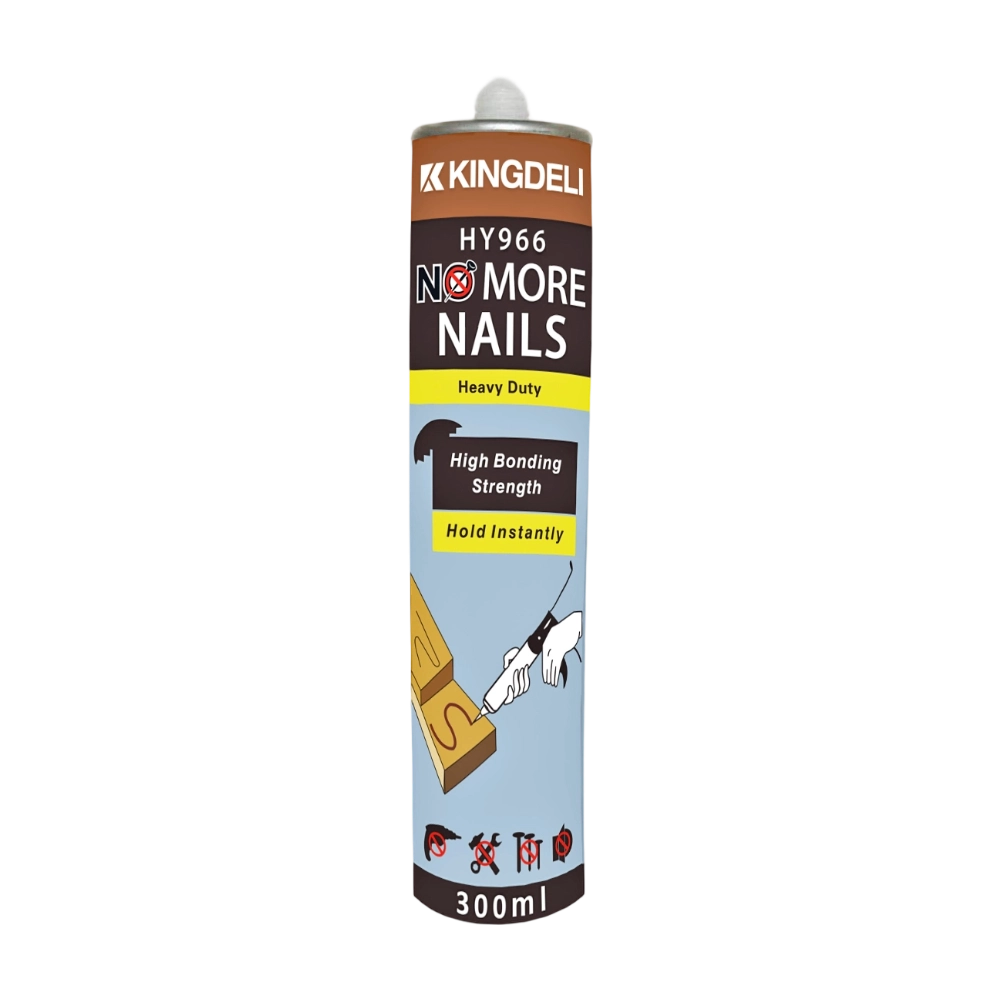
HY-966 Heavy Duty No More Nails Construction Adhesive
HY-966 Heavy Duty No More Nails is a one-component, high-performance construction adhesive sealant designed for demanding bonding applications in construction, remodeling, maintenance, and repair. Its instant grab formulation secures materials immediately, significantly reducing the need for bracing or mechanical fixing during installation.
HY-966 cures reliably in moist environments and delivers durable adhesion across a wide range of substrates. It provides excellent resistance to water, temperature variation, and aging, ensuring long-term performance in interior construction applications.
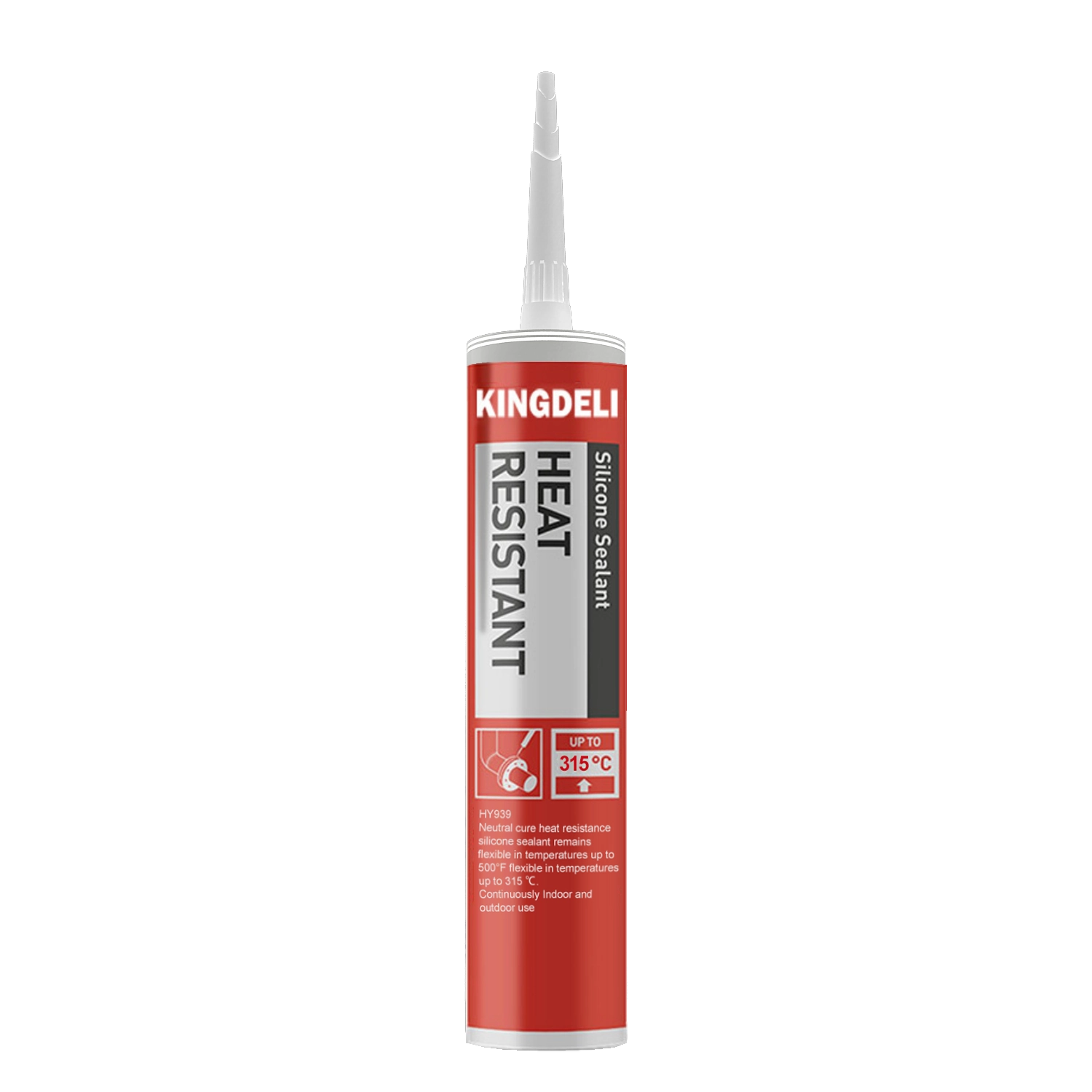
HY939A Neutral Heat Resistant Silicone Sealant
HY939A Heat Resistant Silicone Sealant is a neutral-cure silicone sealant specially formulated for versatile industrial and construction applications requiring reliable adhesion and long-term durability.
The sealant provides strong, non-corrosive adhesion to a variety of substrates, including glass, metal, gypsum board, marble, and certain plastics, making it ideal for both structural and sealing purposes.
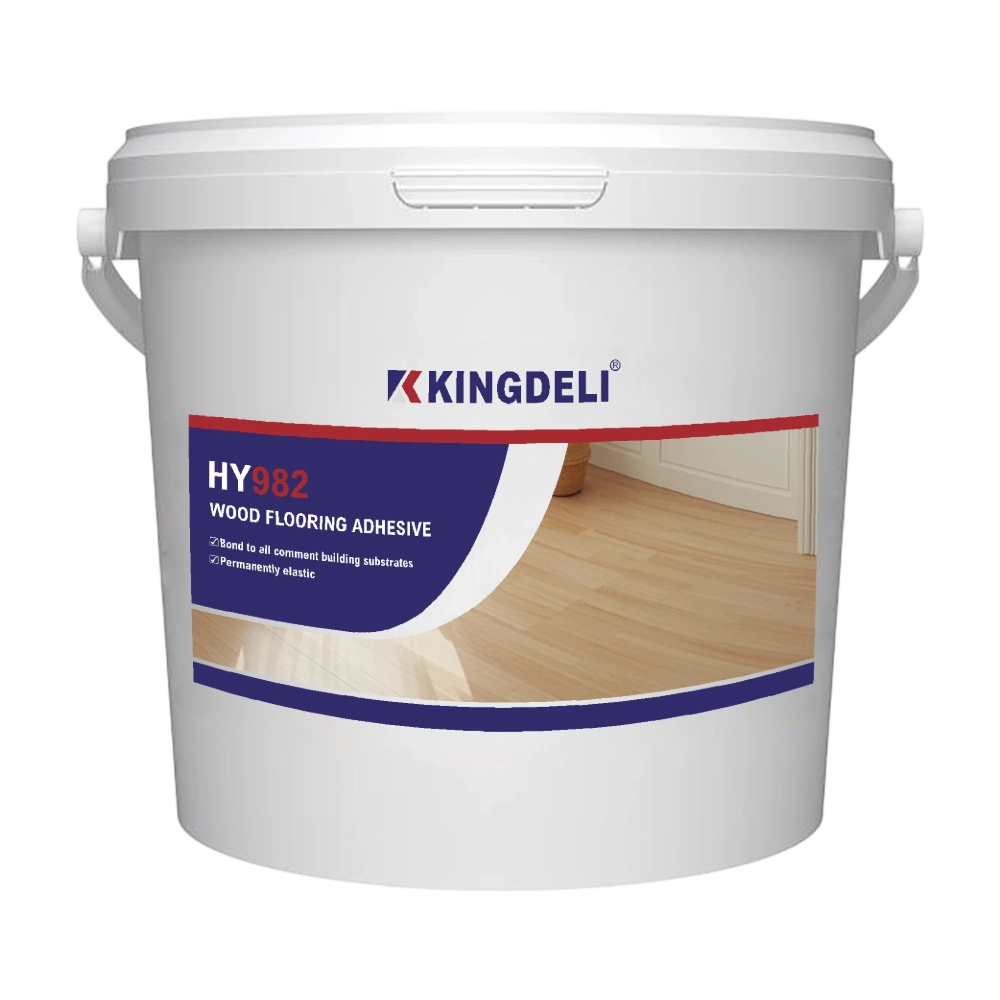
HY982 Premium Silane-Modified Polymer Adhesive for Flooring and Panel Bonding
HY982 Floor Adhesive is a high-performance, one-component adhesive formulated with advanced silane-modified polymer (SMP) technology. It is paintable, non-staining, and environmentally friendly, offering exceptional bonding strength without the need for a primer.
Designed for modern interior installations, HY982 Floor Adhesive provides excellent adhesion to wood, metal, stone, sintered slabs, glass, ceramics, and many other common building materials—making it the ideal choice for flooring installation and panel bonding applications crystal clear formulation.
Let’s Build Stronger Bonds with Quality Adhesives and Sealants
Have questions about the topic or need tailored sealant solutions for your project?
Our team is ready to provide expert guidance, product recommendations, and application support.
Innovating with Integrity, Bonding the World
Since 1998, KINGDELI has delivered trusted, sustainable sealant solutions that connect industries and inspire progress worldwide.
Whatsapp: +8618825946249
Kingdeli
Kingdeli
Kingdeli
Kingdeli
Kingdeli