











How to choose a silicone sealant supplier for bulk orders? | Insights by KINGDELI
Buying bulk silicone sealant for construction, industrial or food-contact applications is a technical procurement task. Below are six specific, pain-point-focused questions beginners ask but often find only superficial answers to. Each answer gives actionable checks, standards (ASTM, EN, ISO), sample acceptance criteria, and contract items you can use when qualifying suppliers for bulk silicone adhesive and sealant supply.
1. How can I verify a silicone sealant supplier's true production capacity and consistency for a 50‑ton/year bulk order?
Problem: Suppliers often quote capacity that sounds sufficient, but buyers later face inconsistent batch quality or missed lead times. What to check:
- Factory tour / remote audit: Verify the number and type of continuous mixers and batch reactors (single-screw, twin-screw, planetary) and their rated hourly output. Ask for current utilization rates and production schedules showing planned vs actual output for recent quarters.
- Batch records and traceability: Request anonymized production batch records for at least 6–12 months showing raw material lot numbers, batch size, mixing times, temperature profiles, and in‑process QC checks (viscosity, density, tack). Consistent records demonstrate process control.
- Quality control lab: Confirm on-site QC equipment — rheometer/viscometer, Shore A durometer, tensile tester (ASTM D412), adhesion test capability (ASTM C794 or equivalent), FTIR for polymer identity, and GC for volatile organic compounds (VOC). Ask for calibration certificates for critical instruments.
- Supply chain redundancy: Ask how many raw material sources (silicone polymers, crosslinkers, fillers) they use and whether single-source items have lead‑time risk. For large annual volumes, require second-source approval or safety-stock commitments.
- Performance KPIs and penalties: Define lead time, on‑time delivery rate, and batch acceptance rates in the contract. Use concrete SLA metrics (e.g., 95% deliveries on time ±3 days; <2% out‑of‑spec rejections) with remedies such as expedited replacement shipments or price rebates. Typical check steps: factory audit checklist, review 6–12 months of batch records, inspect QC lab and instrument calibration, confirm raw material sourcing and warehousing capacity. These checks reduce the risk of supply inconsistency when ordering bulk silicone sealant or silicone adhesive.
2. How do I ensure the bulk silicone sealant will meet adhesion and movement requirements for my façade or glazing system?
Problem: Sealant that passes general specs may still fail in your system due to substrate incompatibility or insufficient movement capability.
Actionable approach:
- Specify standards in the purchase order: For building façade and glazing, require compliance with ASTM C920 (types, grades) and EN 15651 (façade and structural categories). Define the required movement capability (e.g., ±25% class 25LM or higher) and modulus limits.
- Request relevant test data: Adhesion after accelerated weathering (UV and heat), adhesion after water immersion, and adhesion to your substrates (aluminum, anodized aluminum, coated metals, concrete, painted surfaces). Ask for ASTM C794 (adhesive bond strength), and peel/tensile data (ASTM D412) and adhesion after cyclic movement tests per EN 15651.
- Mock-ups and primer compatibility: Require the supplier to perform mock-up tests on your actual panels and coatings. Some substrates need primers — get a written primer recommendation with adhesion data and open time/working window.
- Acceptance criteria example: Maintain ≥80% of initial adhesion after 2000 hours QUV (or as your specification requires), no cohesive failure in tensile tests, and retain movement capability ±25% without adhesive failure.
Requiring supplier-provided test reports on your substrates and specifying acceptance criteria in the contract prevents downstream failures and costly remediation.
3. How can I evaluate chemical compatibility and cure chemistry (neutral cure vs acetoxy/RTV) for bulk silicone sealant across different substrates and paints?
Problem: Cure byproducts (acetic acid for acetoxy, alcohols/organic byproducts for some neutral systems) can corrode metals, interfere with coatings, or smell. You need the right silicone sealant chemistry for your application.
Checklist:
- Cure type selection: Acetoxy silicone (acetic cure) releases acetic acid and can corrode copper, brass, or certain coatings. Neutral cure (oxime, alkoxy, or oxime‑free formulations) is safer for sensitive metals and many paints. For food‑grade or medical applications, specify solvent‑free and FDA‑compliant chemistries.
- VOC and odor: For indoor applications or projects bound by local air‑quality rules, verify measured VOC by GC and ensure values meet local regulations (e.g., SCAQMD, local building codes). Request SDS and measured VOC reports.
- Paintability and overpaint time: If the sealant will be overpainted, get data on paint compatibility and recommended topcoat windows. Some silicones are not paintable or require special primers.
- Corrosion testing: For metal substrates, request salt spray / corrosion tests (ASTM B117), or specific corrosion studies. Ask for evidence that the sealant does not cause metal staining or white corrosion products.
Include chemistry requirements and incompatibility clauses in your specification (e.g., “neutral cure, low‑VOC, non‑corrosive to copper and anodized aluminum”) to prevent field failures.
4. What packaging, shelf‑life, and warehouse controls should I require when ordering bulk silicone sealant for multi‑site storage?
Problem: Improper packaging or expired materials produce rejects and waste. Bulk orders often go to several warehouses or assembly lines.
Key considerations:
- Packaging options: Determine which formats you need — 300ml cartridges, 600ml sausages, 20kg pails, 200kg drums, or IBCs for very large use. Request packaging compatibility tests (no phase separation, no curing in closed containers) and material compatibility of liners and pumps.
- Shelf life and storage conditions: Most one‑component silicone sealants have shelf lives typically 12–24 months stored at 5–25°C, away from direct sun. Ask for the supplier’s documented shelf life and recommended conditions. Require lot coding and a first‑expire, first‑out (FEFO) system for multi‑warehouse distribution.
- Temperature stabilization: For long transport or seasonal climates, require thermal stabilization or expedited shipping for temperature‑sensitive products. Confirm whether cold or hot storage affects viscosity and cure.
- Small‑lot testing on receipt: Add a clause for random incoming inspection (visual, viscosity, basic tack test) and a right to reject unopened lots that fail acceptance checks. Define sampling frequency (e.g., 1% of lots) and hold times for destructive testing if needed.
Contract language sample: “Supplier shall provide lot code traceability, shelf life ≥12 months at 23±5°C, packaging in sealed liners suitable for pneumatic pumps for drums, and FEFO labeling for multi‑warehouse shipments.”
5. How should I negotiate price, MOQ, lead times, and quality guarantees for a multi‑year supply agreement to minimize risk?
Problem: Buyers accept low price but suffer hidden costs (stockouts, variable quality, compliance failures). Use transparent commercial and technical clauses.
Negotiation and contract items:
- Cost components: Ask suppliers to break down unit cost into raw materials, packaging, labor, overhead, and logistics. This helps you understand where savings are possible (e.g., changing packaging to bulk drums reduces per‑kg packaging cost).
- MOQ and volume tiers: Negotiate graduated pricing tiers for committed volumes (e.g., price X for 0–10 tonnes/year, price X‑Y for 10–50 tonnes/year). Define minimum order quantity (MOQ) and monthly delivery commitments to match your consumption pattern.
- Lead times and buffer stock: Define standard lead time and maximum lead time. For critical lines, request safety stock at the supplier or consignment stock at your warehouse. Include penalties for late deliveries and remedies for excess lead time (expedited shipments at supplier cost).
- Warranty and acceptance: Define clear acceptance testing procedures and timelines for rejection (e.g., 30 days for reporting non‑conformance). Include material warranty clauses (e.g., replacement of defective batches, cost recovery for rework and third‑party testing).
- Price adjustment clauses: Use CPI‑linked or raw‑material index clauses for multi‑year contracts, with caps and minimum notice periods for price changes. Avoid open-ended price clauses.
Well‑written contracts with defined KPIs, SLAs, price tiers, and acceptance tests reduce total cost of ownership beyond the unit price of silicone sealant.
6. How do I verify regulatory compliance and obtain traceability (SDS, COA, third‑party test reports) for food‑grade or medical‑grade silicone sealants bought in bulk?
Problem: Regulatory non‑compliance can stop projects, and lack of traceability makes recalls expensive.
Steps to verify compliance:
- Regulatory lists and certificates: For European sales, require REACH and RoHS documentation if relevant. For fire‑rated applications, request UL or FM listings. For food‑contact applications, ask for FDA (21 CFR) suitability statements or specific regulatory filings; for medical uses, require ISO 10993 biocompatibility test data.
- Third‑party testing: Require independent lab test reports for critical claims (food contact, cytotoxicity, volatile extractables, and migration). Internal tests are useful, but independent verification strengthens E‑E‑A‑T for procurement and regulatory defense.
- Documentation package: Insist supplier provides SDS (formerly MSDS), Certificate of Analysis (COA) for each batch, full raw material declarations (including potential allergenic substances), and batch traceability mapping raw material lots to finished goods lots.
- Audit rights and factory inspection: Include rights to perform supplier audits or to commission a qualified third‑party audit. Confirm document retention policies (e.g., supplier retains batch records for X years) and electronic access to COAs and test reports.
Example contractual requirement: “Supplier shall provide COA, SDS, and independent test reports demonstrating compliance with EN 1186 (food contact), REACH, and internal specification X within 5 business days of batch shipment.”
Standards referenced: ASTM C920 (sealant specification), EN 15651 (sealants for façade and glazing), ASTM D412 (tensile properties), ASTM C794 (adhesive bond strength), ISO 9001 (quality management). Asking for test reports that cite these standards is an industry‑accepted way to verify performance.
Choosing a supplier isn’t just price — it’s manufacturing capability, QC rigour, regulatory compliance, and contractual protection. If you need a supplier experienced in OEM silicone sealant manufacturing, neutral cure formulations, low‑VOC adhesives, custom color matching, or packaging in drums and cartridges, we can help with specification, testing, and quotation.
Contact us for a quote: www.kingdelisealant.com • info@kingdeliadhesive.com
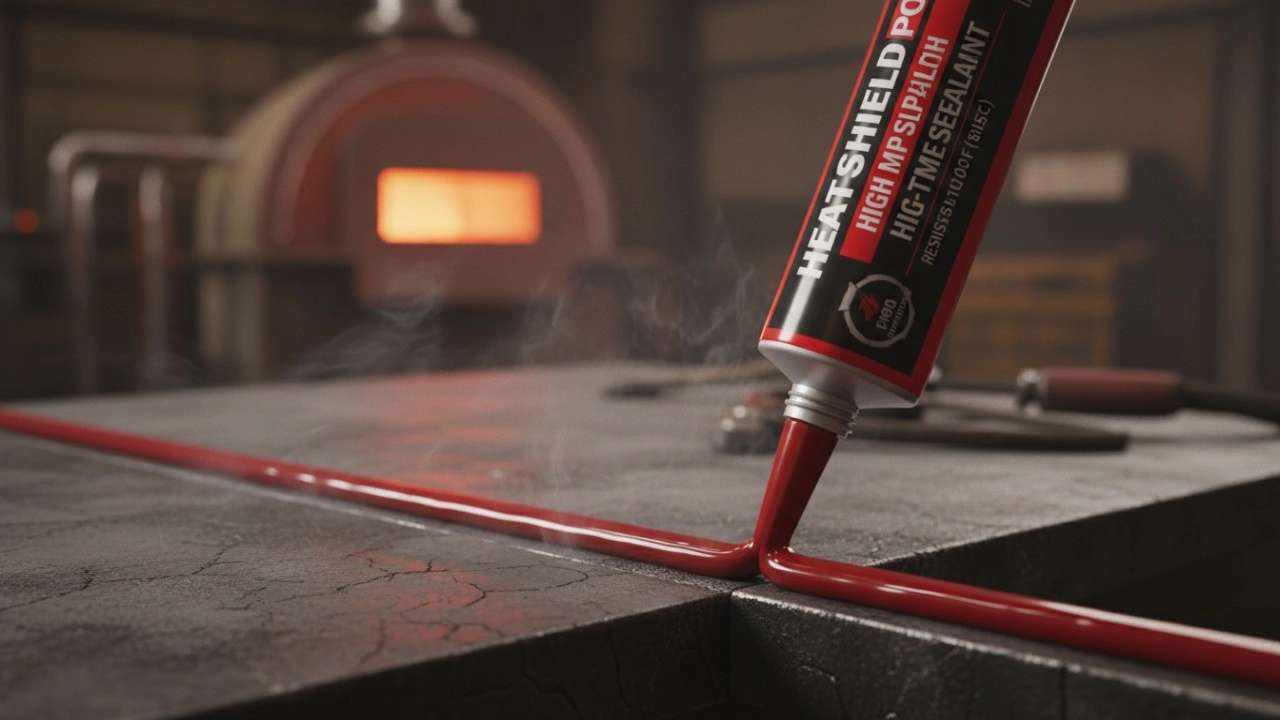
How to Apply High Temperature Silicone Sealant Like a Pro: 5 Secrets for a Lifetime Seal
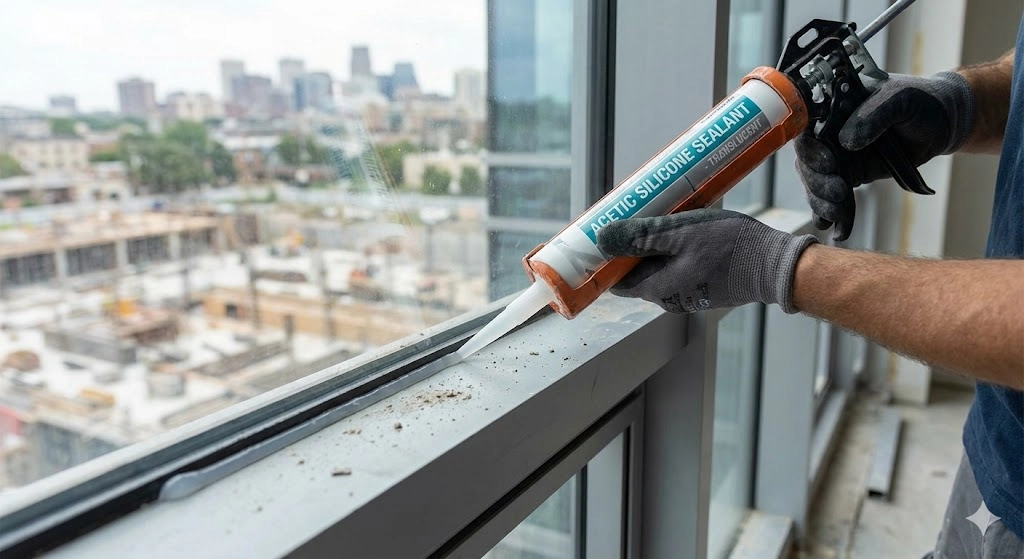
Acid Cure vs. Neutral Silicone: Why Choose Acetic Silicone Sealant for Glass?
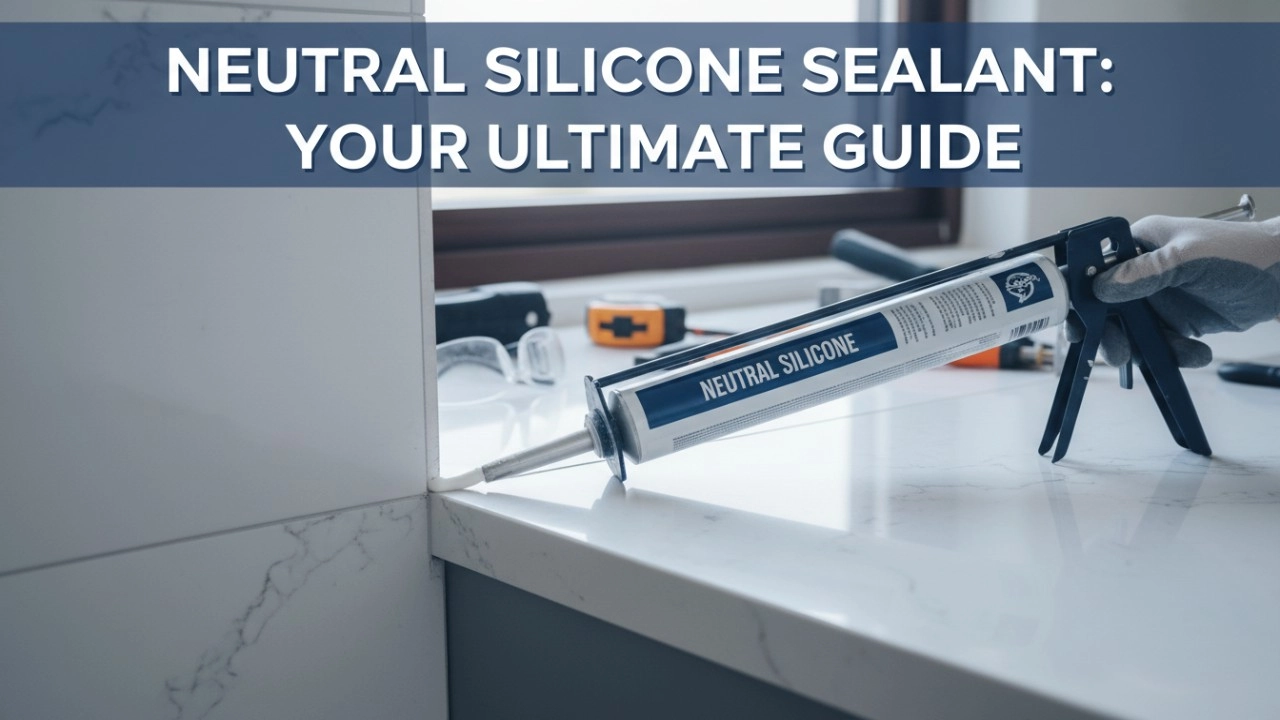
7 Critical Mistakes to Avoid When Using Neutral Silicone Sealant for High-End Projects
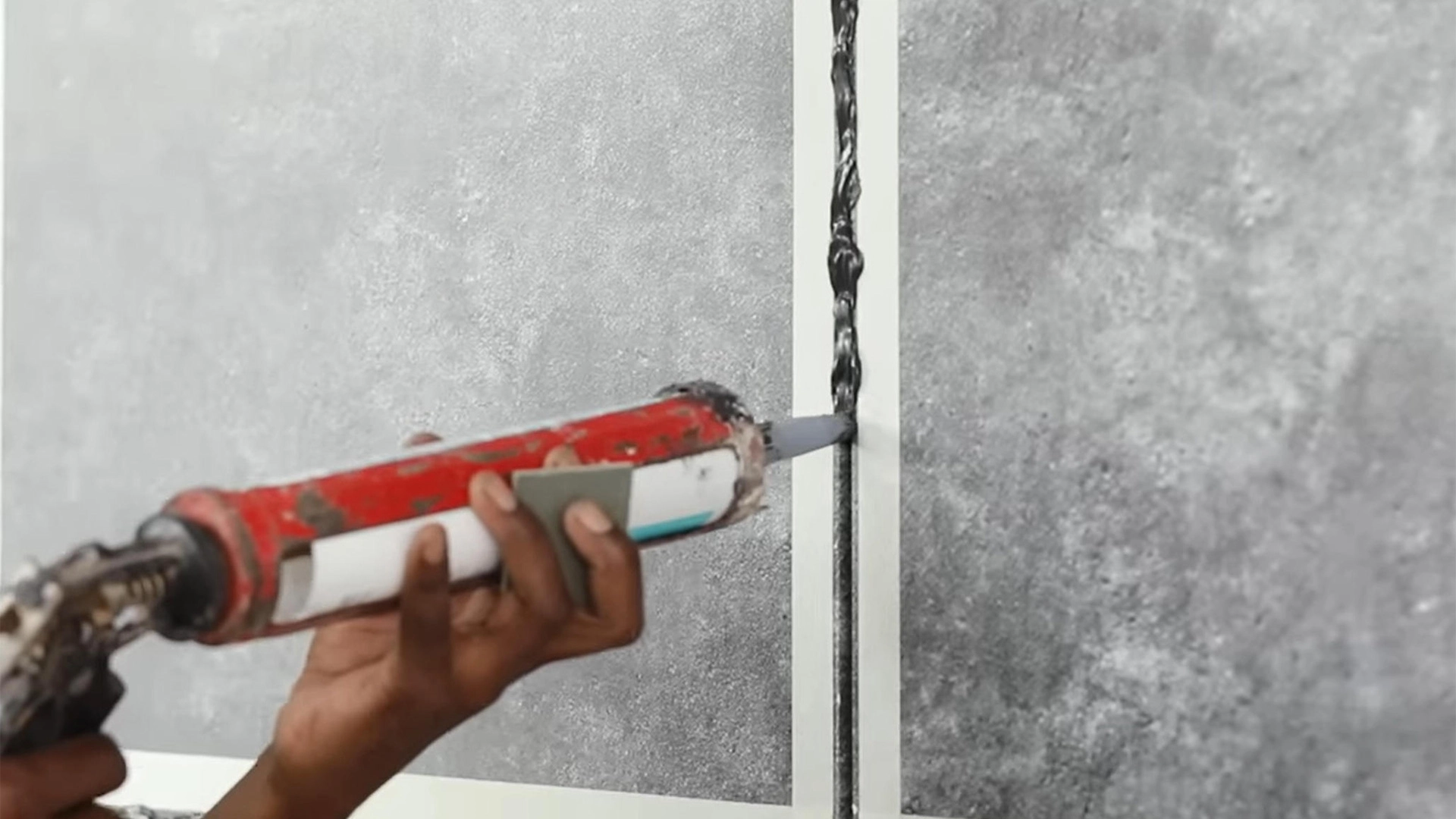
What’s the Difference Between Silicone Sealant and MS Adhesive for ACP?
HY-939
Is HY939 safe for use on metal and plastic parts?
Yes. It is non-corrosive and provides excellent adhesion to metals such as aluminum, copper, and stainless steel, as well as engineering plastics including PC and ABS.
HY-951
What colors are available?
Standard colors include grey, golden, silver black, and grey. Customized colors are available upon request.
HY993
What is the temperature resistance after curing?
HY993 maintains performance across a wide range of temperatures typically required in construction, industrial, marine, and automotive environments. (If you want, I can include specific temperature ranges.)
HY-722
Can the sealant be painted?
No. Silicone is non-paintable. Use a paintable alternative if painting is required.
HY925
Can HY925 be painted after curing?
Yes. HY925 has high viscosity and can be painted after full curing using many common coatings.
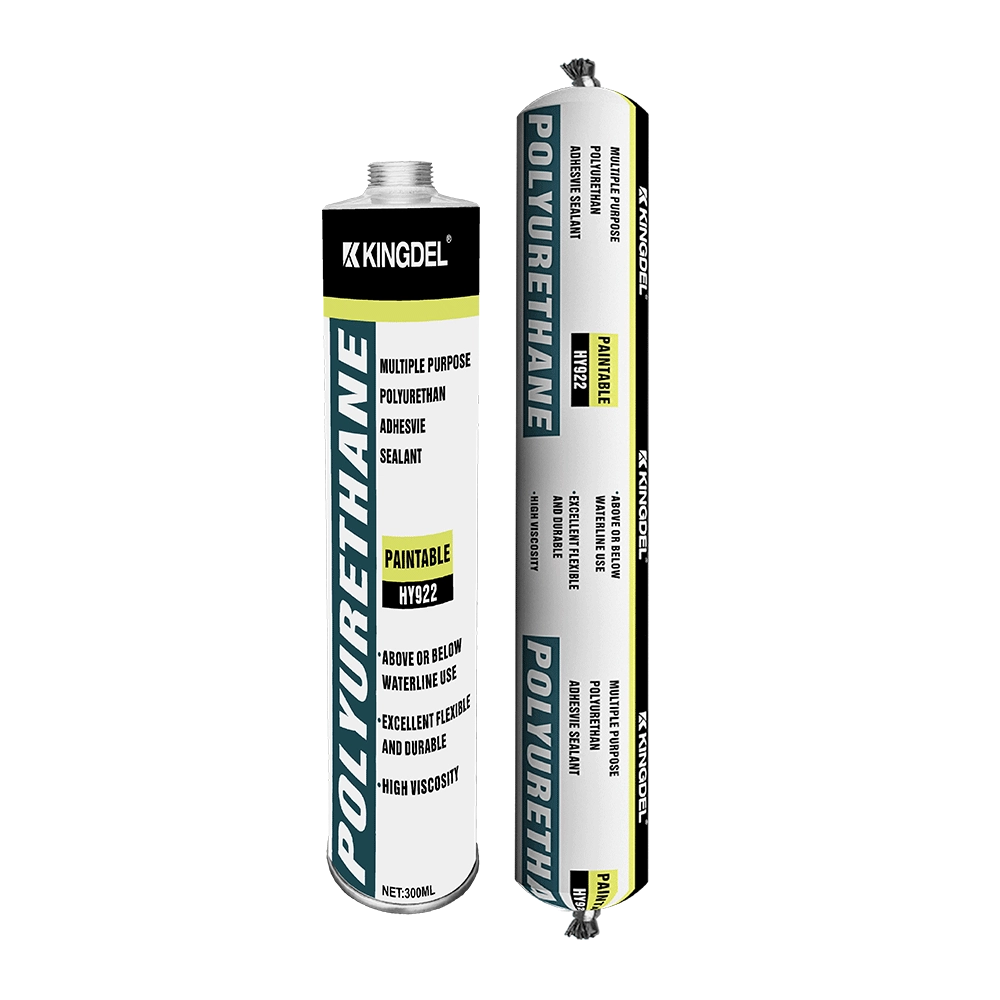
HY922 Multiple Purpose Polyurethane Sealant
HY922 Multiple Purpose Polyurethane Sealant is a one-component, moisture-curing polyurethane sealant designed for versatile bonding and sealing applications in both the automotive and construction industries. It cures to form a flexible yet tough elastomeric joint with excellent adhesion to a wide range of substrates. The formulation is non-corrosive, solvent-free, and produces a smooth, bubble-free finish during application.
HY922 delivers fast surface drying and quick positioning, improving installation efficiency while maintaining long-term durability. With strong weather resistance and good creep resistance, it performs reliably in demanding indoor and outdoor environments, including moist and partially submerged conditions.
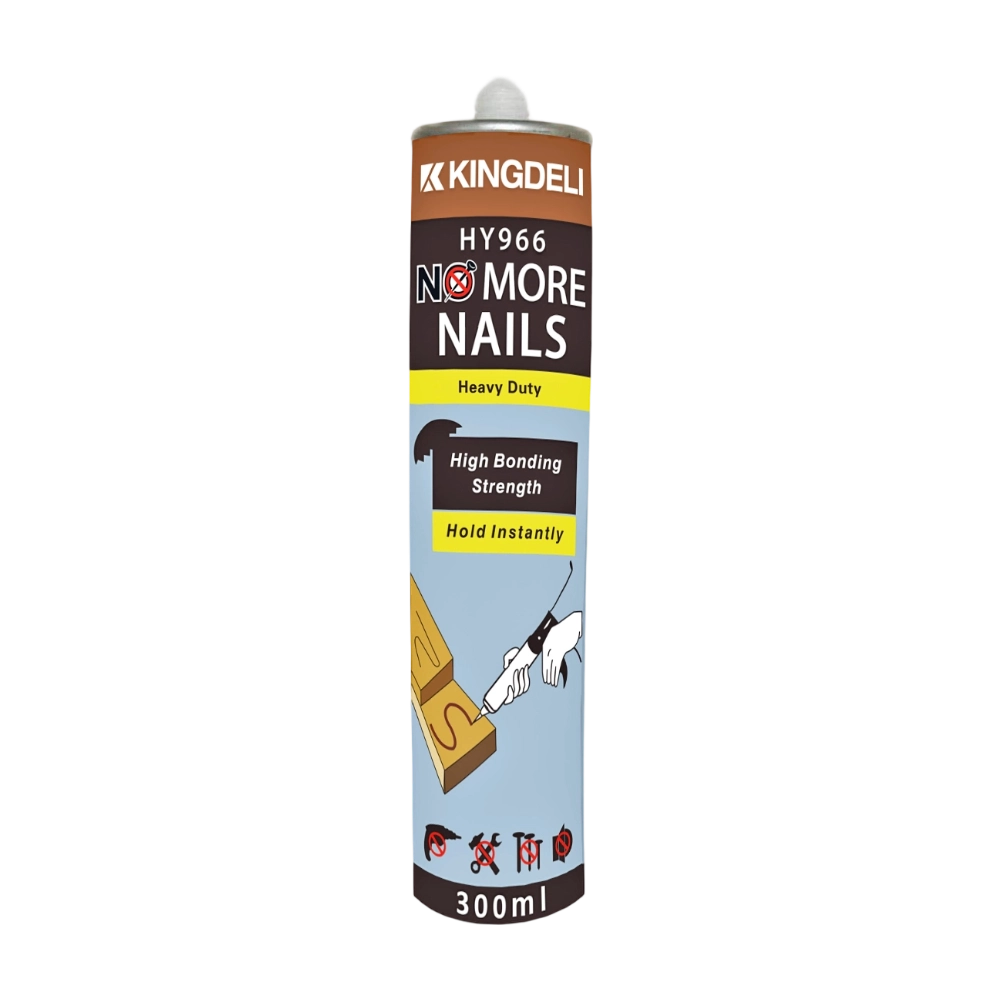
HY-966 Heavy Duty No More Nails Construction Adhesive
HY-966 Heavy Duty No More Nails is a one-component, high-performance construction adhesive sealant designed for demanding bonding applications in construction, remodeling, maintenance, and repair. Its instant grab formulation secures materials immediately, significantly reducing the need for bracing or mechanical fixing during installation.
HY-966 cures reliably in moist environments and delivers durable adhesion across a wide range of substrates. It provides excellent resistance to water, temperature variation, and aging, ensuring long-term performance in interior construction applications.
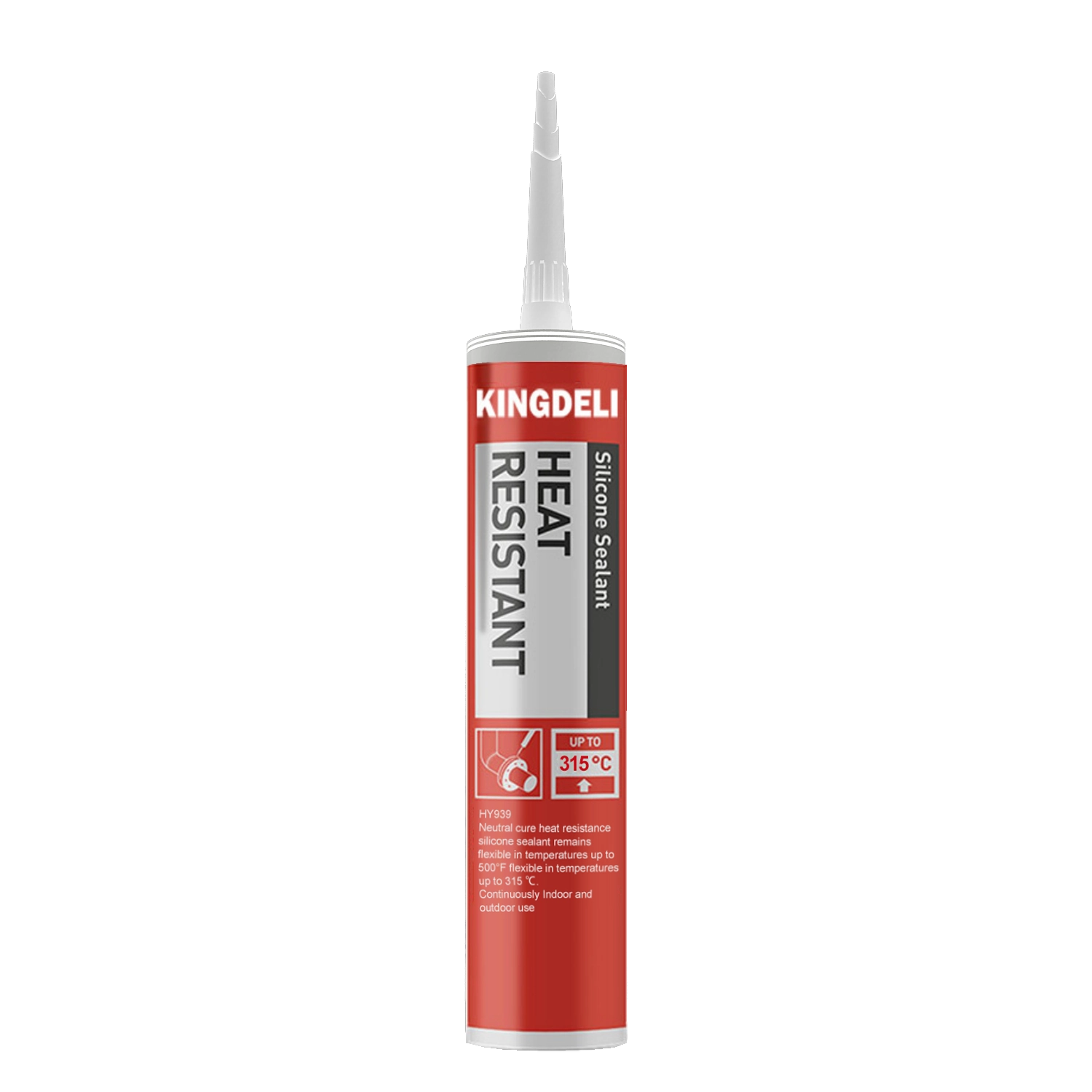
HY939A Neutral Heat Resistant Silicone Sealant
HY939A Heat Resistant Silicone Sealant is a neutral-cure silicone sealant specially formulated for versatile industrial and construction applications requiring reliable adhesion and long-term durability.
The sealant provides strong, non-corrosive adhesion to a variety of substrates, including glass, metal, gypsum board, marble, and certain plastics, making it ideal for both structural and sealing purposes.
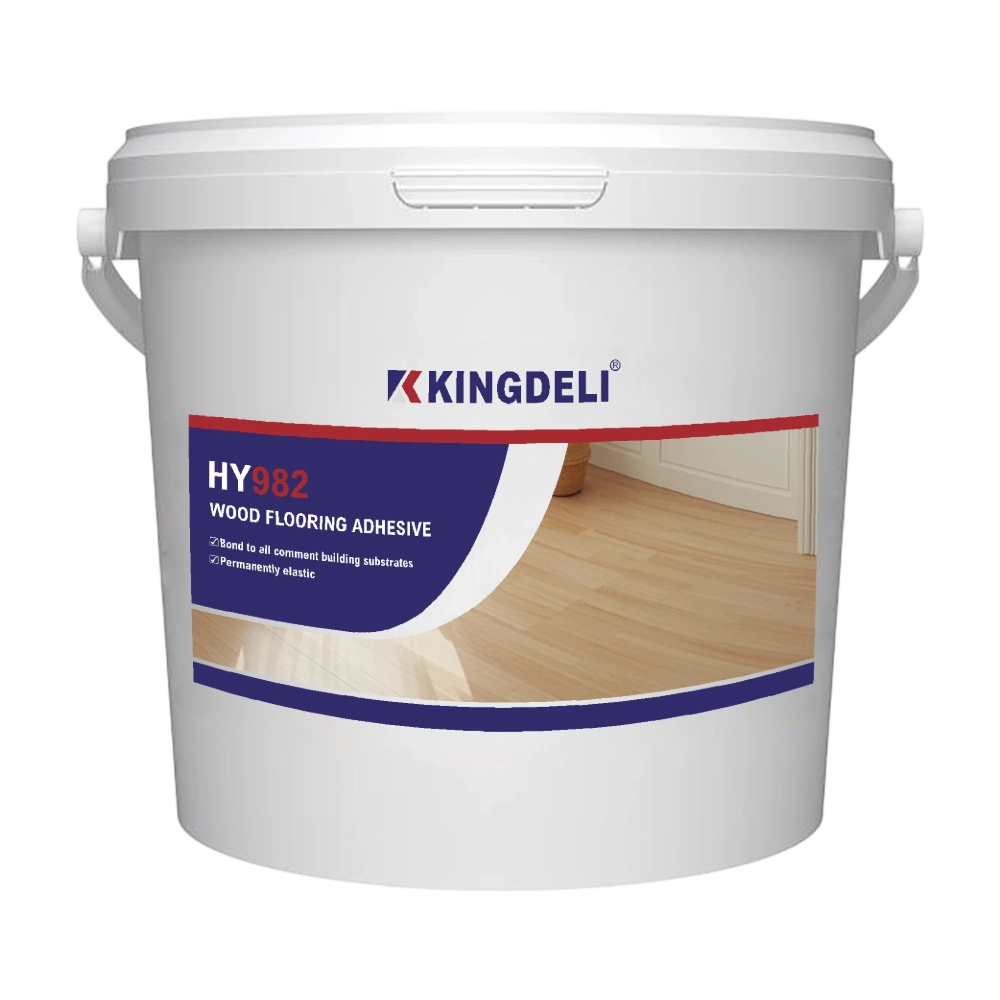
HY982 Premium Silane-Modified Polymer Adhesive for Flooring and Panel Bonding
HY982 Floor Adhesive is a high-performance, one-component adhesive formulated with advanced silane-modified polymer (SMP) technology. It is paintable, non-staining, and environmentally friendly, offering exceptional bonding strength without the need for a primer.
Designed for modern interior installations, HY982 Floor Adhesive provides excellent adhesion to wood, metal, stone, sintered slabs, glass, ceramics, and many other common building materials—making it the ideal choice for flooring installation and panel bonding applications crystal clear formulation.
Let’s Build Stronger Bonds with Quality Adhesives and Sealants
Have questions about the topic or need tailored sealant solutions for your project?
Our team is ready to provide expert guidance, product recommendations, and application support.
Innovating with Integrity, Bonding the World
Since 1998, KINGDELI has delivered trusted, sustainable sealant solutions that connect industries and inspire progress worldwide.
Whatsapp: +8618825946249
Kingdeli
Kingdeli
Kingdeli
Kingdeli
Kingdeli