











What is the shelf life and storage for acetic silicone sealant?
Beginners and procurement teams often find conflicting or shallow advice about acetic (acetoxy) silicone sealant shelf life and storage. Below are six specific, frequently asked long‑tail questions with professional, evidence‑based answers that reference manufacturer best practices, SDS/TDS checks and on‑site controls. These answers are written for buyers, store managers and applicators who must avoid costly waste and adhesion failures.
1) How long will an unopened cartridge of acetic silicone sealant last if stored at 5–25°C, and how do temperature deviations change that shelf life?
Typical industry practice and most technical data sheets (TDS) for acetoxy cure silicone sealants list an unopened shelf life of about 12 months when stored in original packaging at 5–25°C away from direct sunlight. Some High Quality formulations may quote up to 18 months, but you must verify the product-specific expiry printed on the tube or box and on the Safety Data Sheet (SDS).
Temperature effects:- 5–25°C (recommended): nominal shelf life—usually 12 months. Lower end of this range slows any slow chemical drift; higher end is acceptable but not optimal.- >25–35°C: accelerates the rate of polymer aging and internal crosslinking; expect a proportional reduction in shelf life — roughly a 25–50% shelf life loss if stored continuously above 30–35°C for months. Hot warehouses or sunlit pallets are common culprits.- <5°C (near freezing): short periods at low temperature generally do not destroy silicone polymers, but repeated freeze–thaw cycles and condensation inside packaging can lead to phase changes, water ingress and entrapped moisture that can create handling problems. Avoid long term storage below 0°C.Always record arrival date, store in cool, dry conditions and check the printed expiration and batch code. When in doubt, request the TDS/SDS from the supplier and follow the manufacturer’s storage recommendations rather than generic rules of thumb.
2) What is the practical shelf life of an opened acetic silicone sealant cartridge and the best way to reseal it to maximize usable time?
An opened cartridge’s usable life depends on how well you limit air and moisture contact. Acetic silicones cure by reacting with atmospheric moisture, so oxygen and humidity are both positive drivers of unwanted pre‑curing inside the nozzle and cartridge head.
Typical expectations:- If left in the gun and fully sealed with an appropriate cap or plug: 1–3 months of practical usability for most acetoxy silicones.- If you simply leave the nozzle open: crusting and skin formation can happen in hours to days depending on RH and temperature.
Best resealing practices:- Immediately after use, wipe the nozzle and threads clean. Push the plunger forward to relieve gun pressure and prevent sealant backflow.- Fit a tight screw cap or commercial cartridge plug; a short length of plastic tube or a bead of cured silicone placed back into the nozzle tip and wrapped with polyethylene film or tape also works.- Store cartridges upright with the nozzle pointing up (cap fitted). This orientation reduces the amount of sealant trapped in the nozzle that will cure and block flow. For sausage packs, keep them in the unopened foil bag and reseal the bag.- For multi‑day storage in humid climates, consider storing opened cartridges inside an airtight container with desiccant pouches to minimize moisture exposure.Even with perfect resealing, test the first bead the next day on scrap to confirm extrudability and cure properties before applying on a job-critical joint.
3) Can acetic silicone sealant survive freezing or high‑heat storage (below 0°C or above 30–40°C) and what are the clear signs it was damaged by temperature extremes?
Acetoxy silicones are relatively tolerant of a one‑time cold exposure but are not immune to freeze–thaw or prolonged high heat. The major risks are changes in viscosity, partial polymerization or phase separation that alter extrusion and cure.
Freezing (below 0°C):- Short-term cold (few days) usually won’t irreversibly damage a sealed cartridge, but condensation during thaw can introduce water into the packaging and start unwanted curing or create surface defects.- Repeated freeze–thaw cycles increase risk of phase separation (especially in formulations with fillers or additives), leading to lumps or uneven extrusion.High heat (>30–35°C):- Accelerates chemical aging and partial crosslinking; may cause a rise in viscosity, reduced open time and faster skinning. Prolonged exposure near or above 40°C can shorten remaining shelf life sharply.Signs of temperature damage:- Unusually thick or stringy extrusion (viscosity increase).- Fibrous or lumpy output rather than a smooth continuous bead.- Poor adhesion, tack that is excessively weak or greasy residue after curing.- Uneven cure (surface skins while deeper material remains sticky) or significantly reduced cure depth.If you suspect thermal damage, run a small adhesion/cure test (see Q5). When in doubt for critical structural or weather‑seal applications, discard and replace—losses from a failed joint exceed the cost of fresh material.
4) How does ambient humidity and storage orientation affect skinning and pre‑curing inside cartridges or tubes?
Because acetic silicone is a moisture‑curing (acetoxy cure) system, ambient relative humidity (RH) directly affects cure speed and the risk of skin formation in the nozzle and exposed bead.
Humidity effects:- High RH (>60–70%): accelerates surface cure and can cause fast skinning at the nozzle (minutes to hours), reducing the window for resealing and making opened cartridges hard to reuse.- Low RH (<30%): slows skinning but does not eliminate the risk if air ingress occurs; it can be beneficial for longer open time while working.> Storage orientation: storing cartridges upright with the nozzle up (capped) keeps most of the material sealed inside the cartridge and reduces cured material in the tip. For sausages or bulk packs, keep them in their original foil and store flat or hung per manufacturer guidance to prevent deformation and to keep inner liners intact.Operational tips:- For humid environments, keep stock in a conditioned room (dehumidified storage) or use airtight tubs with desiccant packs for opened product.- In high humidity, consider smaller cartridges or single‑use sausages to avoid repeated exposure.These practical controls reduce wasted product, prevent clogged nozzles and help maintain consistent curing behavior on jobs.
5) How to test if an expired or borderline acetic silicone sealant is still usable for structural vs non‑structural jobs (quick on‑site checks)?
Do not rely on appearance alone. Perform simple, rapid tests to judge whether a product is acceptable for its intended use. Always prioritize safety and adhesion requirements for structural or weather‑sealing jobs.
Quick on‑site test protocol (15–60 minutes):1. Extrusion test: extrude a continuous bead onto a non‑absorbent glass or metal panel. Watch for smoothness, lumps or stringing. If bead is crumbly or contains hard particles, reject.2. Tack and skin check: leave a short bead exposed to ambient conditions for 15–30 minutes. A normal acetoxy silicone should form a thin skin in that time depending on RH. If it skins much faster than expected (very high tack loss) or remains permanently sticky, it's suspect.3. Cure depth test: apply a 3–5 mm thick sample and leave 24 hours. Check if the material cures through (surface may skin first; the through‑cure check shows if the chemistry is still active). If still soft or sticky at depth, the product has partially lost reactivity.4. Adhesion test: after full cure on the chosen substrate (metal, glass, painted surface—use the actual substrates you will work on), try manual peel/shear to evaluate bond strength. For critical applications, perform a standard lap shear or peel test per manufacturer or lab testing.Decision criteria:- Structural or exterior weather seals: if any test shows reduced cure depth, poor adhesion or signs of phase separation, discard the material.- Non‑load-bearing, temporary or internal sealing: acceptable only if extrusion and cure tests meet minimal performance and you can accept the risk; still document batch and test results.Document the tests and keep photographic records. For critical projects, request a fresh batch and return suspect material to the supplier for investigation under warranty or return policy.
6) Which packaging and on‑site storage practices (pallets, FIFO, warehouse conditions) reduce waste and maintain product performance for professional purchases?
Professional purchasing and warehouse control reduce waste, lower job delays, and maintain product quality. Implement these evidence‑based practices:
Inventory & handling:- Use FIFO (first in, first out) with clear batch labeling (arrival date, expiry, lot number). Rotate stock so older product is used first.- Store indoors on pallets, off the floor, away from direct sunlight and away from heat sources; ideal storage is 5–25°C with moderate RH (30–60%).- For bulk drums or large volumes, consider nitrogen blanketing or sealed secondary containers to reduce moisture ingress during long storage.> Packaging choices:- Keep cartridges in original boxes until use; foil sausage packs are less permeable—retain them unopened and only puncture at time of use.- Use resealing caps, plugs or purpose‑made nozzle savers for opened cartridges to extend usable life.Warehouse best practices:- Avoid metal racks or direct contact with reactive metals—acetoxy cure releases acetic acid which can corrode some metal parts over time.- Implement a small, climate‑controlled reserve for stock used on high‑profile projects.- Track usage patterns to order the correct pack size—buying smaller packs for projects with low daily usage reduces repeated opening exposure.Training and documentation:- Train applicators to reseal cartridges correctly and to run a brief extrusion/cure test at the start of each shift.- Keep TDS and SDS readily available (digital or printed) and require applicators to follow manufacturer open‑time and substrate preparation guidance.These controls reduce product degradation on site, lower the frequency of rejected joints, and minimize waste and replacement costs.
Regulatory and compatibility notes: Always consult the product SDS for transport, storage hazard classification and safe handling. Acetic‑release silicones emit acetic acid while curing and can corrode copper, brass or galvanized steel—avoid storage contact with sensitive metals. For projects requiring paintability, low odour, or neutral cure properties near sensitive substrates, consider alternative neutral‑cure silicone formulations rather than acetoxy types.
Final practical checklist: store sealed cartridges 5–25°C, use FIFO, reseal opened cartridges with caps and desiccant if needed, test suspicious batches on scrap, and prefer single‑use packs for humid sites.
For professional purchases and specifications, always request the product’s TDS and SDS from the supplier—these documents determine the exact storage conditions, shelf life and performance guarantees for that SKU.
Concluding summary of advantages
Properly following manufacturer storage recommendations and adopting warehouse best practices (FIFO, climate control, correct resealing) preserves the curing performance, adhesion and workability of acetic silicone sealant. This reduces failed joints, onsite rework and material waste, and it ensures consistent moisture‑curing behavior and open time. For procurement teams, choosing the correct packaging size and enforcing storage discipline lowers lifecycle costs and improves first‑time right installations.
Need help selecting the right acetoxy silicone sealant for your application or a volume quote? Contact us for a quote at www.kingdelisealant.com or info@kingdeliadhesive.com.
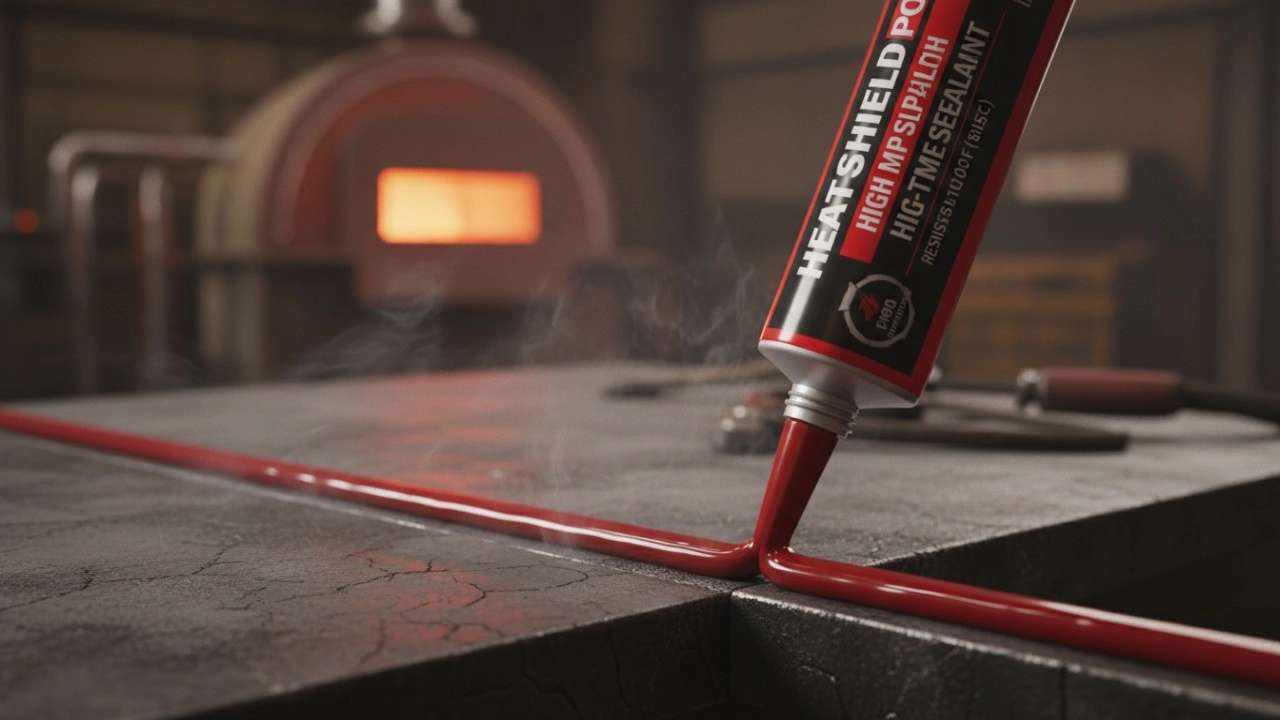
Top Factors to Consider When Choosing an Acetic Silicone Sealant Manufacturer in China
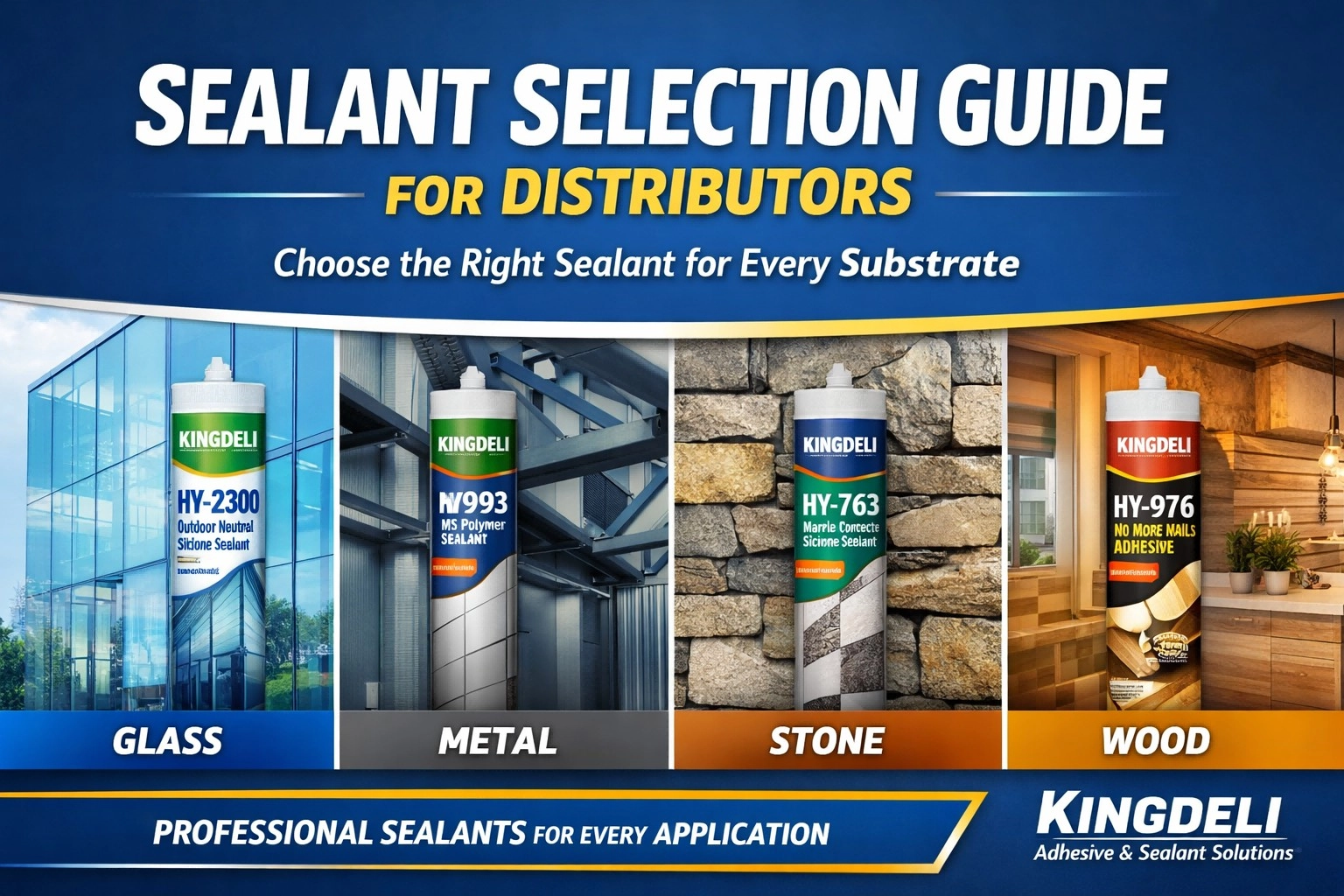
The Complete Sealant Selection Guide for Distributors & Building Supply Partners
How to Apply High Temperature Silicone Sealant Like a Pro: 5 Secrets for a Lifetime Seal
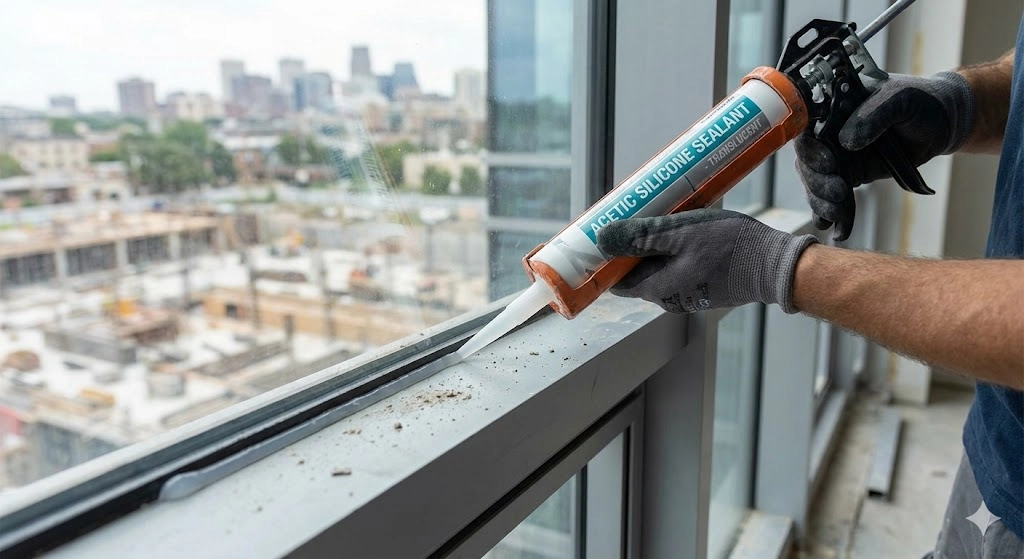
Acid Cure vs. Neutral Silicone: Why Choose Acetic Silicone Sealant for Glass?
Distributor Partnership
What is the minimum order quantity (MOQ)?
MOQ depends on the product type, packaging, and whether OEM/ODM is required.
We offer flexible solutions for new distributors.
HY-722
How long does it take to fully cure?
Surface cure within hours; full cure 24–48 hours depending on temperature/humidity.
HY-2300
What is the product standard?
HY-2300 meets JC/T882-2018, grade 125HM performance test standard.
HY922
Is HY922 suitable for repair and maintenance work?
Yes. Its moisture-curing nature and quick surface drying make it convenient for on-site repairs and maintenance applications.
HY723
What is the primary application of HY-723?
It is primarily used to control the spread of fire, smoke, and toxic fumes within areas surrounded by firewalls, such as construction joints and partitions.
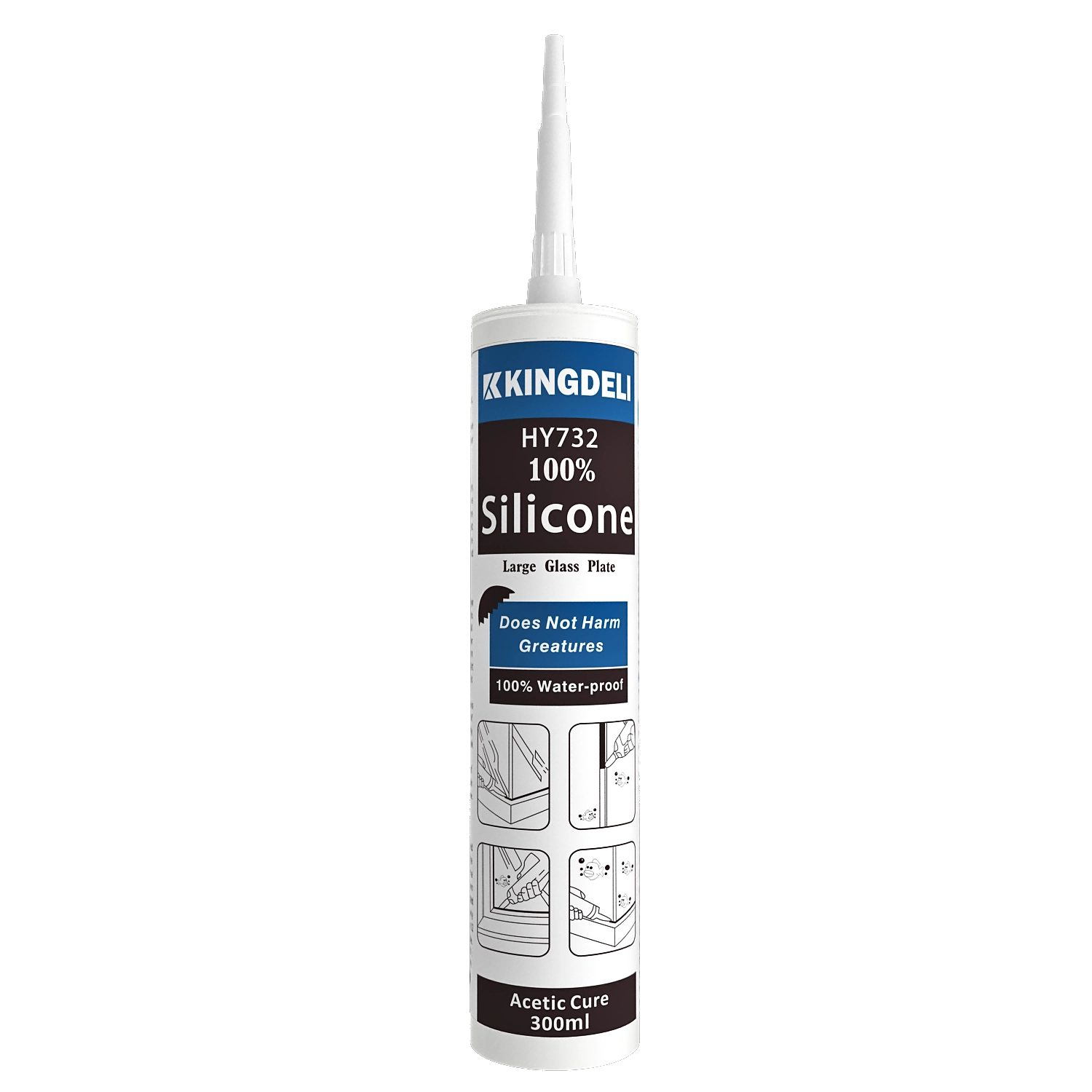
KINGDELI HY732 Professional Acetoxy Cure Silicone Sealant
KINGDELI HY732 is a professional-grade, one-component acetoxy cure silicone sealant designed for fast curing, strong adhesion, and long-lasting flexibility. Ideal for aquariums, glass applications, aluminum doors and windows, kitchens, and bathrooms, it provides reliable sealing performance with excellent anti-fungal protection in high-humidity environments.
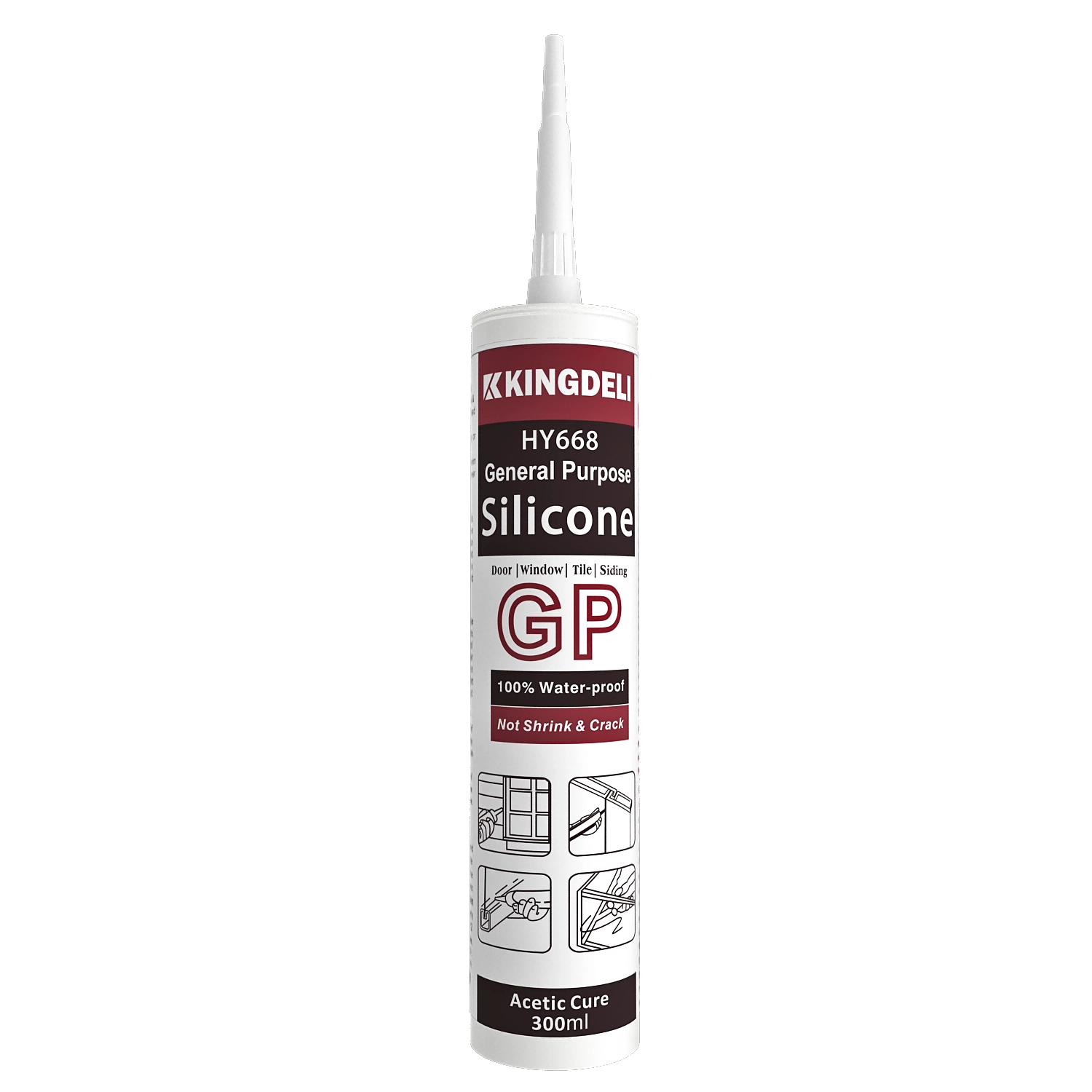
HY668 General Purpose Acetic Silicone Sealant
HY-668 General-Purpose Acetic Silicone Sealant is a easy-to-use sealant for everyday sealing and glazing applications. It offers good adhesion, fast curing, and a durable flexible seal, making it ideal for windows, doors, interior joints, and general construction use
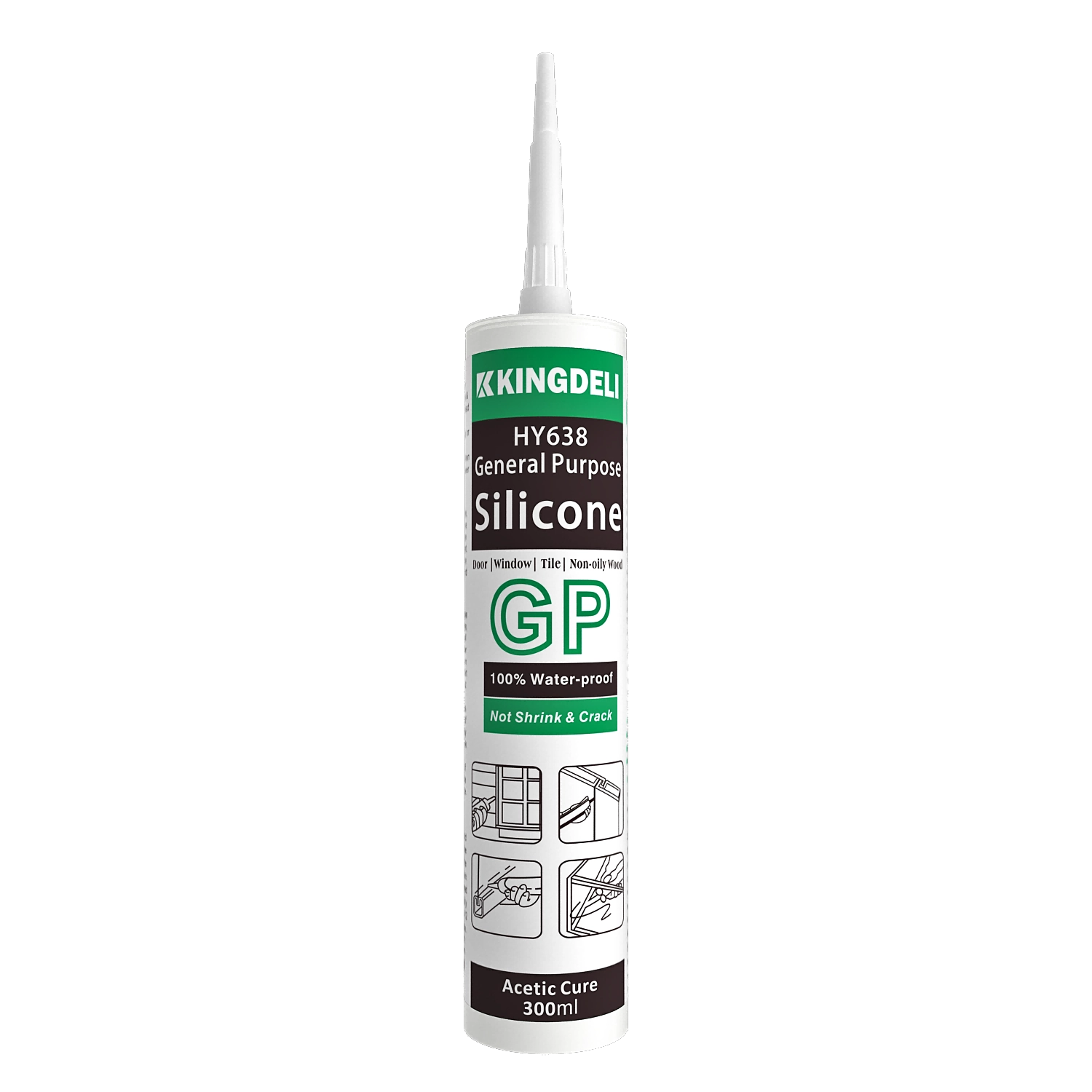
HY638 Economic General Purpose Acetic Silicone Sealant
HY-638 Economic General-Purpose Acetic Silicone Sealant is a cost-effective, one-component, shelf-stable, acetoxy-curing silicone sealant designed for general-purpose sealing and bonding applications. After curing, it forms a durable, elastomeric seal with the following characteristics:
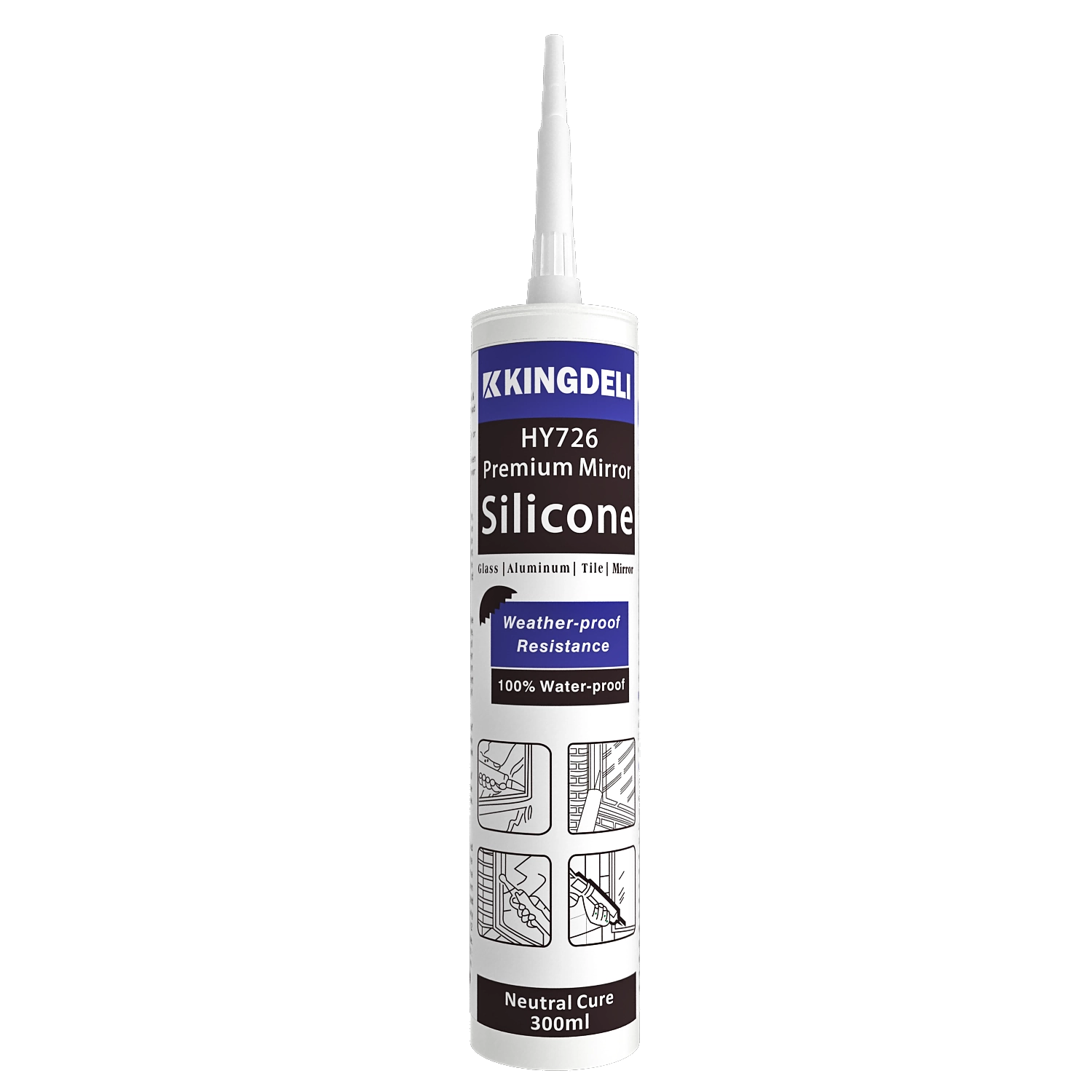
HY-726 Premium Clear Neutral Silicone Sealant
HY726 one-component, shelf-stable, 100% silicone elastomeric adhesive using alkoxy technology. It is specifically designed for sealing sensitive surfaces such as copper, gold, and metal-coated mirrors.
Let’s Build Stronger Bonds with Quality Adhesives and Sealants
Have questions about the topic or need tailored sealant solutions for your project?
Our team is ready to provide expert guidance, product recommendations, and application support.
Innovating with Integrity, Bonding the World
Since 1998, KINGDELI has delivered trusted, sustainable sealant solutions that connect industries and inspire progress worldwide.

Whatsapp: +8618825946249
Kingdeli
Kingdeli
Kingdeli
Kingdeli
Kingdeli