











What safety and handling practices for acetic silicone sealant?
Acetic silicone sealant (acetoxy silicone) cures by releasing acetic acid vapors that give the characteristic vinegar smell. It bonds well to glass and ceramics but can attack certain metals and is generally not paintable. Below are six detailed, installer-focused safety and handling questions with actionable solutions based on SDS, OSHA/ACGIH exposure guidance, and standard sealant practice.
1) How should I control acetic acid exposure and the strong vinegar odor when using acetic silicone sealant inside small or poorly ventilated spaces?
Problem: In confined or poorly ventilated rooms the acetic acid vapors released during the acetic cure can irritate eyes, nose and throat and may exceed recommended exposure limits (ACGIH TLV and OSHA PEL for acetic acid are both commonly cited at ~10 ppm TWA). The nuisance odor also triggers complaints from occupants.
Best practice:
- Plan ventilation: use continuous local exhaust or supply ventilation during application and for the first 24–48 hours of cure. Forced-air fans and open windows significantly reduce vapors.
- Work scheduling: perform high-emission tasks (long bead runs, multiple joints) at times when occupants are absent and allow extended airing-out after completion.
- Spot measures: use portable fume extractors or negative-air machines when sealing in closets, bathrooms, elevator shafts or small bathrooms. Position intakes close to the work bead.
- Monitor: where feasible, monitor air or rely on detection — if occupants complain of eye or throat irritation, extend ventilation and consider evacuation until vapors subside.
- If ventilation is insufficient, wear a NIOSH‑approved respirator. Use a supplied‑air respirator for prolonged exposures or a tight‑fitting half‑mask with cartridges rated for acid gases/organic acid vapors when short-term protection is needed. Follow your local safety program and SDS guidance.
2) What specific PPE (gloves, eye protection and respirator choices) should installers use for acetoxy silicone to minimize health risks?
Problem: Installers often use generic gloves and masks that are ineffective against uncured sealant and acetic vapors, leading to dermatitis or inhalation symptoms.
Recommended PPE:
- Gloves: nitrile gloves (0.4 mm or thicker) are the industry standard for handling uncured silicone. Avoid latex if allergic; neoprene is an alternative. Replace gloves if torn or contaminated.
- Eye protection: indirect‑ventilated safety goggles to prevent splashes. Have an eyewash station or bottled eyewash nearby for job sites with enclosed work areas.
- Respiratory protection: in well‑ventilated spaces a disposable particulate mask is NOT sufficient for vapors. If ventilation is marginal use a NIOSH‑approved respirator with cartridges rated for organic/acid gases (refer to product SDS for specific recommendations). For long-duration work or when concentrations may exceed occupational exposure limits, use a supplied-air respirator (SAR).
- Clothing: wear work clothes that cover arms and remove contaminated clothes before leaving the site; cured silicone is hard to clean from fabric.
Always consult the product Safety Data Sheet (SDS) for the manufacturer’s recommended PPE and comply with your company’s respiratory protection program for cartridge selection and fit testing.
3) Will acetic silicone corrode metal flashings or stain coated metals, and how can I prevent metal degradation or compatibility problems?
Problem: Acetic silicone releases acetic acid during cure and can chemically attack or accelerate corrosion of sensitive metals (for example copper, brass, zinc, galvanized steel and some plated finishes), leading to staining, pitting or loss of finish.
Mitigation strategy:
- Material selection: where metal contact is unavoidable, use a neutral cure silicone (neutral oxime, alkoxy, or neutral acetoxy‑free formulations) that does not release acetic acid. Neutral cure silicones are formulated to be metal‑compatible.
- Barrier coatings: apply a manufacturer‑approved barrier coat or primer on metals if product data indicates compatibility; test in a small area before full application.
- Physical separation: use closed-cell polyethylene or other inert backer materials and avoid three‑sided adhesion when metal movement is expected. For flashing laps, insert a thin inert tape or primer recommended by the sealant maker.
- Testing: perform a 7–14 day mockup on the actual metal and finish, under anticipated exposure conditions, to confirm no staining or corrosion begins during cure.
If you see early signs of metal etching, stop application in that area and switch to a neutral cure product for that detail.
4) What is the correct method to remove uncured versus cured acetic silicone from skin, tools and porous substrates without damaging finishes?
Problem: Using the wrong solvent can spread sealant, damage substrates and cause skin irritation. Cured silicone is particularly stubborn on porous surfaces and expensive finishes.
Skin:
- Uncured: wipe excess immediately with a disposable rag; wash with soap and warm water. Do not use solvents on skin as they increase dermal absorption and can irritate.
- Cured: silicone on skin will typically wear off; use an emollient or a pumice soap and wash. Seek medical help for large exposures or if irritation persists.
Tools and nonporous surfaces:
- Uncured: remove with isopropyl alcohol (IPA), acetone or manufacturer‑recommended solvent. Wipe thoroughly and then wash with soap and water.
- Cured: remove mechanically (scraping, razor), then use a commercial silicone remover. Test solvents on an inconspicuous area first—acetone and MEK can damage paints and plastics.
Porous substrates (concrete, wood, painted surfaces): cured silicone must often be removed mechanically (scraping and sanding) or by specialized enzymatic/solvent removers formulated for silicones. For historic or delicate finishes, consult a conservator or the substrate manufacturer before attempting aggressive cleaning.
5) How should construction teams store and manage large quantities of acetoxy silicone on hot, humid job sites to avoid premature curing, blockages and waste?
Problem: Heat and humidity accelerate moisture‑cure mechanisms; improper storage and poor cartridge management lead to blocked nozzles, wasted cartridges and increased cost.
Practical controls:
- Storage conditions: keep unopened cartridges in a cool, dry place ideally between 5–25°C (41–77°F). Avoid direct sunlight and freezing temperatures. Typical shelf life for many acetoxy silicones is 12 months from manufacture, but confirm with the supplier and record lot numbers.
- On‑site handling: store cartridges upright with the nozzle cap on to limit exposure to ambient moisture. Use disposable static‑mixing nozzles for two‑part products as recommended and purge a small bead of sealant before starting to ensure continuous flow.
- Gun management: use a cartridge gun with a smooth plunger action; for high‑use crews, dedicate one gun per sealant type and clean with appropriate tool cleaner. Avoid leaving partially used cartridges exposed—transfer the remaining material to an airtight container only if the manufacturer permits.
- Batch planning: break large jobs into daily batches so cartridges are used up within a day or two. For extended work, use bulk pails with proper pail‑top dispensers and inert blanketing if available.
6) For expansion joints, what joint design, backer rod and primer practices prevent bond failure when using acetic cure silicone?
Problem: Many joint failures come from poor depth control, three‑sided adhesion and incorrect backer rod use, not from the sealant alone.
Design and installation guidelines:
- Joint geometry: design the joint depth-to-width ratio ideally at 1:2 (depth = half the width) for movement joints up to recommended maximum movement capability of the sealant. For example, a 12 mm (1/2 in) wide joint should be about 6 mm (1/4 in) deep.
- Backer rod: use closed‑cell polyethylene backer rod sized to achieve the target depth. The backer rod acts as a bond breaker and controls depth so the sealant moves in tension/compression rather than shearing on two faces.
- Bond breaker: when backer rod is not suitable, use a dedicated bond breaker tape to prevent three‑sided adhesion. Never allow sealant to adhere to the back of the joint.
- Priming: for porous or difficult substrates (concrete, natural stone, some plastics), use a primer recommended by the sealant manufacturer. Primers improve adhesion and reduce curing problems on alkaline substrates where acetoxy silicones may have poor initial bond.
- Movement capability: select an acetoxy silicone whose dynamic movement capability matches expected joint movement. For heavy movement or where chemical compatibility with metals is required, prefer neutral‑cure silicones instead.
Document the joint design and materials in the installation file (including primer lots and backer rod type); this reduces disputes if failures occur later.
Concluding summary
Acetic (acetoxy) silicone sealant offers fast skin time, excellent adhesion to glass/ceramics and durable, waterproof flexible joints—advantages for windows, glazing and many sanitary applications. However, because it releases acetic acid during cure, installers must manage ventilation, wear appropriate PPE (nitrile gloves, goggles, and respirators where needed), avoid contact with acid‑sensitive metals, and follow SDS guidance for clean‑up, storage and disposal. Proper joint design (backer rod, bond breaker, correct depth), primer use on porous or alkaline substrates, and controlled site storage minimize failures and waste. When metal compatibility, paintability, or low odor is essential, choose a neutral‑cure or paintable alternative.
For product selection, SDS copies, primers and site‑specific recommendations, contact Kingdeli Sealant specialists for a no‑obligation quote: visit www.kingdelisealant.com or email info@kingdeliadhesive.com.
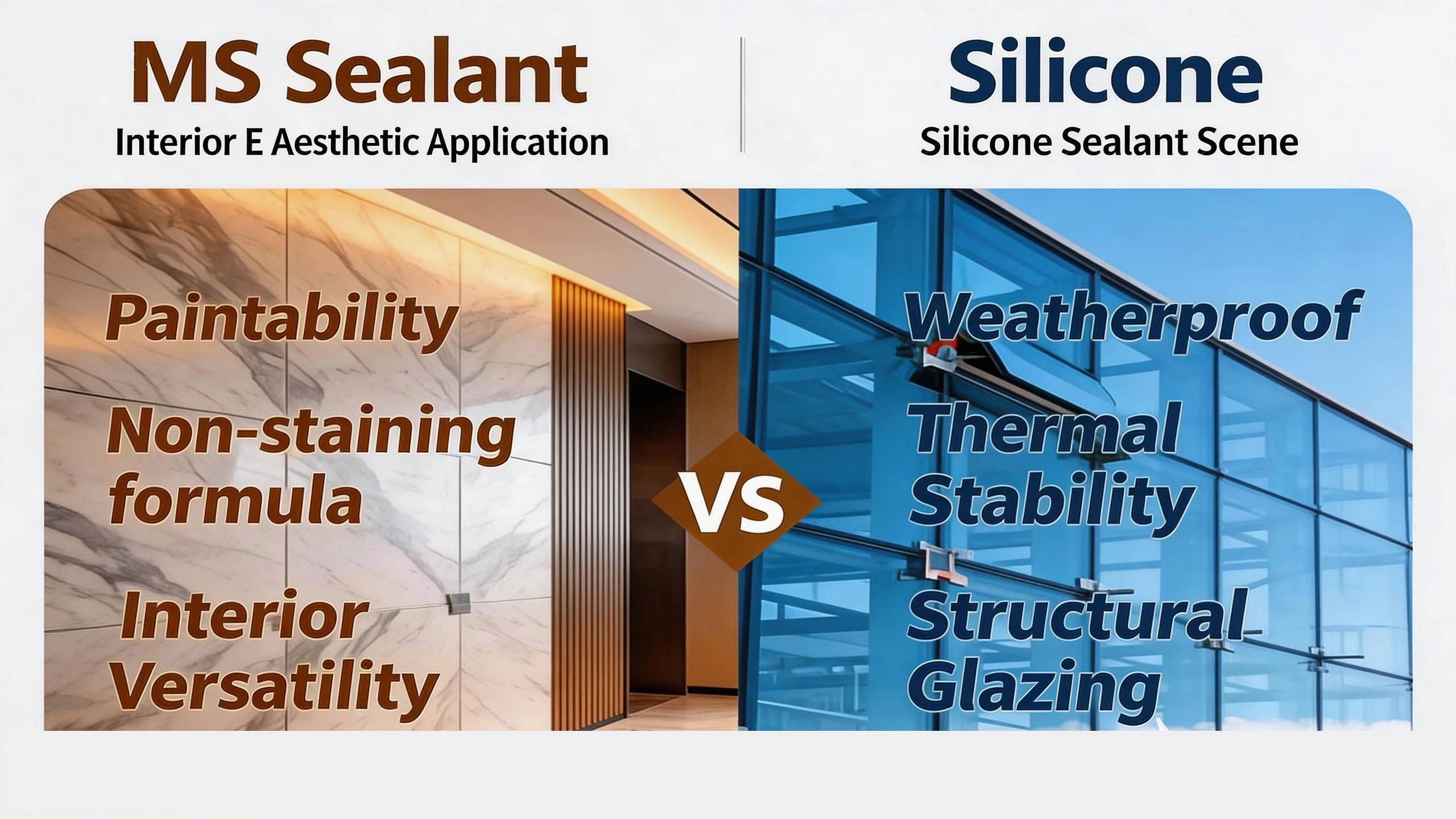
MS Sealant vs. Silicone: Which is Right for Your Construction Project?
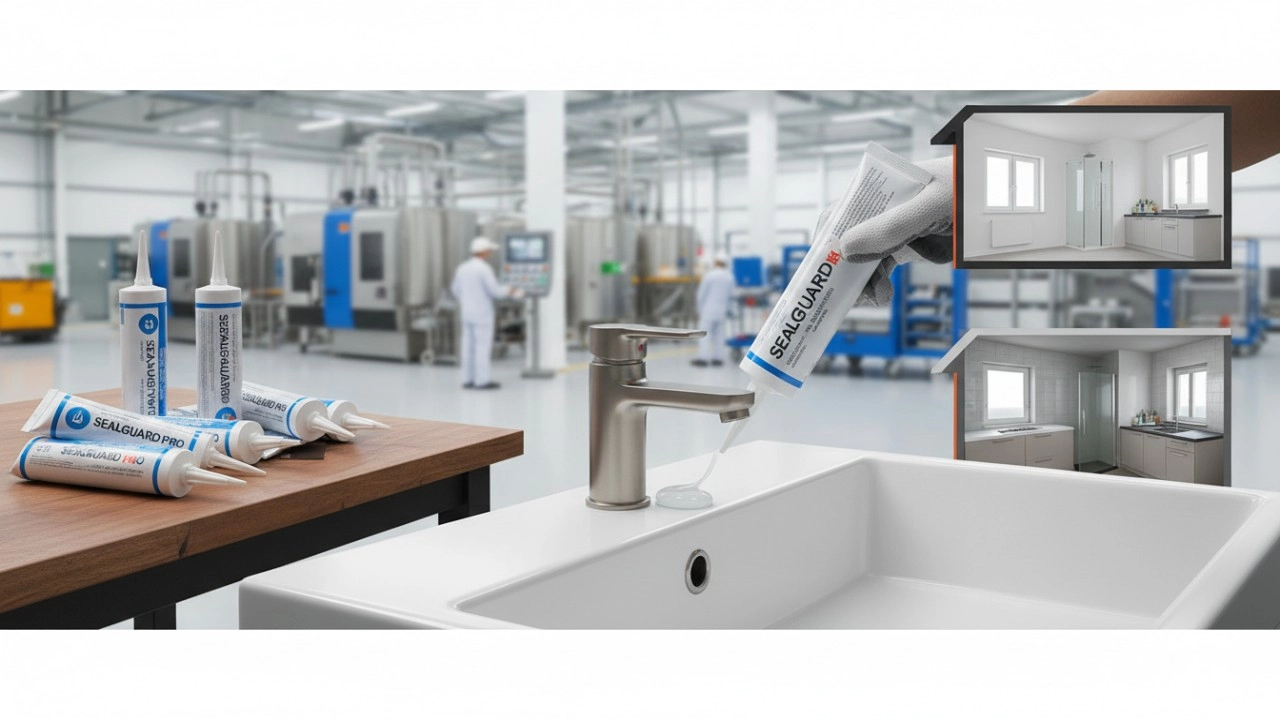
The Ultimate Guide to Choosing a Silicone Sealant Manufacturer in 2026: 10 Critical Factors Often Overlooked
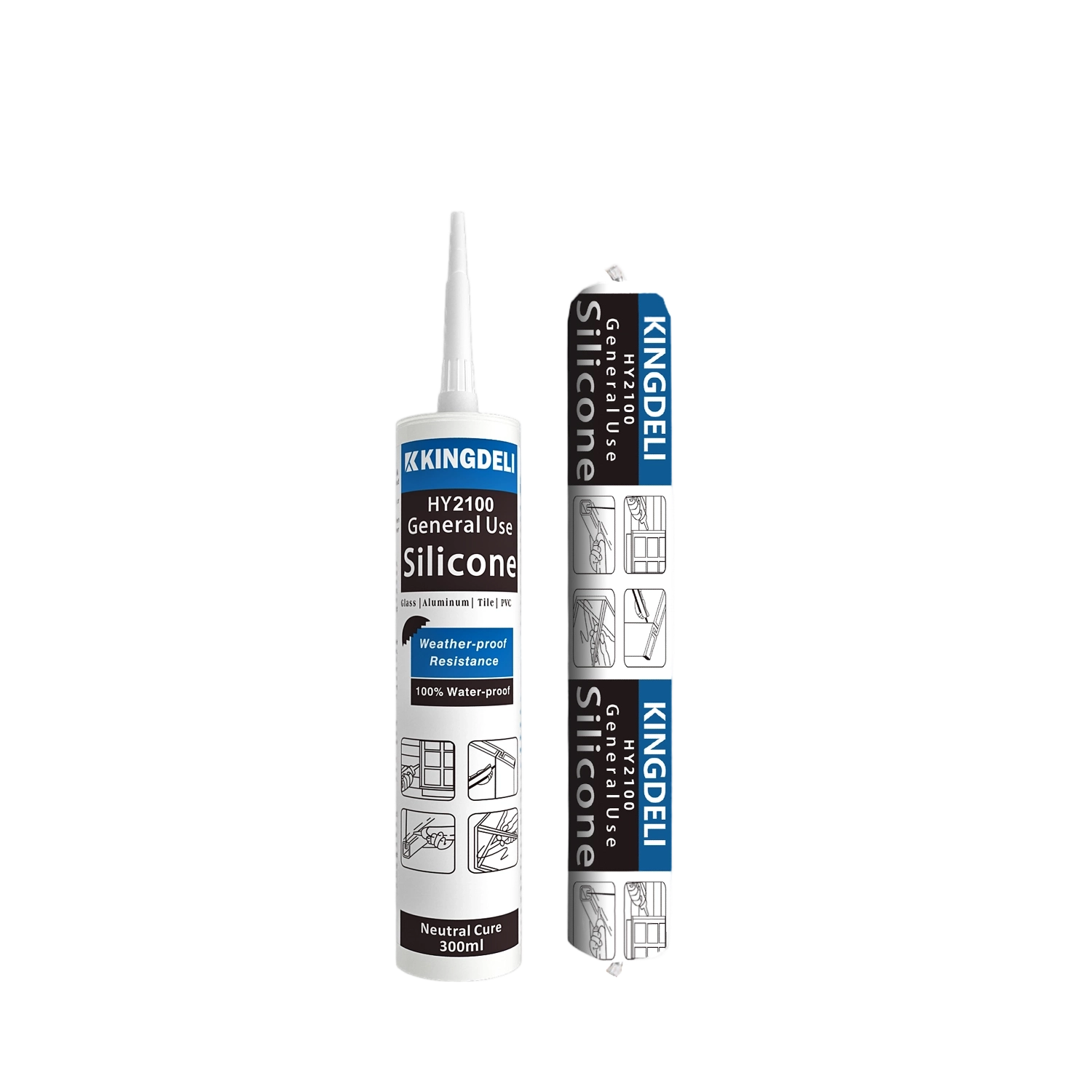
Industrial Applications of Acetic Silicone Sealant: Beyond Basic Glass Sealing
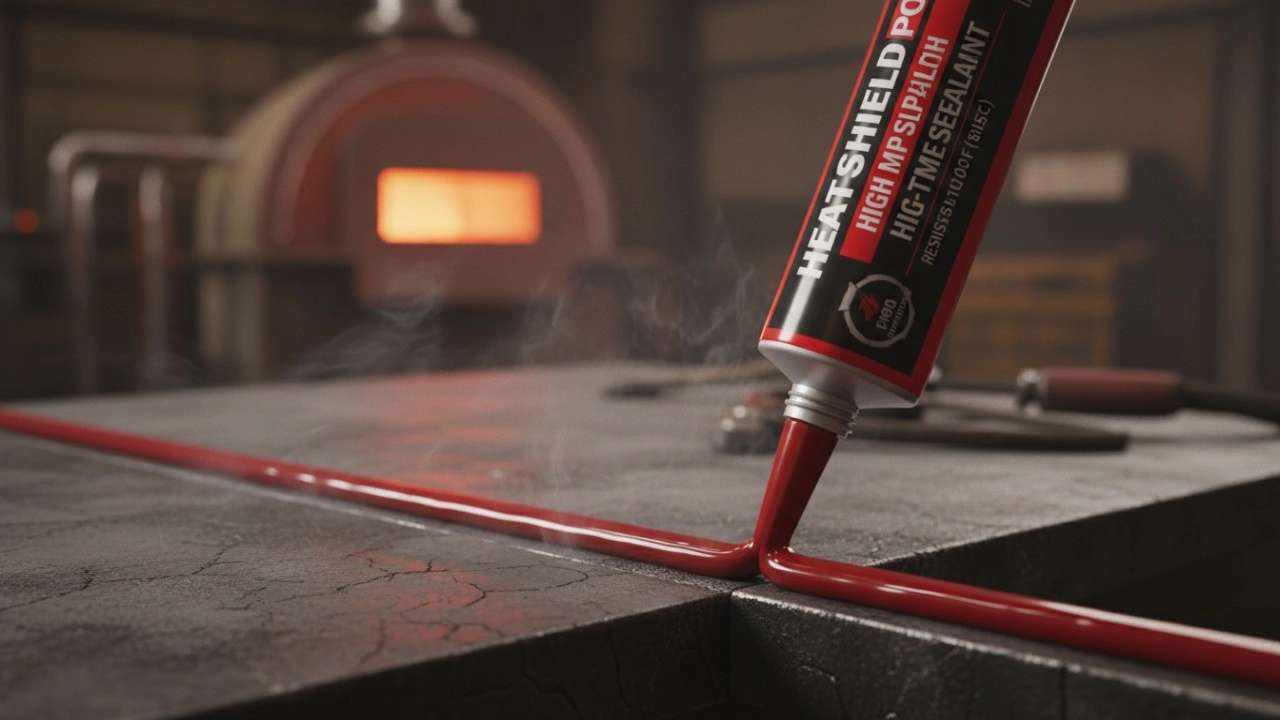
Top Factors to Consider When Choosing an Acetic Silicone Sealant Manufacturer in China
HY995
Is primer required before application?
In most cases, no primer is required. HY995 provides strong primerless adhesion to most common construction materials. However, for very smooth or special surfaces, a compatibility test is recommended before use.
Does the sealant remain transparent after curing?
Yes. HY995 cures into a crystal-clear and non-yellowing seal, maintaining high transparency even after long-term exposure to UV light and outdoor environments.
Distributor Partnership
Can you support technical training?
Yes. Online or on-site technical training can be arranged for distributors and project teams.
HY982
What is the shelf life of HY982?
The shelf life is 12 months from the date of manufacture when stored unopened under recommended conditions.
HY-682
Does the product self-level after application?
Yes. The formulation is self-leveling, allowing it to flow smoothly into joints and cracks for a uniform, professional finish without additional tooling.
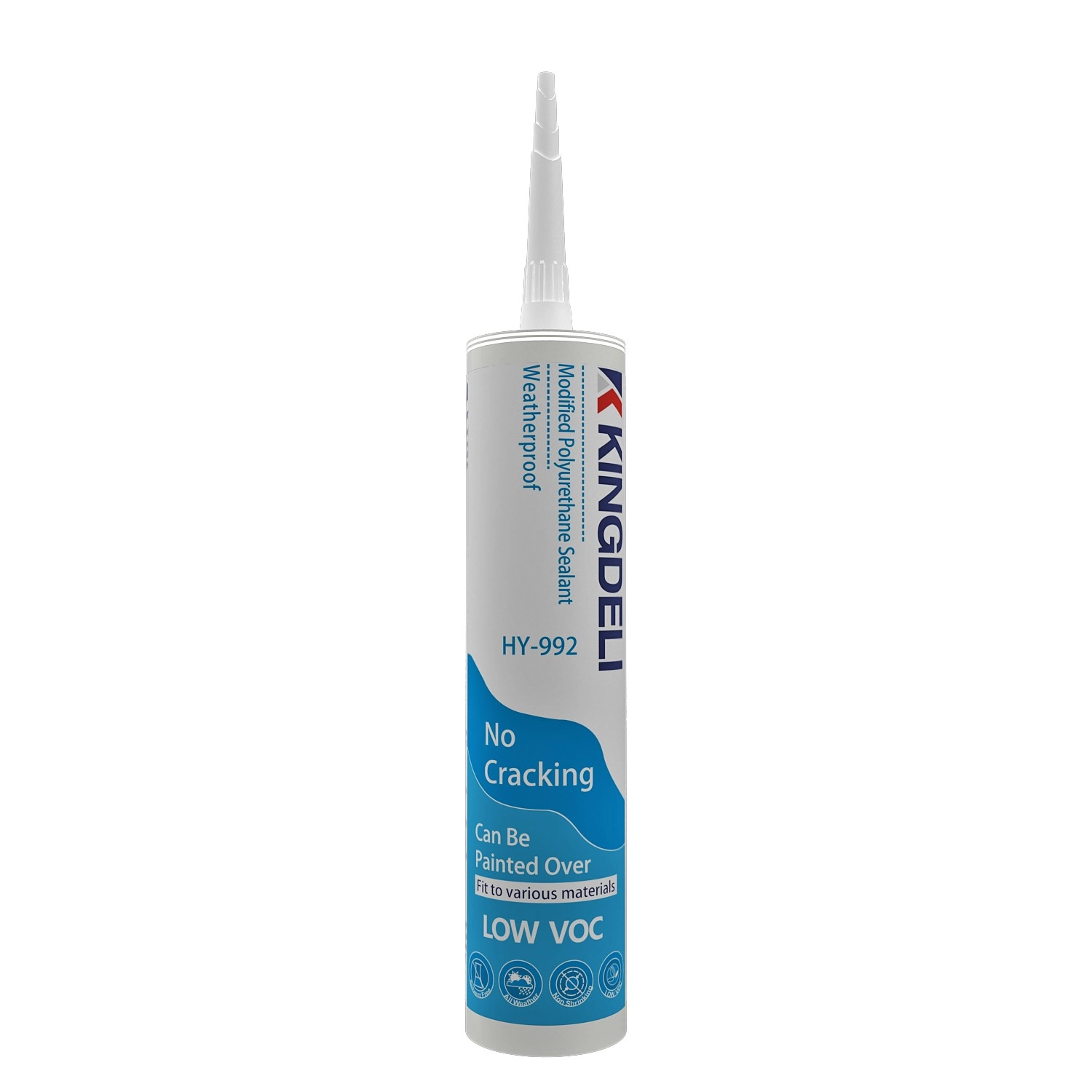
HY992 Modified Polyurethane Construction Sealant
HY992 Modified Polyurethane Sealant is a one-component, moisture-curing construction sealant designed for professional building and structural sealing applications. It provides excellent adhesion, weather resistance, and durable elasticity, making it suitable for a wide range of construction materials.
The formulation delivers strong bonding performance without corrosion or substrate contamination, while maintaining low VOC content for environmentally responsible construction projects.

HY995 Crystal Clear Ms Polymer Adhesive/Sealant
HY995 Crystal Clear Ms Polymer Adhesive/Sealant is a new generation MS Polymer adhesive / sealant formulated for all bonding and sealing applications where long term reliability is required. It has excellent bonding strength on various materials. It will cure to form a durable, flexible, waterproof seal.

HY997 High-Performance Anti-Microbial MS Polymer Sealant
HY997 MS polymer sealant for is is a premium one-component, neutral-curing modified silane sealant engineered for demanding interior applications. It offers a Class 20 movement capability, ensuring long-lasting flexibility and reliable performance under dynamic joint conditions. Curing at room temperature, HY997 delivers superior anti-microbial and mildew-resistant properties, maintaining hygienic and clean environments over time.
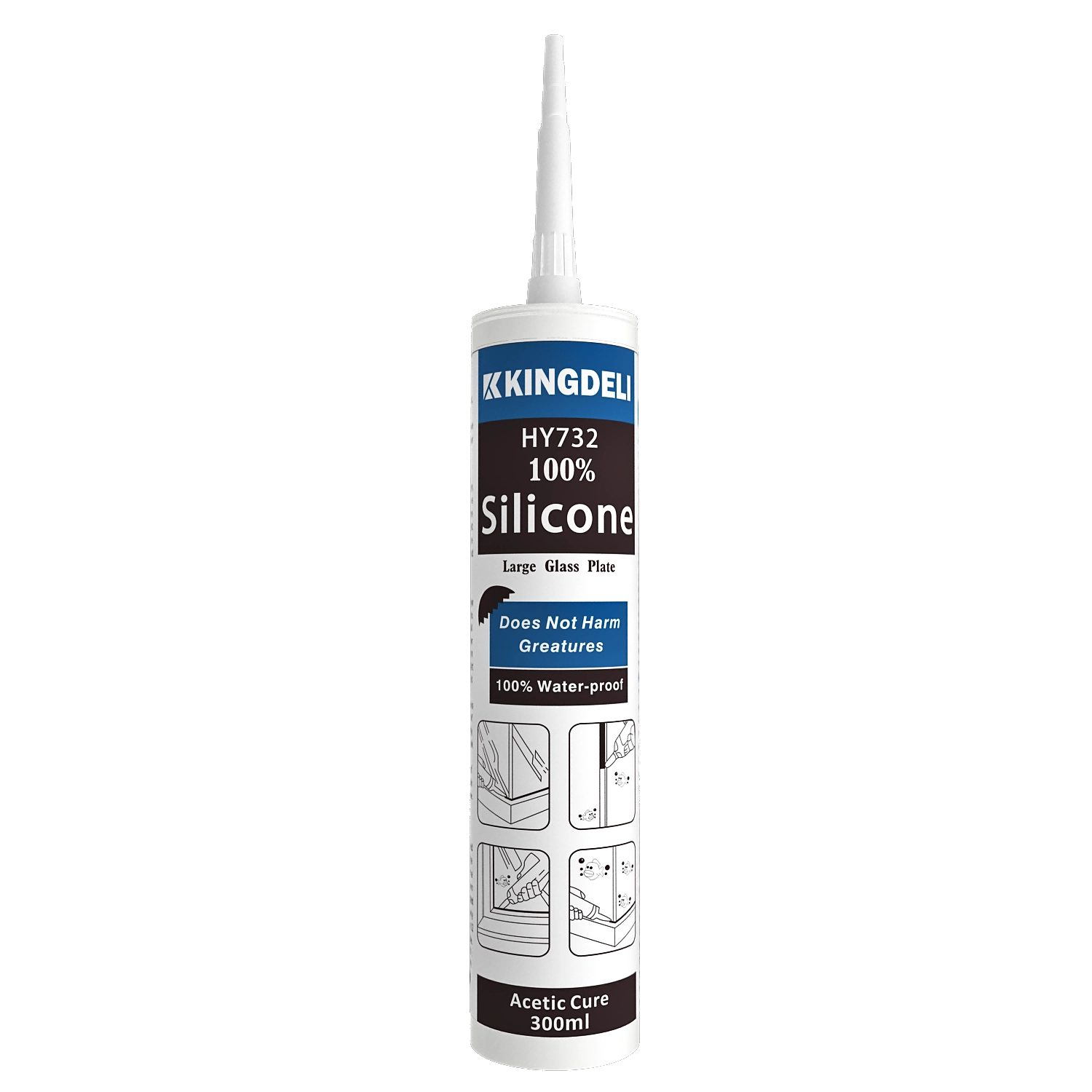
KINGDELI HY732 Professional Acetoxy Cure Silicone Sealant
KINGDELI HY732 is a professional-grade, one-component acetoxy cure silicone sealant designed for fast curing, strong adhesion, and long-lasting flexibility. Ideal for aquariums, glass applications, aluminum doors and windows, kitchens, and bathrooms, it provides reliable sealing performance with excellent anti-fungal protection in high-humidity environments.
Let’s Build Stronger Bonds with Quality Adhesives and Sealants
Have questions about the topic or need tailored sealant solutions for your project?
Our team is ready to provide expert guidance, product recommendations, and application support.
Innovating with Integrity, Bonding the World
Since 1998, KINGDELI has delivered trusted, sustainable sealant solutions that connect industries and inspire progress worldwide.
Whatsapp: +8618825946249
Kingdeli
Kingdeli
Kingdeli
Kingdeli
Kingdeli