











How resistant is acetic silicone sealant to chemicals and UV?
1) How will acetic silicone sealant behave after repeated exposure to household cleaners (bleach, ammonia, detergents) — will it lose adhesion or elasticity?
Acetic (acetoxy) silicone sealant is broadly tolerant of routine household cleaners because silicones have excellent inherent resistance to water, ozone and most oxidizing conditions. Sodium hypochlorite (bleach) and many detergent formulations typically do not chemically break the silicone polymer backbone. However, two practical failure modes are common and important to plan for:
- Surface attack and discoloration: concentrated bleach or repeated heavy applications can cause surface chalking or discoloration. This is cosmetic and does not always indicate bulk loss of elasticity, but it can hide seal failure.
- Adhesion loss from substrate attack: many common cleaners are alkaline (ammonia-based bathroom cleaners) or contain surfactants that can lift contaminated films. If the substrate finish or primer is attacked (for example, degradation of anodized aluminum or breakdown of paint), the sealant can lose adhesion even though the silicone itself remains elastomeric.
Practical guidance: when specifying acetic cure silicone for wet areas, request the manufacturer’s chemical resistance data and an after-cleaning adhesion test (adhesion after exposure to diluted bleach and an ammonia cleaner for defined cycles). For sensitive substrates (soft metals, painted profiles), either use a neutral cure silicone or a primer; insist on an adhesion retention report from your supplier (Kingdeli can provide TDS and lab test reports on request).
2) Can I use acetic silicone on fresh concrete or alkaline masonry without a primer, or will the high pH compromise cure and long-term chemical resistance?
Freshly poured concrete and some masonry are highly alkaline (pH > 11) and can impair both cure and adhesion of acetoxy silicones. Acetic silicones cure by reaction with ambient moisture and release acetic acid—this chemistry and adhesion mechanism can be sensitive to extreme substrate alkalinity:
- Immediate adhesion loss: the high pH may leave an active alkaline film (lime, salts) at the surface that prevents intimate bonding. This manifests as poor initial wet-out and eventual adhesive failure.
- Long-term chemical attack: prolonged exposure to alkaline bleeds (free Ca(OH)2) can slowly degrade the interfacial bond unless the product is formulated and primed specifically for masonry.
Recommendations: do not rely on acetoxy silicone directly on fresh concrete. Either allow concrete to reach a stable pH (usually several weeks after curing), clean and neutralize salt efflorescence, or specify a neutral-cure silicone or a compatible primer (silane-based primers for masonry) validated by adhesion tests. For projects requiring certified results, require salt spray and alkaline immersion adhesion tests from your supplier before acceptance.
3) Will acetic silicone yellow, harden or lose elasticity after 5–10 years outdoors in high-UV, high-heat climates?
Silicone elastomers (including acetoxy types) are among the most UV- and ozone-stable sealants available. Their Si–O backbone gives superior UV resistance compared with organic polymers (polyurethanes, polysulfides). Typical field performance observations:
- UV stability: well-formulated acetic silicones retain elasticity and movement accommodation for many years outdoors — commonly 10–20+ years depending on formulation, joint movement and exposure. Surface chalking or slight discoloration can occur but does not necessarily indicate loss of seal performance.
- Heat & thermal cycling: silicones maintain flexibility over a wide temperature range (common service ranges −50°C to +150°C), but prolonged exposure above the upper service temperature can accelerate oxidation of additives and surface embrittlement.
- Regional variability: in very high-UV, high-temperature locations (deserts, Middle East), expect accelerated surface aging. To mitigate this, choose UV-stabilized grades and request QUV or natural exposure data (1000–2000 hours QUV is a common accelerated benchmark) or field exposure reports from similar climate zones.
Actionable buyer criteria: request supplier evidence — accelerated weathering (QUV) and natural exposure results, and post-weathering adhesion/elasticity data. Ask for expected service-life guidance for your climate zone and for the compound’s movement capability per standards such as ASTM C920 classifications supplied in the TDS.
4) Which industrial solvents and chemicals will cause swelling, softening or adhesive failure of acetic silicone — and how severe is the effect?
Acetic silicone is chemically inert to many fluids but vulnerable to certain classes of solvents. A practical severity ranking for common chemical classes:
- Severe swelling/softening (avoid contact): ketones (acetone, MEK), esters (ethyl acetate), chlorinated hydrocarbons (methylene chloride, trichloroethylene) and concentrated aromatic solvents (toluene, xylene). These can rapidly swell or partially dissolve organic additives, causing softening and loss of mechanical properties.
- Moderate effects: aromatic hydrocarbons and concentrated hydrocarbon blends may cause gradual softening and reduced tear strength over time.
- Low effect: water, dilute acids, ethanol and isopropanol generally have low impact. Silicones resist many aqueous and polar environments.
- Poor resistance: strong alkaline solutions (concentrated NaOH, KOH) can attack sealant interfaces and fillers, reducing adhesion and causing surface degradation.
Design steps: identify actual service chemicals and concentrations, then request chemical-immersion test data from the supplier (immersion for defined times at expected temperatures with post-immersion tensile/adhesion testing). For safety-critical or cosmetic joints exposed to solvents, specify a solvent-resistant polymer (perfluoroelastomers or specialized polysulfide/polyurethane grades) or isolate the sealant with a protective mechanical cover.
5) In tropical/humid climates (high humidity and temperature), how fast does acetic silicone cure through a deep joint and how does cure rate affect final chemical and UV resistance?
Acetic silicone is moisture-curing: cure rate is controlled by ambient relative humidity and temperature. Practical points:
- Surface cure vs full-depth cure: in humid, warm climates the surface skin forms quickly (hours), but full-depth curing happens at a rate typically 2–4 mm per 24 hours depending on product. Very wide/deep joints will therefore take days–weeks to fully cure.
- Faster cure does not necessarily change the intrinsic UV resistance of the polymer backbone; however, rapid skinning can trap volatiles or contamination in the center of the bead, which can reduce chemical resistance or adhesion if the substrate or joint prep was inadequate.
- Exotherm is minimal, but in very hot, humid conditions surface cure may occur before adequate tooling/adhesion — which can create weak interfaces if the substrate was wet or contaminated.
Best practice: tool and clean joints promptly, avoid applying sealant into submerged or water-laden joints unless product is specified for that condition, and for joints deeper than 10 mm use appropriate backer rod to ensure correct cross-section and allow predictable cure-through. Ask the supplier for cure-through rate curves at your anticipated temperature/humidity so you can schedule inspections or chemical exposures after a safe cure period.
6) What specific pre-treatment, primers and test reports should I require from the supplier to ensure acetic silicone will not fail chemically or under UV on my project (e.g., aluminum cladding or glazing)?
To minimize surprises, require the following from any manufacturer/supplier before acceptance or purchase:
- Technical Data Sheet (TDS) that lists service temperature range, movement capability, Shore A hardness, and compliance to standards (e.g., ASTM C920 or equivalent regional standards).
- Material Safety Data Sheet (MSDS/SDS) to confirm curing byproducts and handling requirements.
- Chemical resistance chart or third‑party laboratory immersion data that matches your exposure list (chemicals, concentrations, temperatures). Insist on post-immersion adhesion or tensile data, not just visual assessments.
- Accelerated weathering data (QUV 1000–2000 hours is a common benchmark) and/or natural exposure data from a similar climate zone, plus post-weathering adhesion and elongation tests.
- Adhesion test records to your exact substrate and surface finish (e.g., mill-finish aluminum, anodized, pre-painted metal, glass). If none exist, request site-specific adhesion tests or mock-ups. Adhesion after thermal cycling and after chemical challenge are critical acceptance criteria.
- Primer recommendations and compatibility confirmations. For metals and low-energy plastics, require primer ID (silane- or solvent-based) and application instructions. For high-alkaline masonry, require neutralization or primer steps described in writing.
- Field application instructions (temperature/humidity limits, tooling, cure times) and an inspection checklist for installers.
Procurement language you can use: “Supplier to provide TDS, SDS, chemical immersion test reports (listing chemicals, concentrations and durations), QUV or natural exposure data including post-test adhesion retention, and adhesion test records to . If not available, supplier to conduct and document project-specific mock-ups.”
Kingdeli tip: ask for independent lab certification or witness testing if the project is critical — it’s common in façade and glazing projects to require third-party validation before large orders.
Concluding summary — advantages of acetic silicone sealant and next steps
Acetic (acetoxy) silicone sealants offer outstanding UV/ozone stability, very good flexibility over wide temperature ranges, and strong adhesion to glass and many non-porous substrates. They resist water, dilute acids and many cleaning agents, and provide long service life outdoors when matched to the right substrate and exposure. Their weaknesses are sensitivity to strong alkalis, attack or swelling by certain ketones and chlorinated solvents, potential corrosion on reactive metals (galvanized steel, copper) due to acetic acid byproduct, and less paintability without surface treatment. To avoid failures: specify the correct silicone chemistry for the substrate and chemicals expected in service, require TDS/MSDS and third-party or supplier chemical resistance and UV-aging data, perform mock-up adhesion tests where necessary, and use primers when recommended.
For a tailored product selection and a competitive quote, contact us at www.kingdelisealant.com or email info@kingdeliadhesive.com — we can provide datasheets, lab reports and project-specific recommendations.
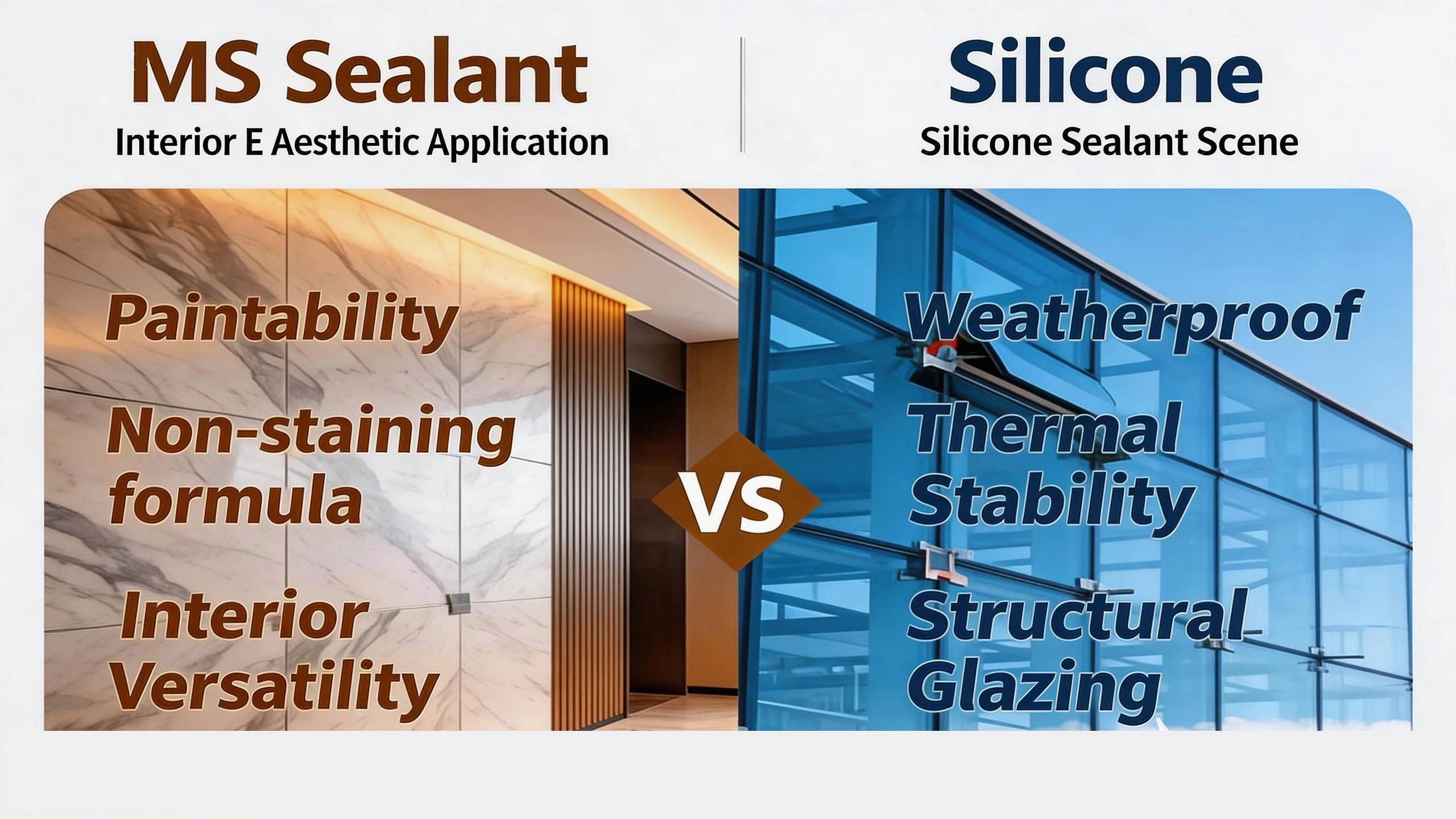
MS Sealant vs. Silicone: Which is Right for Your Construction Project?
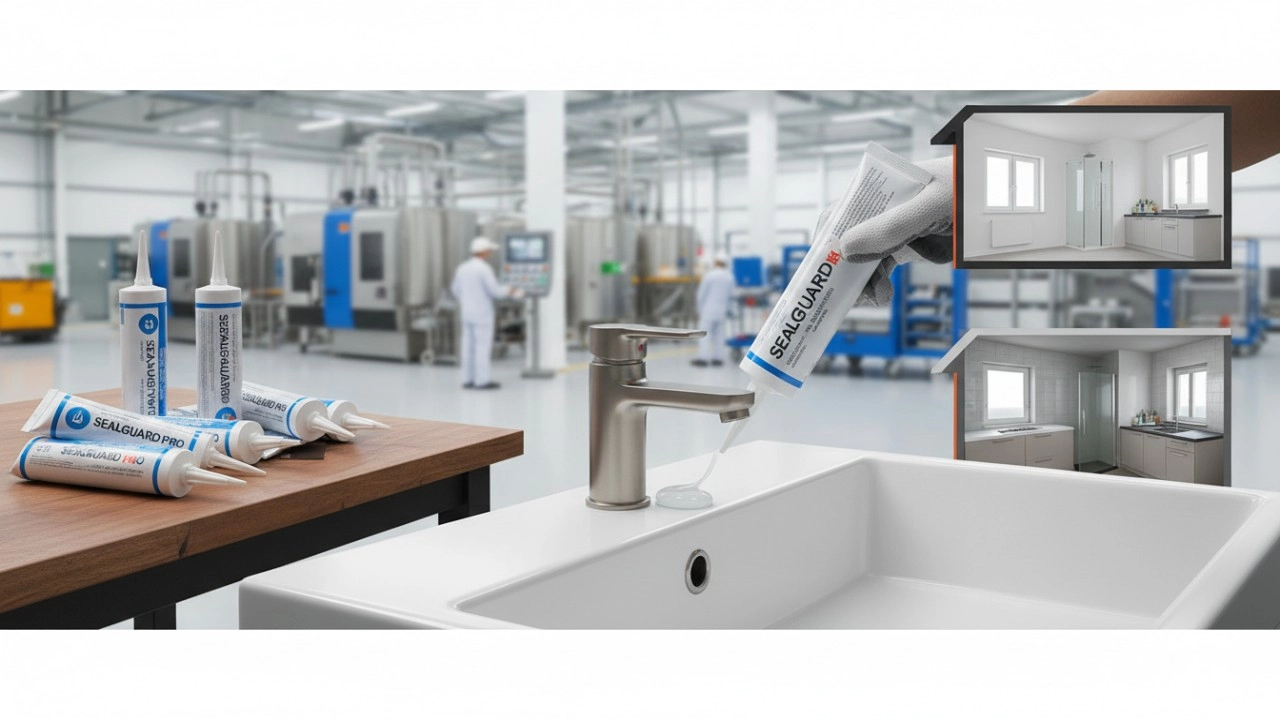
The Ultimate Guide to Choosing a Silicone Sealant Manufacturer in 2026: 10 Critical Factors Often Overlooked
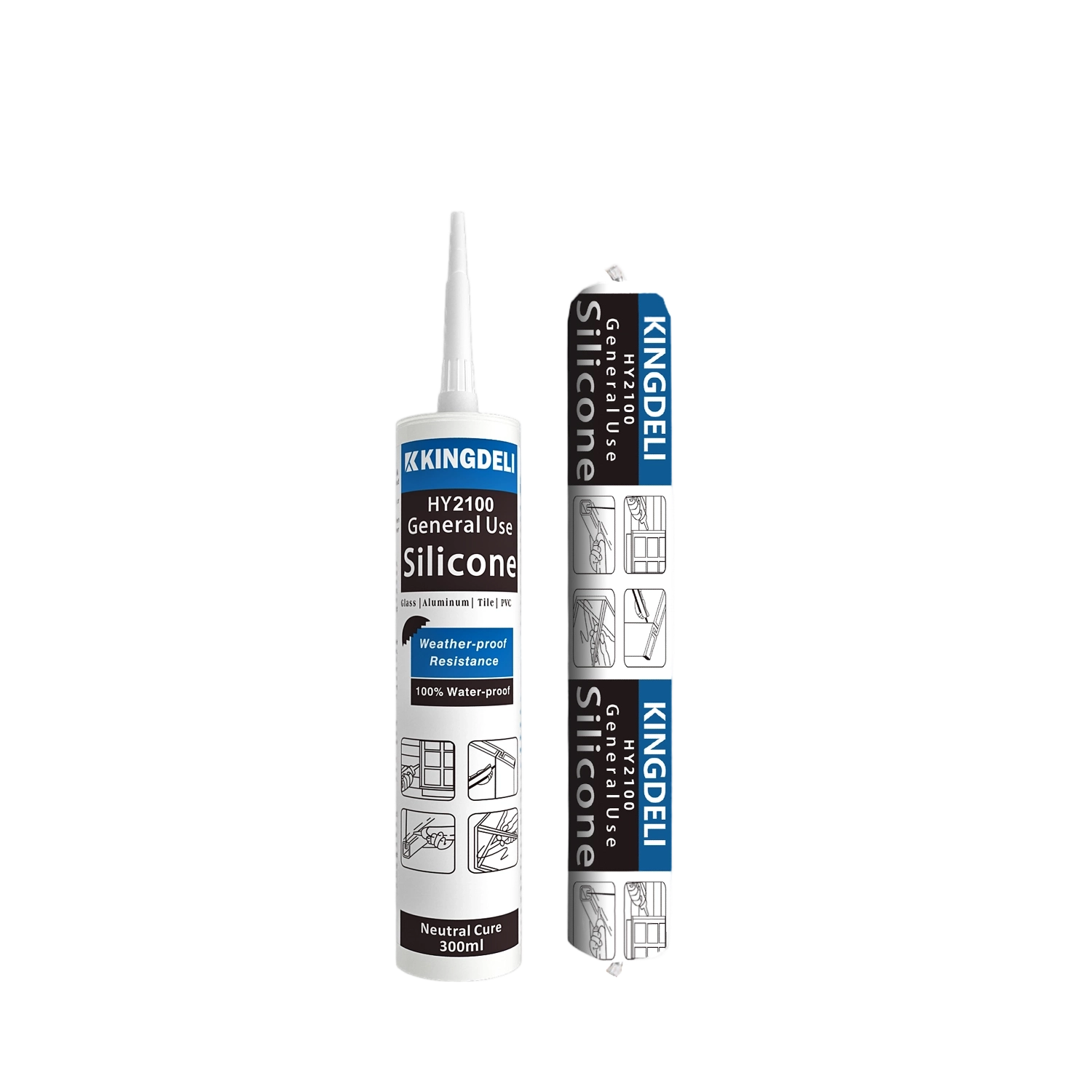
Industrial Applications of Acetic Silicone Sealant: Beyond Basic Glass Sealing
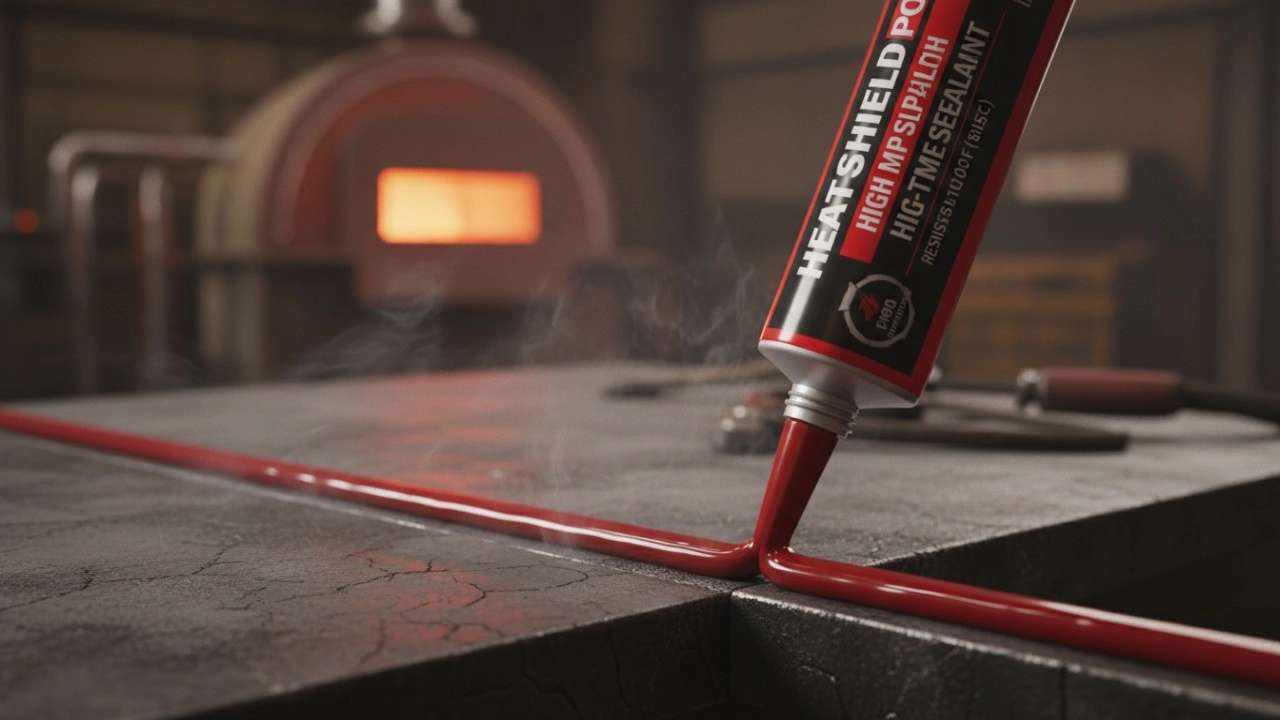
Top Factors to Consider When Choosing an Acetic Silicone Sealant Manufacturer in China
HY-2300
Will it corrode metal or cement surfaces?
No. HY-2300 is a neutral curing silicone sealant, ensuring no corrosion to metal and cement substrates.
HY-951
Can HY951 bond hard materials?
Yes. HY951 can be used not only for joint filling but also for bonding various hard materials in kitchens, bathrooms, and interior installations.
HY982
Can the cured surface be painted?
Yes. After surface curing, HY982 can be painted or coated, allowing it to blend seamlessly with surrounding finishes.
HY995
Is primer required before application?
In most cases, no primer is required. HY995 provides strong primerless adhesion to most common construction materials. However, for very smooth or special surfaces, a compatibility test is recommended before use.
HY- 972
Can HY-972 be painted over?
Yes. Once fully cured, HY-972 can be painted with most water-based paints.
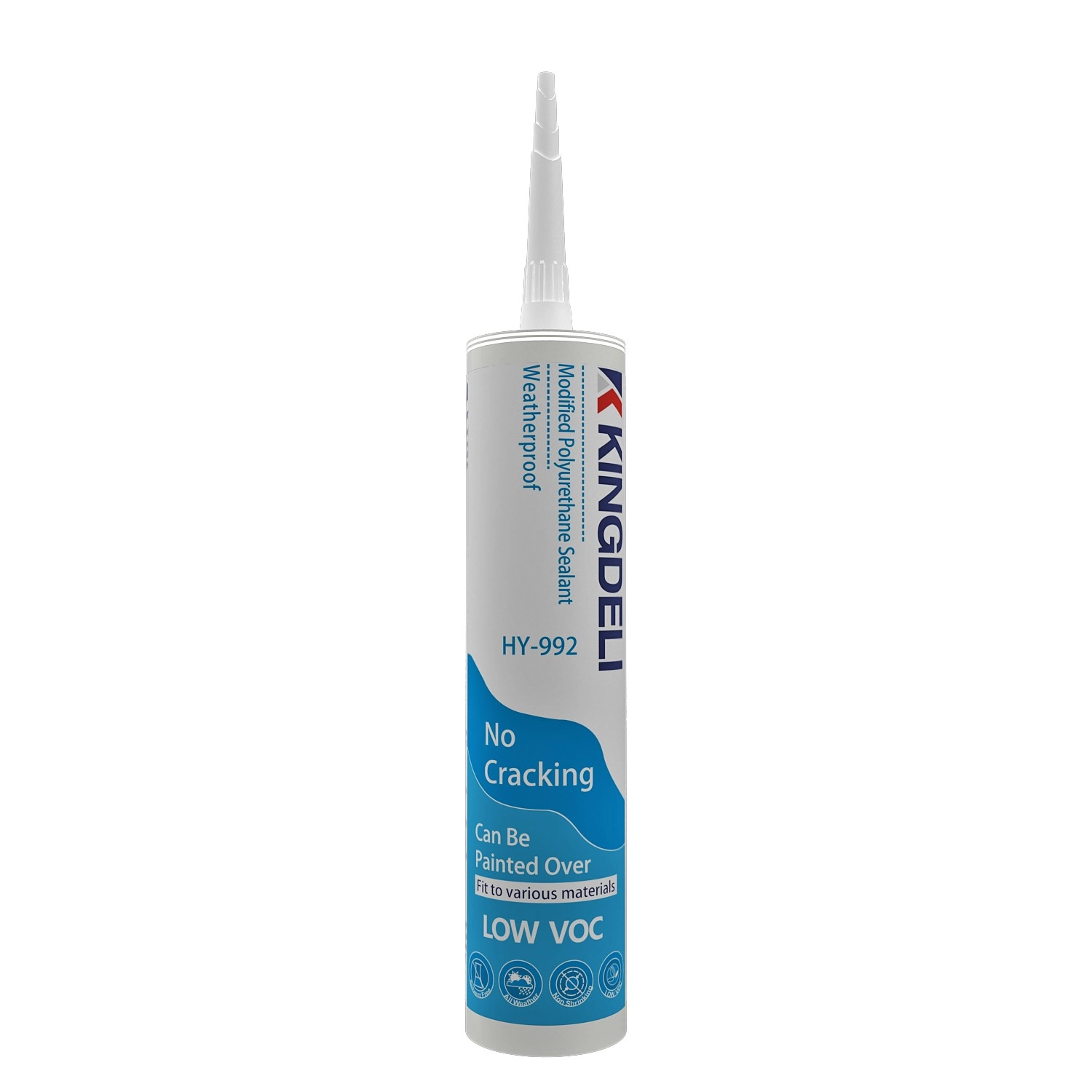
HY992 Modified Polyurethane Construction Sealant
HY992 Modified Polyurethane Sealant is a one-component, moisture-curing construction sealant designed for professional building and structural sealing applications. It provides excellent adhesion, weather resistance, and durable elasticity, making it suitable for a wide range of construction materials.
The formulation delivers strong bonding performance without corrosion or substrate contamination, while maintaining low VOC content for environmentally responsible construction projects.

HY995 Crystal Clear Ms Polymer Adhesive/Sealant
HY995 Crystal Clear Ms Polymer Adhesive/Sealant is a new generation MS Polymer adhesive / sealant formulated for all bonding and sealing applications where long term reliability is required. It has excellent bonding strength on various materials. It will cure to form a durable, flexible, waterproof seal.

HY997 High-Performance Anti-Microbial MS Polymer Sealant
HY997 MS polymer sealant for is is a premium one-component, neutral-curing modified silane sealant engineered for demanding interior applications. It offers a Class 20 movement capability, ensuring long-lasting flexibility and reliable performance under dynamic joint conditions. Curing at room temperature, HY997 delivers superior anti-microbial and mildew-resistant properties, maintaining hygienic and clean environments over time.
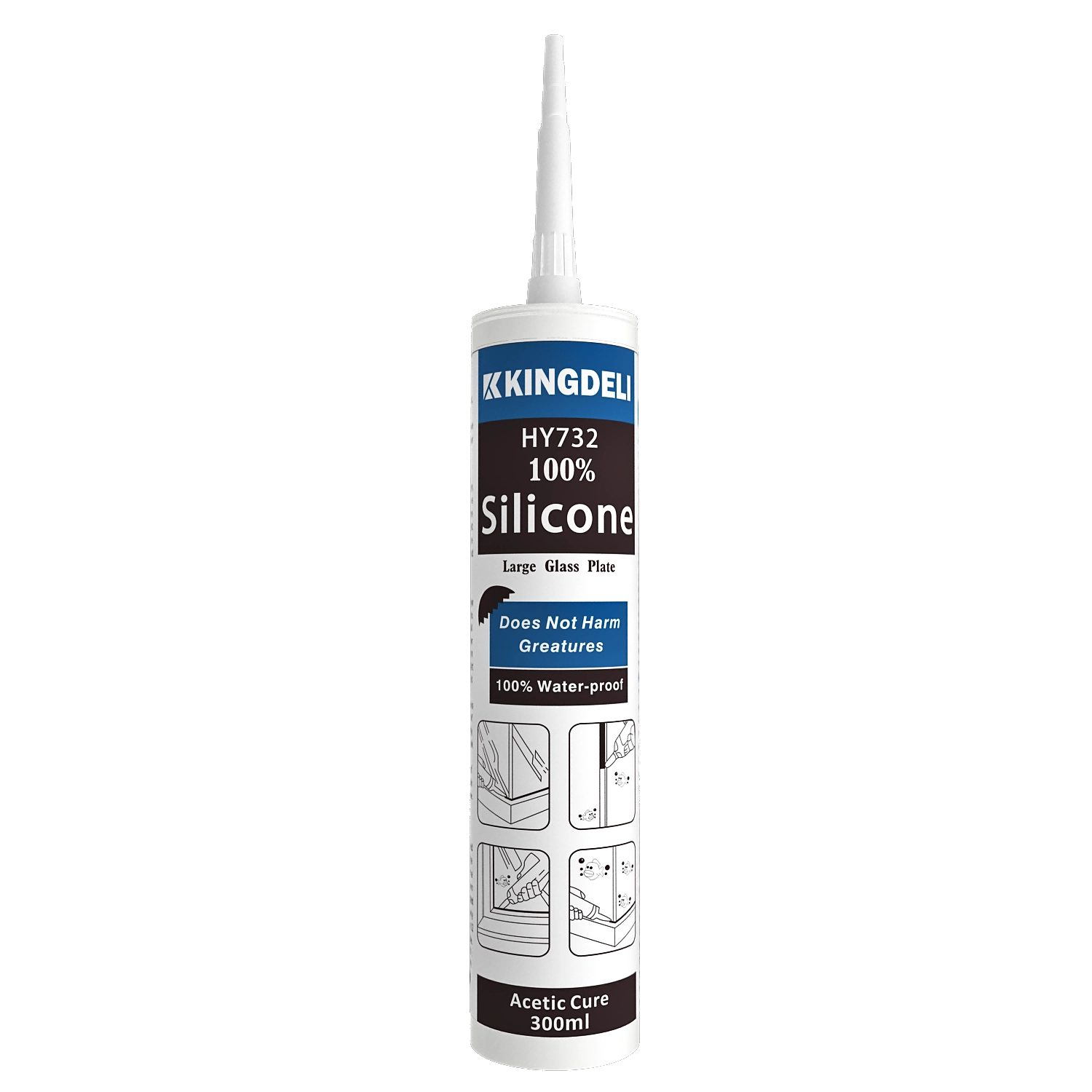
KINGDELI HY732 Professional Acetoxy Cure Silicone Sealant
KINGDELI HY732 is a professional-grade, one-component acetoxy cure silicone sealant designed for fast curing, strong adhesion, and long-lasting flexibility. Ideal for aquariums, glass applications, aluminum doors and windows, kitchens, and bathrooms, it provides reliable sealing performance with excellent anti-fungal protection in high-humidity environments.
Let’s Build Stronger Bonds with Quality Adhesives and Sealants
Have questions about the topic or need tailored sealant solutions for your project?
Our team is ready to provide expert guidance, product recommendations, and application support.
Innovating with Integrity, Bonding the World
Since 1998, KINGDELI has delivered trusted, sustainable sealant solutions that connect industries and inspire progress worldwide.
Whatsapp: +8618825946249
Kingdeli
Kingdeli
Kingdeli
Kingdeli
Kingdeli