











How to ensure adhesion of acetic silicone sealant to metals?
1) How to ensure adhesion of acetic silicone sealant to metals?
Start with a systems approach: substrate assessment, surface preparation, primer/adhesion promoter choice, joint design, correct application, and verification testing. For most ferrous, stainless and anodized aluminum substrates:
- Clean: remove oils, release agents and particulates using an alkaline degreaser for heavy contamination, followed by solvent wiping with isopropyl alcohol or acetone. Ensure solvents are compatible with paints/ coatings.
- Mechanically modify: light abrasion (P180–320 grit) or micro-etching improves wettability by increasing surface energy. Remove abrasive residue after.
- Check conversion/coatings: chromate conversion or anodizing can either help or hinder adhesion. Refer to the metal’s surface treatment data sheet—some conversion coatings require a compatible primer.
- Use a dedicated silane-based or manufacturer-recommended silicone primer (organofunctional silanes or proprietary primers from major suppliers). Apply thin, allow solvent flash-off per manufacturer instructions, then apply acetic (acetoxy) silicone.
- Design joints with correct width-to-depth ratio (commonly 2:1) and avoid excessive cross-sectional thickness to ensure full cure; acetic silicones cure by moisture so thick beads cure slowly.
- Verify adhesion with a standardized test such as ASTM C794 (tensile adhesion/peel) and an environmental exposure protocol (see Q6).
Note: acetic (acetoxy) cure systems release acetic acid during cure and can corrode copper, brass, zinc and galvanized steel—use neutral-cure silicone on those metals or electrically isolate the sealant from the metal.
2) Why does acetic silicone fail on anodized aluminum after months outdoors?
Long-term outdoor failures are usually due to one or more of: inadequate initial wetting, contamination trapped under the bead, migration of low-molecular-weight species from coatings, thermal cycling, or chemical attack from acid release. Anodized aluminum can be porous or sealed—if the anodize pore structure or sealing process traps contaminants or absorbs acetic acid, adhesion will deteriorate over time.
Practical steps to prevent this:
- Confirm type and quality of anodize and whether pores were sealed. If unsealed, sealing (hot deionized water seal) or a compatible primer can improve performance.
- Perform full-system qualification: clean → primer → sealant, then age samples in accelerated weathering and salt spray (ASTM B117) and thermal cycling to simulate expansion/contraction in the field.
- Prefer neutral-cure silicone for long-term outdoor exposures on anodized aluminum when aesthetic corrosion or substrate staining is a concern.
3) Which primers or adhesion promoters reliably improve acetic silicone bonding on stainless steel and aluminum?
Look for silane-based primers (organofunctional silanes) and proprietary silicone primers from major suppliers (Wacker, Dow, Shin‑Etsu) that are qualified for metal substrates. Typical primer chemistries:
- Methacryloxy- and epoxy-functional silanes for improved chemical coupling to oxide layers and painted/coated metals.
- Amino-functional silanes for certain metal oxides where polar interactions are beneficial.
- Proprietary silicone primers formulated to bridge low-energy surfaces and silicone elastomers.
Application tips: apply a thin, uniform coat; follow manufacturer flash-off times (usually minutes to an hour depending on solvent); perform adhesion verification after primer curing. Always check the primer technical data sheet for substrate compatibility and recommended cure windows.
4) Can acetic silicone sealant cause corrosion on metal parts, and how do I prevent it?
Yes. Acetoxy silicones release acetic acid while curing; that acid can accelerate corrosion on copper, brass, zinc, galvanized steel and certain aluminum alloys if trapped or in contact for prolonged periods. Prevention measures:
- Use neutral-cure silicone (oxime, alkoxy or neutral RTV) for acid-sensitive metals when corrosion risk is significant.
- Isolate the metal mechanically or with an inert coating (e.g., lacquer or epoxy primer) that is compatible with both the metal and the sealant.
- Ensure adequate ventilation and cure-through to avoid reservoirs of acetic acid at interfaces; avoid deep pockets where acid can concentrate.
- Where dissimilar metals are present, consider barrier tapes or sacrificial coatings to prevent galvanic corrosion driven by residual acid.
- Validate with corrosion testing such as salt spray (ASTM B117) and electrochemical evaluations if your application is safety- or appearance-critical.
5) How should I prepare oily, aged metal surfaces for acetic silicone application in cold climates?
Cold temperatures complicate solvent evaporation, adhesion, and cure rate. For oily or aged surfaces in cold environments:
- Preheat the substrate (safely, per process limits) to accelerate evaporation of solvents and improve surface cleaning—typically 10–20°C above ambient if allowable.
- Use a two-step cleaning: alkaline degrease (immersion or wipe) followed by solvent wipe (isopropyl alcohol) to remove residues. For heavy hydrocarbons, use a dedicated industrial degreaser and then rinse thoroughly.
- Mechanically abrade to remove aged films and create a fresh oxide layer; then immediately apply primer or sealant to avoid recontamination.
- Choose primers with fast flash-off suitable for low temperatures and use warm storage for sealant cartridges to maintain application viscosity.
- Expect slower cure (moisture-driven cure slows at low temperatures). Plan assembly or traffic/load timing accordingly and avoid trapping moisture barriers that prevent cure.
6) How can I test and validate long-term adhesion of acetic silicone sealant on metal assemblies before full production?
Implement a structured validation program combining laboratory tests and real-world simulation:
- Adhesion strength: use ASTM C794 tensile adhesion (peel/tensile) to quantify initial and aged adhesion values.
- Standard sealant performance: consult ASTM C920 classifications to ensure the silicone’s elasticity and movement capability match joint requirements.
- Environmental aging: conduct salt spray (ASTM B117) for corrosion-prone applications, UV exposure tests (ASTM G154 or ISO 11341) for sunlight-exposed joints, and temperature/humidity cycling to reproduce field stresses.
- Thermal and mechanical cycling: cycle bonded assemblies through expected service temperature swings and movement amplitudes to observe adhesion retention and cohesive failure modes.
- Failure analysis: examine failed samples with optical microscopy or SEM to distinguish adhesive vs cohesive failure and identify contamination layers or corrosion products.
- Field trials: install pre-production assemblies in representative service locations for seasonal evaluation—this often reveals issues not captured in accelerated tests.
Document pass/fail criteria up-front and require suppliers to provide substrate-specific qualification data and material safety and technical data sheets (TDS, SDS).
Concluding summary — Advantages of acetic silicone sealant
Acetic (acetoxy) silicone sealants offer fast skin formation, excellent adhesion to glass, ceramics and many metals after proper surface prep, good UV and ozone resistance, and long-term elasticity for dynamic joints. They are cost-effective for many glazing and general-purpose sealing tasks. However, because they emit acetic acid during cure, assess corrosion risk on sensitive metals and consider neutral-cure alternatives when necessary.
For project-specific recommendations, material data sheets, compatibility lists, or to request a quotation, contact us for a quote at www.kingdelisealant.com or email info@kingdeliadhesive.com.
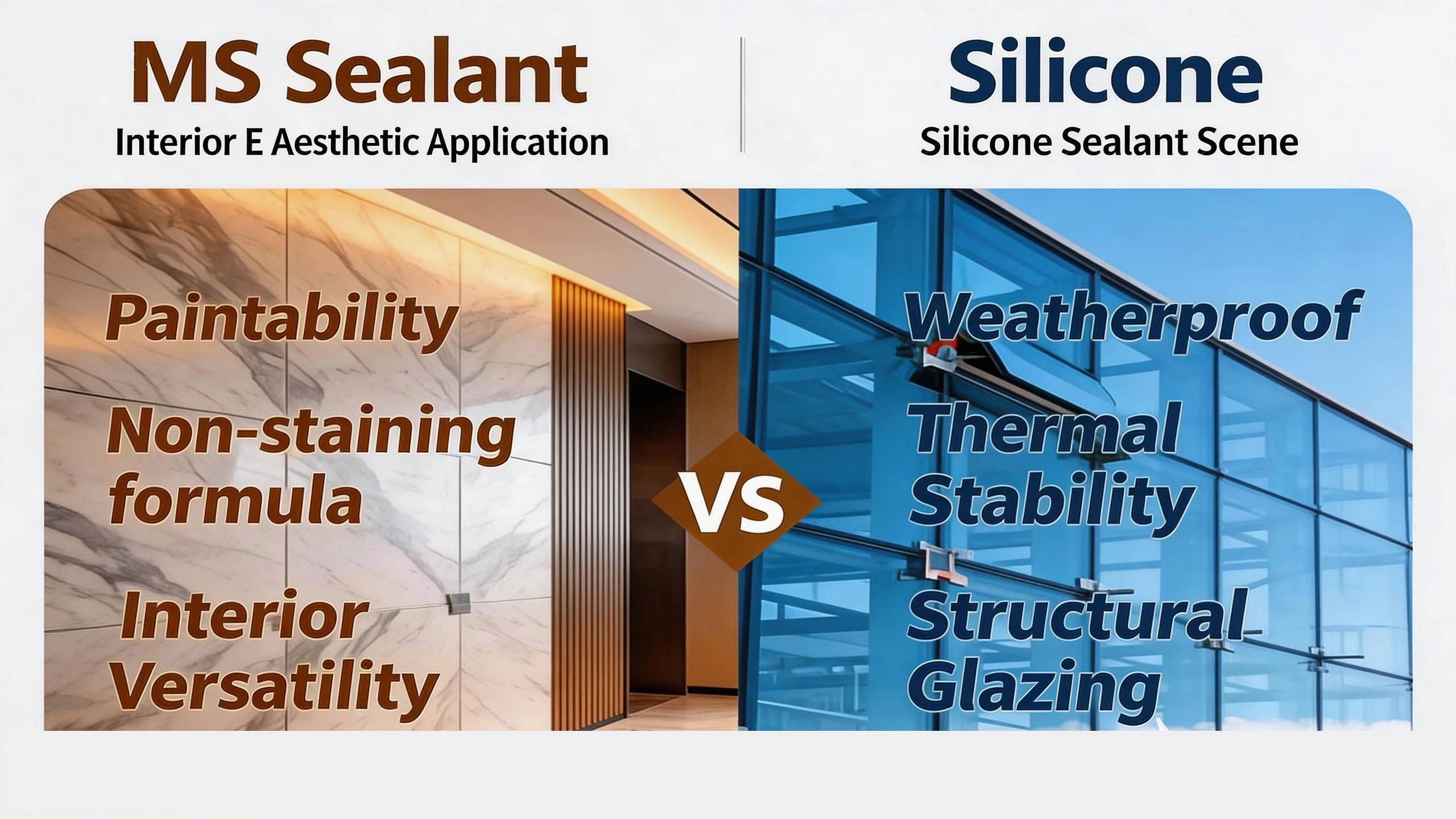
MS Sealant vs. Silicone: Which is Right for Your Construction Project?
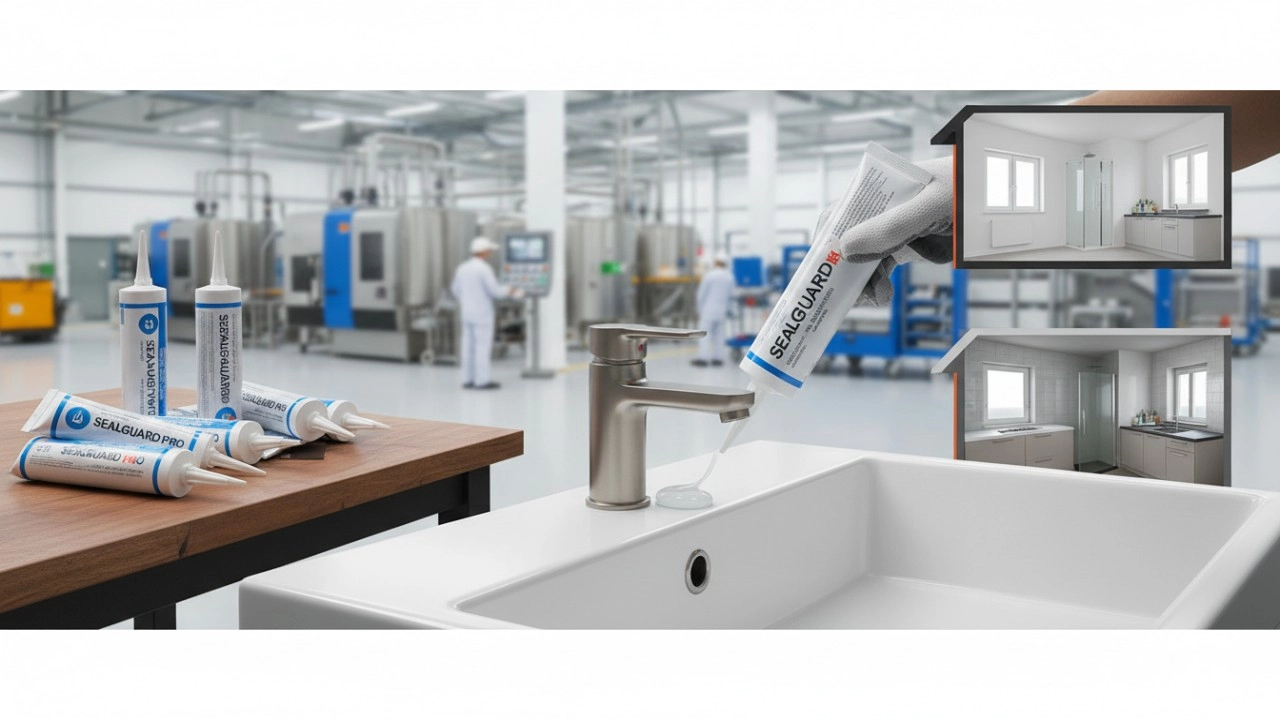
The Ultimate Guide to Choosing a Silicone Sealant Manufacturer in 2026: 10 Critical Factors Often Overlooked
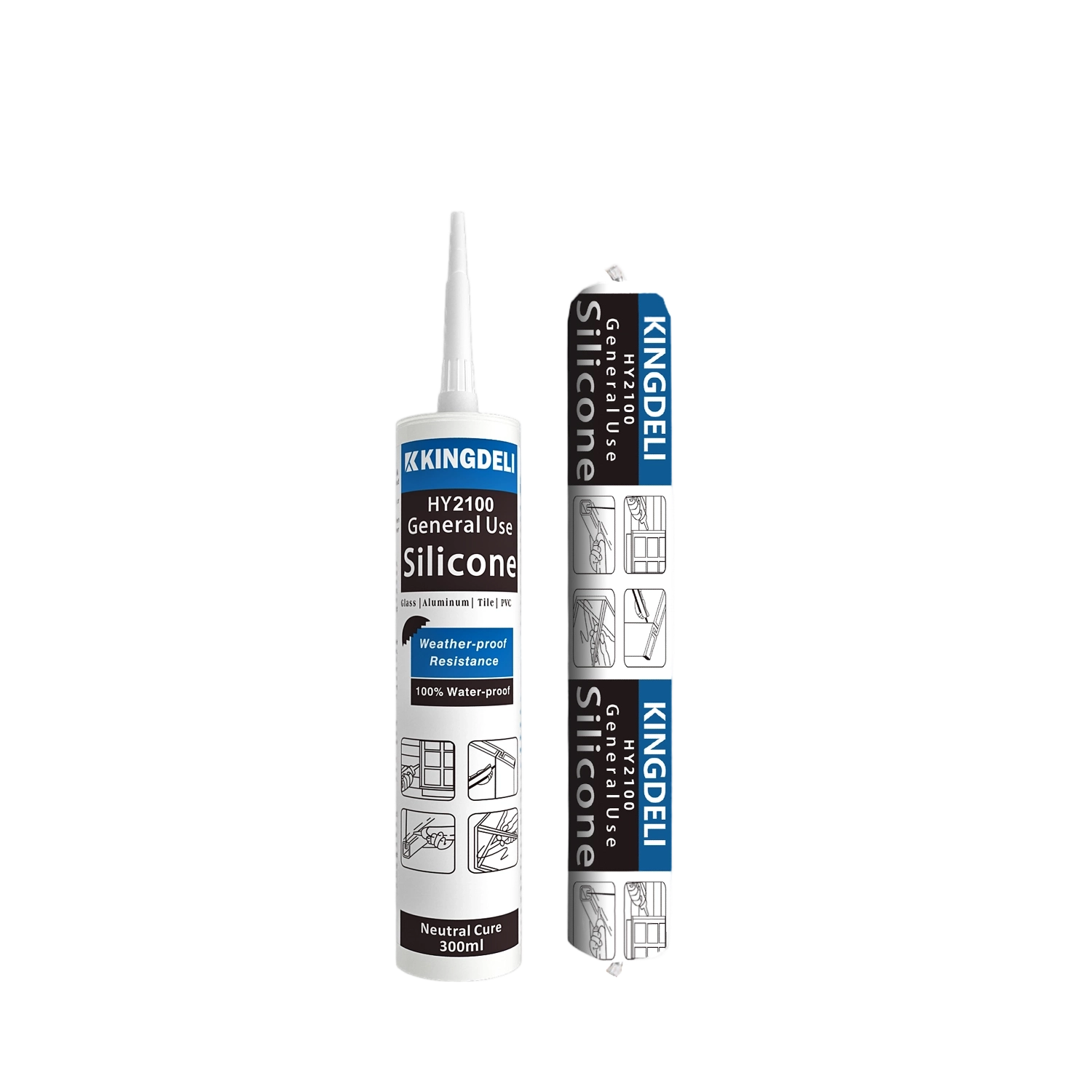
Industrial Applications of Acetic Silicone Sealant: Beyond Basic Glass Sealing
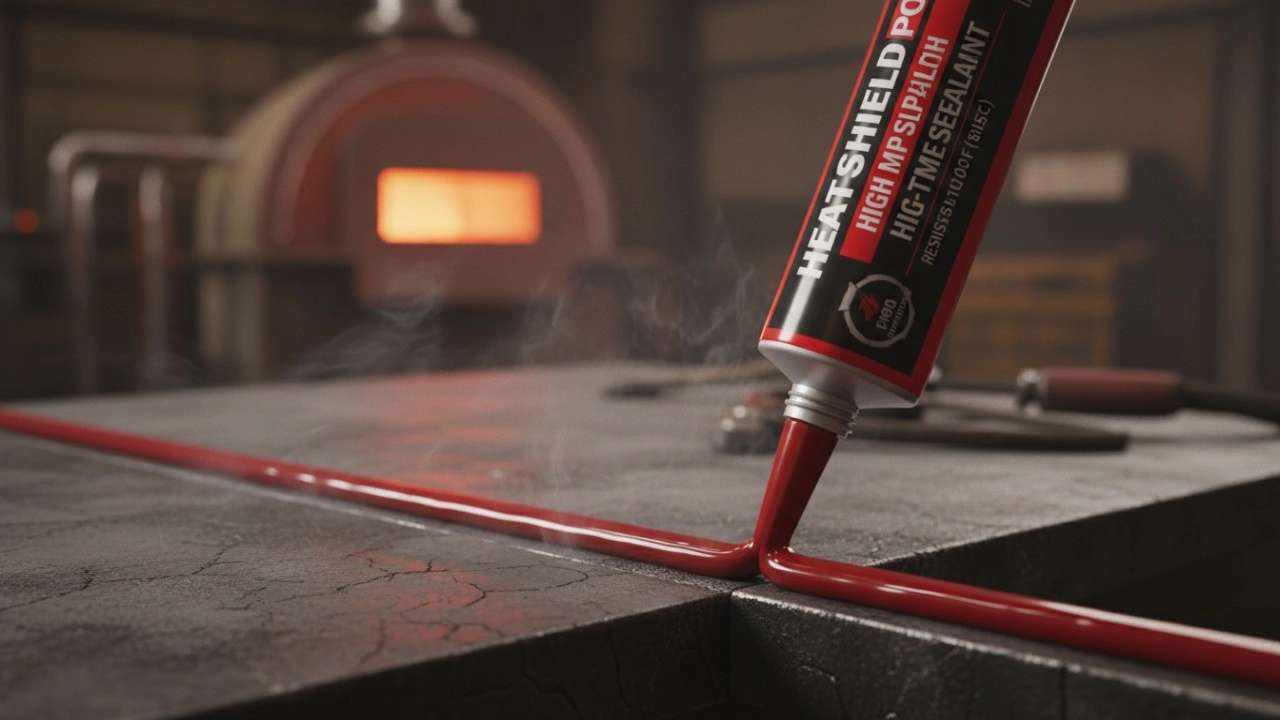
Top Factors to Consider When Choosing an Acetic Silicone Sealant Manufacturer in China
HY-951
Does the grout change color or turn yellow over time?
No. HY951 features strong anti-yellowing performance and long-lasting color stability when applied and cured correctly.
HY732
Does it help prevent mildew?
Yes, HY732 is designed to provide reliable mildew resistance, making it ideal for areas exposed to high humidity and temperature.
HY- 972
How do I clean tools and excess sealant?
Uncured sealant can be easily cleaned with water. Cured material must be removed mechanically.
HY994
What colors are available?
Standard colors include black, white, and gray. Custom colors can be produced upon request.
HY922
Will HY922 corrode metal substrates?
No. The formulation is non-corrosive and safe for use on metals such as aluminum and steel, as well as non-metal substrates.
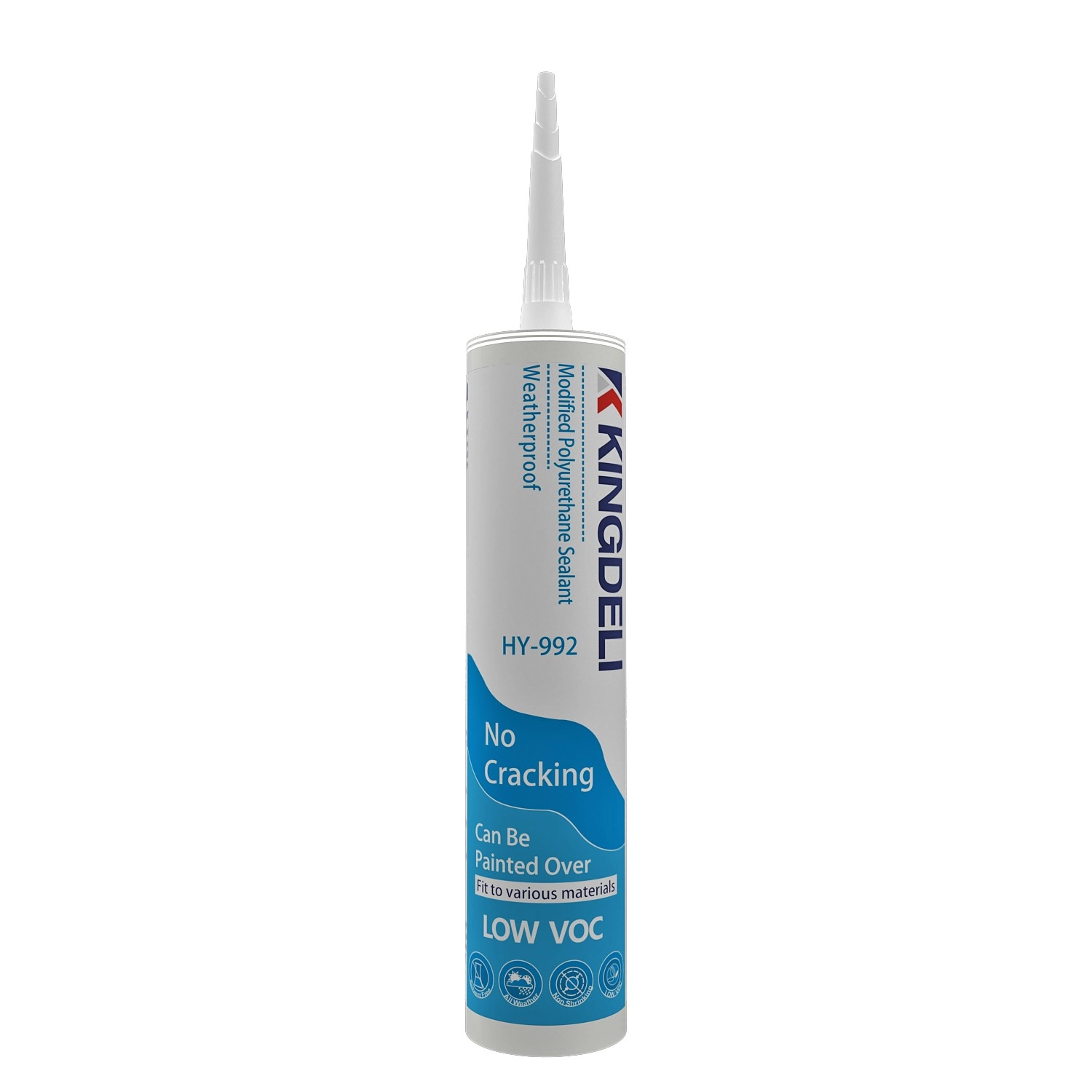
HY992 Modified Polyurethane Construction Sealant
HY992 Modified Polyurethane Sealant is a one-component, moisture-curing construction sealant designed for professional building and structural sealing applications. It provides excellent adhesion, weather resistance, and durable elasticity, making it suitable for a wide range of construction materials.
The formulation delivers strong bonding performance without corrosion or substrate contamination, while maintaining low VOC content for environmentally responsible construction projects.

HY995 Crystal Clear Ms Polymer Adhesive/Sealant
HY995 Crystal Clear Ms Polymer Adhesive/Sealant is a new generation MS Polymer adhesive / sealant formulated for all bonding and sealing applications where long term reliability is required. It has excellent bonding strength on various materials. It will cure to form a durable, flexible, waterproof seal.

HY997 High-Performance Anti-Microbial MS Polymer Sealant
HY997 MS polymer sealant for is is a premium one-component, neutral-curing modified silane sealant engineered for demanding interior applications. It offers a Class 20 movement capability, ensuring long-lasting flexibility and reliable performance under dynamic joint conditions. Curing at room temperature, HY997 delivers superior anti-microbial and mildew-resistant properties, maintaining hygienic and clean environments over time.
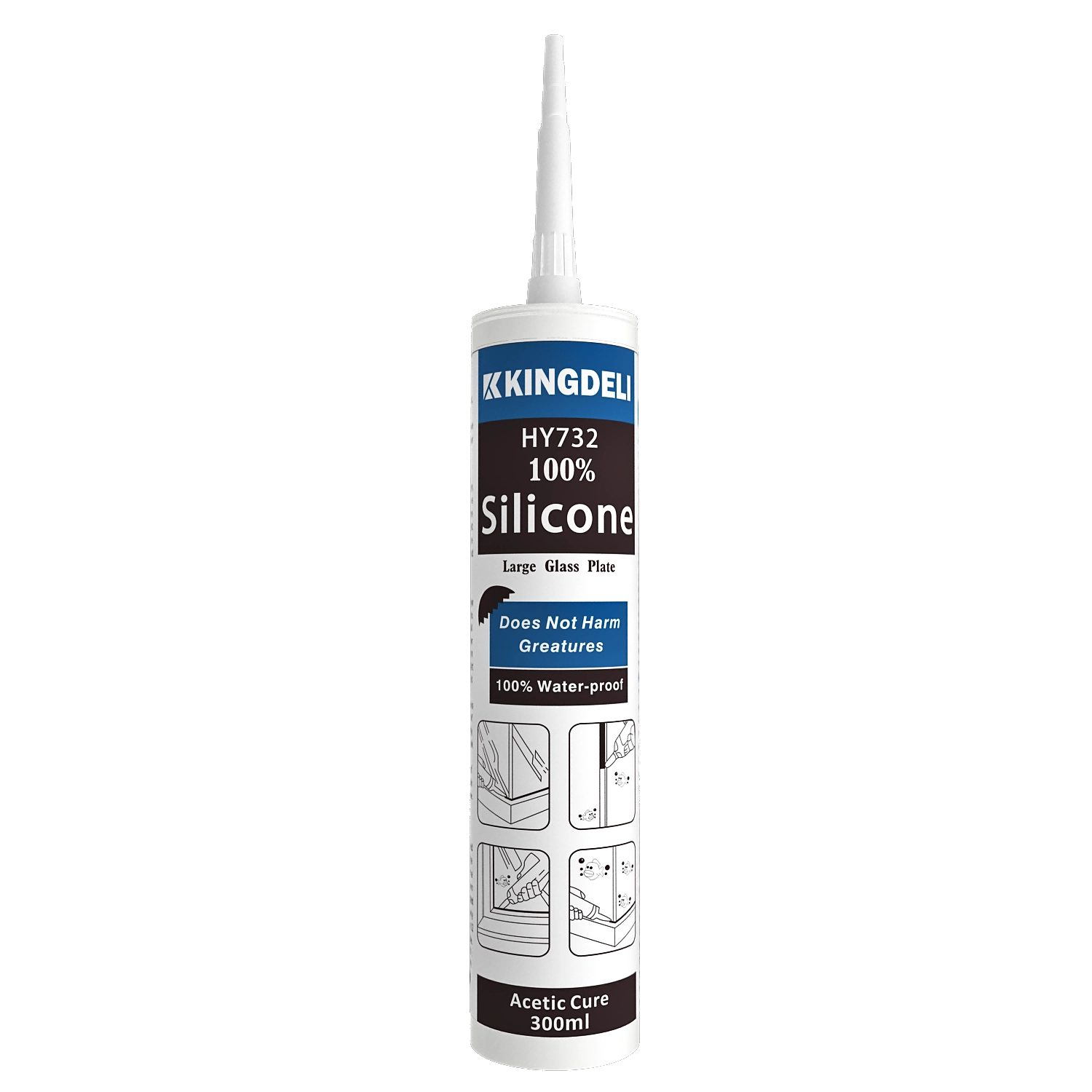
KINGDELI HY732 Professional Acetoxy Cure Silicone Sealant
KINGDELI HY732 is a professional-grade, one-component acetoxy cure silicone sealant designed for fast curing, strong adhesion, and long-lasting flexibility. Ideal for aquariums, glass applications, aluminum doors and windows, kitchens, and bathrooms, it provides reliable sealing performance with excellent anti-fungal protection in high-humidity environments.
Let’s Build Stronger Bonds with Quality Adhesives and Sealants
Have questions about the topic or need tailored sealant solutions for your project?
Our team is ready to provide expert guidance, product recommendations, and application support.
Innovating with Integrity, Bonding the World
Since 1998, KINGDELI has delivered trusted, sustainable sealant solutions that connect industries and inspire progress worldwide.
Whatsapp: +8618825946249
Kingdeli
Kingdeli
Kingdeli
Kingdeli
Kingdeli