











The Ultimate Guide to Choosing a Silicone Sealant Manufacturer in 2026: 10 Critical Factors Often Overlooked
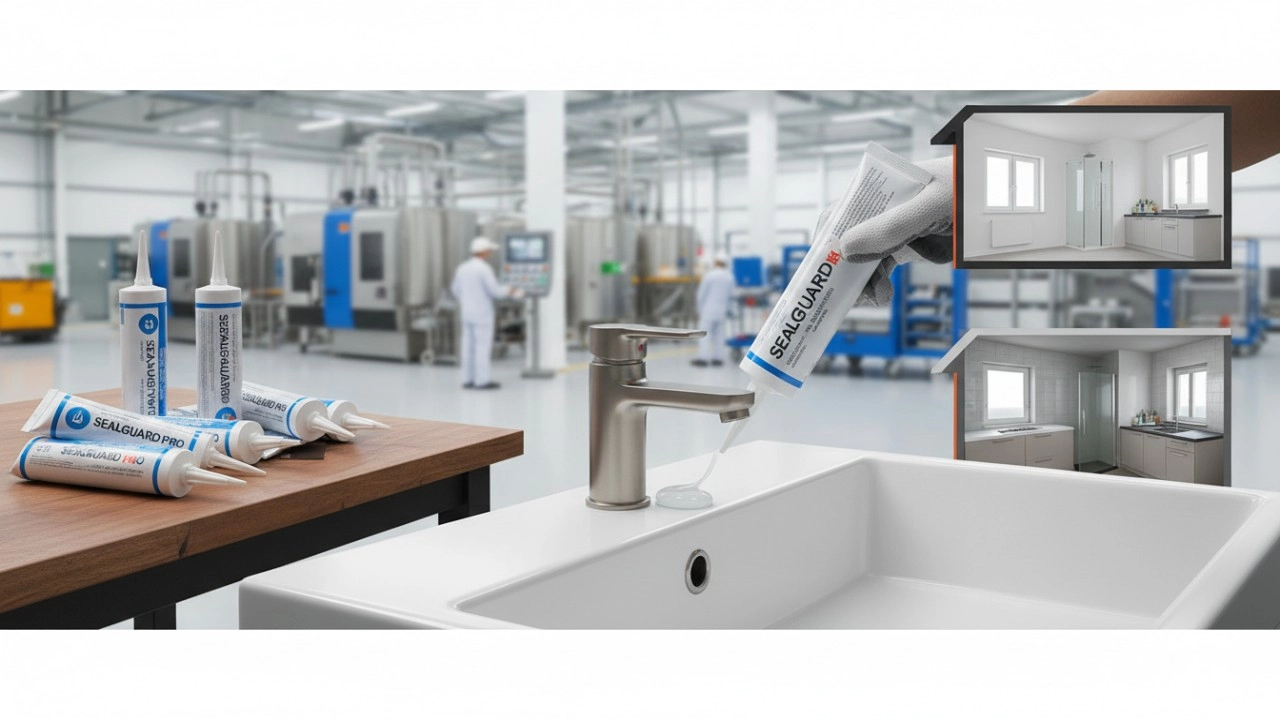
Navigating the global supply chain requires partnering with a reliable OEM silicone sealant supplier that can meet the rigorous demands of modern construction and manufacturing. In 2026, finding the right factory is about much more than just cost; it involves evaluating production technology, sustainability, and material consistency. This guide explores the 10 critical factors you must consider to make an informed procurement decision.
What is a Silicone Sealant Manufacturer?
A silicone sealant manufacturer is a specialized industrial producer that formulates, compounds, and packages silicone-based adhesives and sealants for various commercial applications.
These advanced facilities utilize raw materials to engineer high-performance products for structural glazing, weatherproofing, and complex gap-filling needs. By controlling the chemical compounding process, they serve global supply chains across the commercial construction, automotive, aerospace, marine, and electronics sectors. The fundamental chemistry relies on specialized polymers and inorganic backbones, as explained by Wikipedia.
- Core functions: Formulating, compounding, and packaging bulk industrial adhesives.
- Key materials: Utilizing siloxane polymers and specialized temperature-resistant fillers.
- Industries served: Commercial construction, marine, automotive, and high-tech electronics.
Key Takeaways: Quick Summary for Sourcing in 2026
Evaluating suppliers requires looking far beyond the basic price per cartridge to assess long-term value, production agility, and supply chain stability.
To ensure long-term success, businesses must prioritize suppliers who offer more than just a transactional relationship. Robust OEM and ODM capabilities are essential for private label success and brand differentiation in a crowded market. Furthermore, backward integration ensures supply chain stability and consistent raw material access even during unpredictable global market disruptions.
- Look beyond price: Always assess the total long-term value of the manufacturing partnership.
- Prioritize OEM/ODM: Leverage extensive white-labeling for unique brand differentiation.
- Supply stability: Choose backward-integrated partners for consistent, reliable material access.
Factor 1: Backward-Integrated Production and Raw Material Sourcing
Backward-integrated manufacturers produce their own base polymers, which offers superior price stability and consistent quality compared to relying entirely on third-party suppliers.
When a factory is backward-integrated, they directly control the foundational building blocks of the sealant. You must assess their reliance on third-party chemical suppliers to mitigate future supply chain risks and avoid sudden price spikes. By handling the raw materials internally, the manufacturer can definitively verify the purity grades of the siloxane and fillers used in their foundational compounding processes, ensuring that the end product behaves predictably under stress.
- Price stability: In-house polymer production shields buyers from raw material market fluctuations.
- Risk mitigation: Greatly reduces dependency on fragmented third-party chemical networks.
- Quality assurance: Direct internal verification of siloxane purity and filler ratios.
Factor 2: Specialized Formulation Capabilities
Specialized formulation capabilities indicate a facility has proven expertise in engineering diverse curing systems, such as RTV-1 and RTV-2, for specific industrial needs.
A top-tier factory must demonstrate mastery over complex chemical reactions, including RTV silicone production, as reported by Wikipedia. Look for a diverse portfolio that includes structural, weatherseal, sanitary, and high-temperature formulations. For specialized projects, you must check if they can engineer marine-grade formulas that remain highly resistant to prolonged UV exposure and saltwater immersion without degrading over time.
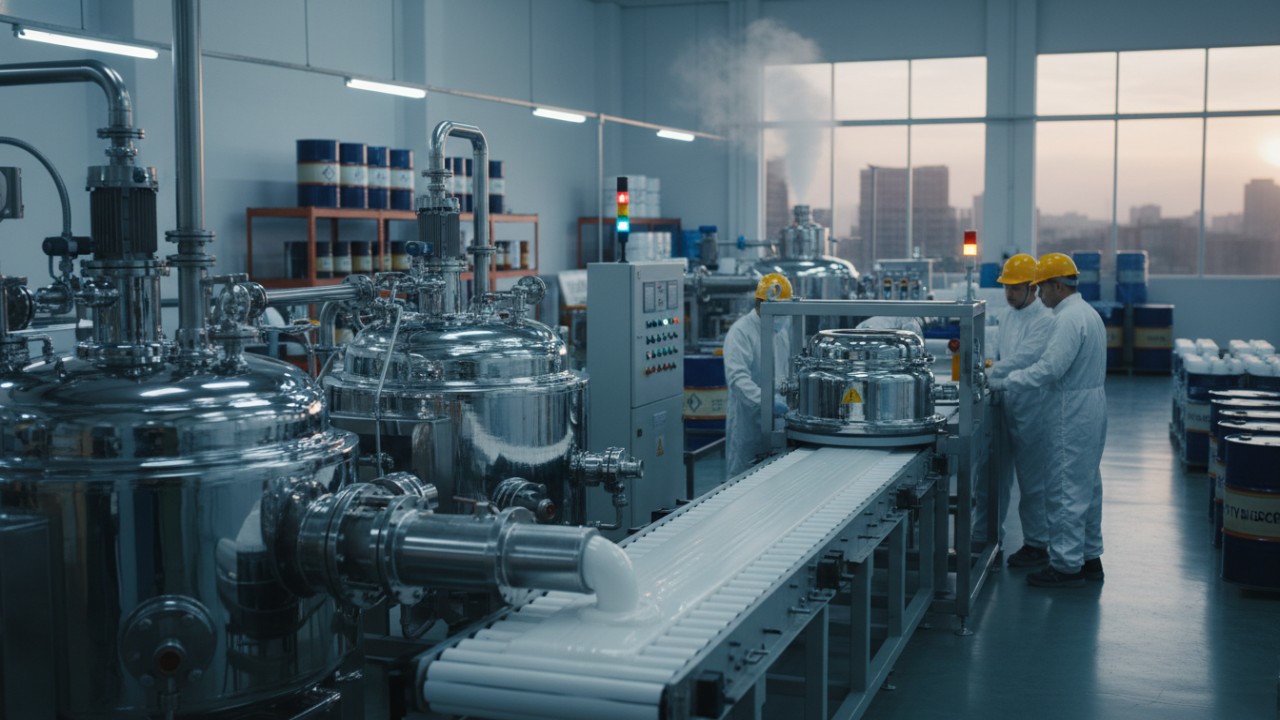
- Advanced curing: Extensive expertise in both single-component (RTV-1) and two-component (RTV-2) systems.
- Diverse applications: Proven ability to manufacture structural, sanitary, and thermal sealants.
- Harsh environments: Formulating marine-grade products highly resistant to saltwater and UV rays.
Factor 3: OEM & ODM Customization and Private Labeling
OEM and ODM customization enables B2B buyers to develop white-label solutions with fully customizable packaging, cartridge designs, and unique chemical properties.
To stand out in the 2026 market, your brand needs exclusive features. A top-tier partner will offer white-label solutions that allow you to dictate the physical appearance and performance of the product. Evaluate their agility in creating custom color-matching services for specific architectural facades. Most importantly, confirm they provide comprehensive confidentiality agreements and intellectual property protection for your custom sealant formulations.
- White-label options: Comprehensive branding on cartridges and outer bulk packaging.
- Color matching: Agile development of specific colors for unique architectural designs.
- IP security: Strict non-disclosure agreements to protect proprietary ODM chemical formulas.
Factor 4: Quality Control Systems and ASTM/ISO Certifications
Robust quality control systems and baseline certifications, such as ISO 9001 and ISO 14001, verify a reputable factory's commitment to consistent manufacturing standards.
Never assume quality; always demand documented proof. You must mandate ISO certifications as absolute baseline requirements for any reputable structural glazing sealant factory. Review their compliance with localized building codes, such as ASTM C920 for elastomeric joint sealants. Additionally, request transparency on their internal batch-testing protocols, including stringent checks on tensile strength, elongation metrics, and overall durability.
- Mandatory certifications: ISO 9001 and ISO 14001 are non-negotiable facility baselines.
- Code compliance: Strict adherence to international standards like ASTM and CE marking.
- Internal testing: Transparent batch reporting on tensile strength and ultimate curing speed.
Factor 5: Supply Chain Resilience and Global Logistics
Supply chain resilience involves analyzing a manufacturer's global distribution network and agile inventory management to prevent project-delaying stockouts.
In an era of unpredictable global logistics, a manufacturer must be more than just a production hub. You must analyze their regional warehousing capabilities to ensure they can deliver on time. A resilient supplier in 2026 must demonstrate agile inventory management to keep your shelves stocked. Review their export handling experience, including customs clearance efficiency and compliance with hazardous materials shipping protocols for weatherproof silicone sealants.
- Global distribution: Extensive export networks with strategic regional warehousing setups.
- Inventory agility: Advanced demand forecasting to prevent critical seasonal stockouts.
- Export expertise: Seamless handling of customs clearance and hazardous shipping laws.
Factor 6: Sustainability Practices and Carbon Neutrality Goals
Sustainability practices prioritize factories implementing eco-friendly production methods, low-VOC formulas, and strict commitments to achieving carbon neutrality by 2030.
Environmental compliance is no longer optional for major construction projects. You should prioritize factories that actively utilize sustainable biomass and eco-friendly production methods. Investigate their commitments to reducing their carbon footprint over the next decade. Always ask for environmental product declarations (EPDs), which are increasingly required to secure points in LEED-certified green building projects.
- Eco-friendly formulas: Development of strictly low-VOC (Volatile Organic Compound) products.
- Carbon neutrality: Clear, actionable, and publicly stated goals for achieving neutral emissions by 2030.
- EPD transparency: Providing essential documentation required for LEED-certified construction.
Factor 7: Advanced Laboratory Facilities and R&D Investment
Advanced laboratory facilities equip leading factories with accelerated weathering testers and dedicated R&D departments essential for continuous polymer innovation.
The best manufacturers reinvest their profits into scientific advancement. Leading factories invest heavily in on-site laboratories to test the absolute limits of their products. A strong R&D department is crucial for continuous innovation in modified silane polymer technology. To verify their capabilities, request case studies demonstrating exactly how their R&D team solved specific engineering or climate challenges for past B2B clients.
- On-site testing: Laboratories fully equipped with accelerated weathering and robust adhesion testers.
- Polymer innovation: Continuous development of modified silane and advanced hybrid technologies.
- Proven success: Documented case studies showing custom engineering solutions for global clients.
Factor 8: Technical Support and Post-Sales Service Engineering
Exceptional technical support involves manufacturers offering dedicated application engineers to assist with joint design, compatibility testing, and complex installation troubleshooting.
A premium manufacturer does not disappear after the invoice is paid. The best manufacturers offer dedicated application engineers to guide you through the technical nuances of your specific project. Assess their willingness to provide on-site training and hands-on troubleshooting for complex structural glazing installations. Look for comprehensive warranty programs that are backed by verifiable lab data and extensive field performance history.
- Application engineering: Expert assistance with substrate compatibility and proper joint design.
- On-site training: Hands-on troubleshooting for physically demanding structural glazing projects.
- Robust warranties: Long-term guarantees strongly backed by both lab data and field trials.
Factor 9: Scalability and High-Volume Production Capacity
High-volume production capacity ensures the factory operates automated, high-speed filling lines capable of meeting sudden spikes in bulk demand without compromising quality.
As your brand grows, your supplier must be able to scale seamlessly alongside you. Ensure the factory operates modern, automated filling lines to maintain batch-to-batch consistency. Discuss their minimum order quantities (MOQs) and explicitly ask how pricing scales with long-term bulk procurement contracts. Verify their contingency plans for scaling up production without accidentally altering the curing speed or viscosity of the final sealant.
- Automated filling: High-speed production lines that guarantee strict batch consistency.
- Flexible MOQs: Transparent pricing structures that scale favorably alongside bulk orders.
- Contingency planning: Proven strategies to increase volume without degrading sealant viscosity.
Factor 10: Industry-Specific Expertise
Industry-specific expertise validates a manufacturer’s ability to engineer specialized properties, from automotive seam sealing to electronic encapsulation, tailored to your exact niche.
A general-purpose caulk cannot survive the demands of aerospace or heavy manufacturing. Different industries require vastly different chemical and physical properties. Validate the manufacturer's track record in your specific niche by asking for verifiable references from similar B2B buyers. Ensure they deeply understand the unique chemical resistance, thermal stability, and vibration tolerance required for your distinct operational environment.
- Tailored properties: Engineering for specific high-stress uses like automotive or electronics.
- Niche validation: Checking references from respected buyers within your exact industry.
- Chemical resistance: Deep chemical understanding of extreme environmental requirements.
Expert Tips: Common Mistakes When Sourcing from a Sealant Factory
Common mistakes include choosing a supplier based solely on the lowest unit cost without verifying polymer purity, filler volume, or long-term UV test data.
Many procurement officers fall into the trap of prioritizing short-term savings over long-term performance. Choosing a supplier based on the lowest unit price often means sacrificing essential polymer purity. Furthermore, ignoring the importance of requesting long-term UV and accelerated aging test data for exterior applications leads to disastrous structural failures. Finally, failing to clarify lead times and Minimum Order Quantities (MOQ) for custom colors before signing a contract can completely derail a project.
- Cost over quality: Relying on cheap units that use excessive fillers instead of pure polymers.
- Ignoring test data: Failing to verify accelerated aging and UV resistance for exterior use.
- Poor MOQ planning: Not clarifying custom color lead times and volume requirements upfront.
- ne Sealant Manufacturing
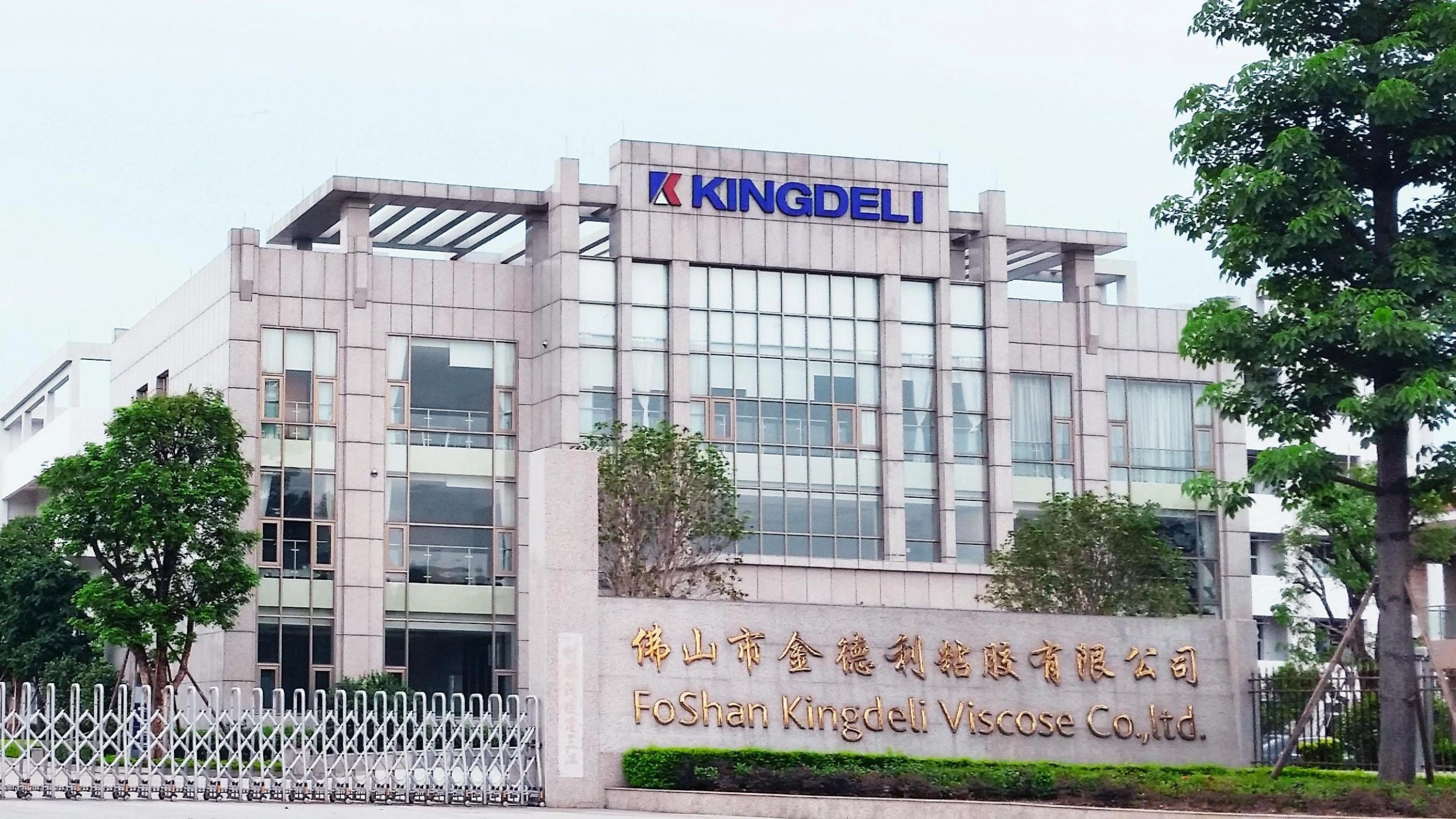
Foshan KINGDELI Viscose Co., Ltd. redefines manufacturing by leveraging fully automated compounding technology across a 66,000 m² facility to deliver unmatched consistency.
Since 1998, the KINGDELI brand has stood as a global leader in high-performance adhesives. We leverage state-of-the-art automated compounding technology to deliver unmatched batch consistency and purity across our extensive product line, which includes Neutral & Acetic Silicone, Polyurethane, and MS Polymer sealants. With an annual capacity exceeding 100,000 tons, our massive output ensures robust supply chain stability for our global partners.
Our dedicated R&D team provides comprehensive OEM/ODM formulation tailored specifically to your climate requirements. As a recognized National High-Tech Enterprise and a key contributor to the National Standard GB/T 29755-2013, partnering with us guarantees access to a scalable, rigorously certified supply chain designed for the demands of 2026 and beyond.
- Automated compounding: Unmatched batch consistency from a massive 100,000-ton capacity plant.
- Custom OEM/ODM support: Tailored formulations leveraging over 27 years of dedicated R&D expertise.
- Certified excellence: Strict adherence to global quality standards, including ISO 9001, ISO 14001, CE, and ASTM.
Conclusion
Selecting the right silicone sealant manufacturer in 2026 requires a rigorous evaluation of their production capabilities, quality control, and supply chain resilience. As the fundamental chemistry of these inorganic polymers continues to evolve rapidly, your choice of manufacturing partner will dictate your market success. By prioritizing the 10 critical factors outlined in this guide—from backward integration to specialized OEM/ODM capabilities—businesses can secure high-performance adhesives that elevate their project outcomes and protect their long-term brand reputation. Contact us today to optimize your silicone sealant manufacturer strategy.
FAQ
How do I verify the quality of a silicone sealant manufacturer?
Request to see their ISO certifications and independent third-party testing reports. Ask for sample cartridges to conduct your own in-house adhesion, tensile strength, and curing time evaluations. Review their batch-tracking processes to ensure they can trace any quality issues back to the specific raw materials used.
What is the difference between OEM and ODM silicone sealant production?
OEM (Original Equipment Manufacturing) involves the factory producing standard sealants that are then packaged under your brand name. ODM (Original Design Manufacturing) means the factory custom-develops a unique chemical formulation specifically for your company's unique performance requirements. While OEM is faster and cheaper, ODM provides a competitive advantage through exclusive product features.
How long does it take for a manufacturer to develop a custom sealant formulation?
The timeline typically ranges from 3 to 6 months depending on the complexity of the desired properties. This process includes initial laboratory formulation, accelerated weather testing, and final client field trials. Expedited timelines are possible if the factory is modifying an existing base formula rather than starting from scratch.
Why is backward integration important for sealant suppliers?
Backward integration means the manufacturer produces their own essential raw materials, such as siloxane base polymers. It significantly reduces reliance on external supply chains, protecting buyers from sudden price spikes and material shortages. This capability also allows the manufacturer tighter control over the purity and consistency of the final product.
What certifications should a structural silicone manufacturer have?
They must comply with ASTM C1184 for structural silicone sealants and ASTM C920 for elastomeric joint sealants. European markets require CE marking and adherence to EOTA (European Organisation for Technical Assessment) guidelines. ISO 9001 for quality management is a non-negotiable baseline for any structural glazing application.
Can a manufacturer provide both marine-grade and construction sealants?
Yes, large-scale manufacturers typically have dedicated product lines for diverse industrial applications. However, you must verify that they use separate compounding processes or thoroughly clean lines to prevent cross-contamination. Marine sealants require highly specialized additives for saltwater resistance that differ from standard construction weatherseals.
What are the minimum order quantities (MOQs) typically required by sealant factories?
MOQs for standard, off-the-shelf formulations can be as low as a few pallets or around 1,000 to 2,000 cartridges. For custom color matching or specialized ODM formulations, MOQs usually start at 5,000 to 10,000 cartridges. Always negotiate MOQs during the initial procurement phase to align with your expected inventory turnover.
How are silicone sealant prices expected to change in 2026?
Prices are expected to stabilize but may see slight increases due to stricter environmental regulations on raw material extraction. Manufacturers investing heavily in carbon-neutral production may pass initial R&D costs onto the premium product lines. Bulk procurement and establishing long-term contracts early will be crucial to locking in favorable pricing structures.
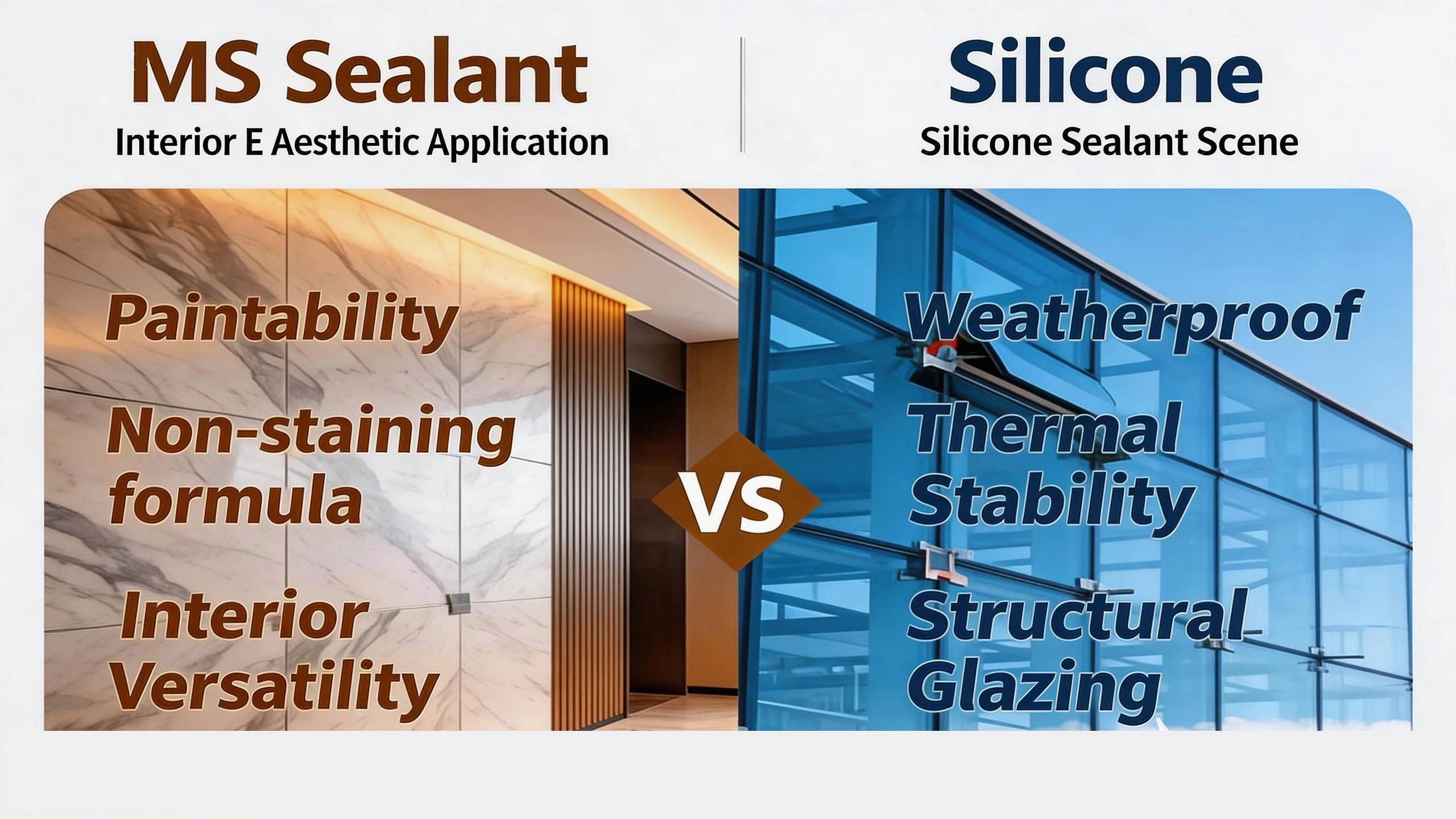
MS Sealant vs. Silicone: Which is Right for Your Construction Project?
The Ultimate Guide to Choosing a Silicone Sealant Manufacturer in 2026: 10 Critical Factors Often Overlooked
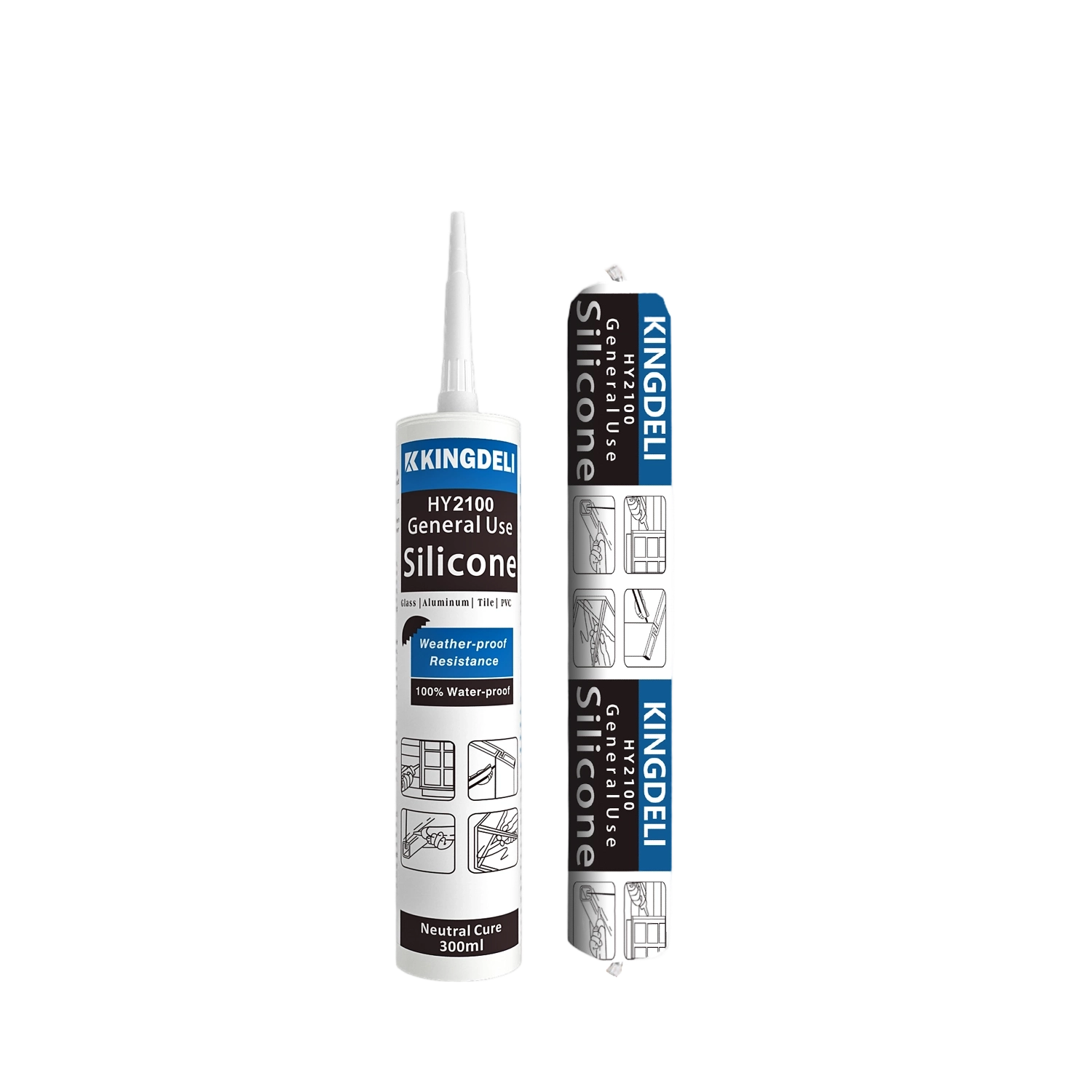
Industrial Applications of Acetic Silicone Sealant: Beyond Basic Glass Sealing
Top Factors to Consider When Choosing an Acetic Silicone Sealant Manufacturer in China
HY997
What substrates does the sealant adhere to?
HY997 provides excellent adhesion to many common construction materials, including:
-
Ceramic tiles
-
Marble and natural stone
-
Glass
-
Metal
-
Concrete and masonry surfaces
HY-2100
What color options are available?
Standard colors include clear, black, grey, and white, with custom color matching available upon request.
What materials does HY-2100 adhere to?
HY-2100 bonds well to most common building substrates including glass, aluminum, stainless steel, tile, marble, cement, plastic, and non-oily wood.
HY-976
How strong is the initial bond?
The product offers a high initial tack of up to 250 kg/m², allowing items to grip quickly after placement.
HY638
How does HY-638 cure?
HY-638 is a moisture-curing acetoxy silicone sealant. When exposed to humidity in the air, it reacts and cures from the surface inward. During curing, it releases a vinegar-like odor, which is characteristic of acetoxy silicone systems.
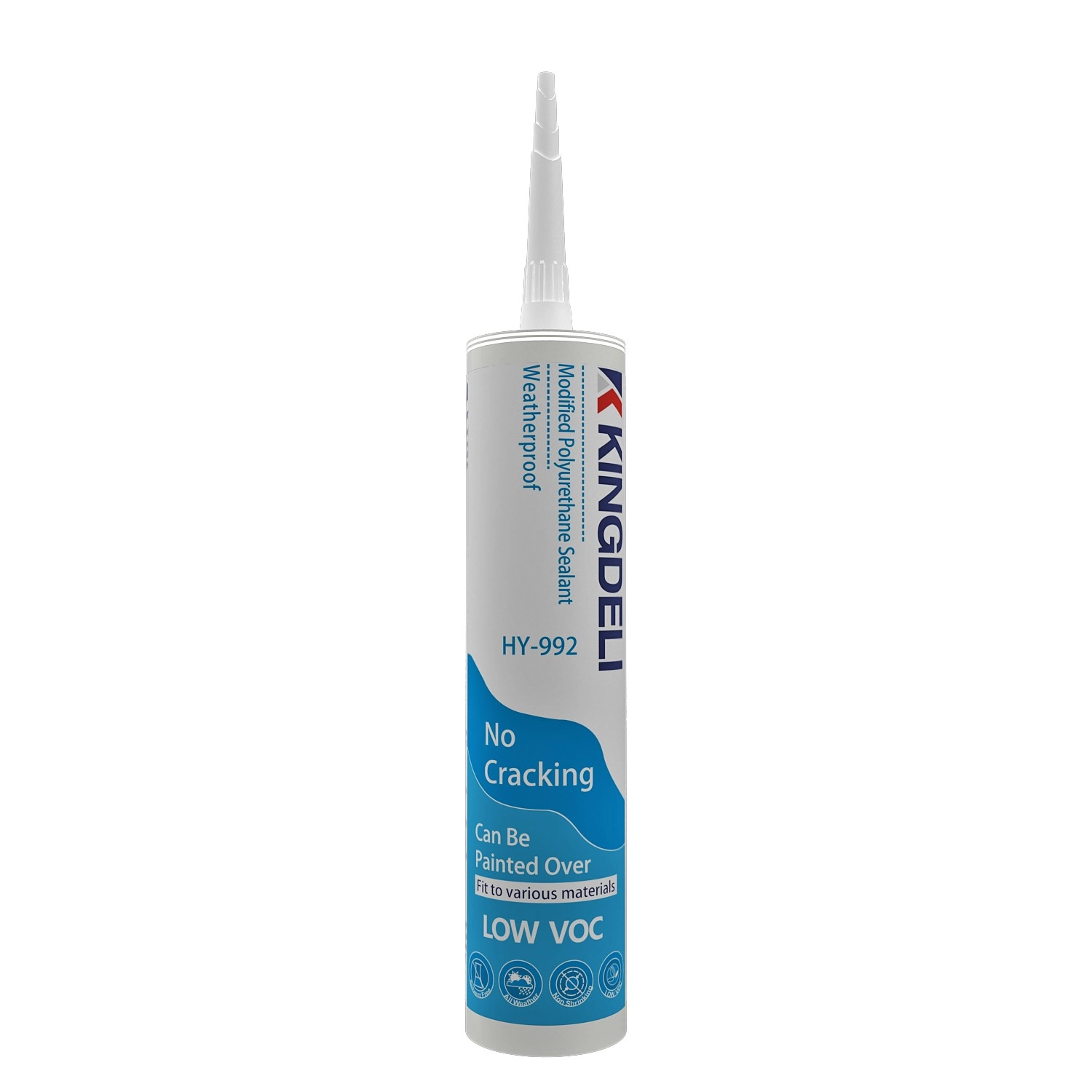
HY992 Modified Polyurethane Construction Sealant
HY992 Modified Polyurethane Sealant is a one-component, moisture-curing construction sealant designed for professional building and structural sealing applications. It provides excellent adhesion, weather resistance, and durable elasticity, making it suitable for a wide range of construction materials.
The formulation delivers strong bonding performance without corrosion or substrate contamination, while maintaining low VOC content for environmentally responsible construction projects.

HY995 Crystal Clear Ms Polymer Adhesive/Sealant
HY995 Crystal Clear Ms Polymer Adhesive/Sealant is a new generation MS Polymer adhesive / sealant formulated for all bonding and sealing applications where long term reliability is required. It has excellent bonding strength on various materials. It will cure to form a durable, flexible, waterproof seal.

HY997 High-Performance Anti-Microbial MS Polymer Sealant
HY997 MS polymer sealant for is is a premium one-component, neutral-curing modified silane sealant engineered for demanding interior applications. It offers a Class 20 movement capability, ensuring long-lasting flexibility and reliable performance under dynamic joint conditions. Curing at room temperature, HY997 delivers superior anti-microbial and mildew-resistant properties, maintaining hygienic and clean environments over time.
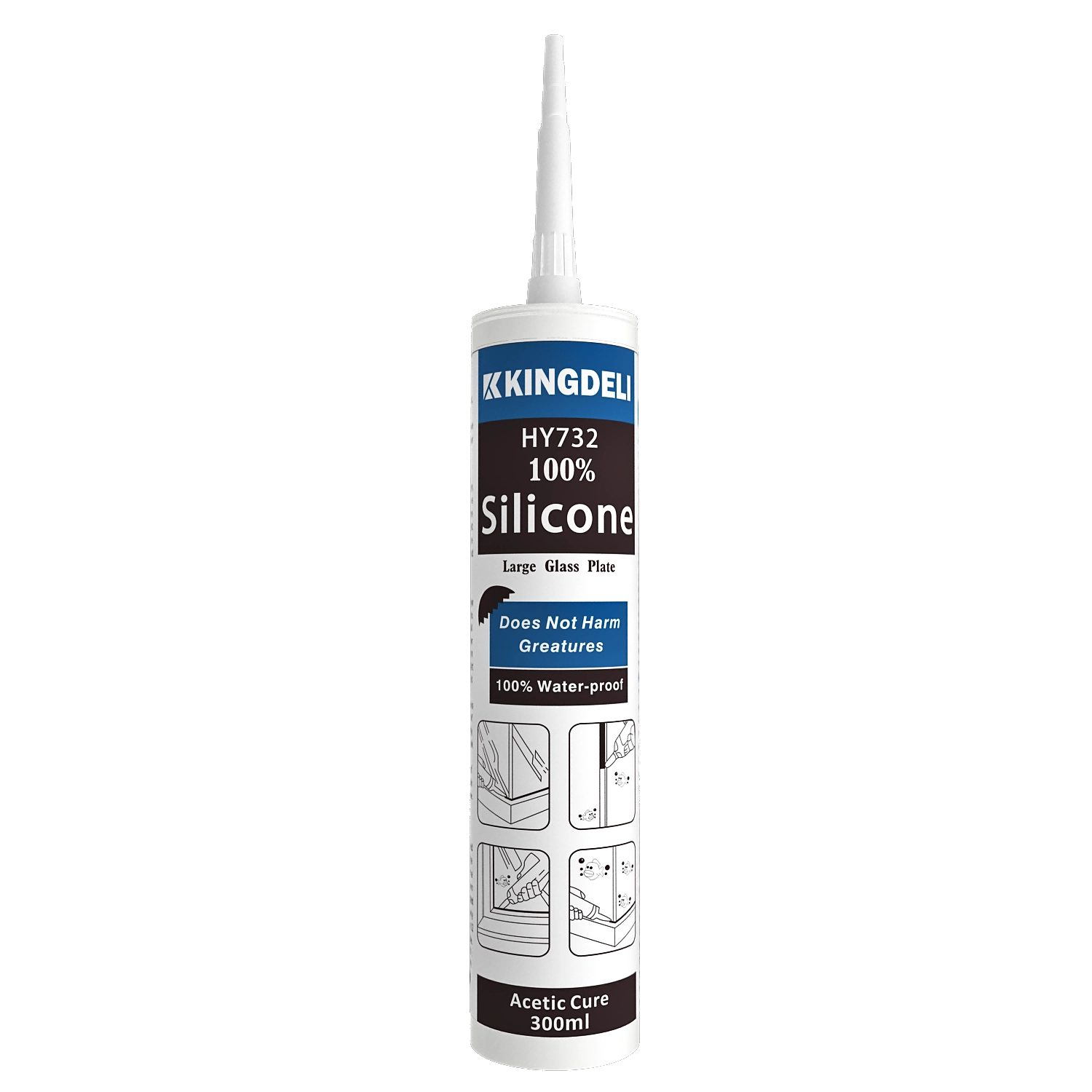
KINGDELI HY732 Professional Acetoxy Cure Silicone Sealant
KINGDELI HY732 is a professional-grade, one-component acetoxy cure silicone sealant designed for fast curing, strong adhesion, and long-lasting flexibility. Ideal for aquariums, glass applications, aluminum doors and windows, kitchens, and bathrooms, it provides reliable sealing performance with excellent anti-fungal protection in high-humidity environments.
Let’s Build Stronger Bonds with Quality Adhesives and Sealants
Have questions about the topic or need tailored sealant solutions for your project?
Our team is ready to provide expert guidance, product recommendations, and application support.
Innovating with Integrity, Bonding the World
Since 1998, KINGDELI has delivered trusted, sustainable sealant solutions that connect industries and inspire progress worldwide.
Whatsapp: +8618825946249
Kingdeli
Kingdeli
Kingdeli
Kingdeli
Kingdeli