











OEM/ODM double glazing glass sealant Manufacturers and Suppliers

- Why the Right Sealant Matters for Insulating Glass Units (IGUs)
- Role of sealants in thermal performance and longevity
- Preventing moisture ingress and gas loss
- Durability, weathering and maintenance implications
- Choosing the Right Double Glazing Glass Sealant for OEM/ODM Projects
- Material types and performance overview
- Compatibility with spacers, desiccants and coatings
- Movement capability and design considerations
- KINGDELI OEM/ODM Solutions and Manufacturing Advantages
- Production capacity, certifications and quality assurance
- Custom formulations, low-VOC options and sustainability
- Packaging, logistics and technical support for global supply chains
- Testing, Standards and Installation Best Practices
- Relevant industry standards and authoritative references
- Typical laboratory tests and field checks
- Common installation mistakes and how to avoid them
- Comparison table: sealant types for IGU use
- FAQ (Common buyer questions)
- Q1: What is the best sealant for double glazing units?
- Q2: Can I use acetic silicone for insulated glass?
- Q3: What tests should I ask an OEM/ODM supplier to provide?
- Q4: How does KINGDELI support OEM/ODM partners?
- Conclusion
- References
This article provides an authoritative, practical overview of double glazing glass sealant selection and OEM/ODM supply options for insulating glass units (IGUs). It highlights material differences (neutral silicone, acetic silicone, polyurethane, MS polymer), design considerations (movement capability, adhesion, compatibility with spacers and coatings), relevant industry standards and lab tests, and how a high-capacity supplier like KINGDELI ensures consistent quality, low-VOC formulations and full OEM/ODM support for global glazing manufacturers.
Why the Right Sealant Matters for Insulating Glass Units (IGUs)
Role of sealants in thermal performance and longevity
Double glazing glass sealant is not merely a filler; it is a critical component that preserves the insulating properties and lifespan of an IGU. A properly selected and applied sealant maintains hermeticity (preventing air and moisture ingress), secures spacer systems, and helps retain inert gases (argon, krypton) used to improve U-values. Poor sealing leads to fogging, degraded thermal performance and early IGU failure—issues that increase warranty claims and lifecycle costs.
Preventing moisture ingress and gas loss
Sealant systems must provide long-term adhesion to glass, spacers and frame materials while resisting environmental stressors (UV, temperature cycles, humidity). For instance, desiccant effectiveness inside the spacer depends on the outer sealant's integrity; even small breaches can allow moisture in and render the desiccant ineffective. Specifiers should consider multi-layer edge seals (primary and secondary seals) where the outer structural sealant prevents moisture ingress and the inner primary sealant absorbs differential movements.
Durability, weathering and maintenance implications
Exterior-facing sealants endure UV radiation, ozone and thermal cycling. Neutral-cure silicones and certain MS polymers are known for superior UV stability compared with older organic chemistries. Choosing a durable sealing system reduces maintenance frequency and preserves facade performance over decades—directly impacting building energy use and occupant comfort.
Choosing the Right Double Glazing Glass Sealant for OEM/ODM Projects
Material types and performance overview
Common chemistries for double glazing glass sealant include neutral silicone, acetic silicone, polyurethane (PU), MS Polymer (SMP) and specialized structural silicones. Each has strengths and limitations:
- Neutral-cure silicone: Excellent adhesion to glass and metals, non-corrosive, very good UV resistance, long-term flexibility. Widely recommended for insulating glass edge sealing and structural glazing.
- Acetic-cure silicone: Fast cure and good bonds to glass, but releases acetic acid during cure which can corrode metal components—generally unsuitable near copper or sensitive spacers.
- Polyurethane (PU): Good mechanical strength and paintability, but sensitive to moisture during curing and variable UV resistance; often used in secondary seals and some structural joints.
- MS Polymer (SMP): Hybrid with good adhesion, low odor, paintable and low-VOC options; enjoys growing use for glazing where paintability and environmental profile matter.
- Structural silicone adhesives: High-modulus silicones formulated to carry structural loads in unitized curtain walls and structural glazing.
Compatibility with spacers, desiccants and coatings
A critical selection factor is chemical compatibility. Neutral-cure silicones are typically compatible with most spacers and inert gases. Acetic silicones may react with metal spacers or coatings. If glass has low-E coatings, confirm that the sealant chemistry will not compromise coating performance—manufacturers often provide compatibility data sheets and test reports. Where priming is necessary, OEM/ODM partners can supply primers and application guidelines tailored to the substrate.
Movement capability and design considerations
Sealants are specified by their movement capability (how much joint width change they can accommodate without failing). For glazing, movement classes commonly used are ±25% (suitable for many IGU edge seals) and ±50% for high-movement joints. Designers should match joint geometry (width-to-depth ratio), thermal expansion differentials, and expected service conditions to the sealant's elastic recovery and adhesion properties. Consult ASTM and ISO classification systems when defining performance in procurement documents.
KINGDELI OEM/ODM Solutions and Manufacturing Advantages
Production capacity, certifications and quality assurance
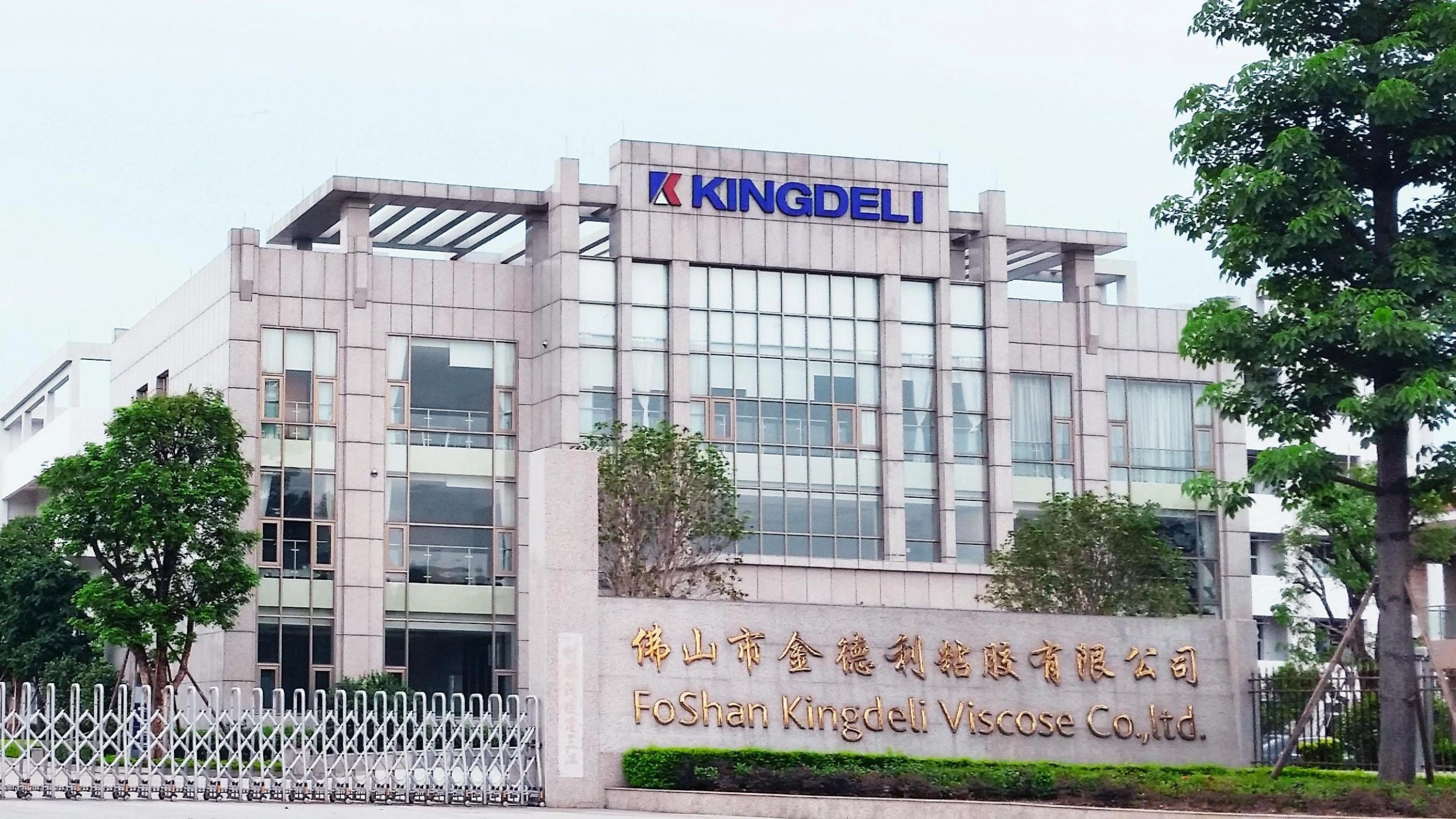
SINCE 1998, KINGDELI has positioned itself as a full-service supplier in sealants, adhesives and coatings. Headquartered in Foshan, China, KINGDELI operates a 66,000 m² facility with fully automated production lines and an annual capacity exceeding 100,000 tons—ensuring reliable supply for large OEM/ODM glazing programs. KINGDELI holds ISO 9001 and ISO 14001 certifications and complies with CE and ASTM-related standards for many product lines. As a National High-Tech Enterprise and a contributor to the National Standard GB/T 29755-2013, KINGDELI combines manufacturing scale with R&D depth to support custom formulations and volume supply.
Custom formulations, low-VOC options and sustainability
Contract manufacturers require formulation flexibility—color matching, bespoke cure profiles, low-VOC and low-odor compounds for interior-sensitive projects. KINGDELI offers neutral and hybrid chemistries optimized for IGUs, including low-VOC MS Polymer and silicone solutions that meet increasingly strict environmental regulations. OEM/ODM partners often request third-party VOC testing; KINGDELI can support those requirements and provide material data safety sheets (MSDS) and environmental declarations.
Packaging, logistics and technical support for global supply chains
For OEM/ODM supply, packaging and logistics are as important as the chemistry. KINGDELI supports custom packaging (cartridges, sausages, drums), private labeling and batch traceability. Technical service includes on-site training, application parameter tuning (joint geometry, tooling, curing), and pre-shipment testing. With distribution in 50+ countries, the supplier infrastructure is set up to support lead-time-sensitive glazing production schedules worldwide.
Testing, Standards and Installation Best Practices
Relevant industry standards and authoritative references
When specifying double glazing glass sealant, reference to recognized standards ensures measurable performance. Useful standards include ASTM C920 (elastomeric joint sealants), ISO 9001 for quality-management systems, and ISO 11600 (classification and designation of sealants). For background on insulating glazing concepts and typical failure modes, see the overview on insulating glass on Wikipedia: Insulating glazing (Double glazing). These references help buyers and specifiers align product claims with testable requirements.
Typical laboratory tests and field checks
Key lab tests to request from an OEM/ODM sealant supplier include:
- Adhesion tests to glass, spacer and frame materials (after thermal and humidity cycling)
- Movement capability and elastic recovery (per ASTM or ISO methods)
- UV and accelerated weathering tests (QUV or similar)
- Gas permeation and moisture ingress simulations for IGU edge systems
- VOC emissions testing for environmental compliance
Field checks include visual inspection of bead quality, thickness and tooling, and periodic performance audits (e.g., humidity ingress assessment after seasonal cycles).
Common installation mistakes and how to avoid them
Many IGU failures are attributable to installation issues rather than chemistry. Frequent mistakes include incorrect joint design (insufficient width-to-depth ratio), poor surface preparation (contaminated glass or spacer), inappropriate primer omission where required, and incompatible sealant selection (e.g., acetic silicone near metal spacers). OEM/ODM suppliers should provide clear application guides and on-site training to minimize these risks.
Comparison table: sealant types for IGU use
| Chemistry | Typical Uses | UV & Weather Resistance | Paintability | Compatibility Notes |
|---|---|---|---|---|
| Neutral Silicone | Primary and secondary edge seal, structural glazing | Excellent | No (usually not paintable) | Non-corrosive, suitable with most spacers and coatings |
| Acetic Silicone | Non-critical glazing where metals not exposed | Good | No | Releases acetic acid; avoid near metal spacers and sensitive seals |
| Polyurethane (PU) | Secondary seals, some structural uses | Variable (formulation dependent) | Yes | Sensitive to moisture during cure; primer may be needed |
| MS Polymer (SMP) | Secondary seals, visible joints requiring paintability | Good | Yes | Low-VOC options; broad substrate adhesion |
FAQ (Common buyer questions)
Q1: What is the best sealant for double glazing units?
A: For most insulating glass edge seals and long-term durability, neutral-cure silicone or properly formulated structural silicones are preferred due to their UV resistance, adhesion and non-corrosive cure. For paintable applications where the joint must be painted, MS polymer or polyurethane may be selected depending on environmental exposure.
Q2: Can I use acetic silicone for insulated glass?
A: Acetic silicones cure by releasing acetic acid and can corrode metal spacers or affect coatings—use with caution. They may be acceptable in limited non-metallic systems but are generally not recommended for long-term IGU edge sealing near sensitive components.
Q3: What tests should I ask an OEM/ODM supplier to provide?
A: Ask for adhesion after thermal/humidity cycling, movement capability, accelerated UV/weathering tests, VOC reports, and batch traceability. Independent or accredited laboratory reports aligned with ASTM/ISO methods add confidence.
Q4: How does KINGDELI support OEM/ODM partners?
A: KINGDELI provides custom formulations, low-VOC products, private-label packaging, quality certifications (ISO 9001, ISO 14001), and technical service including application training and lab support. With >100,000 t annual capacity and global distribution, KINGDELI serves large-scale volume programs reliably.
Conclusion
Selecting the right double glazing glass sealant for OEM/ODM projects requires matching chemistry to performance needs, verifying compatibility with spacers and coatings, and insisting on measurable lab tests and field validation. A high-capacity, quality-driven partner such as KINGDELI—backed by decades of R&D, international certifications and customizable low-VOC formulations—can reduce supply risk and ensure consistent IGU performance. When specifying sealants, use objective standards (ASTM, ISO), demand test evidence, and make joint design and installation controls part of your supplier agreement to protect long-term performance and warranty exposure.
Contact KINGDELI for OEM/ODM double glazing glass sealant solutions, custom formulations and global supply support.
References
- ASTM C920 — Elastomeric joint sealants: https://www.astm.org/Standards/C920.htm
- ISO 9001 — Quality management systems: https://www.iso.org/iso-9001-quality-management.
- ISO 11600 — Sealant classification: https://www.iso.org/standard/31936.
- Insulating glazing (double glazing) overview: https://en.wikipedia.org/wiki/Insulating_glazing
MS Silicone Sealant Compatibility with Paints and Coatings
OEM/ODM silicone rtv sealant Manufacturers and Suppliers
MS Silicone Sealant for Automotive Assembly and Bonding
Custom Formulations and Private Label MS Silicone Sealant
HY-939
What type of sealant is HY939?
HY939 is a one-component, neutral-cure RTV silicone gasket maker that cures with atmospheric moisture to form a flexible, durable seal.
What colors and packaging options are available?
HY939 is available in grey, red, black, clear, and customized colors. Packaging options include aluminum tubes (30–100 ml) and cartridges (280 ml / 300 ml).
HY994
Can HY994 be used for bonding or sealing glass?
Yes, but the bonded surfaces must not be exposed to direct sunlight, as this may affect performance.
HY-682
Is the product environmentally friendly and safe?
Yes. It is free from isocyanates, solvents, halogens, and acidic components. It is non-toxic, low-odor, and safe for both users and the environment.
HY982
What substrates should not be used with HY982?
HY982 should not be used on substrates that release oils, plasticizers, or solvents (such as oiled wood), on powdery wall surfaces, or for structural bonding applications.
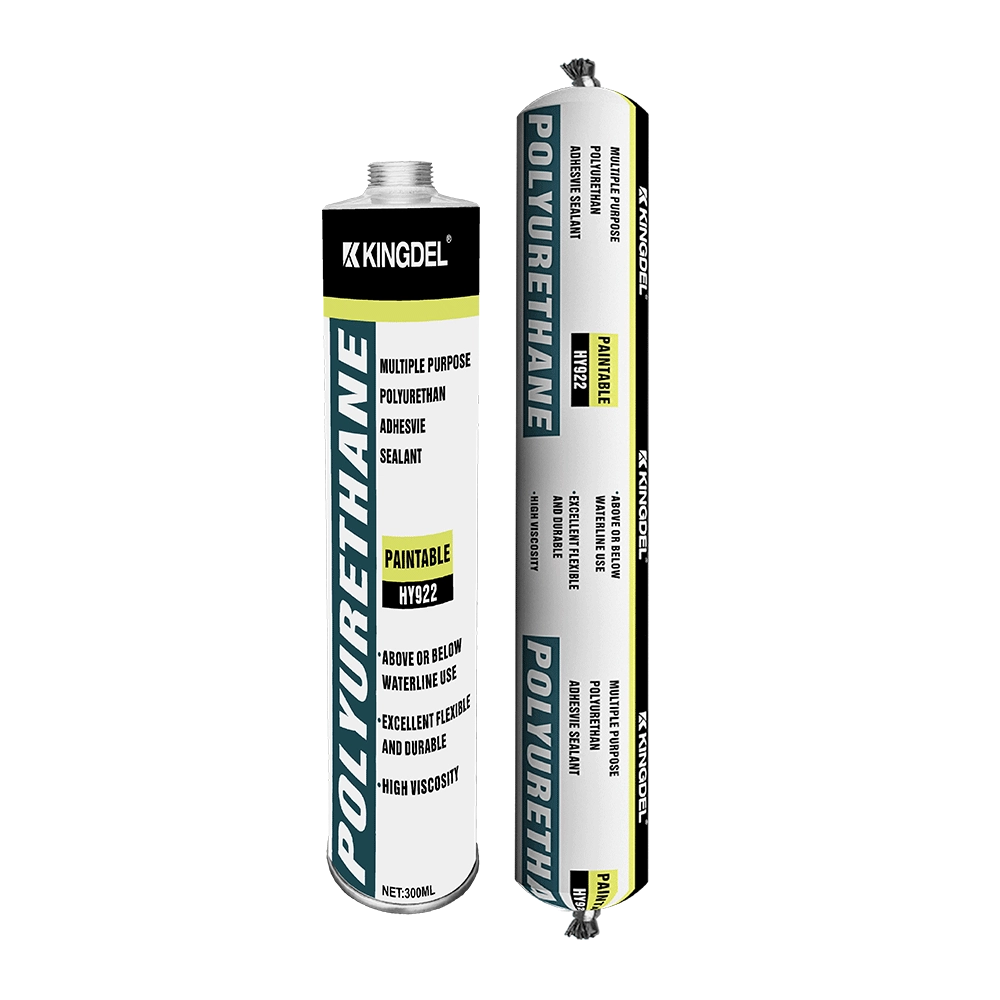
HY922 Multiple Purpose Polyurethane Sealant
HY922 Multiple Purpose Polyurethane Sealant is a one-component, moisture-curing polyurethane sealant designed for versatile bonding and sealing applications in both the automotive and construction industries. It cures to form a flexible yet tough elastomeric joint with excellent adhesion to a wide range of substrates. The formulation is non-corrosive, solvent-free, and produces a smooth, bubble-free finish during application.
HY922 delivers fast surface drying and quick positioning, improving installation efficiency while maintaining long-term durability. With strong weather resistance and good creep resistance, it performs reliably in demanding indoor and outdoor environments, including moist and partially submerged conditions.
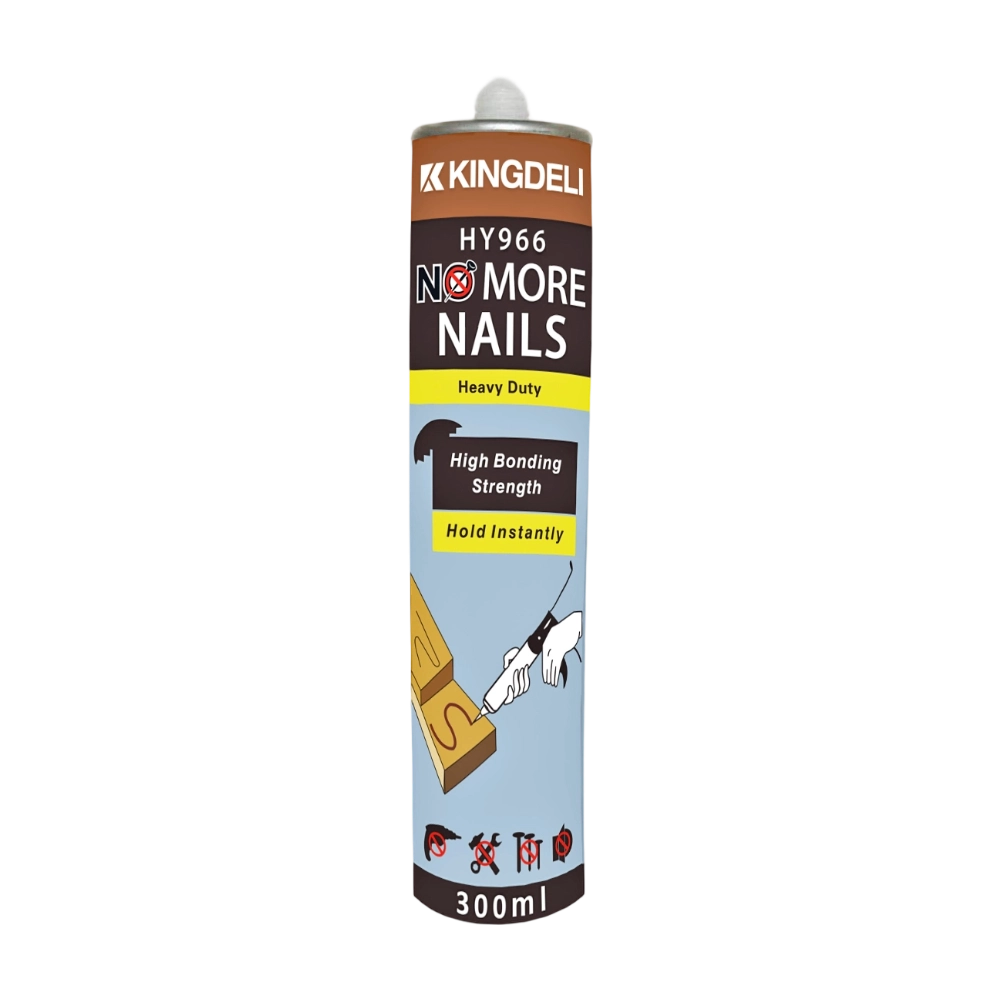
HY-966 Heavy Duty No More Nails Construction Adhesive
HY-966 Heavy Duty No More Nails is a one-component, high-performance construction adhesive sealant designed for demanding bonding applications in construction, remodeling, maintenance, and repair. Its instant grab formulation secures materials immediately, significantly reducing the need for bracing or mechanical fixing during installation.
HY-966 cures reliably in moist environments and delivers durable adhesion across a wide range of substrates. It provides excellent resistance to water, temperature variation, and aging, ensuring long-term performance in interior construction applications.
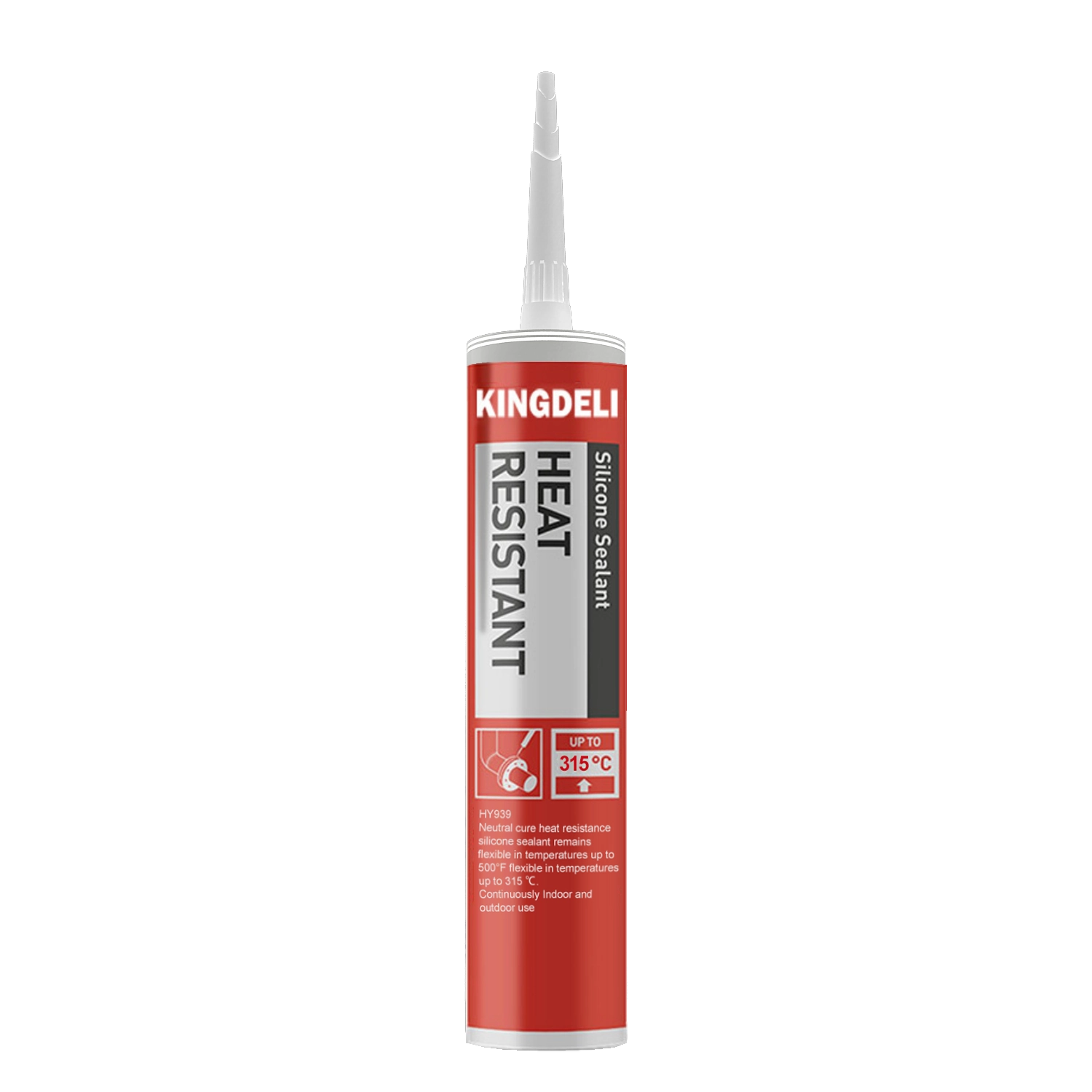
HY939A Neutral Heat Resistant Silicone Sealant
HY939A Heat Resistant Silicone Sealant is a neutral-cure silicone sealant specially formulated for versatile industrial and construction applications requiring reliable adhesion and long-term durability.
The sealant provides strong, non-corrosive adhesion to a variety of substrates, including glass, metal, gypsum board, marble, and certain plastics, making it ideal for both structural and sealing purposes.
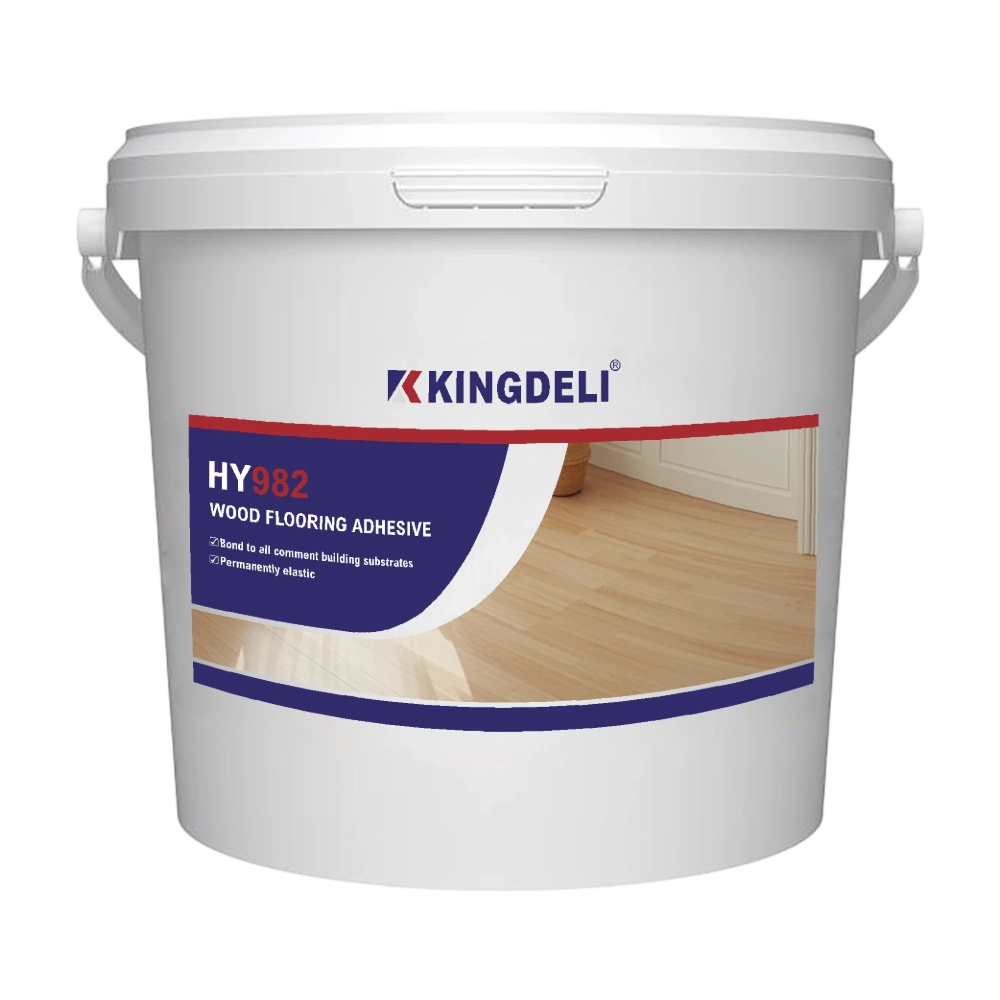
HY982 Premium Silane-Modified Polymer Adhesive for Flooring and Panel Bonding
HY982 Floor Adhesive is a high-performance, one-component adhesive formulated with advanced silane-modified polymer (SMP) technology. It is paintable, non-staining, and environmentally friendly, offering exceptional bonding strength without the need for a primer.
Designed for modern interior installations, HY982 Floor Adhesive provides excellent adhesion to wood, metal, stone, sintered slabs, glass, ceramics, and many other common building materials—making it the ideal choice for flooring installation and panel bonding applications crystal clear formulation.
Let’s Build Stronger Bonds with Quality Adhesives and Sealants
Have questions about the topic or need tailored sealant solutions for your project?
Our team is ready to provide expert guidance, product recommendations, and application support.
Innovating with Integrity, Bonding the World
Since 1998, KINGDELI has delivered trusted, sustainable sealant solutions that connect industries and inspire progress worldwide.
Whatsapp: +8618825946249
Kingdeli
Kingdeli
Kingdeli
Kingdeli
Kingdeli