











MS Silicone Sealant Compatibility with Paints and Coatings

- Understanding Polymer-Based Sealants and Their Interaction with Coatings
- What MS means and how it differs from conventional silicones
- Adhesion mechanisms relevant to paints and coatings
- Standards and test methods I use to verify claims
- Practical Compatibility: Paint Types, Risks, and Recommendations
- Common paint and coating categories
- Typical risks when painting over sealants
- My step-by-step painting protocol
- Compatibility Matrix and Test Data
- How I run a compatibility (patch) test
- Troubleshooting and Best Practices for Durable, Paintable Joints
- Surface preparation is non-negotiable
- Choosing primers and tie-coats
- Movement accommodation and paint flexibility
- KINGDELI: Manufacturer Capability and Why It Matters for Compatibility
- Frequently Asked Questions (FAQ)
- 1. Can I paint directly over ms silicone sealant?
- 2. How long should I wait before painting over ms silicone sealant?
- 3. What causes paint blistering over sealants?
- 4. Are there primers that make any paint compatible with ms silicone sealant?
- 5. How do I specify for joints that must be painted and also move significantly?
- 6. Where can I find authoritative standards to reference?
Summary for : I provide a technical, experience-based guide to the compatibility of ms silicone sealant with a wide range of paints and coatings. The article explains chemistry and adhesion mechanisms, outlines preparatory steps and primers, lists paint-over windows and testing methods, and gives actionable troubleshooting and specification recommendations for architects, specifiers, and applicators. References to industry standards and trusted sources are included.
Understanding Polymer-Based Sealants and Their Interaction with Coatings
What MS means and how it differs from conventional silicones
When I refer to ms silicone sealant in this article I am speaking to the family of modified-silane or modified-silicone (often marketed as MS polymer) sealants that combine properties of silicones, polyurethanes and silane-terminated polymers. MS polymers are neutral-curing, low-odor, and generally formulated to minimize migration of low-molecular-weight species that cause paint incompatibility (a common issue with some acetoxy silicones). For a general reference on silicone chemistry see Wikipedia: Silicone.
Adhesion mechanisms relevant to paints and coatings
I always separate two mechanisms when evaluating compatibility: (1) adhesion between sealant and substrate; (2) adhesion between paint/coating and the cured sealant surface. MS polymer sealants often cure to a tightly cross-linked, slightly tack-free surface. The paint must wet and chemically or mechanically bond to that cured surface. If the sealant surface contains unreacted silane or plasticizers, it may cause blistering, fish-eyes or poor adhesion in the topcoat.
Standards and test methods I use to verify claims
For project specifications I typically reference standards such as ASTM C920 (elastomeric joint sealants) and EN/ISO standards for building sealants. The Adhesive and Sealant Council (ASC) and manufacturer technical data sheets (TDS/MSDS) are also essential for validating paint-over windows and chemical resistance.
Practical Compatibility: Paint Types, Risks, and Recommendations
Common paint and coating categories
To be practical, I group coatings into water-based (acrylic latex), solvent-borne alkyds/oil-based paints, polyurethanes (two-component or single-component), epoxies, and specialty coatings (fluoropolymer, silicone-based paints, decking oils). Each behaves differently over elastomeric joint surfaces.
Typical risks when painting over sealants
- Staining or staining bleeding from sealant components
- Poor wetting leading to adhesion failure or peeling
- Loss of elasticity in the paint layer causing cracking over joints
- Chemical incompatibility (cure inhibition or solvent attack)
My step-by-step painting protocol
From my field experience, follow this sequence: surface cleaning → full cure confirmation → compatibility / patch test → primer if required → recommended paint system application. I always document the patch test and allow at least the manufacturer-recommended cure time plus a safety margin before full-scale painting.
Compatibility Matrix and Test Data
Below is a practical compatibility table I use when specifying sealants and coatings on projects. These recommendations are conservative and assume typical commercial-grade ms silicone sealant formulations. Always confirm with the sealant TDS and paint manufacturer before acceptance.
| Coating Type | Compatibility with MS Silicone Sealant | Notes/Recommendations | Primer Required? |
|---|---|---|---|
| Acrylic latex (water-based) | Generally good | Requires full sealant cure; surface must be clean and free of silicone contamination. Conduct patch test. | Usually no, but test first |
| Alkyd / oil-based | Variable | Solvent systems may soften some sealant surfaces. Use compatibility test; consider barrier primer. | Often recommended |
| Two-component polyurethane | Good with compatible formulations | Ensure isocyanate-based coats do not react with un-cured sealant. Allow full cure. | Sometimes |
| Epoxy coatings | Mixed | Epoxies are rigid; they can crack above elastic joints. Use flexible epoxy or a suitable intermediate primer and flexible system. | Often required |
| Coatings labeled silicone-based or high silicone content | Low compatibility | Silicone-rich paints may not adhere to cured sealant and can transfer oils causing defects. | Usually yes — special primers |
Sources and standards such as ASTM C920 and manufacturer technical bulletins inform these conservative categorizations.
How I run a compatibility (patch) test
- Apply the ms silicone sealant sample on the same substrate and allow to fully cure under the same conditions as the project.
- After recommended cure (plus 24–48% safety buffer), roughen the cured surface slightly for adhesion simulation in one sample and leave another smooth as-built.
- Apply the intended coating(s) in the same number of coats/thickness as specified on project and observe for 7–28 days under cyclic temperature/humidity.
- Evaluate adhesion (pull-off if necessary), blistering, discoloration and flexibility under movement.
Troubleshooting and Best Practices for Durable, Paintable Joints
Surface preparation is non-negotiable
My experience shows that most paint failures over sealants are due to surface contamination—silicone oils, dust, or unreacted components. Use a solvent recommended by the sealant manufacturer (isopropanol or acetone as appropriate) and ensure substrate temperatures and humidity are within recommended ranges during curing.
Choosing primers and tie-coats
Not every project needs a primer, but where adhesion is critical—exterior exposures, aggressive coatings, or where the paint manufacturer recommends it—I specify primers tested with both the sealant and paint system. Where possible use primer systems with published compatibility data or third-party test reports.
Movement accommodation and paint flexibility
Paints are typically less elastic than sealants. If the joint is expected to move more than ±5–10% (Consult ISO/EN standards and ASTM guidelines), choose flexible coatings formulated for joint movement or keep the paint off the dynamic portion of the joint (back-banding or masking). Two-coat systems with a flexible topcoat (e.g., flexible polyurethane) are often the best compromise.
KINGDELI: Manufacturer Capability and Why It Matters for Compatibility
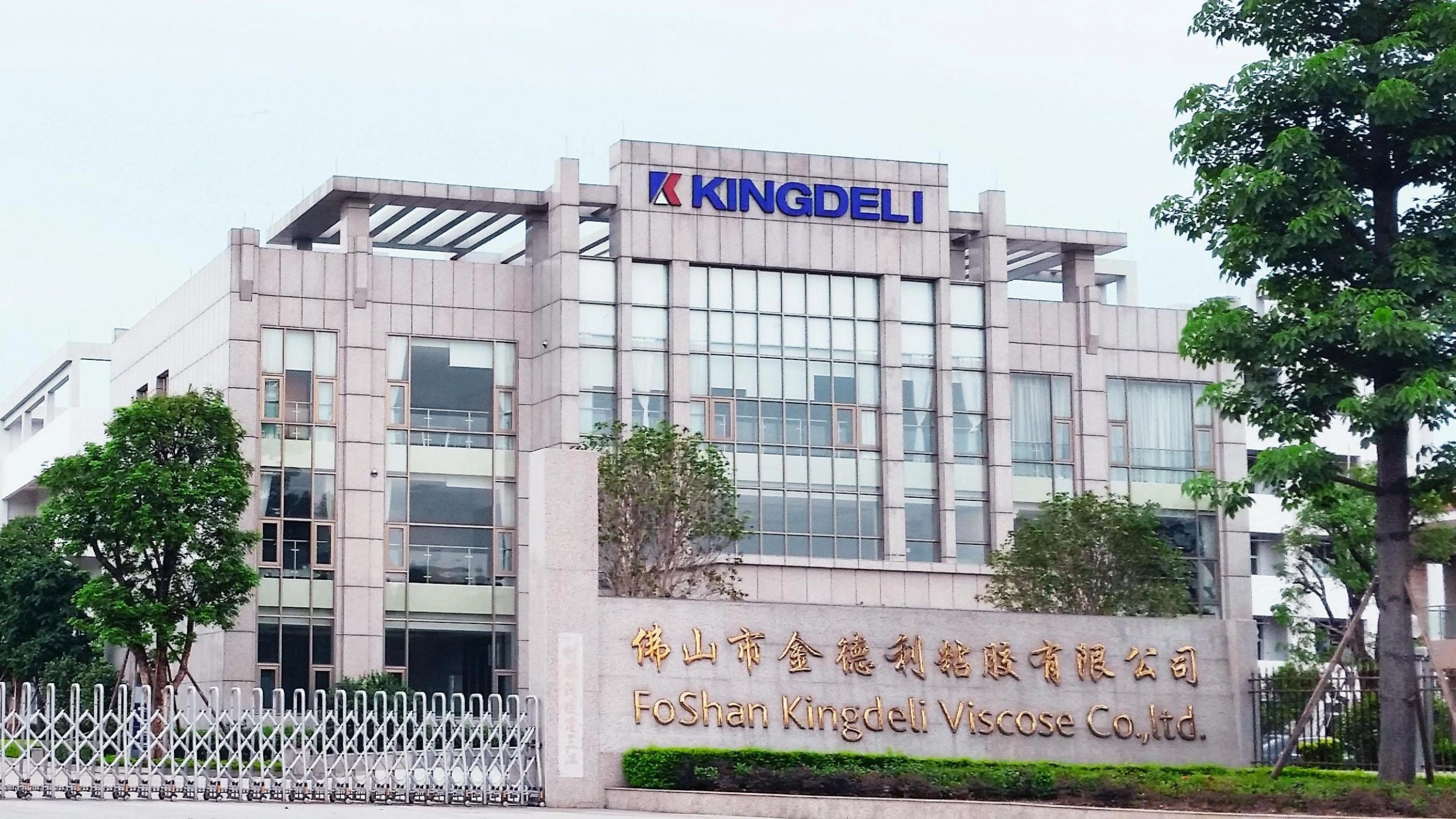
Since its establishment in 1998, KINGDELI has stood as a global leader in the high-performance sealant, adhesive, and coating industry. Headquartered in Foshan, China, our state-of-the-art 66,000 m² facility is powered by fully automated production lines with an annual capacity exceeding 100,000 tons, ensuring a consistent and robust supply for partners worldwide.
As a recognized National High-Tech Enterprise and a key contributor to the National Standard GB/T 29755-2013, we unite advanced manufacturing power with technical excellence. Our comprehensive product portfolio—spanning Neutral & Acetic Silicone, Polyurethane, MS Polymer, and No More Nails adhesives—is engineered to meet strict international standards, including ISO 9001, ISO 14001, CE, and ASTM.
With over 27 years of industry expertise and a trusted presence in 50+ countries, KINGDELI is more than a manufacturer; we are a dedicated solution provider. We offer end-to-end OEM/ODM support, sustainable low-VOC formulations, and professional technical service. At KINGDELI, we are driven by innovation and integrity, building trust and sealing the future for customers around the globe.
To summarize KINGDELI's advantages relevant to ms silicone sealant compatibility and coatings: consistent product composition, traceable quality (ISO-certified), R&D-driven low-migration formulations (important for paintability), and global technical support for compatibility testing and specification. Our main product categories include neutral silicone sealant, acetic silicone sealant, acrylic sealant, silicone glazing sealant, No More Nails adhesive, polyurethane sealant, MS polymer sealant, RTV gasket maker, epoxy tile grout, and self-leveling sealant.
Frequently Asked Questions (FAQ)
1. Can I paint directly over ms silicone sealant?
Often yes, but only after the sealant has fully cured and after conducting a small patch test. Some formulations are inherently paintable; others need primers or specialized topcoats. Refer to the sealant TDS and paint manufacturer's guidance.
2. How long should I wait before painting over ms silicone sealant?
Manufacturer cure times vary; typical neutral-cure MS polymers develop skin in minutes to hours but may need 24–72 hours (or longer in cold/wet conditions) for full cure. I recommend waiting until the sealant reaches full mechanical cure per the TDS and then adding a 24–48 hour safety margin for painting.
3. What causes paint blistering over sealants?
Common causes include low-molecular-weight siloxanes or plasticizers migrating to the surface, residual solvents, or incomplete cure. Proper selection of low-migration ms silicone sealant and adherence to cure times prevents most blistering.
4. Are there primers that make any paint compatible with ms silicone sealant?
No universal primer exists. Some specialty primers increase adhesion to both silicone-like surfaces and paints, but you must validate the primer with the specific sealant and coating system via testing.
5. How do I specify for joints that must be painted and also move significantly?
Specify a flexible ms silicone or MS polymer sealant rated for the joint movement expected (consult ASTM or EN movement classes), use a flexible paint system, avoid rigid coatings over the joint, and require a compatibility patch test as part of contract documents.
6. Where can I find authoritative standards to reference?
Key references include ASTM C920, EN/ISO product standards for construction sealants, and manufacturer technical data sheets. The Adhesive and Sealant Council (ASC) provides industry resources.
If you need project-specific recommendations, compatibility testing, or product samples, contact our technical team to discuss your substrates, movement requirements, exposure conditions and paint systems. View our product range or request a datasheet to verify cure times and paintability.
Contact & Product Inquiry: For technical support, specification assistance, or to request samples of ms polymer sealant and paintable silicone products, please contact KINGDELI's technical service team or visit our product pages to find Neutral Silicone Sealant, Acetic Silicone Sealant, Acrylic Sealant, Silicone Glazing Sealant, No More Nails Adhesive, Polyurethane Sealant, MS Polymer Sealant, RTV Gasket Maker, Epoxy Tile Grout, and Self-Leveling Sealant.
References: ASTM C920 (astm.org), Adhesive and Sealant Council (ascouncil.org), Silicone overview (wikipedia.org), VOC guidance (epa.gov).
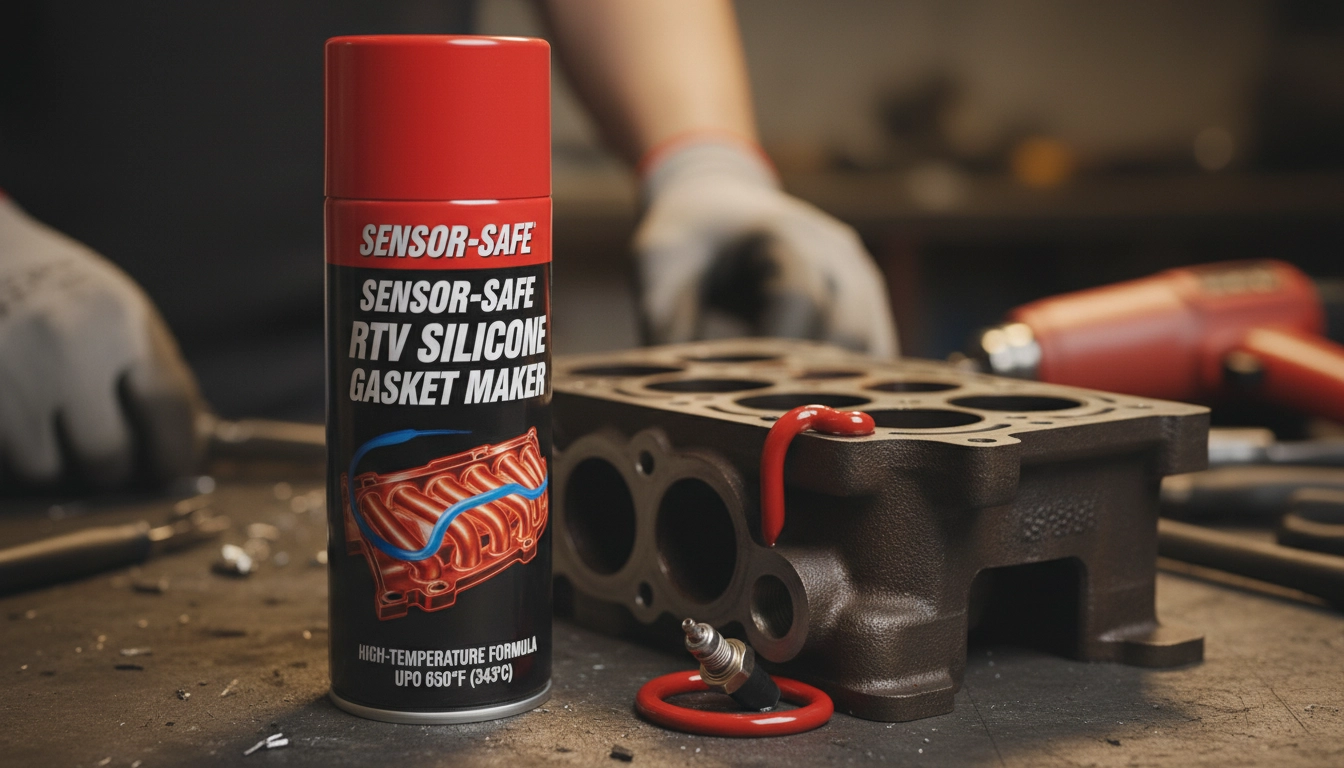
Top 10 High Temperature RTV Gasket Makers Ranked: Performance, Durability, and Heat Resistance (2026 Edition)
Top glass glazing sealant Manufacturers and Suppliers
Top transparent acrylic sealant Manufacturers and Suppliers
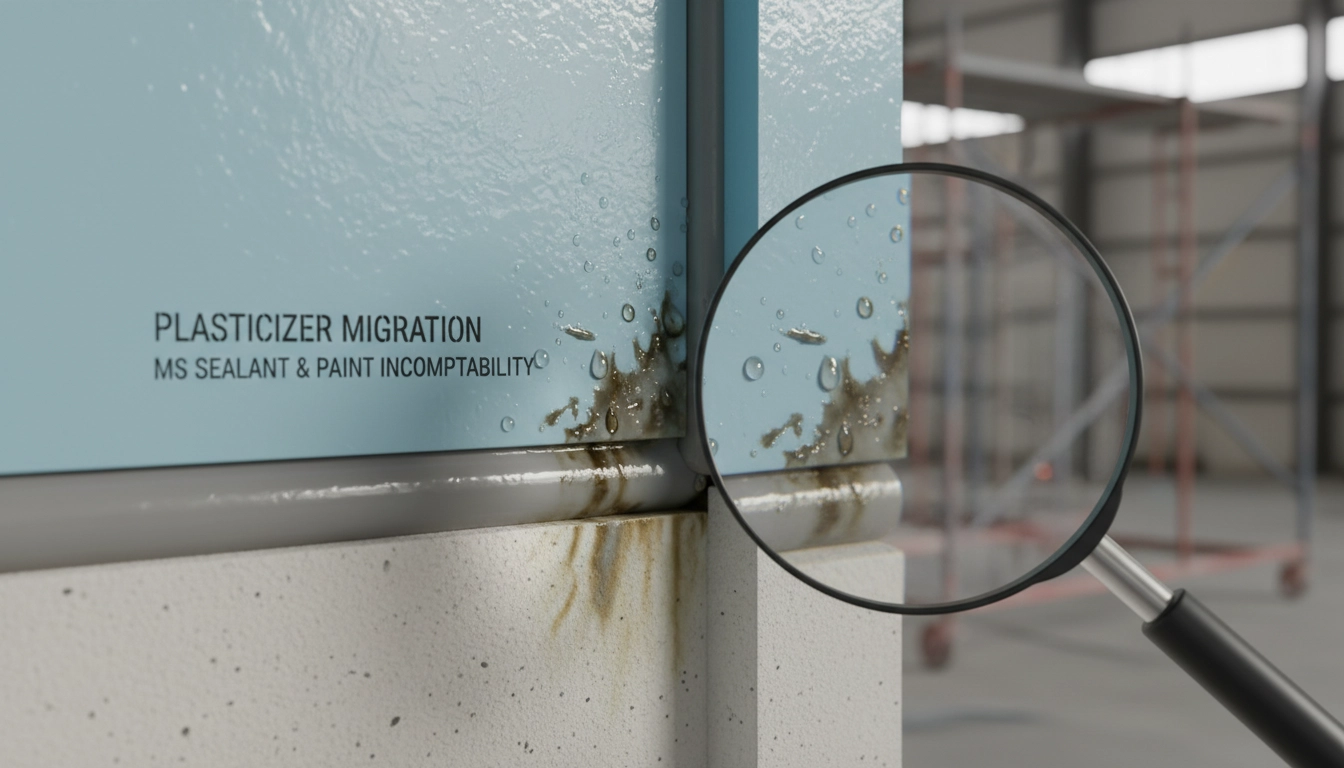
7 Costly Mistakes When Painting Over MS localized Polymer Sealants in 2026 (And How to Fix Them)
HY-976
Can the adhesive fill gaps?
Yes. It has gap-filling capability of up to 10 mm, making it suitable for uneven surfaces.
HY-951
What is the shelf life of HY951?
The shelf life is 12 months when stored unopened in its original packaging under recommended storage conditions.
HY732
Is the sealant flexible after curing?
Yes, after curing, HY732 remains flexible, helping it maintain a long-lasting seal even with normal movement or expansion.
HY-966
What materials can HY-966 bond?
It bonds effectively to metal, wood, concrete, ceramic, stone, glass, gypsum board, MDF, polystyrene, and many other rigid construction substrates.
HY995
What materials can HY995 bond?
HY995 Crystal Clear MS Polymer Adhesive provides excellent adhesion to a wide range of materials including glass, mirror, metal, aluminum, stainless steel, plastic (PVC, ABS, nylon), rubber, wood, leather, ceramic tiles, natural stone, and concrete. It is suitable for both bonding and sealing applications.
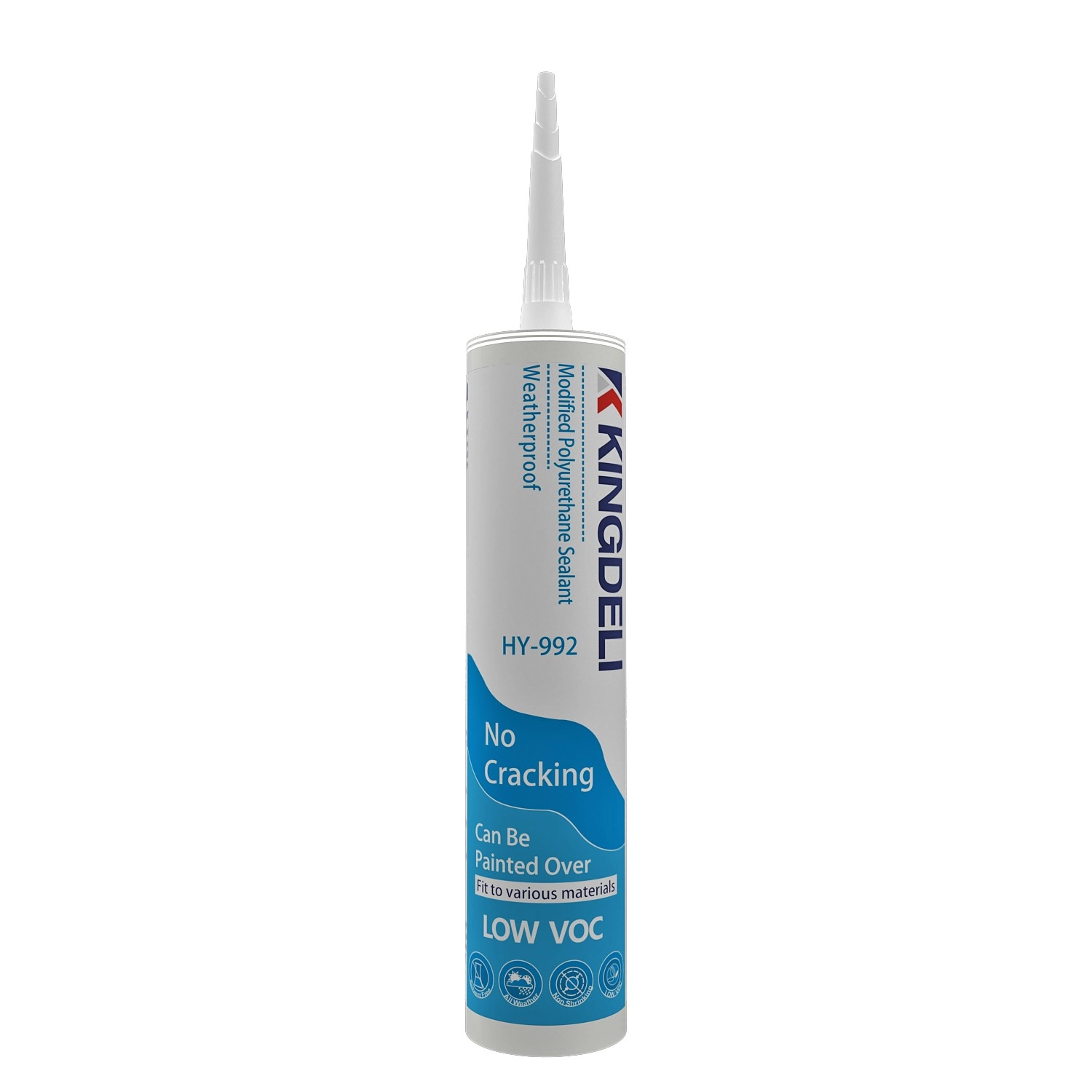
HY992 Modified Polyurethane Construction Sealant
HY992 Modified Polyurethane Sealant is a one-component, moisture-curing construction sealant designed for professional building and structural sealing applications. It provides excellent adhesion, weather resistance, and durable elasticity, making it suitable for a wide range of construction materials.
The formulation delivers strong bonding performance without corrosion or substrate contamination, while maintaining low VOC content for environmentally responsible construction projects.

HY995 Crystal Clear Ms Polymer Adhesive/Sealant
HY995 Crystal Clear Ms Polymer Adhesive/Sealant is a new generation MS Polymer adhesive / sealant formulated for all bonding and sealing applications where long term reliability is required. It has excellent bonding strength on various materials. It will cure to form a durable, flexible, waterproof seal.

HY997 High-Performance Anti-Microbial MS Polymer Sealant
HY997 MS polymer sealant for is is a premium one-component, neutral-curing modified silane sealant engineered for demanding interior applications. It offers a Class 20 movement capability, ensuring long-lasting flexibility and reliable performance under dynamic joint conditions. Curing at room temperature, HY997 delivers superior anti-microbial and mildew-resistant properties, maintaining hygienic and clean environments over time.
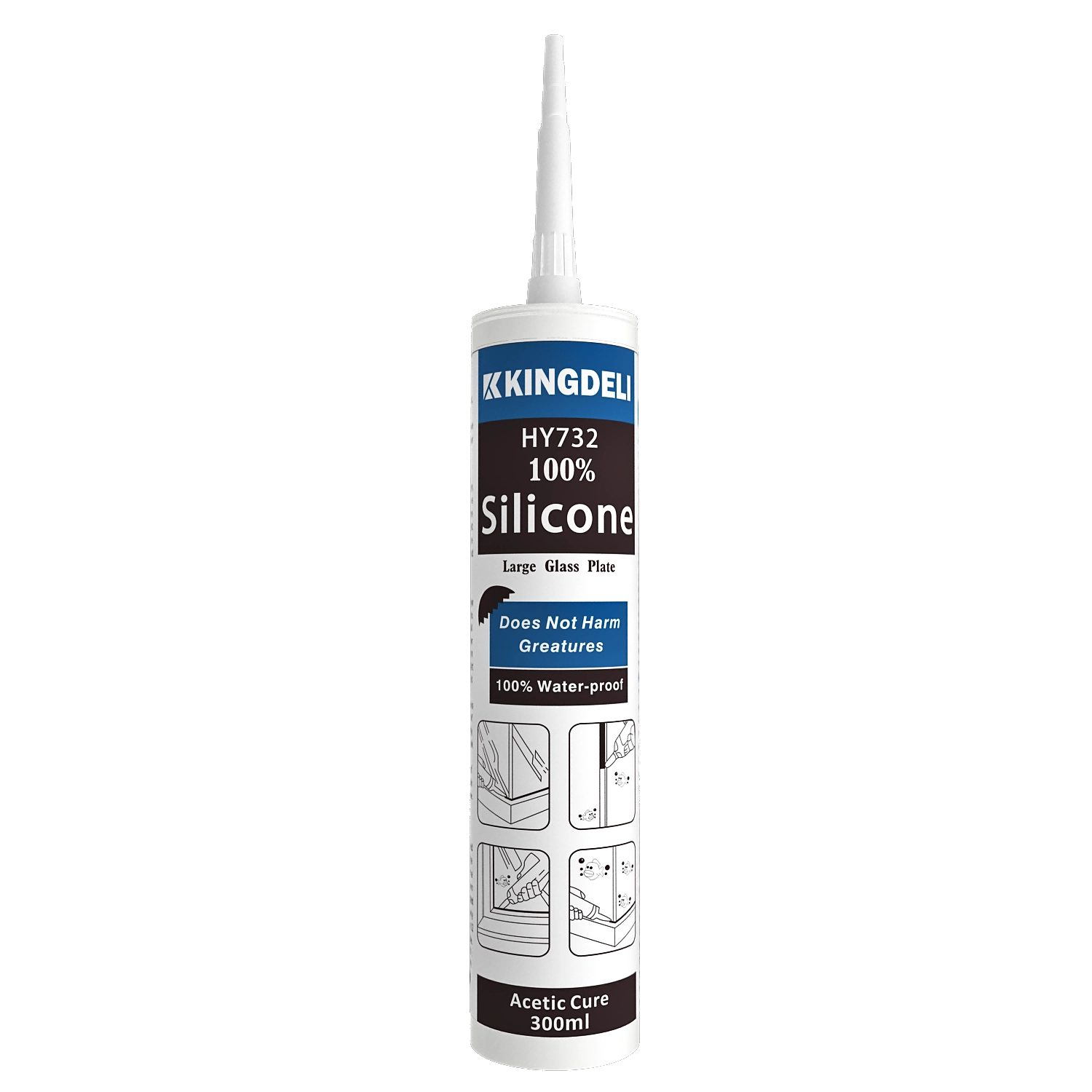
KINGDELI HY732 Professional Acetoxy Cure Silicone Sealant
KINGDELI HY732 is a professional-grade, one-component acetoxy cure silicone sealant designed for fast curing, strong adhesion, and long-lasting flexibility. Ideal for aquariums, glass applications, aluminum doors and windows, kitchens, and bathrooms, it provides reliable sealing performance with excellent anti-fungal protection in high-humidity environments.
Let’s Build Stronger Bonds with Quality Adhesives and Sealants
Have questions about the topic or need tailored sealant solutions for your project?
Our team is ready to provide expert guidance, product recommendations, and application support.
Innovating with Integrity, Bonding the World
Since 1998, KINGDELI has delivered trusted, sustainable sealant solutions that connect industries and inspire progress worldwide.
Whatsapp: +8618825946249
Kingdeli
Kingdeli
Kingdeli
Kingdeli
Kingdeli