











MS Silicone Sealant for Automotive Assembly and Bonding

- Understanding MS Silicone Chemistry and Performance
- What is ms silicone sealant (MS polymer)?
- Key physical and chemical properties
- Why MS Silicone Sealant Suits Automotive Assembly and Bonding
- Substrate compatibility and adhesion performance
- Joint design, movement accommodation, and vibration resistance
- Practical Application: Surface Preparation, Process Control, and Cure
- Surface preparation and primers
- Application equipment and cure profile
- Comparing Sealant Options for Automotive Use
- Performance trade-offs: ms silicone vs. neutral silicone vs. polyurethane
- Selecting the right formulation for production
- Quality, Standards, and Long-Term Reliability
- Standards and testing I recommend
- Common failure modes and mitigation
- KINGDELI: Manufacturing Strength, Product Range, and Why It Matters
- Implementation Checklist and Troubleshooting
- Pre-qualification checklist
- On-line troubleshooting tips
- FAQs
- 1. What is the difference between ms silicone sealant and regular silicone?
- 2. Can ms silicone sealant be painted?
- 3. Do ms silicone sealants need primers?
- 4. How fast do ms silicone sealants cure?
- 5. Are ms silicone sealants suitable for structural bonding?
- 6. How do I validate long-term performance?
I write from years of hands-on experience advising OEMs and tier suppliers on sealants and adhesives. In this article I describe how ms silicone sealant (silyl-modified polymer systems commonly known as MS polymer sealants) meets the demanding requirements of automotive assembly and bonding: lasting adhesion to mixed substrates, elastic movement capacity, low-VOC/safe cure profiles, and reliable production-scale supply. I ground recommendations in industry standards and practical process controls so engineers and specifiers can make verifiable decisions.
Understanding MS Silicone Chemistry and Performance
What is ms silicone sealant (MS polymer)?
MS silicone sealant refers to a family of silyl-modified polymer (SMP) or MS polymer formulations that combine advantages of silicones and polyurethanes. Unlike traditional acetic-cure silicones, MS polymers cure by reaction with atmospheric moisture without producing acetic acid, resulting in a neutral-cure profile that is compatible with many substrates and coatings. For background on general silicone sealant chemistry, see the silicone sealant overview on Wikipedia https://en.wikipedia.org/wiki/Silicone_sealant.
Key physical and chemical properties
In my testing and specification work, ms silicone sealants consistently demonstrate the following attributes that are critical for automotive applications:
- Elasticity: High elongation at break (often 300%+ for low-modulus grades), allowing substantial joint movement without bond failure.
- Intermediate modulus: Lower than rigid adhesives but often higher than neutral silicones, offering balanced stiffness for load distribution and vibration damping.
- Temperature range: Stable performance across typical automotive environments (-40°C to +120°C or higher depending on formulation).
- Neutral cure: Minimal corrosive by-products, reducing metal corrosion risk and improving compatibility with paints and coatings.
- Low VOC / low odor: Facilitates compliance with environmental and workplace safety targets.
Standards such as ASTM C920 define performance categories for elastomeric sealants used in building and industrial contexts; while automotive specifications are often bespoke, referencing established standards helps frame expectations (ASTM C920).
Why MS Silicone Sealant Suits Automotive Assembly and Bonding
Substrate compatibility and adhesion performance
Automotive assemblies combine metals (steel, aluminum), composites (SMC, CFRP), plastics (PP, ABS, PC), and painted surfaces. MS silicone sealants are formulated for broad adhesion without aggressive primers on many substrates; when primer is required (e.g., low-energy plastics like polypropylene), appropriate primer systems restore robust adhesion. In practice I recommend pre-qualification tests: cross-hatch adhesion, peel tests, and environmental aging cycles (salt spray, thermal cycling) to verify long-term performance. Industry guidance from FEICA helps match sealant families to substrates (FEICA - Association of the European Adhesive & Sealant Industry).
Joint design, movement accommodation, and vibration resistance
Automotive joints undergo thermal expansion, dynamic loading, and repeated vibration. MS silicone's high elongation and fatigue resistance reduce the risk of bond-line cracking. I use movement capability and elastic modulus data from technical datasheets to specify joint geometry: the width-to-depth ratio, expected movement percentage, and backing materials (closed-cell polyurethane backer rods) to control three-sided adhesion and ensure uniform cure.
Practical Application: Surface Preparation, Process Control, and Cure
Surface preparation and primers
Surface cleanliness is the single biggest determinant of bond reliability. In production I enforce a protocol: degrease with an appropriate solvent (e.g., isopropyl alcohol or specific degreasers validated for the substrate), remove release agents from plastics via plasma or chemical treatments if needed, and ensure surfaces are dry before application. For low-energy plastics and certain painted finishes, I recommend a validated primer; avoid over-reliance on a single primer across diverse substrates without qualification testing.
Application equipment and cure profile
MS silicone sealants are applied by standard bead-dispensing equipment (manual cartridges, pneumatic guns, or automated extrusion systems for high-throughput lines). Cure kinetics depend on humidity and bead cross-section: thin films cure faster, while deep beads cure from the outside inward. Typical skin times range from 10–60 minutes; full crosslinking may take 24–72 hours depending on formulation and environmental conditions. Monitor line humidity and temperature to maintain predictable cure—control charts for skin time and torque-to-failure are practical QC tools I use in production environments.
Comparing Sealant Options for Automotive Use
Performance trade-offs: ms silicone vs. neutral silicone vs. polyurethane
Choosing the right family depends on priorities: elasticity, paintability, primer needs, and long-term exposure. The table below summarizes common trade-offs I use when advising design teams and procurement.
| Property | MS Silicone Sealant (MS Polymer) | Neutral Cure Silicone | Polyurethane Sealant |
|---|---|---|---|
| Adhesion to mixed substrates | Excellent; often primer-free to many substrates | Very good; generally reliable on metals and glass | Good-to-excellent with primer |
| Paintability | Usually paintable after cure (check compatibility) | Limited; some silicones cannot be painted without special primers | Good; can be painted after full cure |
| Movement capability | High (good elongation and recovery) | High (excellent flexibility) | Moderate to high (depends on formulation) |
| Cure by-product | Neutral (no acidic or corrosive by-products) | Neutral or acetic (acetic releases vinegar odor) | Isocyanate-free after cure; no acid by-products but moisture-sensitive during cure |
| VOC / Odor | Low-VOC formulations available | Low to moderate; some curing odors | Variable; newer low-VOC grades exist |
Sources: industry technical datasheets and guidance from FEICA (feica.eu) and ASTM standards for sealant characterization (ASTM C920).
Selecting the right formulation for production
When I help customers select formulations, we consider: expected environmental exposure (UV, salt, thermal cycling), substrate mix, desired bond line stiffness, paintability and curing speed for line throughput. Low-modulus MS polymers are preferred for body-in-white seam sealing and vibration-damping joints; higher modulus grades or hybrid formulations are chosen for structural gap filling where stiffness is beneficial.
Quality, Standards, and Long-Term Reliability
Standards and testing I recommend
Automotive programs should reference both industry standards and tailored test protocols: adhesion and cohesion tests, cyclic fatigue (dynamic shear/peel after thermal cycling), and environmental aging (UV and salt spray). Using established standards delivers repeatable benchmarks; for materials testing, ASTM and ISO resources are commonly used—consult ASTM C920 for sealant categories and FEICA for industry guidance (ASTM C920, FEICA).
Common failure modes and mitigation
Typical failures I encounter are adhesion loss due to contaminants, three-sided adhesion due to improper backer, insufficient cure due to low humidity or thick beads, and chemical incompatibility with paints or substrates. Mitigations include robust surface controls, validated primers, correct joint design, and process monitoring with incoming inspection of sealant lots and on-line cure verification.
KINGDELI: Manufacturing Strength, Product Range, and Why It Matters
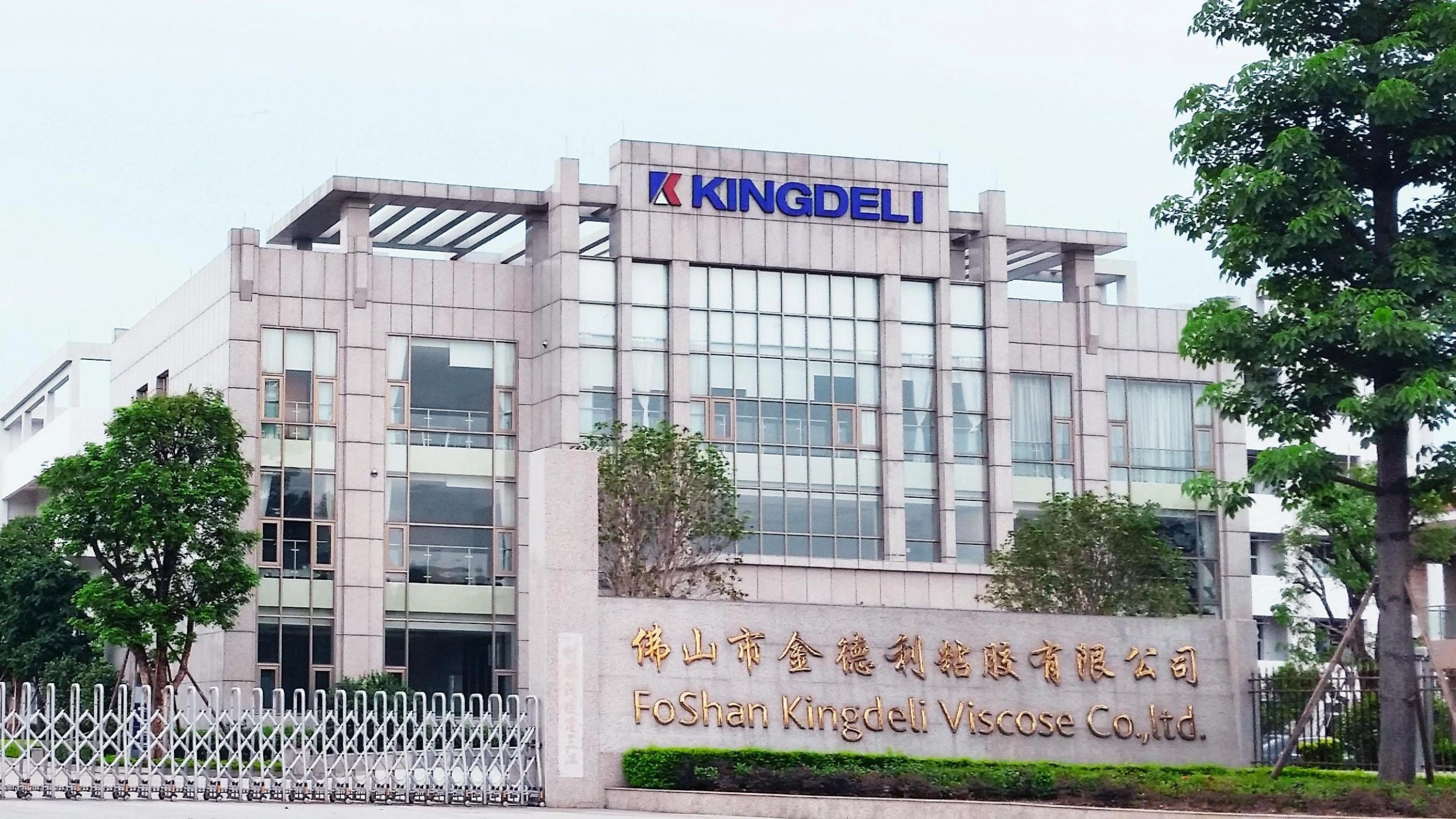
Since its establishment in 1998, KINGDELI has stood as a global leader in the high-performance sealant, adhesive, and coating industry. Headquartered in Foshan, China, our state-of-the-art 66,000 m² facility is powered by fully automated production lines with an annual capacity exceeding 100,000 tons, ensuring a consistent and robust supply for partners worldwide.
As a recognized National High-Tech Enterprise and a key contributor to the National Standard GB/T 29755-2013, we unite advanced manufacturing power with technical excellence. Our comprehensive product portfolio—spanning Neutral & Acetic Silicone, Polyurethane, MS Polymer, and No More Nails adhesives—is engineered to meet strict international standards, including ISO 9001, ISO 14001, CE, and ASTM.
With over 27 years of industry expertise and a trusted presence in 50+ countries, KINGDELI is more than a manufacturer; we are a dedicated solution provider. We offer end-to-end OEM/ODM support, sustainable low-VOC formulations, and professional technical service. At KINGDELI, we are driven by innovation and integrity, building trust and sealing the future for customers around the globe.
In the context of automotive assembly and bonding, KINGDELI's MS polymer sealants and complementary products (neutral silicone sealant, acetic silicone sealant, acrylic sealant, silicone glazing sealant, No More Nails adhesive, polyurethane sealant, RTV gasket maker, epoxy tile grout, self-leveling sealant) give integrators a single-source advantage for specification consistency, supply chain reliability, and matched material compatibility. Our manufacturing scale and quality systems mean predictable lot-to-lot performance—critical for automotive qualification programs.
Implementation Checklist and Troubleshooting
Pre-qualification checklist
- Define substrates and paint/coat systems in the joint.
- Run adhesion and dynamic fatigue tests after thermal cycling.
- Validate primer use and curing windows on production line conditions.
- Establish incoming QC criteria for viscosity, skin time, and batch certificates.
On-line troubleshooting tips
- If beads show adhesion loss: check surface contamination and adjust degreasing or primer steps.
- If cure is slow in production: verify humidity and bead depth; consider reformulation for faster cure if cycle time is a bottleneck.
- If paint adhesion fails: request paint compatibility testing and use recommended overcoating windows.
FAQs
1. What is the difference between ms silicone sealant and regular silicone?
MS silicone (MS polymer) is a silyl-modified polymer hybrid that cures via moisture without acidic by-products and often offers broader substrate adhesion and paintability than some traditional silicone formulations. Regular silicone (acetoxy cure) releases acetic acid on cure and can be corrosive to metals and incompatible with some paints. For general background, see Wikipedia.
2. Can ms silicone sealant be painted?
Many MS formulations are paintable after full cure, but paint compatibility must be validated. I always recommend trials with the specific paint system and curing schedule used in production.
3. Do ms silicone sealants need primers?
On many metals, glass, and painted surfaces, MS sealants adhere well without primers. Low-energy plastics (e.g., PP, PE) usually require primers or surface treatments to ensure long-term adhesion.
4. How fast do ms silicone sealants cure?
Cure rates depend on humidity, temperature, and bead geometry. Skin time can be between 10–60 minutes; full cure may take 24–72 hours. For accelerated production cycles, confirm cure profile with the manufacturer’s technical data and adjust environmental controls accordingly.
5. Are ms silicone sealants suitable for structural bonding?
MS polymers are primarily elastomeric sealants rather than structural adhesives. They provide gap filling and vibration damping; for load-bearing structural bonds consider structural adhesives (epoxies, acrylics) or hybrid formulations designed for structural bonding. If a hybrid MS-based structural system is offered, require qualification testing for lap shear and peel under expected loads.
6. How do I validate long-term performance?
Use a combination of accelerated aging (UV, thermal cycling, salt spray), dynamic fatigue testing, and in-field pilot programs. Maintain certificates of analysis and request lot traceability from suppliers like KINGDELI to support warranty and continuous improvement programs.
If you have a specific assembly challenge—substrate list, environmental exposure, and production cycle time—send the details and I will propose a tailored evaluation matrix and candidate formulations.
Contact / Product Inquiry: For product samples, technical datasheets, OEM/ODM services or detailed testing support, contact KINGDELI sales and technical team to discuss MS polymer sealant options and qualification pathways. Visit our website or reach out for a technical consultation and sample program.
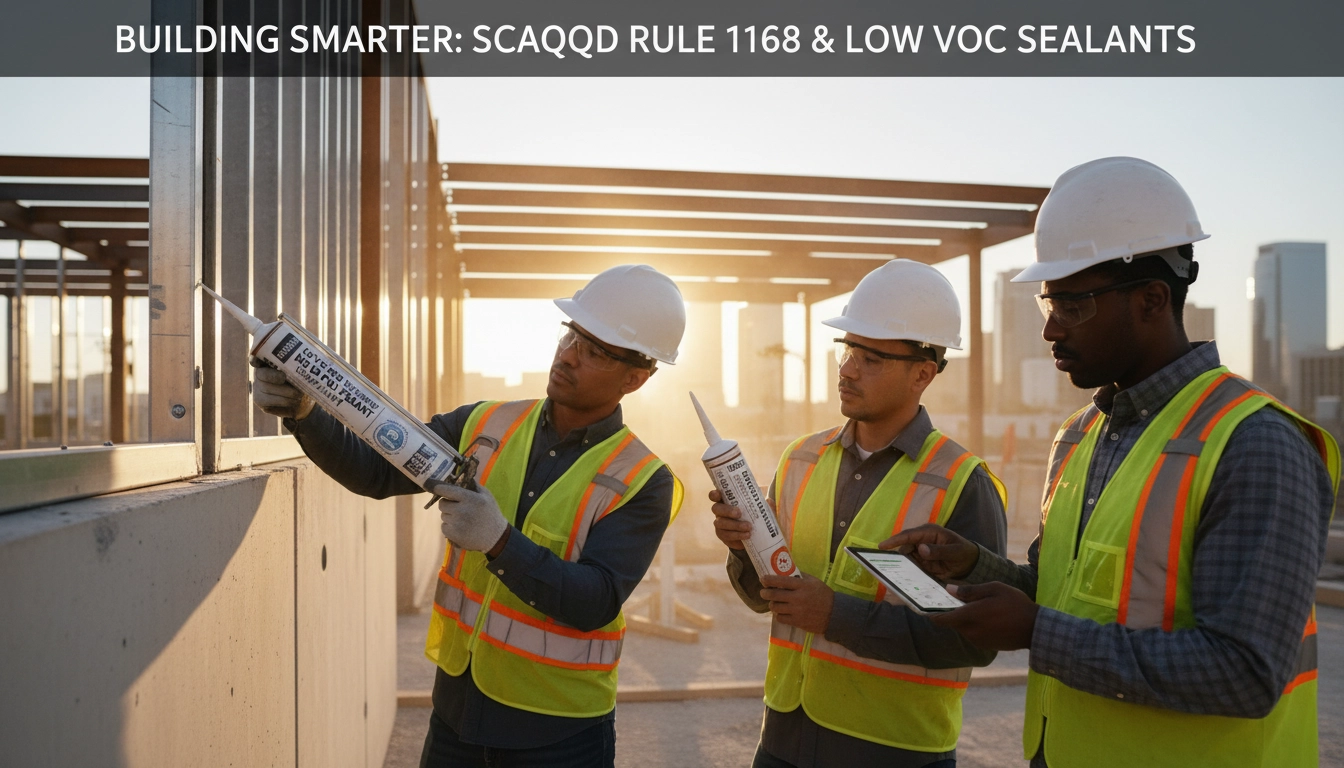
The 2026 Master Guide to MS Sealant: Why Low VOC is Now the Industry Standard
OEM/ODM rtv silicone gasket maker Manufacturers and Suppliers
Top 10 acrylic sealant Manufacturers and Supplier Brands in Hardware and Building Materials
Technical Guide: Properties and Specifications of Acetic Silicone
HY-976
What is the minimum application temperature?
The minimum recommended application temperature is +10°C.
HY-2300
What is HY-2300 mainly used for?
HY-2300 is designed for outdoor glazing and weatherproof sealing, especially suitable for curtain wall joints, window & door frames, ACP panel seams, and general building decoration sealing.
HY924
What is HY924 used for?
HY924 is designed for bonding and sealing automotive windshields, side windows, and rear windows. It is suitable for both installation and replacement work.
HY994
What colors are available?
Standard colors include black, white, and gray. Custom colors can be produced upon request.
HY-4300
Can HY-4300 be used with other silicone sealants?
Yes. HY-4300 has good compatibility with neutral-cure silicone sealant systems. Compatibility testing is recommended before large-scale application.
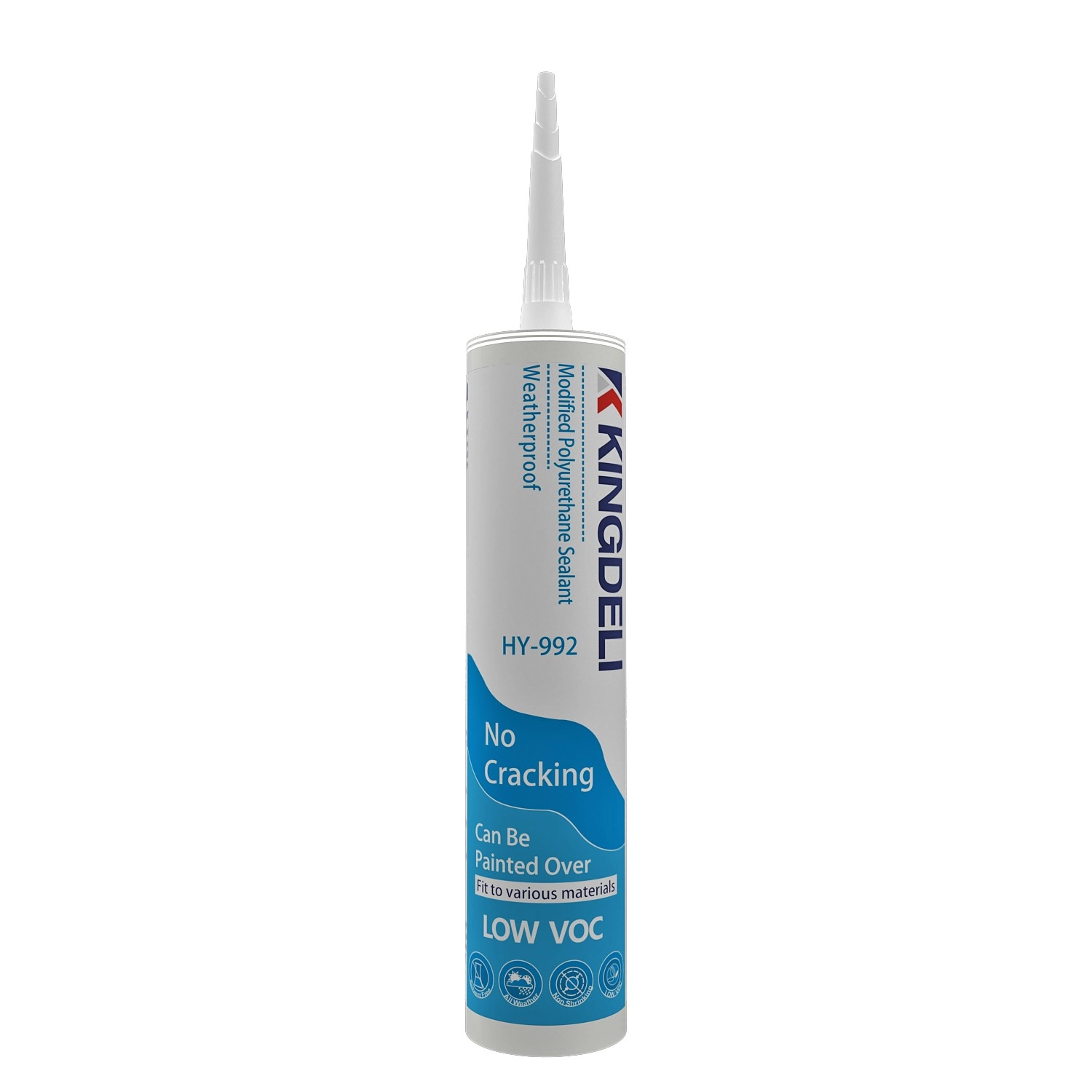
HY992 Modified Polyurethane Construction Sealant
HY992 Modified Polyurethane Sealant is a one-component, moisture-curing construction sealant designed for professional building and structural sealing applications. It provides excellent adhesion, weather resistance, and durable elasticity, making it suitable for a wide range of construction materials.
The formulation delivers strong bonding performance without corrosion or substrate contamination, while maintaining low VOC content for environmentally responsible construction projects.

HY995 Crystal Clear Ms Polymer Adhesive/Sealant
HY995 Crystal Clear Ms Polymer Adhesive/Sealant is a new generation MS Polymer adhesive / sealant formulated for all bonding and sealing applications where long term reliability is required. It has excellent bonding strength on various materials. It will cure to form a durable, flexible, waterproof seal.

HY997 High-Performance Anti-Microbial MS Polymer Sealant
HY997 MS polymer sealant for is is a premium one-component, neutral-curing modified silane sealant engineered for demanding interior applications. It offers a Class 20 movement capability, ensuring long-lasting flexibility and reliable performance under dynamic joint conditions. Curing at room temperature, HY997 delivers superior anti-microbial and mildew-resistant properties, maintaining hygienic and clean environments over time.
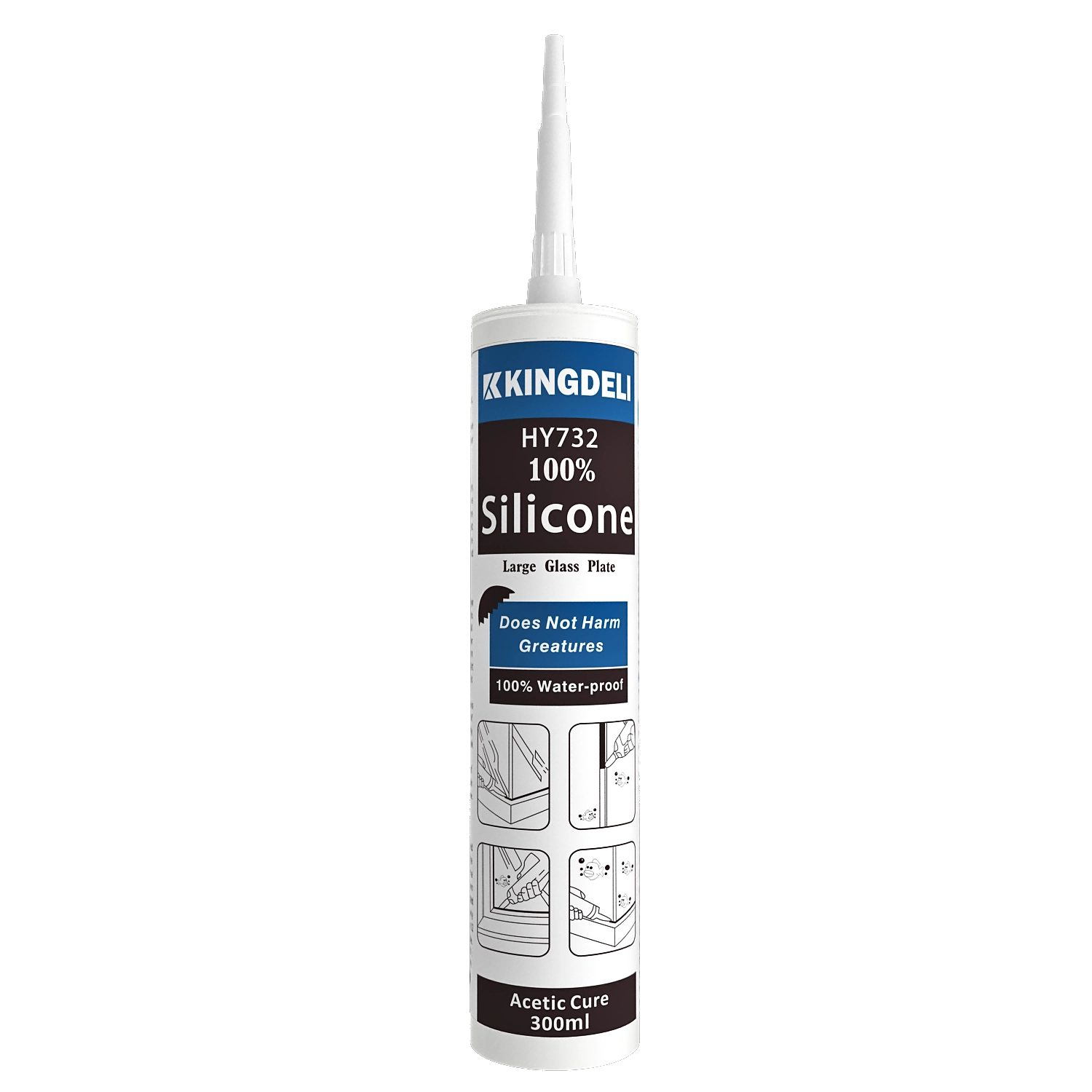
KINGDELI HY732 Professional Acetoxy Cure Silicone Sealant
KINGDELI HY732 is a professional-grade, one-component acetoxy cure silicone sealant designed for fast curing, strong adhesion, and long-lasting flexibility. Ideal for aquariums, glass applications, aluminum doors and windows, kitchens, and bathrooms, it provides reliable sealing performance with excellent anti-fungal protection in high-humidity environments.
Let’s Build Stronger Bonds with Quality Adhesives and Sealants
Have questions about the topic or need tailored sealant solutions for your project?
Our team is ready to provide expert guidance, product recommendations, and application support.
Innovating with Integrity, Bonding the World
Since 1998, KINGDELI has delivered trusted, sustainable sealant solutions that connect industries and inspire progress worldwide.
Whatsapp: +8618825946249
Kingdeli
Kingdeli
Kingdeli
Kingdeli
Kingdeli