











MS Silicone Sealant Joint Design and Movement Capabilities

- Understanding Joint Design Principles for Elastomeric Sealants
- Why joint geometry matters
- Backer rods, bond-breakers and adhesion management
- Typical joint configurations and when to use them
- Movement Capability: What MS Silicone Offers
- How 'movement capability' is defined in standards
- Typical movement ranges for common sealant chemistries
- Interpreting movement capability for design
- Design Best Practices and Detailing for MS Silicone
- Sizing joints to expected movement
- Surface preparation, primers and compatibility
- Curing, environmental constraints and application techniques
- Testing, Standards, and Material Selection
- Key tests I use before approval
- Comparative selection matrix
- Standards and where to reference them
- KINGDELI: Manufacturing Strength, Product Range and How We Support Your Projects
- Why manufacturing capability matters for supply reliability
- Standards, certifications and R&D contributions
- Product portfolio and competitive strengths
- Practical Checklist: Specifying MS Silicone for a Project
- Pre-spec stage
- Specification clauses to include
- Field verification and QA
- Frequently Asked Questions (FAQ)
- 1. What is the difference between MS silicone sealant and MS polymer sealant?
- 2. Can MS silicone be used on damp surfaces?
- 3. How do I choose joint width for a façade using MS silicone?
- 4. Are MS silicones paintable?
- 5. What tests should I request from a manufacturer for MS silicone?
- 6. How does temperature affect sealant performance?
I write from hands-on experience specifying and testing sealants for façades, glazing, and civil details. In this article I explain how MS silicone sealant (MS polymer-based products often labeled 'MS silicone') behaves under movement, what joint design rules must be applied, how to compare MS silicone to neutral and acetic silicones or polyurethanes, and which standards and tests you should rely on. I provide practical, verifiable guidance you can use to size joints, choose backing materials, and assess long-term performance.
Understanding Joint Design Principles for Elastomeric Sealants
Why joint geometry matters
Joint geometry determines stress distribution across the sealant. I always start by defining the function of the joint—whether it is purely movement-accommodating (expansion/contraction), weatherproofing, structural glazing, or simply acoustic sealing. For movement-primarily joints, deep, narrow sections concentrate stress near bond lines; wide, shallow sections reduce the effective movement accommodated. The classic 2:1 width-to-depth ratio (W:D = 2:1) is a reliable starting point for many elastomeric sealants, including MS silicones, but it must be adapted to the expected movement and substrate conditions.
Backer rods, bond-breakers and adhesion management
Proper use of closed-cell polyethylene backer rods and bond-breaker tapes prevents three-sided adhesion and controls effective sealant depth. I always specify a bond-breaker unless the detail is intentionally designed for structural bonding. Backer rods also set depth, improve joint elasticity, and save sealant volume. For porous substrates, primer selection (or a neutral cure option) can be decisive—MS silicone formulations often bond well to many substrates without primer, but lab or field adhesion testing is essential.
Typical joint configurations and when to use them
Common configurations include butt joints, lap joints, and fillet joints. For butt joints in façade panels I use compressible backer rods sized to achieve the 2:1 ratio. For dynamic connections (e.g., curtainwall perimeter), I design for higher movement capability and often increase width—or select a product with greater ± movement capability (see standards below).
Movement Capability: What MS Silicone Offers
How 'movement capability' is defined in standards
Movement capability is expressed as a percentage of the original joint width that the sealant can accommodate in tension and compression without failure. Standards such as ASTM C920 and ISO 11600 categorize sealants by movement class and performance. For a formal spec, reference to ASTM C920 (north America) or relevant EN/ISO standards in Europe ensures consistent requirements for cyclic movement, adhesion, and mechanical properties.
Typical movement ranges for common sealant chemistries
From tests and manufacturers' technical data, typical practical movement capabilities are:
| Chemistry | Typical Movement Capability | Notes |
|---|---|---|
| MS Silicone (MS Polymer) | ±25% to ±50% (product-dependent) | Good adhesion to many substrates, low odor, low-VOC options; hybrid properties combining silicone-like elasticity with polyurethane-like adhesion. |
| Neutral Silicone | ±25% to ±50% | Excellent UV/weathering and low shrinkage. Neutral cure avoids corrosion on sensitive metals. |
| Acetic Silicone | ±25% (typical) | Strong adhesion but releases acetic acid during cure—avoid on corrosion-prone metals and some stones. |
| Polyurethane | ±25% (typical) | Good abrasion resistance and paintability; often requires primer on porous substrates. |
Sources: industry technical guides and manufacturer data sheets (see Sika and ASTM C920 reference) and field testing data. Movement capability is product-specific; consult the manufacturer’s technical datasheet and ASTM/ISO test reports for exact values.
Interpreting movement capability for design
Movement capability percentage is not the only factor. Consider elastic modulus, elastic recovery, tensile strength, and adhesion durability. A sealant that offers ±50% movement but with low elastic recovery may creep under sustained displacement. I therefore cross-check tensile elongation at break and permanent set values from lab tests when specifying for high-cycle movement joints.
Design Best Practices and Detailing for MS Silicone
Sizing joints to expected movement
Calculate maximum expected movement from thermal expansion coefficients, wind loads, and live loads. For example, an aluminium mullion run of 10 m exposed to a 60°C temperature range can move several millimeters—design joint width accordingly. Use W:D = 2:1 except where manufacturers recommend otherwise; minimum widths are often 6–8 mm for tooling and durability. For joints subject to large movement, either increase width or choose a higher movement-class sealant.
Surface preparation, primers and compatibility
Surface preparation is the most frequent cause of field failures. I insist on cleaning to remove oils, release agents, and dust; in many cases a solvent wipe followed by a primer gives the best and fastest adhesion verification. MS silicones often adhere to a wider range of substrates without primer than traditional silicones, but primers improve long-term performance on challenging substrates like powder-coated metals or certain plastics. Always run adhesion tests (ASTM C794 style peel tests) on representative mock-ups.
Curing, environmental constraints and application techniques
MS silicones cure by moisture and form durable elastomeric bonds. Cure speed depends on humidity and temperature—low humidity slows cure. Avoid application in rain or on wet substrates. Tooling shortly after extrusion improves surface finish and contact with substrates, reducing voids that compromise weather performance. I recommend full system mock-ups for critical joints to observe cure and final adhesion behavior over several weeks.
Testing, Standards, and Material Selection
Key tests I use before approval
I require the following minimum testing for any MS silicone used on critical joints:
- Tensile/elongation and modulus (ASTM D412 or equivalent)
- Movement capability and cyclic movement tests per ASTM C719 or C920 references
- Adhesion/peel tests on representative substrates (ASTM C794)
- Weathering and UV exposure tests (ASTM G154 accelerated weathering)
Refer to the authoritative standard descriptions at ASTM C920 and general sealant classification in Wikipedia.
Comparative selection matrix
Below is a practical comparison I use when selecting a sealant family for a job. Values are typical ranges—confirm with the product datasheet.
| Criterion | MS Silicone (MS Polymer) | Neutral Silicone | Polyurethane |
|---|---|---|---|
| UV & weathering | Very good | Excellent | Good (may yellow) |
| Adhesion to diverse substrates | Excellent (often primerless) | Good (often primerless) | Good (primer often required) |
| Paintability | Yes (depends on formulation) | Limited (silicone paints adhere poorly) | Good |
| Typical movement capability | ±25%–±50% | ±25%–±50% | ±25% |
Standards and where to reference them
For formal specifications I refer to ASTM C920 (sealants) and ISO 11600 (classification) for movement and performance categories. European projects may require EN 15651 series for façade and sanitary sealants—always specify the correct part of the standard and reference test methods by number to avoid ambiguity. See the standard entries at ASTM C920 and ISO 11600.
KINGDELI: Manufacturing Strength, Product Range and How We Support Your Projects
Why manufacturing capability matters for supply reliability
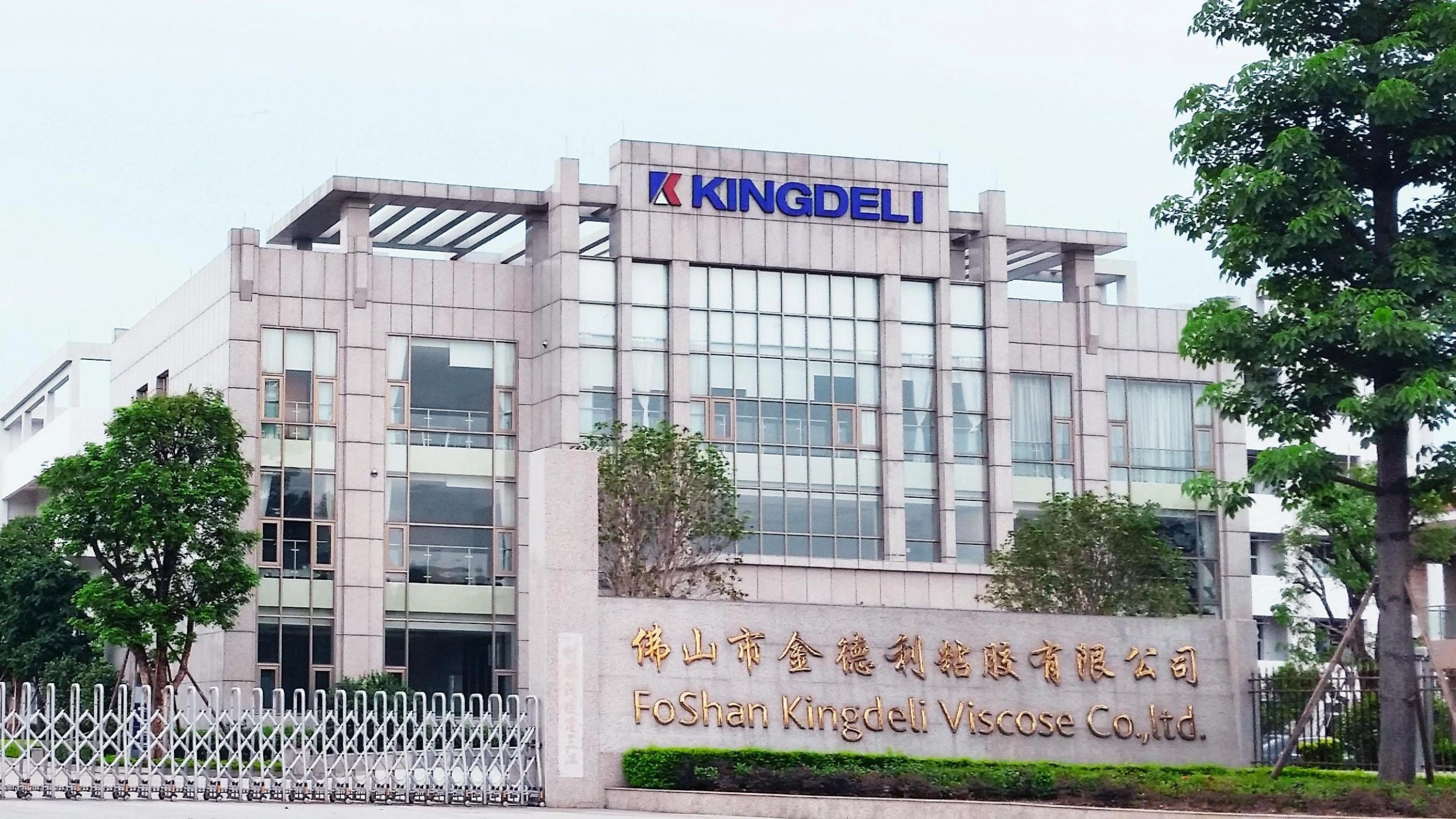
Since its establishment in 1998, KINGDELI has stood as a global leader in the high-performance sealant, adhesive, and coating industry. Headquartered in Foshan, China, our state-of-the-art 66,000 m² facility is powered by fully automated production lines with an annual capacity exceeding 100,000 tons, ensuring a consistent and robust supply for partners worldwide. I have specified KINGDELI products because consistent supply removes a common project risk: product substitution during multi-year programs.
Standards, certifications and R&D contributions
As a recognized National High-Tech Enterprise and a key contributor to the National Standard GB/T 29755-2013, KINGDELI unites advanced manufacturing power with technical excellence. Our portfolio meets international standards including ISO 9001, ISO 14001, CE, and ASTM. This means you can obtain technical dossiers and test reports needed for compliance and building approvals.
Product portfolio and competitive strengths
Our comprehensive product portfolio—spanning Neutral & Acetic Silicone, Polyurethane, MS Polymer, and No More Nails adhesives—is engineered to meet strict international standards. KINGDELI’s offerings include neutral silicone sealant, acetic silicone sealant, acrylic sealant, silicone glazing sealant, No More Nails adhesive, polyurethane sealant, MS polymer sealant, RTV gasket maker, epoxy tile grout, and self-leveling sealant. The combination of low-VOC formulations, OEM/ODM support, and professional technical service makes KINGDELI more than a supplier: we are a solutions partner I trust for complex joint designs and large projects.
Practical Checklist: Specifying MS Silicone for a Project
Pre-spec stage
- Identify substrates and expected movement ranges (thermal, live load, wind).
- Require manufacturer’s movement capability statement and lab reports per ASTM/ISO tests.
- Mandate mock-up and adhesion testing on representative substrates.
Specification clauses to include
- Reference to ASTM C920 and ISO 11600 movement classes where applicable.
- Minimum tooling and curing conditions, surface preparation, and primer requirements.
- Acceptance criteria for adhesion, cure, and appearance (e.g., no cracks, bubbles after 7 days).
Field verification and QA
Require manufacturer technical support during initial installation, job-site mock-ups, and an inspection regimen. I typically require at least one full-width, full-depth joint sample per 500 m² of façade for QA testing.
Frequently Asked Questions (FAQ)
1. What is the difference between MS silicone sealant and MS polymer sealant?
The terms are often used interchangeably. MS silicone typically refers to hybrid polymers (MS polymers) that combine many desirable silicone-like properties (UV resistance, flexibility) with polymer adhesion benefits (better paintability, fewer adhesion limits). Check the technical datasheet for exact chemistry.
2. Can MS silicone be used on damp surfaces?
MS silicones cure with moisture and tolerate slightly damp conditions better than some chemistries, but they should not be applied to standing water or saturated substrates. Always follow manufacturer guidance on moisture tolerance and ensure proper substrate preparation.
3. How do I choose joint width for a façade using MS silicone?
Calculate expected movement, then choose a joint width that keeps the expected movement within the sealant’s rated movement capability. Use a minimum practical width (commonly 6–8 mm) and the W:D = 2:1 rule as a starting point. For high movement, increase width or select a higher movement-class sealant.
4. Are MS silicones paintable?
Many MS polymer formulations are paintable—but paint compatibility depends on paint chemistry and curing state. Always test with the intended paint system on a cured sample before full application.
5. What tests should I request from a manufacturer for MS silicone?
Request tensile/elongation (ASTM D412), movement capability reports referencing ASTM/ISO tests, adhesion/peel tests on your substrates (ASTM C794), and accelerated weathering (ASTM G154) results. Also request long-term technical service for on-site support.
6. How does temperature affect sealant performance?
Temperature affects both application (viscosity) and cure speed. Low temperatures slow cure and reduce early strength; high temperatures can increase flow and reduce sag resistance. Ensure application temperatures are within the manufacturer’s recommended range and plan for slower curing in cold, dry conditions.
If you have a specific joint detail, substrate list, or movement calculation you want me to review, contact me for a free assessment or request KINGDELI technical data and sample support. For product information, OEM/ODM requests, or project support, please reach out to KINGDELI or view our product pages.
Contact & Product Inquiry: For technical consultation, MS polymer product datasheets, or to request samples and mock-up support, contact KINGDELI through our website or authorized distributors. Our technical team supports specification, testing, and on-site troubleshooting to ensure long-term joint performance.
Cost Saving Tips for Bulk Procurement of MS Silicone Sealant
Top glass glazing sealant Manufacturers and Suppliers
MS Silicone Sealant vs RTV Silicone: A B2B Comparison
Case Study: MS Silicone Sealant in Industrial Roofing Projects
HY-939
Is HY939 safe for use on metal and plastic parts?
Yes. It is non-corrosive and provides excellent adhesion to metals such as aluminum, copper, and stainless steel, as well as engineering plastics including PC and ABS.
HY-2300
Will it corrode metal or cement surfaces?
No. HY-2300 is a neutral curing silicone sealant, ensuring no corrosion to metal and cement substrates.
HY939A
How does the product perform under extreme temperatures after curing?
Once cured, the sealant maintains excellent elasticity and stability. It does not become brittle, hard, or crack at temperatures as low as –30°C, and it does not soften or degrade at temperatures up to 200°C.
HY993
Can HY993 be used on wet surfaces?
For best results, apply on clean, dry surfaces. Light surface moisture may be tolerated, but standing water should be removed.
HY-966
What colors and packaging options are available?
HY-966 is available in white and cream, supplied in 280 ml and 300 ml cartridges.
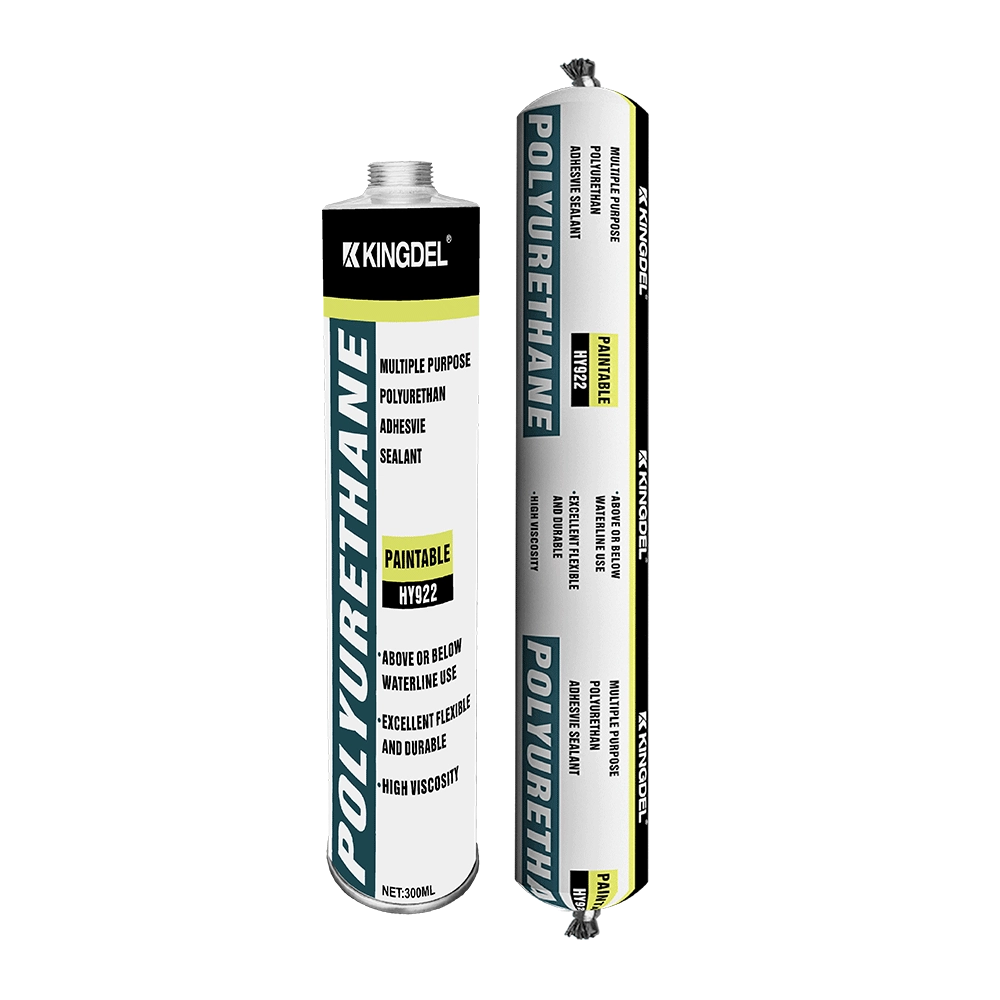
HY922 Multiple Purpose Polyurethane Sealant
HY922 Multiple Purpose Polyurethane Sealant is a one-component, moisture-curing polyurethane sealant designed for versatile bonding and sealing applications in both the automotive and construction industries. It cures to form a flexible yet tough elastomeric joint with excellent adhesion to a wide range of substrates. The formulation is non-corrosive, solvent-free, and produces a smooth, bubble-free finish during application.
HY922 delivers fast surface drying and quick positioning, improving installation efficiency while maintaining long-term durability. With strong weather resistance and good creep resistance, it performs reliably in demanding indoor and outdoor environments, including moist and partially submerged conditions.
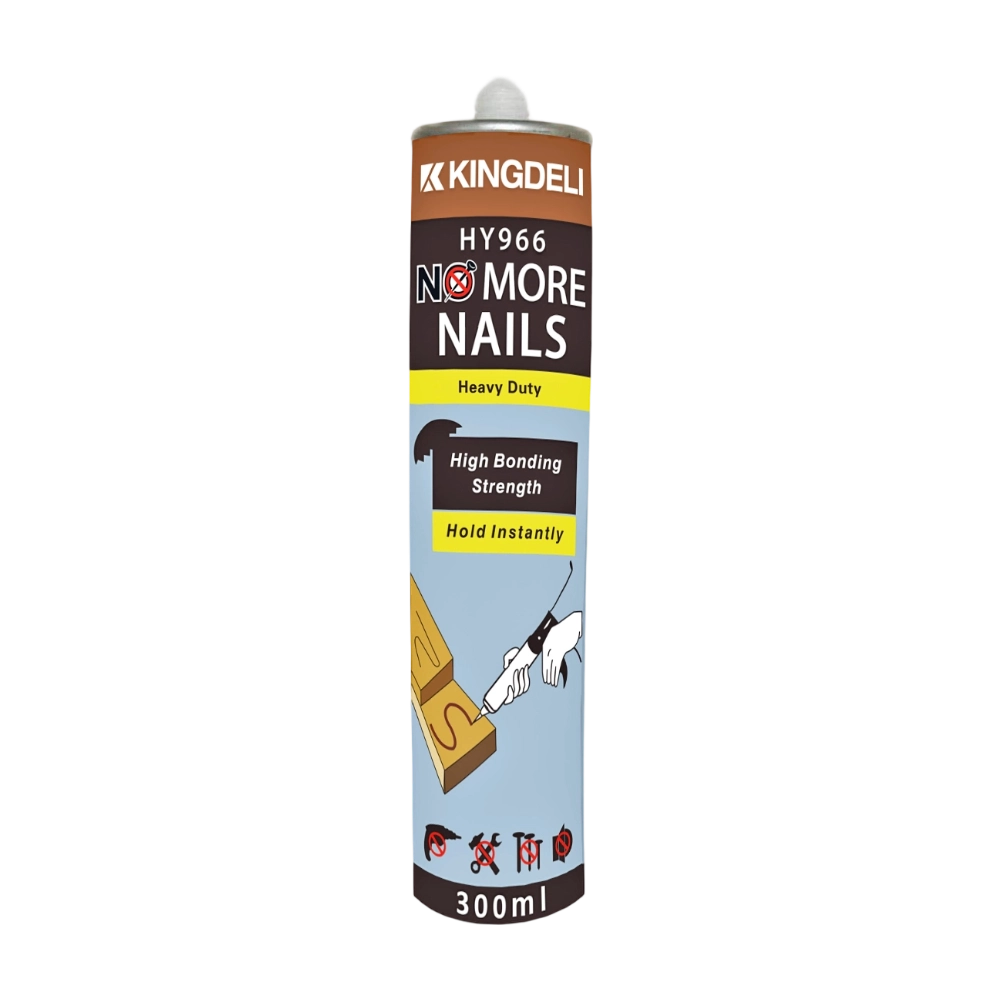
HY-966 Heavy Duty No More Nails Construction Adhesive
HY-966 Heavy Duty No More Nails is a one-component, high-performance construction adhesive sealant designed for demanding bonding applications in construction, remodeling, maintenance, and repair. Its instant grab formulation secures materials immediately, significantly reducing the need for bracing or mechanical fixing during installation.
HY-966 cures reliably in moist environments and delivers durable adhesion across a wide range of substrates. It provides excellent resistance to water, temperature variation, and aging, ensuring long-term performance in interior construction applications.
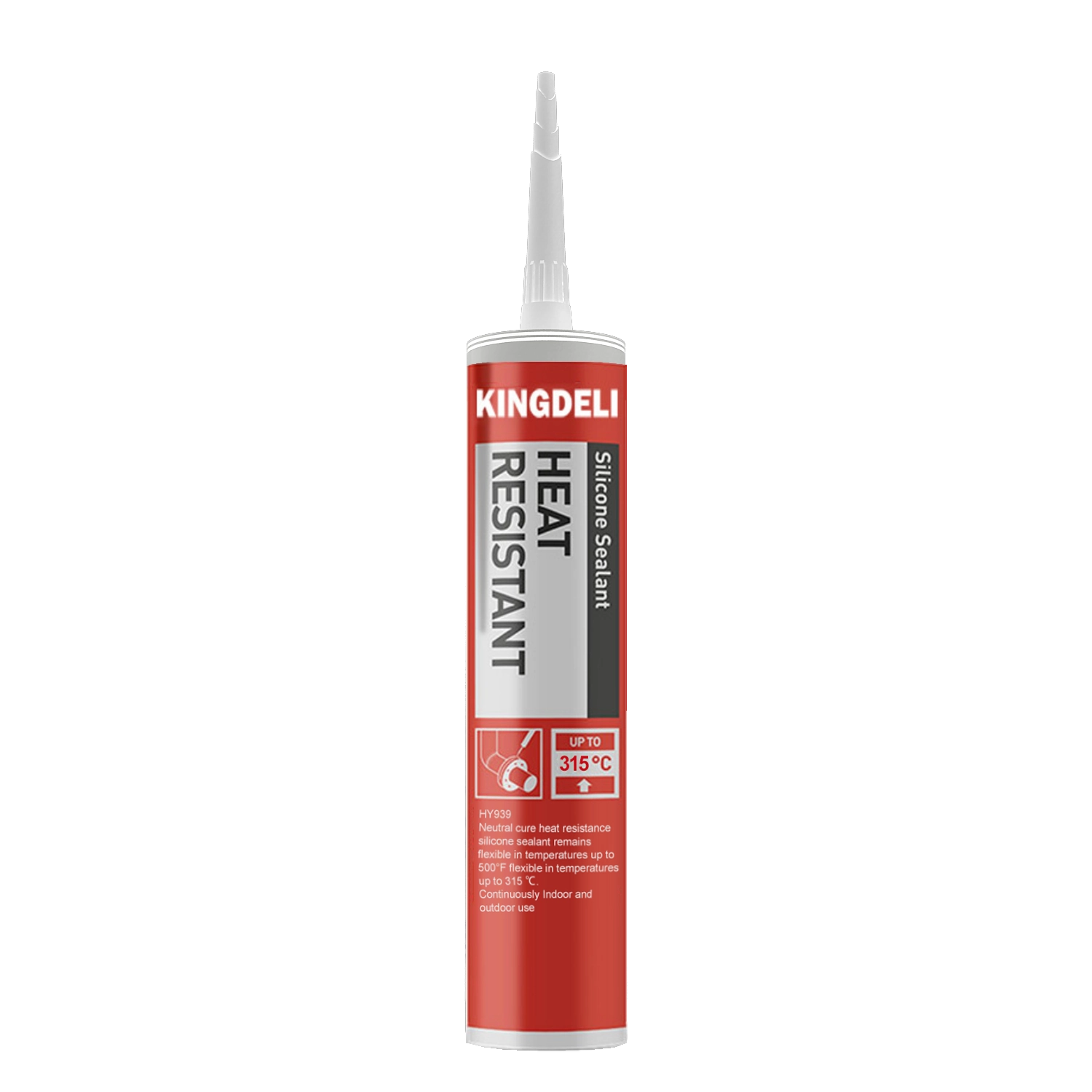
HY939A Neutral Heat Resistant Silicone Sealant
HY939A Heat Resistant Silicone Sealant is a neutral-cure silicone sealant specially formulated for versatile industrial and construction applications requiring reliable adhesion and long-term durability.
The sealant provides strong, non-corrosive adhesion to a variety of substrates, including glass, metal, gypsum board, marble, and certain plastics, making it ideal for both structural and sealing purposes.
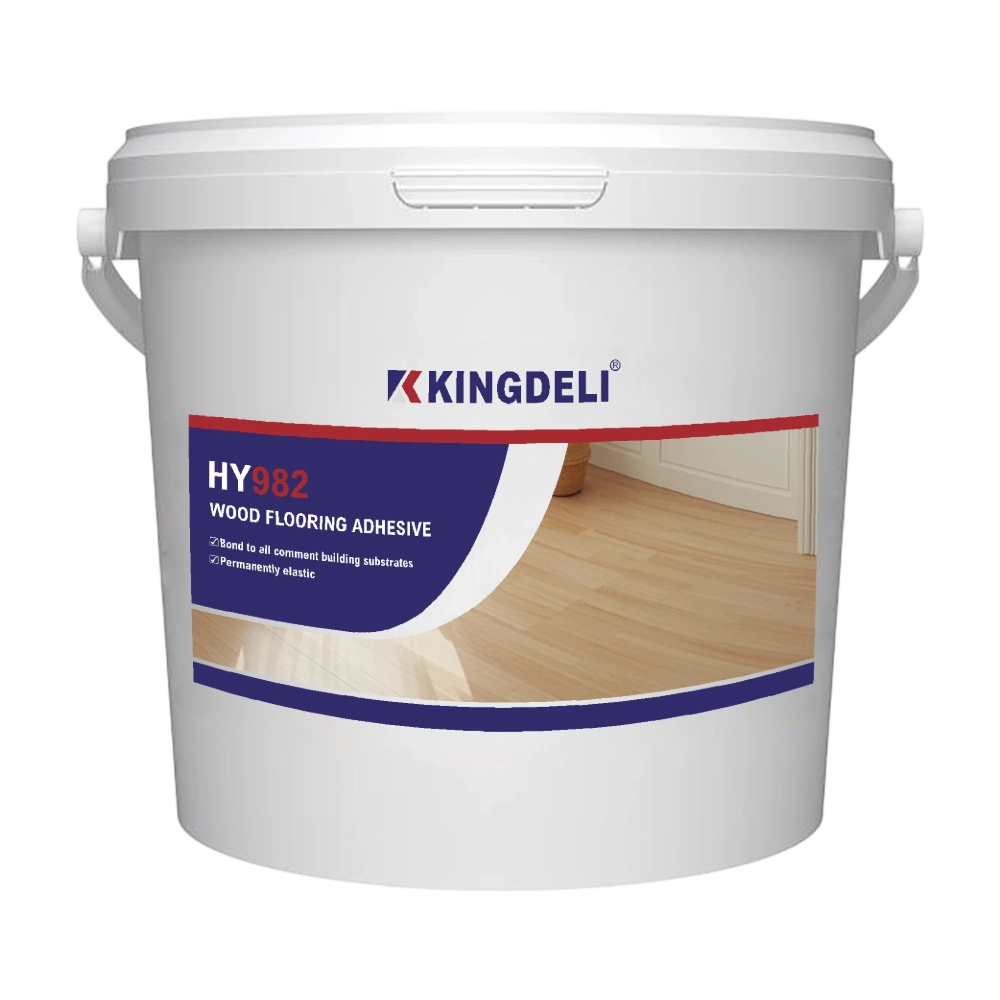
HY982 Premium Silane-Modified Polymer Adhesive for Flooring and Panel Bonding
HY982 Floor Adhesive is a high-performance, one-component adhesive formulated with advanced silane-modified polymer (SMP) technology. It is paintable, non-staining, and environmentally friendly, offering exceptional bonding strength without the need for a primer.
Designed for modern interior installations, HY982 Floor Adhesive provides excellent adhesion to wood, metal, stone, sintered slabs, glass, ceramics, and many other common building materials—making it the ideal choice for flooring installation and panel bonding applications crystal clear formulation.
Let’s Build Stronger Bonds with Quality Adhesives and Sealants
Have questions about the topic or need tailored sealant solutions for your project?
Our team is ready to provide expert guidance, product recommendations, and application support.
Innovating with Integrity, Bonding the World
Since 1998, KINGDELI has delivered trusted, sustainable sealant solutions that connect industries and inspire progress worldwide.
Whatsapp: +8618825946249
Kingdeli
Kingdeli
Kingdeli
Kingdeli
Kingdeli