











MS Silicone Sealant vs RTV Silicone: A B2B Comparison

- How to choose silicone sealants for industrial applications
- Understanding chemistry: MS vs RTV
- Key performance metrics
- Common industrial use-cases
- Technical comparison: MS silicone sealant vs RTV silicone
- Composition and curing mechanisms
- Mechanical and environmental properties
- Compatibility and paintability
- Applications, installation, and lifecycle considerations
- Best fit applications
- Surface preparation and adhesion tips
- Durability, maintenance and repair
- Specifying for procurement and compliance
- Standards, testing, and VOC/safety
- Procurement checklist for B2B buyers
- About KINGDELI — capabilities and product range
- Frequently Asked Questions (FAQ)
- 1. What is the main difference between MS silicone sealant and RTV silicone?
- 2. Can MS silicone sealant be painted over?
- 3. Are RTV silicones better for high-temperature applications?
- 4. Do acetoxy RTV silicones corrode metal?
- 5. How should I test adhesive performance before full-scale procurement?
- 6. What environmental and safety documentation should I request?
In this comparative guide I focus on ms silicone sealant versus RTV silicone from a B2B perspective. I examine chemistry, cure mechanisms, physical performance, applicability across industries, and compliance considerations so procurement managers, specification engineers, and production planners can make evidence-based choices that reduce rework, improve durability, and control cost.
How to choose silicone sealants for industrial applications
Understanding chemistry: MS vs RTV
When I evaluate sealant families I start with chemistry because it drives performance. MS stands for silyl-modified polymer (also called MS polymer or hybrid polymer). MS silicone sealant is a class of hybrid elastomeric sealants that cure by moisture to form a durable polymer network without releasing acetic acid or strong by-products. By contrast, RTV (room-temperature vulcanizing) silicone refers to silicone elastomers that cure at ambient conditions; RTV formulations can be acetoxy (release acetic acid) or neutral (oxime, alkoxy) cure types. The curing mechanism and chemistry determine smell, substrate compatibility, paintability, and odor: MS polymer systems are typically low-odor and paintable; many RTV silicones are not paintable and some (acetoxy RTV) corrode metals and sensitive substrates.
Key performance metrics
For B2B decisions I focus on measurable metrics: tensile strength, elongation at break, Shore hardness, service temperature range, adhesion to common substrates (aluminum, glass, concrete, PVC), movement capability, and VOC content. These metrics should be taken from manufacturer technical data sheets and independent test reports. Industry standards and test methods from ASTM and ISO give consistent comparators for these metrics (see links below).
Common industrial use-cases
MS silicone sealant is widely used where paintability, adhesive strength to diverse substrates, and reduced odour/VOC are required—examples: curtain wall back-bedding, vehicle assembly, HVAC ductwork, and prefabricated building joints. RTV silicones remain popular for high temperature gasketing, electrical potting, and glass glazing where very low modulus and extreme flexibility are demanded.
Technical comparison: MS silicone sealant vs RTV silicone
Composition and curing mechanisms
MS polymers are hybrid polymer systems containing silyl terminations that crosslink in presence of moisture to form an elastomeric seal. They are generally categorized as one-component, moisture-curing materials. RTV silicone elastomers are primarily based on polydimethylsiloxane (PDMS) backbones and cure by condensation or addition mechanisms at room temperature. Where RTVs can be acetoxy (acidic) or neutral, MS polymers are neutral to mildly acidic and designed to be non-corrosive and low-odor.
Mechanical and environmental properties
Below I summarize typical property ranges and practical implications. Exact values must be confirmed on manufacturers' datasheets and test reports.
| Property | MS Silicone Sealant (MS Polymer) | RTV Silicone |
|---|---|---|
| Cure Type | Moisture-curing, neutral by-products | Room-temperature vulcanizing; acetoxy or neutral chemistries |
| Odor and By-products | Low-odor, low corrosivity | Acetoxy RTV releases acetic acid (vinegar smell); neutral RTVs low-odor |
| Paintability | Generally paintable (depends on formulation) | Most silicones not paintable without special primers |
| Adhesion | Excellent to many substrates without primers (metals, plastics, concrete) | Excellent to glass and many substrates; may need primers for plastics/paints |
| Elasticity / Movement | Good; typically 15–25% movement capability in many formulations | Excellent; RTV silicones can accommodate high movement and remain flexible |
| Temperature Range | Operates typically -40°C to +120°C; high-temp grades available | Wide range, commonly -60°C to +200°C for high-temp silicones |
| VOC / Environmental | Low-VOC formulations common; can be formulated to meet strict requirements | Low VOC for neutral RTVs; acetoxy types release acetic acid but VOCs vary |
| Typical Applications | Facade joints, construction, automotive bonding, indoor sealing | Gasketing, electrical potting, oven seals, glazing, high-temp seals |
Sources for general chemical and physical behavior include ASTM and ISO standards for sealants and the general overview on RTV silicone chemistry (see Wikipedia: Silicone).
Compatibility and paintability
In my experience, paintability is a frequent procurement requirement. MS silicone sealant is formulated to accept paints (especially waterborne systems) more readily than many RTV silicones. If painted finish is mandatory, specify MS polymer formulations with verified paint compatibility and demand independent adhesion testing per ASTM D3359 or ISO cross-cut methods. For RTV, you should test the specific paint system with the chosen silicon and often require primers or coating systems specifically validated for silicone surfaces.
Applications, installation, and lifecycle considerations
Best fit applications
When I advise clients I map product capabilities to the service environment. Use MS silicone sealant where you need:
- Paintability and finishing integration (e.g., façade systems)
- Good adhesion to mixed substrates without primers
- Low-odor indoor installation
Choose RTV silicone where you need:
- High temperature resistance and thermal cycling stability
- Extreme flexibility and low compression set for gasketing
- Chemical resistance to oils and some solvents (specific grades)
Surface preparation and adhesion tips
For reliable adhesion regardless of polymer type I insist on: cleaning to remove oils/contaminants, mechanical abrasion where appropriate, use of manufacturer-recommended primers if adhesion tests show deficiencies, and joint design that limits stress concentrations. Adhesion is highly substrate- and environment-dependent—always validate on production mock-ups and test coupons.
Durability, maintenance and repair
Lifecycle considerations include expected movement cycles, UV exposure, chemical exposure, and maintenance intervals. MS polymer sealants are durable for exterior use and resist UV weathering, but long-term exposure data should be requested for critical projects. RTV silicones typically have excellent UV and ozone resistance; for maintenance, both can be removed and replaced but methods differ—RTV silicones often require mechanical removal; MS polymers may allow easier tooling and trimming depending on cure stage.
Specifying for procurement and compliance
Standards, testing, and VOC/safety
For B2B procurements always reference standards and require test certificates. Useful references include:
- ISO 9001 (quality management systems)
- ISO 14001 (environmental management)
- ASTM International test methods for sealants (e.g., tensile, adhesion, weathering)
- Adhesive and Sealant Council (ASC) industry guidance
Specify VOC limits if indoor air quality is a concern and ask for safety data sheets (SDS) to confirm hazardous components. For high-volume industrial supply chains I also recommend factory audits and batch traceability to ensure consistency.
Procurement checklist for B2B buyers
My practical checklist for specifying between ms silicone sealant and RTV silicone:
- Define end-use environment (temperature, UV, chemicals, movement).
- List substrates and whether paintability is required.
- Request technical datasheet, SDS, and independent test certificates.
- Ask for adhesion test results on representative substrates.
- Confirm shelf life, cure profile, and pot-life (if two-component).
- Validate supply capacity, lead times, and OEM/ODM support.
About KINGDELI — capabilities and product range
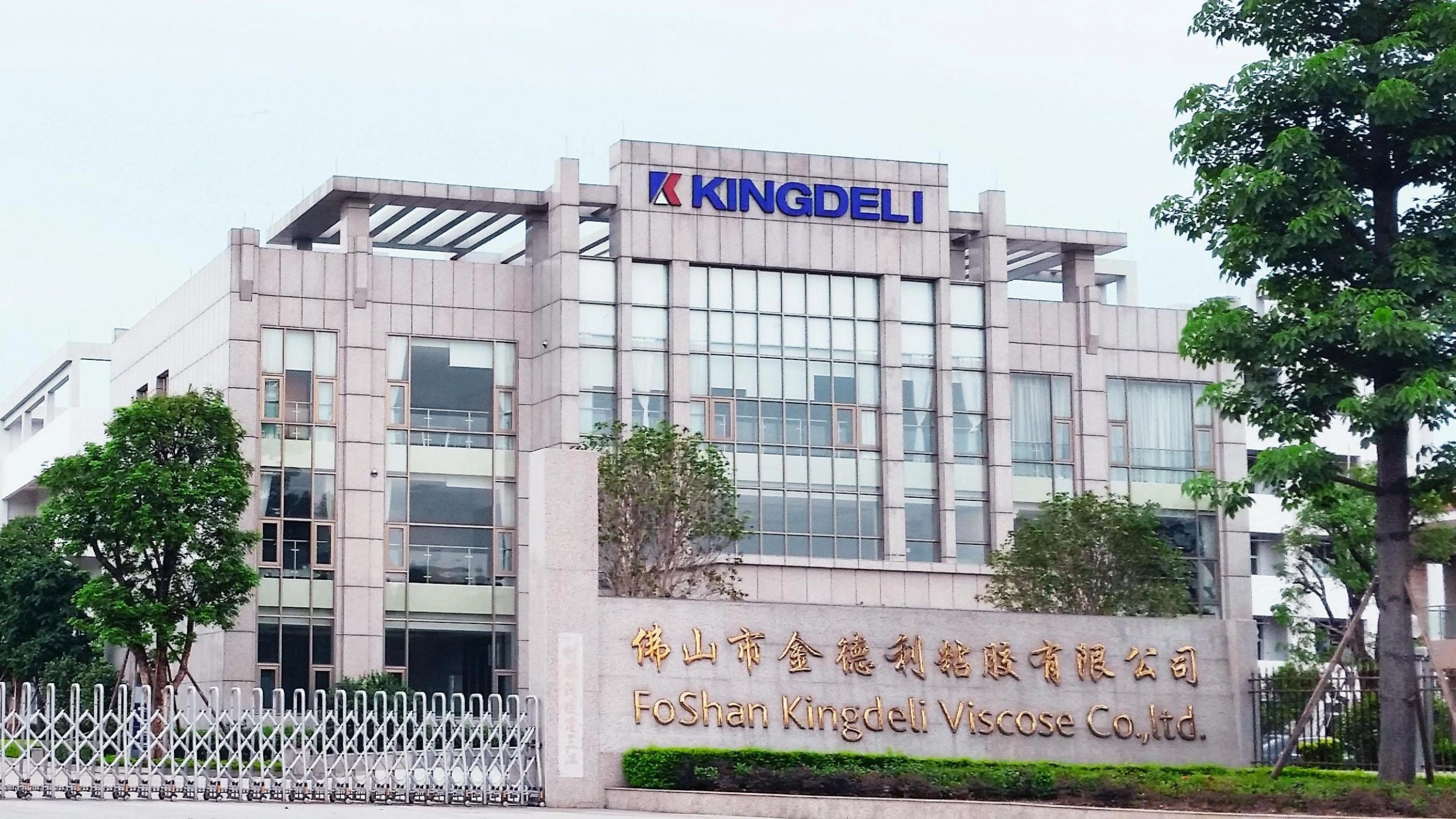
Since its establishment in 1998, KINGDELI has stood as a global leader in the high-performance sealant, adhesive, and coating industry. Headquartered in Foshan, China, our state-of-the-art 66,000 m² facility is powered by fully automated production lines with an annual capacity exceeding 100,000 tons, ensuring a consistent and robust supply for partners worldwide.
As a recognized National High-Tech Enterprise and a key contributor to the National Standard GB/T 29755-2013, we unite advanced manufacturing power with technical excellence. Our comprehensive product portfolio—spanning Neutral & Acetic Silicone, Polyurethane, MS Polymer, and No More Nails adhesives—is engineered to meet strict international standards, including ISO 9001, ISO 14001, CE, and ASTM.
With over 27 years of industry expertise and a trusted presence in 50+ countries, KINGDELI is more than a manufacturer; we are a dedicated solution provider. We offer end-to-end OEM/ODM support, sustainable low-VOC formulations, and professional technical service. At KINGDELI, we are driven by innovation and integrity, building trust and sealing the future for customers around the globe.
Our core product strengths include:
- Neutral silicone sealant and acetic silicone sealant for glazing and construction
- Acrylic sealant and silicone glazing sealant for architectural projects
- No More Nails adhesive and polyurethane sealant for heavy-duty bonding
- MS polymer sealant for paintable, multi-substrate applications
- RTV gasket makers, epoxy tile grout, and self-leveling sealants for specialty needs
When specifying between ms silicone sealant and RTV silicone in your supply chain, KINGDELI provides test reports, formulation customization, and global logistics to match the right chemistry to your application.
Frequently Asked Questions (FAQ)
1. What is the main difference between MS silicone sealant and RTV silicone?
The main difference lies in chemistry and cure mechanism: MS silicone sealant (MS polymer) is a silyl-modified, moisture-curing hybrid designed for broad adhesion and paintability with low odor; RTV silicone cures at room temperature and is typically PDMS-based, with some grades offering superior high-temperature performance but limited paintability.
2. Can MS silicone sealant be painted over?
Yes—many MS polymer sealants are formulated to be paintable. However, paint compatibility varies with paint chemistry; always validate with the paint manufacturer and run adhesion tests (e.g., ASTM D3359) on production mock-ups.
3. Are RTV silicones better for high-temperature applications?
Generally, yes. RTV silicones (especially high-temperature grades) often have wider service temperature ranges (some up to +200°C or higher). For extreme-temperature gasketing and oven seals, RTV silicones are a common choice.
4. Do acetoxy RTV silicones corrode metal?
Acetoxy RTVs release acetic acid during cure, which can corrode sensitive metals and may attack some substrates. For metal assemblies or where corrosion is a concern, choose neutral cure RTVs or MS polymers and confirm compatibility with materials testing.
5. How should I test adhesive performance before full-scale procurement?
Run adhesion tests on representative substrate samples under expected service conditions. Request technical data sheets and independent lab test certificates. Include environmental aging, thermal cycling, and chemical exposure tests if relevant. Require sample deliveries for production mock-ups.
6. What environmental and safety documentation should I request?
Always request SDS, VOC content statements, RoHS/REACH compliance statements if applicable, and any batch certificates. For enterprise projects, require quality management certifications (ISO 9001) and environmental management (ISO 14001).
If you would like technical assistance selecting between ms silicone sealant and RTV silicone for a specific project, or to request product datasheets, test reports, or OEM/ODM support, contact KINGDELI for consultation and samples. Visit our product pages or reach out to our technical team to discuss customized formulations, supply capacity, and compliance documentation.
Contact / Request a Quote: For consultation, technical service, or to view product specifications and availability, please contact KINGDELI sales and technical support. We provide global shipping, bulk supply, and tailored solutions for industrial sealing and adhesive needs.
References: ASTM International (https://www.astm.org/), ISO (https://www.iso.org/), Adhesive and Sealant Council (https://www.ascouncil.org/), Wikipedia: Silicone (https://en.wikipedia.org/wiki/Silicone).
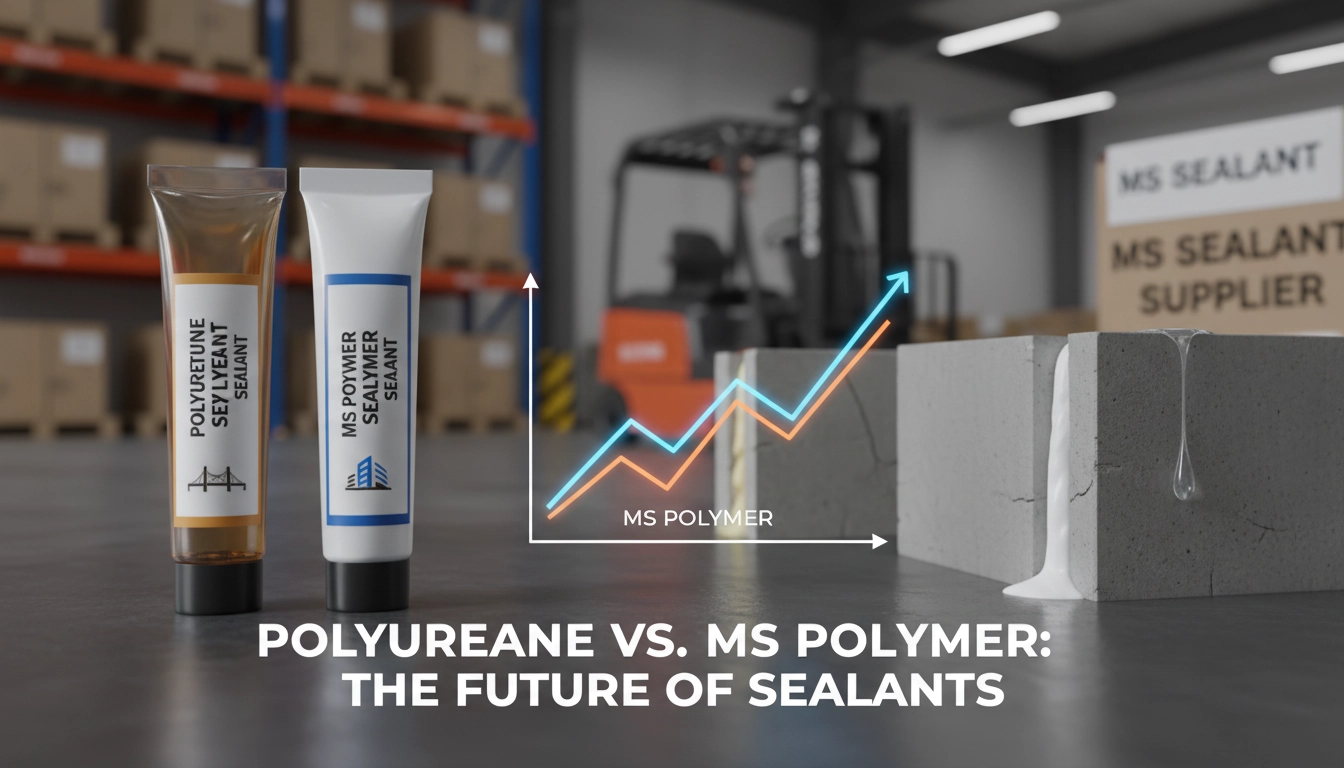
MS Polymers vs. Traditional Sealants: The Definitive Comparison for Durability and Cost-Efficiency (2026 Guide)
How to Choose Glass Glazing Silicone Sealant for Facades
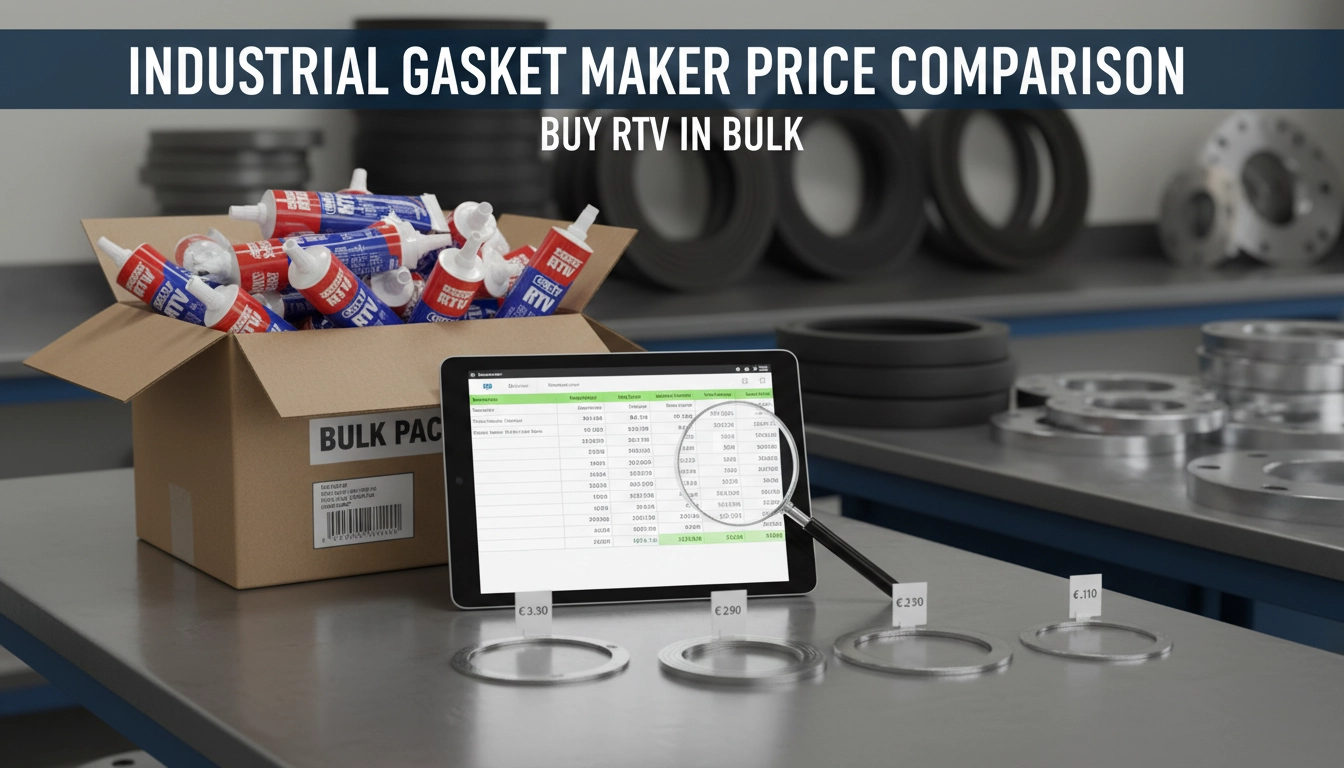
The Ultimate Guide to Buying RTV Gasket Maker Bulk: 7 Secrets to Saving 40% on Industrial Supplies (2026 Edition)
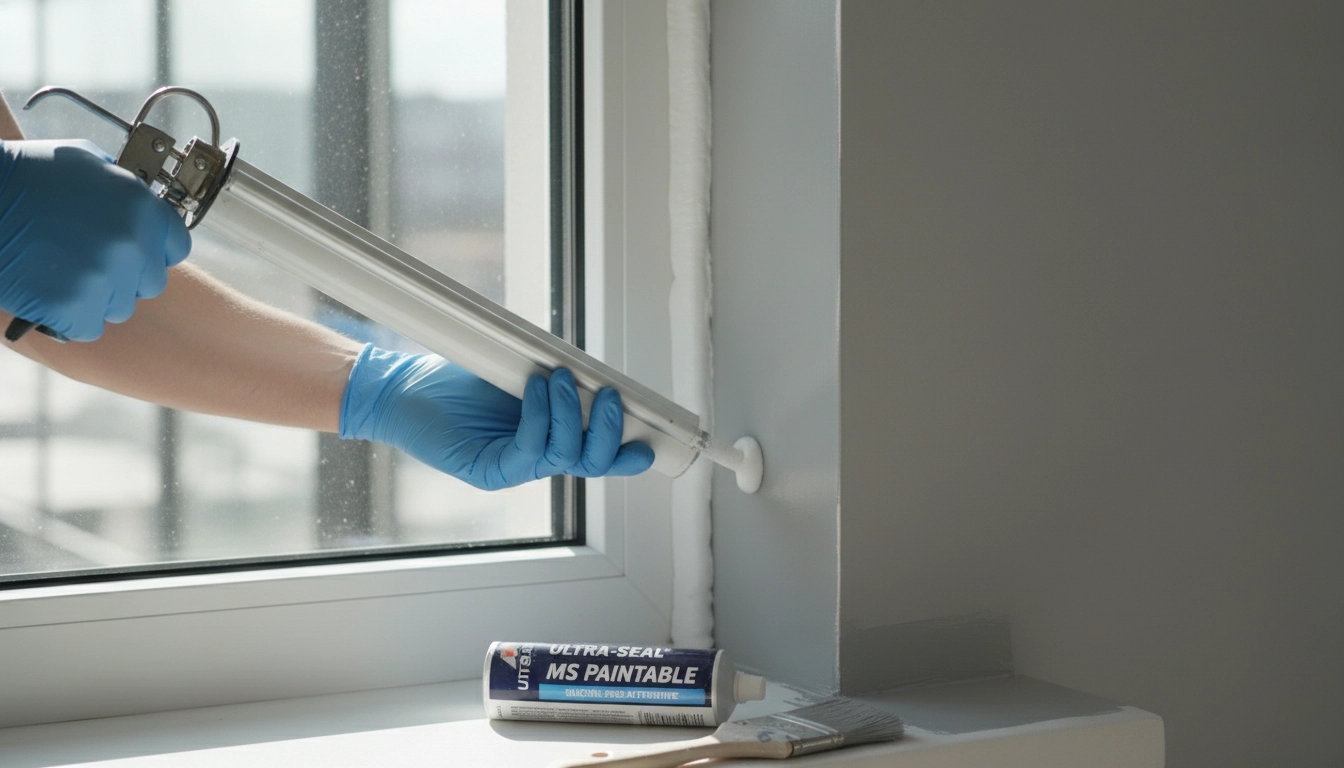
MS Sealant vs. Silicone: 5 Reasons Why Every Contractor is Switching to Paintable Hybrids in 2026
HY994
What is HY994 sealant?
HY994 is a one-component, neutral-cure, silane-modified polyether (MS polymer) sealant. It is paintable, solvent-free, low VOC, and provides excellent adhesion to a wide range of construction materials without a primer.
HY-722
Can it be used outdoors?
Yes. It has excellent weather resistance for both indoor & outdoor use.
HY-3300
What colors are available?
Standard colors include clear, black, grey, and white, and custom colors can be produced upon request.
HY992
What type of sealant is HY992?
HY992 is a one-component, moisture-curing modified polyurethane sealant designed for construction bonding and sealing. It cures by reacting with atmospheric moisture to form a durable and elastic rubber seal.
HY924
What is the shelf life?
Aluminum cartridge: 9 months
Aluminum foil sausage: 12 months
Store in a cool, dry place for best shelf performance.
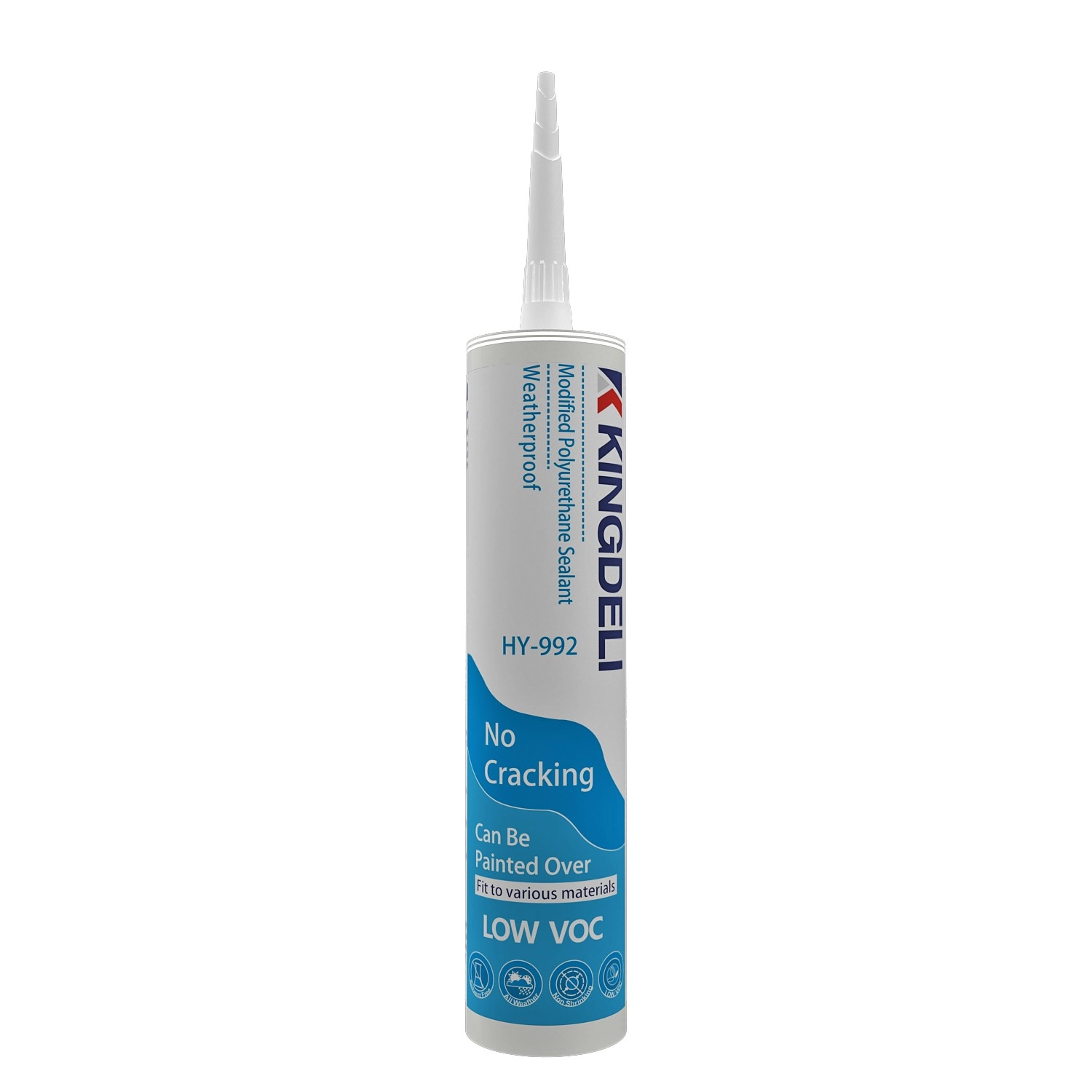
HY992 Modified Polyurethane Construction Sealant
HY992 Modified Polyurethane Sealant is a one-component, moisture-curing construction sealant designed for professional building and structural sealing applications. It provides excellent adhesion, weather resistance, and durable elasticity, making it suitable for a wide range of construction materials.
The formulation delivers strong bonding performance without corrosion or substrate contamination, while maintaining low VOC content for environmentally responsible construction projects.

HY995 Crystal Clear Ms Polymer Adhesive/Sealant
HY995 Crystal Clear Ms Polymer Adhesive/Sealant is a new generation MS Polymer adhesive / sealant formulated for all bonding and sealing applications where long term reliability is required. It has excellent bonding strength on various materials. It will cure to form a durable, flexible, waterproof seal.

HY997 High-Performance Anti-Microbial MS Polymer Sealant
HY997 MS polymer sealant for is is a premium one-component, neutral-curing modified silane sealant engineered for demanding interior applications. It offers a Class 20 movement capability, ensuring long-lasting flexibility and reliable performance under dynamic joint conditions. Curing at room temperature, HY997 delivers superior anti-microbial and mildew-resistant properties, maintaining hygienic and clean environments over time.
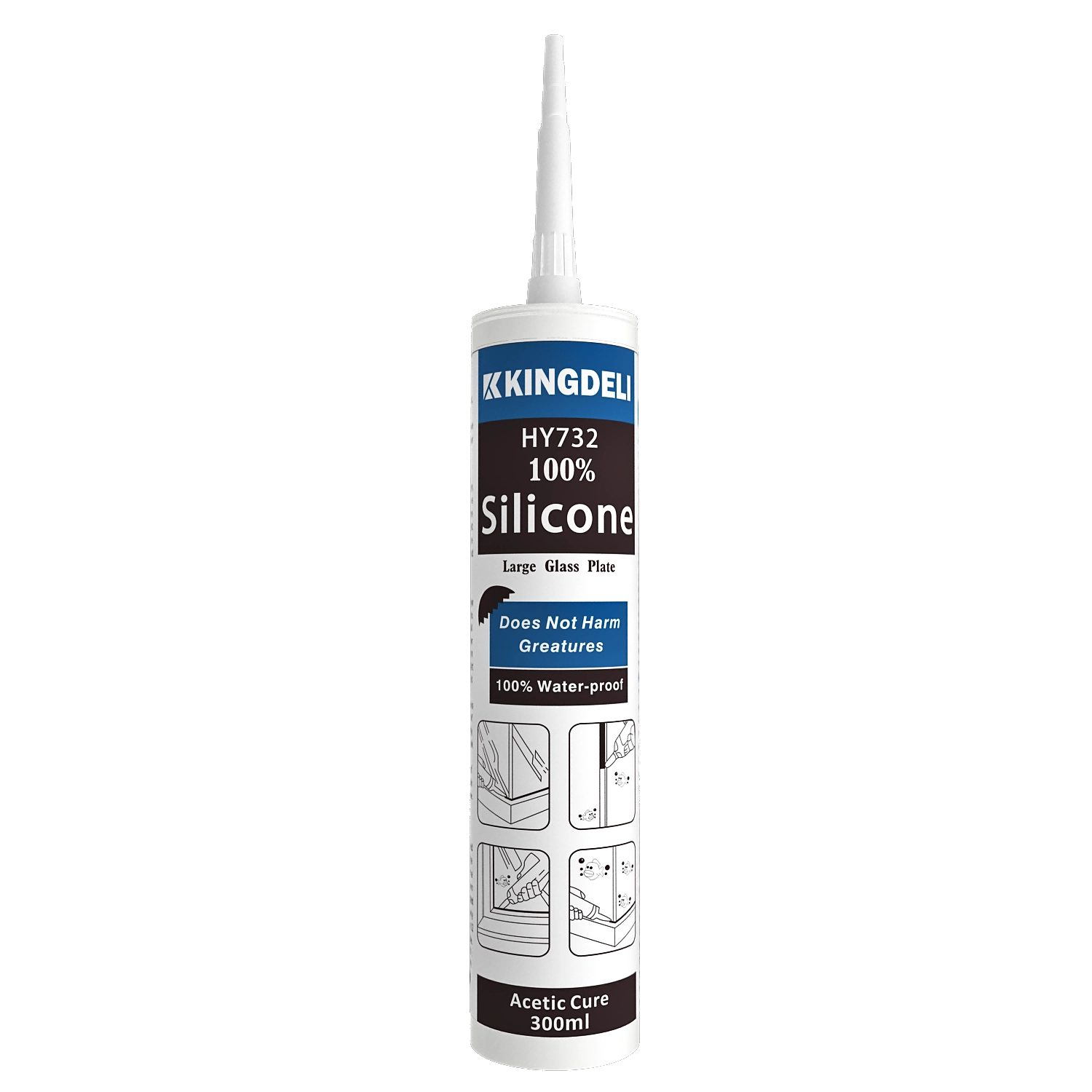
KINGDELI HY732 Professional Acetoxy Cure Silicone Sealant
KINGDELI HY732 is a professional-grade, one-component acetoxy cure silicone sealant designed for fast curing, strong adhesion, and long-lasting flexibility. Ideal for aquariums, glass applications, aluminum doors and windows, kitchens, and bathrooms, it provides reliable sealing performance with excellent anti-fungal protection in high-humidity environments.
Let’s Build Stronger Bonds with Quality Adhesives and Sealants
Have questions about the topic or need tailored sealant solutions for your project?
Our team is ready to provide expert guidance, product recommendations, and application support.
Innovating with Integrity, Bonding the World
Since 1998, KINGDELI has delivered trusted, sustainable sealant solutions that connect industries and inspire progress worldwide.
Whatsapp: +8618825946249
Kingdeli
Kingdeli
Kingdeli
Kingdeli
Kingdeli