











MS Silicone Sealant Cure Times and Workability on Projects

- Understanding Cure Mechanisms and Workability
- What 'cure' means for MS silicone sealant
- Skin time vs full cure vs depth of cure
- Typical Cure Times: Factors and Practical Expectations
- Environmental influences: temperature and humidity
- Joint size, substrate and primer effects
- Representative cure times (practical table)
- Workability Window, Tooling and On-site Best Practices
- Tooling time and modifying workability
- Painting, overcoating and compatibility with finishes
- On-site checklist for predictable workability
- Troubleshooting and Selecting the Right MS Silicone Sealant for Your Project
- Common problems and fixes
- Specification checklist and choosing product
- Comparing MS polymer vs neutral silicone vs polyurethane
- KINGDELI: Solutions, Capacity and Why It Matters for Project Reliability
- FAQ
- 1. How long before an MS silicone sealant can be exposed to rain?
- 2. Can I paint over MS silicone sealant?
- 3. Why is the center of my joint still soft after weeks?
- 4. Is primer always required with MS sealants?
- 5. How do temperature and humidity affect cure speed numerically?
- 6. What quality checks should I perform on-site?
I write from many years on-site and laboratory experience with sealants and adhesives. In this article I lay out how MS silicone sealant (MS polymer sealant) cures and behaves during application, the realistic cure times to expect, how environmental and joint variables change workability, plus proven best practices and troubleshooting. My aim is to give actionable guidance you can verify against datasheets and standards so you plan and execute projects with predictable results.
Understanding Cure Mechanisms and Workability
What 'cure' means for MS silicone sealant
MS silicone sealant (often marketed as MS polymer or silyl-terminated polymer sealant) is a moisture-curing technology. When exposed to atmospheric moisture it crosslinks and converts from a soft paste to an elastomeric polymer. ‘Cure’ has several practical meanings on site: skin formation (surface tack disappears), handling strength (can accept stress), and full mechanical cure (reaches published elastic modulus and adhesion ratings). I always compare those three stages when planning installations.
Skin time vs full cure vs depth of cure
Skin time (sometimes called tack-free time) is the first visible milestone. For MS systems it typically ranges from 10 minutes to several hours depending on humidity and temperature. Full cure is depth-dependent; manufacturers typically report a linear cure rate (mm/day) through the sealant depth. That rate is critical for deep joints — a 20 mm depth will cure to the center much slower than a 5 mm joint. In specs such as ISO 11600 and guidance from industry bodies like FEICA, designers must account for these stages when defining movement capability and opening service windows.
Typical Cure Times: Factors and Practical Expectations
Environmental influences: temperature and humidity
MS polymer cure is moisture-driven so relative humidity is a first-order variable. Higher humidity accelerates cure; low humidity slows it. Temperature also affects molecular mobility and moisture availability — cure rates fall at low temperatures. In temperate, moderate-humidity sites (20°C/50% RH) many MS sealants show skin times of 20–60 minutes and a depth cure of 2–4 mm per 24 hours. In dry or cold environments, skin time can exceed 24 hours and depth cure drops below 1 mm/day.
Joint size, substrate and primer effects
Joint geometry matters: wider and deeper joints have greater volume-to-surface ratios and thus slower center cure. Porous substrates can absorb moisture and modify cure locally. Primers improve adhesion and sometimes speed curing near the interface by promoting wetting; however primers do not replace the need to design for depth cure rates. When working on low-permeability substrates (glass, aluminum) you may see slightly faster surface cure but center cure remains governed by ambient moisture diffusion.
Representative cure times (practical table)
The following table summarizes typical ranges I encounter across MS polymer products. These are industry-typical ranges; always check manufacturer datasheets for exact figures.
| Condition / Joint | Skin time (typical) | Depth cure rate (mm/24h) | Notes |
|---|---|---|---|
| 20°C, 50% RH, 6 mm joint | 20–60 min | 2–4 mm/day | Common baseline for many MS polymers |
| 10°C, 40% RH, 10 mm joint | 1–24 h | 0.5—1.5 mm/day | Cold/dry: significantly slower |
| 30°C, 80% RH, 5 mm joint | 10–30 min | 4–6 mm/day | Warm/wet: accelerated cure |
Sources: typical ranges compiled from industry technical guidance and manufacturer's datasheets; see FEICA guidance and ISO standards for contextual information: FEICA, ISO 11600, and general material descriptions on Wikipedia.
Workability Window, Tooling and On-site Best Practices
Tooling time and modifying workability
Workability is the period during which the sealant can be shaped and tooled to the desired profile while still achieving intimate substrate contact. For MS silicone sealant the tooling time generally coincides with or is slightly shorter than skin time. I routinely use a wet tooling method (soapy water or manufacturer-recommended tooling agents) and plan tooling within the first 10–60 minutes on typical products. Where longer tooling is required, I specify low-skin or retarded-cure formulations and control ambient humidity.
Painting, overcoating and compatibility with finishes
Not all MS polymers accept paints equally. Many offer paintability after initial cure, but you must confirm compatibility and paint manufacturer recommendations. Some paints require full cure to avoid adhesion issues or aesthetic defects. If the paint supplier requires a specific cure window, coordinate with the sealant supplier and document inspection points in the schedule.
On-site checklist for predictable workability
- Verify ambient temperature and humidity at start; log values.
- Confirm joint dimension and planned bead profile (minimum/maximum depth).
- Confirm substrate preparation (cleaning, primer if needed) per datasheet.
- Plan tooling within manufacturer-specified tooling time; use wet tooling where permissible.
- Allow for additional cure time before subjecting joints to movement or loads.
Troubleshooting and Selecting the Right MS Silicone Sealant for Your Project
Common problems and fixes
I see recurring issues: surface remains tacky long after application, poor adhesion, or internal soft centre after weeks. Typical remedies:
- Tacky surface: check humidity and temperature; if conditions were too dry, use humidification or wait longer for full cure.
- Poor adhesion: revisit surface cleaning and primer use; run adhesion tests (knife or peel tests) before full installation.
- Soft center on deep joints: redesign joint profile (reduce depth or use backer rod to reduce depth), or choose a faster-curing product.
Specification checklist and choosing product
When specifying an MS silicone sealant include:
- Required movement capability (e.g., ±25% per ISO 11600).
- Operating temperature range and UV exposure expectations.
- Service exposure: water immersion, swimming pool chemicals, marine environment, etc.
- Paintability or color stability if aesthetic requirements exist.
- Environmental requirements (Low-VOC, compliance to local standards such as ISO 9001/14001 where relevant).
Comparing MS polymer vs neutral silicone vs polyurethane
Below I summarize practical differences that inform product selection.
| Property | MS Polymer (MS Silicone) | Neutral Silicone | Polyurethane |
|---|---|---|---|
| Cure mechanism | Moisture-curing silyl-terminated polymer | Moisture-curing organosilane (neutral) | Moisture-curing isocyanate/hydroxyl chemistry |
| Adhesion to substrates | Excellent to many materials, often primerless | Excellent to glass and metals | Very good, often requires primer on some substrates |
| Paintability | Often paintable once cured | Usually not paintable (silicone paints not common) | Paintable after proper cure |
| UV/weathering | Good | Excellent | Good to very good with additives |
Data sources for comparison are general industry technical notes and product guidance; for standardized movement capability refer to ISO 11600 and manufacturer datasheets.
KINGDELI: Solutions, Capacity and Why It Matters for Project Reliability
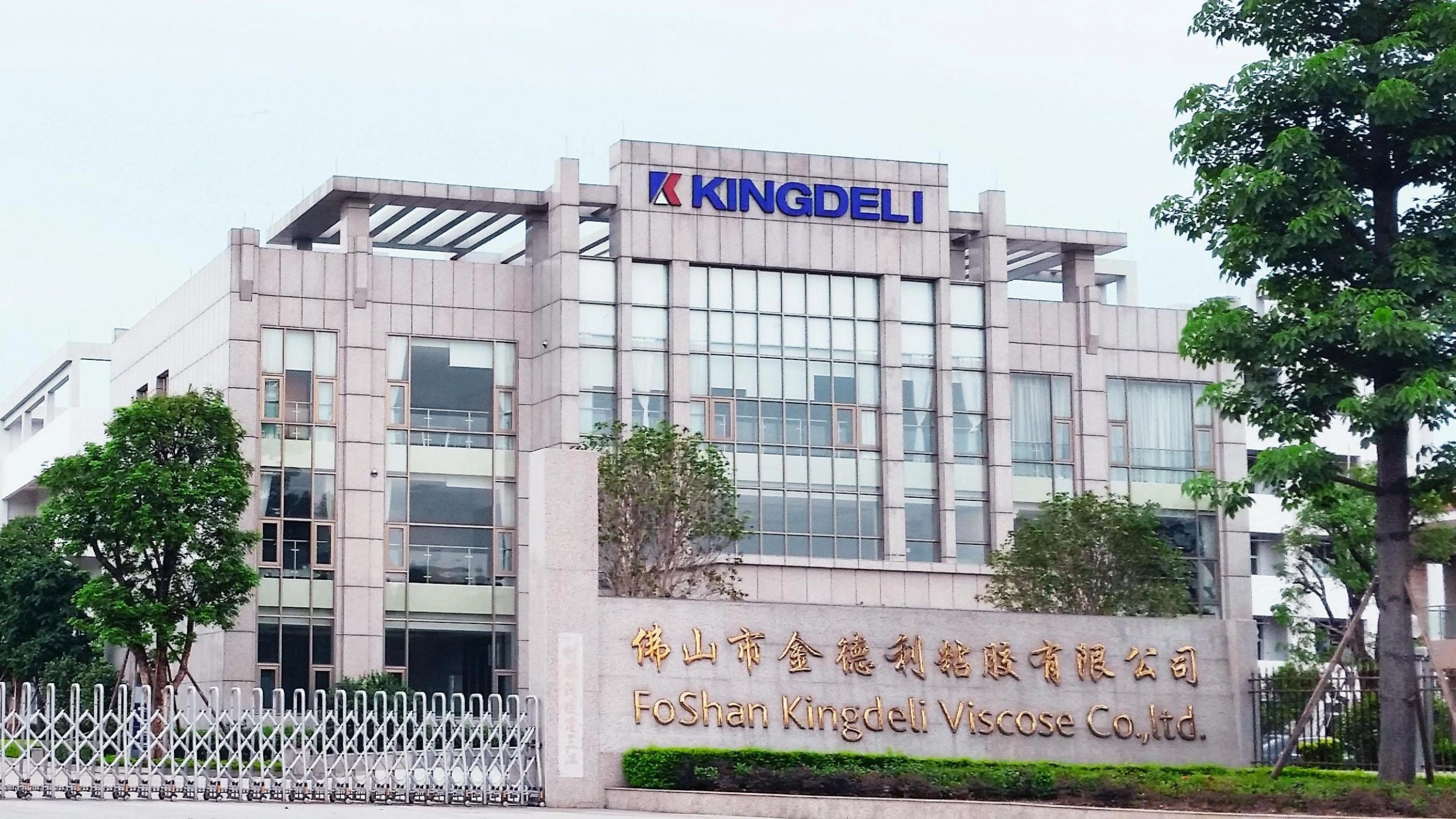
Since its establishment in 1998, KINGDELI has stood as a global leader in the high-performance sealant, adhesive, and coating industry. Headquartered in Foshan, China, our state-of-the-art 66,000 m² facility is powered by fully automated production lines with an annual capacity exceeding 100,000 tons, ensuring a consistent and robust supply for partners worldwide.
As a recognized National High-Tech Enterprise and a key contributor to the National Standard GB/T 29755-2013, we unite advanced manufacturing power with technical excellence. Our comprehensive product portfolio—spanning Neutral & Acetic Silicone, Polyurethane, MS Polymer, and No More Nails adhesives—is engineered to meet strict international standards, including ISO 9001, ISO 14001, CE, and ASTM.
With over 27 years of industry expertise and a trusted presence in 50+ countries, KINGDELI is more than a manufacturer; we are a dedicated solution provider. We offer end-to-end OEM/ODM support, sustainable low-VOC formulations, and professional technical service. At KINGDELI, we are driven by innovation and integrity, building trust and sealing the future for customers around the globe.
KINGDELI's core products relevant to this topic include neutral silicone sealant, acetic silicone sealant, Acrylic Sealant, silicone glazing sealant, No More Nails adhesive, Polyurethane Sealant, MS polymer Sealant, RTV Gasket Maker, Epoxy Tile Grout, and Self-Leveling Sealant. For projects requiring consistent supply, technical backup, and formulation flexibility (e.g., low-VOC or color stability), KINGDELI's manufacturing scale and R&D support reduce schedule risk and performance variability.
FAQ
1. How long before an MS silicone sealant can be exposed to rain?
It depends on skin time and expected rain intensity. If skin time is 30 minutes under your site's conditions, light drizzle after that may not harm the surface, but full resistance to water pressure requires deeper cure. When project-critical, protect newly sealed joints for 24–72 hours or follow the product datasheet recommendation.
2. Can I paint over MS silicone sealant?
Many MS polymer sealants are paintable after sufficient cure, but paint compatibility varies. Confirm with both the sealant and paint technical datasheets and always test a mock-up before full application.
3. Why is the center of my joint still soft after weeks?
Most likely the joint is too deep for the ambient moisture to reach the center quickly. Remedies include reducing joint depth with a backer rod, increasing humidity on site, or using a faster-curing formulation.
4. Is primer always required with MS sealants?
No. One advantage of many MS polymers is strong primerless adhesion to a wide range of substrates, but porous, contaminated, or difficult substrates may still need primers. Always follow the manufacturer's adhesion recommendations and run sample tests when in doubt.
5. How do temperature and humidity affect cure speed numerically?
As a rule of thumb: for moisture-curing MS polymers, increasing RH from 30% to 80% and temperature from 10°C to 30°C can change depth cure rates from below 1 mm/day to several mm/day. Use manufacturer cure-rate charts for precise planning.
6. What quality checks should I perform on-site?
Log ambient conditions, confirm bead geometry and primer use, perform tack-free checks at manufacturer-recommended intervals, and run adhesion or peel tests on mock-ups where possible.
If you need product recommendations, technical datasheets, or a project-specific cure/workability plan, contact us for consultation or request KINGDELI product samples and OEM/ODM support. For commercial inquiries and technical support, please contact KINGDELI's technical team to discuss neutral silicone sealant, acetic silicone sealant, Acrylic Sealant, silicone glazing sealant, No More Nails adhesive, Polyurethane Sealant, MS polymer Sealant, RTV Gasket Maker, Epoxy Tile Grout, and Self-Leveling Sealant. We provide formulation options, low-VOC versions, and on-site troubleshooting assistance to ensure predictable cure and long-term performance.
Benefits of MS Silicone Sealant for Commercial Construction
Top neutral cure silicone sealant Manufacturers and Suppliers
MS Silicone Sealant vs RTV Silicone: A B2B Comparison
Surface Preparation for Optimal MS Silicone Sealant Adhesion
HY-3300
What packaging options are available?
HY-3300 is available in 280ml/300ml cartridges and 500ml/600ml aluminum foil packages. We also offer custom cartridge labels and box designs to support your brand image.
HY994
Can I use HY994 to seal between window frames and glass?
No. HY994 should not be used for the glazing gap between the window frame and glass during door/window fabrication.
HY-2300
What is HY-2300 mainly used for?
HY-2300 is designed for outdoor glazing and weatherproof sealing, especially suitable for curtain wall joints, window & door frames, ACP panel seams, and general building decoration sealing.
HY-682
Can it be used indoors and outdoors?
Yes. The product is suitable for both interior and exterior applications, including structural joints, floors, roofs, basements, and other exposed environments.
HY982
What substrates should not be used with HY982?
HY982 should not be used on substrates that release oils, plasticizers, or solvents (such as oiled wood), on powdery wall surfaces, or for structural bonding applications.
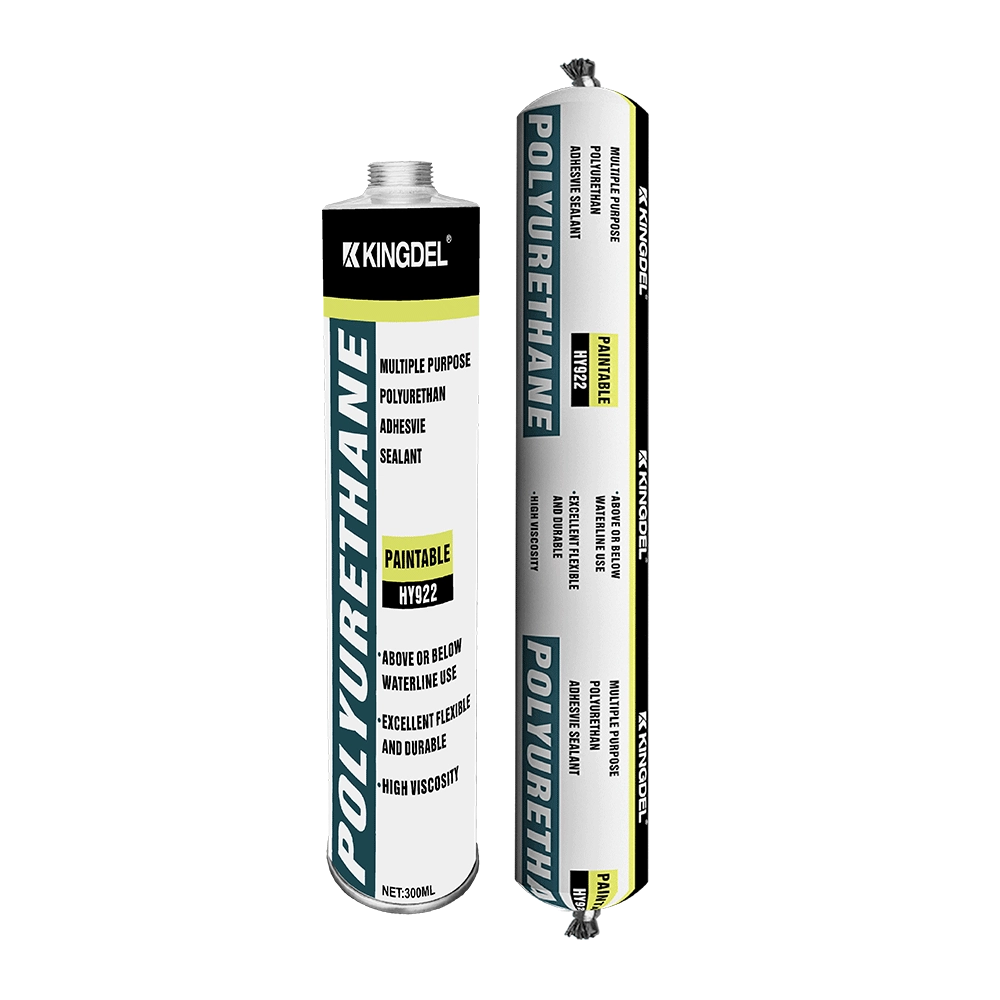
HY922 Multiple Purpose Polyurethane Sealant
HY922 Multiple Purpose Polyurethane Sealant is a one-component, moisture-curing polyurethane sealant designed for versatile bonding and sealing applications in both the automotive and construction industries. It cures to form a flexible yet tough elastomeric joint with excellent adhesion to a wide range of substrates. The formulation is non-corrosive, solvent-free, and produces a smooth, bubble-free finish during application.
HY922 delivers fast surface drying and quick positioning, improving installation efficiency while maintaining long-term durability. With strong weather resistance and good creep resistance, it performs reliably in demanding indoor and outdoor environments, including moist and partially submerged conditions.
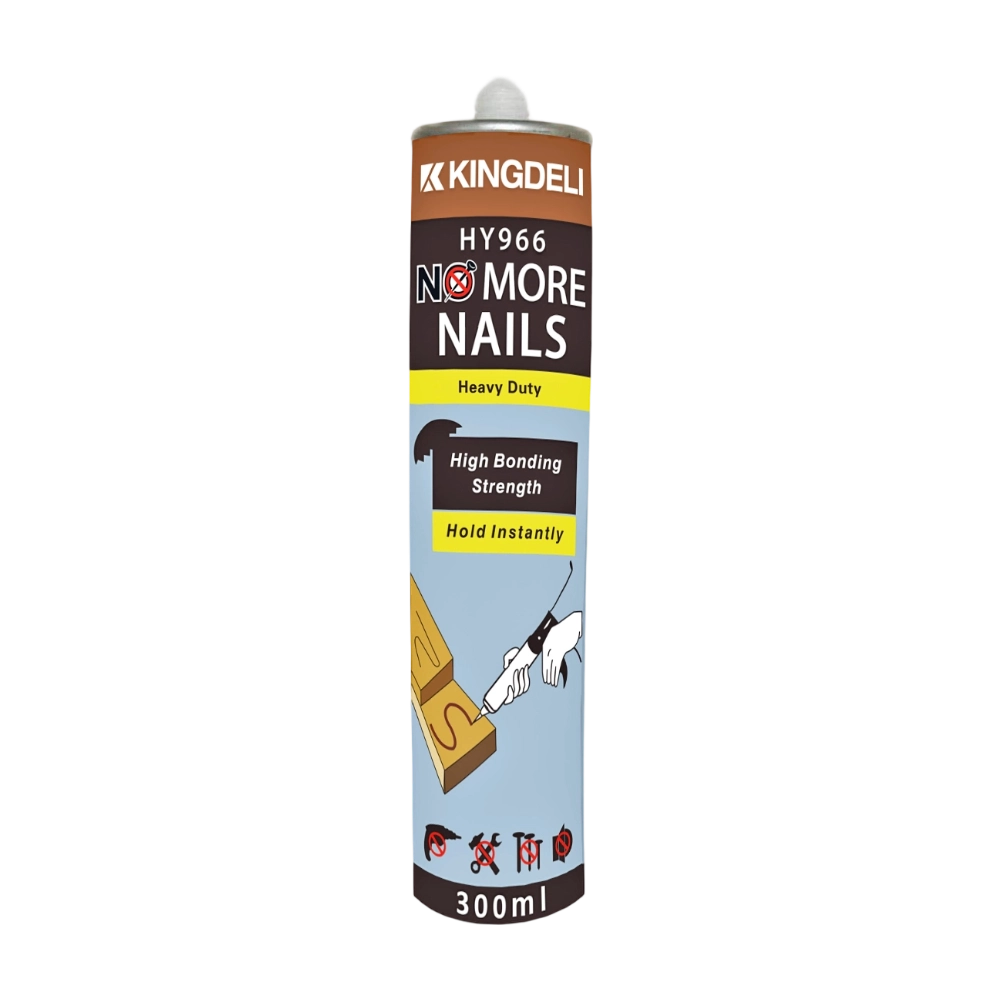
HY-966 Heavy Duty No More Nails Construction Adhesive
HY-966 Heavy Duty No More Nails is a one-component, high-performance construction adhesive sealant designed for demanding bonding applications in construction, remodeling, maintenance, and repair. Its instant grab formulation secures materials immediately, significantly reducing the need for bracing or mechanical fixing during installation.
HY-966 cures reliably in moist environments and delivers durable adhesion across a wide range of substrates. It provides excellent resistance to water, temperature variation, and aging, ensuring long-term performance in interior construction applications.
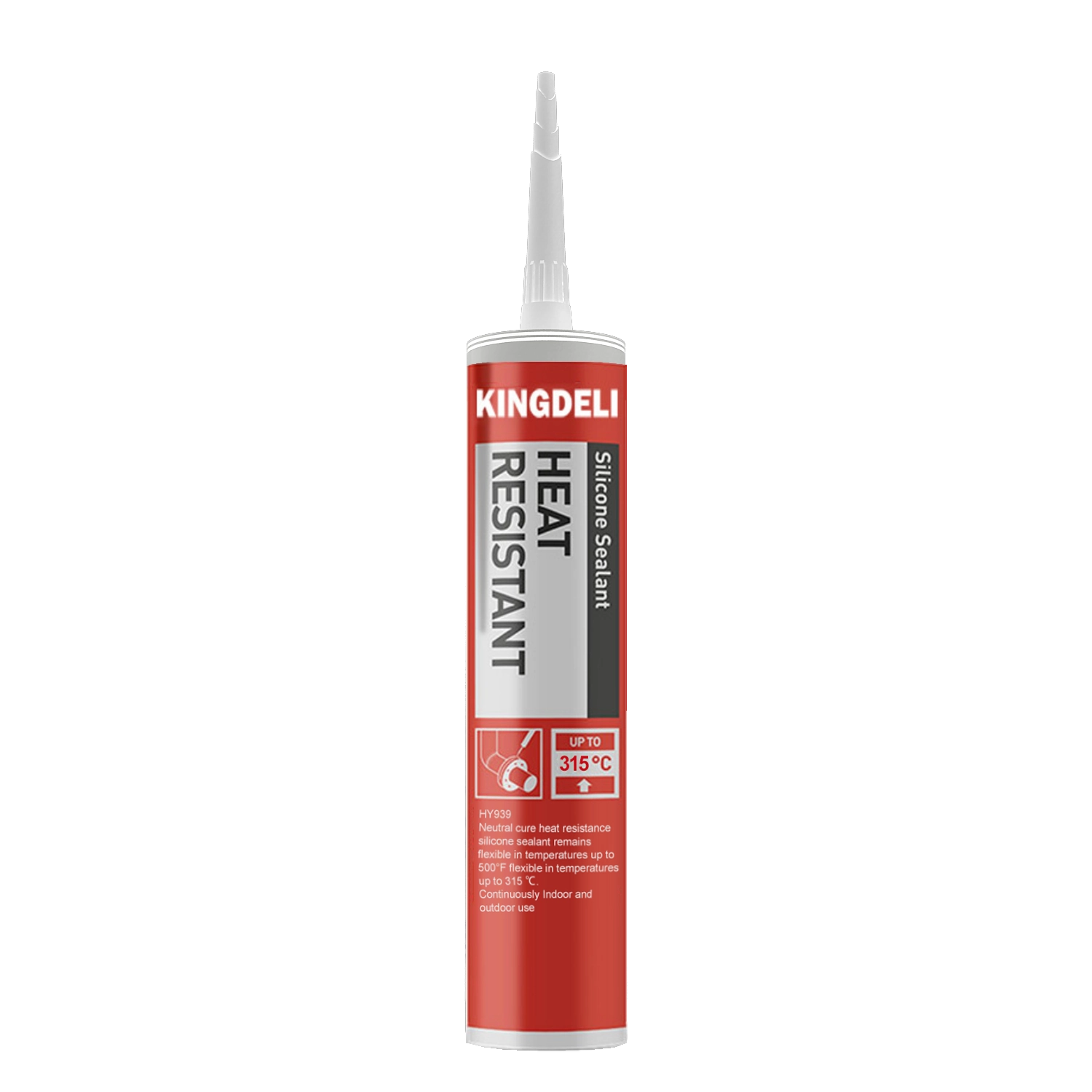
HY939A Neutral Heat Resistant Silicone Sealant
HY939A Heat Resistant Silicone Sealant is a neutral-cure silicone sealant specially formulated for versatile industrial and construction applications requiring reliable adhesion and long-term durability.
The sealant provides strong, non-corrosive adhesion to a variety of substrates, including glass, metal, gypsum board, marble, and certain plastics, making it ideal for both structural and sealing purposes.
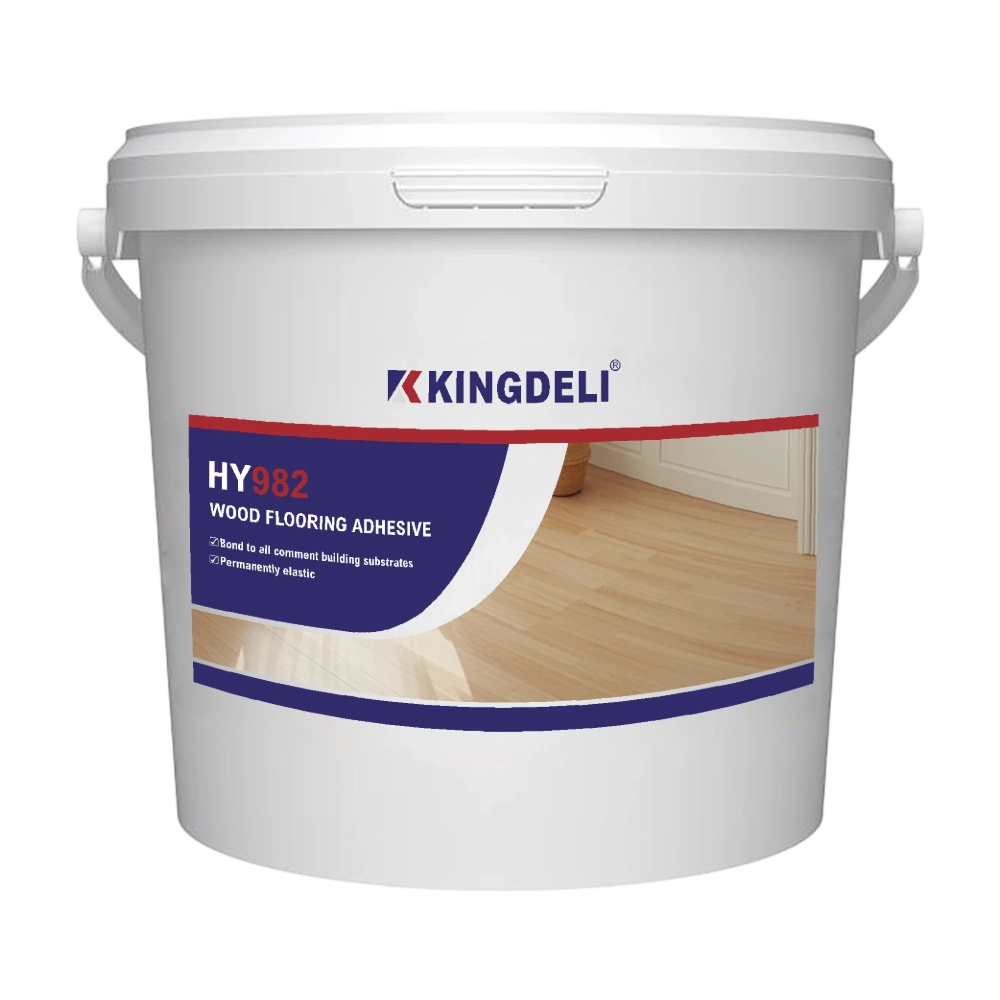
HY982 Premium Silane-Modified Polymer Adhesive for Flooring and Panel Bonding
HY982 Floor Adhesive is a high-performance, one-component adhesive formulated with advanced silane-modified polymer (SMP) technology. It is paintable, non-staining, and environmentally friendly, offering exceptional bonding strength without the need for a primer.
Designed for modern interior installations, HY982 Floor Adhesive provides excellent adhesion to wood, metal, stone, sintered slabs, glass, ceramics, and many other common building materials—making it the ideal choice for flooring installation and panel bonding applications crystal clear formulation.
Let’s Build Stronger Bonds with Quality Adhesives and Sealants
Have questions about the topic or need tailored sealant solutions for your project?
Our team is ready to provide expert guidance, product recommendations, and application support.
Innovating with Integrity, Bonding the World
Since 1998, KINGDELI has delivered trusted, sustainable sealant solutions that connect industries and inspire progress worldwide.
Whatsapp: +8618825946249
Kingdeli
Kingdeli
Kingdeli
Kingdeli
Kingdeli