











Surface Preparation for Optimal MS Silicone Sealant Adhesion

- Why Proper Surface Preparation Matters
- The adhesion science in brief
- Real-world failure modes I regularly see
- Standards and guidance that shape best practice
- Step-by-step Surface Preparation Workflow
- 1. Inspection and risk assessment
- 2. Remove old sealant and loose material
- 3. Cleaning: solvents, detergents and rinsing
- Common cleaning methods compared
- Substrate-specific Preparation and Primer Guidance
- Glass and glazed surfaces
- Aluminum and anodized aluminum
- Powder-coated paint and painted metal
- Plastics and low-surface-energy materials (PVC, PP, PE)
- Concrete and masonry
- Substrate vs. recommended preparation (quick reference)
- Primers, Environmental Controls and Cure Considerations
- Choosing the right primer
- Temperature, humidity and cure
- Testing and verification before handover
- Troubleshooting Common Problems and Practical Tips
- Adhesive failure after a few months
- Sealant sagging or slump
- Discoloration or staining
- KINGDELI: Supplier Capabilities and Why It Matters
- Common Questions (FAQ)
- 1. Do MS silicone sealants always require a primer?
- 2. How do I test adhesion on a new substrate?
- 3. Can I use acetone to clean everything?
- 4. What joint design ensures best performance for ms silicone sealant?
- 5. How long before the sealant fully cures?
- 6. What are quick steps to fix a failed adhesive joint?
I write from more than two decades advising manufacturers and contractors in the sealant and adhesives field. In this article I explain how targeted surface preparation improves the performance of ms silicone sealant (MS polymer sealant) and reduces joint failure. I describe inspection, cleaning, mechanical preparation, primer selection, and final verification steps — all grounded in standards and practical experience so you can apply them on common substrates such as glass, aluminum, painted metal, PVC, wood and concrete.
Why Proper Surface Preparation Matters
The adhesion science in brief
Adhesion of ms silicone sealant depends on intimate molecular contact between the cured polymer and the substrate surface. Surface energy, contaminants, and micro-roughness determine wetting and mechanical interlock. Low-surface-energy plastics or contamination (oil, release agents, dust) reduce bond strength and accelerate adhesive failure. For background reading on surface energy concepts see Surface energy (Wikipedia).
Real-world failure modes I regularly see
In my consultancy work I commonly encounter: cohesive failure inside the sealant (usually due to incorrect product selection or overthinning), adhesive failure at the interface (often contamination or no primer), and early weathering (UV or incompatible substrate). Identifying the failure mode early guides corrective surface preparation and material choices.
Standards and guidance that shape best practice
Industry standards such as ISO 11600 and ASTM C920 define classification and performance expectations for elastomeric sealants; these standards inform test methods and acceptance criteria. For ISO information see ISO 11600 (ISO). Manufacturers’ technical data sheets and national standards (e.g., GB/T series in China) should be consulted for product-specific instructions.
Step-by-step Surface Preparation Workflow
1. Inspection and risk assessment
I begin every job with a careful inspection: identify substrate type, previous coatings, presence of old sealant, signs of corrosion, moisture, or contamination. An assessment checklist reduces surprises and informs cleaning method, primer choice and joint design.
2. Remove old sealant and loose material
Old sealant must be removed to sound substrate. For small joints I use hand tools and a sharp scraper; for larger or delicate areas I use oscillating tools with careful control to avoid substrate damage. If the old sealant is cured but adherent, heat guns can soften it for removal; avoid excessive heat on painted or plastic surfaces.
3. Cleaning: solvents, detergents and rinsing
After dry removal I clean the surface. Typical sequence I use: detergent wash (if oily or soiled) → rinse with clean water → solvent wipe (e.g., isopropyl alcohol or acetone depending on compatibility) → final dry. Solvents remove oils and release agents; detergents remove particulate and ionic contaminants. Always confirm solvent compatibility with the substrate and any coatings.
Common cleaning methods compared
| Method | Effectiveness | Typical Use | Pros/Cons |
|---|---|---|---|
| Detergent wash + rinse | High for dirt, salts | Concrete, wood, painted surfaces | Good removal of particulates; requires drying time |
| Solvent wipe (IPA, acetone) | High for oils, greases | Metals, glass, some plastics | Fast evaporation; solvent compatibility check needed |
| Mechanical abrasion | Very high for poor-adhesion surfaces | Powder-coated metal, concrete | Creates profile; risk of surface damage if overdone |
| Plasma/Corona treatment | Very high for low-energy plastics | Specialty plastics (e.g., PP, PE) | Requires specialist equipment; for production settings |
Sources: manufacturer technical guidance and typical industry practice consolidated from standards and adhesion literature.
Substrate-specific Preparation and Primer Guidance
Glass and glazed surfaces
Glass is high-energy and bonds well when clean. I recommend: remove all old sealant and silicone residues, clean with IPA or a neutral glass cleaner, and avoid using ammonia-based cleaners that can leave residues. Typically primers are not required on clean glass unless specified by the ms silicone sealant manufacturer.
Aluminum and anodized aluminum
Aluminum often carries oils from machining and protective films from finishing. My process: degrease with solvent, lightly abrade (non-ferrous abrasive pad) to remove oxides and create micro-roughness, then apply an appropriate primer for metals if indicated by the sealant data sheet. For anodized surfaces use non-abrasive cleaning to avoid damaging the anodic layer; manufacturers sometimes recommend silane- or organofunctional primers.
Powder-coated paint and painted metal
Powder coats and paints vary in formulation and surface energy. I always test adhesion first. Where adhesion is marginal, lightly abrade and use a primer compatible with both the paint and ms silicone sealant. Avoid aggressive solvents that can dissolve or soften paint.
Plastics and low-surface-energy materials (PVC, PP, PE)
Low-surface-energy plastics require special treatment. For PVC and ABS, solvent wiping and light abrasion often suffice. For polyolefins (PP, PE) I recommend surface activation (corona/plasma) or a dedicated adhesion promoter/primer. Test each combination before production use.
Concrete and masonry
Concrete is porous and often dusty. Remove laitance, then grind or sand to sound concrete, vacuum clean, and use a primer designed for porous substrates to reduce sealant draw-out and ensure proper adhesion. Moisture content must be checked — high moisture inhibits adhesion and cure for many chemistries.
Substrate vs. recommended preparation (quick reference)
| Substrate | Cleaning | Abrasion | Primer |
|---|---|---|---|
| Glass | Solvent wipe (IPA) | No | Usually no |
| Aluminum | Degrease + solvent | Light | Often yes (metal primer) |
| Powder-coated metal | Solvent wipe | Light | Conditional |
| PVC/ABS | Detergent + solvent | Light | Sometimes |
| PP/PE | Solvent wipe | No | Yes (activation/primer) |
| Concrete | Wash/grind + vacuum | Yes | Yes (porous primer) |
Primers, Environmental Controls and Cure Considerations
Choosing the right primer
Primers increase surface energy, improve chemical compatibility, and can bridge micro-porosity. Common primer chemistries include silane-based primers for glass/ceramics and organofunctional primers for metals and some plastics. Always follow manufacturer instructions for primer flash-off times and handling. Overuse or incorrect primer selection can worsen adhesion — testing is essential.
Temperature, humidity and cure
MS silicone sealants (MS polymer sealants) typically cure by moisture reaction; cure rate depends on humidity and temperature. I plan work around recommended application conditions — most products require 5–40°C and humidity above a minimal threshold to cure reliably. Elevated humidity speeds skin formation but excessive moisture can trap bubbles. Consult product technical datasheets for specific cure profiles.
Testing and verification before handover
Before project completion I perform adhesion checks: a simple tape pull test for qualitative evaluation and, where critical, laboratory peel/shear tests per relevant standards. These tests verify that preparation and primer selection deliver the required performance. Document all steps and test results for quality control and traceability.
Troubleshooting Common Problems and Practical Tips
Adhesive failure after a few months
Most often caused by improper cleaning or incompatible primer. Re-inspect for residual silicone release agents, oils or salts. For repairs, remove failed sealant, re-prepare per the original substrate guidance, and use a tested primer.
Sealant sagging or slump
Sagging indicates joint geometry or product viscosity mismatch. Use backer rod of appropriate diameter, ensure correct joint design (width:depth ratio), and select a higher-modulus or thixotropic ms silicone sealant if vertical joints are problematic.
Discoloration or staining
Discoloration can come from contaminant migration (oils, plasticizers) or incompatible substrates. Use stain-blocking primers for porous substrates and pre-test color stability under expected environmental conditions.
KINGDELI: Supplier Capabilities and Why It Matters
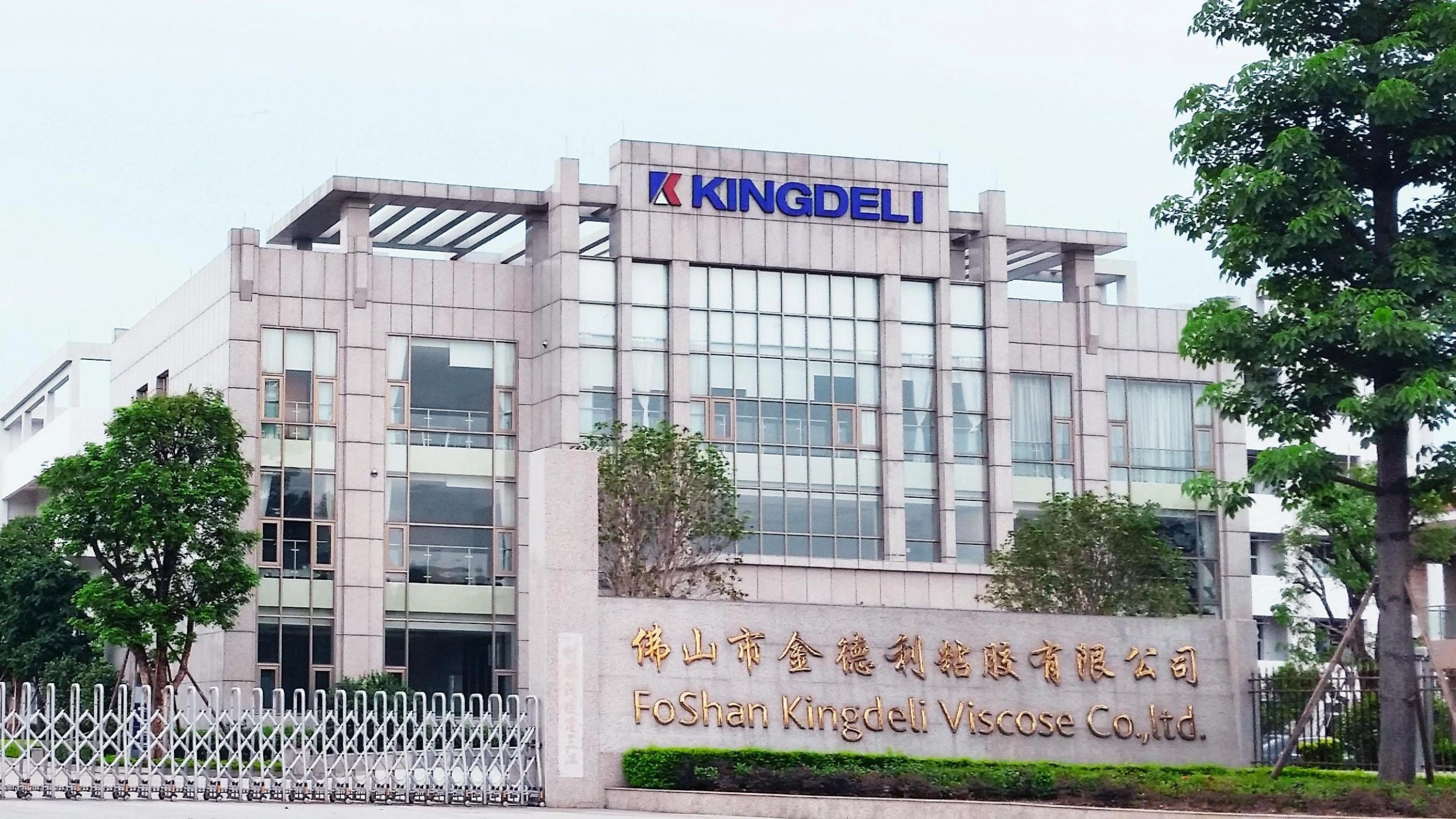
Since its establishment in 1998, KINGDELI has stood as a global leader in the high-performance sealant, adhesive, and coating industry. Headquartered in Foshan, China, our state-of-the-art 66,000 m² facility is powered by fully automated production lines with an annual capacity exceeding 100,000 tons, ensuring a consistent and robust supply for partners worldwide.
As a recognized National High-Tech Enterprise and a key contributor to the National Standard GB/T 29755-2013, we unite advanced manufacturing power with technical excellence. Our comprehensive product portfolio—spanning Neutral & Acetic Silicone, Polyurethane, MS Polymer, and No More Nails adhesives—is engineered to meet strict international standards, including ISO 9001, ISO 14001, CE, and ASTM. With over 27 years of industry expertise and a trusted presence in 50+ countries, KINGDELI is more than a manufacturer; we are a dedicated solution provider. We offer end-to-end OEM/ODM support, sustainable low-VOC formulations, and professional technical service. At KINGDELI, we are driven by innovation and integrity, building trust and sealing the future for customers around the globe.
Our relevant product range for this topic: neutral silicone sealant, acetic silicone sealant, acrylic sealant, silicone glazing sealant, No More Nails adhesive, polyurethane sealant, MS polymer sealant, RTV gasket maker, epoxy tile grout and self-leveling sealant. These products are backed by technical datasheets, lab testing and field support to ensure correct selection and application.
Common Questions (FAQ)
1. Do MS silicone sealants always require a primer?
No. Many substrates like clean glass bond well without primer, but low-surface-energy plastics, some coatings and contaminated metals may need a primer. Follow the sealant manufacturer's recommendations and test adhesion on a representative sample.
2. How do I test adhesion on a new substrate?
Perform a qualitative tape pull test first; for quantitative results use standard peel or shear tests per ISO or ASTM methods. Many projects require small mock-ups to verify surface prep, primer and sealant compatibility before full-scale work.
3. Can I use acetone to clean everything?
Acetone is an effective solvent for many oils and greases but can damage plastics, paints and some coatings. Use material compatibility charts from the substrate/paint supplier and prefer isopropyl alcohol (IPA) for sensitive substrates.
4. What joint design ensures best performance for ms silicone sealant?
Follow the recommended width-to-depth ratio, commonly 2:1 (width:depth). Use compressible backer rod to control depth and prevent three-sided adhesion. Correct joint geometry reduces stress and prolongs service life.
5. How long before the sealant fully cures?
Cure time varies by product, temperature and humidity. Skin formation may occur within minutes to hours; full mechanical properties can take days to weeks. Consult the product datasheet for specific cure profiles and plan for environmental conditions accordingly.
6. What are quick steps to fix a failed adhesive joint?
Remove failed sealant to sound material, clean thoroughly (detergent, rinse, solvent wipe), perform light abrasion if needed, apply primer when specified, and re-seal using correct joint design and tooling. Document and test the repair.
If you have a specific substrate or application in mind, contact us for tailored guidance. For product selection, technical datasheets, sample requests or OEM/ODM support, reach out to KINGDELI’s technical team — we can recommend ms silicone sealant formulations, primers and application protocols suited to your project.
Contact / Request Product Info: For consultation and to view our product range (neutral silicone sealant, acetic silicone sealant, acrylic sealant, silicone glazing sealant, No More Nails adhesive, polyurethane sealant, MS polymer sealant, RTV gasket maker, epoxy tile grout, self-leveling sealant), please contact KINGDELI sales or technical support for samples and specification sheets.
References and further reading: ISO 11600 classification: https://www.iso.org/standard/35796.; Overview of silicone sealants: https://en.wikipedia.org/wiki/Silicone_sealant; Surface energy basics: https://en.wikipedia.org/wiki/Surface_energy. For product standards and testing consult manufacturer datasheets and relevant ASTM/ISO methods.
Top polyurethan sealant adheres to metal Manufacturers and Suppliers
Top rtv gasket maker Manufacturers and Suppliers
OEM/ODM ms polymer adhesive sealant Manufacturers and Suppliers
MS Silicone Sealant Tools and Application Best Practices
Distributor Partnership
What is the minimum order quantity (MOQ)?
MOQ depends on the product type, packaging, and whether OEM/ODM is required.
We offer flexible solutions for new distributors.
HY-939
Is the product sensor-safe?
Yes. HY939 is sensor-safe, low-odor, and does not release corrosive by-products during curing.
HY995
Can the sealant be painted?
Yes. HY995 is paintable after curing with most water-based paints. It is recommended to perform a small compatibility test before full application.
HY992
Does HY992 require a primer?
In most standard construction substrates such as concrete, cement, metal, and tile, primer is usually not required. However, for porous or difficult surfaces, using a primer may improve adhesion.
HY732
Does it help prevent mildew?
Yes, HY732 is designed to provide reliable mildew resistance, making it ideal for areas exposed to high humidity and temperature.
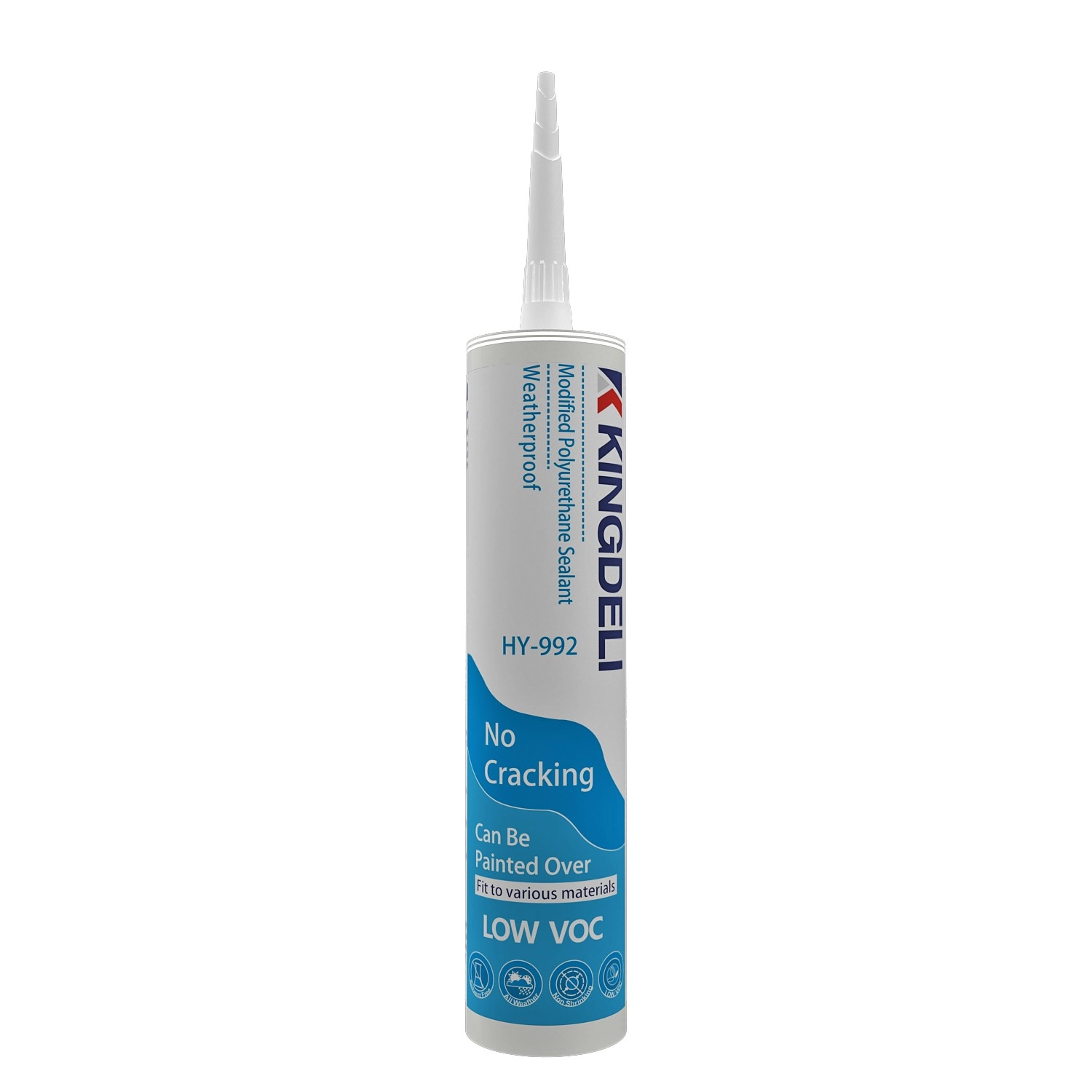
HY992 Modified Polyurethane Construction Sealant
HY992 Modified Polyurethane Sealant is a one-component, moisture-curing construction sealant designed for professional building and structural sealing applications. It provides excellent adhesion, weather resistance, and durable elasticity, making it suitable for a wide range of construction materials.
The formulation delivers strong bonding performance without corrosion or substrate contamination, while maintaining low VOC content for environmentally responsible construction projects.

HY995 Crystal Clear Ms Polymer Adhesive/Sealant
HY995 Crystal Clear Ms Polymer Adhesive/Sealant is a new generation MS Polymer adhesive / sealant formulated for all bonding and sealing applications where long term reliability is required. It has excellent bonding strength on various materials. It will cure to form a durable, flexible, waterproof seal.

HY997 High-Performance Anti-Microbial MS Polymer Sealant
HY997 MS polymer sealant for is is a premium one-component, neutral-curing modified silane sealant engineered for demanding interior applications. It offers a Class 20 movement capability, ensuring long-lasting flexibility and reliable performance under dynamic joint conditions. Curing at room temperature, HY997 delivers superior anti-microbial and mildew-resistant properties, maintaining hygienic and clean environments over time.
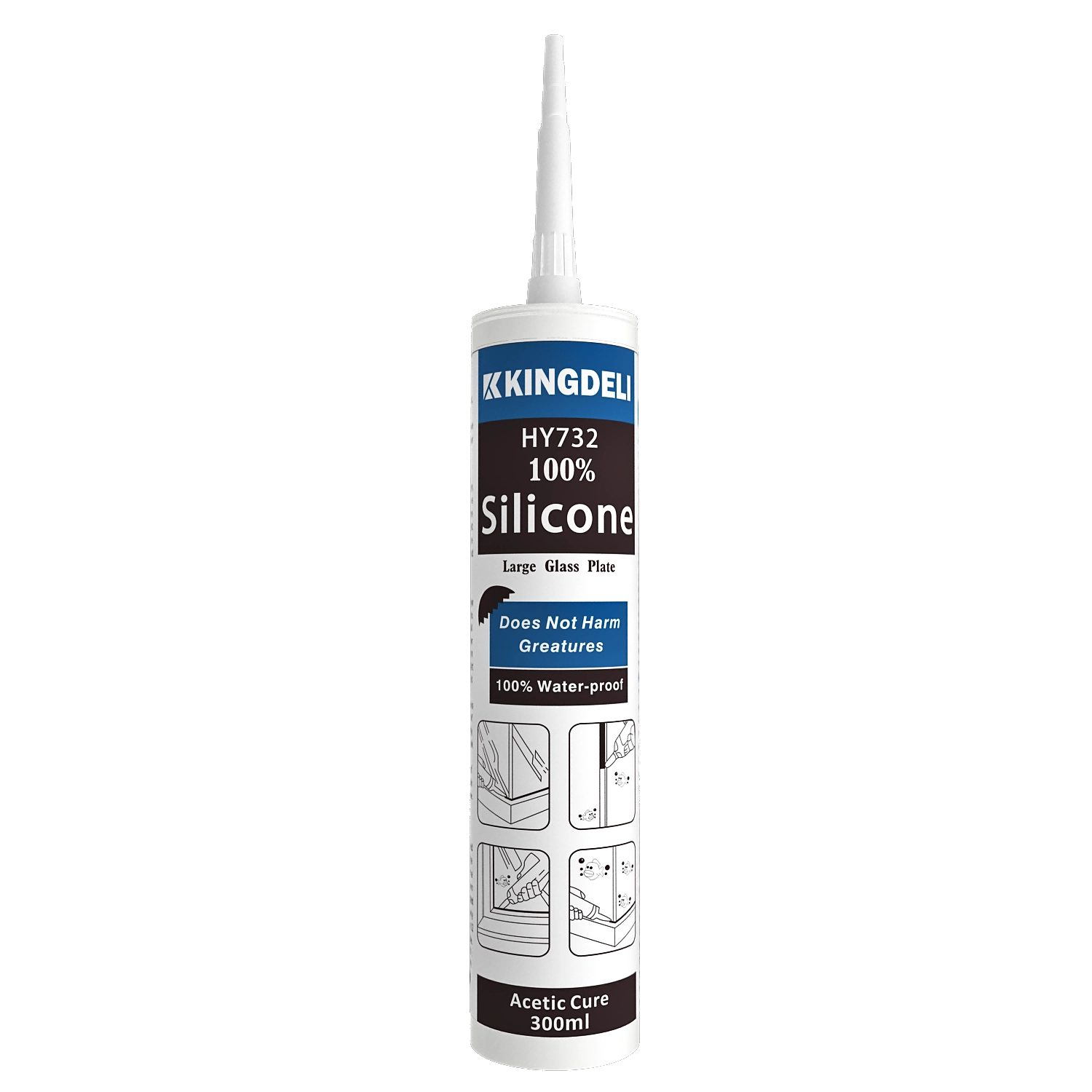
KINGDELI HY732 Professional Acetoxy Cure Silicone Sealant
KINGDELI HY732 is a professional-grade, one-component acetoxy cure silicone sealant designed for fast curing, strong adhesion, and long-lasting flexibility. Ideal for aquariums, glass applications, aluminum doors and windows, kitchens, and bathrooms, it provides reliable sealing performance with excellent anti-fungal protection in high-humidity environments.
Let’s Build Stronger Bonds with Quality Adhesives and Sealants
Have questions about the topic or need tailored sealant solutions for your project?
Our team is ready to provide expert guidance, product recommendations, and application support.
Innovating with Integrity, Bonding the World
Since 1998, KINGDELI has delivered trusted, sustainable sealant solutions that connect industries and inspire progress worldwide.
Whatsapp: +8618825946249
Kingdeli
Kingdeli
Kingdeli
Kingdeli
Kingdeli