











7 Industry Secrets Your Industrial RTV Gasket Maker Supplier Won't Tell You About Performance

- Quick Summary: Navigating the Industrial RTV Market
- What Defines a High-Performance Industrial RTV Gasket Maker Supplier?
- Secret #1: The 'Continuous' vs. 'Peak' Temperature Trap
- Secret #2: The Hidden Cost of High-Filler Formulations
- Secret #3: 'Shelf Life' is Often Manipulated via Re-bottling
- Secret #4: Oil Resistance Ratings Are Non-Standardized
- Secret #5: The MOQ (Minimum Order Quantity) Myth for Custom Colors
- Secret #6: The Cure Speed vs. Corrosion Trade-off
- Secret #7: Supply Chain Vulnerability and Precursor Dependence
- Future Outlook: RTV Gasket Tech in 2026 and Beyond
- Conclusion
- FAQ
- What is the difference between Red, Black, and Grey RTV gasket makers?
- How do I choose the right industrial RTV gasket maker supplier?
- Can RTV gasket makers replace traditional paper or cork gaskets?
- What causes RTV silicone gaskets to fail prematurely?
- Is 'Sensor Safe' RTV really necessary for industrial machinery?
- What is the typical shelf life of industrial RTV silicone sealants?
- How does temperature affect RTV curing time?
- What are the advantages of Neutral Cure over Acetoxy Cure RTV?
Quick Summary: Navigating the Industrial RTV Market
The industrial RTV market is often opaque, with suppliers obscuring critical performance data behind generic technical data sheets (TDS) that fail to predict real-world longevity.
To secure a reliable supply chain, procurement teams and engineers must look beyond the basic price-per-cartridge metrics. This article exposes the seven variables that determine true gasket performance, including:
- Transparency: Why standard TDS omits filler content percentages.
- Durability: The difference between peak and continuous temperature ratings.
- Longevity: How to detect re-labeled stock with expired cross-linkers.
What Defines a High-Performance Industrial RTV Gasket Maker Supplier?
An Industrial RTV Gasket Maker Supplier is a specialized partner that formulates, tests, and distributes Room Temperature Vulcanizing silicone sealants tailored for manufacturing, automotive, and heavy-machinery applications, ensuring specific chemical resistance, thermal stability, and adherence to OEM specifications like FIPG (Form-in-Place Gasket) standards.
Unlike generic distributors who simply move boxes, a true technical partner understands the nuances of Form-in-place gasket (FIPG) technology. They provide value-add services that prevent production line failures, such as:
- Batch Consistency: Ensuring every lot has the exact same cure rate to prevent robotic dispensing jams.
- Custom Formulation: Adjusting viscosity to match specific pump pressures.
- Technical Transparency: explicitly listing the downsides of certain cost-effective formulas.
Secret #1: The 'Continuous' vs. 'Peak' Temperature Trap
Suppliers frequently market the 'Intermittent' or 'Peak' high-temperature limit (e.g., 650°F) as the primary specification, misleading buyers about the sealant's ability to withstand sustained heat.
This marketing tactic is one of the most common causes of gasket failure in high-performance engines. A High-temp RTV silicone sealant specifications sheet might boldly claim "Resists up to 650°F," but in fine print, the continuous operating limit might only be 450°F or 500°F.
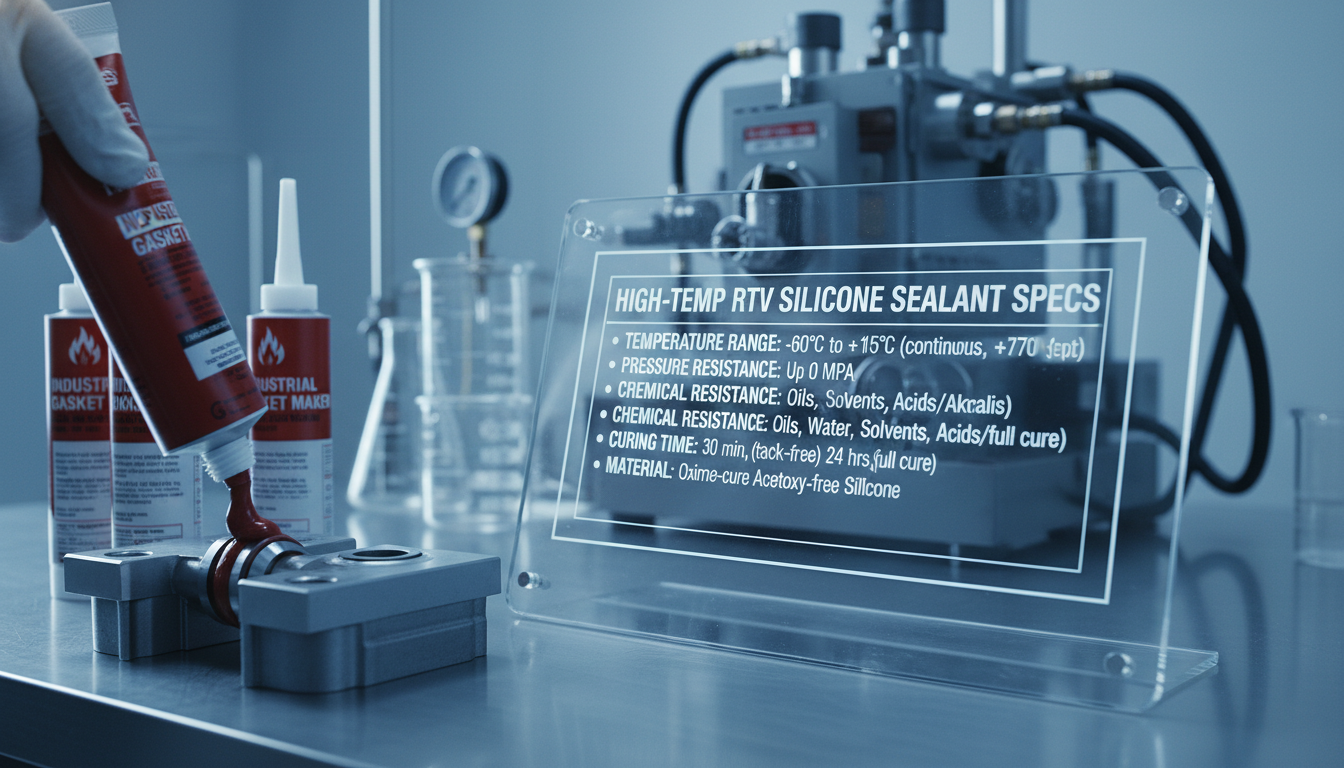
- The Risk: If your machinery operates at 550°F continuously, a gasket rated for 650°F peak will eventually embrittle, crack, and leak.
- The Fix: Always demand the "Continuous Service Temperature" data point. If it is not listed, assume it is significantly lower than the marketed number.
Secret #2: The Hidden Cost of High-Filler Formulations
To reduce manufacturing costs, some suppliers dilute pure silicone polymer with excessive amounts of calcium carbonate (chalk) or silica fillers, which drastically reduces elasticity and oil resistance.
While some filler is necessary for tensile strength, cheap RTVs are often "loaded" with cheap powders. This increases the specific gravity (density) of the product, meaning you get less actual sealant volume per pound of weight bought.
How to spot high-filler junk:
- Specific Gravity Test: Pure silicone has a specific gravity near 1.00-1.05. Heavily filled cheap RTVs can exceed 1.40. You can verify this using standardized testing methods like ASTM D792 which measures density and specific gravity of plastics and sealants.
- The "Stretch" Test: High-filler silicones turn white or snap quickly when stretched, indicating poor elasticity.
- Shrinkage: Solvent-heavy or filler-heavy formulas shrink significantly while curing, pulling away from flange edges.
Secret #3: 'Shelf Life' is Often Manipulated via Re-bottling
Unscrupulous suppliers may purchase bulk silicone drums near their expiration date, re-package them into cartridges, and print a new 'Date of Shipment' rather than the original 'Date of Manufacture' (DOM).
Silicone sealant shelf life management is critical because the cross-linkers (the chemicals that make the goo turn into rubber) degrade over time. Using expired RTV results in:
- Slow Curing: The gasket stays tacky for days instead of hours.
- Weak Bonds: The chemical adhesion to metal never fully develops.
- In-Can Curing: The product hardens inside the nozzle before you even open it.
According to technical resources from SpecialChem, while RTV silicones are noted for long shelf lives, this relies entirely on proper storage and sealed integrity. Once the cross-linking agents degrade, the product is useless. Always request a Certificate of Analysis (COA) that explicitly states the DOM.
Secret #4: Oil Resistance Ratings Are Non-Standardized
There is no universal ISO standard that legally defines 'Oil Resistant' for consumer-grade RTVs, allowing suppliers to slap this label on general-purpose silicones that swell and degrade when exposed to modern synthetic additives.
Many procurement officers assume "Sensor Safe" or "Oil Resistant" implies the gasket is impervious to all fluids. In reality:
- Swelling: Cheap acetoxy or low-grade oxime silicones absorb oil like a sponge. This swelling pushes the flanges apart, creating leaks.
- Additives: Modern transmission fluids contain aggressive detergents that eat through standard "Black" RTVs.
- The Solution: Look for "OEM Specified" or "Rigid" formulas designed specifically for powertrain applications, rather than generic hardware store "oil resistant" tubes.
Secret #5: The MOQ (Minimum Order Quantity) Myth for Custom Colors
Suppliers often claim you must order 10,000+ cartridges to get a custom color (e.g., 'Corporate Blue') to force you into buying existing stock, whereas modern manufacturing allows for much smaller custom batches.
In the world of Custom adhesive formulation manufacturing, the technology has shifted. Agile manufacturing allows smaller manufacturers to mix specific pigments into neutral bases with MOQs as low as 500-1000 units.
- Why they lie: It is easier and more profitable to sell you the pallet of generic Red RTV sitting in their warehouse.
- Your Leverage: If you are an OEM requiring brand consistency, press your supplier on their actual mixing capabilities. Often, the "technical limitation" is just a policy limitation.
Secret #6: The Cure Speed vs. Corrosion Trade-off
Fast-curing Acetoxy RTVs (identifiable by their vinegar smell) are cheaper and cure quickly but release acetic acid that actively corrodes sensitive electronics, copper, and brass components.
Suppliers push Acetoxy cures because the raw materials are cheaper than Neutral Cure (Oxime or Alkoxy) systems. However, the damage they cause is often invisible until it is too late.
- The Chemistry: Acetoxy cure releases acetic acid vapor. As noted by industry experts at Penosil, these acetoxy silicones are inappropriate for use with uncovered metals because the acid causes corrosion.
- The Trade-off: Neutral cure takes longer to skin over (20-30 mins vs. 10 mins) but is chemically inert and safe for sensors and soft metals.
- The Secret: If a supplier recommends a "fast cure" for an electronic housing without asking about the metal types involved, they are prioritizing a quick sale over your product's longevity.
Secret #7: Supply Chain Vulnerability and Precursor Dependence
Most "manufacturers" are actually blenders who rely on the same 3-4 global conglomerates for the raw silicone polymer precursors, meaning a shortage at one giant affects the entire industry.
The illusion of choice is a major secret. When a force majeure event hits a major silicon metal refinery in Asia or Europe, "exclusive" contracts often become worthless.
Risk Mitigation Strategies:
- Dual Validation: Validate two different chemical backbones (e.g., an Oxime and an Alkoxy) so you can switch if one raw material chain dries up.
- Stock Buffers: Move from "Just-in-Time" to holding a 3-month buffer of Custom adhesive formulation manufacturing stock.
Future Outlook: RTV Gasket Tech in 2026 and Beyond
As we move toward 2026, the industrial RTV landscape is shifting toward sustainability and automation compatibility.
- PFAS Regulations: Emerging bans on "forever chemicals" are threatening the availability of fluorosilicones, forcing the industry to develop new oil-resistant polymers.
- UV-Curable RTVs: To speed up assembly lines, manufacturers are moving toward "dual cure" systems (moisture + UV light) that allow for instant handling of parts.
- Bio-based Cross-linkers: Expect to see green alternatives replacing traditional tin/platinum catalysts to meet stricter EU environmental standards.
Conclusion
Selecting the right adhesive partner requires peeling back the layers of marketing fluff to understand the chemistry and supply chain realities beneath. By scrutinizing temperature limits, demanding specific gravity data, and auditing shelf-life claims, you can avoid costly recalls and production downtime. Don't settle for a datasheet that hides more than it reveals.
Contact us today to optimize your Industrial RTV procurement strategy and secure high-performance supply.
FAQ
What is the difference between Red, Black, and Grey RTV gasket makers?
Red RTV is typically formulated for high-temperature resistance (up to 650°F peak), making it ideal for exhaust manifolds. Black RTV usually focuses on oil resistance and flexibility for oil pans. Grey RTV is designed for high-torque applications where rigidity is required to withstand vibration, often used on water pumps and intake manifolds.
How do I choose the right industrial RTV gasket maker supplier?
Choose a supplier based on their ability to provide transparency (clear COAs), technical support (application-specific advice), and batch traceability. A reliable supplier should offer custom formulation options and be willing to discuss the specific gravity and filler content of their products rather than hiding behind generic datasheets.
Can RTV gasket makers replace traditional paper or cork gaskets?
Yes, Form-in-Place Gasket (FIPG) technology allows RTV to replace traditional gaskets by filling gaps and conforming to surface irregularities perfectly. This reduces inventory costs (no need to stock different cut gaskets) and provides a better seal on imperfect surfaces, though it requires precise application control.
What causes RTV silicone gaskets to fail prematurely?
Premature failure is often caused by improper surface preparation (oil residue), selecting the wrong cure type (using acidic acetoxy on copper), exceeding the continuous temperature limit, or using a general-purpose RTV in a high-oil environment where it swells and loses adhesion.
Is 'Sensor Safe' RTV really necessary for industrial machinery?
Yes, "Sensor Safe" means the RTV is formulated with low-volatility chemicals (usually neutral cure) that do not outgas agents that foul oxygen sensors or corrode delicate electronic control boards. In modern industrial machinery with complex electronics, using non-sensor-safe RTV can lead to expensive sensor failures.
What is the typical shelf life of industrial RTV silicone sealants?
The standard shelf life is usually 12 to 24 months from the Date of Manufacture (DOM). However, storage stability depends heavily on temperature and humidity. Always check the batch code and demand the DOM, as improperly stored or expired sealant will fail to cure or bond correctly.
How does temperature affect RTV curing time?
RTV silicones are moisture-cure systems. High temperatures and high humidity accelerate the curing process, sometimes causing the product to "skin over" too quickly before the parts are assembled. conversely, cold and dry environments can significantly extend the cure time, delaying production.
What are the advantages of Neutral Cure over Acetoxy Cure RTV?
Neutral Cure RTVs (releasing alcohol or oxime) are non-corrosive, making them safe for use on copper, brass, and electronics. They also generally offer better adhesion to a wider range of plastics and metals compared to Acetoxy Cure (vinegar smell), which cures faster but risks corrosion and has a stronger odor.
Application Guide: MS Silicone Sealant for Window Frames
Top polyurethan sealant adheres to metal Manufacturers and Suppliers
Surface Preparation for Optimal MS Silicone Sealant Adhesion
Case Study: MS Silicone Sealant in Industrial Roofing Projects
HY925
What is the shelf life?
Aluminum cartridge: 12 months
Aluminum foil: 12 months
Store in a cool, dry place below 25°C for optimal performance.
HY993
How should HY993 be stored?
Keep in a dry, shaded environment at moderate temperatures. Avoid exposure to freezing or high heat for prolonged periods.
What is the temperature resistance after curing?
HY993 maintains performance across a wide range of temperatures typically required in construction, industrial, marine, and automotive environments. (If you want, I can include specific temperature ranges.)
HY-966
What type of adhesive is HY-966?
HY-966 is a one-component, heavy-duty construction adhesive sealant designed for high-strength bonding across a wide range of building materials.
HY-3300
Do you offer OEM or customized packaging for HY-3300?
Yes. We provide OEM services including customized cartridges, box packaging, and labeling according to customer requirements.
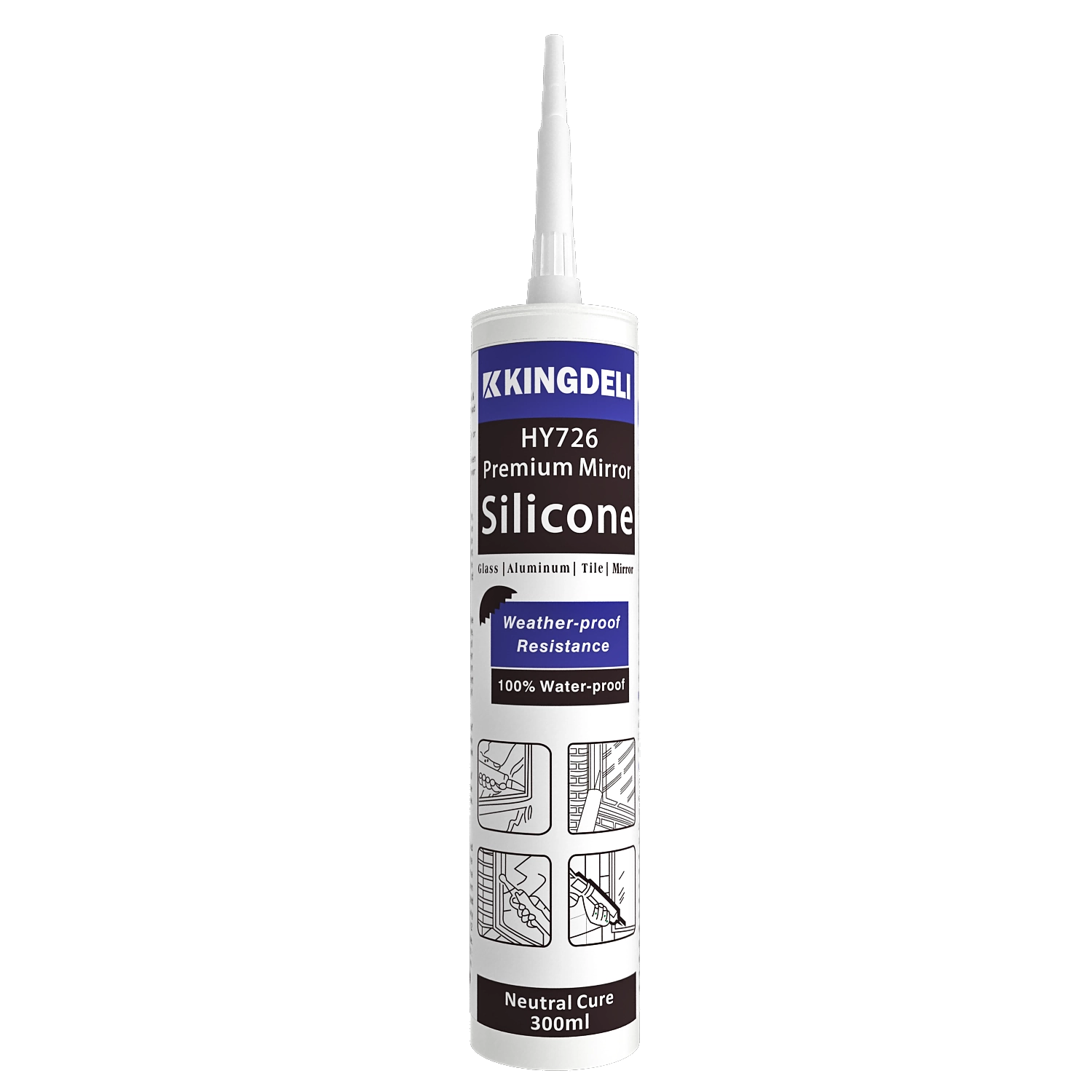
HY-726 Premium Clear Neutral Silicone Sealant
HY726 one-component, shelf-stable, 100% silicone elastomeric adhesive using alkoxy technology. It is specifically designed for sealing sensitive surfaces such as copper, gold, and metal-coated mirrors.
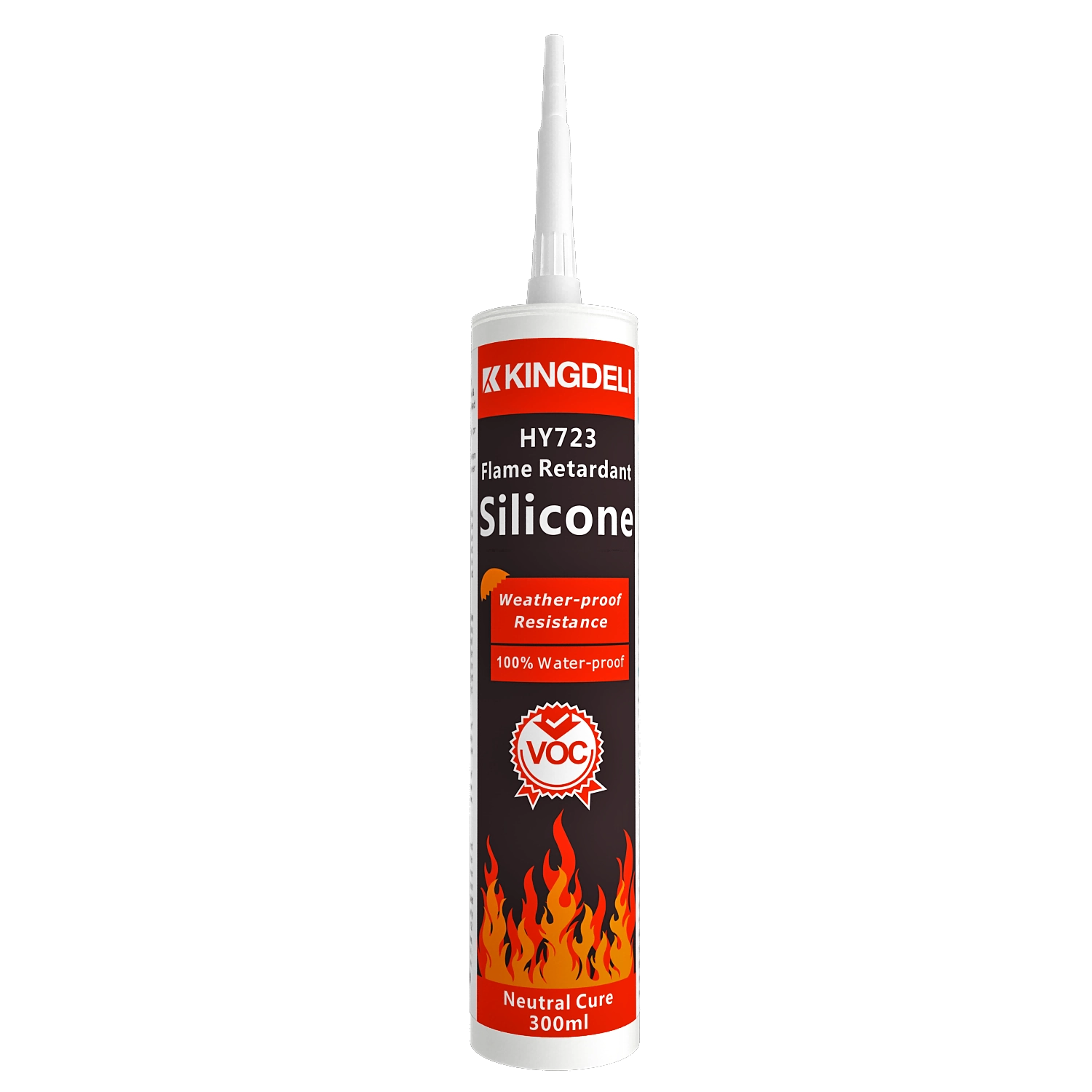
HY-723 Flame Retardant Neutral Silicone Sealant
HY-723 Flame Retardant Neutral Silicone Sealant is a high modulus one-component, shelf-stable, neutral cure, elastomeric adhesive. s. It helps control the spread of fire, smoke, and toxic fumes within a given area surrounded by firewalls for a period of up to four hours, depending on joint configuration.
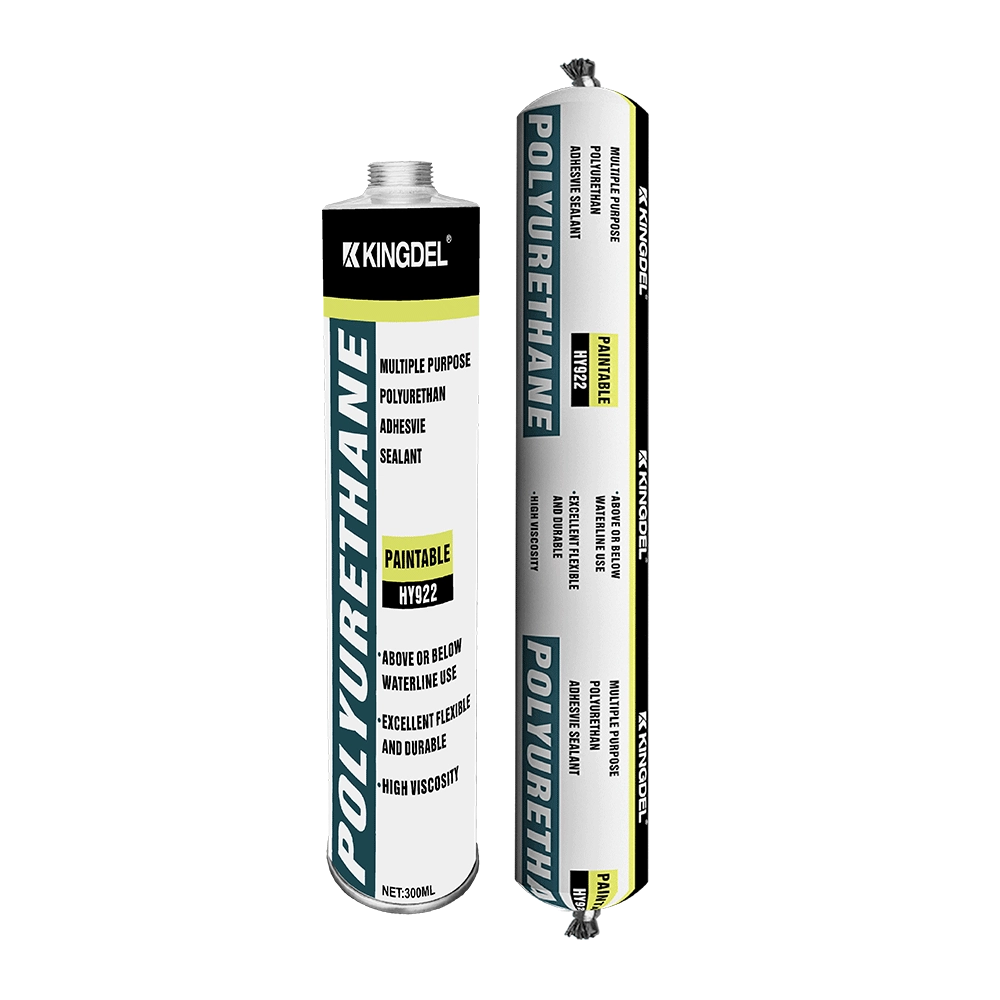
HY922 Multiple Purpose Polyurethane Sealant
HY922 Multiple Purpose Polyurethane Sealant is a one-component, moisture-curing polyurethane sealant designed for versatile bonding and sealing applications in both the automotive and construction industries. It cures to form a flexible yet tough elastomeric joint with excellent adhesion to a wide range of substrates. The formulation is non-corrosive, solvent-free, and produces a smooth, bubble-free finish during application.
HY922 delivers fast surface drying and quick positioning, improving installation efficiency while maintaining long-term durability. With strong weather resistance and good creep resistance, it performs reliably in demanding indoor and outdoor environments, including moist and partially submerged conditions.
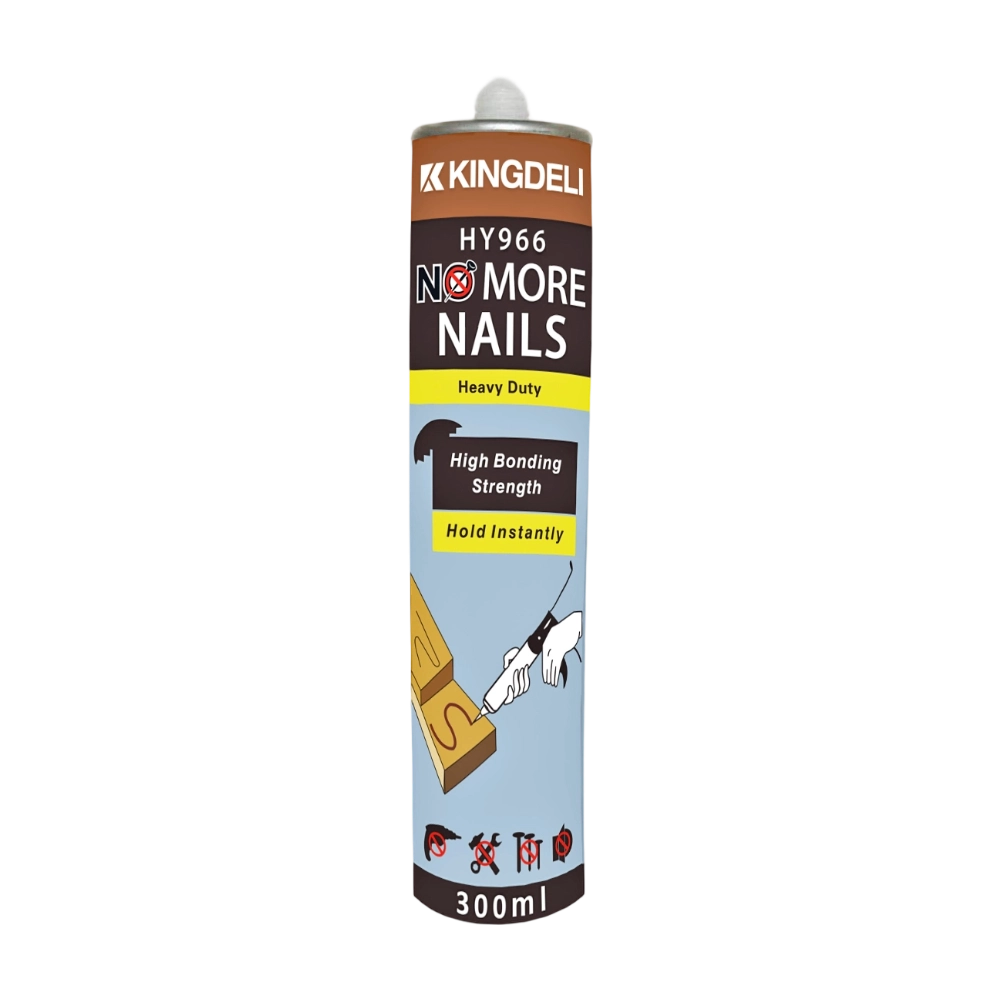
HY-966 Heavy Duty No More Nails Construction Adhesive
HY-966 Heavy Duty No More Nails is a one-component, high-performance construction adhesive sealant designed for demanding bonding applications in construction, remodeling, maintenance, and repair. Its instant grab formulation secures materials immediately, significantly reducing the need for bracing or mechanical fixing during installation.
HY-966 cures reliably in moist environments and delivers durable adhesion across a wide range of substrates. It provides excellent resistance to water, temperature variation, and aging, ensuring long-term performance in interior construction applications.
Let’s Build Stronger Bonds with Quality Adhesives and Sealants
Have questions about the topic or need tailored sealant solutions for your project?
Our team is ready to provide expert guidance, product recommendations, and application support.
Innovating with Integrity, Bonding the World
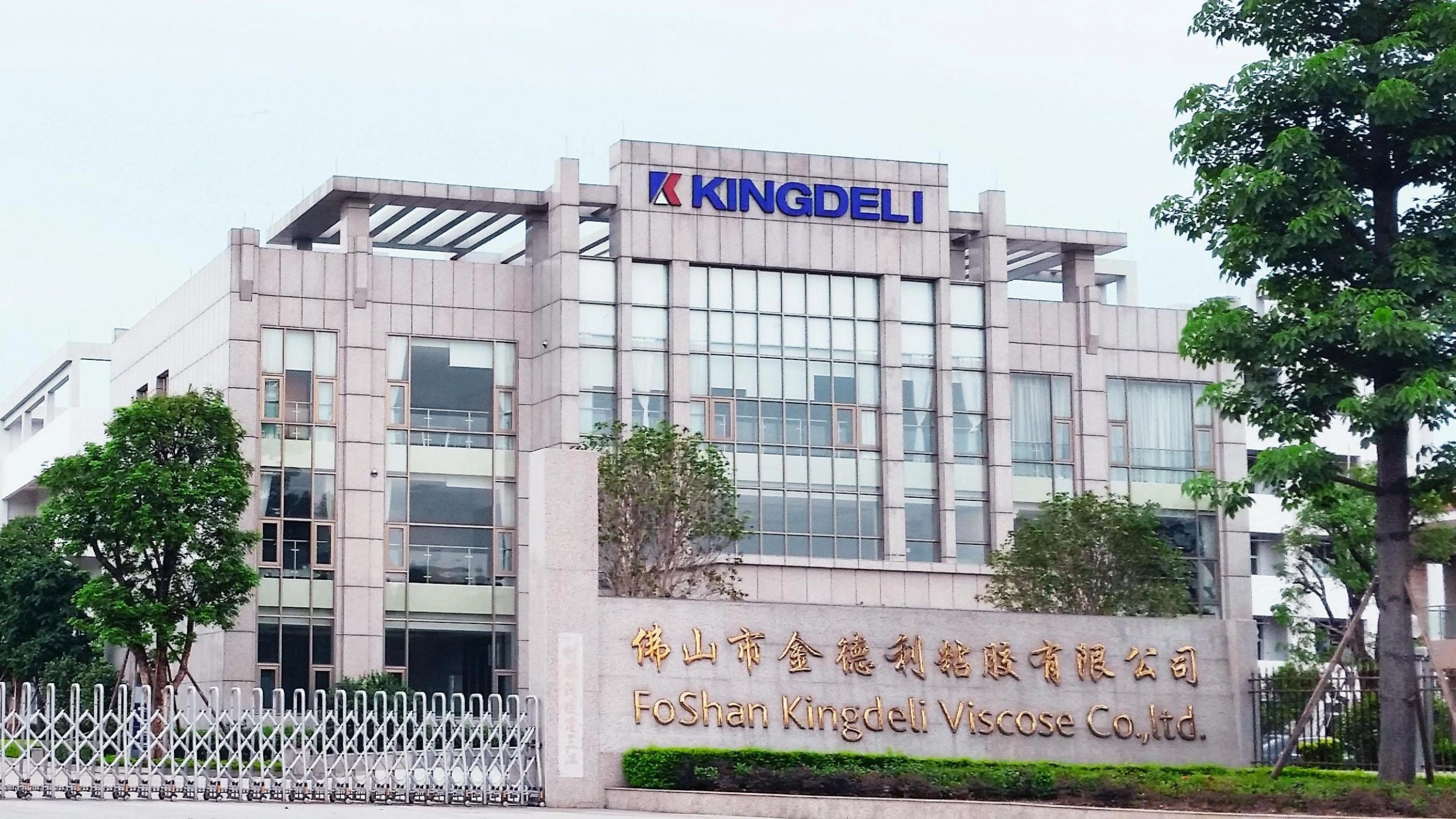
Since 1998, KINGDELI has delivered trusted, sustainable sealant solutions that connect industries and inspire progress worldwide.
Whatsapp: +8618825946249
Kingdeli
Kingdeli
Kingdeli
Kingdeli
Kingdeli